Home>Resources>Product NewsSpectrophotometers | Color Devices: A Complete Guide

Spectrophotometers | Color Devices: A Complete Guide

The importance of the accuracy of colors and shades should be noted. For instance, in the textiles industry, the accuracy of subtle colors in the textile dye and the metallic shades in textiles, as well as the bright red colors used in food packaging. It should be noted that the human eye is greatly impacted by lighting, fatigue, and one's emotional state and mood, to name a few, in terms of color perception. This is why a lot of industries rely on spectrophotometers. This advanced color-measuring industry brings objectivity, repeatability, and science to the field concerning color measurement.

Spectrophotometers_Color_Device


This article will provide information concerning the inner workings of spectrophotometers, their significance, their proper use, and the reasons behind manufacturers such as them being well-known and respected. It will also provide you the guidelines that can be used in the real world to ensure that you achieve the same results each and every time you measure color.

Best Spectrophotometer for Measuring Color Reflectance


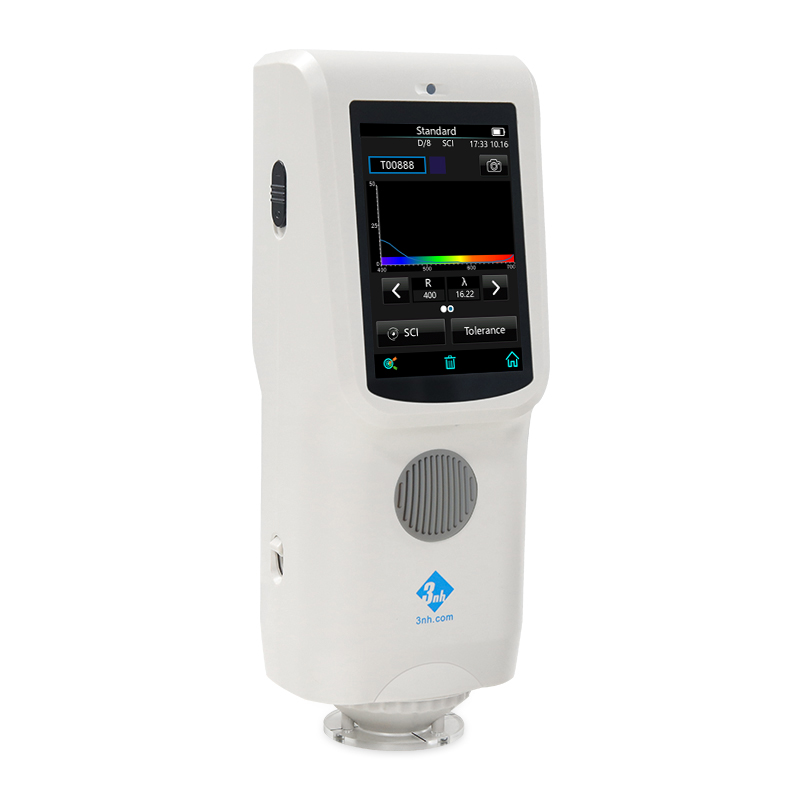
When color accuracy is discussed in industries, color reflectance is also discussed. Color reflectance is the measure of how much light is reflected on a surface at different wavelengths. A spectrophotometer determines this and creates a color profile that is used to allow the comparison of different samples to ensure consistency in production and to check if the color being used is the same as the standard color required.


A trustworthy reflectance spectrophotometer must have the capability to register minute data changes that the human eye cannot perceive/spot. In the production of goods, like in the case of plastics or paints, a subtle change in the concentration of a given pigment might result in a difference that can be clearly perceived in the final product once put out into the market. Quality spectrophotometers give the industry players the confidence to release a product that meets the players' defined color, as spectrophotometers pair stable data with varying circumstances from the light conditions and the working environment in a spectrophotometer to the data generated out of the spectrophotometer.
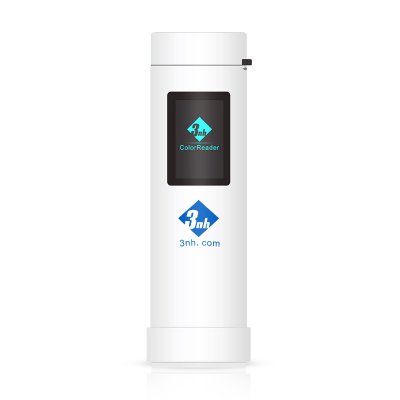
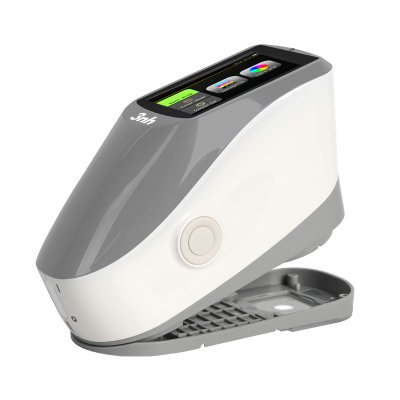
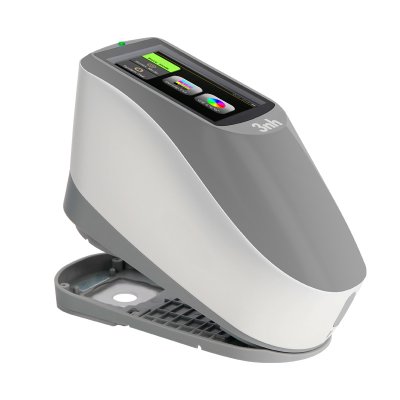
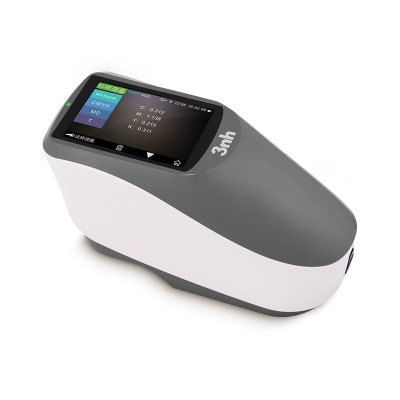
Quality Control Using Portable Spectrophotometer


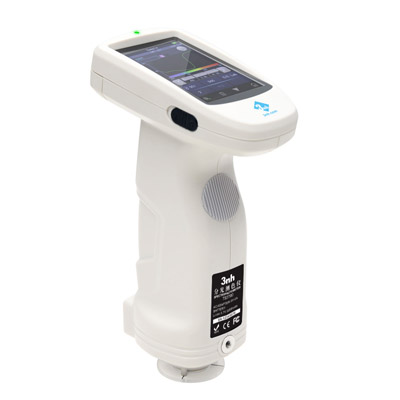
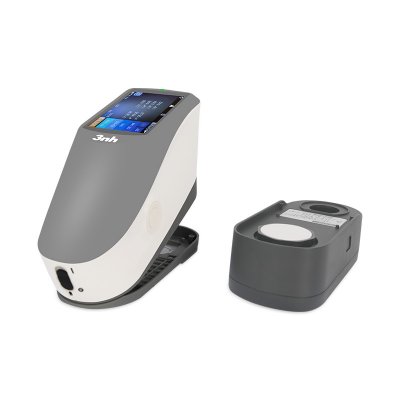
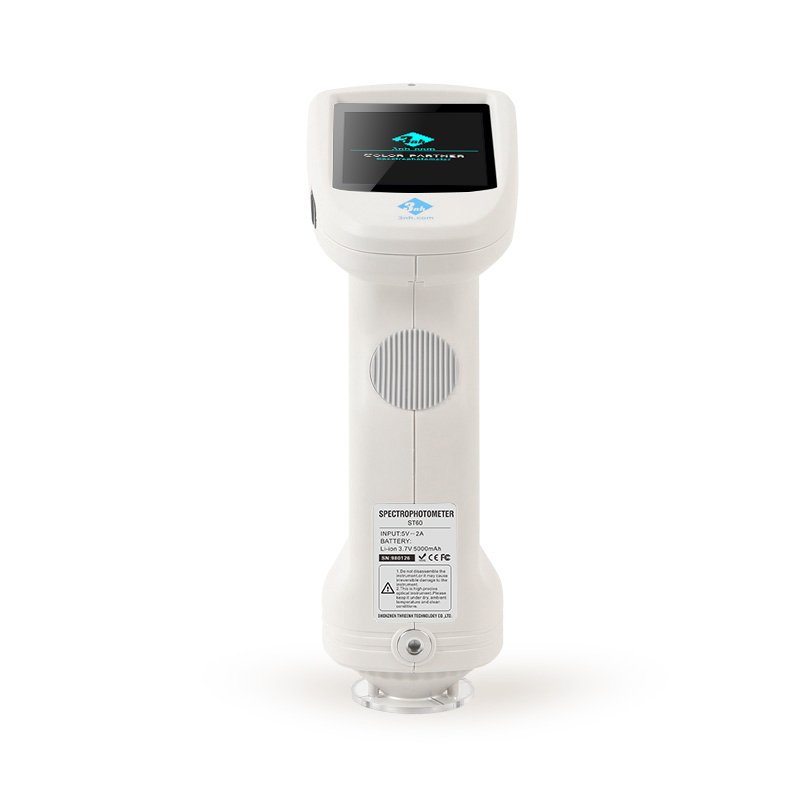
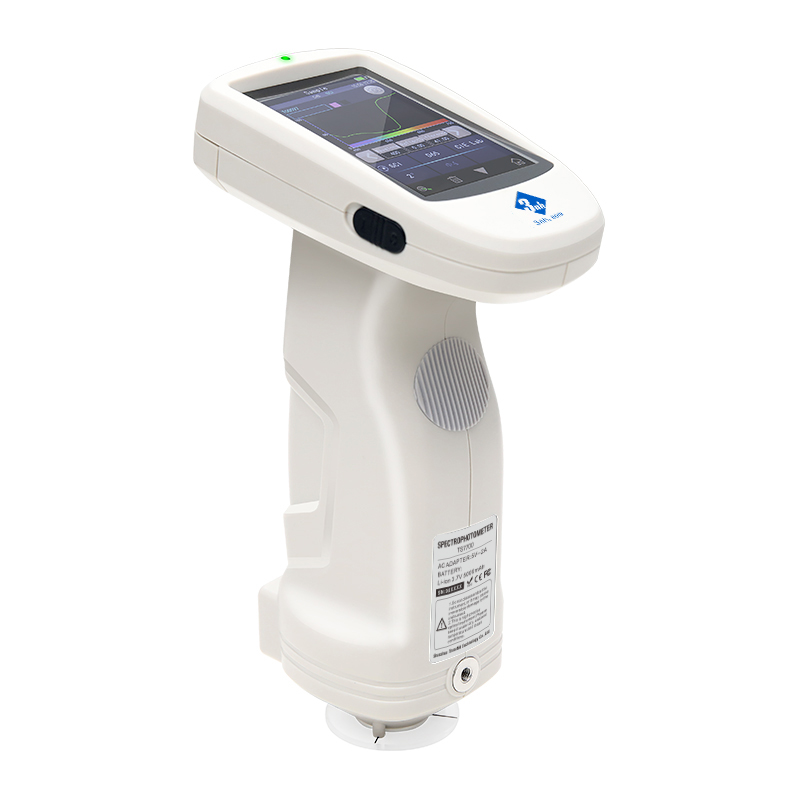
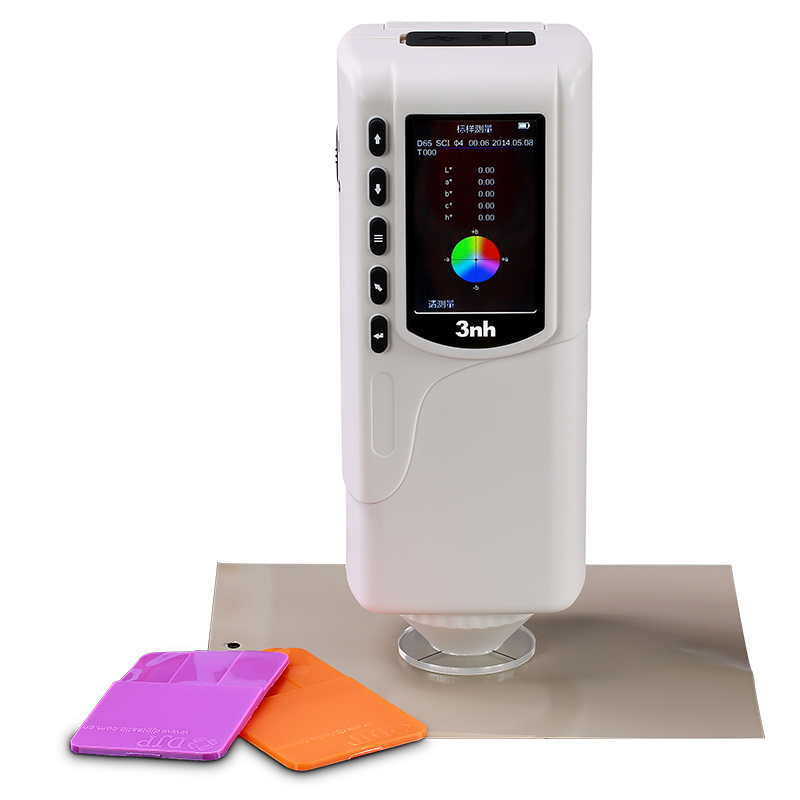
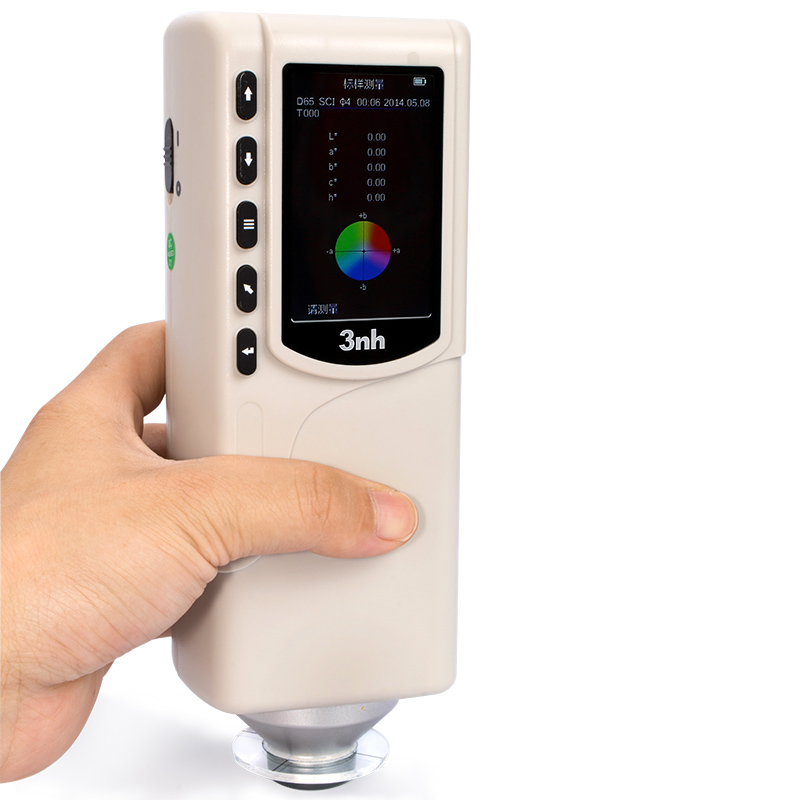
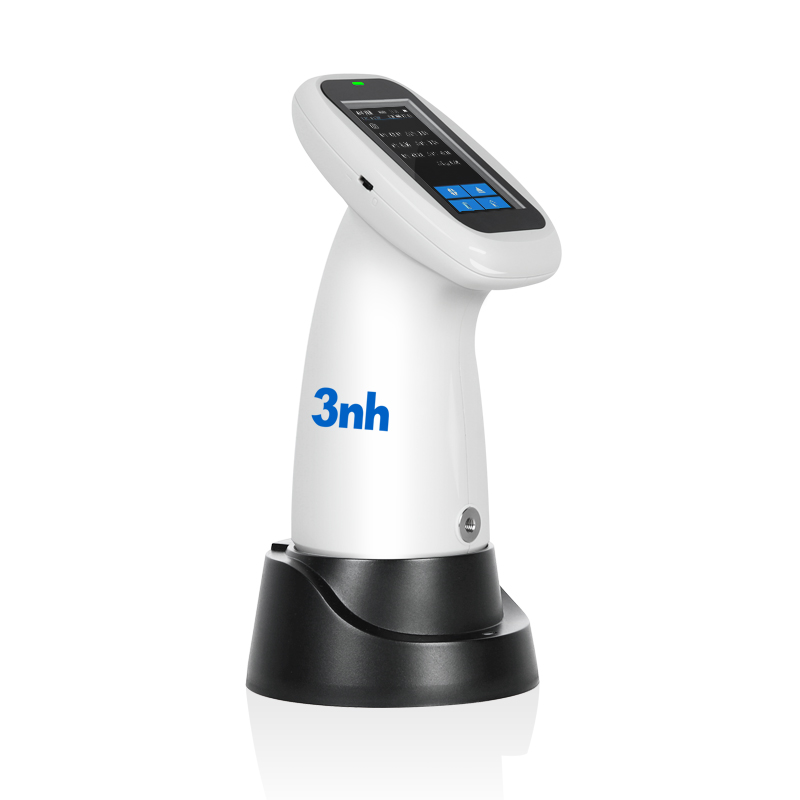
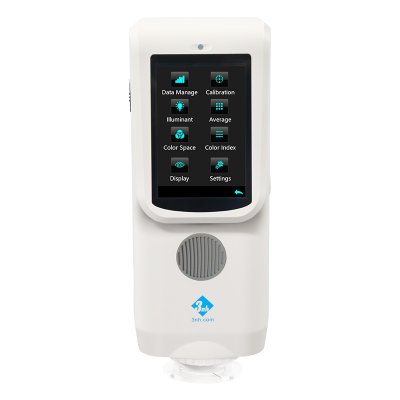
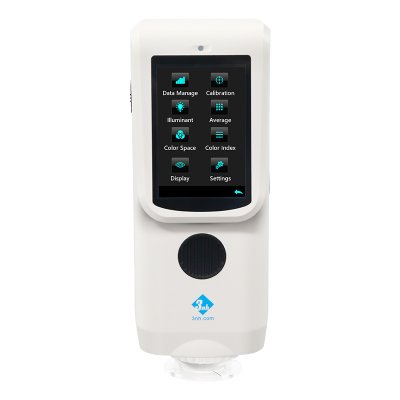
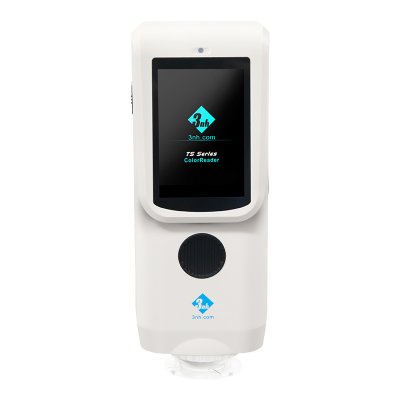
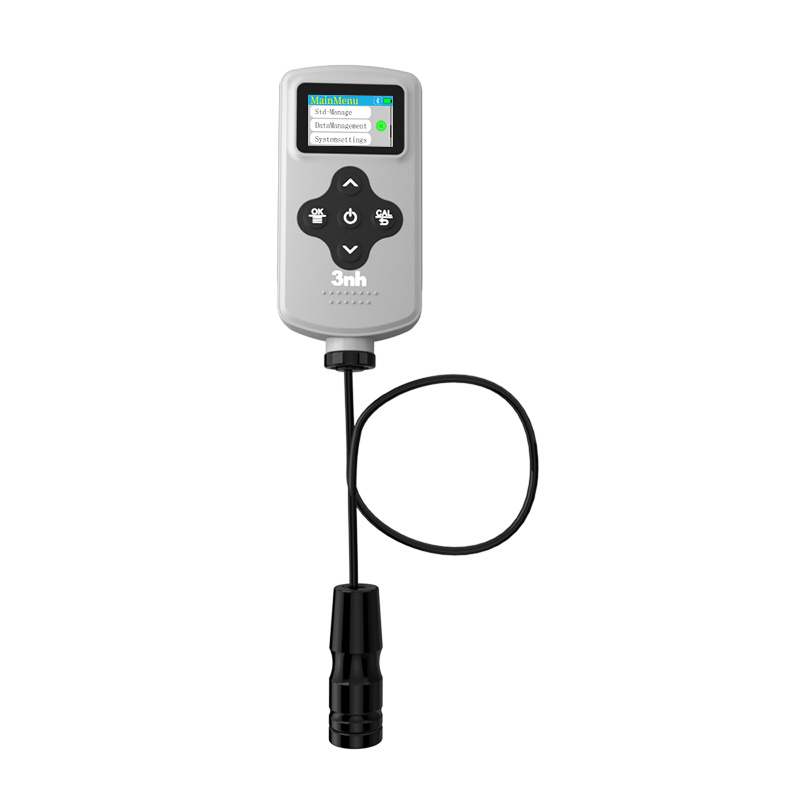
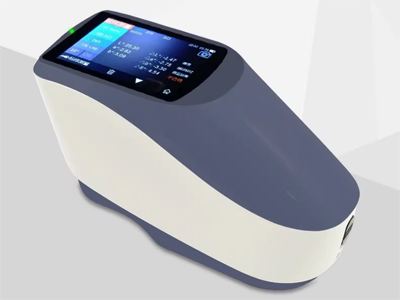
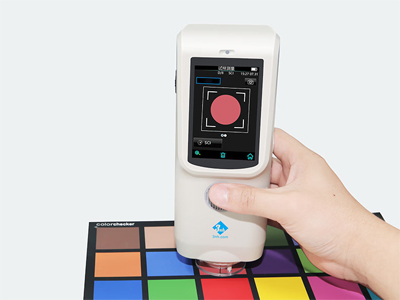
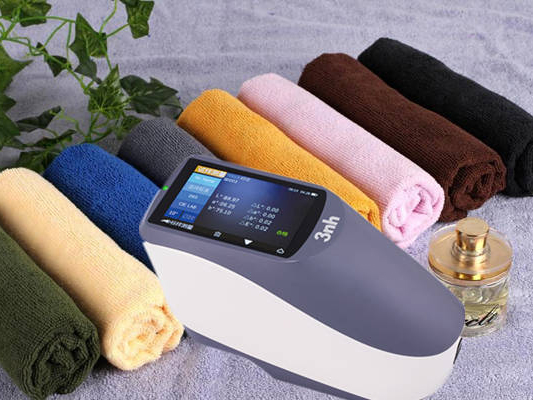
For industries that require rapid instant on-site measurement, portable spectrophotometers have proven to be valuable assets. In contrast to benchtop models, which are confined to laboratories, portable units give operators the freedom to walk to stock materials in a factory production line, a warehouse, a customer site, or even outdoors for an instant color check.


Being able to have the device right there at any time and place is the ideal tool for convenience and making decisions on the spot. It is terrible having to wait for results, wait to try to set up an appointment, and overcome the hurdles of time constraints. For example, employees in the textile sector often have to wait to see the results of colors; visible color variations often do not appear until the fabric has dried or is completed. It is beneficial to have the color measuring tool right on the site, where they can quickly and easily make the required color adjustments at any stage to prevent later costly changes.


In the past several years, portable color measuring tools have caught up to the previous benchmarks for stationary spectrophotometer tools in terms of accuracy, making their benefits more comparable to the previous stationary models. Although the stationary models set the benchmark in terms of absolute accuracy, for user benefits in daily quality control tasks, the portable models become more than sufficient.

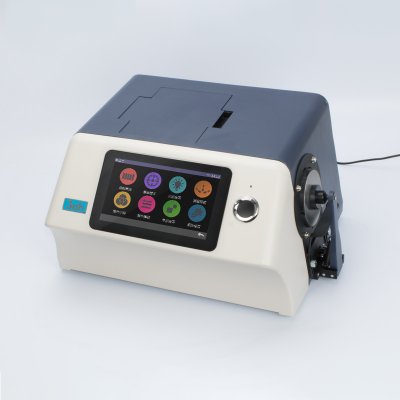
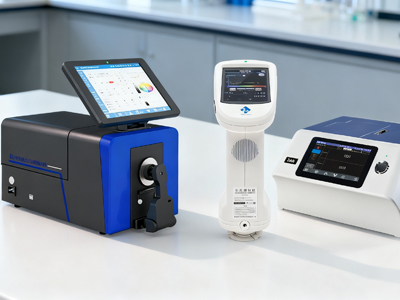
Benchtop Spectrophotometer for Precise Color Measurements and Color Analysis

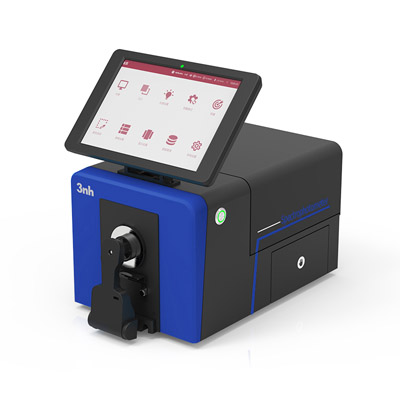
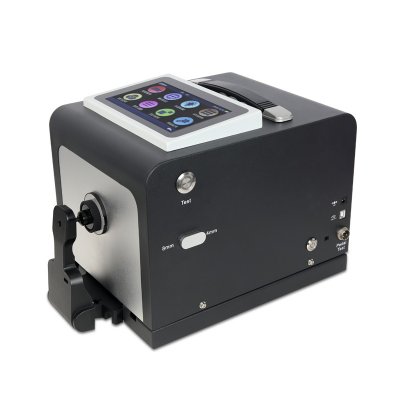
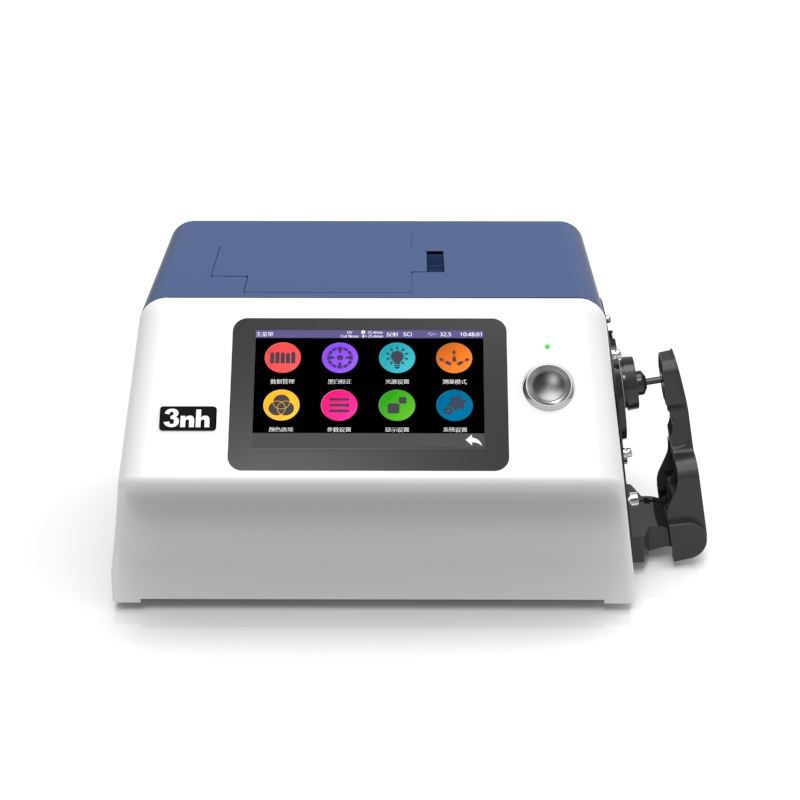
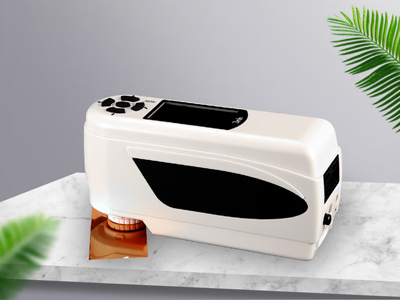
Portable models have improved significantly in recent years, offering accuracy levels close to benchtop machines, but they still do not have the absolute precision needed in research labs. For daily quality control tasks, portable devices have proven to be more than enough. For tasks that require laboratory-grade precision, benchtop spectrophotometers remain the gold standard.


Portable devices cannot match the stable optics, the size of their integrating spheres, and their controlled measurement environments. The precision and consistency of the results end up suffering, making portable devices or spectrophotometers not viable in the laboratory.


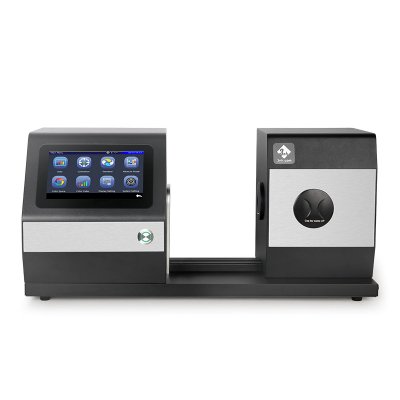
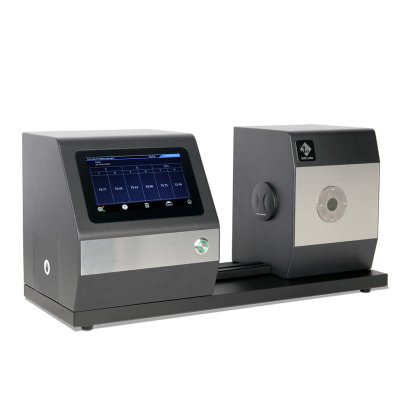
Companies producing high-value items like auto parts, paints, coatings, and color masterbatches use benchtop spectrophotometers to check formulations and control tolerances. These units can measure not only reflectance but also transmission, haze, fluorescence, and other color metrics. This makes them especially useful for formulations that are transparent or are designed to have a high gloss or other specialty formulations. 


This granularity also enables R&D teams to burn through milestones in varying degrees of formulation design. When color differences are of such small magnitudes that they might seem to be of no real pragmatic measure, benchtop spectrophotometers are the only viable option.

How Industries Measure Color with a Spectrophotometer for Quality Control


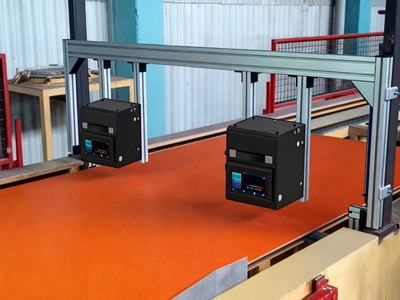
This ubiquity brought in the potential for automated systems that can measure color for quality control and for all industries where color can impact customers’ perceptions. For example, a packaging design is considered poor quality, or even outdated, if the dominant colors are a dark shade of the logo, and textiles have to be the right color, or shipments may get rejected. Paints and coatings have to match specified colors for branding or regulatory compliance. This is the reason spectrophotometers are also crucial for other industries.


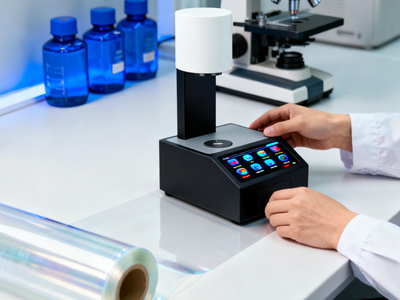
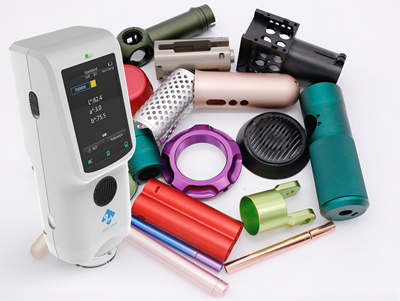
In printing and packaging, spectrophotometers ensure seamless color transitions and consistency across materials like paper, plastic, and foil. In the manufacturing of plastics, spectrophotometers help the operator maintain uniformity in the rate of color pigments extruded and injected during molding. Suppliers of the automotive industry depend on spectrophotometers for their interior components to ensure they match, even those sourced from different vendors. Cosmetics companies use spectrophotometers to measure the color of foundation pigments and their blends.


Color measurement is not dominated by any one industry. It is a global necessity and an integral activity in modern PQ, the Quality Control System.

Practical Guidelines For Optimal Working of Color spectrophotometer


Spectrophotometer usage appears to be a clear-cut, effortless process. Position the sample, opt to execute, and the results display. But there are innumerable details that need to be considered. It is often the details that are taken for granted that the results depend on. The best reliable results are presented in the following sections.


What Affects the Quality of Color Measurement?


The quality of a color measurement is influenced by a variety of factors, and small changes in the environment can influence the measurement outcomes. The outcomes can be affected by temperature changes, the amount of moisture in the air, the texture of the sample, instrument rest, the diameter of the aperture, and the condition of the instrument. For example, a dusty sample surface can scatter light and produce faulty measurement readings. Moreover, measuring a sample that is warm and just taken out from a storage compartment can produce faulty measurement recordings due to the temperature affecting reflectance.  


Awareness of the conditions improves the operator’s competence in managing measurements and gathering consistent documentation.  


Calibrate, Then Recalibrate, and Then Calibrate Again  


The first regulation for spectrophotometers would be to calibrate them: it is the first and most important step. Every instrument, regardless of its technical sophistication, should be calibrated prior to its first use. Calibration allows the instrument to understand what “perfect white” and “perfect black” are so that it can then correctly identify and assess other colors.  


The significance of calibration is often overlooked, particularly in industrial settings. It’s high-stakes environments where time is useless, and operators skip calibration only to slow the line down later with improperly calibrated instruments by failing entire quality control color checks. The importance of recalibration grows every time the instrument is moved, after it has been set for a while, or after exposure to a new temperature. Calibration is not a suggestion; it is mandatory.


Spectrophotometer: Correct Ways to Measure Color Samples


In order to accurately measure color, there has to be a consistent standardization for how it is measured every single time. To avoid having stray light enter the instrument while measuring, always make sure samples fully cover the aperture. The surface must be cleaned of any dust or particles, scratches, or fingerprints. For textured materials such as fabrics, leathers, or woods, measuring samples at a number of different angles, and then averaging these, makes for a more accurate, reliable read.


Operators also need to make sure sample positioning is secure. Even minimal amounts of slanting can impact the volume of light that is admitted to the instrument. By making sure that the same exact activity is done every single time, any differences in measurement can be specified to the production process, rather than the technique of the operator.
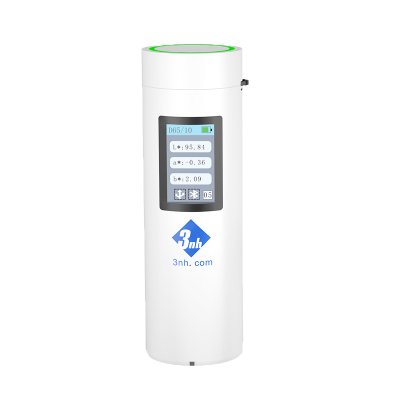

Why Consistency is Important in Measuring Color


At the core of accurate color measurement is restraint. Consistency is needed in every single variable. Changes in aperture size, measurement duration, pressure applied, measurement mode, orientation, or light can all cause measurement results to vary and create a mess of inconsistency that will lead to bad batches or, alternatively, the approval of samples that are not up to par.
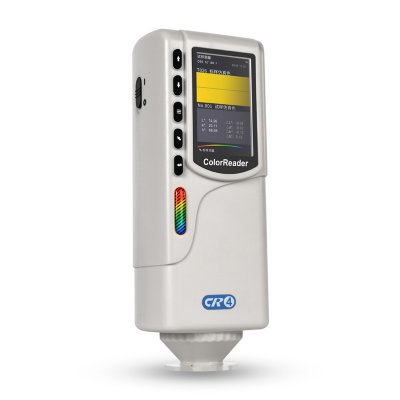

When one operator measures a textile sample with SCI mode and the other operator measures with SCE, the differences in readings are because SCE measures surface texture. Measuring glossy plastic parts also has the same impact of surface angle and the difference in measurements of highlighted gloss. Consistency is key in ensuring color differences, as variations in color are due to the true color that is being measured and not inconsistencies in the measurement.

Why is maintaining instruments and inspecting them so crucial?


Dust in adjustable optics, scratched calibration tiles, and loose parts that are internal contribute to precision instruments, and the instruments require all maintenance to run properly. Regular inspections to see what needs to be adjusted and what is at risk of potential problems that could lead to a loss in production. Cleaning, keeping tiles properly stored, and not exposing the instruments to excess heat and humidity are all daily maintenance. Long-term instruments require both professionalism and maintenance to be  


Instrument Suppliers and Manufacturers


Worldwide the color of spectrophotometer instruments has increased. Worldwide spectrophotometer instrument color accuracy has increased the need for spectrophotometer instruments as well. A device is as important to a manufacturer. Calibration regulations, technical support, and long-term service all help ensure the device stays accurate. A promise of a measuring device is in constant need of being accurate and is with the device.


3NH Color Spectrophotometers  


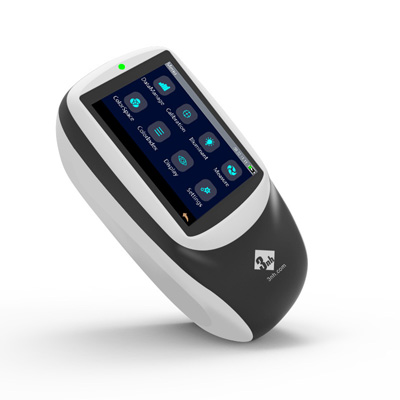
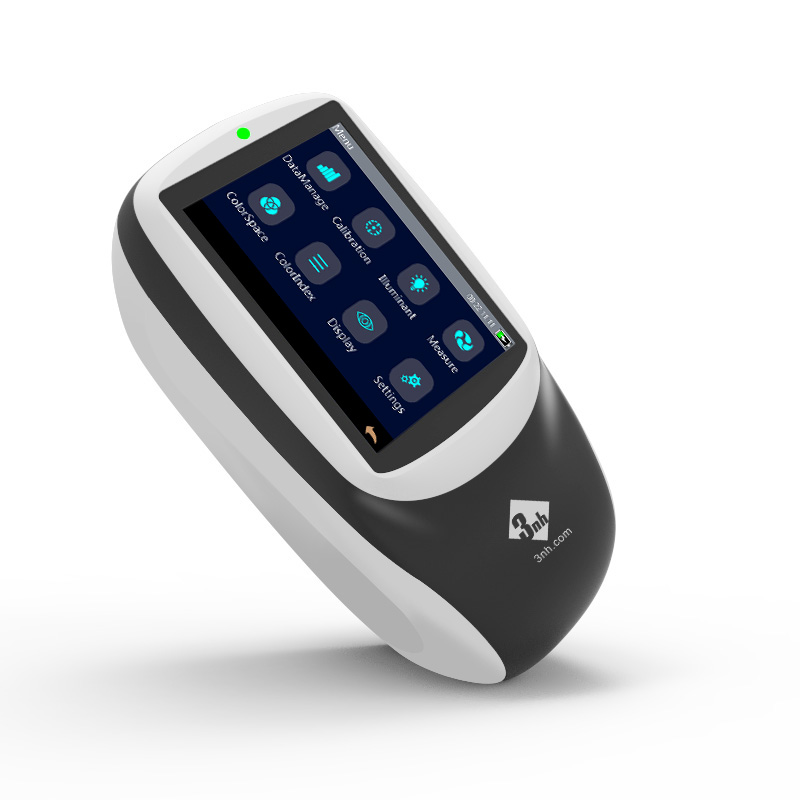
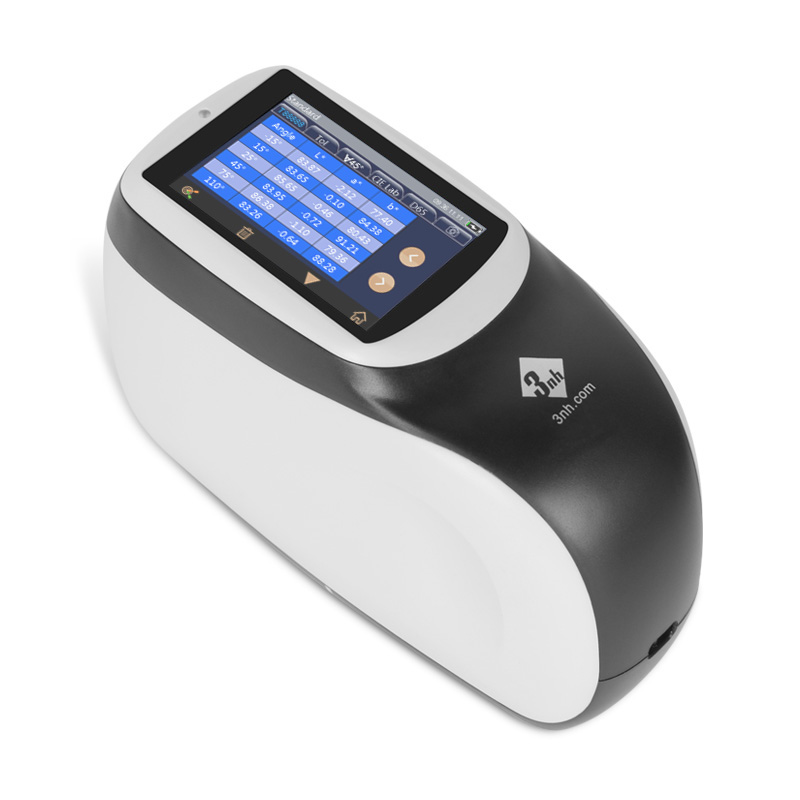
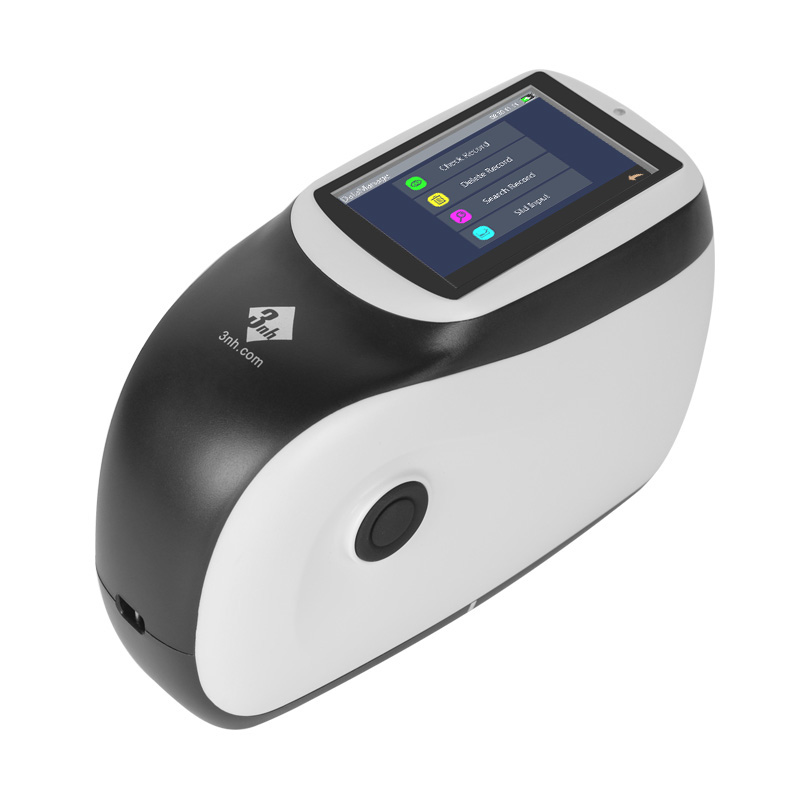
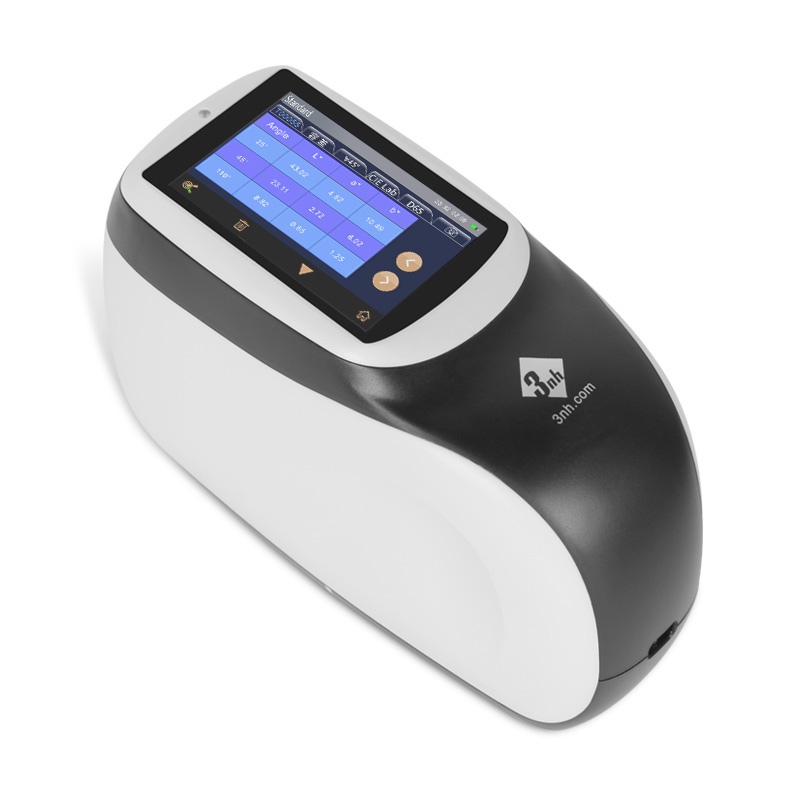
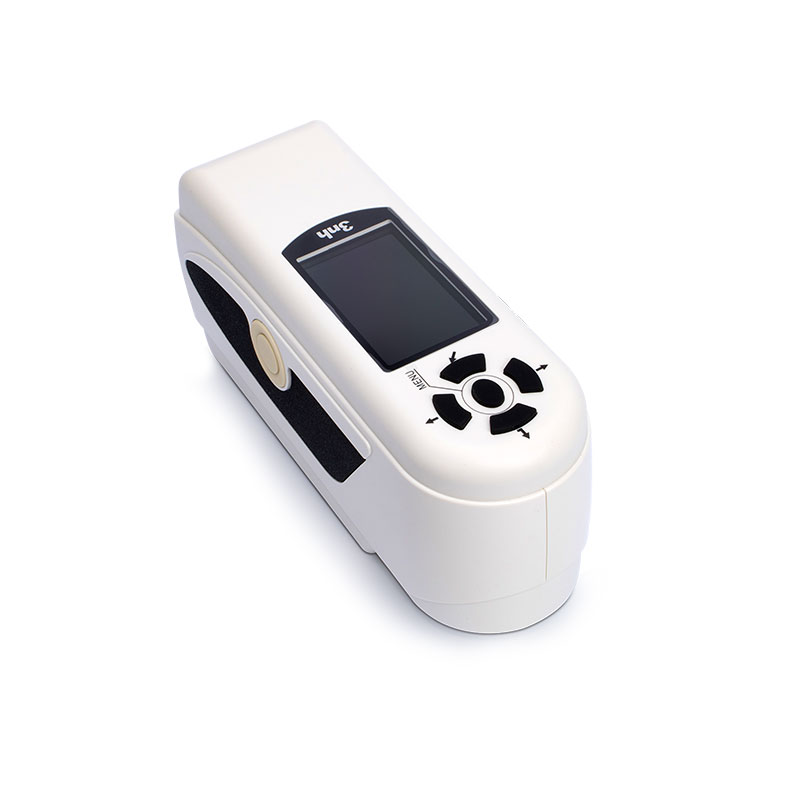
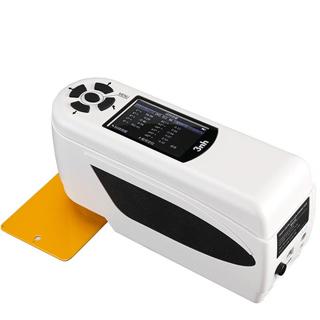
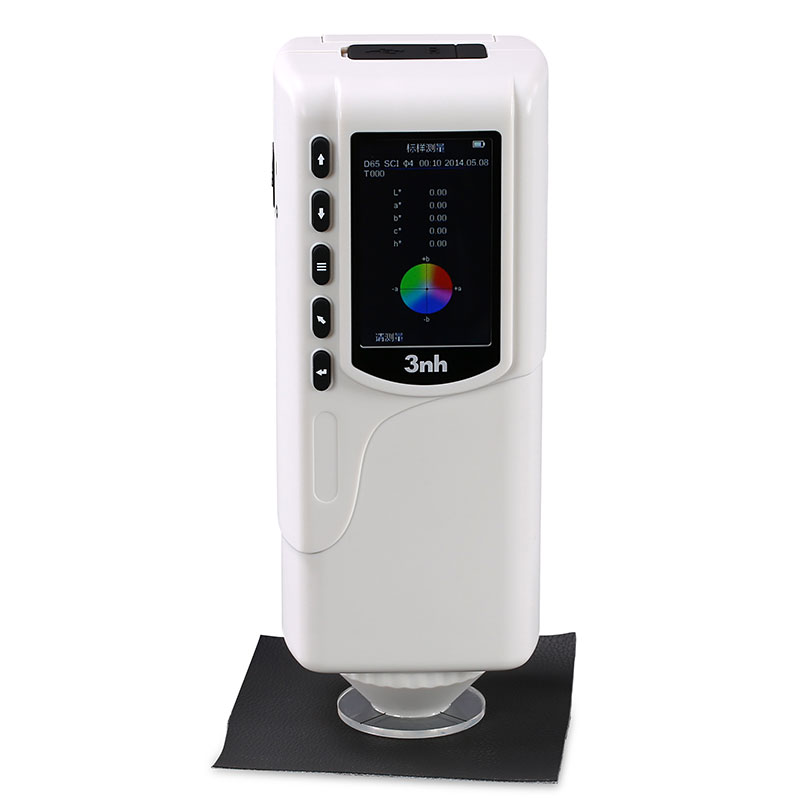
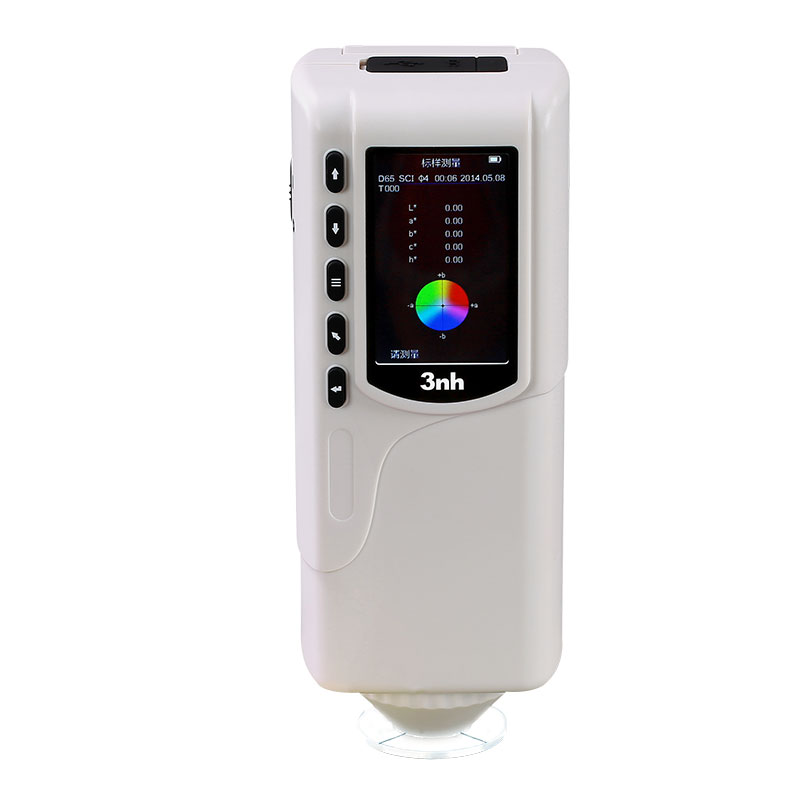
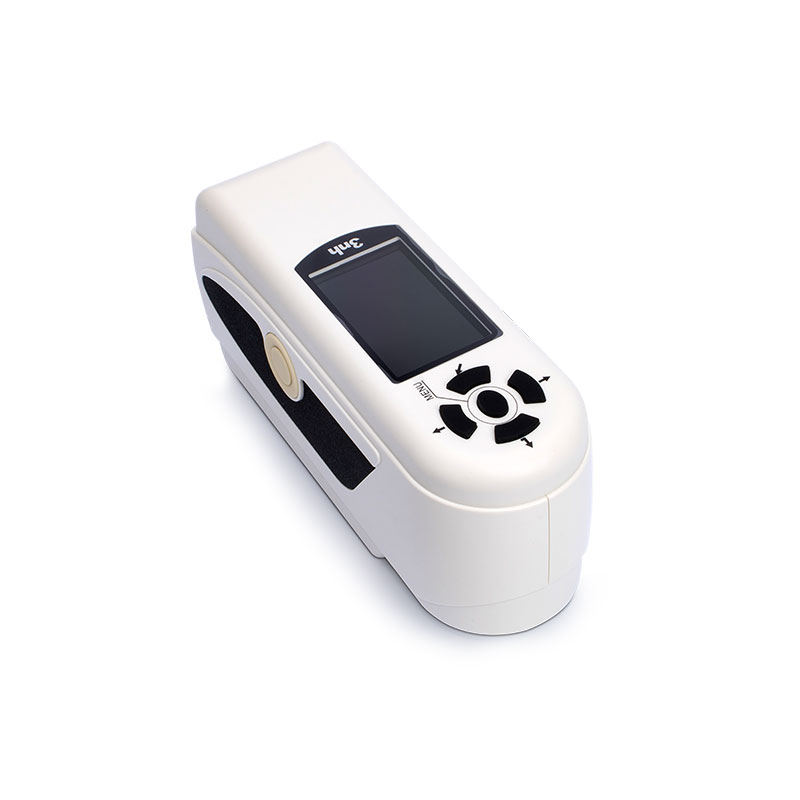
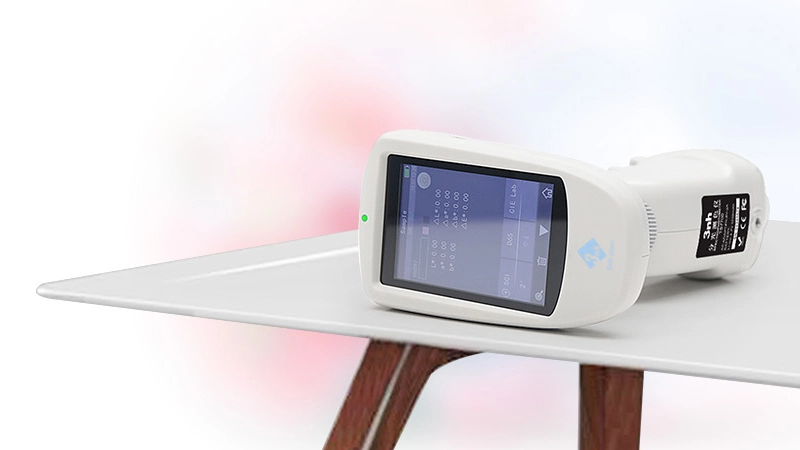
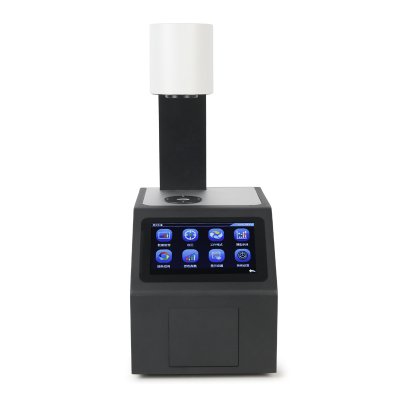
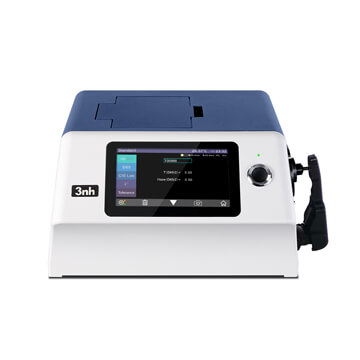
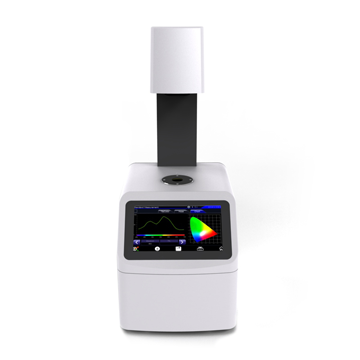
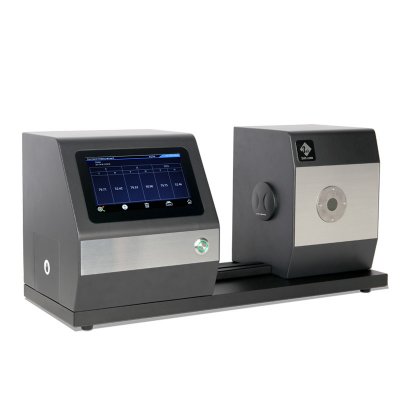
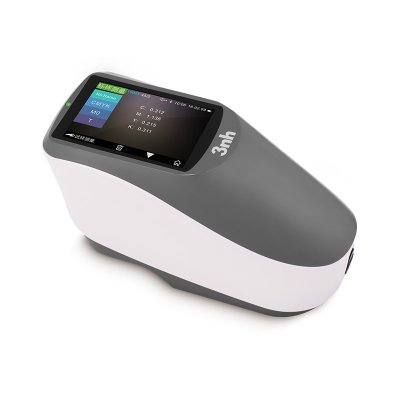
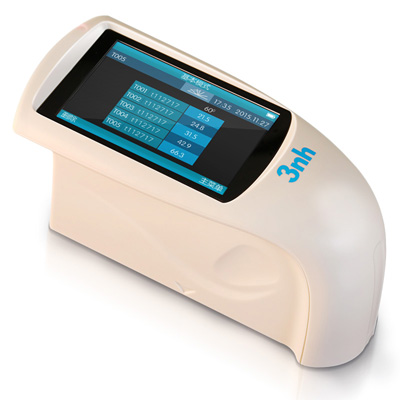
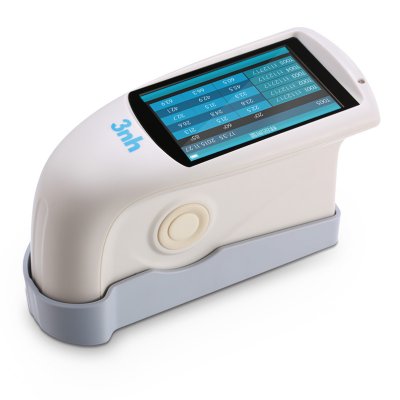
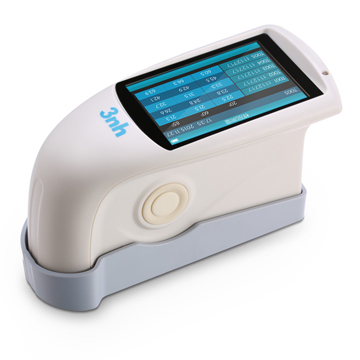
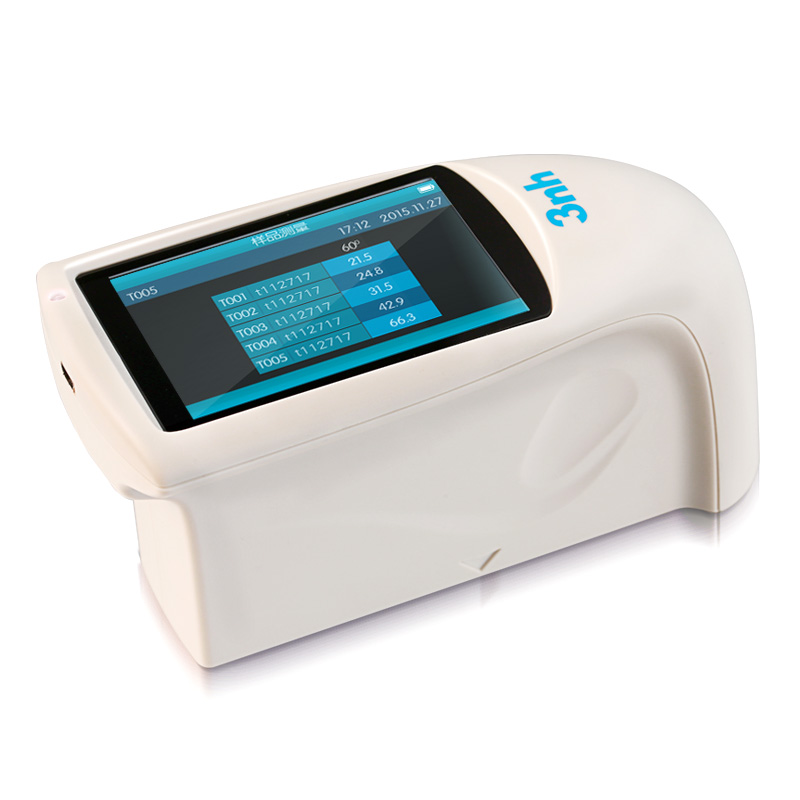
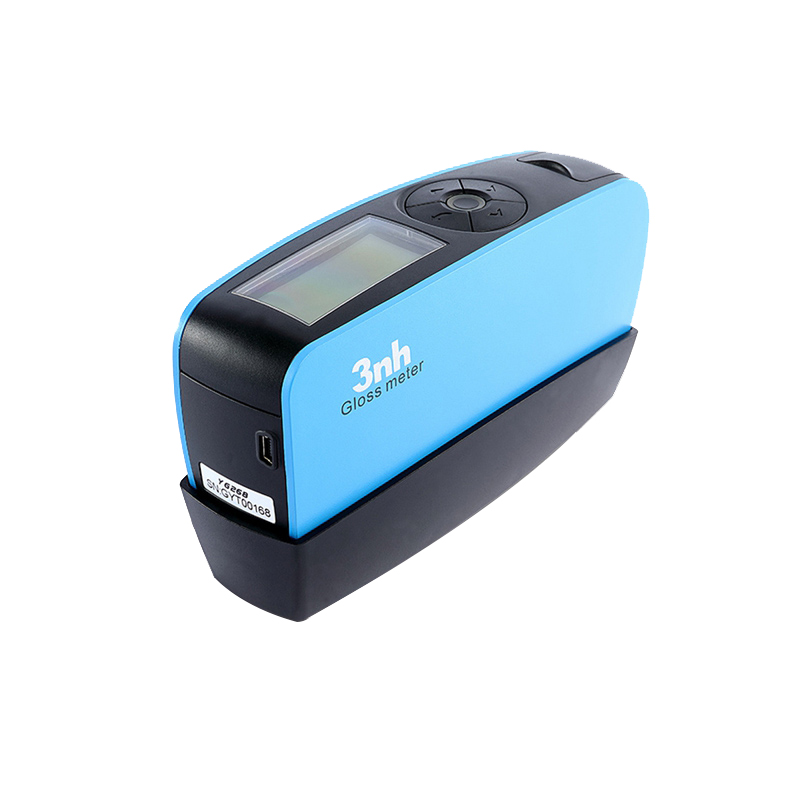
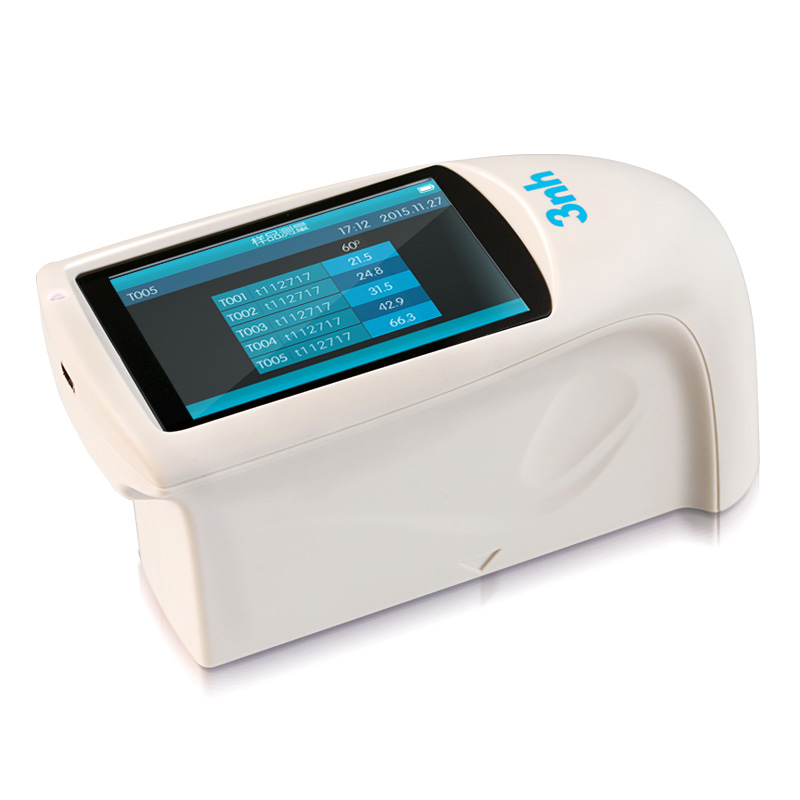
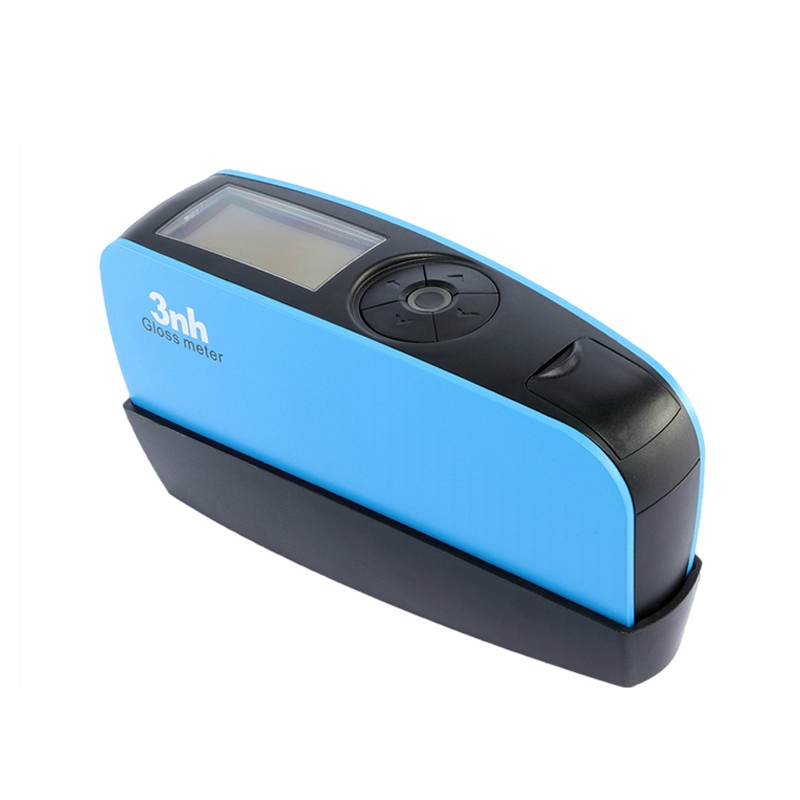
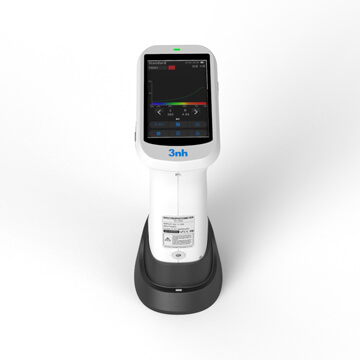
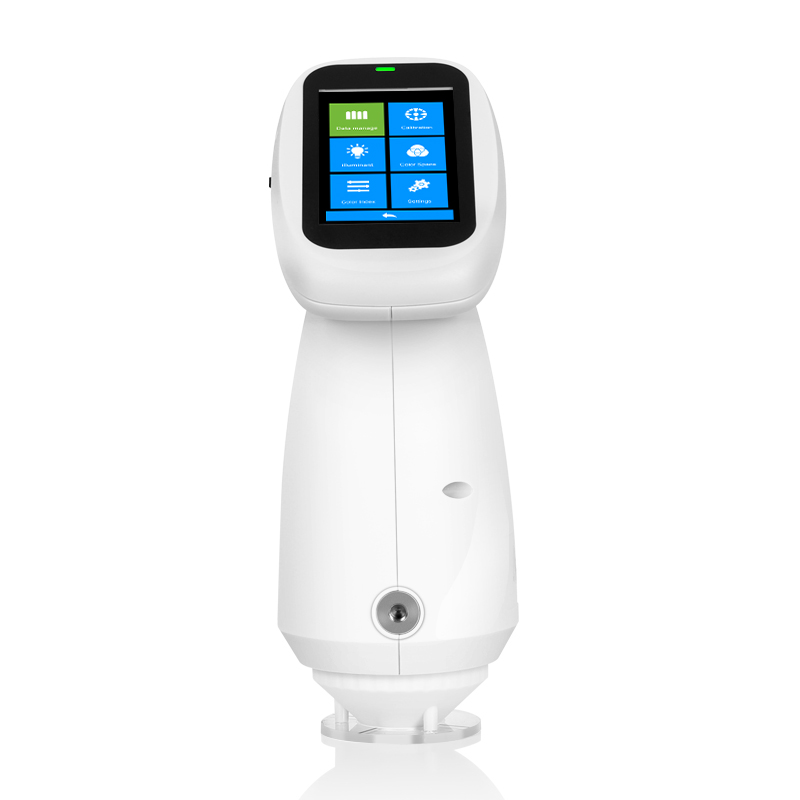
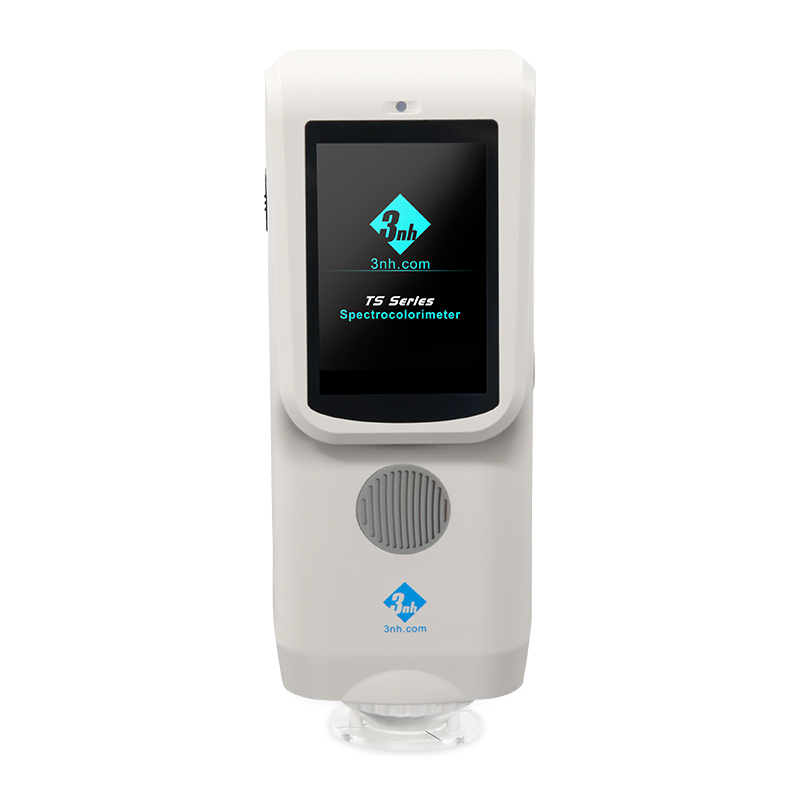
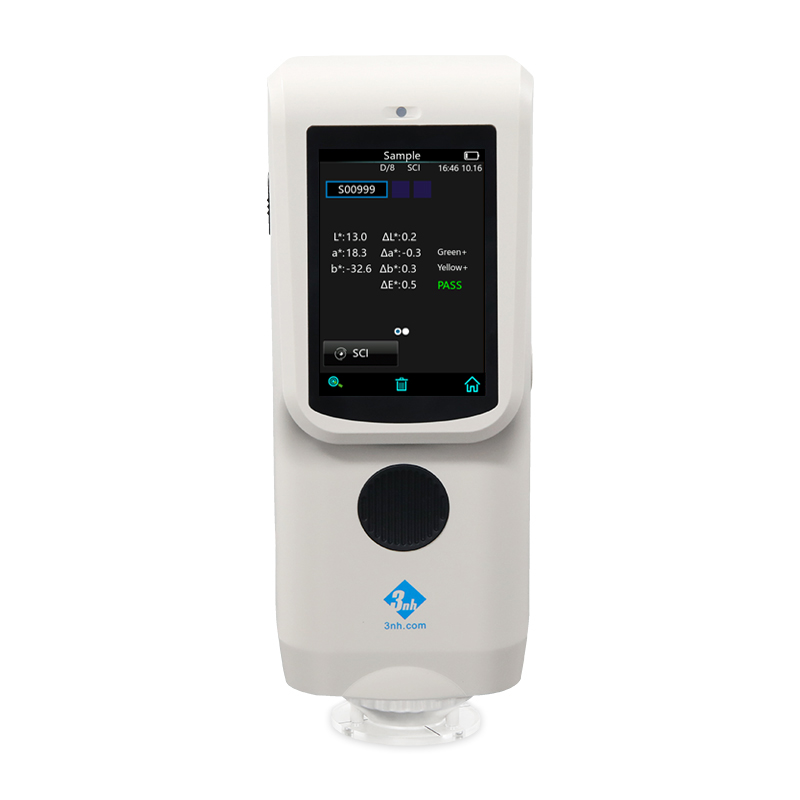
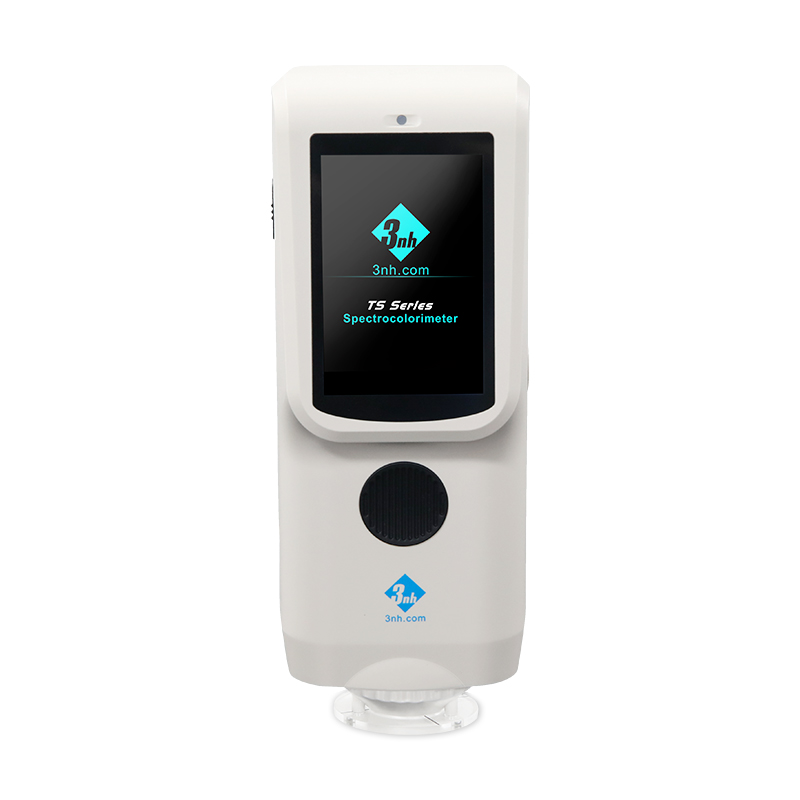
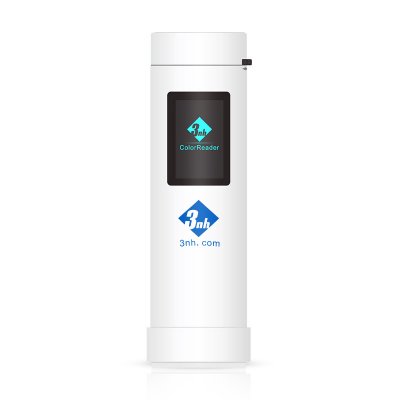
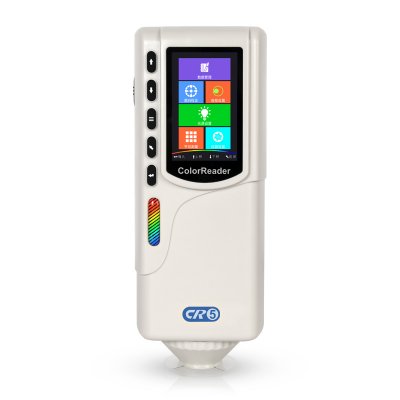
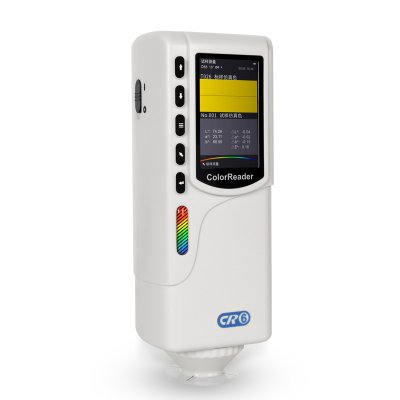
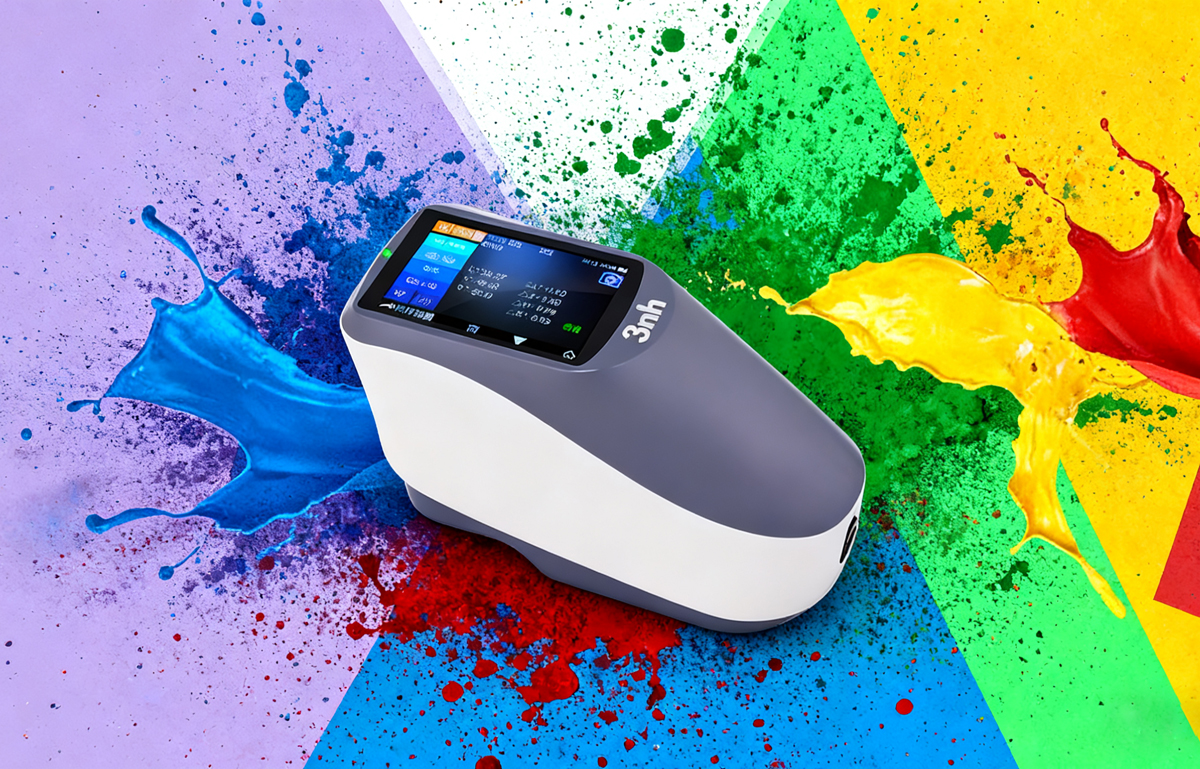
3NH (ThreeNH) is one of the most reputable brands in the color measurement of spectrophotometers due to their high technology, reasonable price, and reliability. Their products include portable spectrophotometers, which can be used in manufacturing factories, and also high-precision, large-scale benchtop spectrophotometers, which can be used in a laboratory setting.  


3NH devices are used in industries such as printing, packaging, plastics, automotive, coatings, and textiles. 3NH spectrophotometers excel in stable measurement performance and easy-to-understand operating systems and are worth their price.  

3NH – Your Best Supplier for Color Spectrophotometers  


3NH’s understanding of the modern industries is why they stand out. 3NH color spectrophotometers are designed to fit the needs of small businesses, as well as, large factories. Their color management solutions products are designed to seamlessly integrate into a workflow and due to their environmental and color measurement devices being based on the most widely accepted global color systems, they can be used in international supply chains.  


3NH also sells devices aimed to help companies use the complete color management system and offers other measurement solutions, demonstrating their commitment to complete color management.  

Why Choose 3NH Spectrophotometer Factory  


3NH spectrophotometer factory has a strict focus on quality assurance, which ensures that every color management spectrophotometer is manufactured to precision and accuracy. Their manufacturing quality of spectrophotometers also known to undergo rigorous optical calibration, environmental aging, and performance testing. Their high quality and reliable spectrophotometers enable customers to maintain high standards within challenging manufacturing sectors.


Customers get to enjoy the benefit of tech support, training, and after-sales services which are crucial for the sustainability use of color management.

Best Spectrophotometer Manufacturer


A leading manufacturer is recognized for their level of customer service, product continuity, technological advances of their products, and for their offering of parts and calibration tools. 3NH continues to excel and has a name in the market for providing numerous products for various purposes, budget, and fields.

Portable Factory Spectrophotometer


3NH Factory manufactures a number of lines of portable spectrophotometers meant for quality control on the shop floor. These handheld tools are well suited for high-tempo settings in which rapid decisions are needed.


Measurement, Management, and Solutions of a Spectrophotometer Color


Beyond the management of measurement, true management of color measurement is a system in itself, which consists of standard workflows, compatible software, trained personnel, and dependable instruments. Since 3NH has a record of accurate and reliable instruments, all industries can design a color management plan to eliminate misuse, accelerate processes, and uplift the quality of their product at all levels.

Conclusion


More than just an appearance, manufacturers determine product loyalty. For manufacturers, the inability to keep exact color consistency over multiple production runs. Spectrophotometers allow manufacturers to determine colors and recognize color discrepancies within products to fortify and stabilize quality control.


Regardless of the model, a portable spectrophotometer or a benchtop spectrophotometer, measuring color value correctly is an important factor. Spectrophotometers, with consistent use of proper methodologies and the right calibration, become tools that protect and preserve value to product quality and to the brand's name.


Like 3NH, many manufacturers eliminate the challenges of accessing spectrophotometers. With efficient measurement methods and devices, spectrophotometers eliminate color variations and product waste, enabling consistent products of high quality.

FAQs


What is a color spectrophotometer? color


A color spectrophotometer is a scientific and precise color measuring device.


What is the difference between a color spectrophotometer and a colorimeter?


A colorimeter, unlike a spectrophotometer, measures color information with less accuracy and detail.


What industry standards involve color spectrophotometers?


For every industry and region, different standards exist and are mainly ISO, ASTM, CIE, and DIN.


Is it possible to measure non-opaque materials such as textiles and films?


Yes. Some spectrophotometers can do transmission measurement, which makes it possible to measure thin films or materials that are somewhat see-through.


What are the different considerations to make when selecting the measuring aperture?


Textured or uneven surfaces are best suited to large apertures, while small, precise areas are best measured using small apertures.


Are there certain materials spectrophotometers cannot measure, such as glass or fluorescent ink?


Yes. Many benchtop models can measure both transmission and haze. They can also measure fluorescence, making them suitable for measuring those "special" materials, such as glass and fluorescent ink or special materials.


What are the factors that depend on the stability of the measurement?


It depends on conditions such as the surface of the instrument, humidity, temperature, and dirt. It also depends on how frequently the instrument gets calibrated.


How often do you recommend calibrating the instrument?


It is best to calibrate daily, and even more often when the instrument is moved or when there is a change in the environment.


What is daily spectrophotometer maintenance?


It includes keeping it clean, protecting calibration tiles, storing it in a controlled environment, avoiding touching the measurement port, and also keeping it clean.


Featured Resources & Insights

Give us a call!

Discuss your project with one of our product specialists:

0086 755 26508999

Need pricing?

We respond to quote requests within 1 business day.

service@3nh.com

Already know what you need?

Submit a demo request for the product you're interested in.

Get a Demo
Leave Your Message
We use cookies to ensure that we give you the best experience on our website. If you continue to use this site we will assume that you are happy with it. Privacy policy