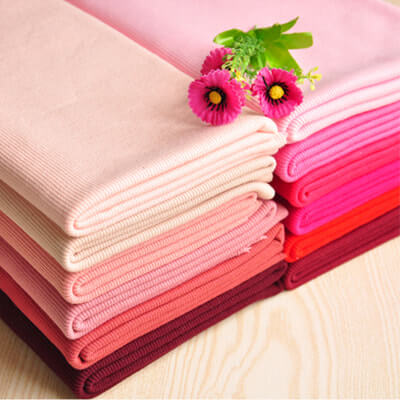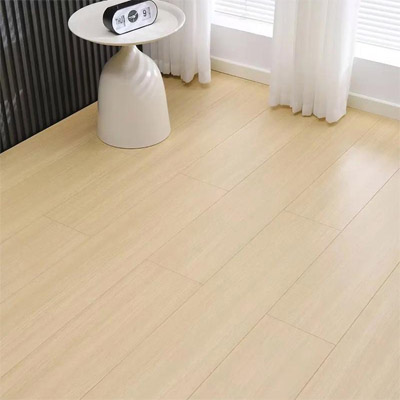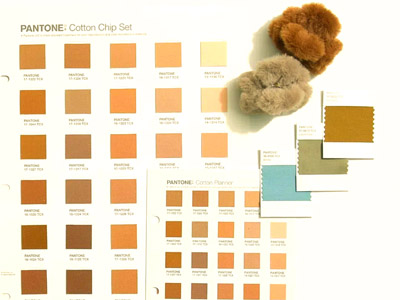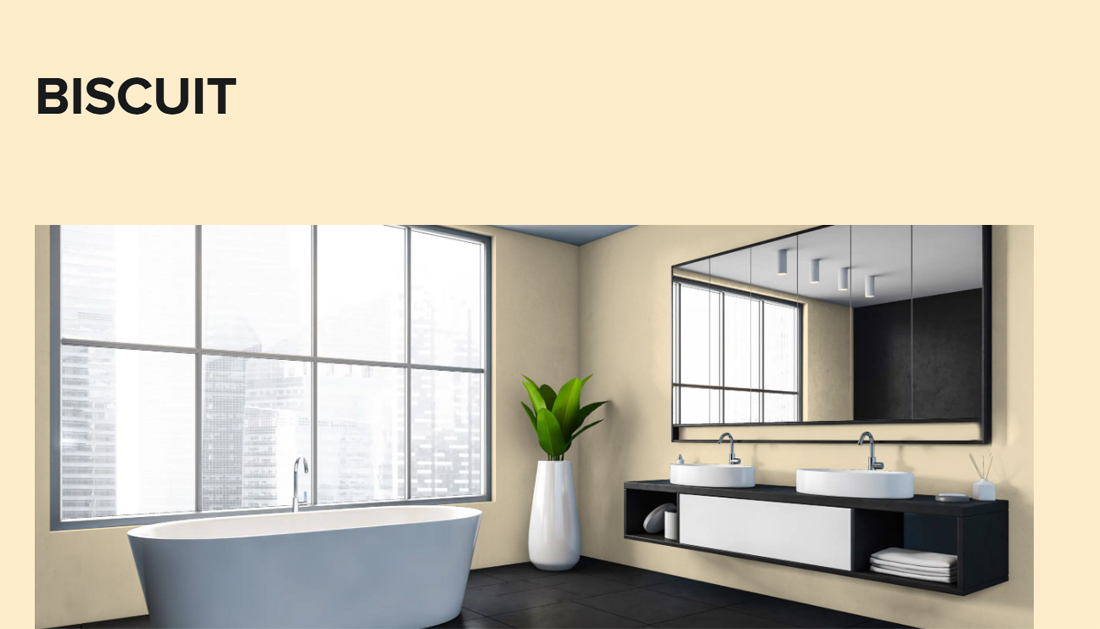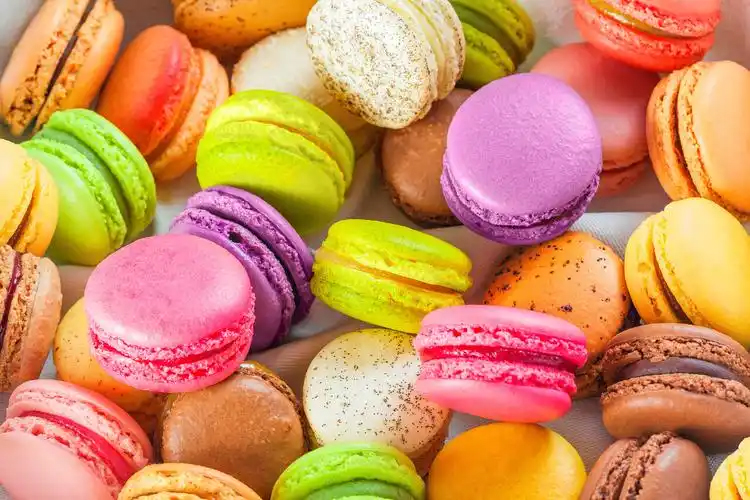
Standing in the midst of vibrant and flamboyant colors, the quiet elegance of the soft tone known as biscuit impressionistic art feels like a gentle whisper of calm. Evoking a sense of warmth, comfort, and simplicity, biscuit color is a beautifully soft hue. Portraying a very calm notion, it serves as the most important color for the visual and emotional center of print product packaging, design in interior home spaces and even tiles for the manufacture of ceramics.

Though the gentle tone biscuit along with neutral tones, is not as simple as it appears. Consistency is extremely Difficult with biscuit shades. Determining what you see as “biscuit” can shift to another place very dramatically depending on the lighting condition. This is the reason why biscuit color measurement is not only an aesthetic exercise because it is also a technical process that is bolstered by color systems of standardized data and tools.
A biscuit is a very neutral and soft gentle color that can be best described as a mix in between a very pale beige and a warm tan. This gentle and soft tone does not scream unlike the bold primary colors, hence it is called biscuit. A design itself has it in for sophistication but unlike the primary colors, it is a gentle and soft tone.
In digital color models, biscuit may be approximated by:
● HEX: #ebddcb
● RGB: (235, 221, 203)
● CIELAB (est.): L* = 90, a* = 2, b* = 10
While it is more ivory than cream, biscuit is deeper than classic beige and its subtle tones have a mild yellow-red undertone which feels warm and organic.
Biscuit has a wide variety of uses:
● In interior design, it is a favorite for wall paints, upholstery, and tile.
● In fashion, it is used in trench coats, linen, and knitted apparel.
● In ceramics, it is often the raw-fired color of unglazed clay.
● In food packaging, it evokes warmth and a natural, simplistic design.
Biscuit may appear subtle, but it is a surprisingly complex color to measure. That is because neutral tones have a great sensitivity to shifts in hue, lightness, and material reflectance. A color may appear too gray, yellow, or even pinkish, with just a slight deviation.
Biscuit has no problem with color consistency in paints and coatings. For instance, a biscuit wall color must look consistent across lots and under varying lighting.
● In textiles, the dyed fabric must match perfectly, even when dyed under different batches. Uniformity is crucial for brands that rely on it.
● Ceramics and porcelain: Glazed or unglazed finishes must meet specialised visual criteria.
● Automotive interiors: Commonly found biscuits are neutrals in leather and fabric trim.
For each of the above examples, perception alone is not conclusively accurate. Tools for the measurement of color accept and deal with differences not quantifiable by color alone.

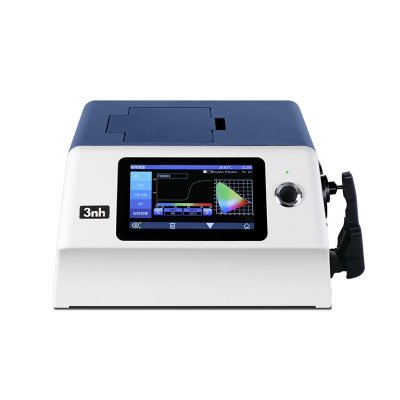
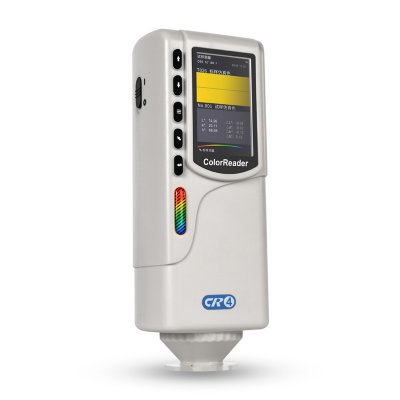
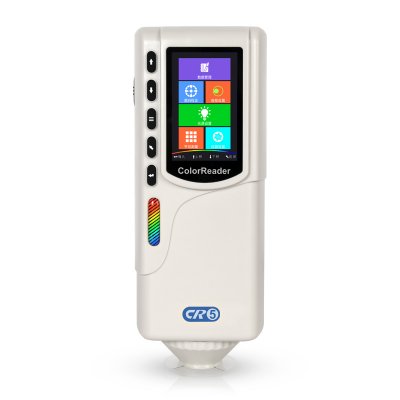
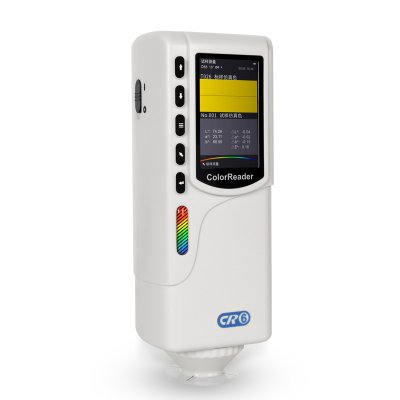
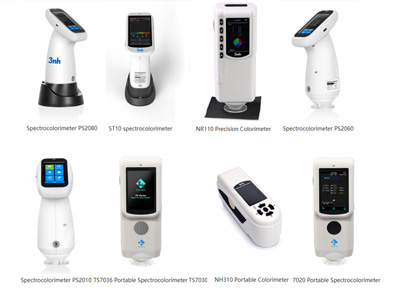
Instrumental color analysis (ICA) which equipment to obtain color measurements is called colorimetric measurement. It is done with the use of:
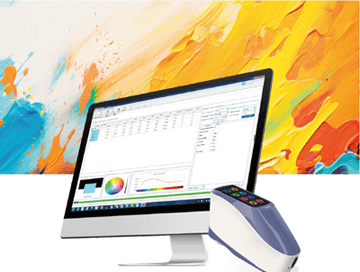
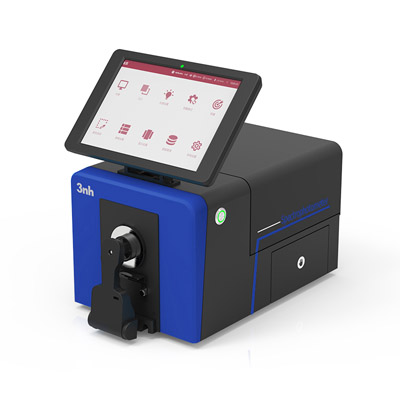
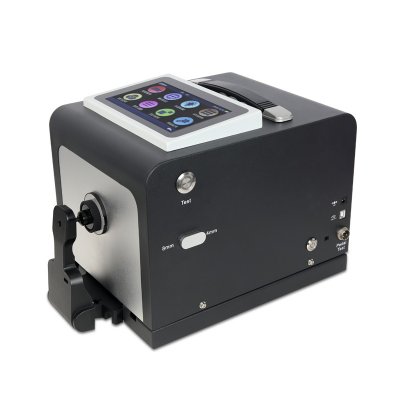
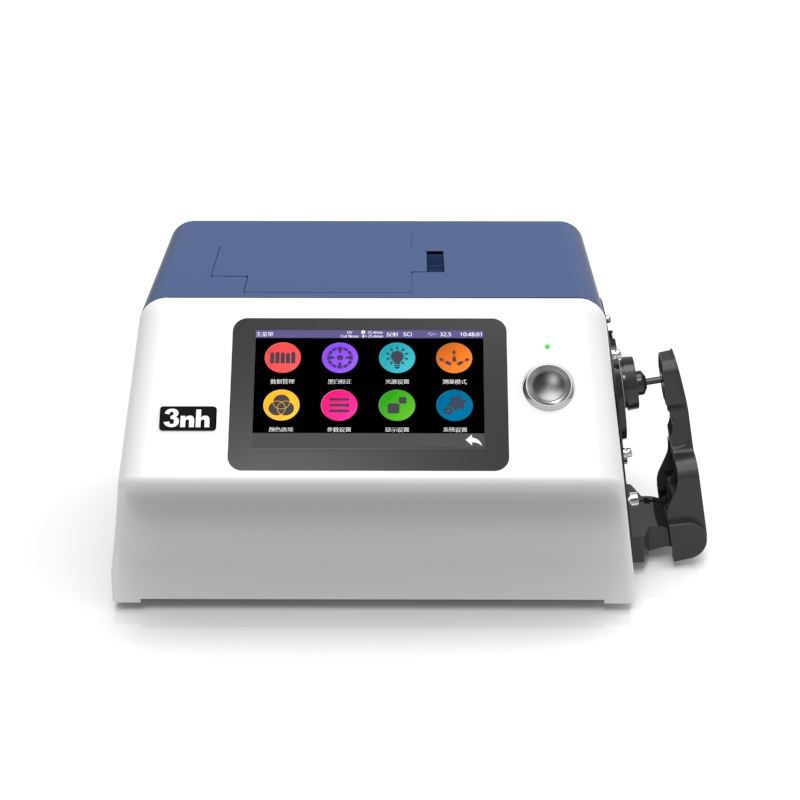
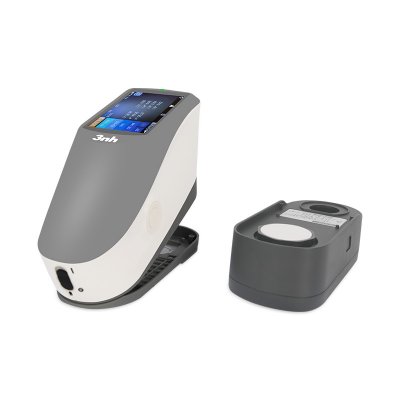
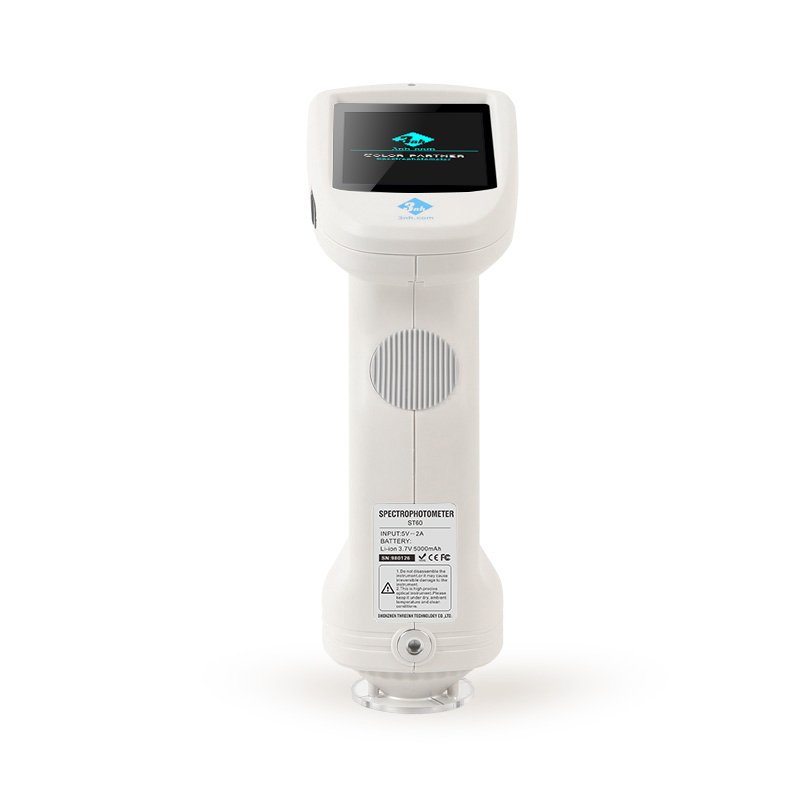
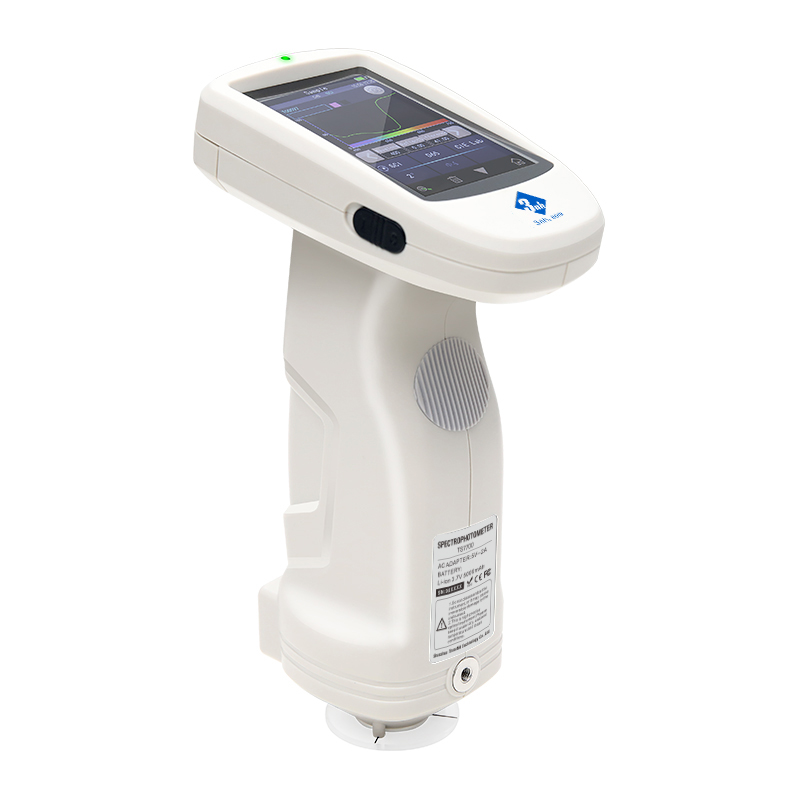
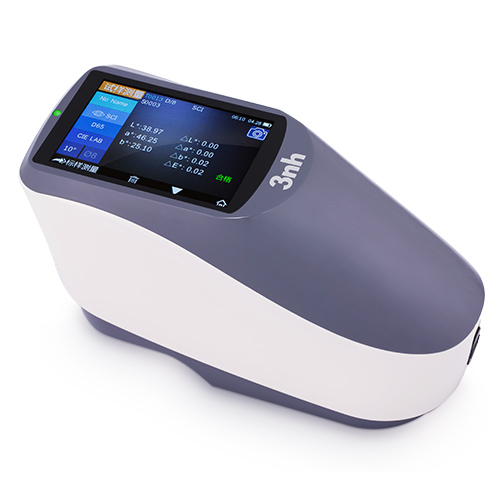
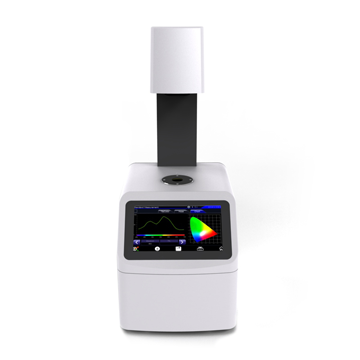
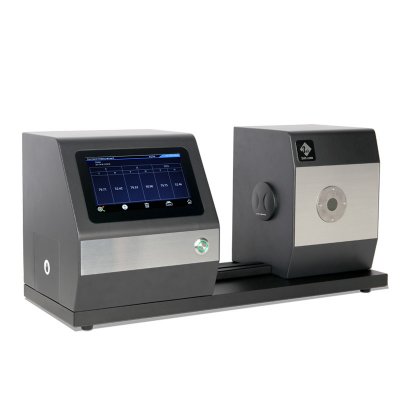
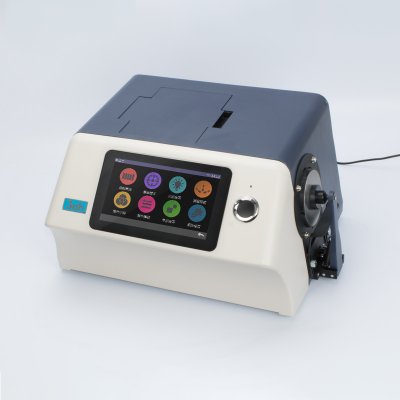
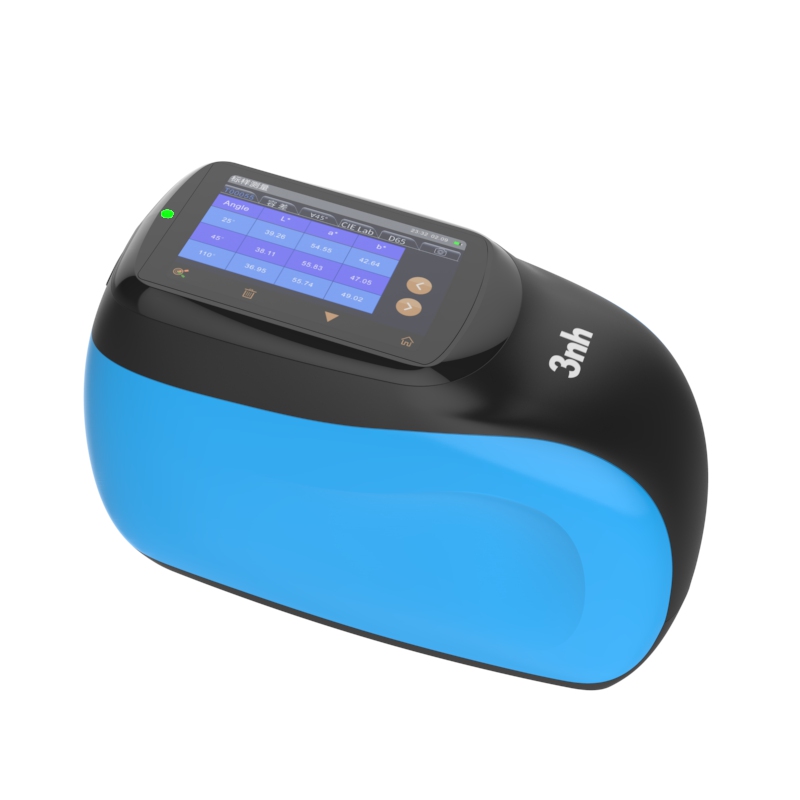
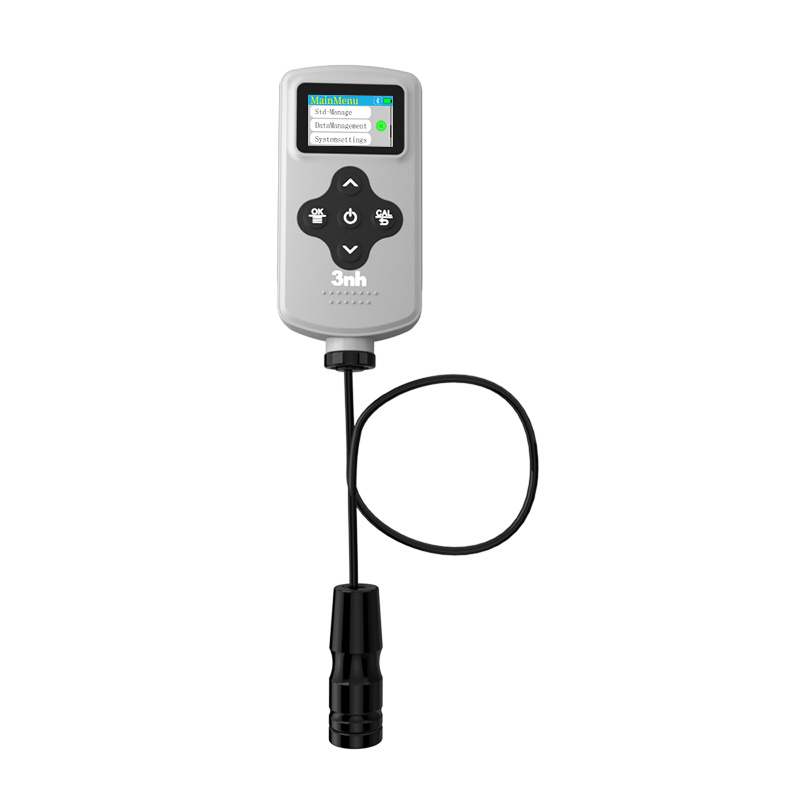
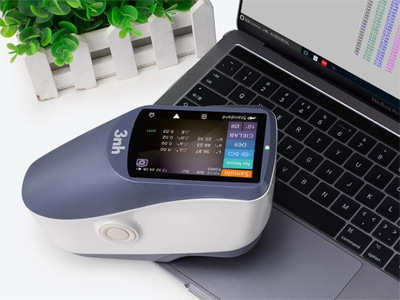
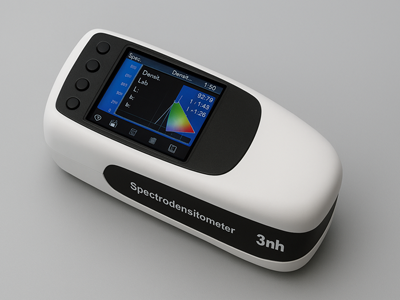
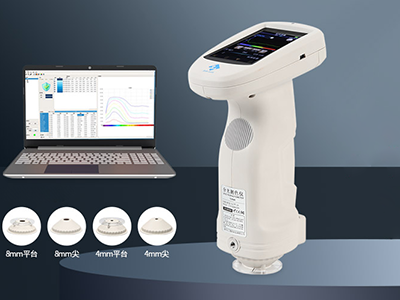
A spectrophotometer colorimetric equipment measures a measurable sample to determine the light reflected, absorbed and transmitted within the wavelengths of visible light.
They are typically represented in a type of a curve refer to as a spectral curve of reflectance through which one can estimate the weight of color (density) for the System:
● CIELAB
● CIELCH
● XYZ
● HunterLab
● RGB or CMYK ( with a degree of inaccuracy)
Biscuit tones can tackled in spectrophotometers without visible obstructions of complex texture of a material (ceramic tile, textile, or plastic) which may alter physical appearance.
Some of the more sophisticated devices can record disappear or metamerism, which is the condition in which two colors match under one light with different sources of illumination. This problematic condition is often light with biscuit like hues.
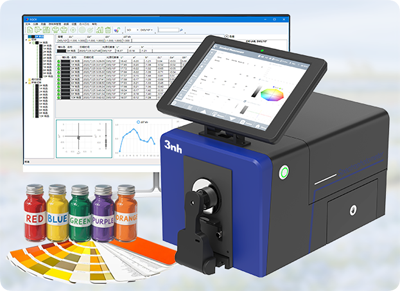
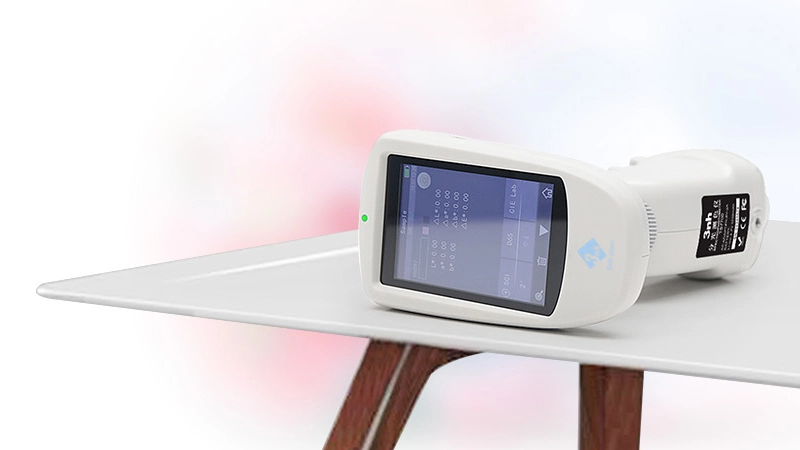
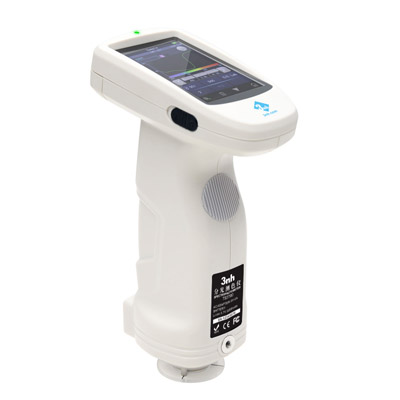
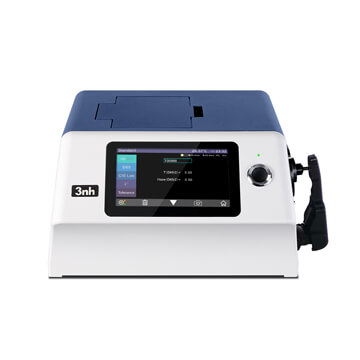
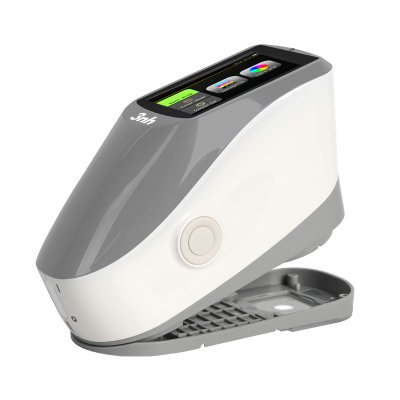
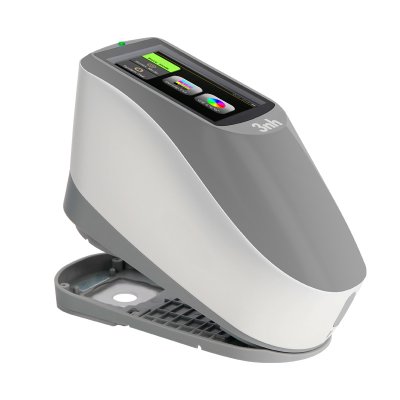
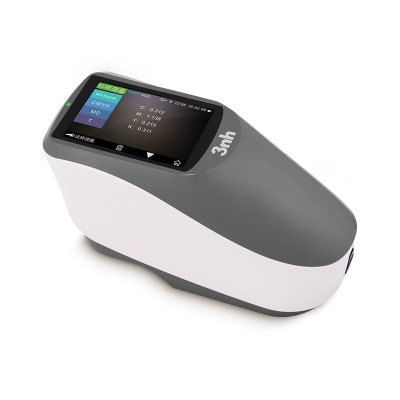
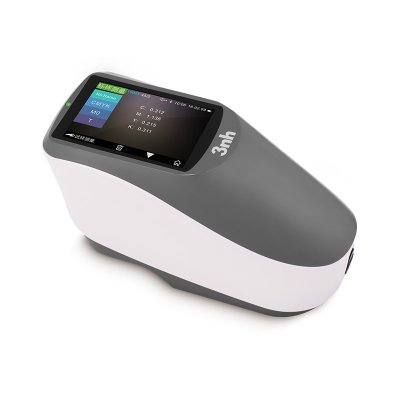
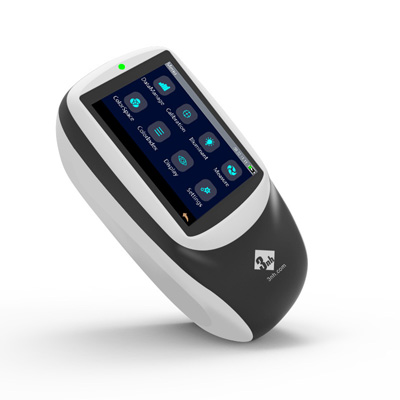
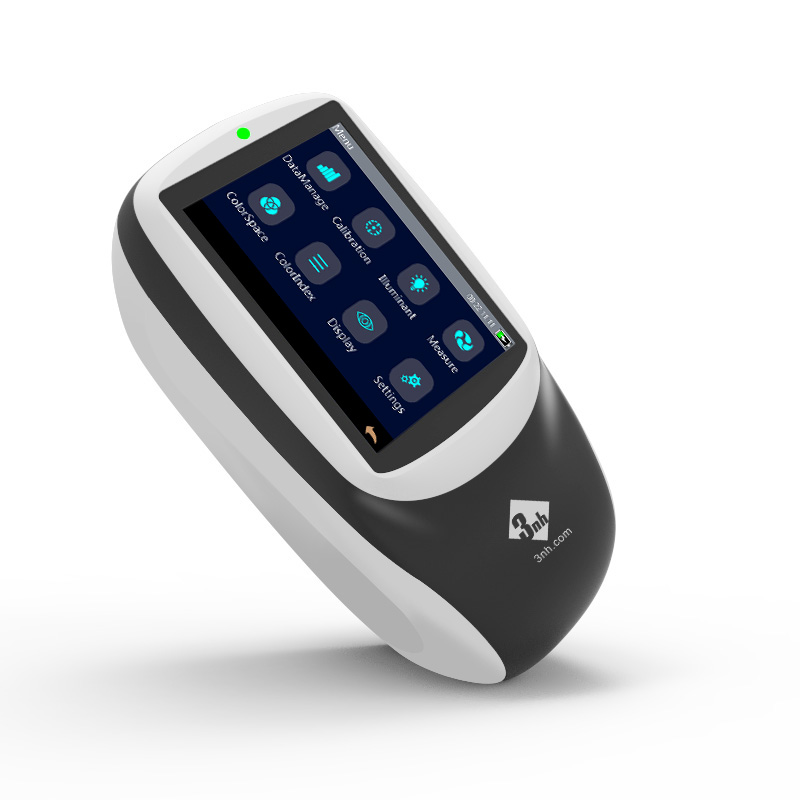
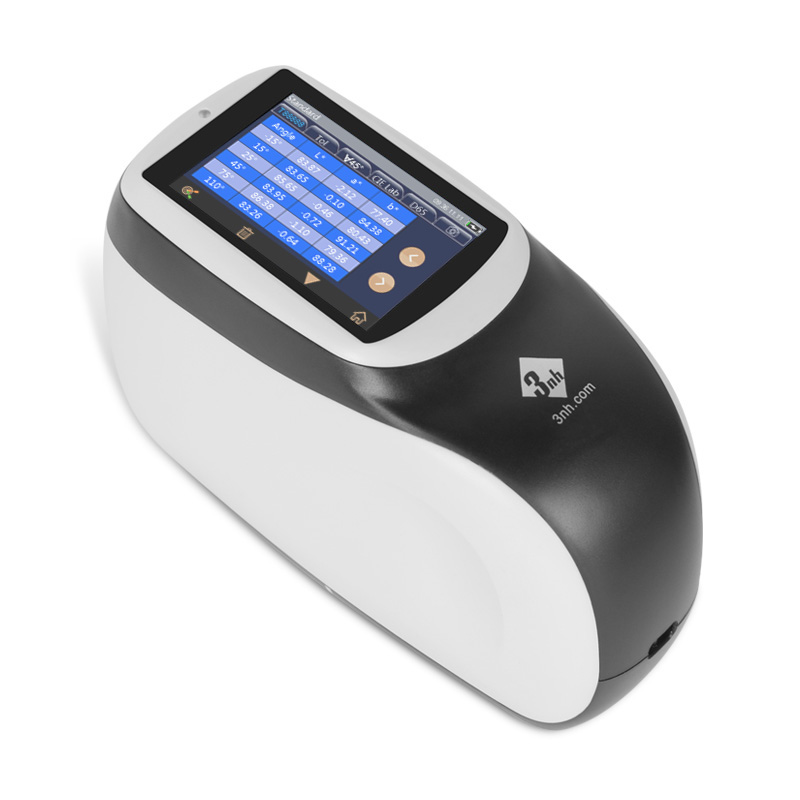
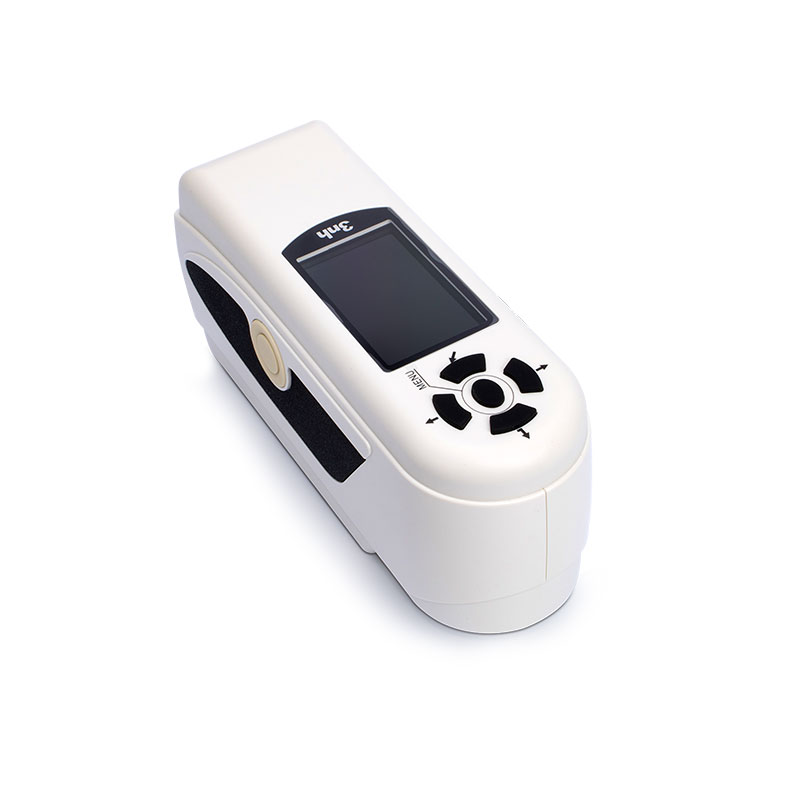
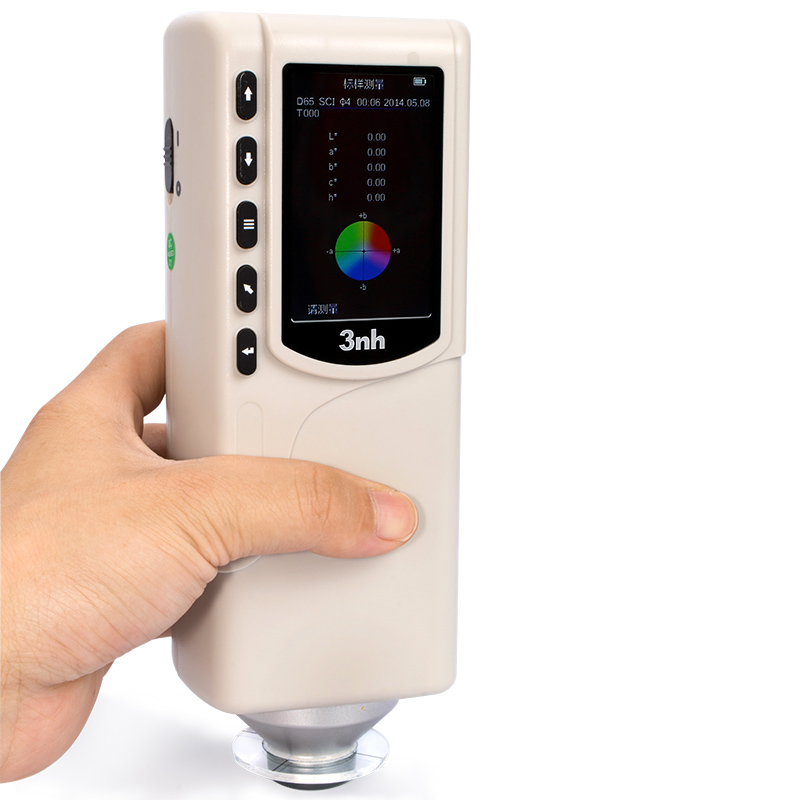
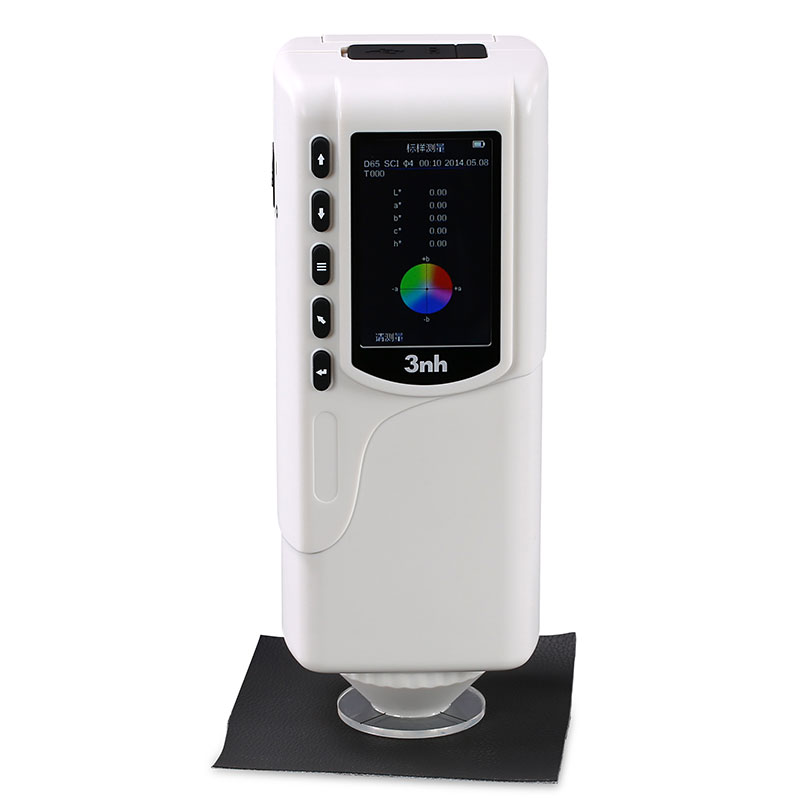
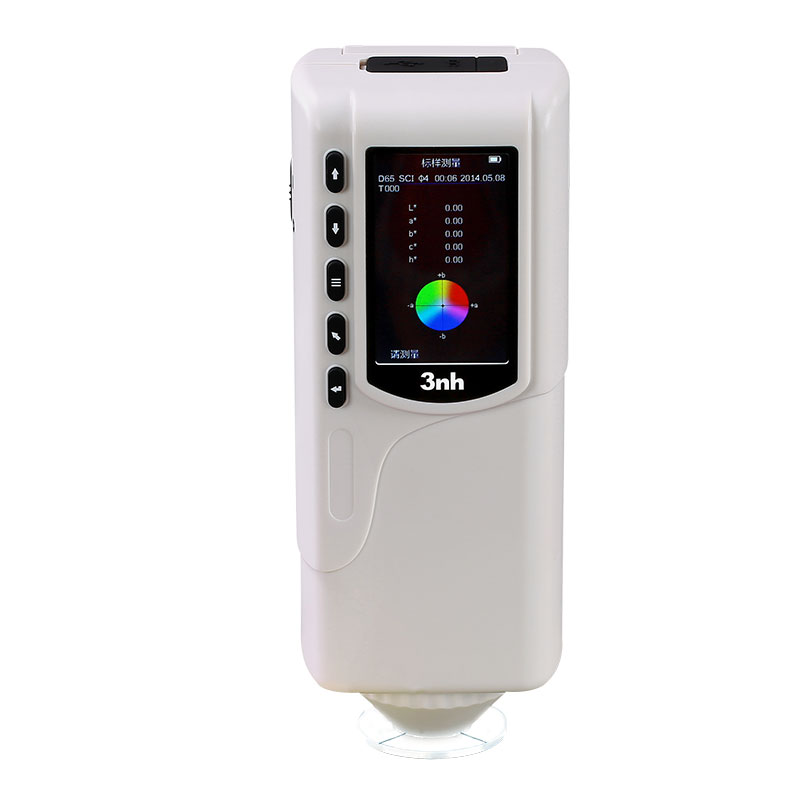
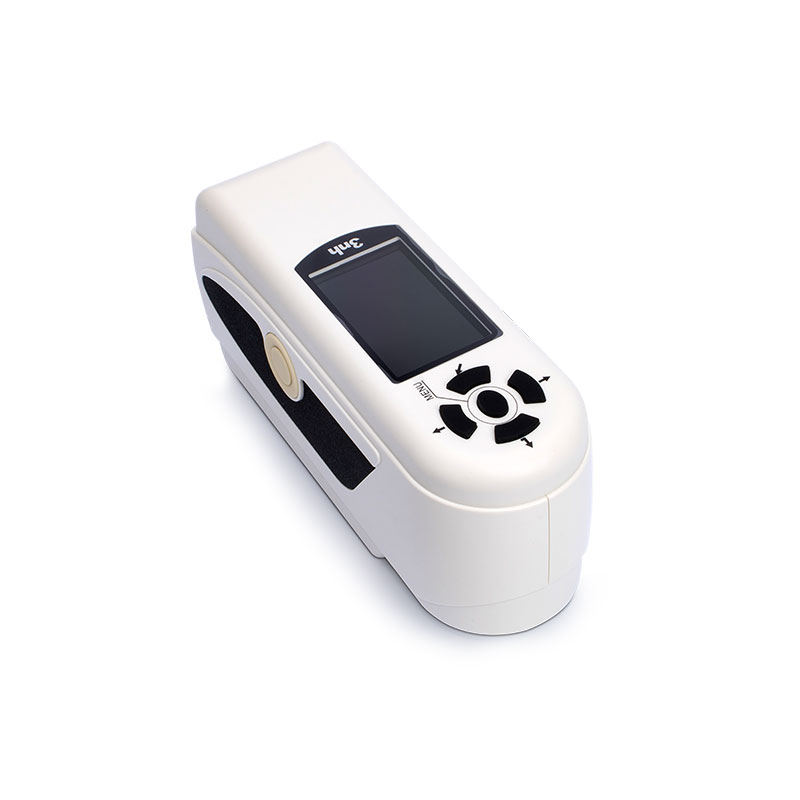
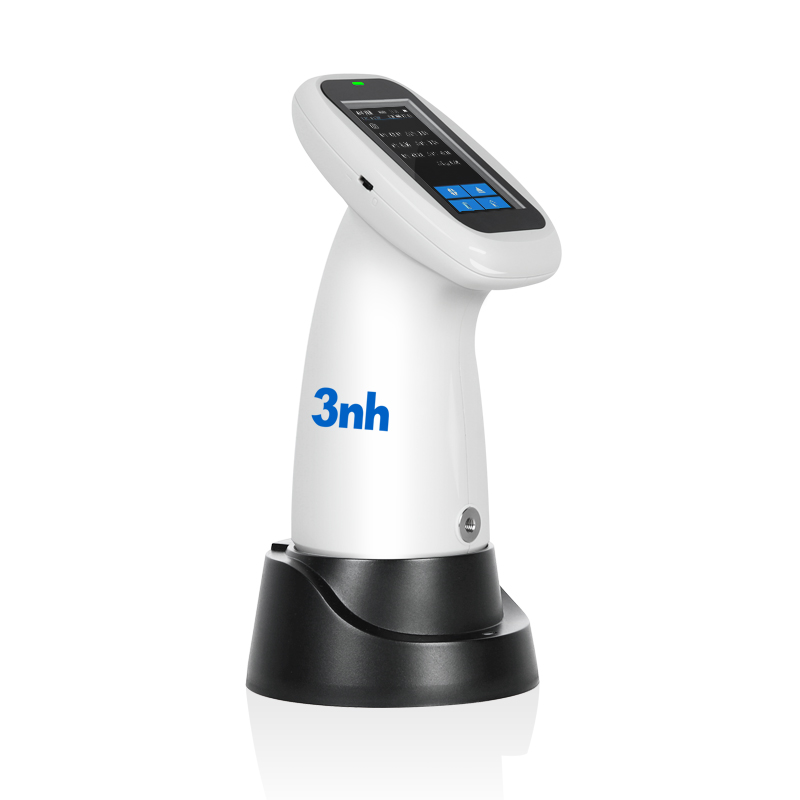
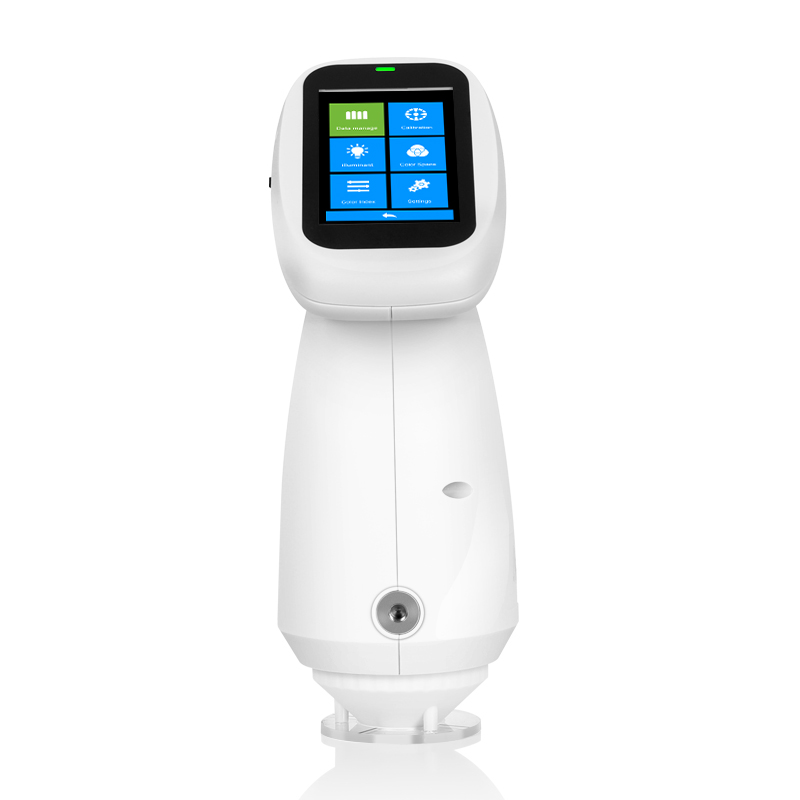
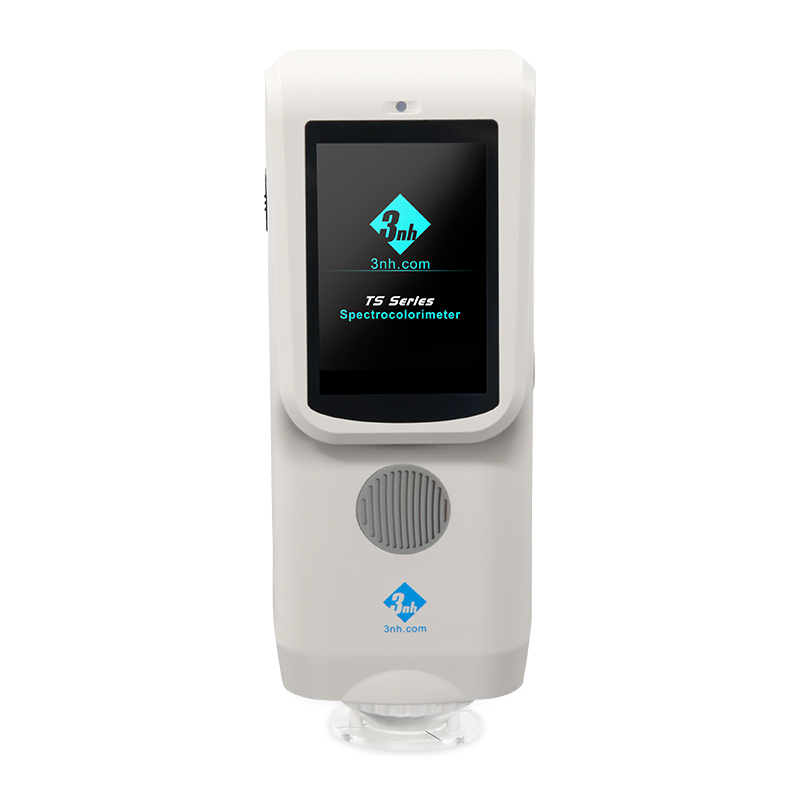
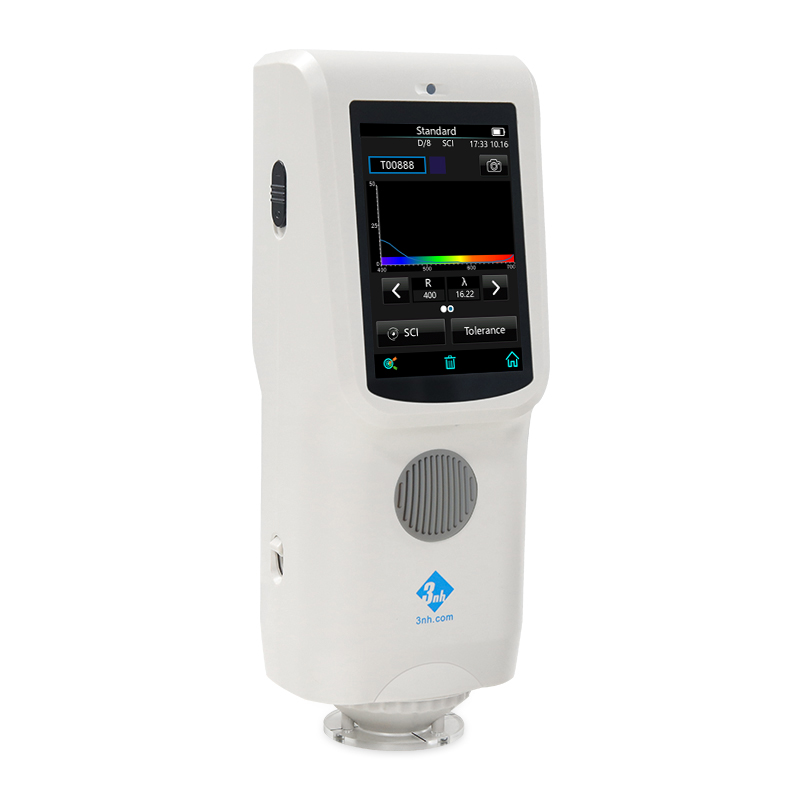
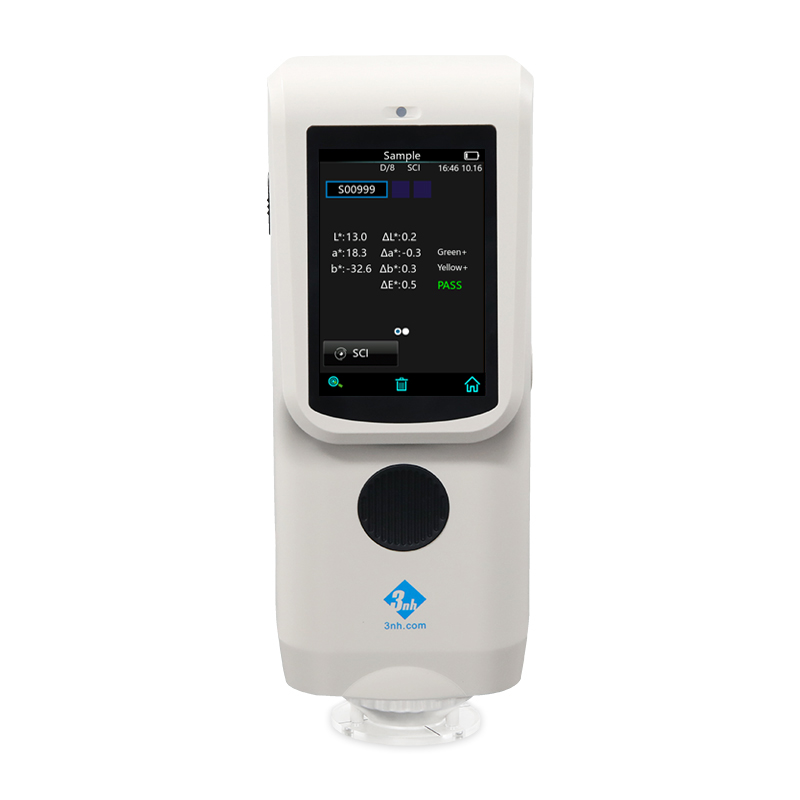
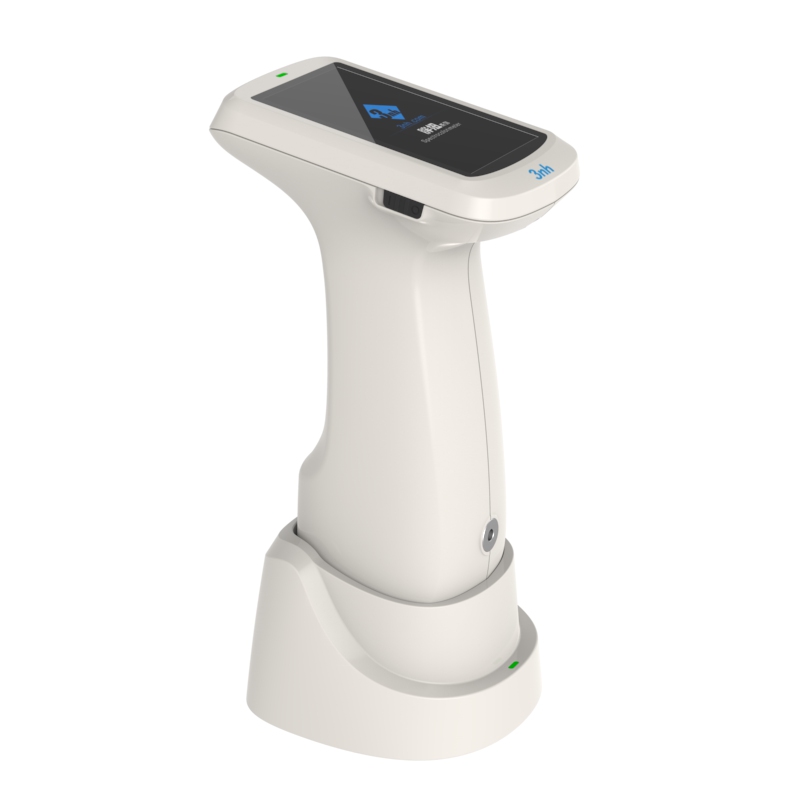
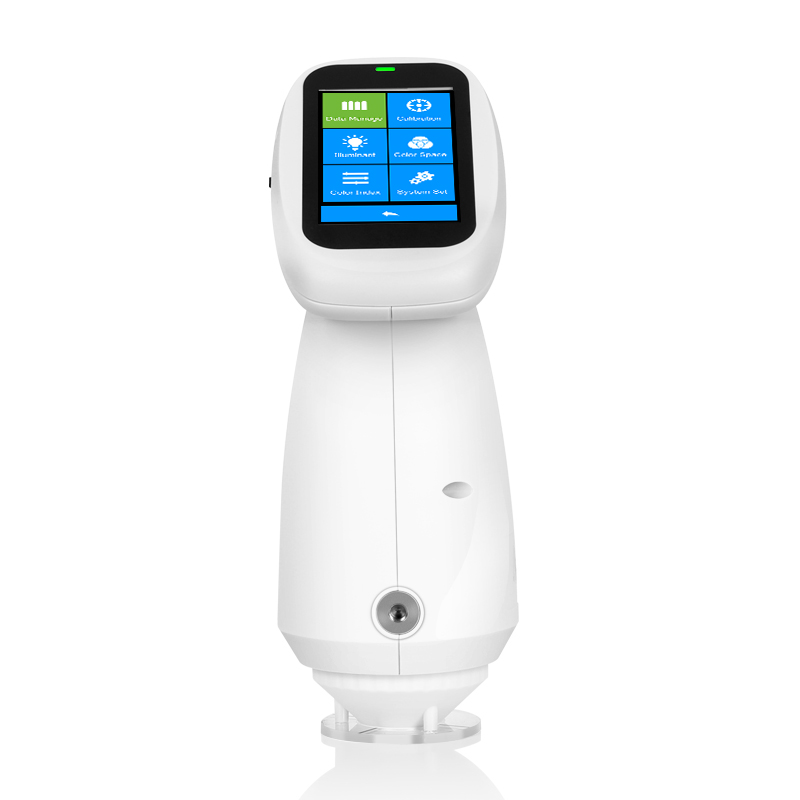
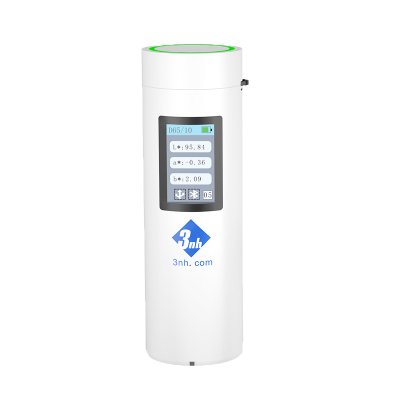
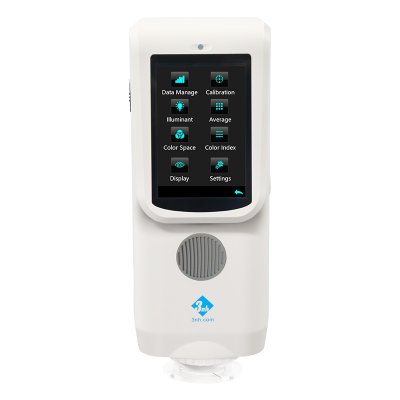
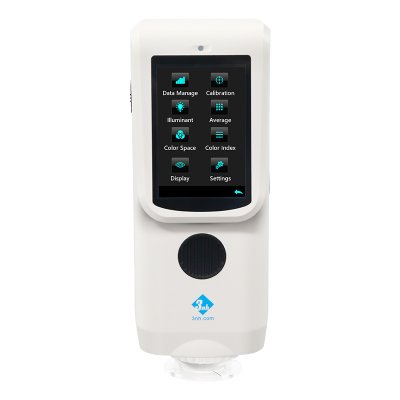
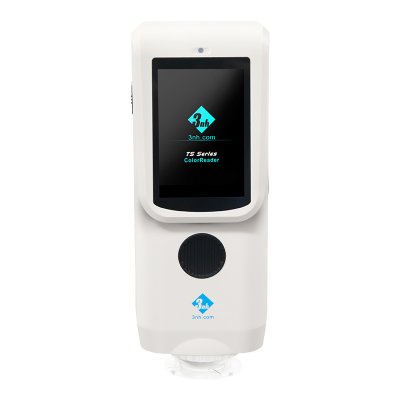
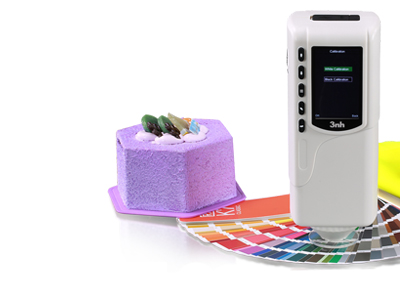
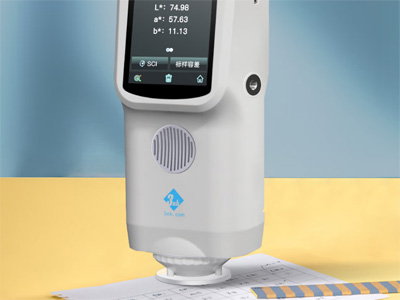
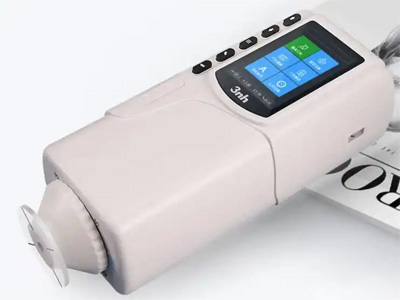
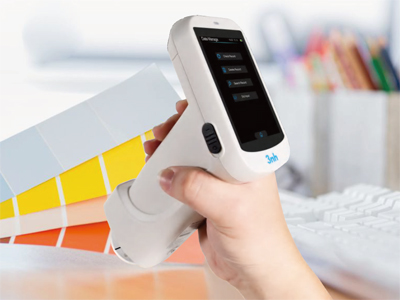
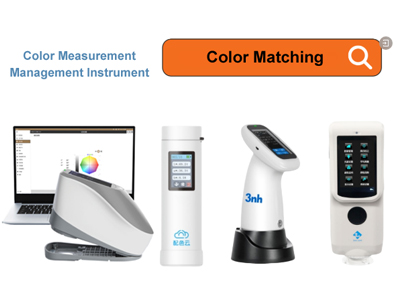
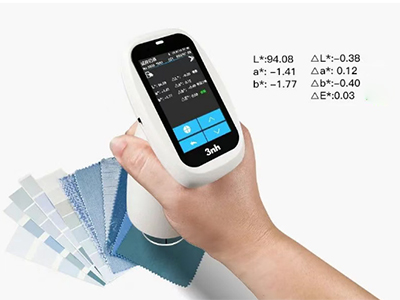
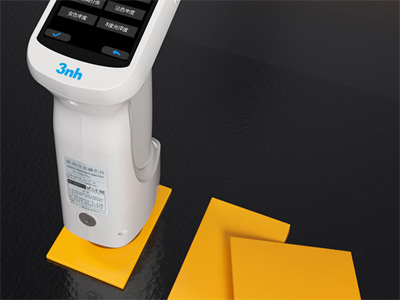
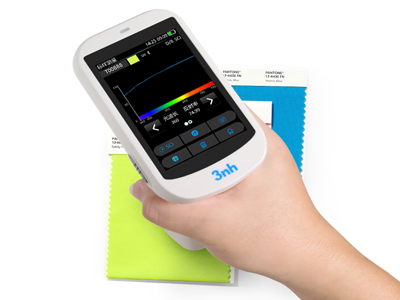
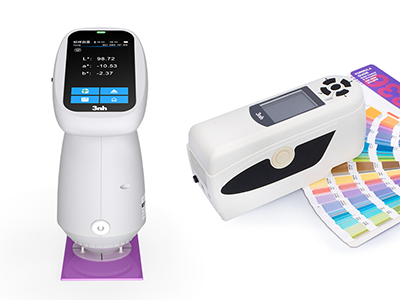
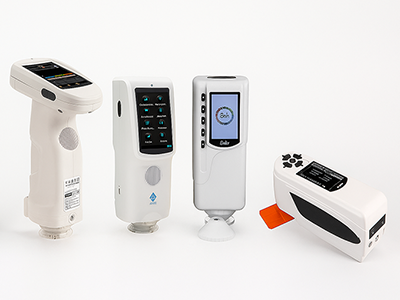
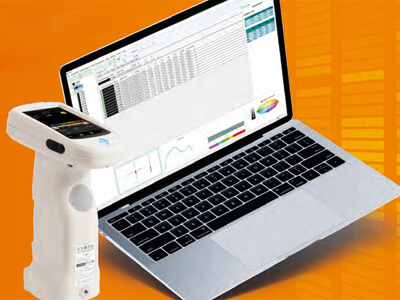
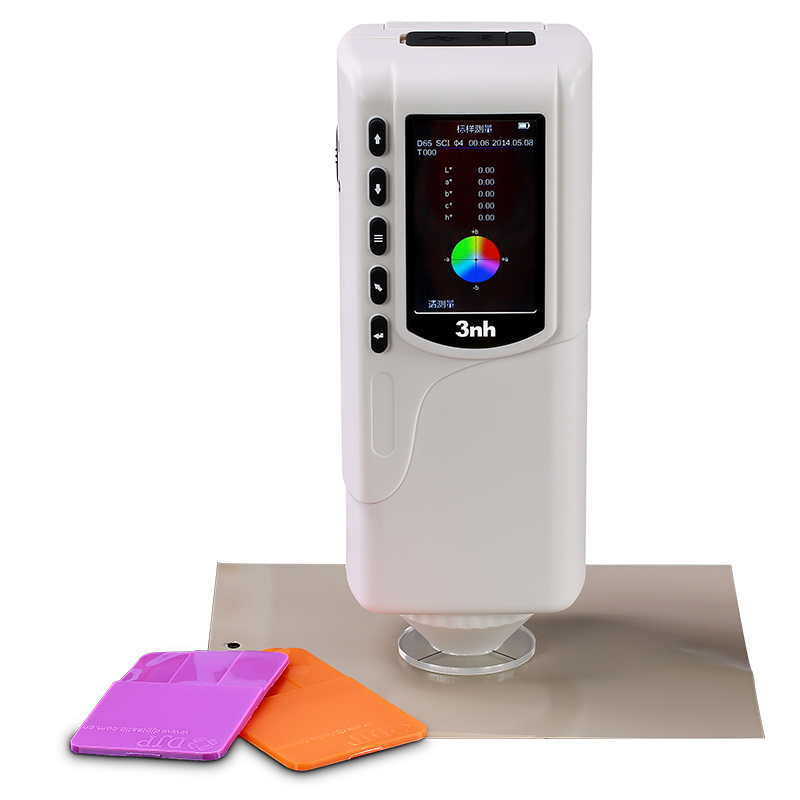
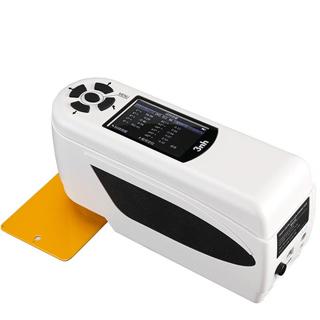
Colorimeters are small devices that allow the user to quickly compare ΔE (color differences). Tools such as the NR60CP by ThreeNH has features such as:
● A variety of color spaces (CIELAB, LCH, LUV, RGB, and more)
● Standard color libraries
● Onboard devices that calculate ΔE (as low as ΔE < 0.03)
These are extensively utilized in production to help ensure color quality consistency in quality control departments.
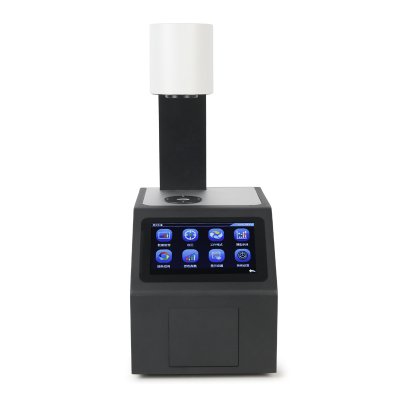
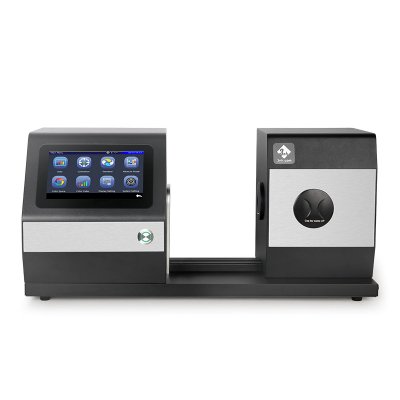
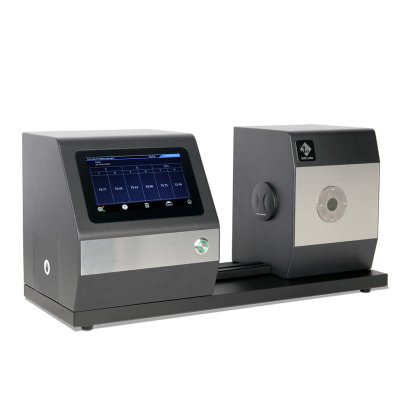
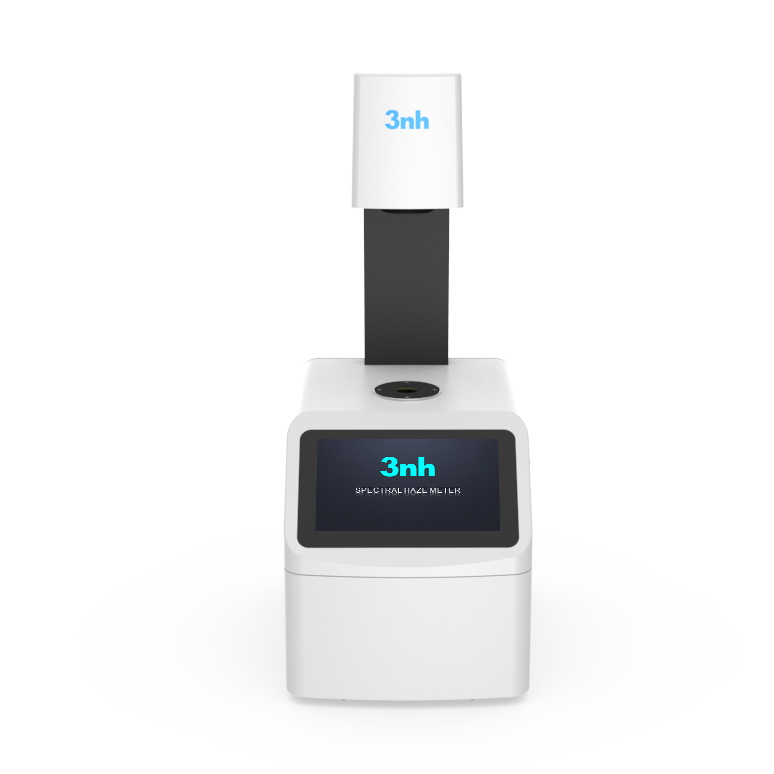
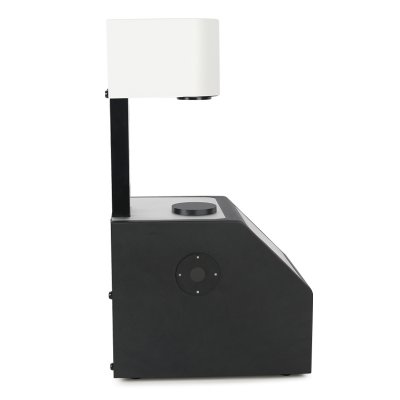
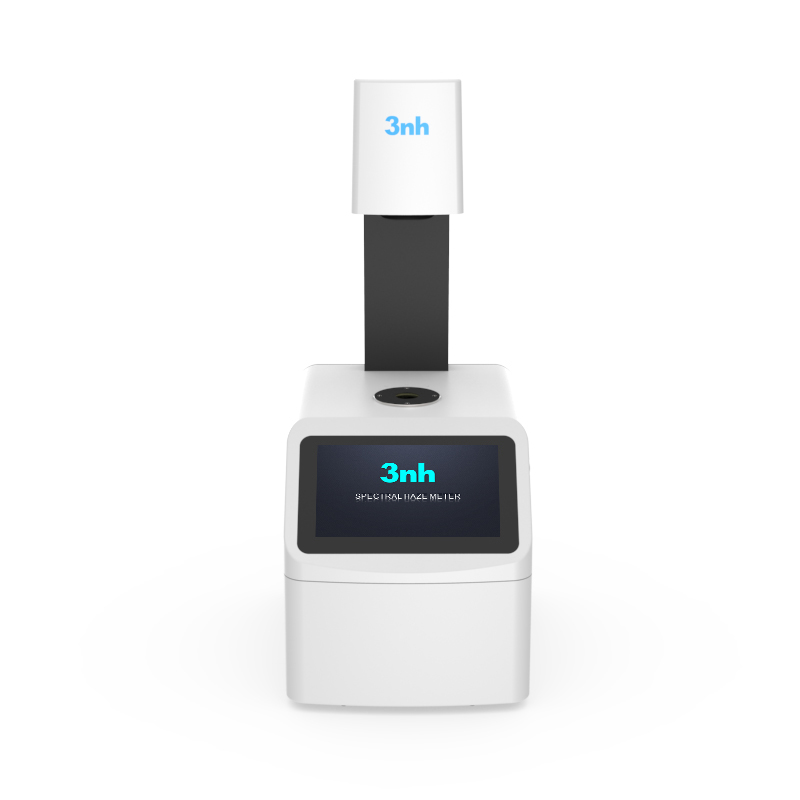
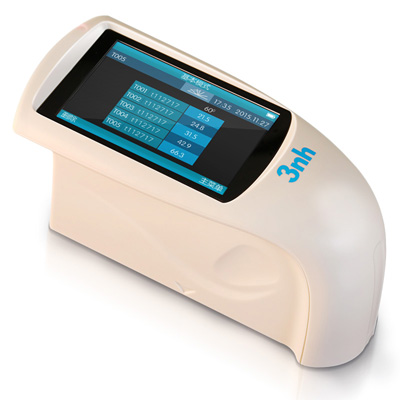
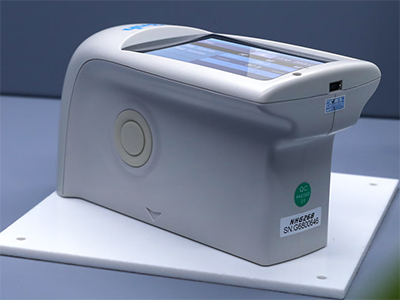
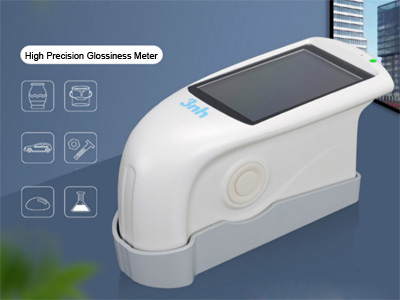
Sometimes, when the color biscuit has been applied to semi-gloss or translucent materials, the surface haze changes the color that the user sees. Haze meters, like the ThreeNH YH1600, help assess the color glazing, haze, and transparency, which increases the complexity of the color evaluation.
Understanding the CIELAB color space is integral when it comes to measuring biscuit tones.
A sample might yield values such as:
● L* (lightness) = 90
● a* (green–red) = 2
● b* (blue–yellow) = 10
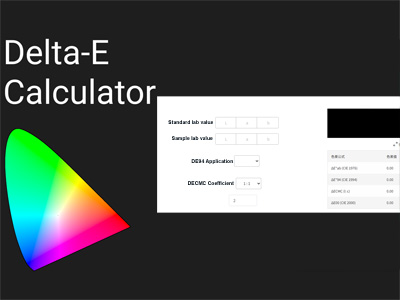
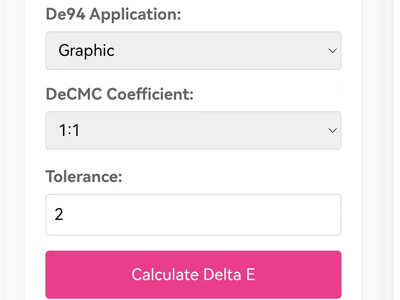
These measurements provide a color in 3D space to which ΔE can be calculated against other colors. The lesser the ΔE, the more alike the sample is to the reference.
For ΔE Value Interpretation:
● ΔE Value Perception
● < 1.0 Not perceptible
● 1.0–2.0 Slight, acceptable
● 2.0–3.0 Noticeable, but may vary
● 3.0 Obvious, needs correction
When it comes to measuring biscuit tones, a ΔE of 2.5 is, in most cases, when high visible mismatches are present.
A quick glance at the tile catalogue yields the description, 'matte tiles of biscuit color,' describing a tile the manufacturer has out on option. The reference color value (master color standard) has lab values of:
● L = 90*
● a = 2*
● b = 10*
A new batch comes back from production. It measures:
● L = 89*
● a = 3*
● b = 8*
The ΔE value is measured to be 2.45. For some customers, this can be seen as acceptable, while for others, there is a possibility this can be seen as too big of a difference. It is up to the QC team to determine if this batch will be kept or adjusted.
In mass production, such differences can be extremely problematic, resulting in customer complaints, rework, and returns. Issues that can be easily avoided through color measurement tools.
There are some problems that will remain, even with the best technology:
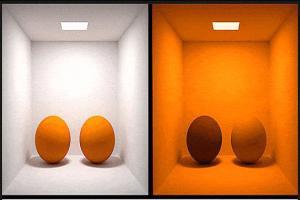
● Lighting conditions: The color 'biscuit' changes substantially in both warm and cool lights.
● Surface finish and material: The same color value on a glossy ceramic, on a sheet of matte paper, and on a piece of woven will be perceived differently.
● Aging and fading: Natural materials can have biscuit tones that differently shift with time.
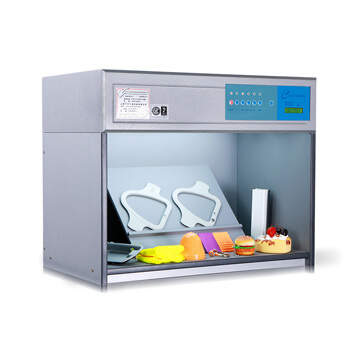
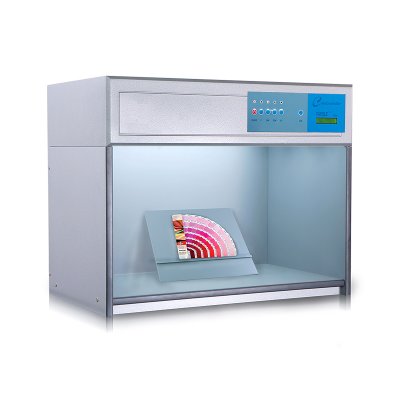
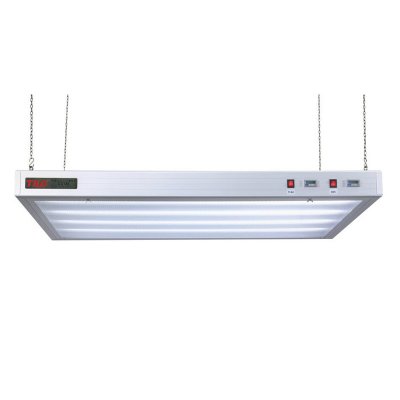
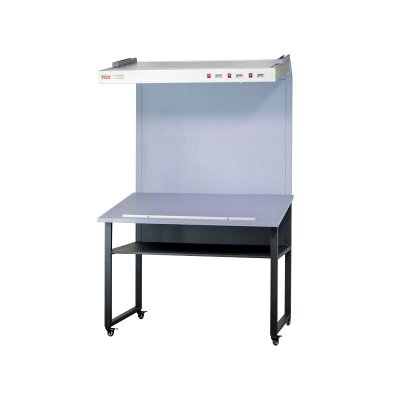
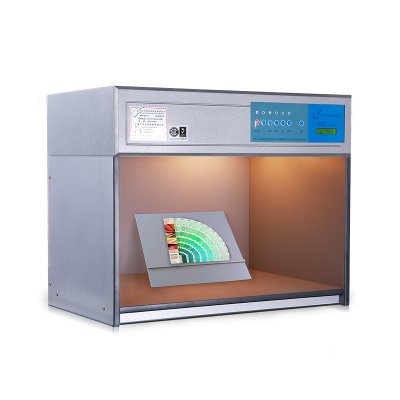
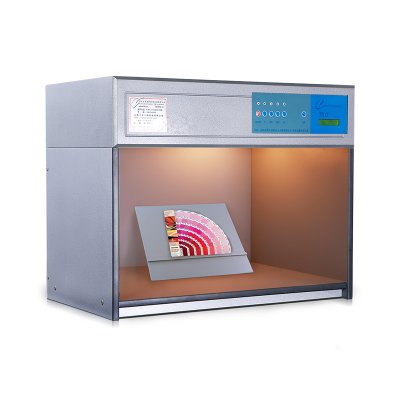
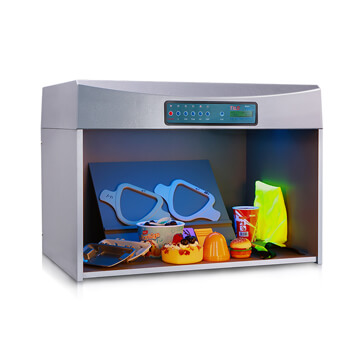
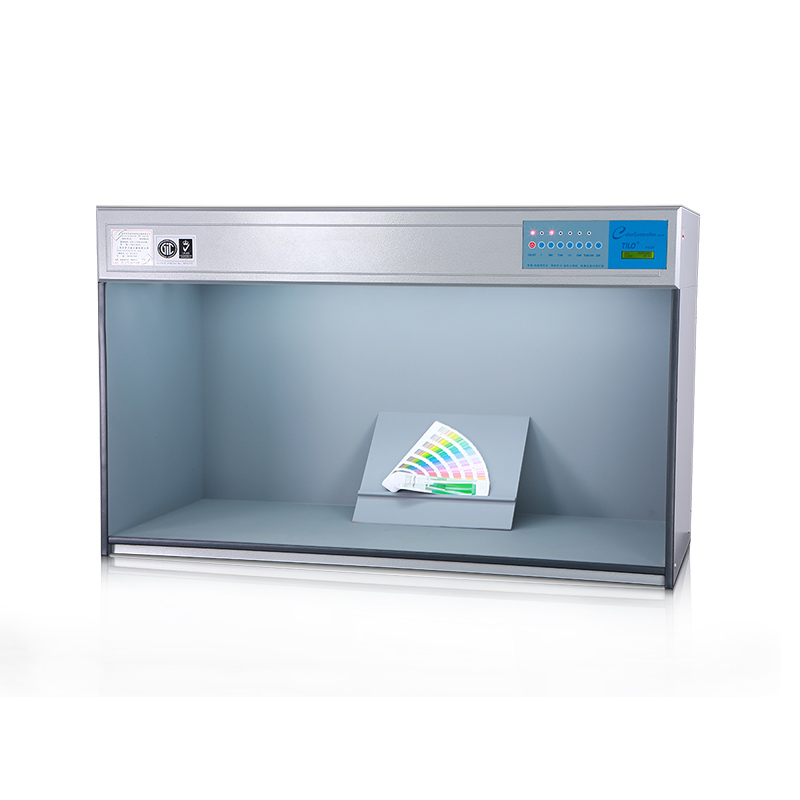
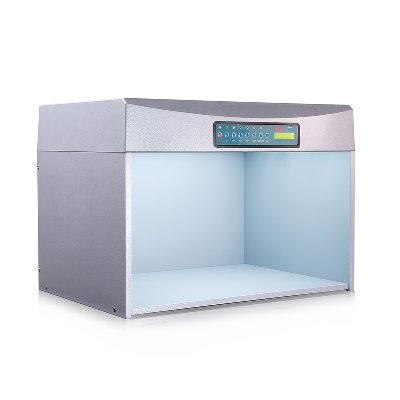
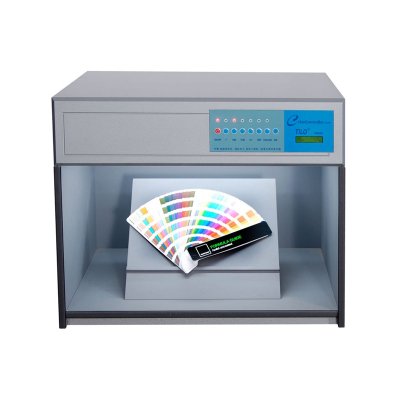
Because of the control problem, manufacturers are left to using controlled viewing booths with standard illuminants, such as (D65, A, F2) and same 2 degree or 10 degree angles.
● Forgo the rework of checking pigment ratios in spreadsheets based on each batch pigment ratios.
● Perform color matching on the computer.
● Modify the settings on the machine based on the real-time feedback of color.
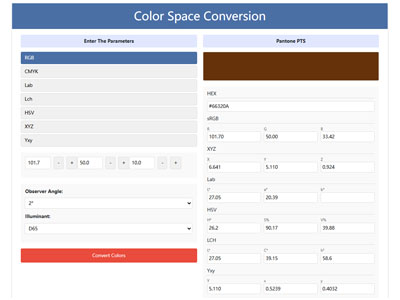
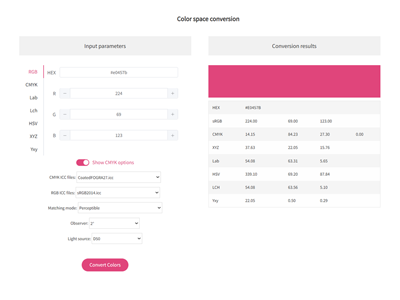
Using tools like the color space conversion tool by ThreeNH, designers, and QC managers can easily convert biscuit HEX or RGB color values to Lab for comparison against measurements. This comparison greatly aids in the quick decision-making process on production.

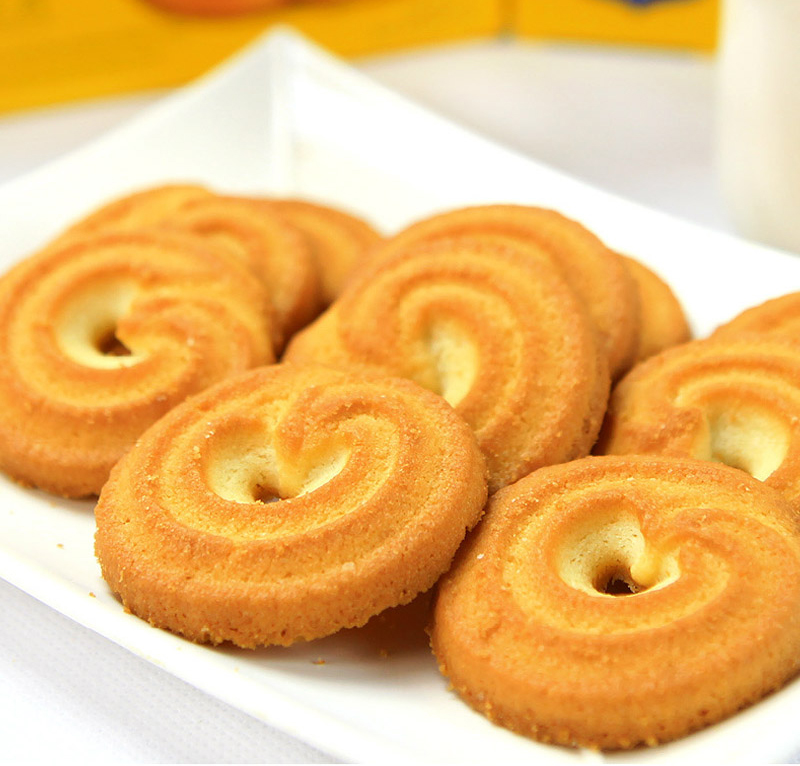
Generally speaking, snack cookies are golden brown because their warm color is indicative of freshness and baked quality. Their colors run the gamut from beige to rich caramel, depending on the amount of baking time and ingredients used. It is important for biscuits and cookies that avoid off-coloured marks (indicating improper baking) to get help at both ends of production. The food processor has to guarantee that his color runs from white to dark brown because consumers really cannot accept any variation. If they happen just to focus in on a particular batch and compare its color uniformity with that of another one, you are finished; it's similar cutters that cut through altogether.
In an effort to check the color of a certain snack, manufacturers use colorimeters or spectrophotometers. These instruments are sensitive enough to detect even the most subtle browning and caramelization reactions that cause changes experienced when tasting. Manufacturers have to control the cookie's color first before they can guarantee that the quality, freshness and lack of defects will be there for each one.
Biscuit paint color is a soft and modestly neutral shade of tan and grey beige. It is commonly used to paint walls, furniture ornaments and ceramics in order to create an atmosphere that is calming and simple. It serves as a blank slate specially suited for a variety of interior design styles without overwhelming the color scheme. So it is important that the products be rigorously measured in terms of color uniformity. For flashing biscuit shades are very dependent on lighting and the finish of the surface.
Much of As Seen on Television precipitated from the convergence of multiple artistic disciplines. Take for example the versatile tile. One can note its delightful beige and the visual perception of the tile biscuit. The tile color biscuit does not just exist, it has weight. The hues in such designs never clash with each other and reading the tile does not require interpretation.
Other than the three tools in the title, modern devises like spectrophotometers also assist in measuring biscuit. This ensures the biscuit color is absolutely true regardless of the surfaces, materials, and light.
What is biscuit color in design terms?
A soft neutral hue between pale beige and warm tan with slight yellow-red undertones.
Why is biscuit color difficult to measure?
Because almost any change in lighting, material, or surface finish causes a color shift.
Which instruments are used to measure biscuit color?
Spectrophotometers, colorimeters, and haze meters.
What does ΔE represent in biscuit color quality control?
The difference between two colors, where values under 2.0 are generally considered suitable.
How do lighting conditions affect biscuit color perception?
The presence of different illuminants (such as daylight or incandescent light) shift the perception of biscuit tones.
노란색 지수를 분석함으로써 회사는 불일관성을 피하고 제품의 외관 및 신뢰성을 향상시킵니다.노란색 지수와 측정에 대한 더 깊은 통찰력을 얻기 위해 노란색 지수는 제품의 품질 결정에 도움이 됩니다.
정확한 색상을 얻으려면 인쇄 버튼을 누르는 것보다 더 많습니다.다음은 모든 디자이너, 프린터 또는 비즈니스 소유자가 준수해야하는 인쇄에서 정확한 색상 일치를 위한 9 단계입니다.
품질 관리를 강화하고 브랜드에 대한 부정확한 색상을 방지하기 위해 사용할 수 있는 9 가지 중요한 전략이 있습니다.
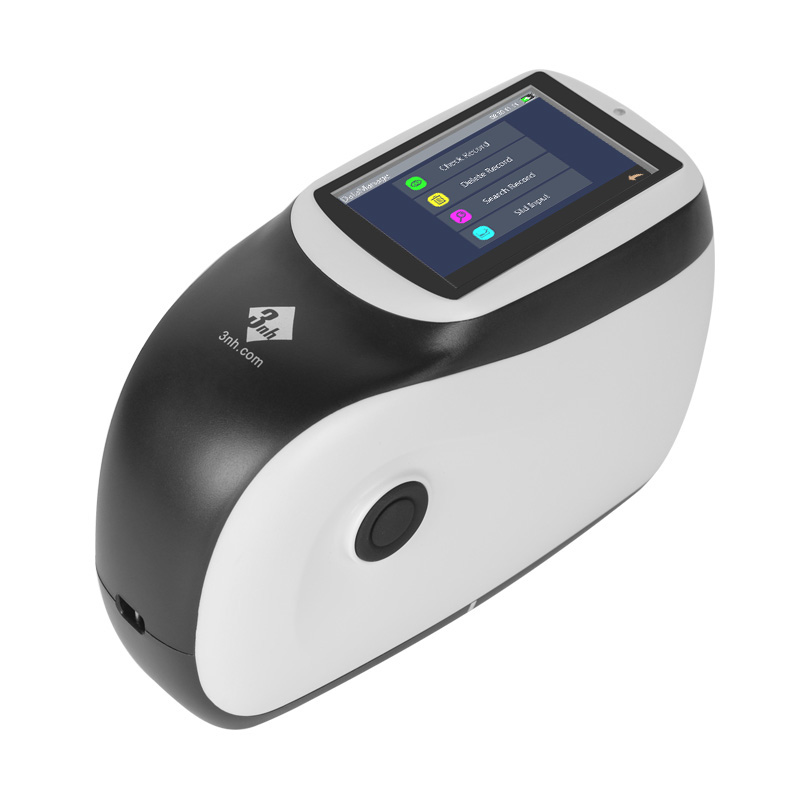
색상은 디자인, 인쇄 및 전자 매체에서 매우 효과적입니다.프린터와 디자이너뿐만 아니라 브랜드 관리자는 모두 wil....
최고의 관행과 적절한 사용 기술을 따라야 합니다.색상계를 사용할 때 결과의 정확성을 높이기 위해 7가지 팁을 제공합니다.
전문가들은 보통 두 가지 색상의 유사성/비슷성을 비교하는 객관적인 방법이 필요합니다.우리의 델타 E 계산기 도구가 도움이 될 때입니다.CIE 실험실 색상 공간을 기반으로 한 색상 차이는 이 도구로 쉽고 정확하며 계산하기 편리합니다.
이 가이드에서는 색 분광광계의 기본 매개 변수와 사양에 집중하여 데이터를 측정, 분석 및 보고하는 데 사용되는 알고리즘에 대한 통찰력을 제공합니다.분광광계는 객관적인 색상 데이터를 측정하고 분석하는 데 매우 중요합니다.
메타메리즘은 무엇인가, 어디서 발생하고, 다양한 산업에 미치는 영향, 그리고 어떻게 감지, 통제 및 수정할 수 있습니다.
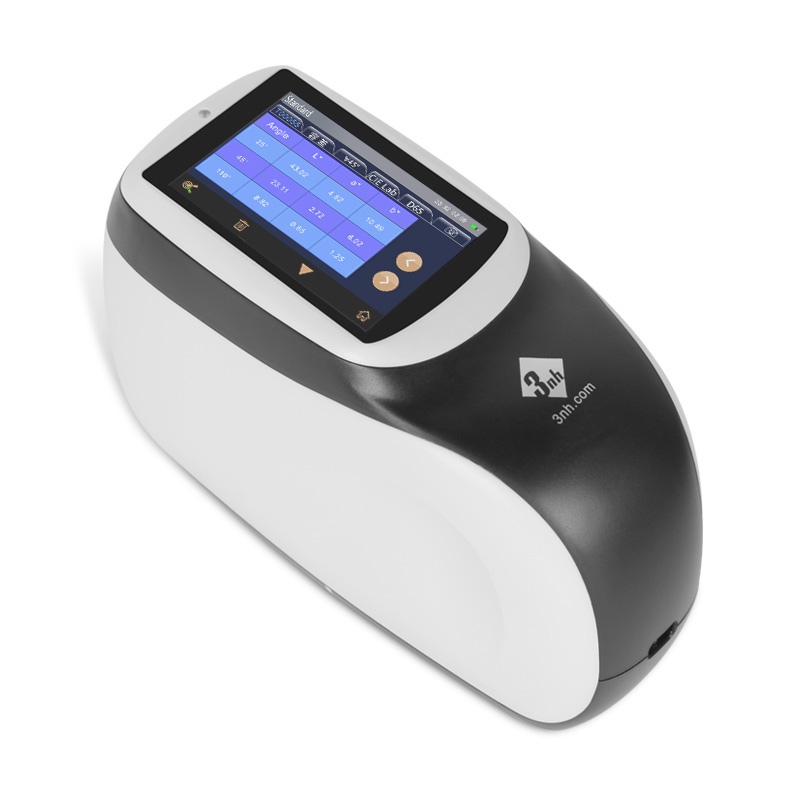
빛은 우리가 세상을 보고 상호 작용하는 방식을 통제하는 가장 기본적인 힘 중 하나입니다.선글라스의 렌즈 위에 선선선글라스의 렌즈 렌즈 위에 선선선안경의 렌즈 렌즈 위에 선글라스의 렌즈 렌즈 위에
우리의 제품 전문가와 프로젝트를 토론하십시오:
0086 755 26508999우리는 1 영업일 이내에 견적 요청에 응답합니다.
service@3nh.com관심이 있는 제품에 대한 데모 요청을 제출하십시오.
데모 받기