Color precision is a significant aspect in the printing business because consumers insist on uniformity. When it comes to color, whether on marketing materials, packaging, or product labels, it should accurately portray the brand identity. A very small shade variation may lead to dissatisfaction, loss of credibility and even sales. Quality color matching is consequently of paramount importance to printing professionals who desire consistent results with no failings.

To get accurate colors, it is more than pressing the print button. It touches on awareness of color models, printer calibration, types of paper and lighting.
Using the correct methods, it is possible to avoid expensive reprints and come up with professional standards. The following are nine steps to accurate color matching in printing that should be adhered to by every designer, printer or business owner.
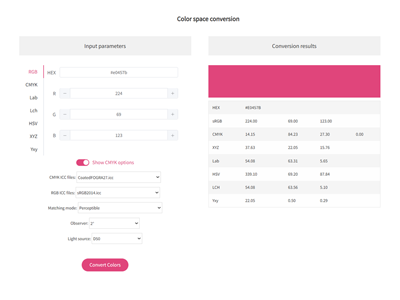
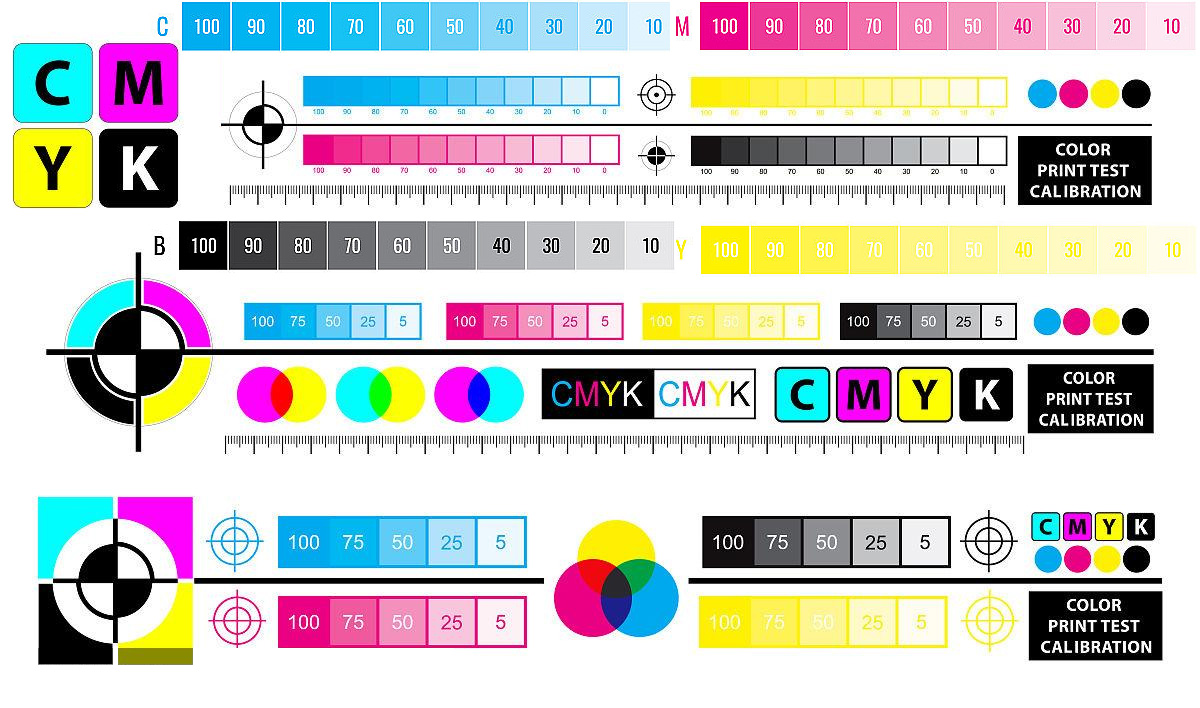
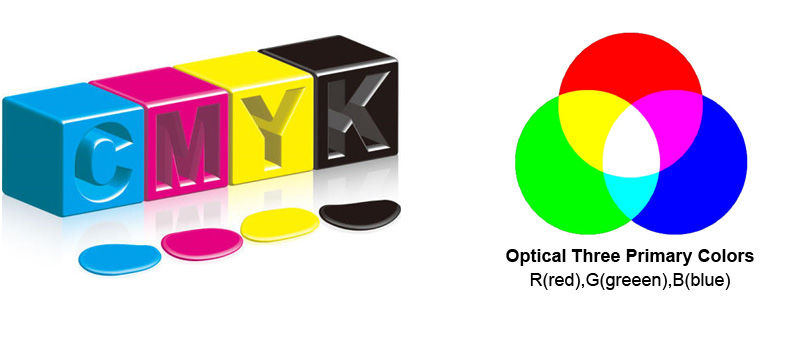
To get accurate color-matching, one should understand the difference between RGB and CMYK. RGB is employed in the case of digital displays like Monitors. Whereas CMYK is the printing standard. RGB colors that were designed may not all produce the same colors when converted to CMYK. As they can either print dark or shades. It is important to always design with CMYK in mind to avoid any surprises from the changing shades.

A correctly-calibrated monitor will result in an accurate preview of what will appear in print. Monitors tend to change in color accuracy, which may result in a wrong visual display.
A frequent recalibration using the professional tools guides your screen colors to maintain an alignment with the printing standards. Otherwise, your designs will be fine on screen and completely terrible on paper.
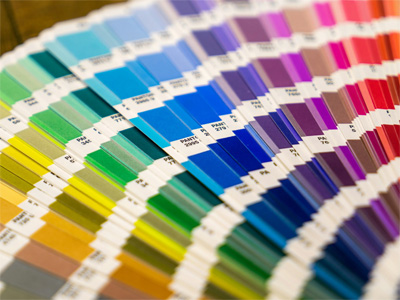
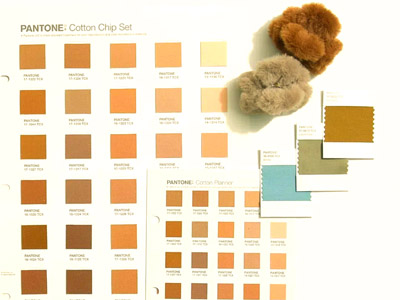
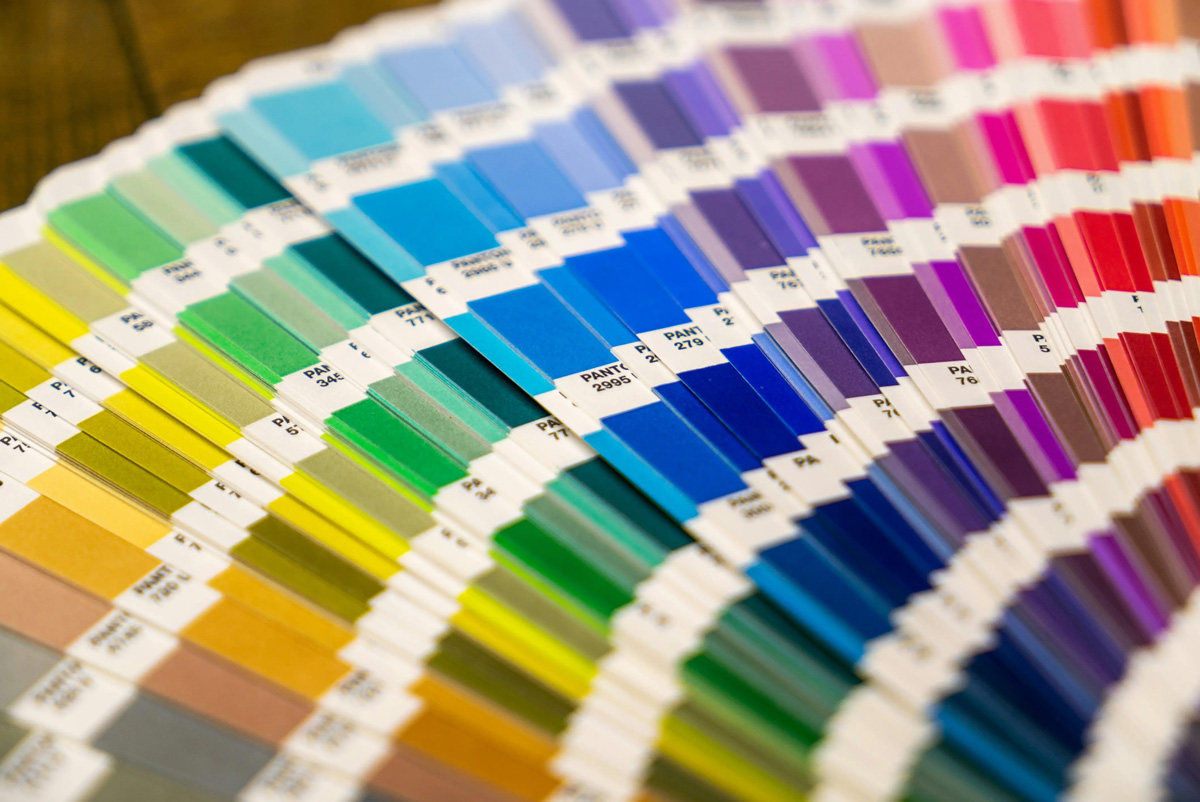
Pantone offers a common color language in which the results are similar across the printers, materials, and geography. Working on colors with PMS will help avoid mix-ups and will ensure specific colors, particularly when using logos associated with a brand.
The Pantone color guides enable you to view swatches of printed color and make the appropriate selection. This is also a very effective technique when dealing with numerous vendors or international printing projects.
There is an enormous role that paper plays in the way colors are printed. Glossy paper gives a shine and increases saturation and colors, and matte paper dulls tones. Uncoated paper will take up more ink, leaving colors to look dull and drab as compared to the coated ones. Prior to completion of a design, test colors using the actual paper to be used in a final print.
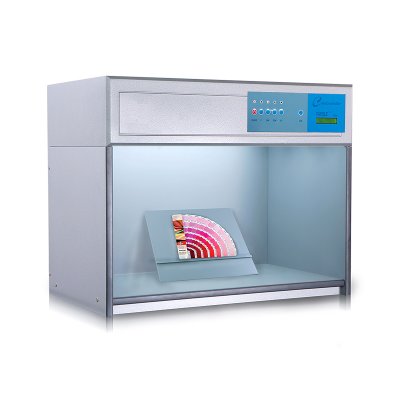
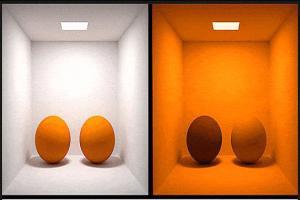
The perception of color in human beings is impacted by the condition of lighting. A design proof under fluorescent light can appear to be different under natural daylight.
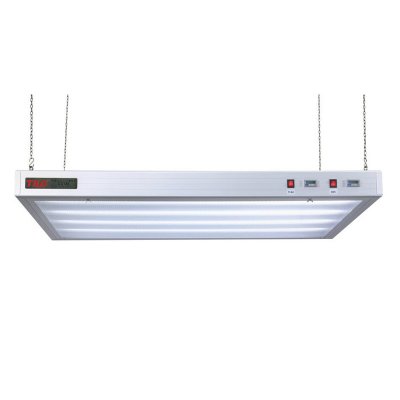
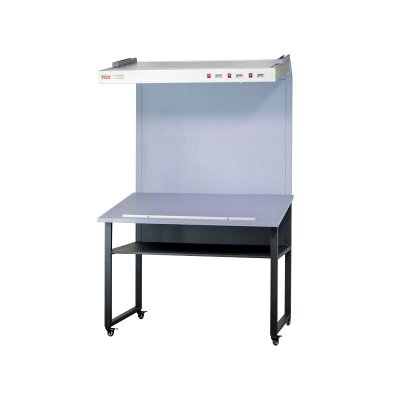
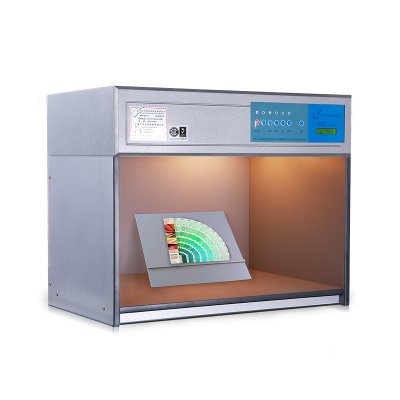
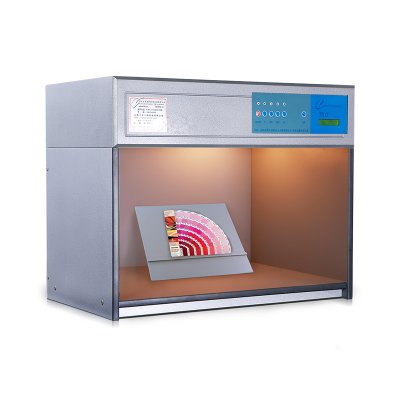
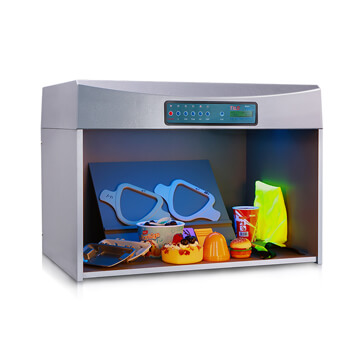
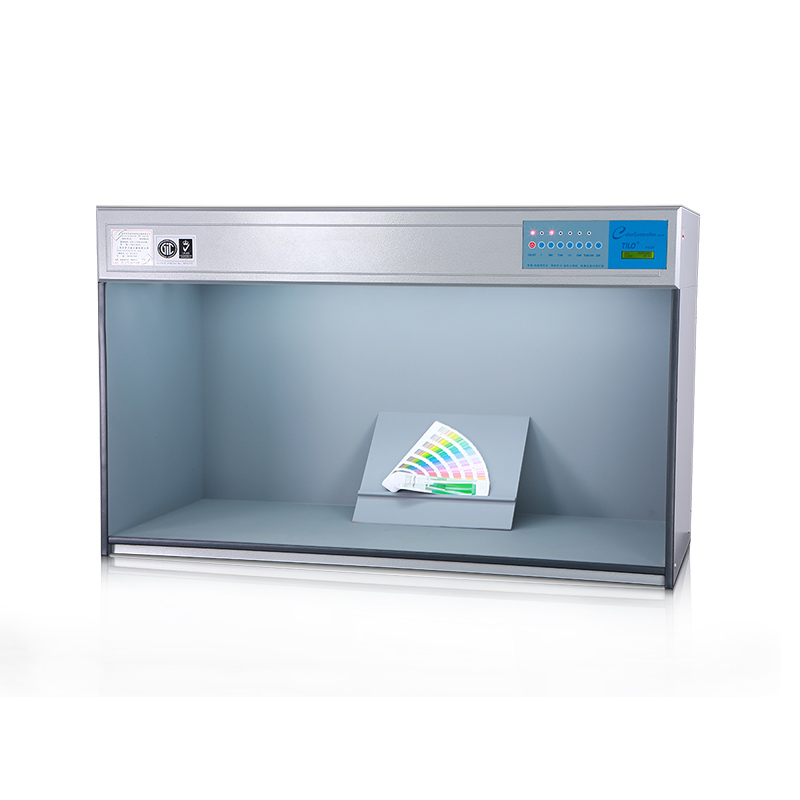
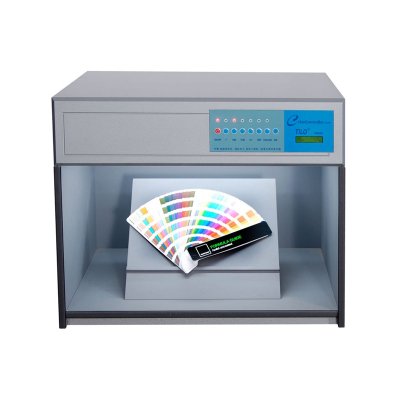
When evaluating proofs, it is important to do it in uniform lighting conditions to be sure of the accuracy of the proofs. Printers especially use light booths that mimic various lighting types, which are useful to spot differences before printing. This means that the final attempt fits the expectation no matter the viewing conditions.
ICC profiles explain the color nature of input and output devices such as scanners, printers and monitors.
Deploying ICC profiles helps you standardize between the devices and platforms. The right profile embedded in your design file will produce a good color representation.
Failure to read ICC profiles may cause significant changes in color between a design and the printed piece.
Soft proofs in monitors offer a clue of the output but are not wholly reliable. The best preview can be obtained on real paper printed in hard copy.
This will enable you to identify problems before you go into the final print. Hard proofs are particularly vital when dealing with big or expensive projects so that you do not make any costly mistakes.
Open communication with your printing partner will give you the right results. Give specifications with Pantone, the paper type and finish required. Talking specification at the beginning helps to avoid misunderstandings and the chances of color differences. Professional printers can also recommend modifications that can be made to deliver the finest output in a given project.
Paper, printer and different batches of ink may result in variation of color. Preferably use the same supplier in order to remain consistent. Learn more color measurement solutions for gravure ink formulation on BOPP film.
Record all the specifications of each project, ICC profile, pantone and paper specifications. Reproducibility of output due to consistency of inputs helps to build brand name and trust.

Perfect color consistency in printing is a rather technical but also strategic requirement. Knowledge of RGB and CMYK color models, Pantone colors and ICC profiles, and all related steps, help to achieve consistent results. Calibrating the paper type, the lighting conditions, and printer keep the final print as close as possible to your intended design.
Clearing the gap between vision and execution requires hard proofs, and effective communication with your printer. Using these nine tips, you will be able to avoid making expensive errors, satisfy clientele, and be more professional in your branding. Effective color matching creates trust and makes sure that your print materials give the right impression all the time.
1. Why is CMYK preferred for printing over RGB?
CMYK is the best option as printers have cyan, magenta, yellow, and black inks to get accurate color representation.
2. How often should monitors be calibrated for printing projects?
To achieve a constant and satisfactory color representation on various projects, monitors should be ideally calibrated after every 14 days.
3. What makes Pantone colors reliable for brand printing?
Pantone offers standardized swatches to make sure the identical shade is printed in a consistent manner across various printers, papers and print vendors worldwide.
4. Can paper type really affect print color accuracy?
Yes. Paper will take up ink differently, and a finish such as glossy or matt will have a great impact on how the colors will take their place in the final print.
5. Why are hard proofs better than digital proofs for color checking?
Hard proofs are ready inked on a selected paper, providing the closest result of printed outputs.
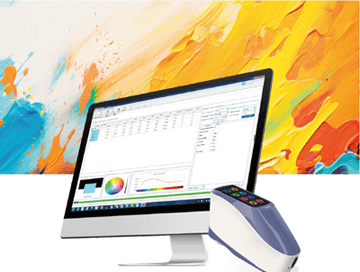
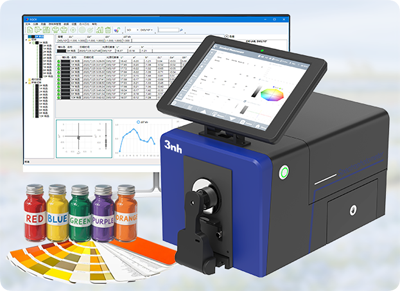
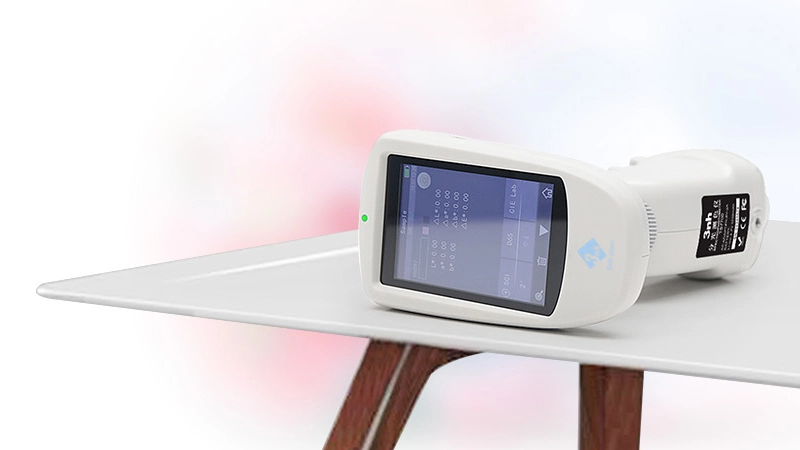
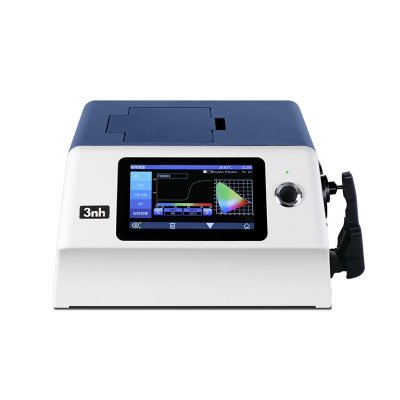
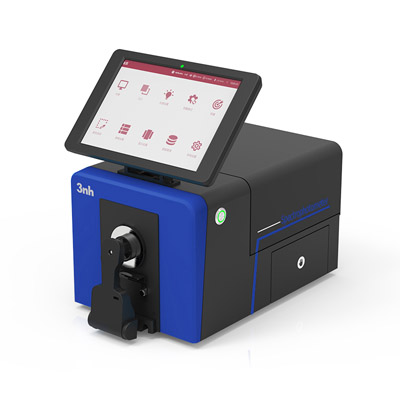
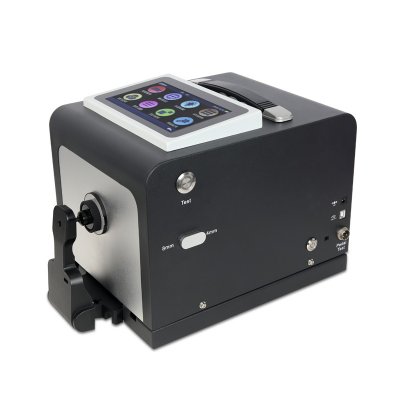
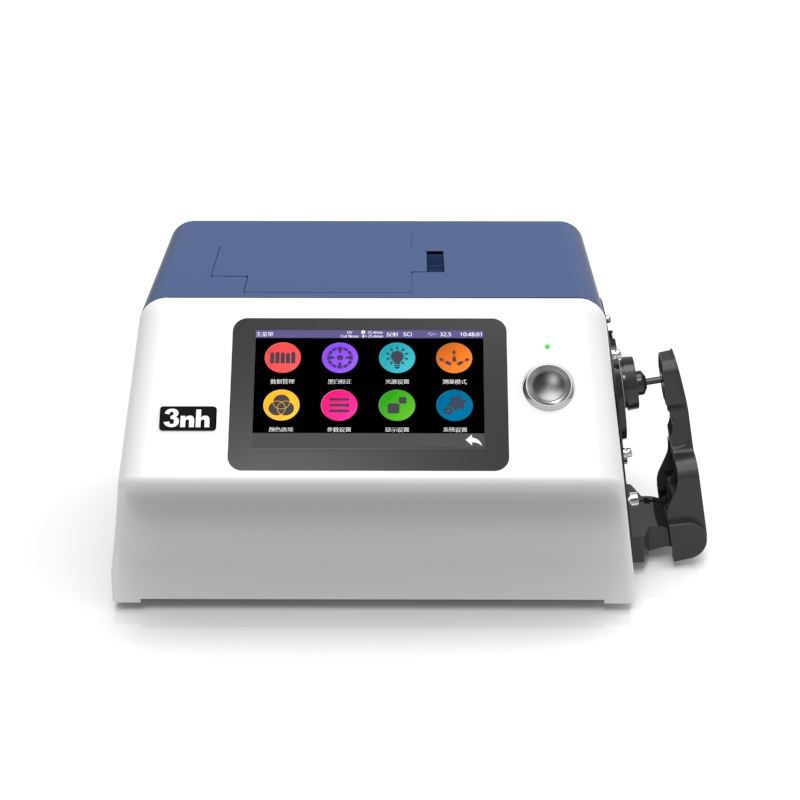
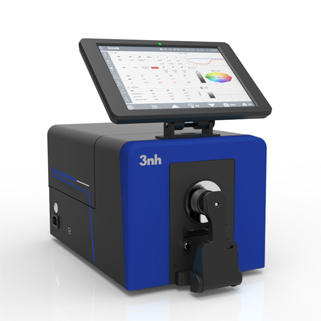
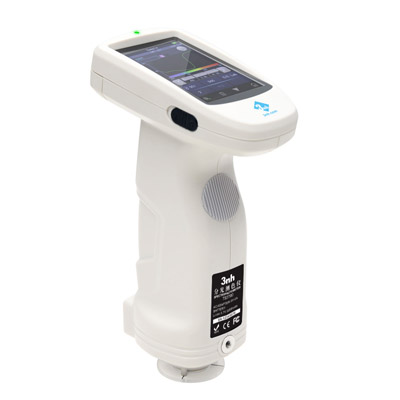
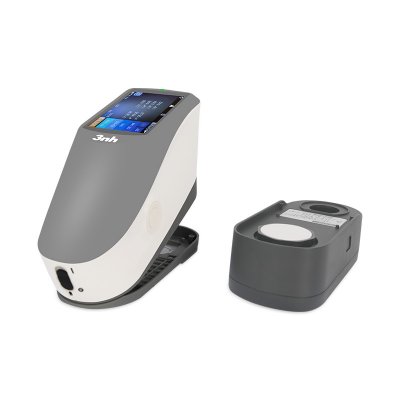
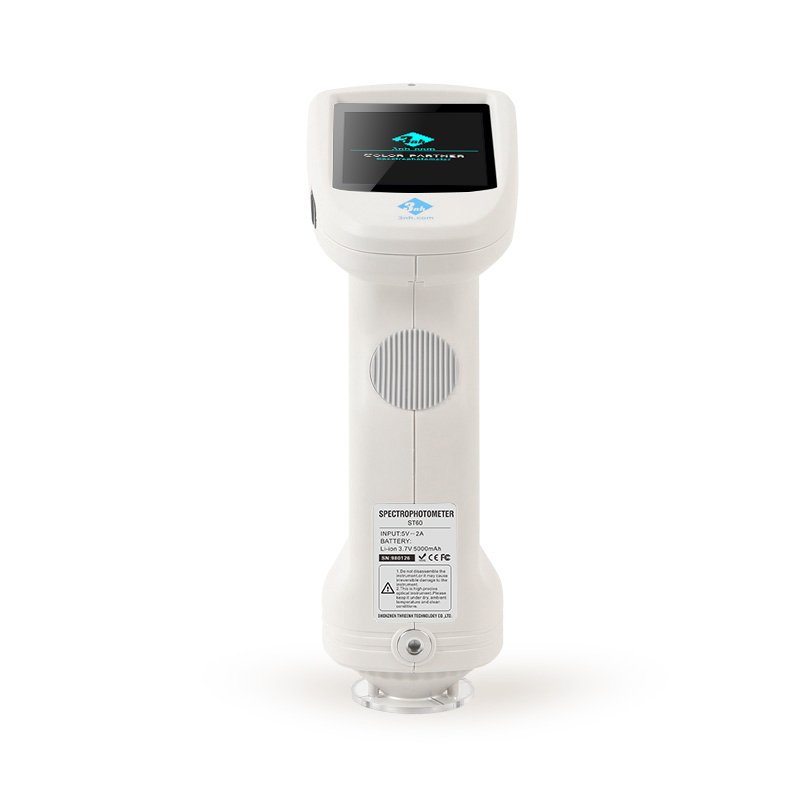
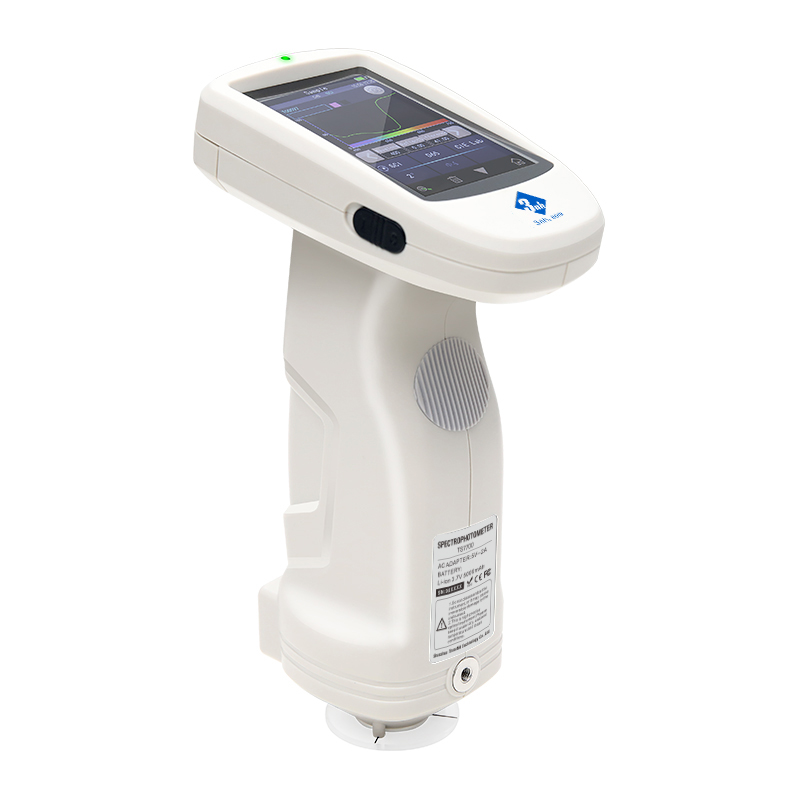
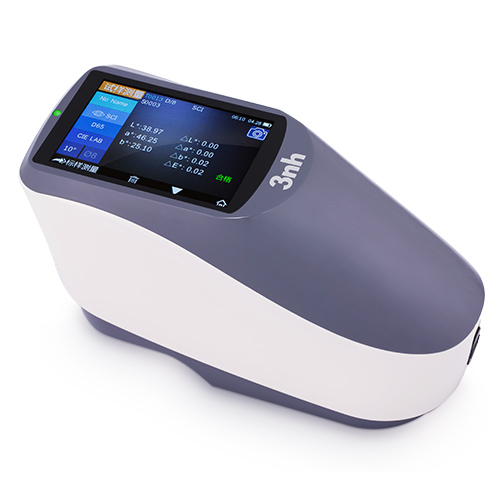
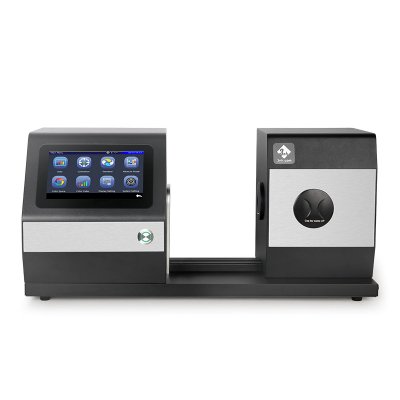
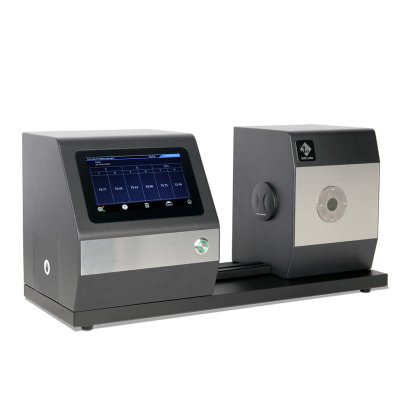
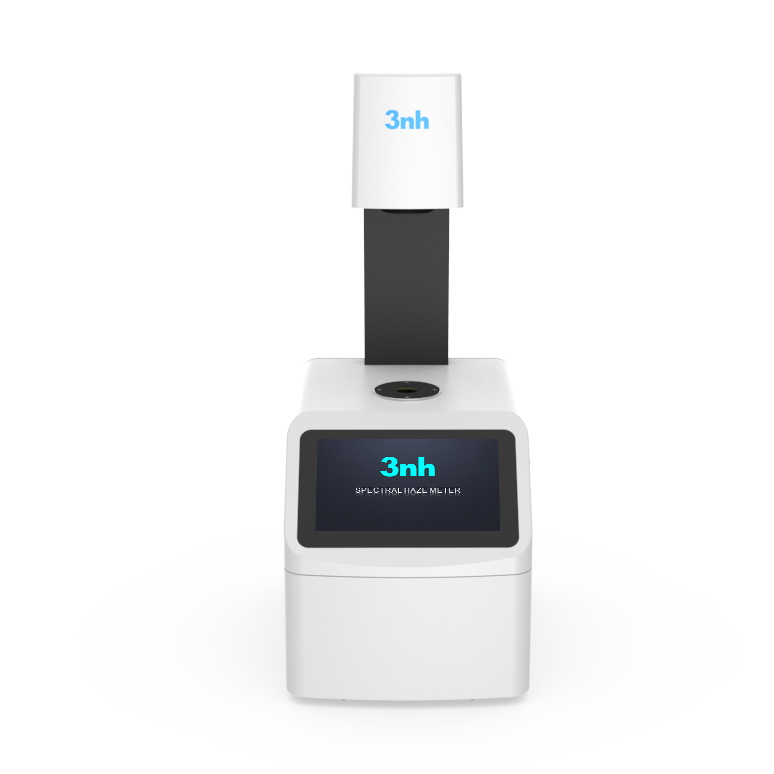
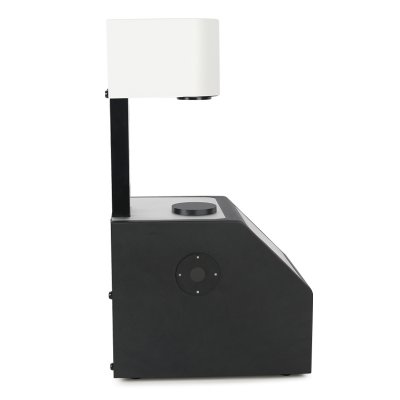
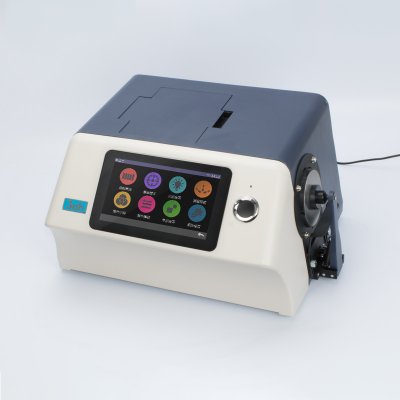
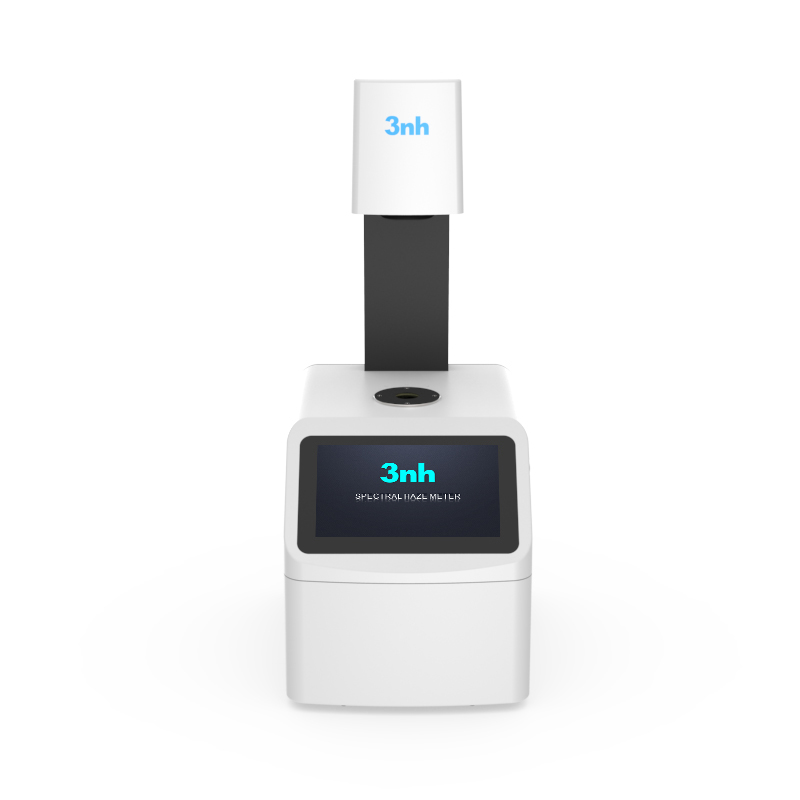
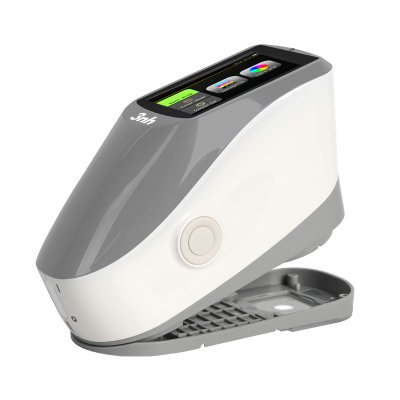
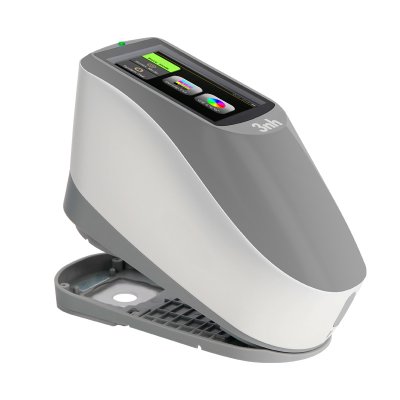
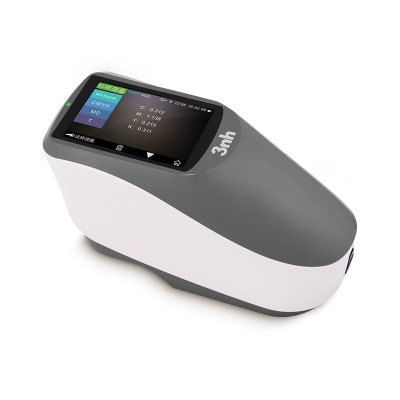
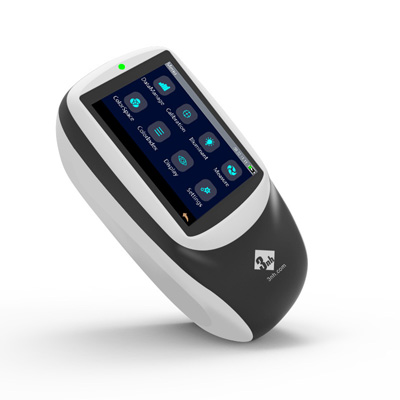
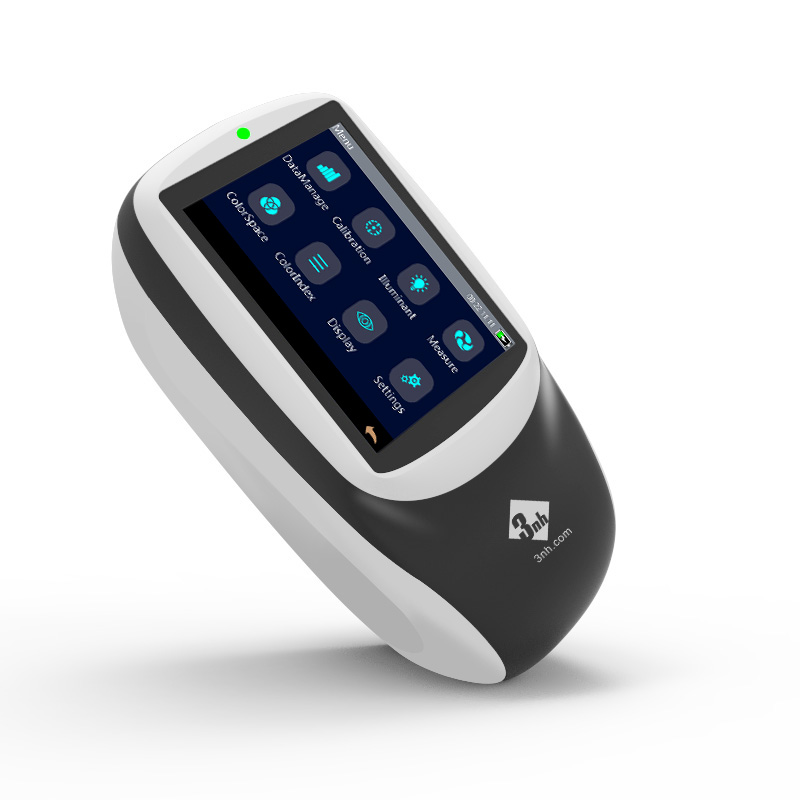
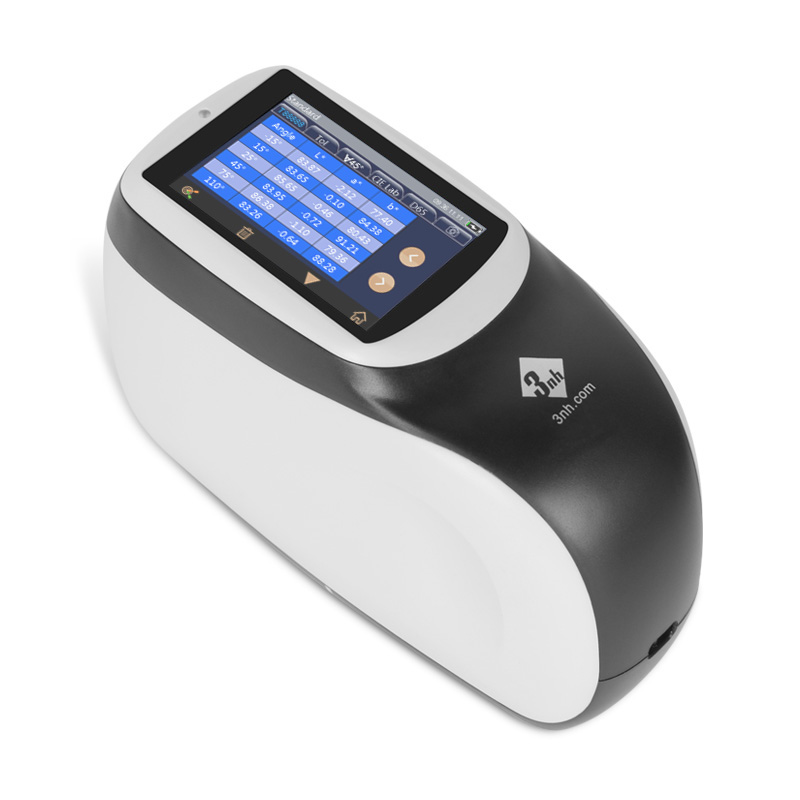
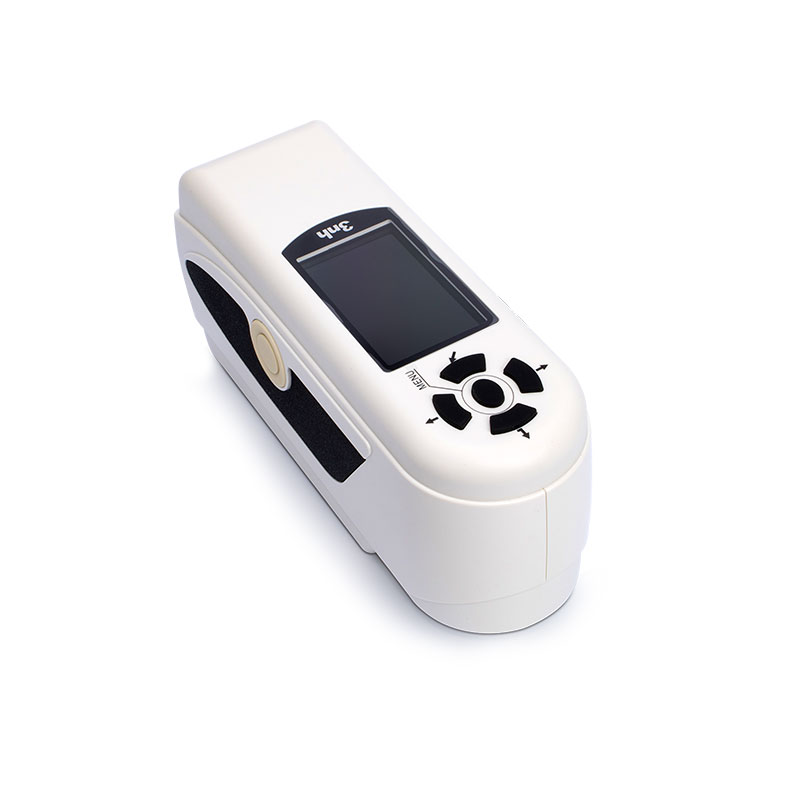
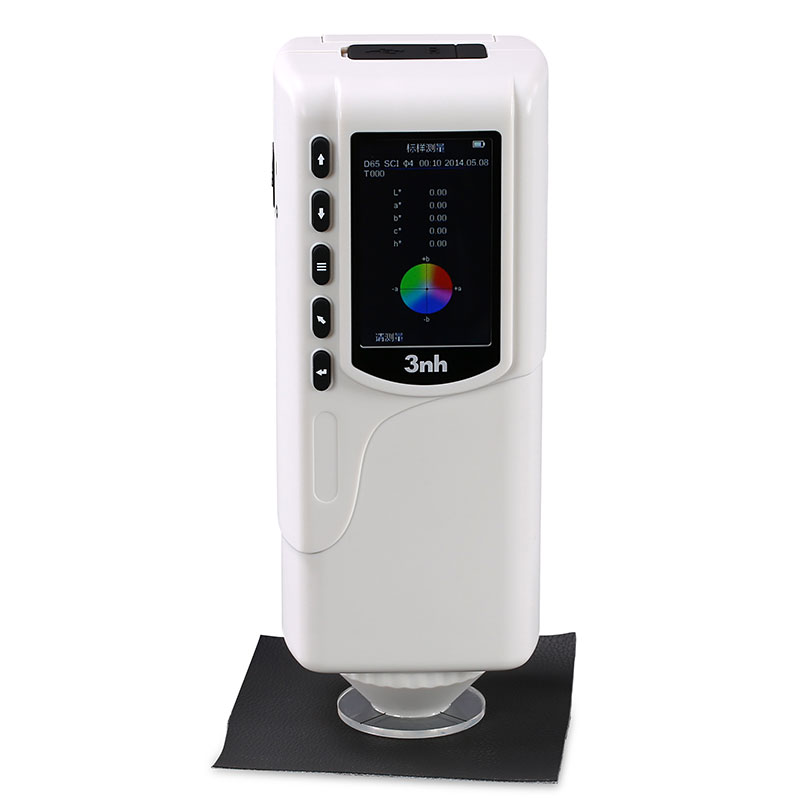
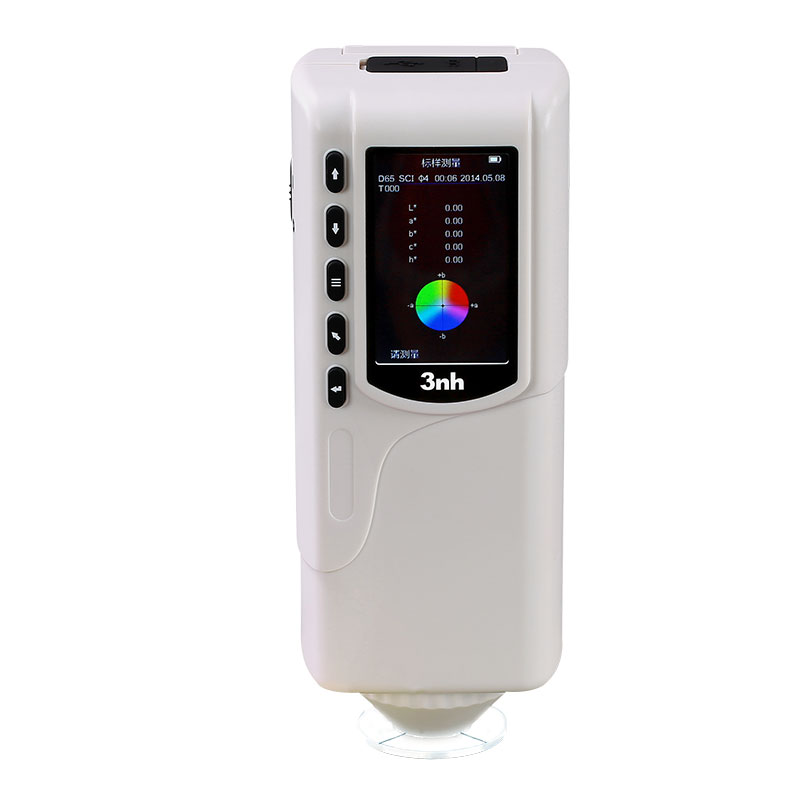
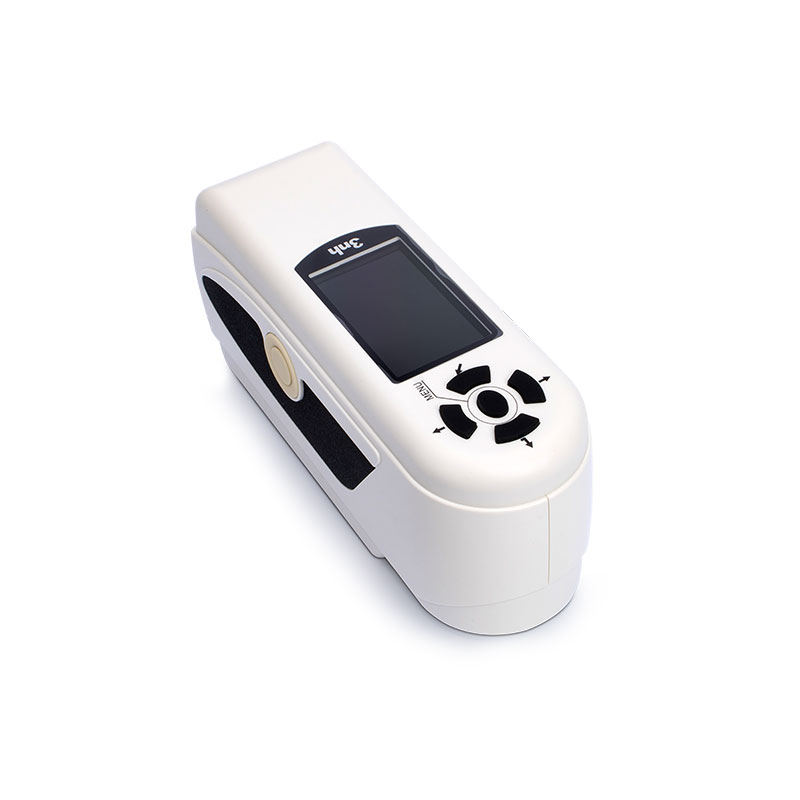
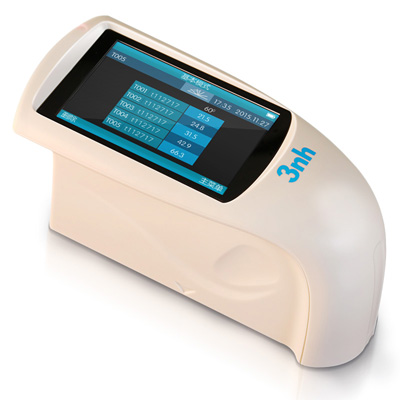
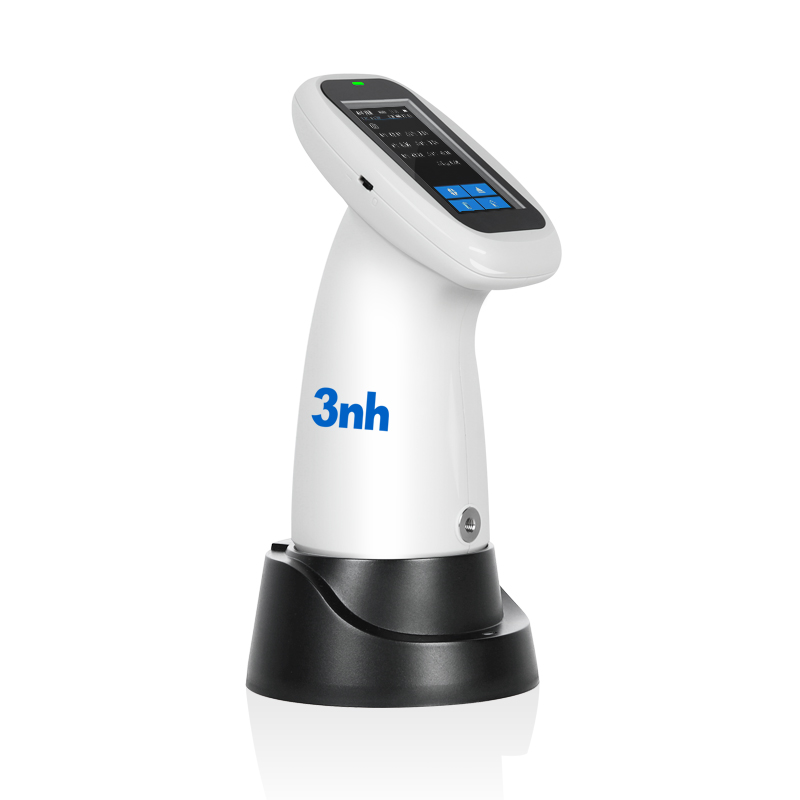
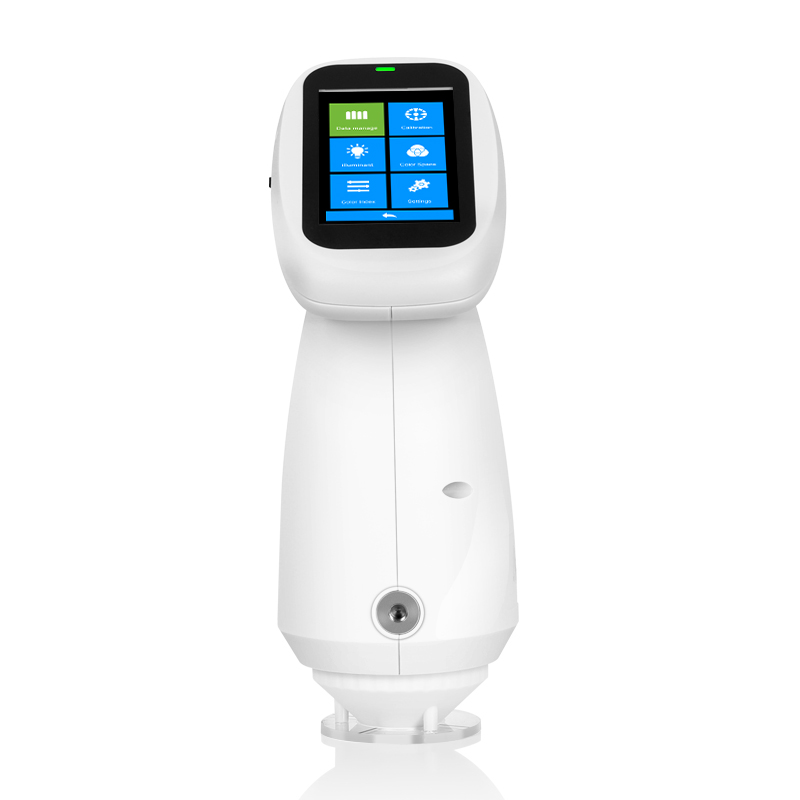
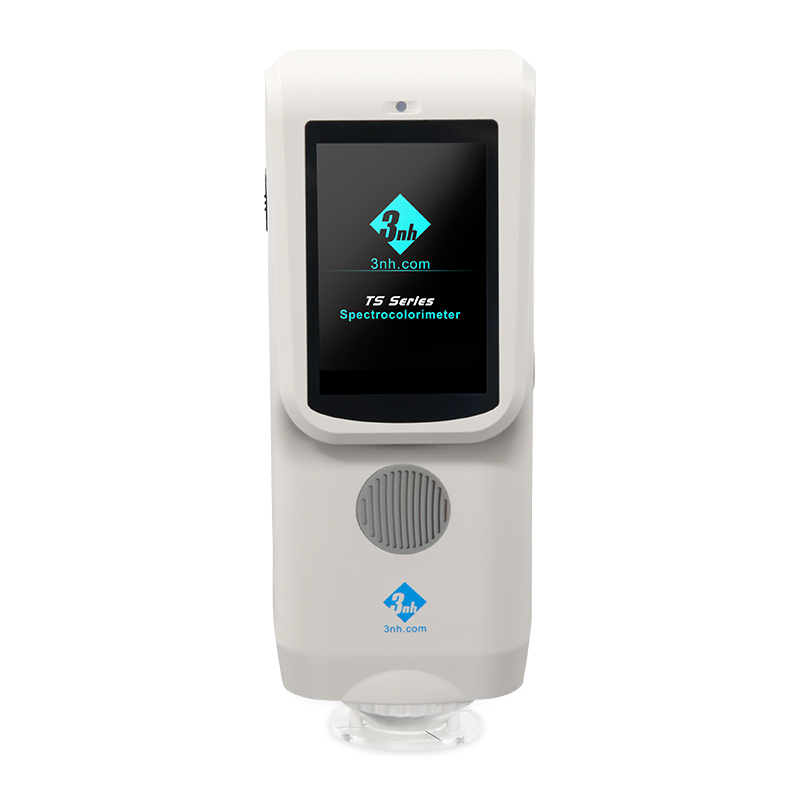
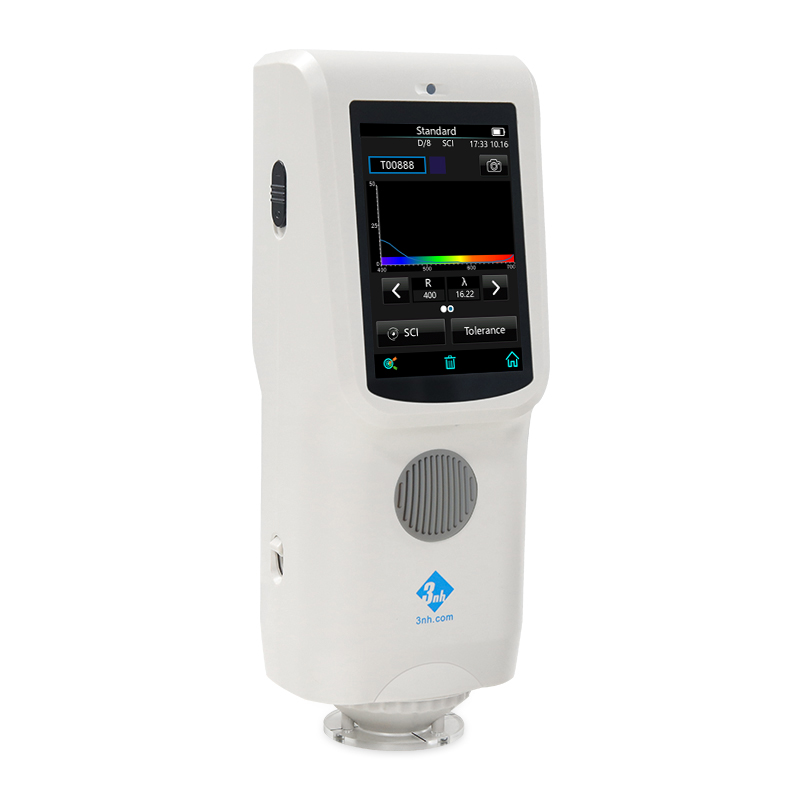
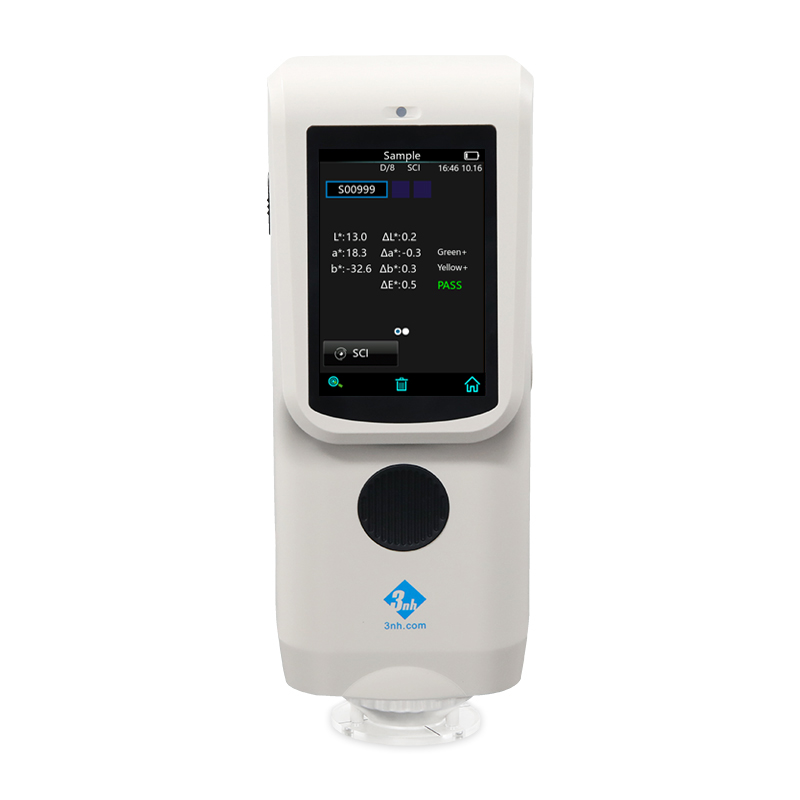
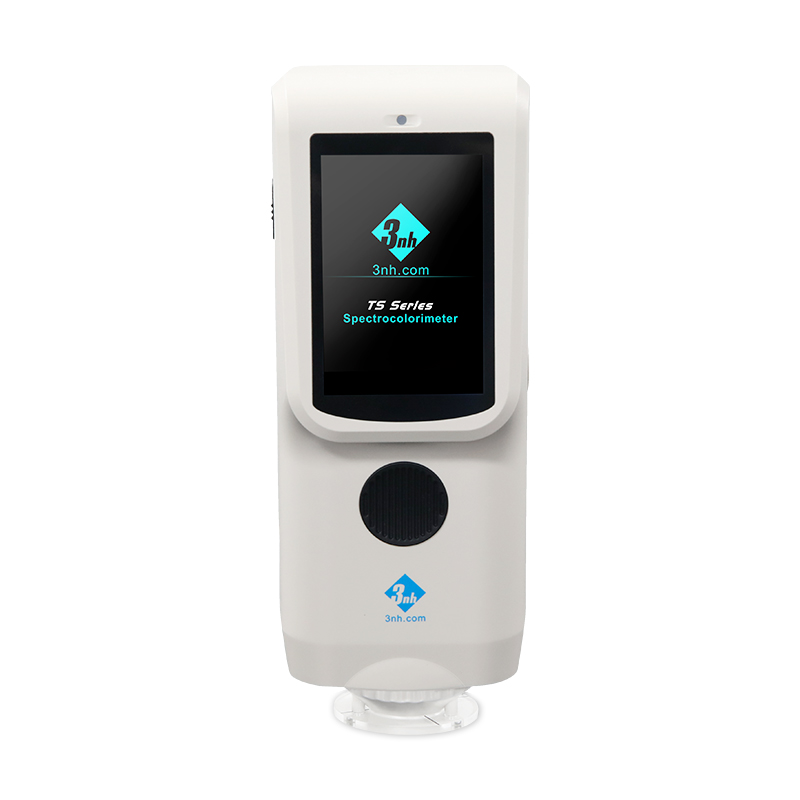
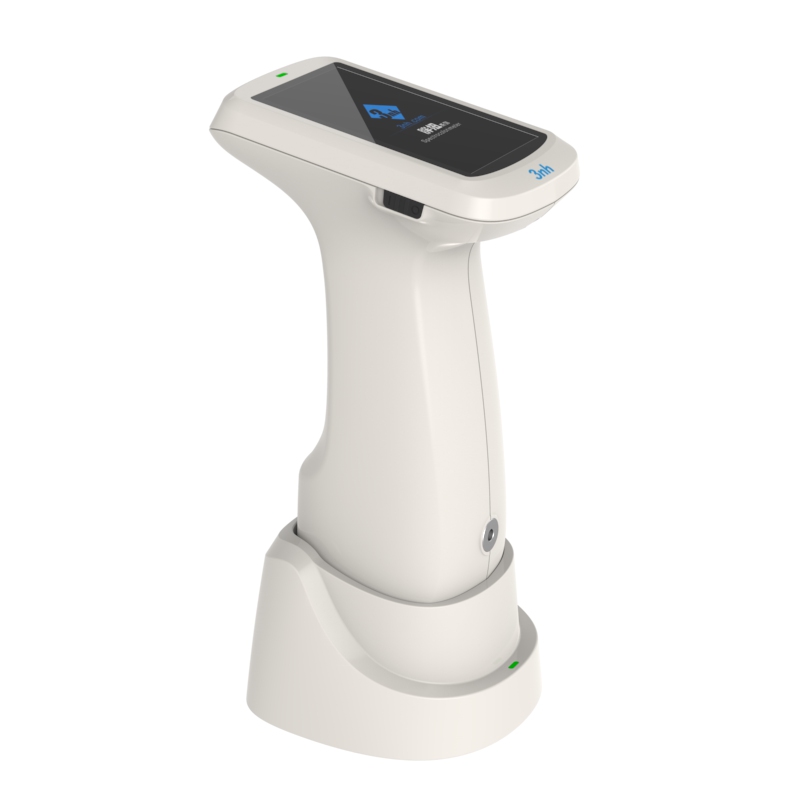
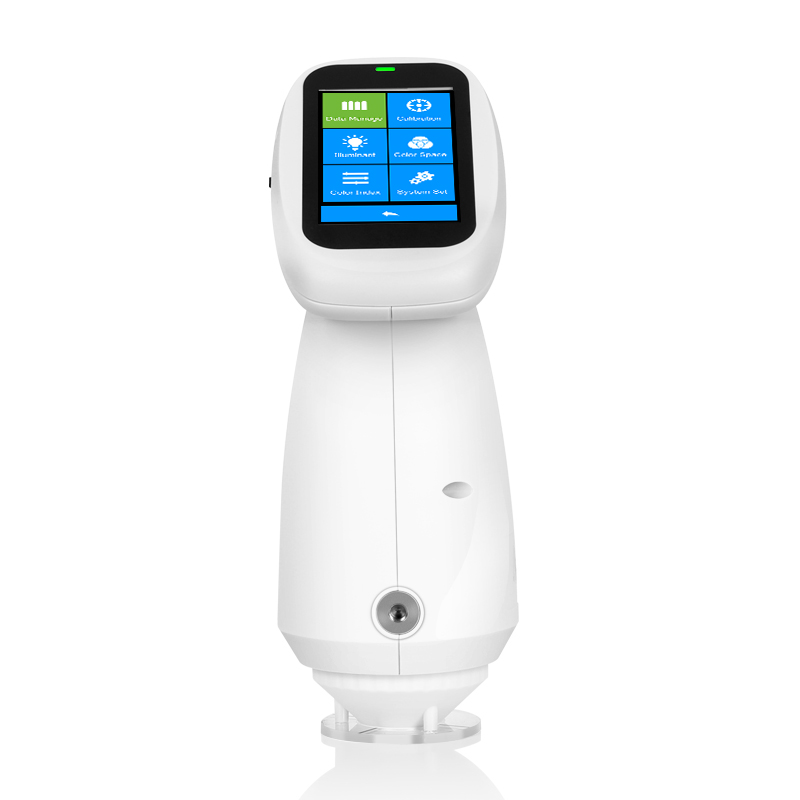
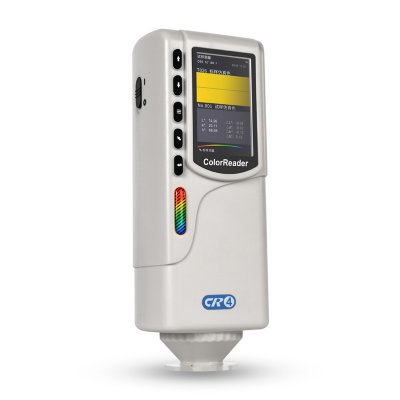
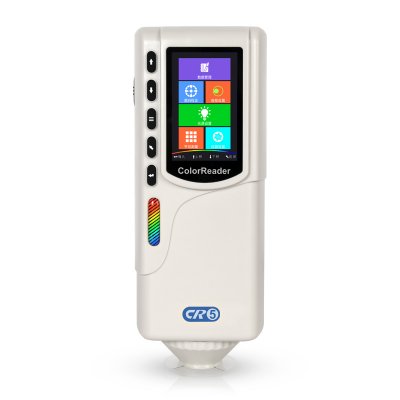
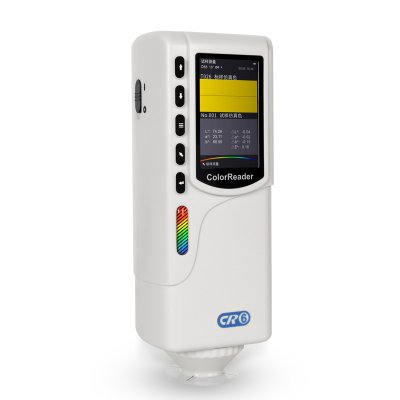
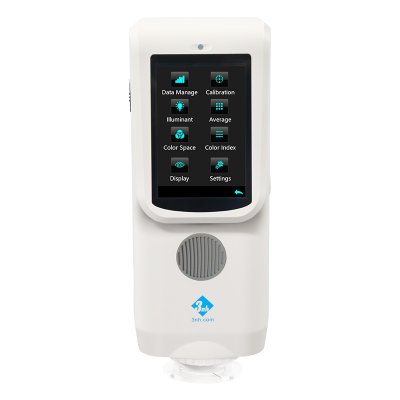
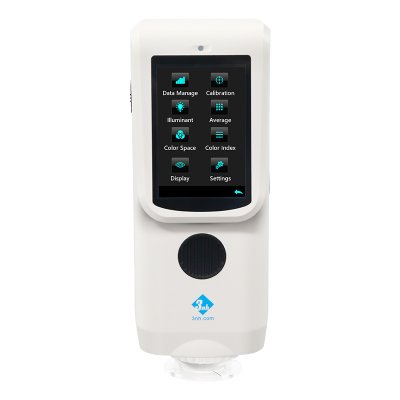
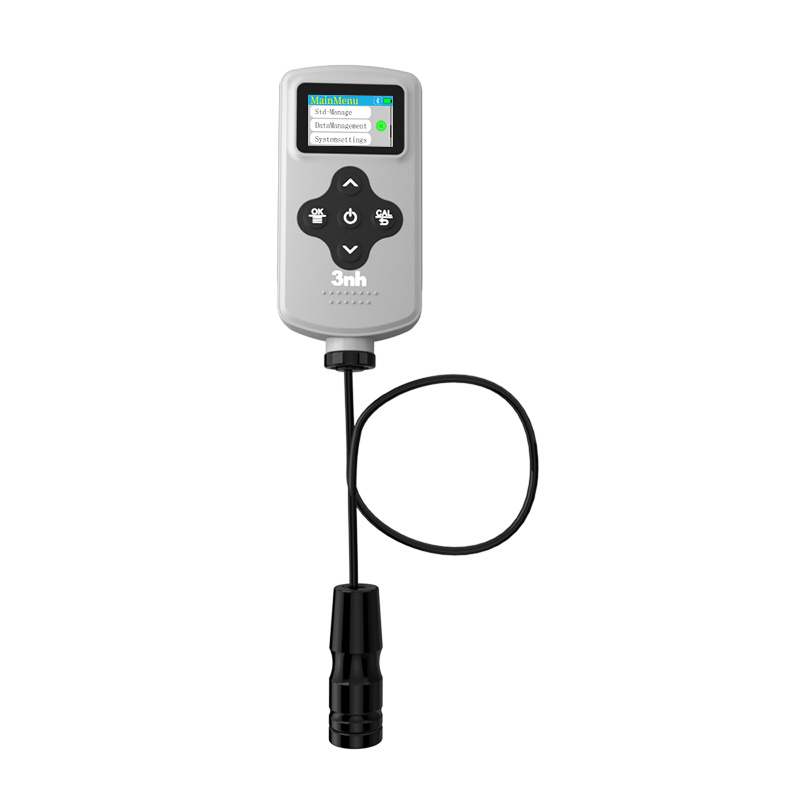
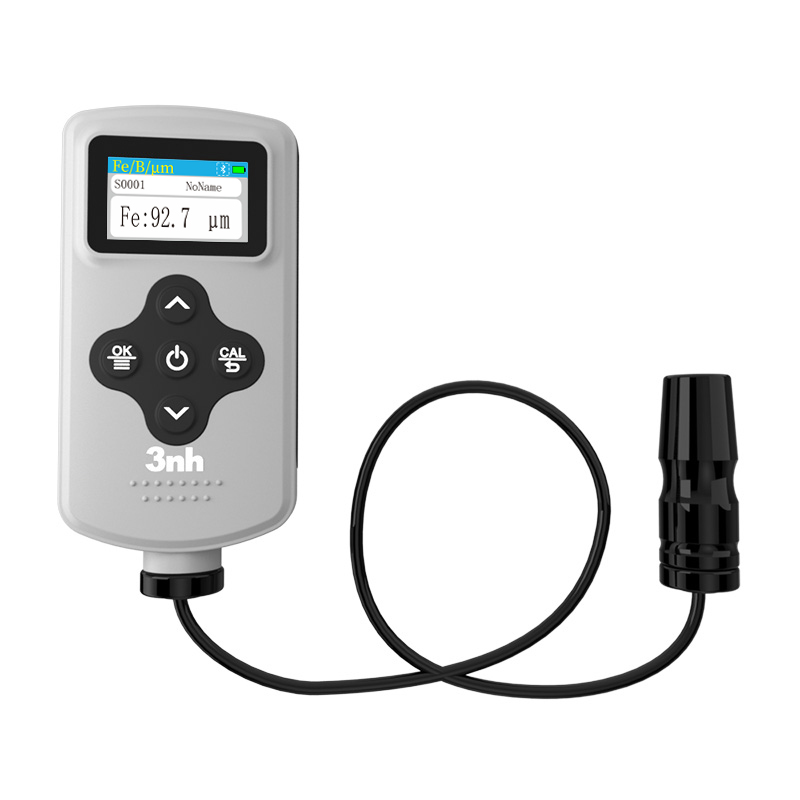
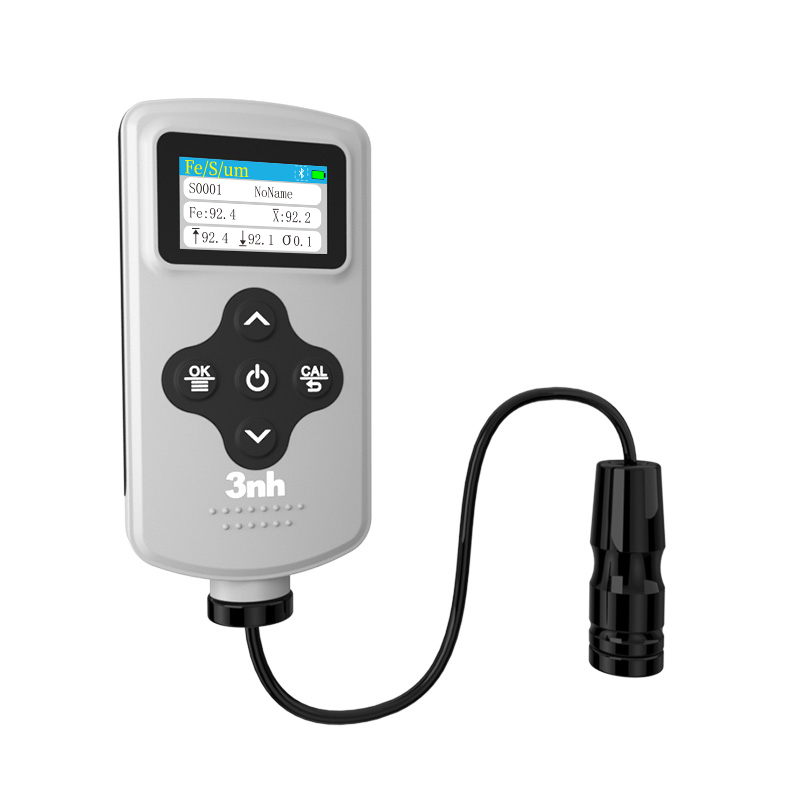
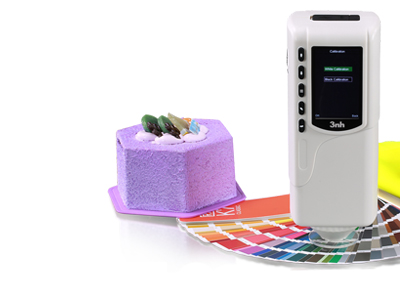
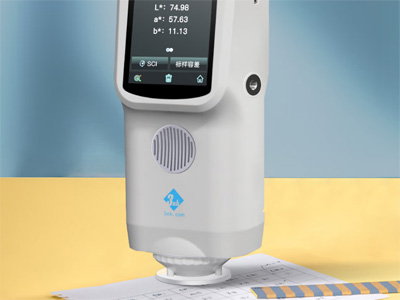
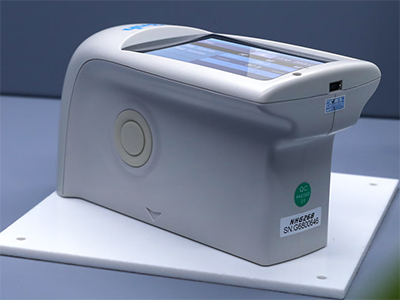
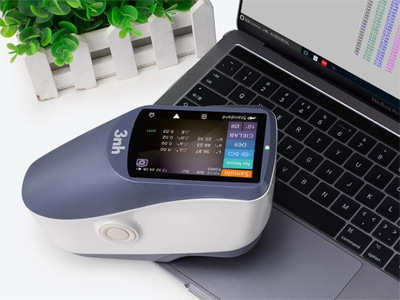
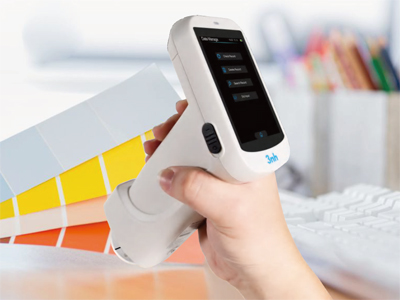
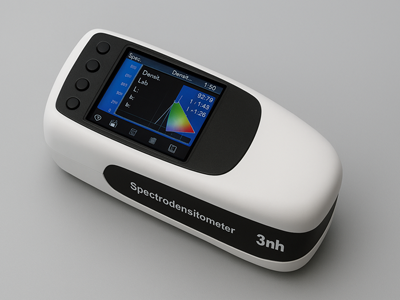
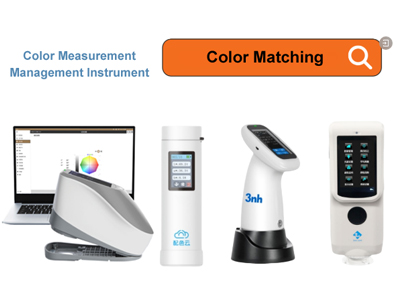
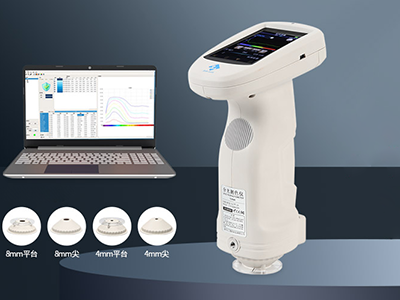
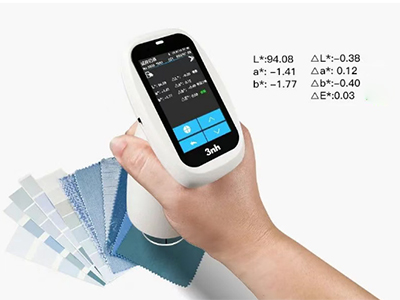
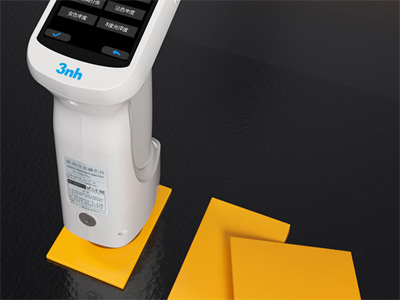
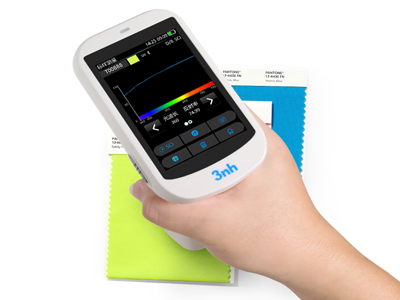
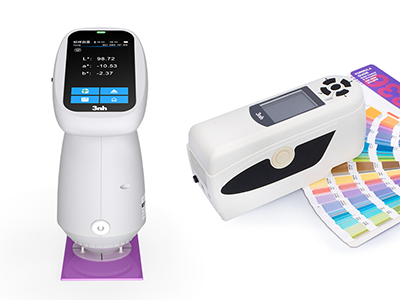
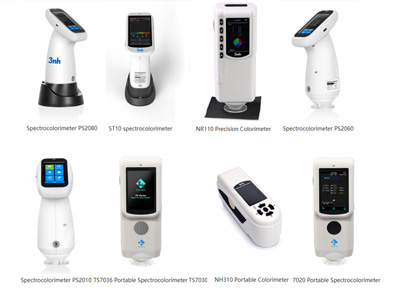
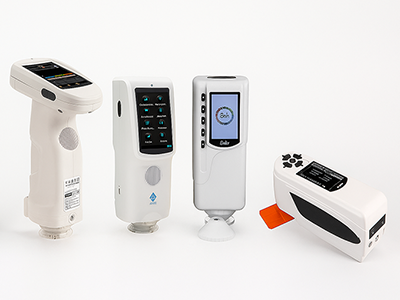
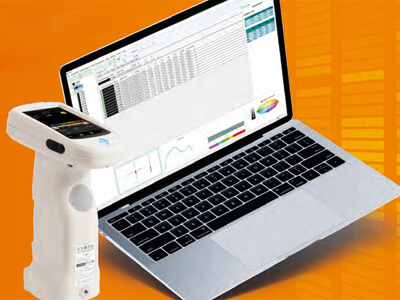
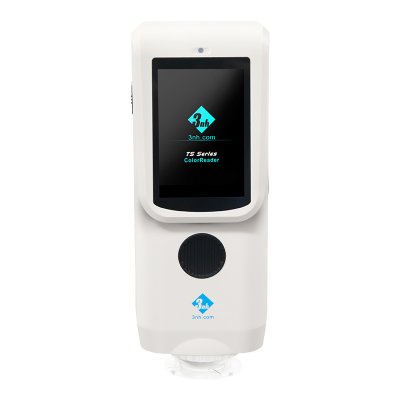
In the field of color measurement, Threenh Technology (3nh) consistently prioritizes “aligning with industry needs” as its core principle, focusing on developing highly adaptable color measurement tools. We understand the unique color precision requirements across industries, proactively collaborating with leaders in various sectors. Addressing real-world challenges in dynamic markets—such as print color consistency and material color accuracy fluctuations—we tailor a series of spectrophotometers to ensure precise solutions for color control challenges during industrial upgrades.
New Ink Color Matching Process in Gravure ink printing industry
Our commitment extends beyond “building great instruments”: We provide full-cycle support—from equipment commissioning and operator training to ongoing technical maintenance—empowering customers to maximize instrument performance and seamlessly integrate advanced technology into production workflows. For enterprises, investing in 3nh spectrophotometers represents more than a simple equipment purchase. It significantly reduces rework losses caused by color deviations and shortens quality inspection cycles. In fast-paced, highly competitive markets, it serves as both a “hard support” for quality enhancement and an “economic choice” for long-term cost reduction.
To explore the core advantages of Threenh Technology spectrophotometers or discover specific applications in printing—such as ink formulation, batch color control for printed materials, and substrate color accuracy testing—contact us today for customized consultation and demonstrations.
For additional insights, see our article on Printing & Packages Colour Management and learn more about our color quality control solutions.
품질 관리를 유지하고 브랜드 자산을 유지하기 위해 정확한 색상 측정에 의존하는 글로벌 산업은 신뢰할 수 있고 경험이 있는 색상 측정 기계 제조업체 및 / 또는 공급 업체를 선택하는 것이 중요합니다.
상위 10 색상 측정 기계 제조업체 목록, 많은 산업에서 정확한 색상 측정에 대한 수요는 많은 우수한 색상 측정 기계 제조업체를 만들었습니다.그들은 지속적으로 혁신하고 색상 측정 기술의 개발을 촉진하고 있습니다.
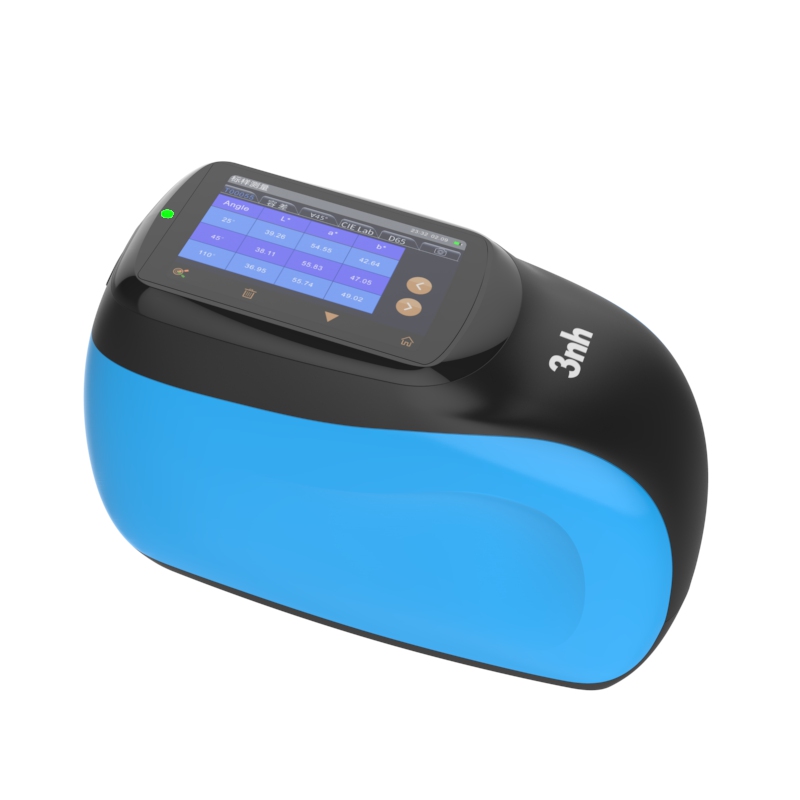
인도의 색상계는 생산 효율성을 향상시키면서 글로벌 품질 표준을 충족시키고 싶은 회사들에게 높은 수요가 있습니다. 글로벌 리더인 3nh 는 인도 산업의 여러 부문을 위해 구축된 고급하고 저렴한 색상계에서 새로운 높이에 도달하고 있습니다.
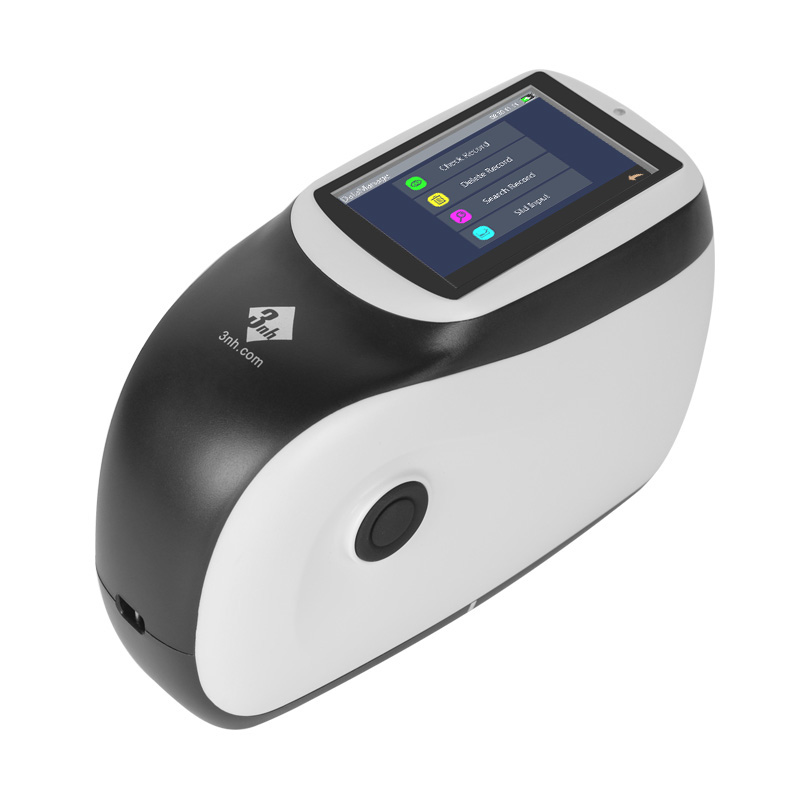
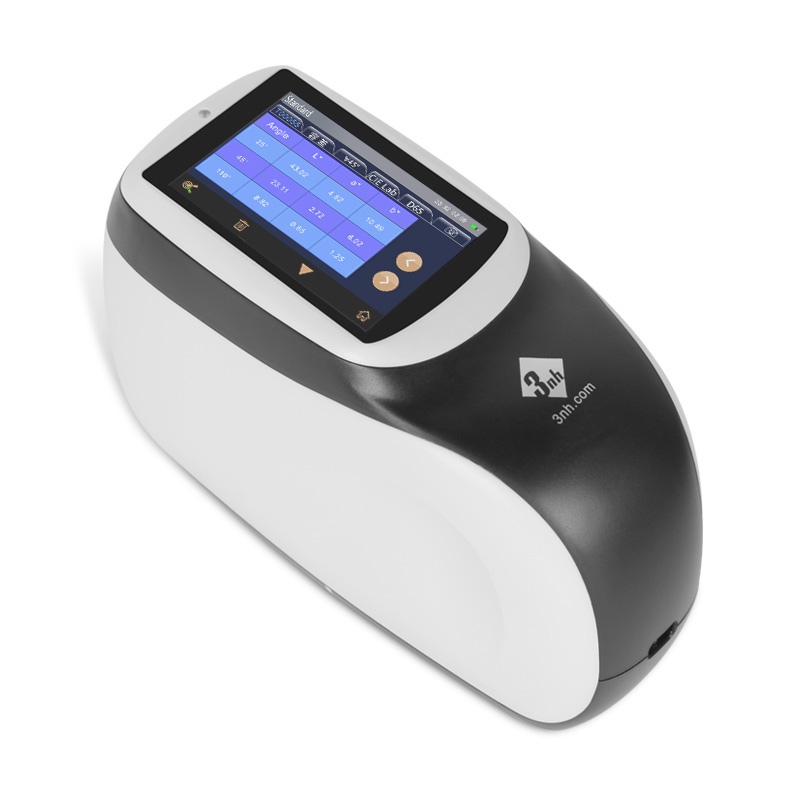
3nh - 실험실 장비를 생산하는 것을 전문화하는 다양한 색도계의 중국 전문 제조 업체.당신은 고품질 색상 측정기, 색상 측정기 및 기타 색상 측정 장치의 주요 공급 업체를 도매 할 수 있습니다
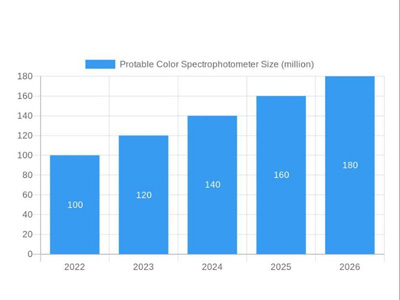
휴대용 색 분광광계의 세계 시장 점유율은 증가하고 있으며 2034년까지 21억 달러에서 518억 달러에 달할 것으로 추정됩니다....
자동차, 건설 및 제조는 페인트 측정이 필요합니다. 빛은 페인트 된 벽이 얼마나 좋은지를 결정하는 데 도움이되는 직접적인 효과 중 하나입니다....
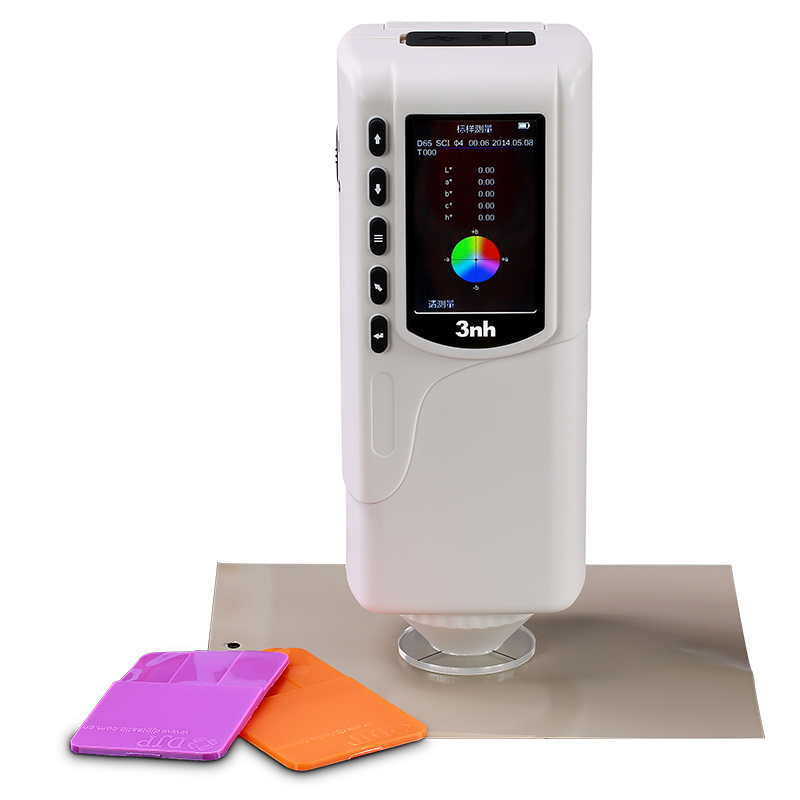
정확한 색상을 얻으려면 인쇄 버튼을 누르는 것보다 더 많습니다.다음은 모든 디자이너, 프린터 또는 비즈니스 소유자가 준수해야하는 인쇄에서 정확한 색상 일치를 위한 9 단계입니다.
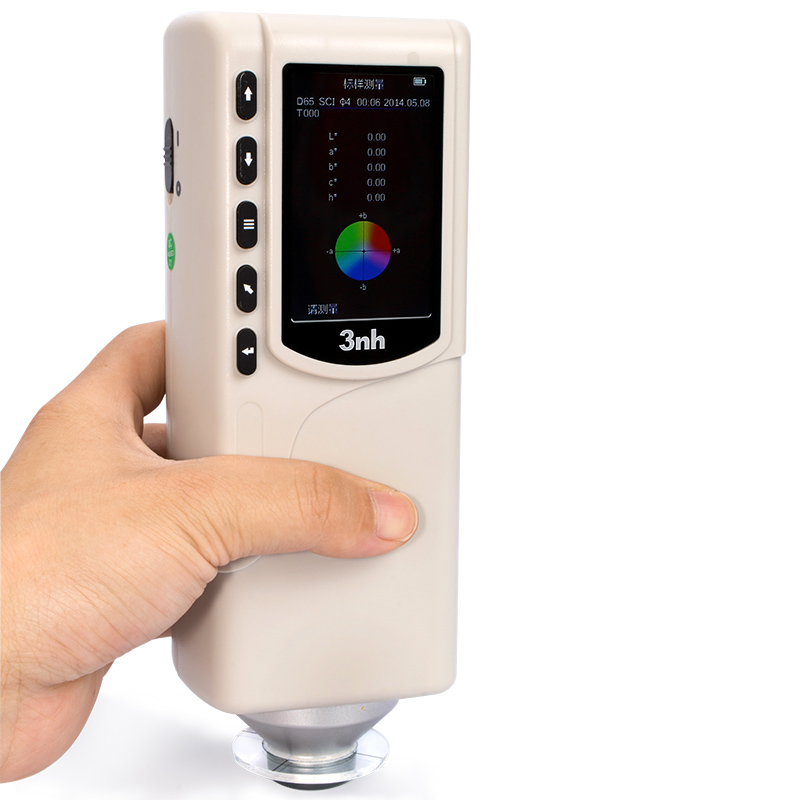
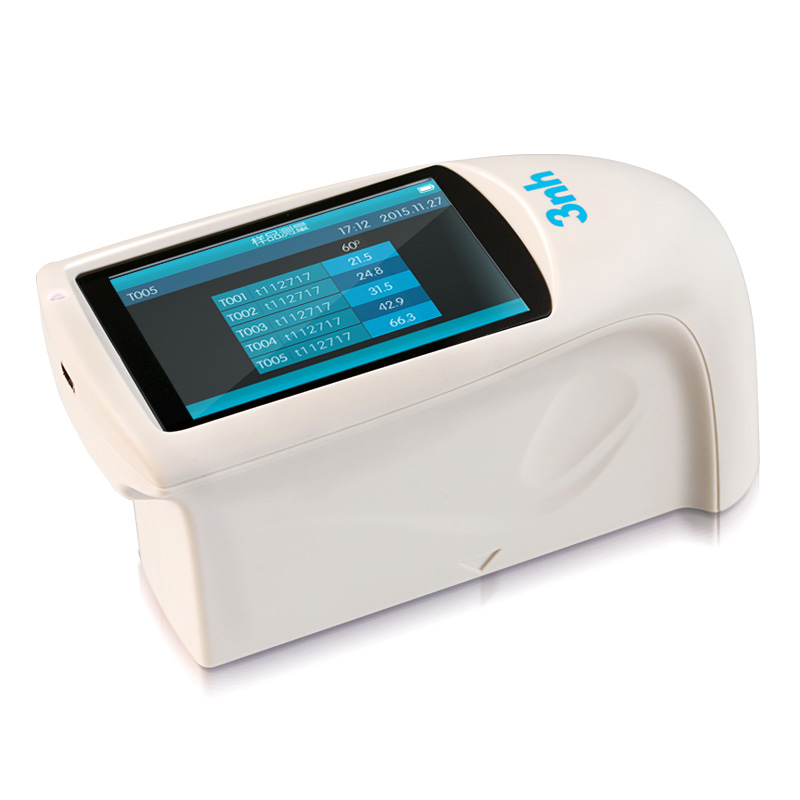
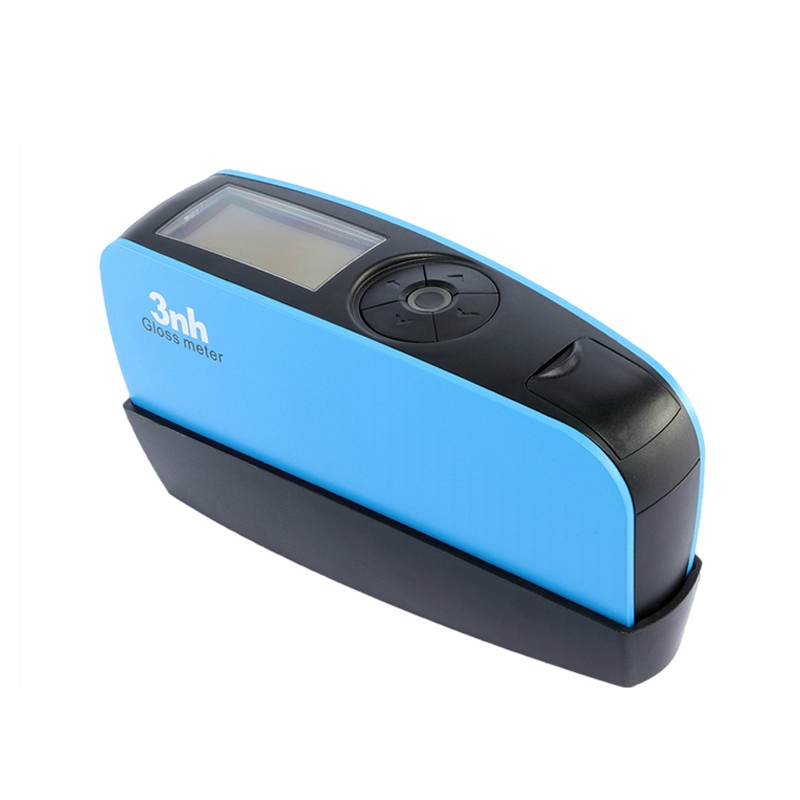
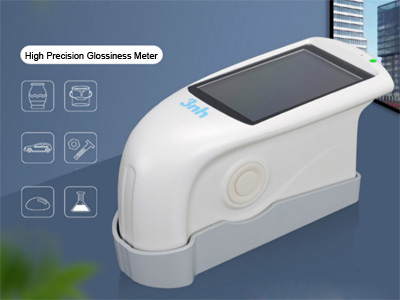
정밀 계기로서 광택 미터는 표면 광택이 세트 사양을 충족한다는 것을 보장합니다.이 가이드는 다양한 산업에서 광택 미터의 작동과 다양한 응용 프로그램을 탐구하고 설명하며, 계기가 기반으로 하는 표준에 특별한 관심을 기울입니다.
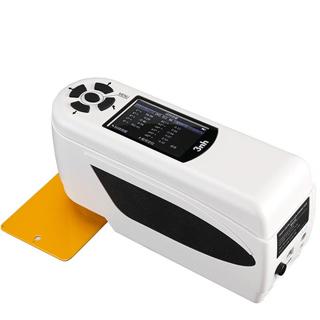
컬로리미터 선택 가이드, 더 나은 선택을 할 수 있도록, 우리는 어떤 산업에서 올바른 컬로리미터를 선택할 때 7 가지 유용한 고려사항을 검토합니다.선택 표 및 자주 묻는 질문
우리의 제품 전문가와 프로젝트를 토론하십시오:
0086 755 26508999우리는 1 영업일 이내에 견적 요청에 응답합니다.
service@3nh.com관심이 있는 제품에 대한 데모 요청을 제출하십시오.
데모 받기