The yellowness index helps in the quality determination of products and determines the degree to which a material turns yellow, due to UV light, heat, or oxidation. By analyzing this index, the companies avoid inconsistency, improve their product appearance, and reliability. To get deeper insight into the yellowness index and its measurement, please continue reading in this blog.

A yellowness index (YI) is a scale with numerical values that describe the appearance of a material in relation to a reference white, then expressed as yellowness. The cause of the yellowing is oxidation, UV radiation, heat, or impurity. With a consistent standard, industries can gauge yellowness in the initial stage and take corrective action before it gets to be too late.
The most popular calculation is defined in ASTM E313. The formula is:
YI = (100CxX - CzZ)/Y
Here:
● X, Y, Z = CIE Tristimulus values that describe visible color.
● Cx and Cz = Coefficients that depend on the observer and illuminant conditions.
The formula calculates the amount a sample has moved towards yellow. A low YI suggests that there is only slight yellowing, and it is much cleaner, and a high YI shows prominent discoloration.
In real-world applications, companies also determine ΔYI, which is the difference between the yellowness of a sample and a reference. This helps in the tracking of time-edges, such as Plastic degradation by sunlight or the liquid Oxygen of a storage.
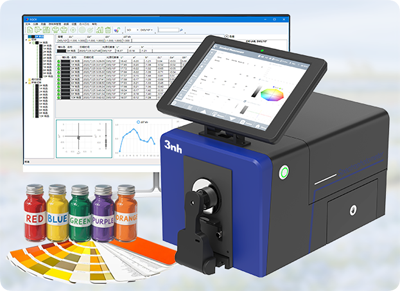
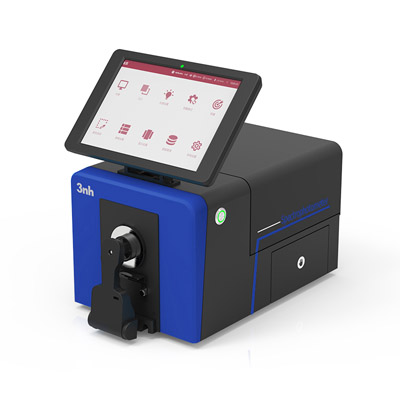
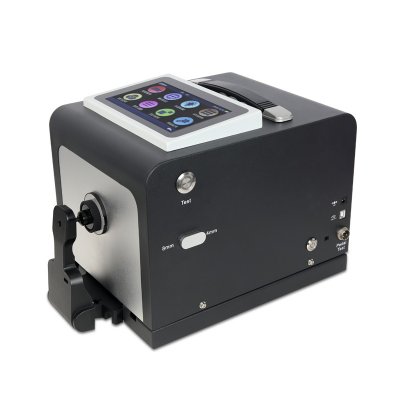
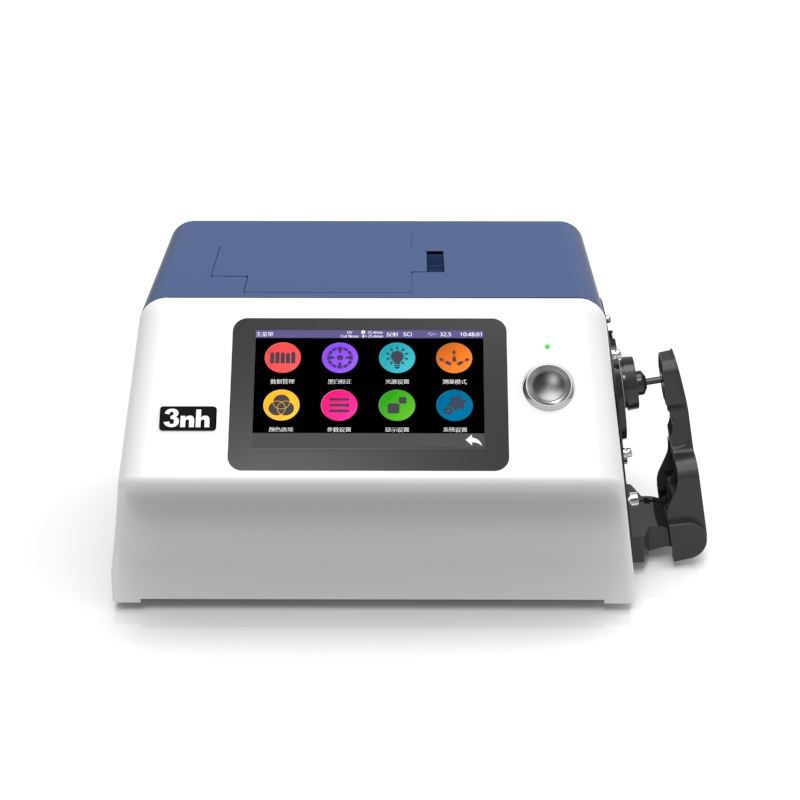
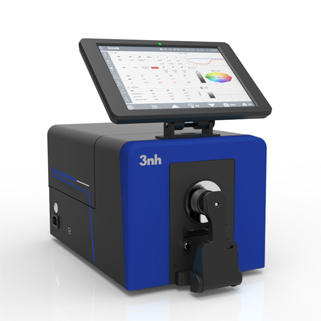
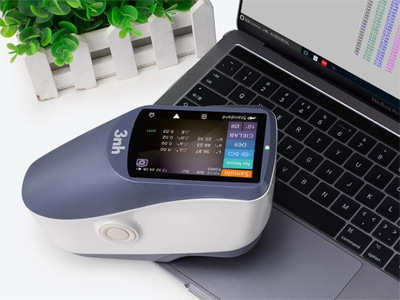
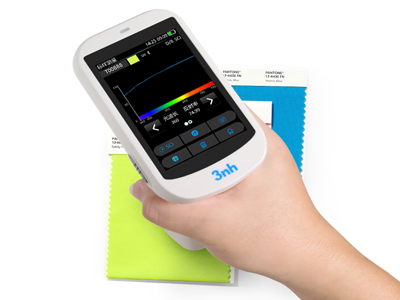
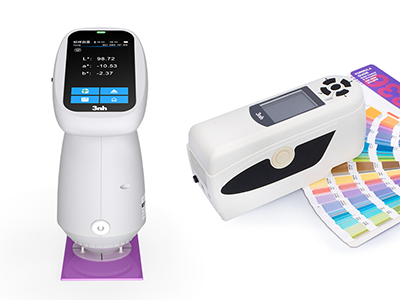
Correct yellow index measurement needs sensitive gadgets, which are usually spectrophotometers. Only reflected light or transmitted light is captured on reflective samples with these devices, which calculate CIE Tristimulus values automatically. The spectrophotometer provides a valid YI by using the ASTM formula E313.
Depending on the type of material, two methods are mostly practiced:
1. Solids (plastics, textiles, papers): Solids' Yellowness is tested using ASTM E313, and is usually accompanied by CIE values of whiteness to determine general clarity.
2. Liquids: Liquids are assessed by the APHA (Hazen) color system. This scale ranks on a scale of 0 (clear liquid), up to 500 (deep yellow).
Yellowness testing is not required in all products; however, the test is necessary in industries that deal with light-colored products or transparent products. The yellow index is a testing indicator for plastic pellets and falls under the appearance inspection of plastics. There is a wide variety of plastics available in the market, and currently, it is mainly necessary to measure the yellow index for categories such as synthetic fiber monomers and polymers, synthetic resins, synthetic fibers, synthetic rubbers, polyesters, and urea.

PTA (Pure Terephthalic Acid) and PVC (Polyvinyl Chloride) are relatively unique. Although their yellow index is also measured, it is expressed using the b* value and whiteness (WI). Plastics suitable for this classification include polypropylene (PP), high-density polyethylene (HDPE), low-density polyethylene (LDPE), polyoxymethylene (POM), polycarbonate (PC), polyurethane (PU), polyester chips, and more.
Common examples are:
● Polyvinyl chloride (PVC): It prevents yellowing by the addition of heat stabilizers.
● Polycarbonate (PC): Courtesy of its use in glasses and enclosures, this is very susceptible to UV degradation.
● Polyethylene terephthalate (PET): This is popular in the area of bottles, and it is capable of becoming yellow simply because of oxidation.
● Recycled PET (rPET): The recycled plastics are usually more yellow in color, and it becomes very important to monitor them.
● Purified terephthalic acid (PTA): Raw material Production Sponges made high-quality polyester and fibers are strictly purified.
● Textiles and paper: Yellowness also has a direct impact on appearance, and whiteness is a critical quality attribute.
You can understand with this little example. The yellowness is a crucial factor to control in the recycled PET manufacturing. The plastic appears to be worn or quite frightful with uncontrolled yellowing, thus reducing its price in the market. The determination of YI enables manufacturers to adjust additives such as optical brighteners and restore a clean and white appearance.
The values of using the yellowness index are applicable anywhere in industry, both quality and profit-wise:
● Consistent Quality Review: Provides a precise, tangible standard that promotes consistency.
● Process Monitoring: Identifies the appearance of a degradation sign, heat, or UV.
● Consumer Trust: prevents off-color products from entering the market and protects the image of the product.
● Effective Material Operations: Assists in the determination of the best proportion of optic brighteners and stabilizers.
● Standardized Testing: Meets the international standards of ASTM E313 and ASTM D1209.
In packaging, e.g., small yellow toning in the bottles causes the beverage to appear stale. Manufacturers ensure that the bottles look clear and fresh by gauging YI (a feature that confirms visual assurance to the buyer).
Plastic materials are usually evaluated with the help of a spectrophotometer. It captures the reflected light and calculates the value of YI based on ASTM E313 to yield reproducible and traceable data.
Examples are unprocessed pellets, sheets, molded products, and finished pieces. Manufacturers make comparisons of all samples with a reference. They modify the process in case the ΔYI difference is out of the acceptable limits. Changes can entail a change of the raw materials or stabilizer content.
As compared to solid liquids, it is more difficult to measure the yellowness of a liquid because it is a clear liquid. The industry is now equipped with the APHA (Hazen) scale, which consists of ASTM 1209 and avoids using the ASTM E313 formula. According to this scale, the color of the liquid is compared with that of a platinum-cobalt solution.
The scale runs from 0 (crystal-clear water) to 500 (intensely yellow). Companies establish intermediate platinum-cobalt standards to track quality and measure them in the time dimension. Such measurements will investigate any change in yellowness and serve to maintain a uniform quality measure.
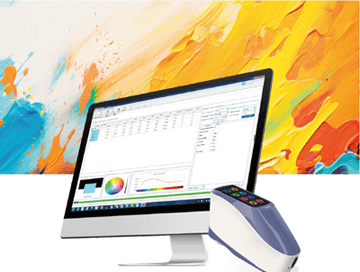
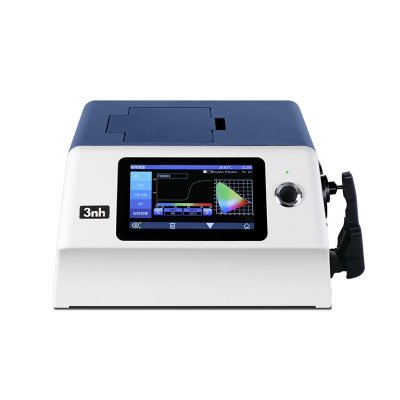
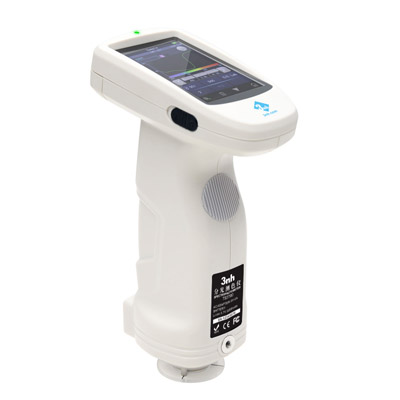
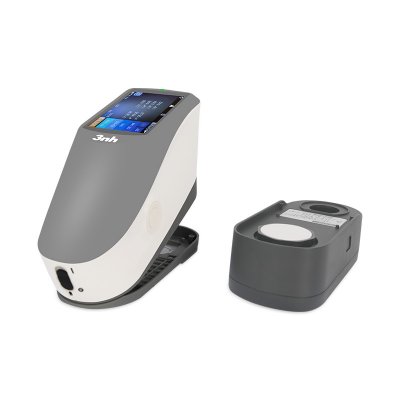
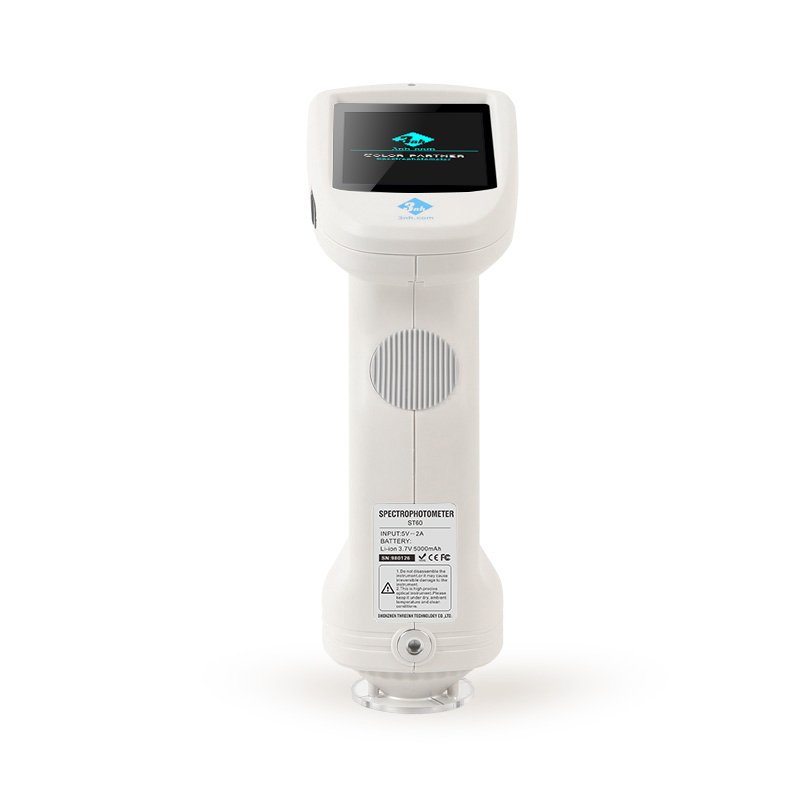
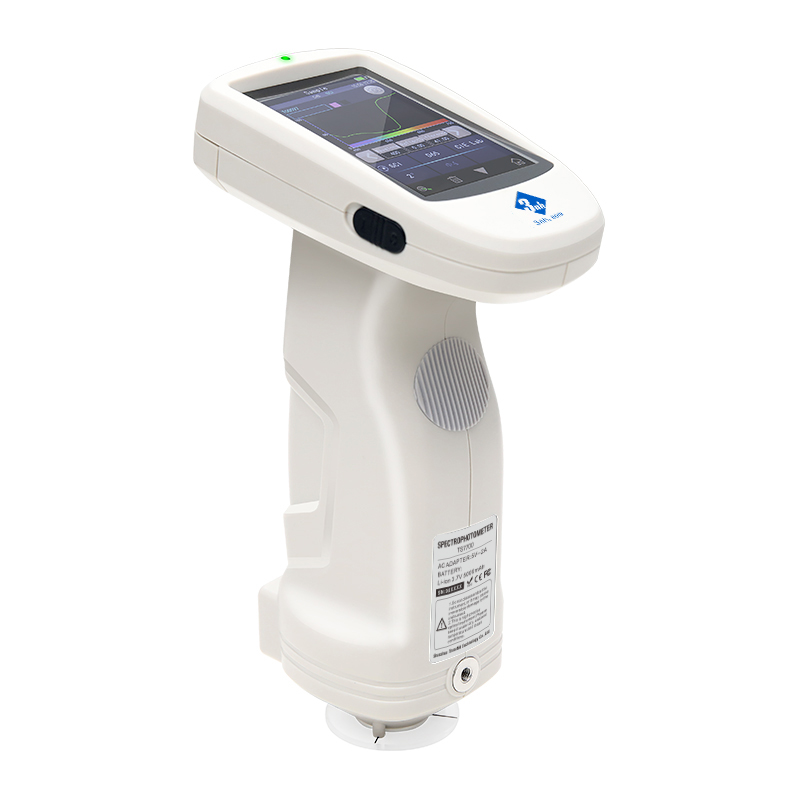
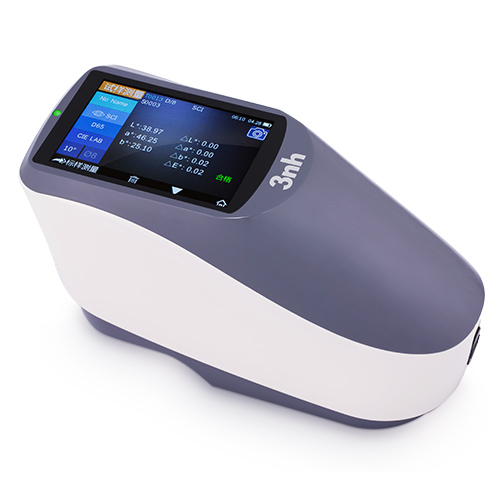
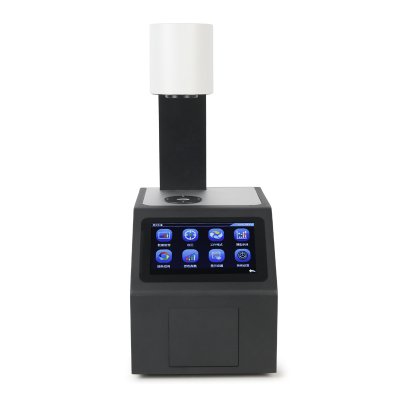
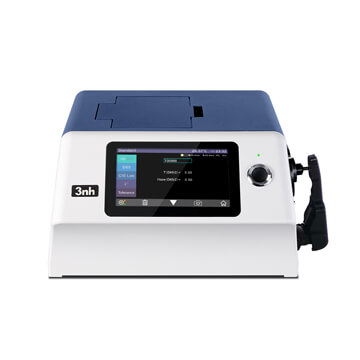
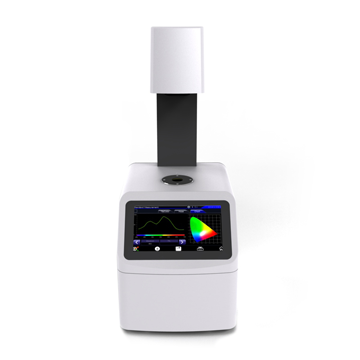
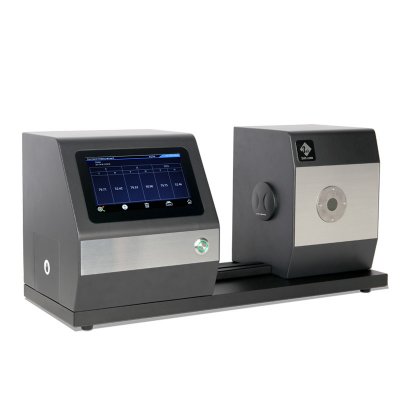
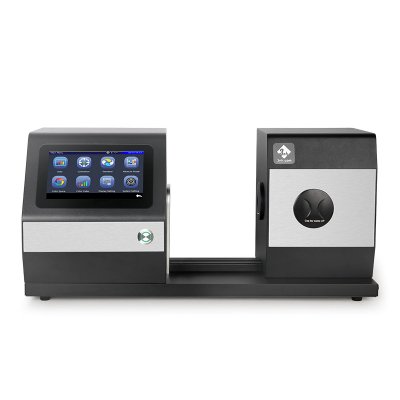
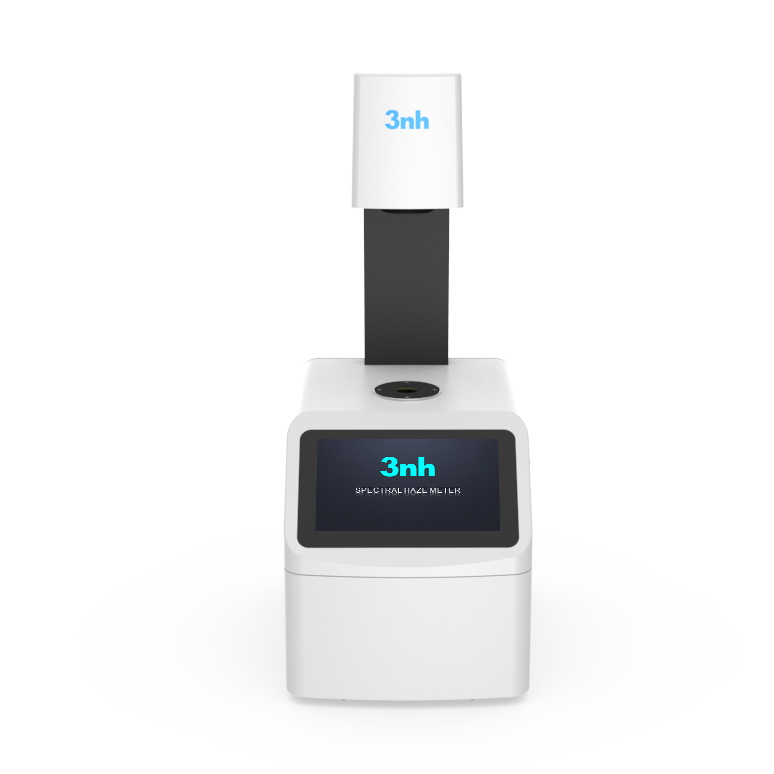
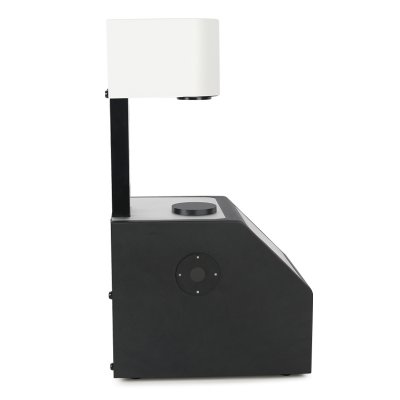
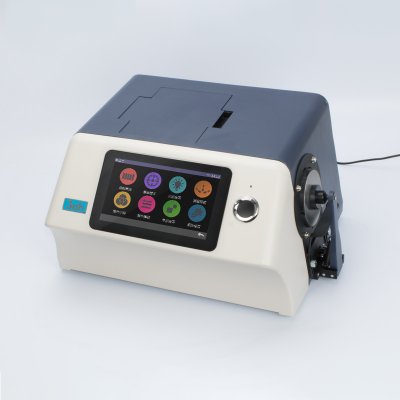
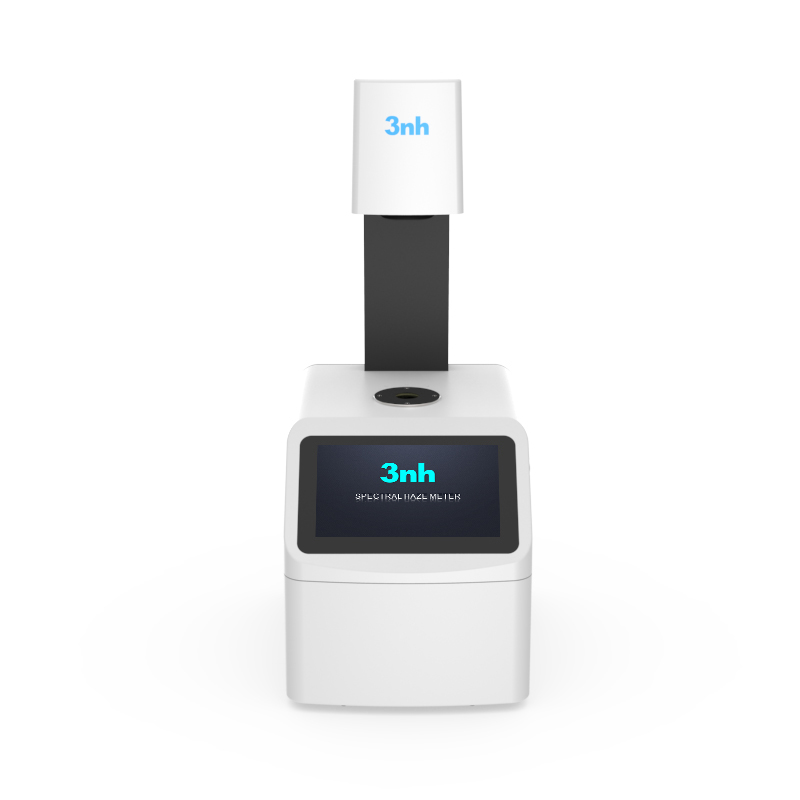
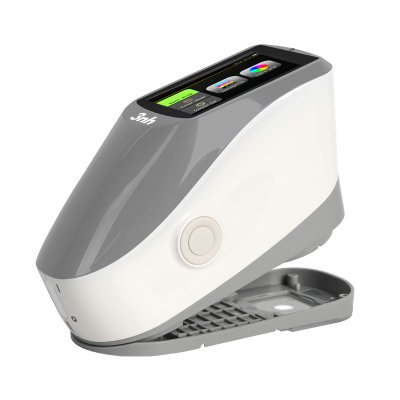
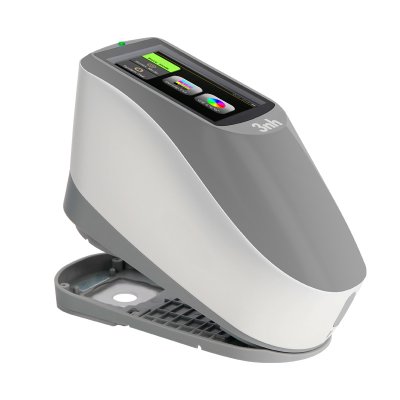
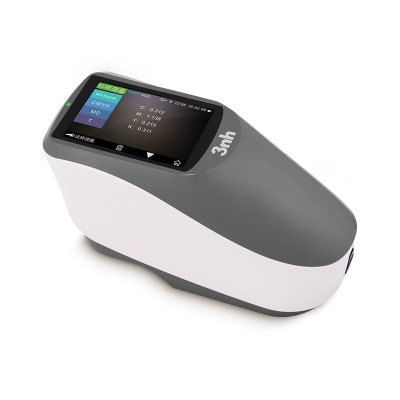
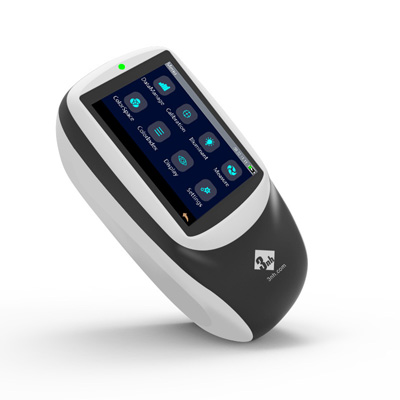
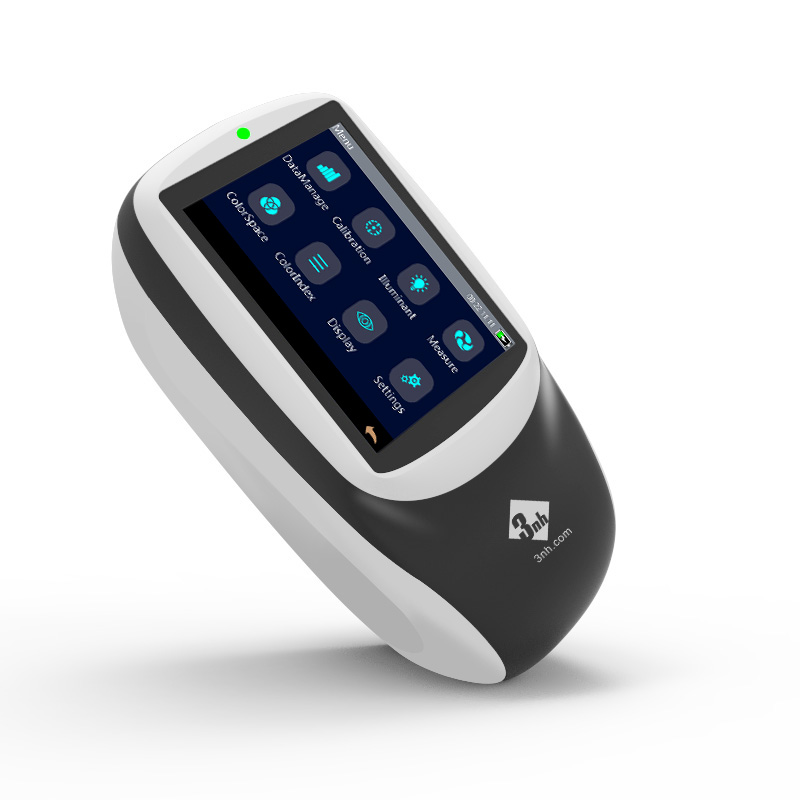
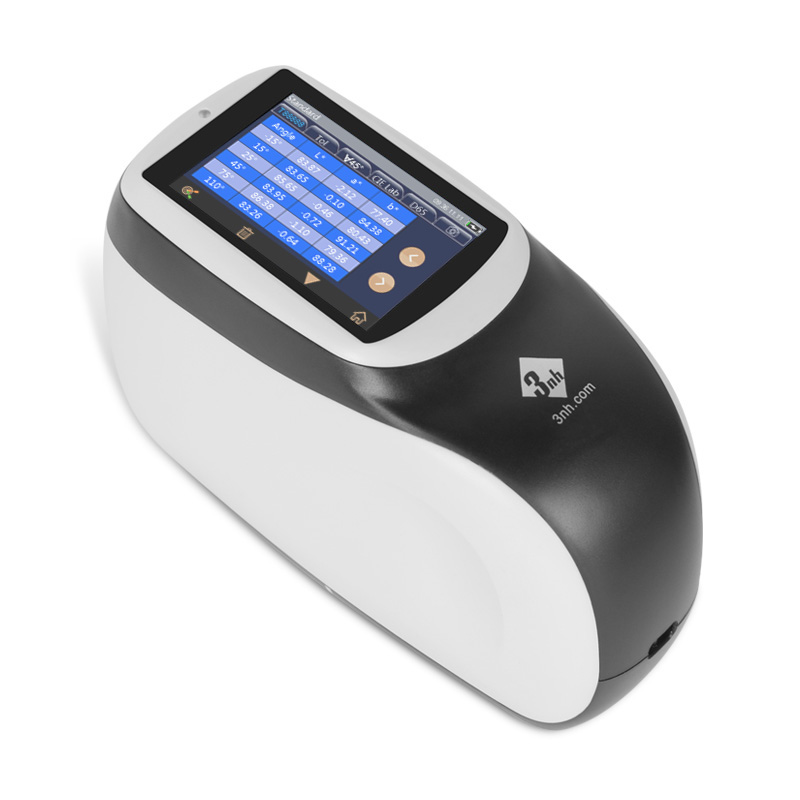
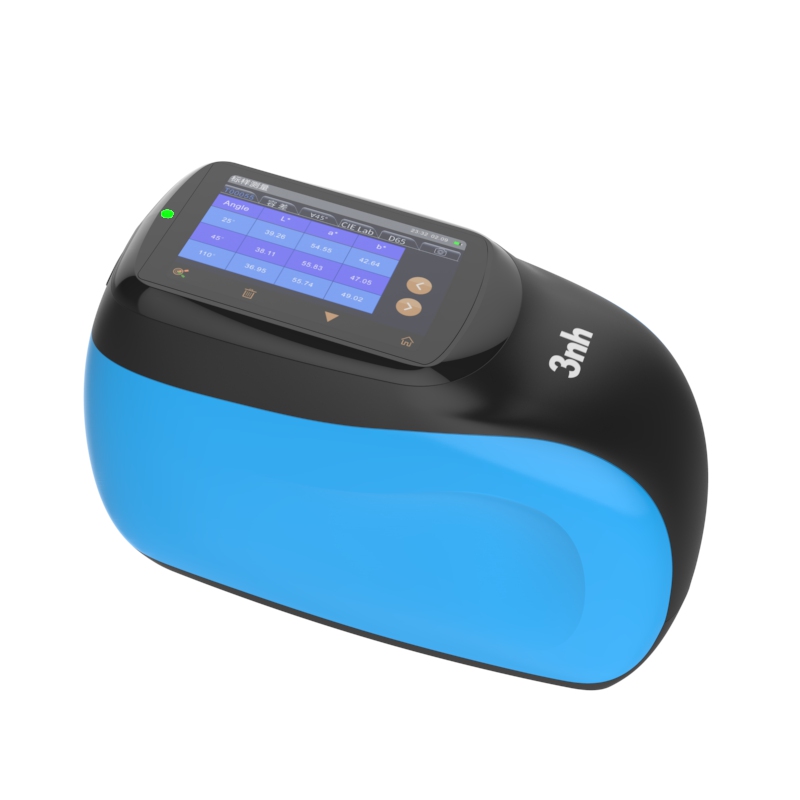
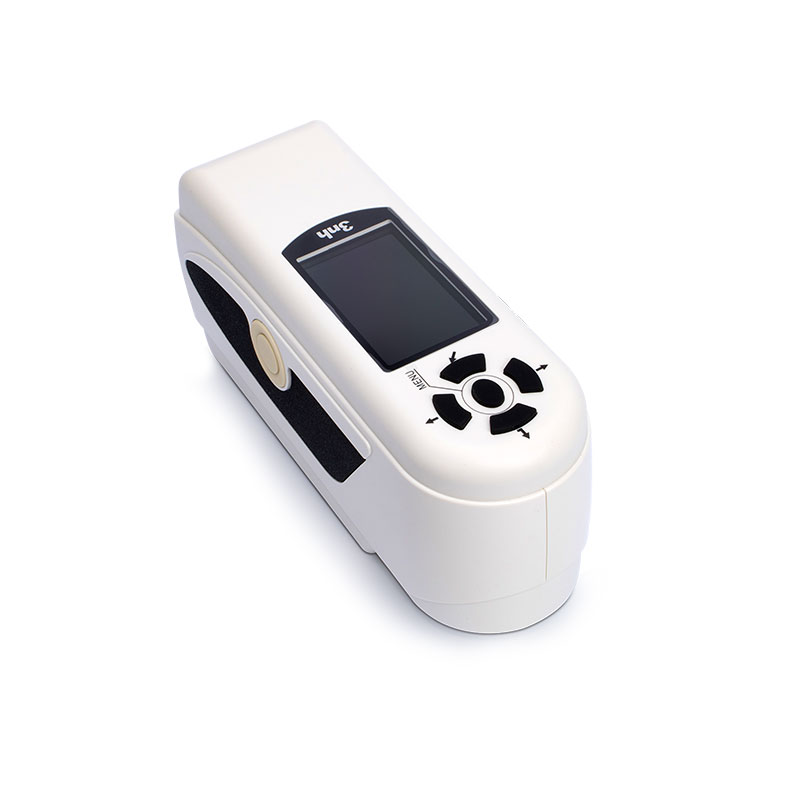
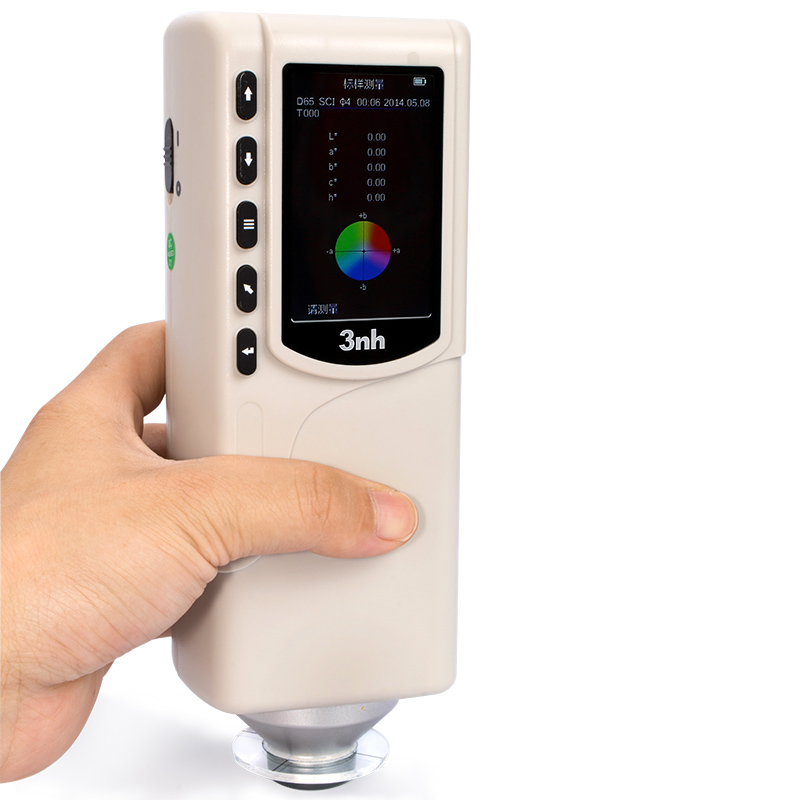
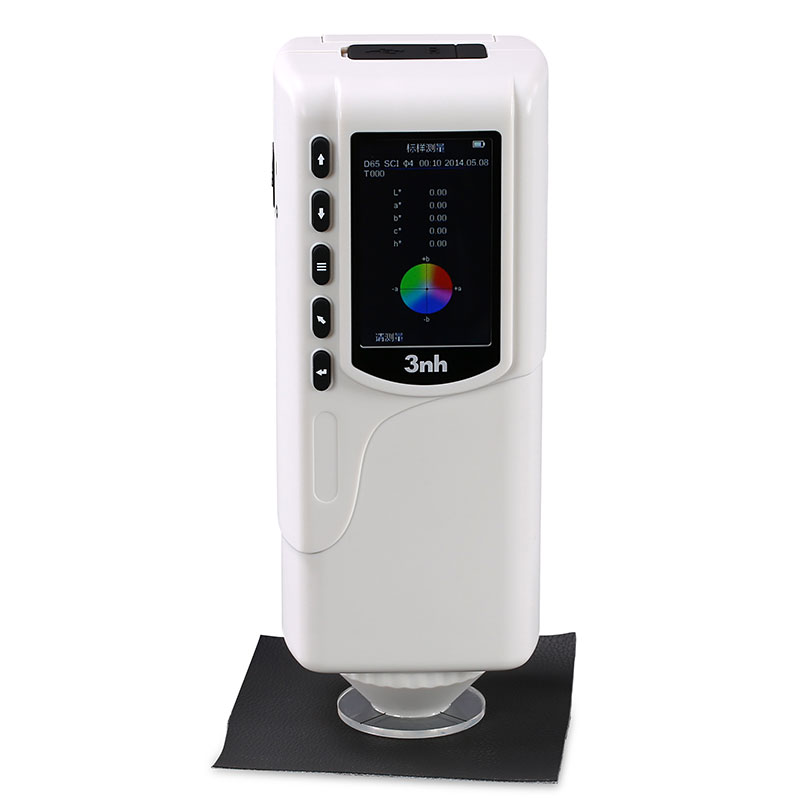
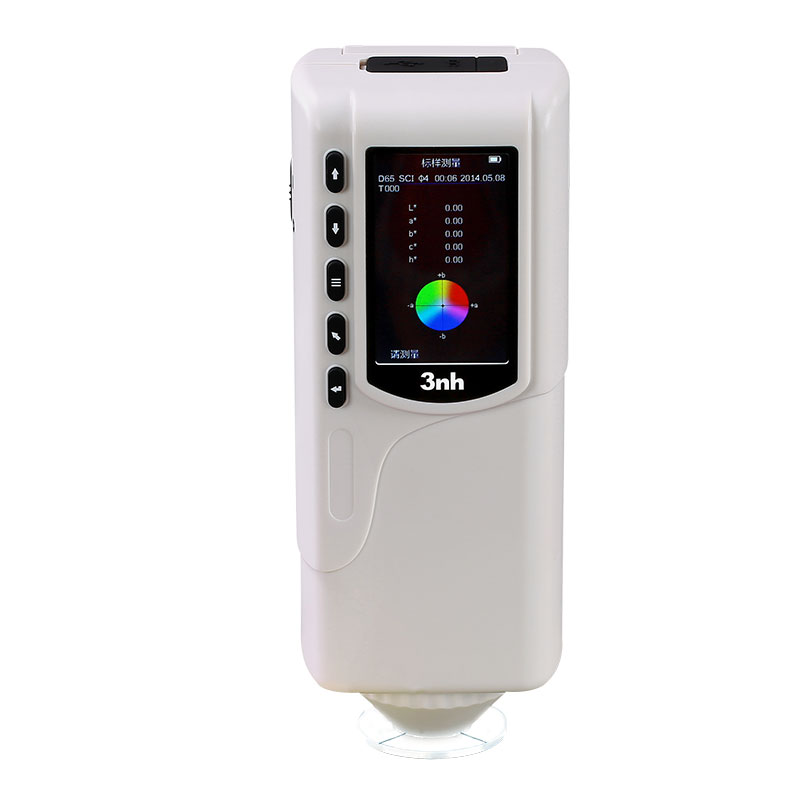
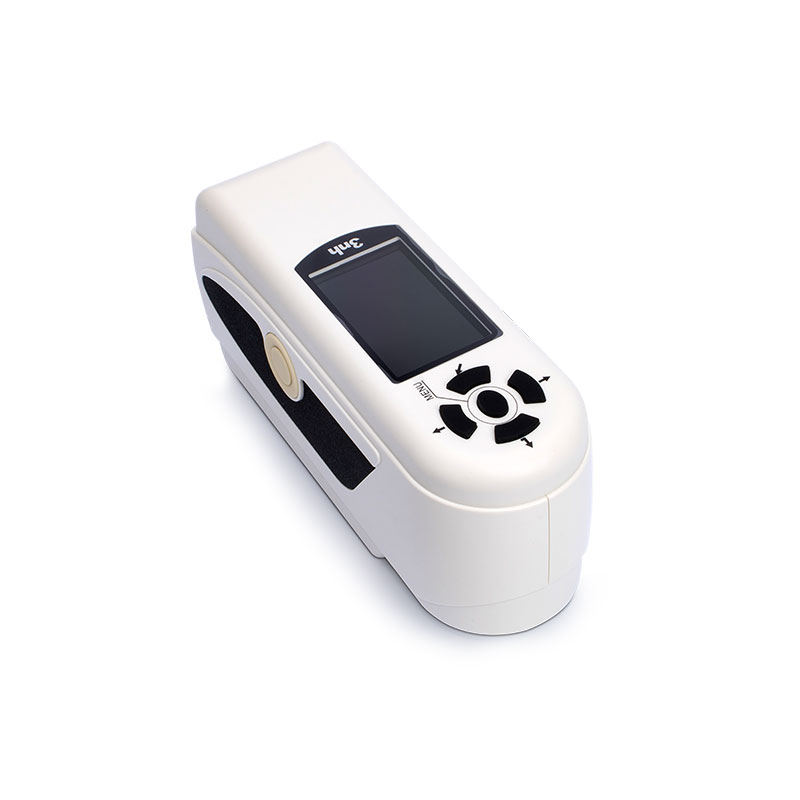
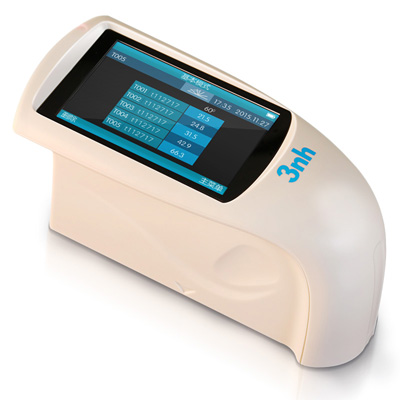
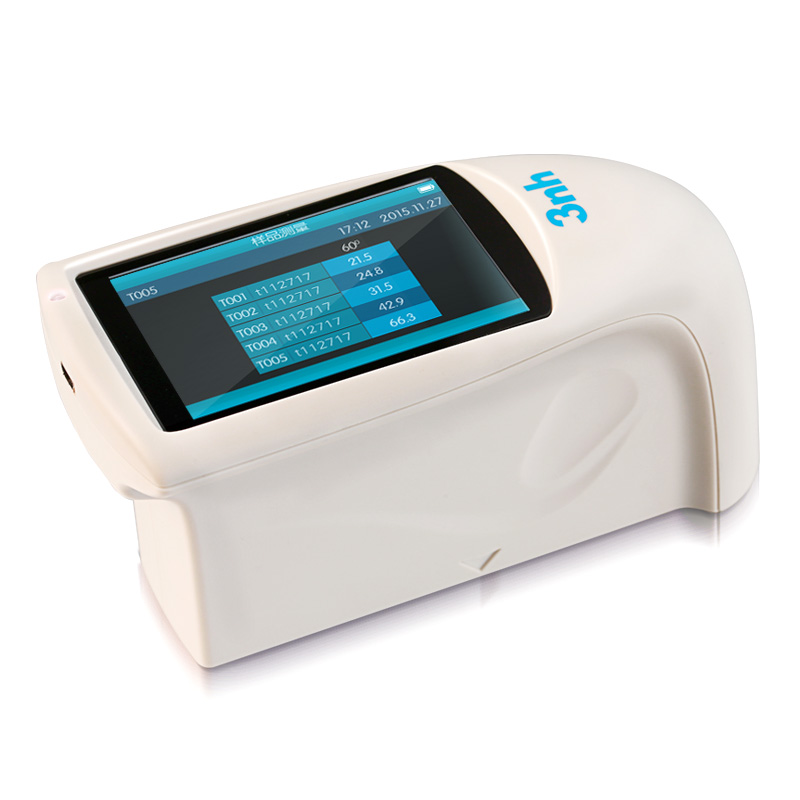
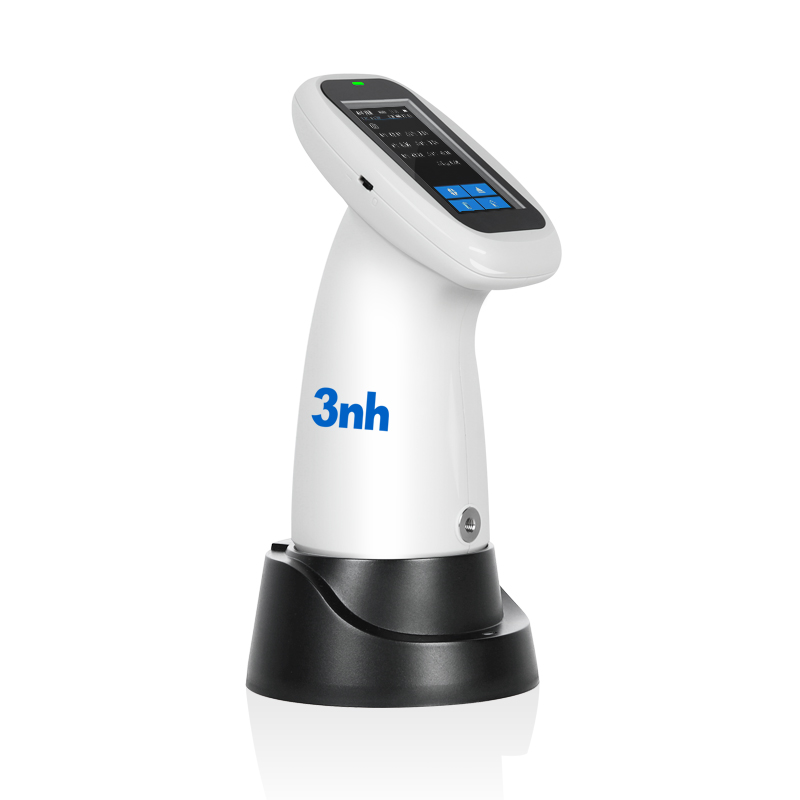
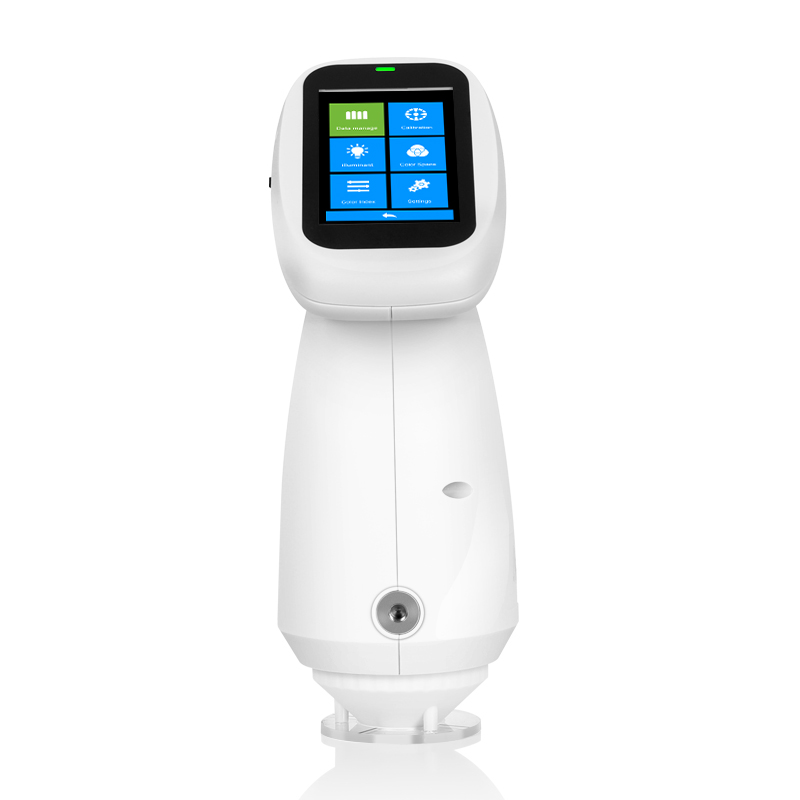
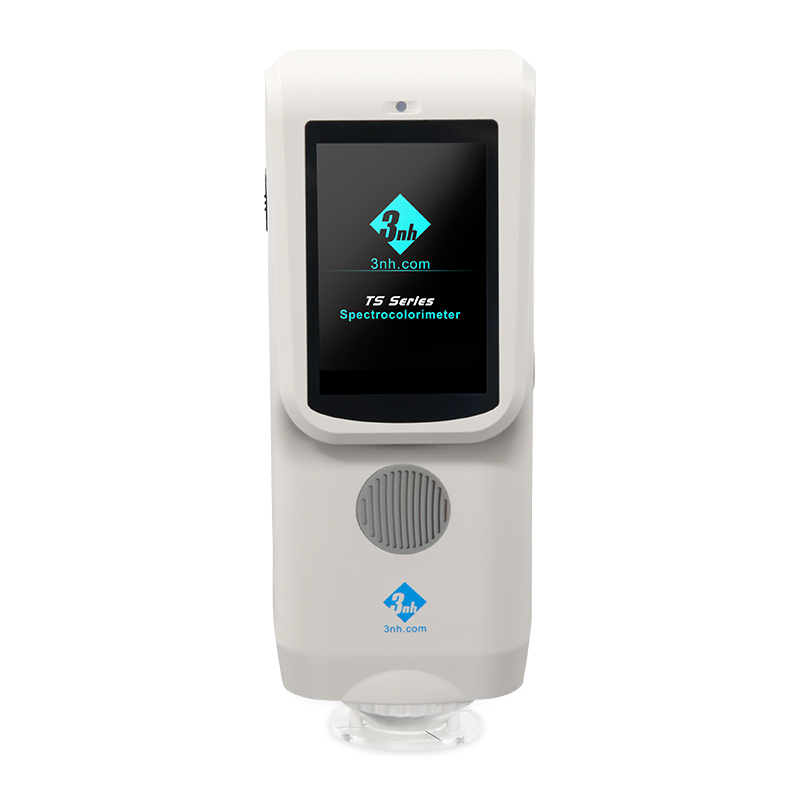
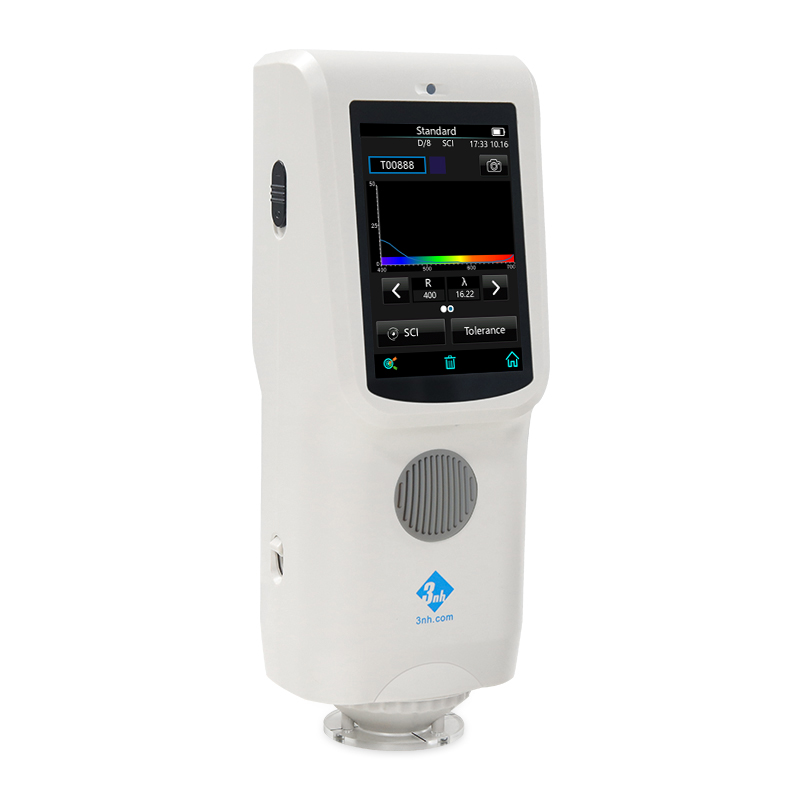
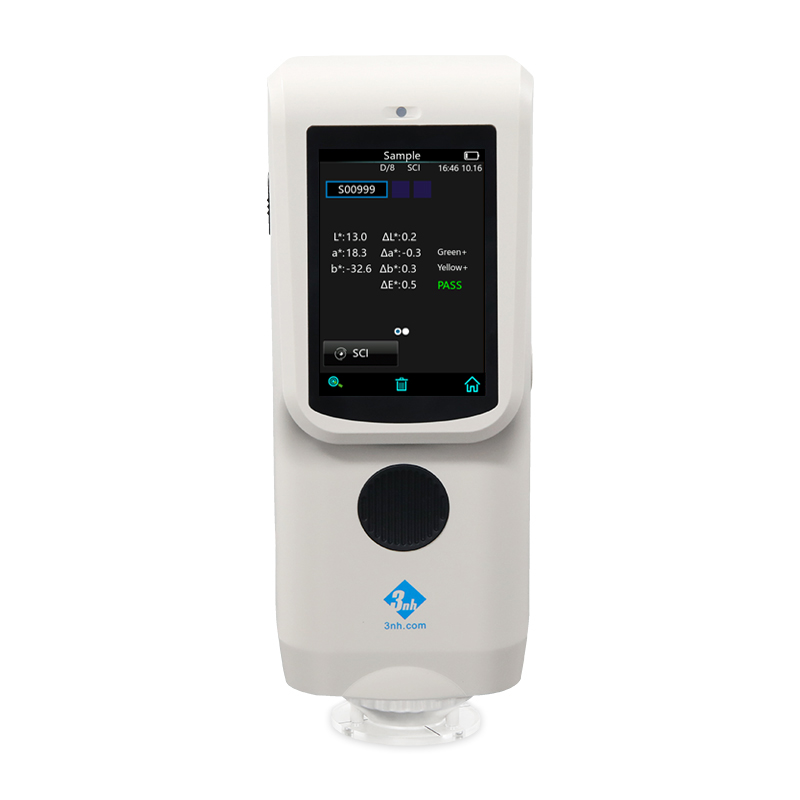
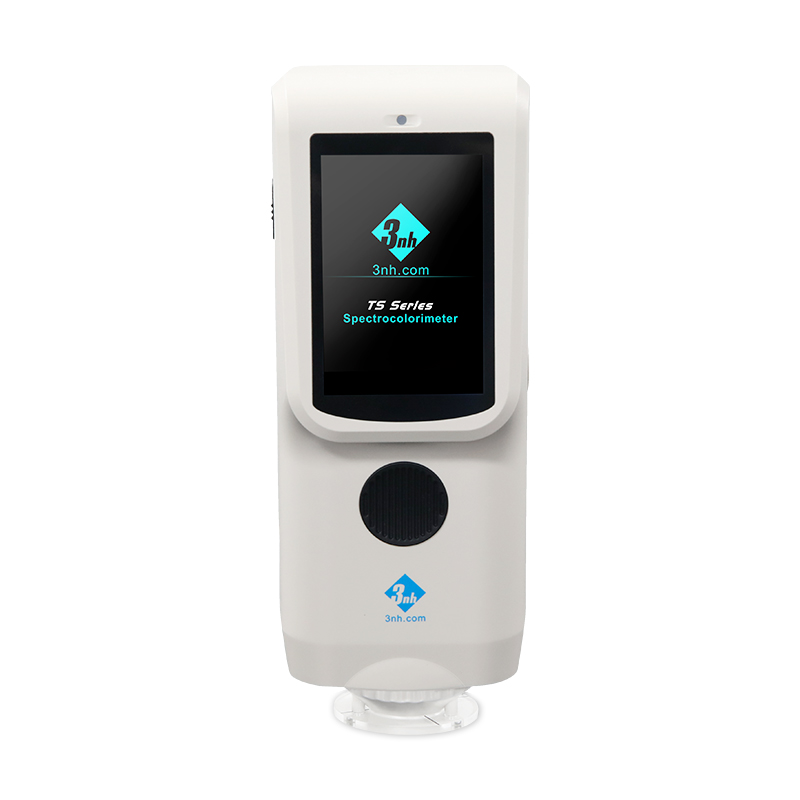
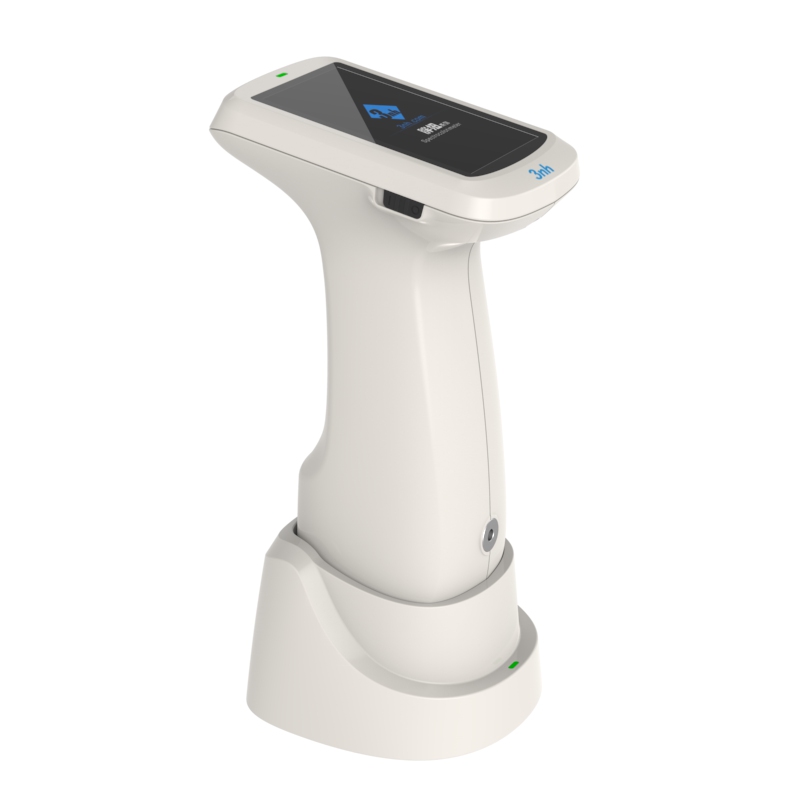
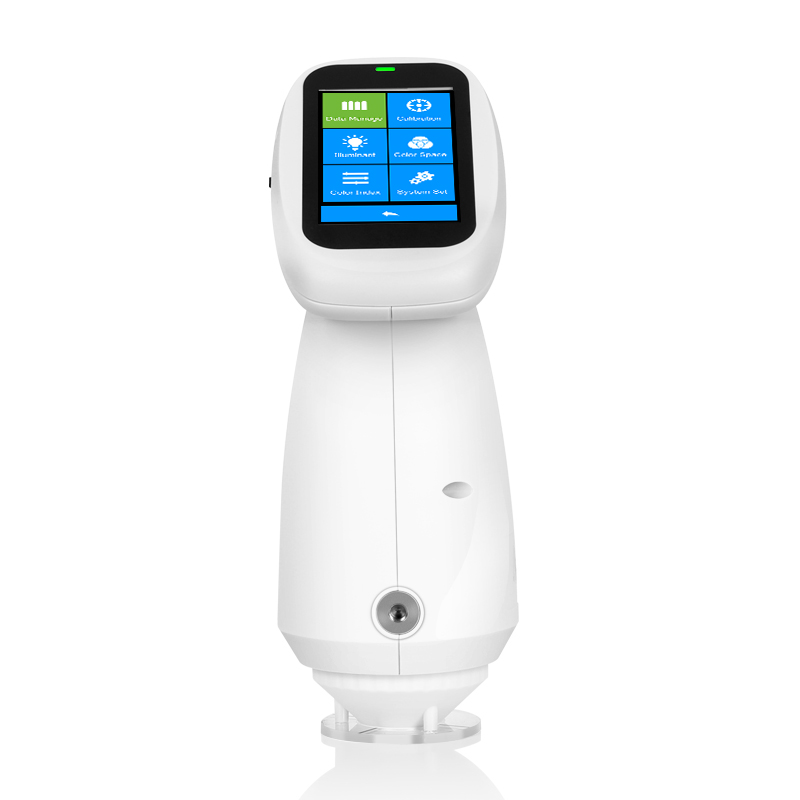
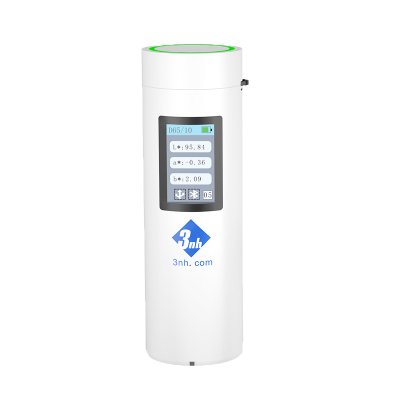
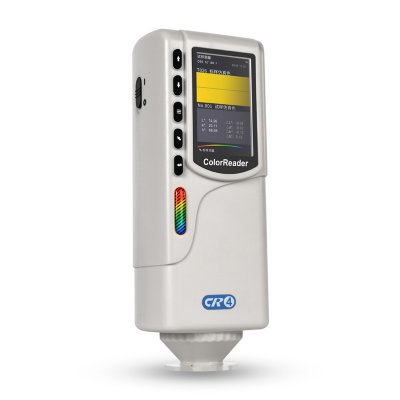
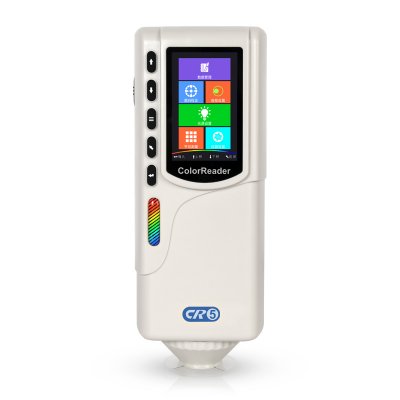
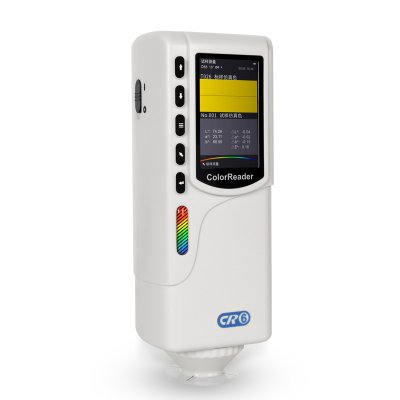
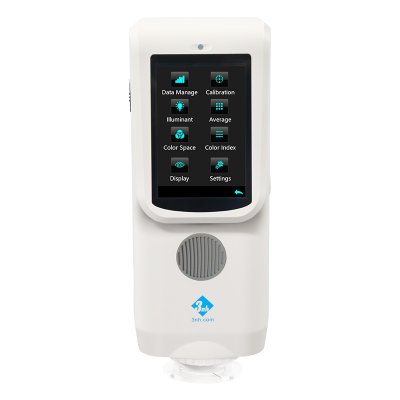
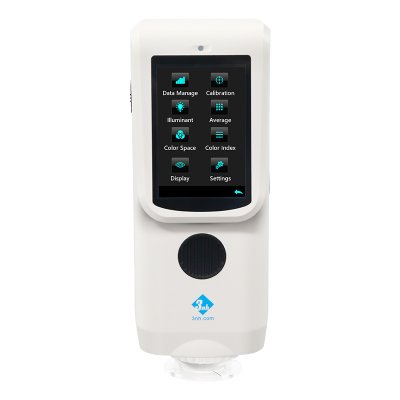
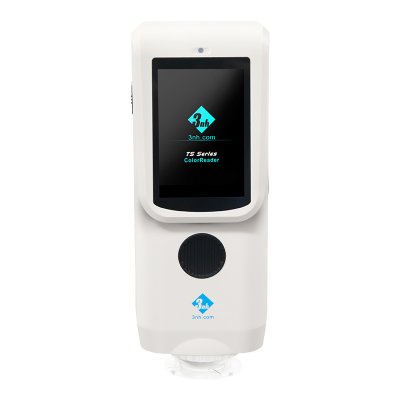
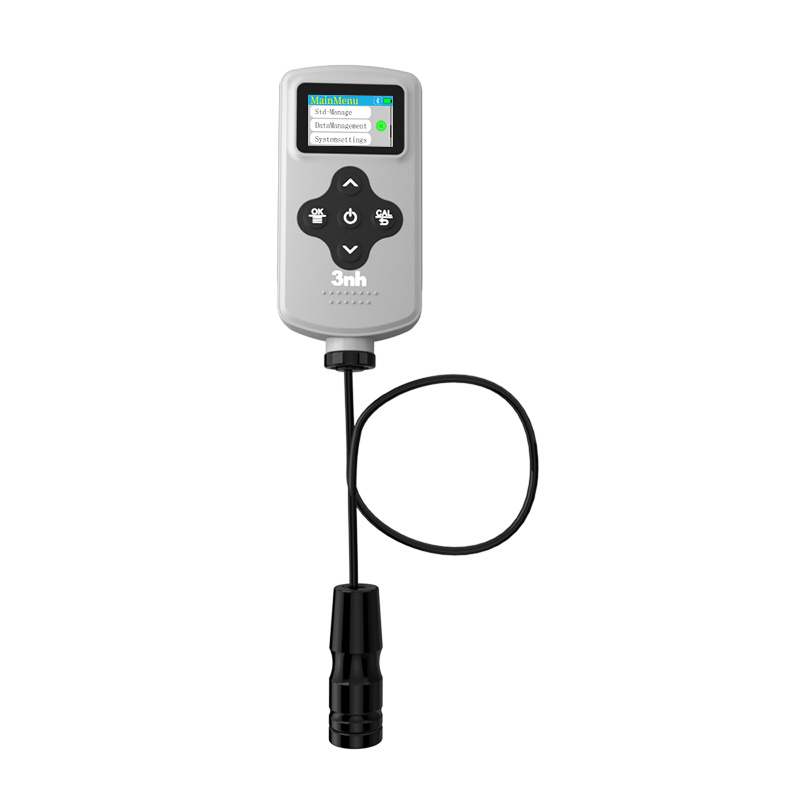
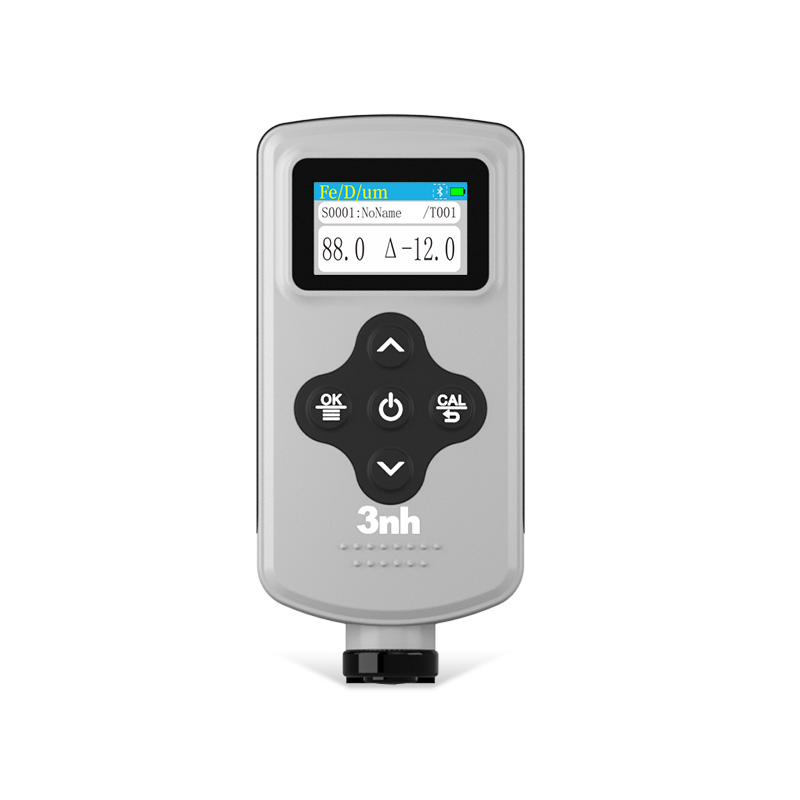
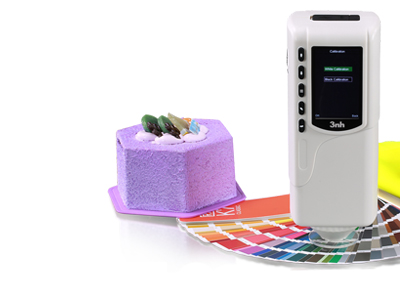
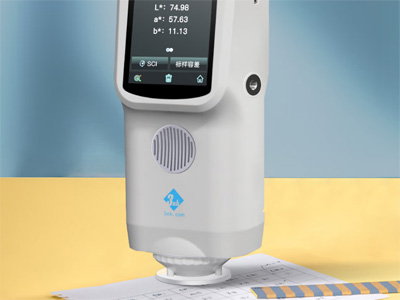
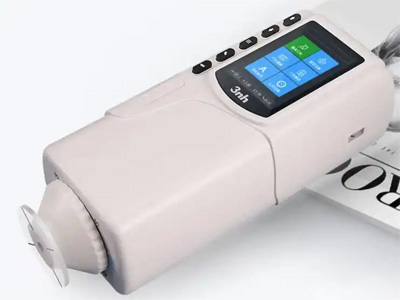
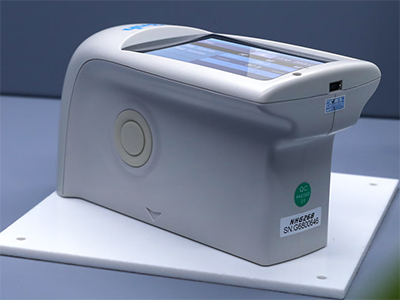
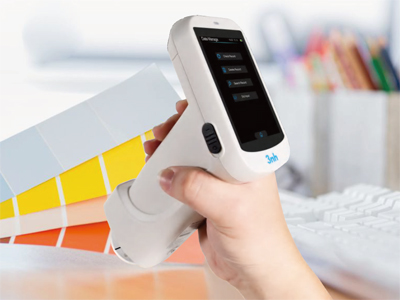
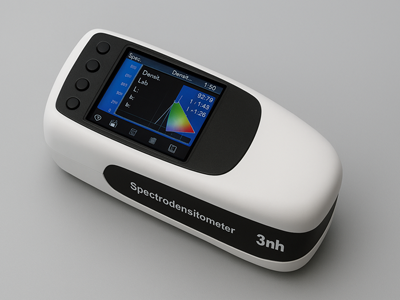
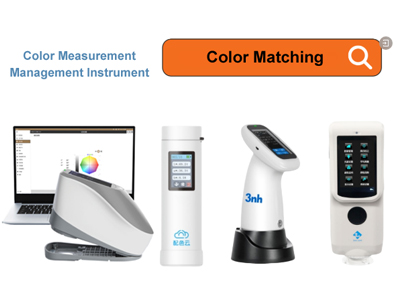
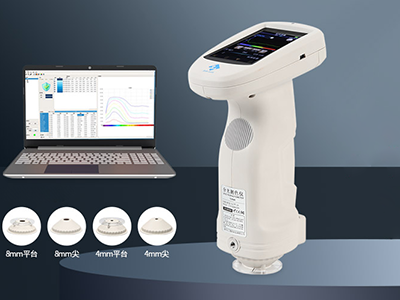
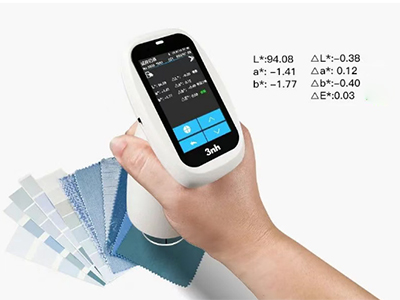
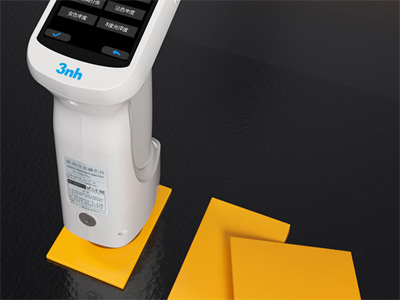
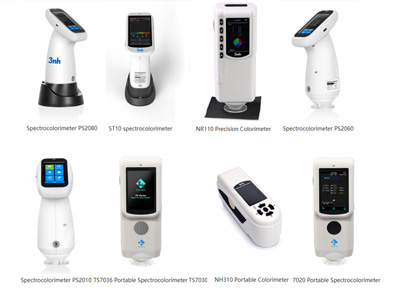
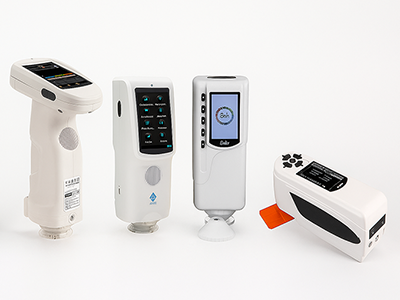
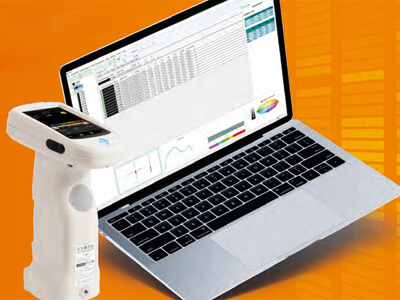
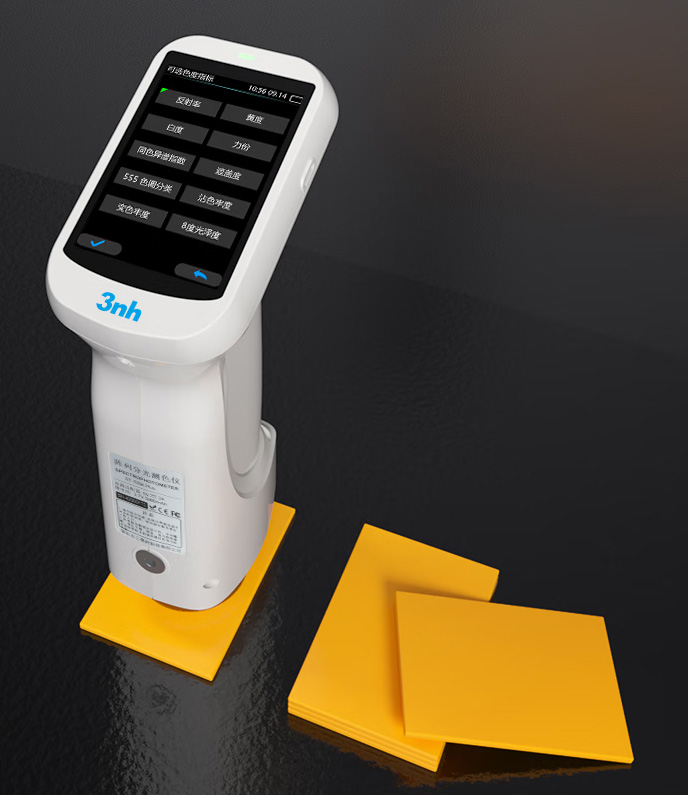
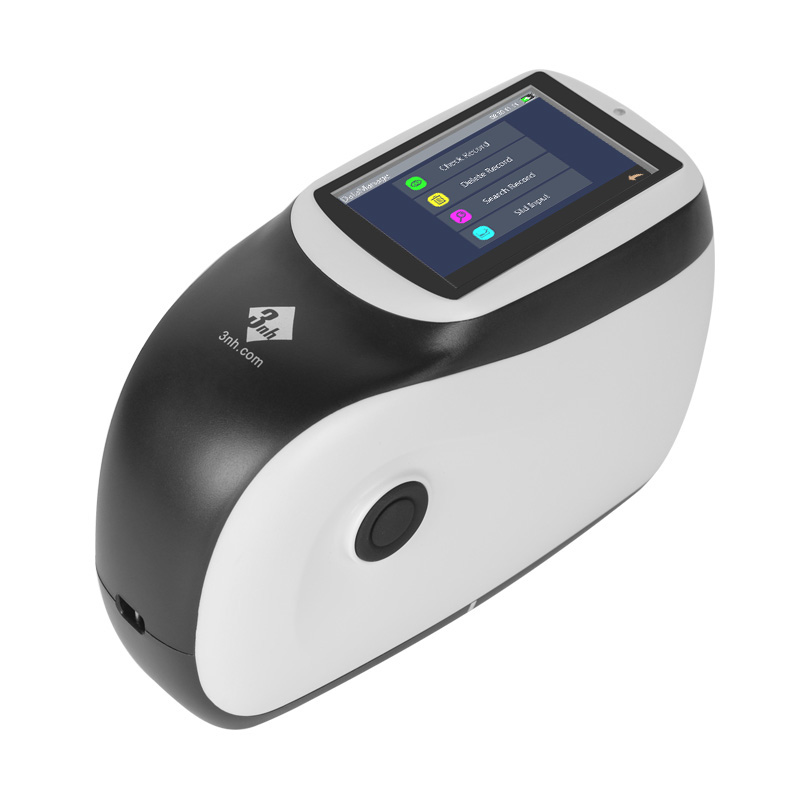
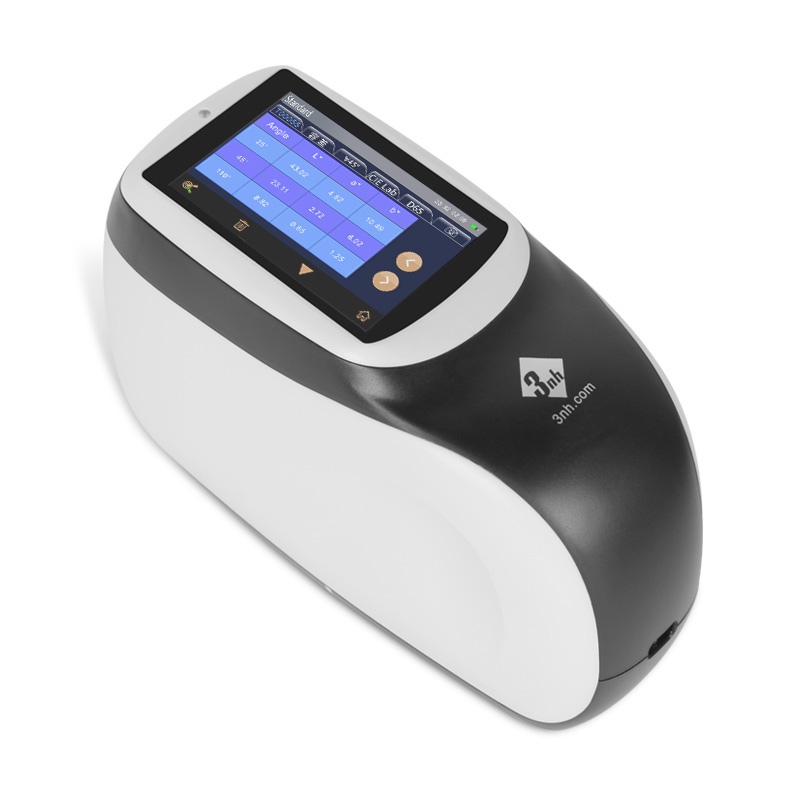
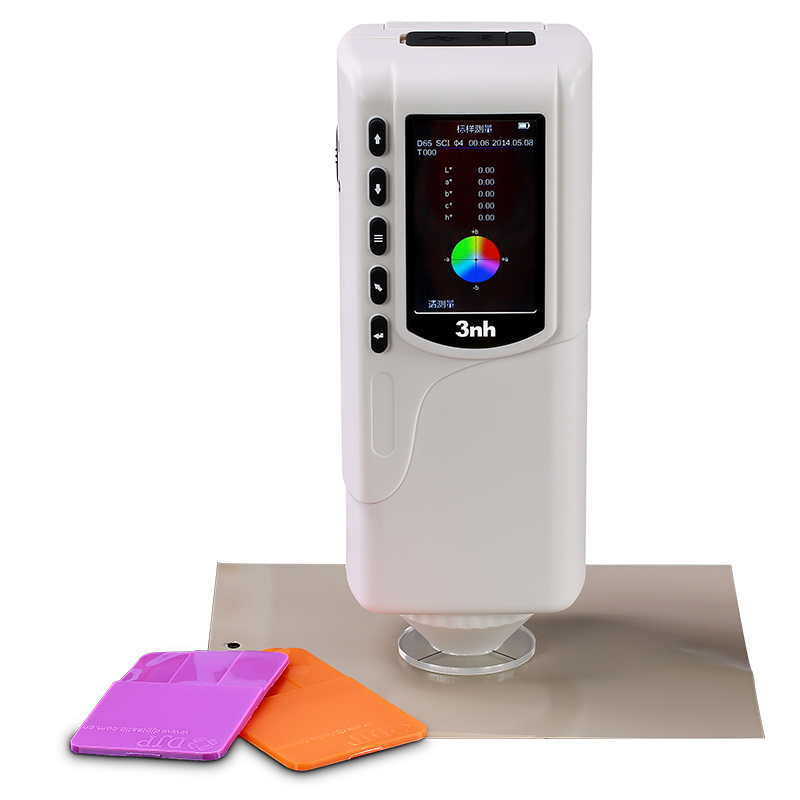
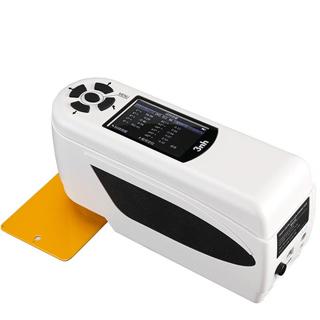
The 3NH spectrophotometer is a reliable device used to measure yellowness. It gives accurate outcomes, adaptability, and high convenience of use, which qualify it to be applicable in both laboratories and factories.
In the case of plastics, the device quantifies reflected light to identify yellowness and whiteness. In the case of liquids, it adheres to APHA standards to measure the accuracy of the clarity and purity. This technology can assist companies in maintaining high quality and reducing wastage in case of product rejections.
Their key benefits include:
● High accuracy: It provides you with very accurate Yellowness Index (YI) results. Which is meeting the ASTM E313.
● Wide range of applications: It has good performance on plastics, textiles, chemicals, and clear liquids.
● Easy-to-use software: The software will automatically determine the YI and other indicators, reducing the errors of humans.
● Consistent monitoring: It will help you to observe yellowness changes with time with the statistical process control (SPC).
What does a low Yellowness Index mean?
When YI is low, the material is almost white with slight discolouration.
How is CIE whiteness related to yellowness?
CIE whiteness is used to quantify brightness. On the other hand, YI is used to quantify the extent of deviation of a material from yellow.
Why do plastics turn yellow over time?
Plastics turn yellow when they are exposed to UV or heat. It may also be due to the process of oxidation.
노란색 지수를 분석함으로써 회사는 불일관성을 피하고 제품의 외관 및 신뢰성을 향상시킵니다.노란색 지수와 측정에 대한 더 깊은 통찰력을 얻기 위해 노란색 지수는 제품의 품질 결정에 도움이 됩니다.
정확한 색상을 얻으려면 인쇄 버튼을 누르는 것보다 더 많습니다.다음은 모든 디자이너, 프린터 또는 비즈니스 소유자가 준수해야하는 인쇄에서 정확한 색상 일치를 위한 9 단계입니다.
품질 관리를 강화하고 브랜드에 대한 부정확한 색상을 방지하기 위해 사용할 수 있는 9 가지 중요한 전략이 있습니다.
색상은 디자인, 인쇄 및 전자 매체에서 매우 효과적입니다.프린터와 디자이너뿐만 아니라 브랜드 관리자는 모두 wil....
최고의 관행과 적절한 사용 기술을 따라야 합니다.색상계를 사용할 때 결과의 정확성을 높이기 위해 7가지 팁을 제공합니다.
전문가들은 보통 두 가지 색상의 유사성/비슷성을 비교하는 객관적인 방법이 필요합니다.우리의 델타 E 계산기 도구가 도움이 될 때입니다.CIE 실험실 색상 공간을 기반으로 한 색상 차이는 이 도구로 쉽고 정확하며 계산하기 편리합니다.
이 가이드에서는 색 분광광계의 기본 매개 변수와 사양에 집중하여 데이터를 측정, 분석 및 보고하는 데 사용되는 알고리즘에 대한 통찰력을 제공합니다.분광광계는 객관적인 색상 데이터를 측정하고 분석하는 데 매우 중요합니다.
메타메리즘은 무엇인가, 어디서 발생하고, 다양한 산업에 미치는 영향, 그리고 어떻게 감지, 통제 및 수정할 수 있습니다.
빛은 우리가 세상을 보고 상호 작용하는 방식을 통제하는 가장 기본적인 힘 중 하나입니다.선글라스의 렌즈 위에 선선선글라스의 렌즈 렌즈 위에 선선선안경의 렌즈 렌즈 위에 선글라스의 렌즈 렌즈 위에
우리의 제품 전문가와 프로젝트를 토론하십시오:
0086 755 26508999우리는 1 영업일 이내에 견적 요청에 응답합니다.
service@3nh.com관심이 있는 제품에 대한 데모 요청을 제출하십시오.
데모 받기