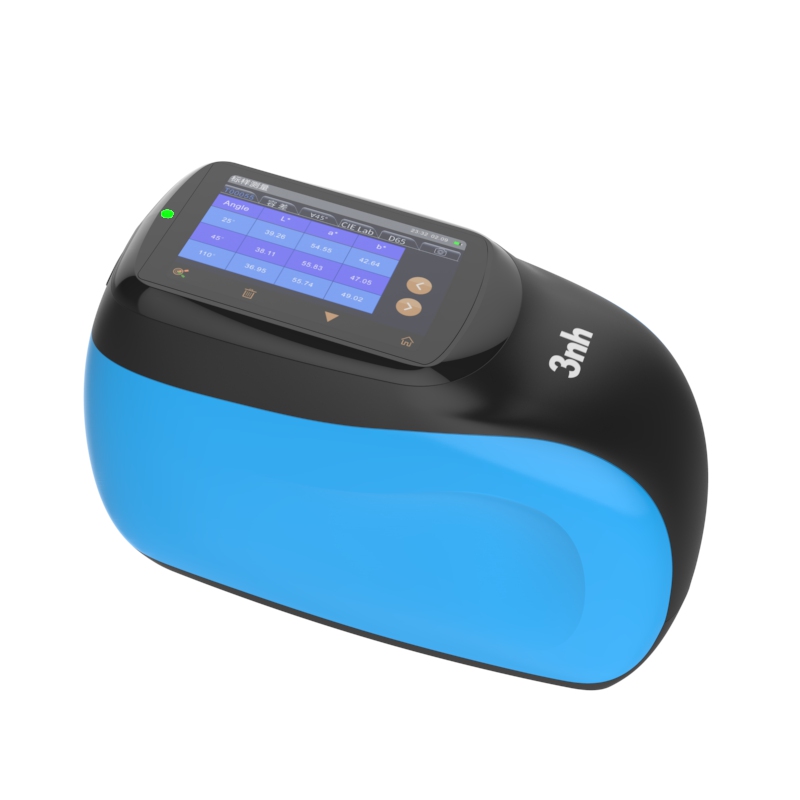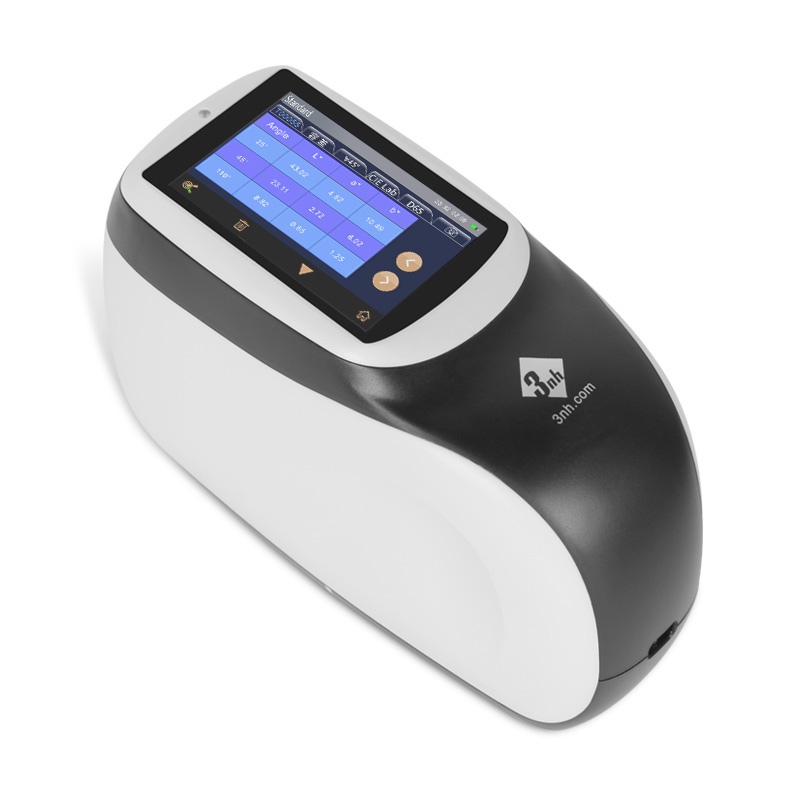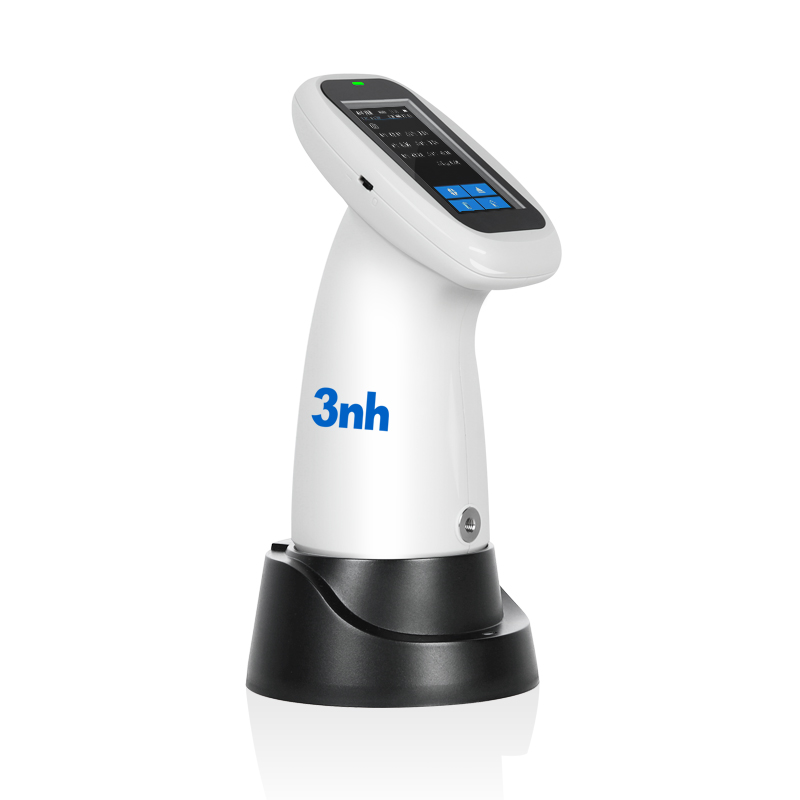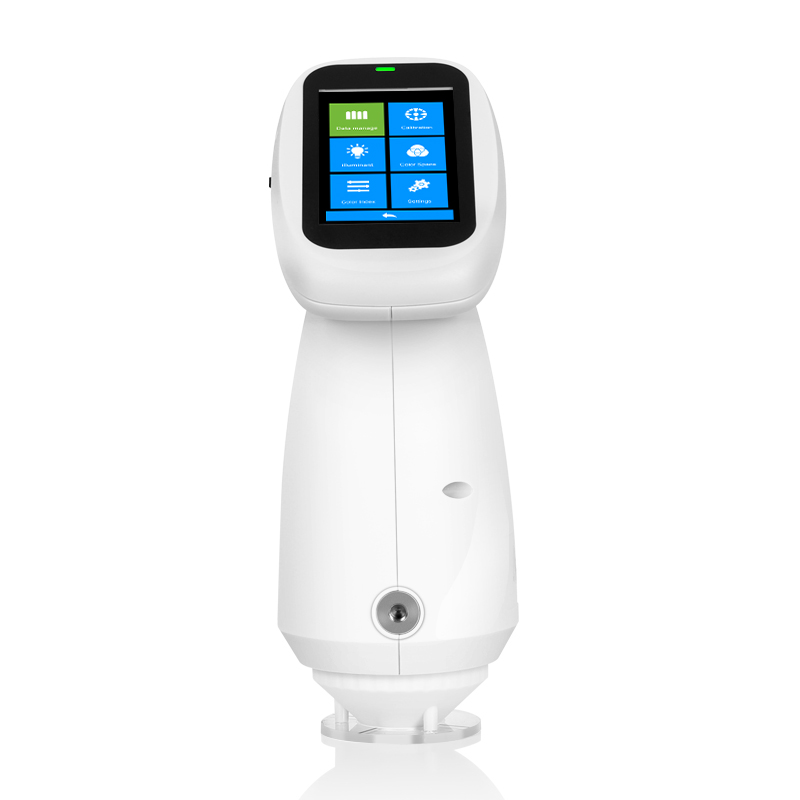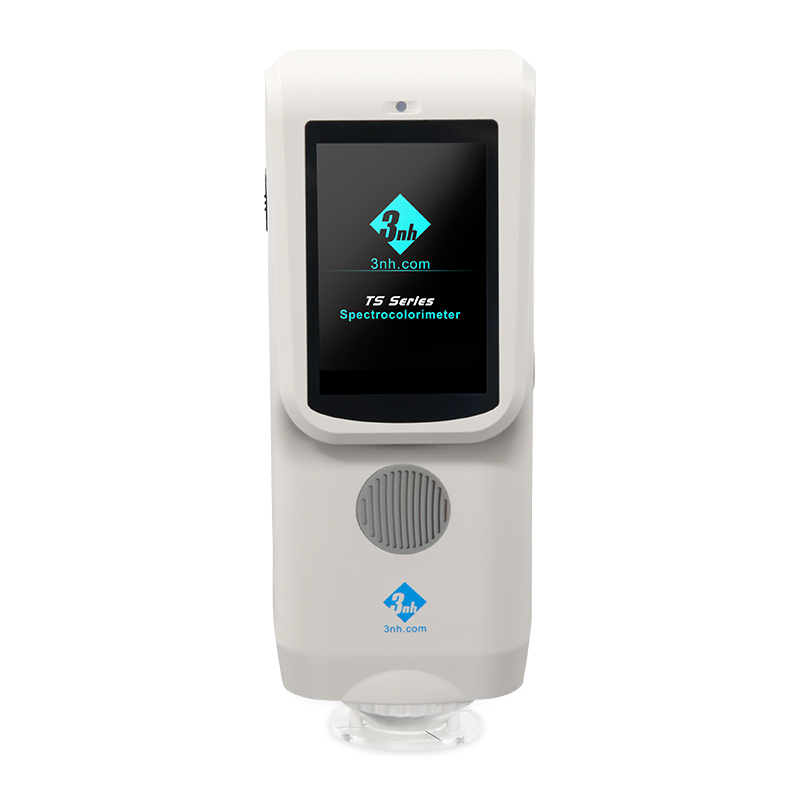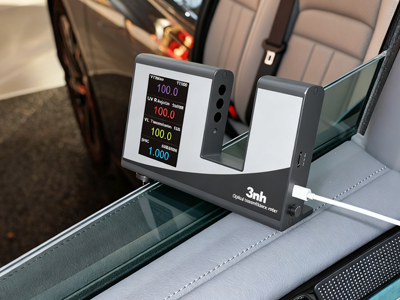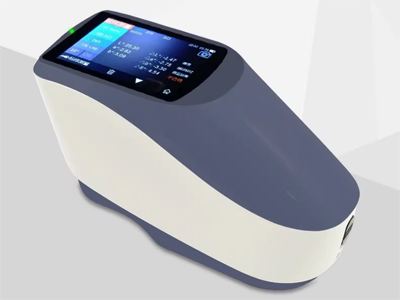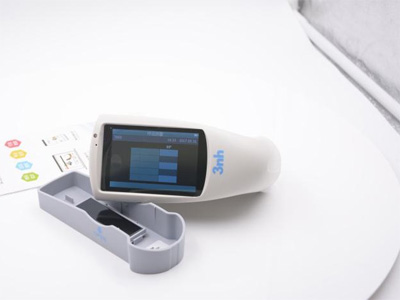
In product quality, surface attributes such as gloss influence aesthetics, value, and functions, and need consideration during product evaluation and marking. Gloss measurement is indispensable in various industries—from automotive paintings to wooden flooring gloss measurements for industry standard compliance and uniformity.

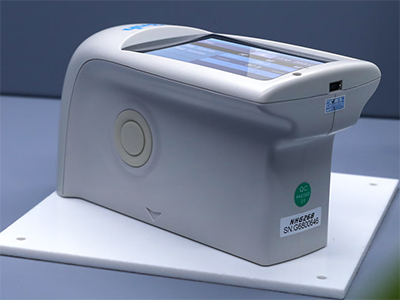
Gloss meters, as precision instrument,s ensure that surface glossiness meets set specifications. This guide explores and explains the workings and the various applications of gloss meters in different industries, paying special attention to the standards the instruments are based on.
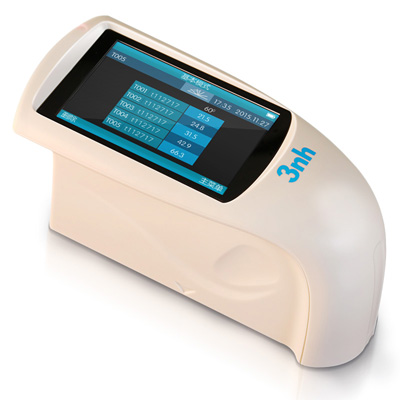
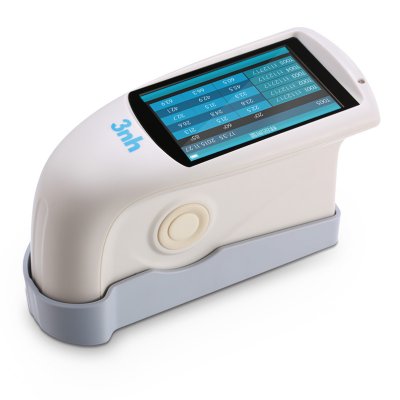
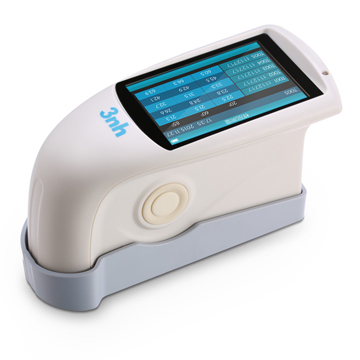
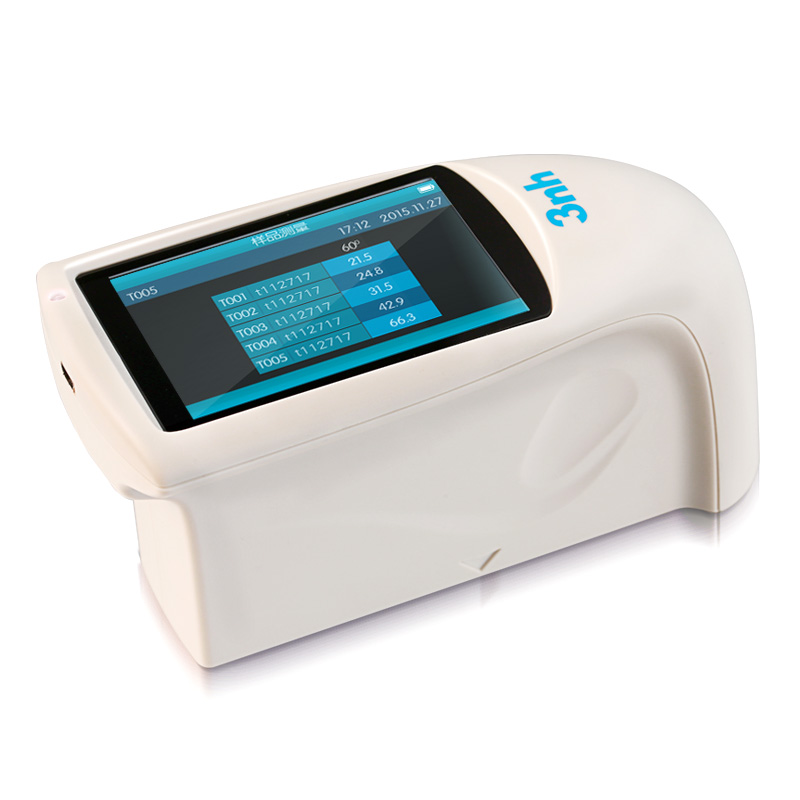
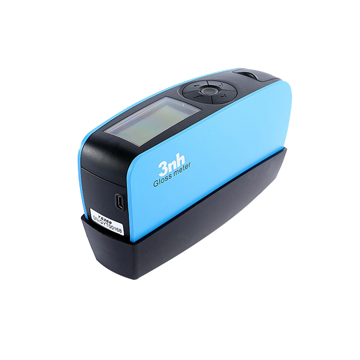
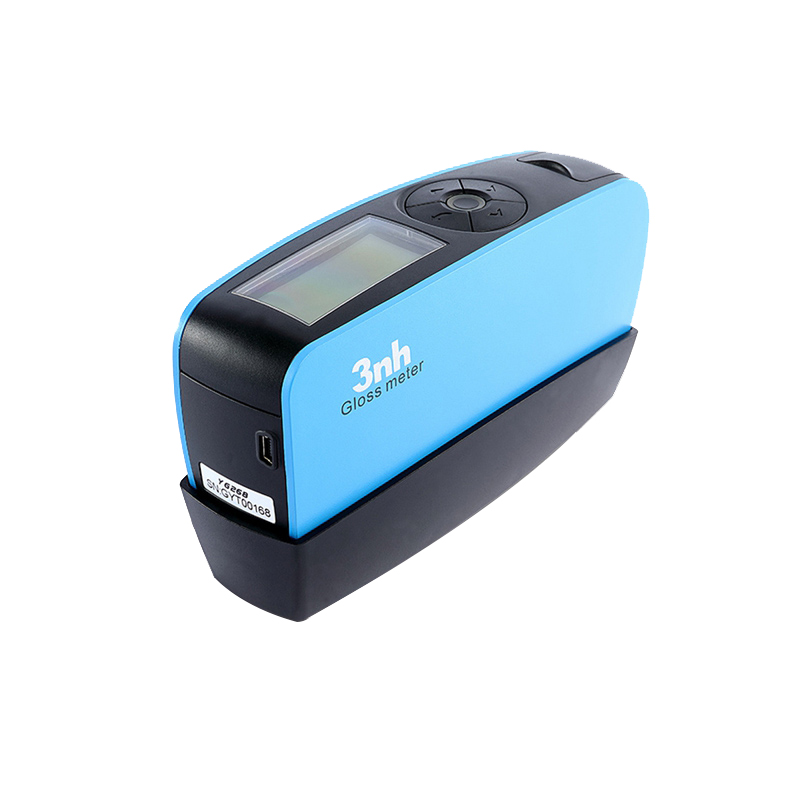
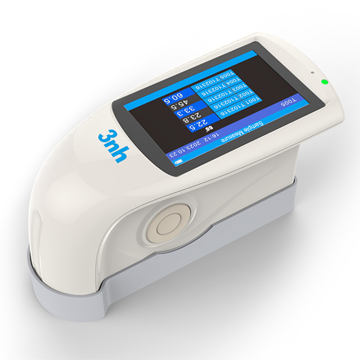
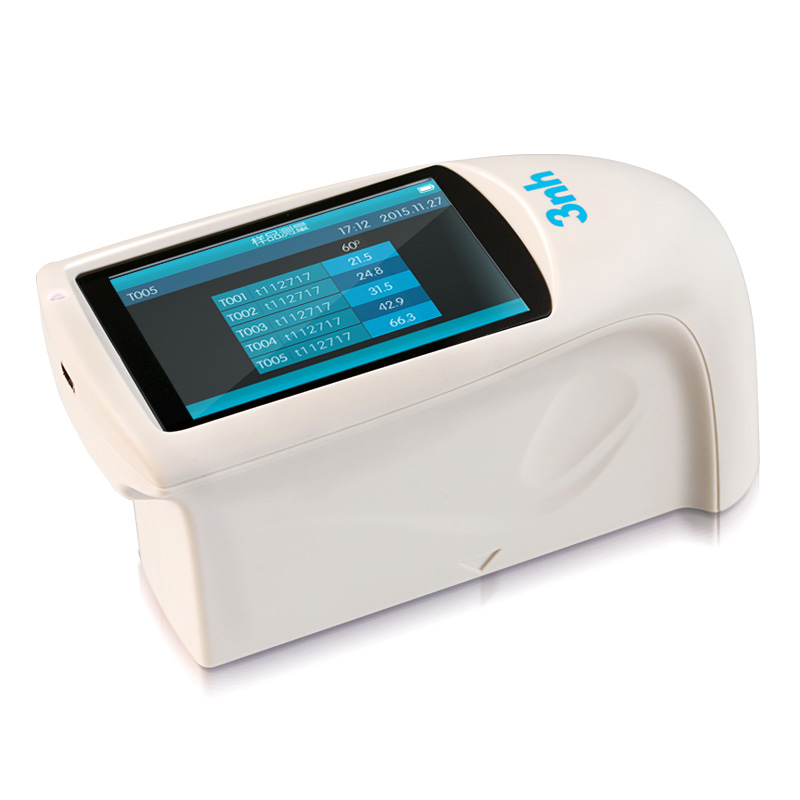
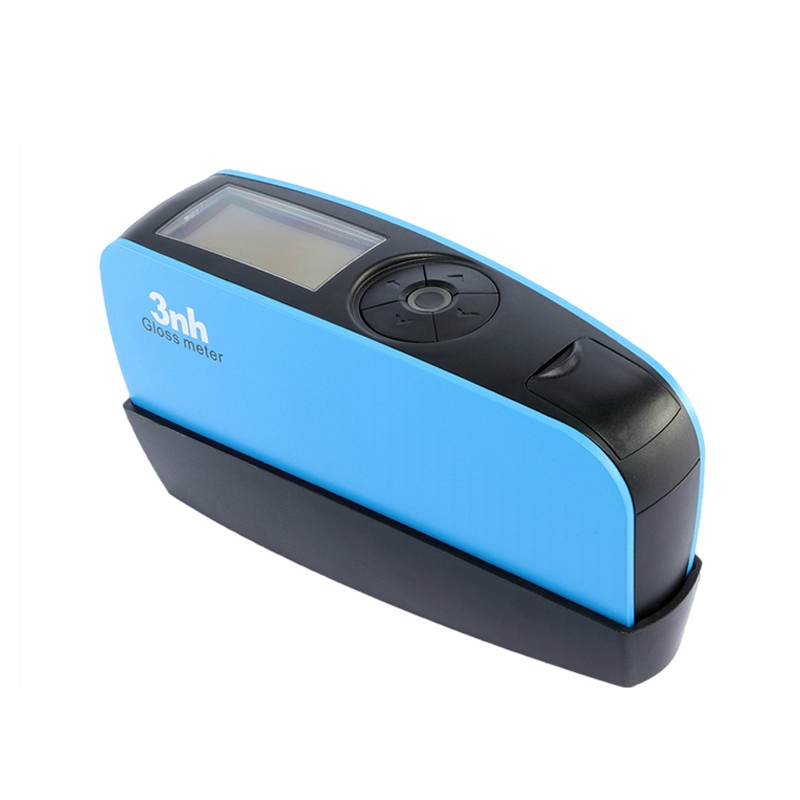
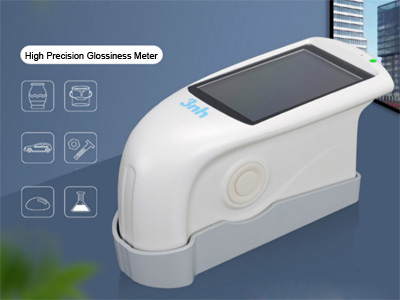
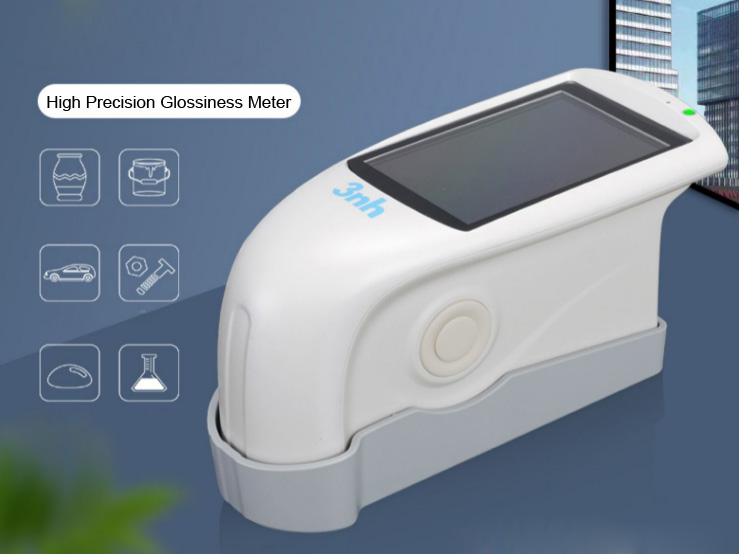
A gloss meter is a device used to measure the specular reflection—or shine—of a surface. It shines a beam of light at a given angle and measures the light that is reflected. The surface reflection also needs to be analyzable, as light that is lost will only be gloss gained.
In QC, R&D and various inspection stages gloss meters are critical in evaluating surface finishes for an array of materials including paper, metals, plastics, paintings and many more.
Gloss is critical to the appearance of a product and its consumer perception. Both the automotive and electronics industries view gloss as a critical aspect as it impacts the perception of cleanliness, quality, and even color. Gloss level impacts performance too, as some coatings and finishes that are applied for safety or to ensure durability require certain levels of gloss.
Throughout the product lifecycle, inconsistent gloss can be a sign of surface treatment neglect or manufacturing flaws. This makes gloss assessment essential in production as well as in laboratories.
Gloss meters record results as units of measurement called gloss units. Each unit is a numerical measure of gloss, where 100 GU is a surface that is perfect and polished to a mirror like finish. Most measured surfaces are between 0 to 100 GU, although some high gloss materials can exceed this measurement.
Reflexion Michel also states that the GU scale is linear, therefore a surface that has 50 GU will reflect 50 percent of the light a surface with 100 GU will reflect at the same angle.
Different surface gloss levels will be measured at different angles, including:
● 60° - the standard angle for general evaluation of gloss.
● 20° - This angle is reserved for high gloss surfaces where measurement is more sensitive.
● 85° - Most accurate measure of low gloss and matte surface.
Multi-angle gloss meters can measure at all three angles which gives different gloss profiles over the surface in question.
● Single-Angle Gloss Meters measure gloss at a fixed angle, for instance, 60°. This is only effective for a limited range of applications that have known surface types that remain the same over a duration of time.
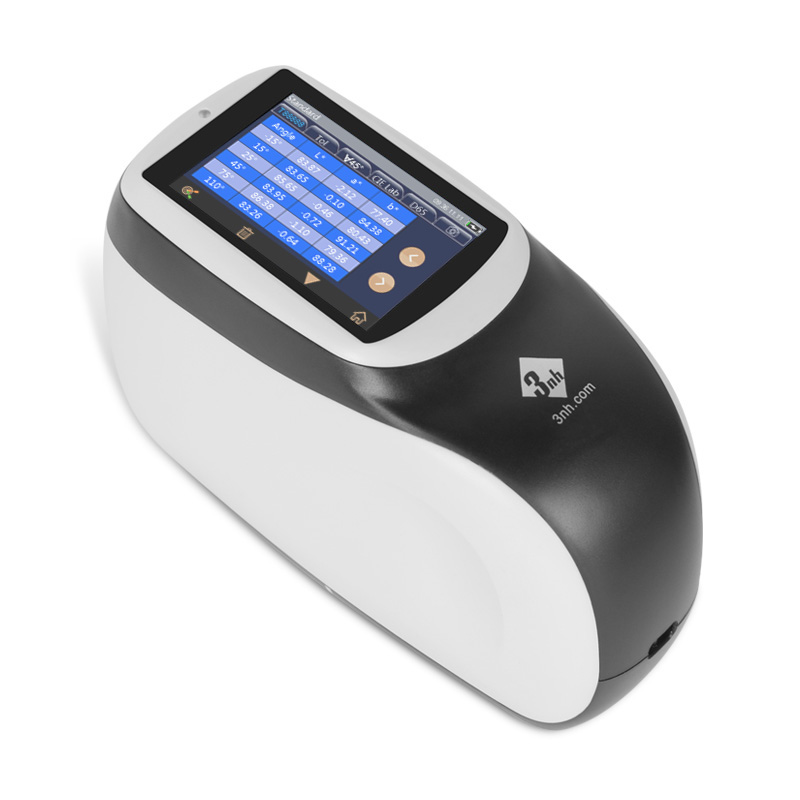
● Multi-Angle Gloss Meters have increased versatility because they measure at 20°, 60°, and 85°. This is particularly useful with a broader range of materials or when complete gloss characterization is required.
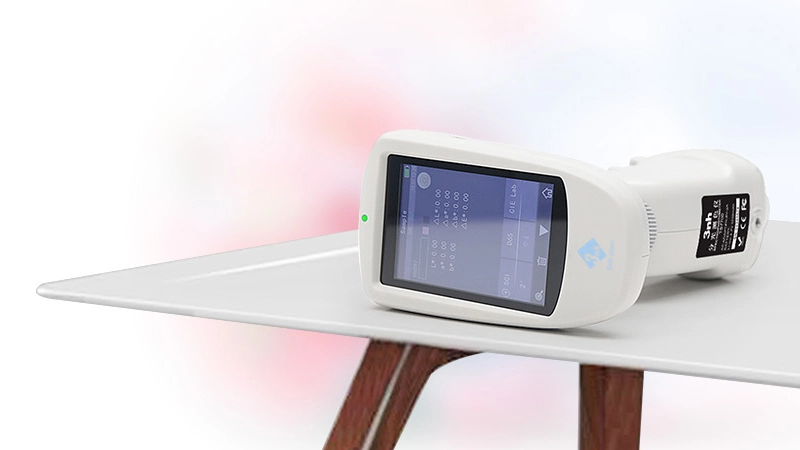
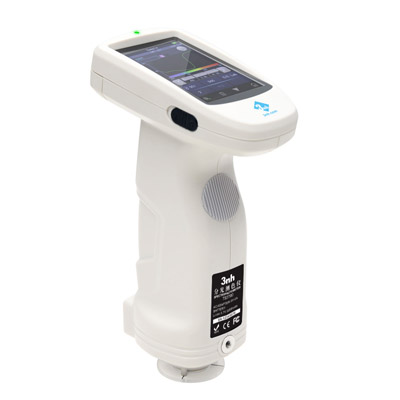
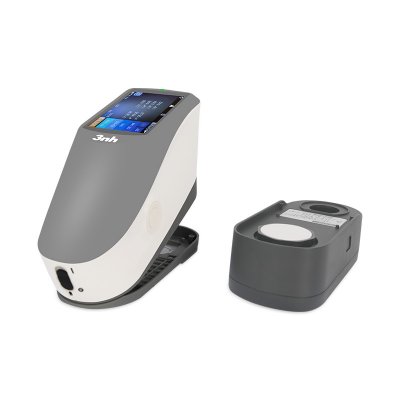
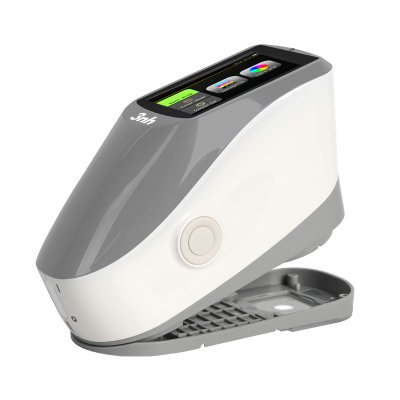
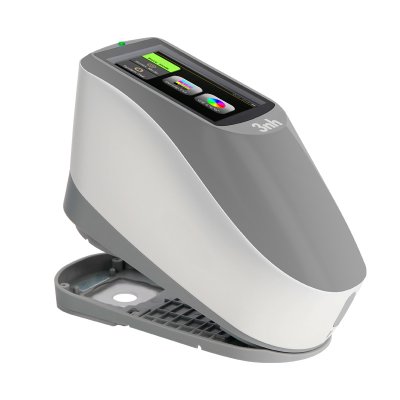
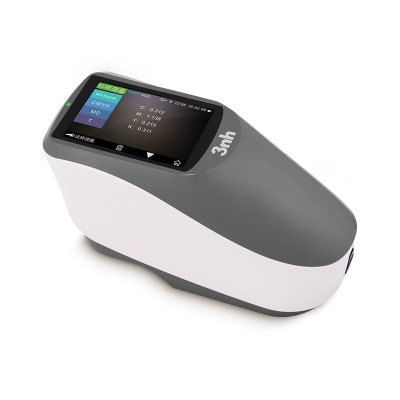
● Portable Gloss Meters use a battery, and are therefore compact and easy to carry, which makes them useful in fieldwork. They are used in automobile detailing, construction, and maintenance.
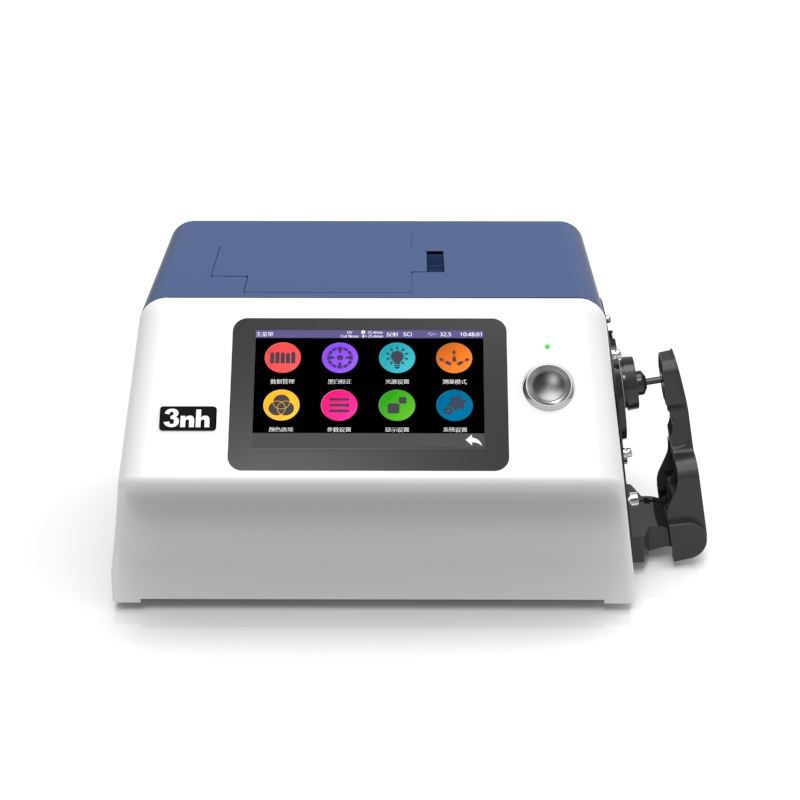
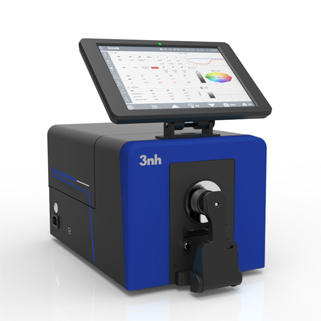
● Benchtop Gloss Meters are larger and more precise, making them useful in laboratories and high-precision quality control environments. They are used in research and in manufacture.
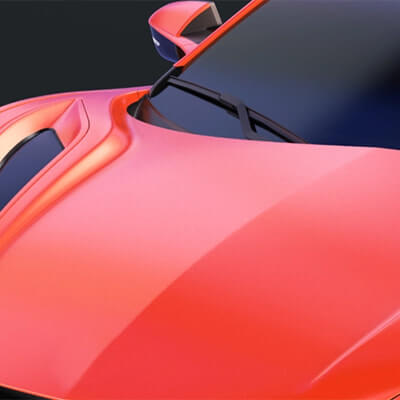
Within the automobile industry, paint gloss meters are employed to check the finish of car paints and coatings. Uniform gloss ensures that all vehicle parts will have a consistent professional appearance.
In ceramics and plastics, gloss contributes to a customer’s perception of cleanliness and durability. Gloss meters assist in providing uniform finishing to maximize customer satisfaction.
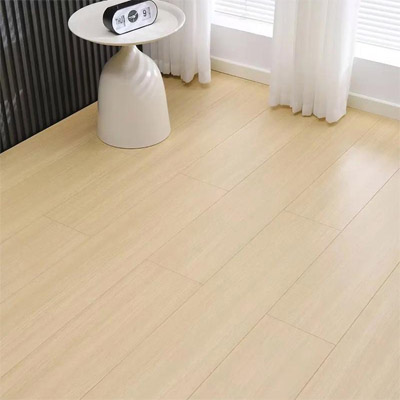
Gloss measurements assist in maintaining uniformity in wood, laminate and flooring. In the paper sector, gloss characteristics influence printability and finish quality.
To ensure precise measurements, the following must be adhered to:
● The surface in question must be free of contamination or oil, be clean, and be dried.
● Avoid measurements on highly textured, curved, or contour surfaces unless designed for such measurements.
1. Use a certified calibration tile to gloss meter.
2. Position the meter on the sample level.
3. Press the measurement button and note the reading.
4. Gloss value can be documented, exported, or analyzed.
Most gloss meters come with a reference calibration tile. Calibration Tiles balance Measurement Gloss Standards gloss feature with a sample tile providing a known value. Calibration Tiles Balance Measurement Gloss Standards gloss feature with a sample tile providing a known value.
To maintain calibration gloss measurement, steps can be taken.
● Avoid scratches or contamination by storing gloss calibration tiles in a protective container.
● Use certified standards to reevaluate gloss meters.
● Clean the optical components carefully using the prescribed lens cleaners.
Surface roughness may scatter light and lower gloss readings, even when the surface is shiny. Also, darker colors may appear glossier than they are because of the light they reflect.
Gloss meters are created with the purpose of measuring the presence of specular reflection. While the characteristics of the material are essential to the outcome, they also play a role in the interpretation of the results.
Ambient noise, vibrations, and temperature often affect the readings. Ambient, stable, and well-lit surroundings are best for gloss meter usage, with well-structured protective covering to reduce interference. Uniformity across the conditions helps in achieving replicable results.
● ASTM D523 - Standard test method for specular gloss.
● ISO 2813 - Specifies methods for measuring the specular gloss of non-metallic paint films.
● DIN 67530 - German standard for gloss measurement
Gloss meters designed according to these standards guarantee consistent, comparable and accepted readings across industries and countries.
Smart Features, App Integration and Data Logging
● Measurement and data logging with range of data including gloss and polish, and surface characteristics.
● Straight and angular version polish calculation methods.
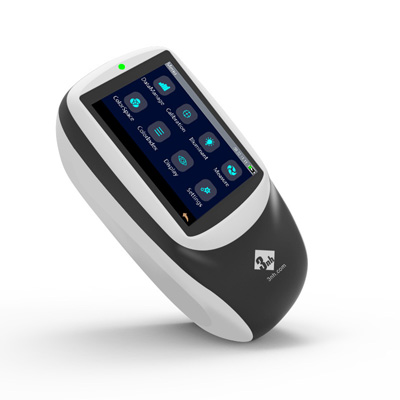
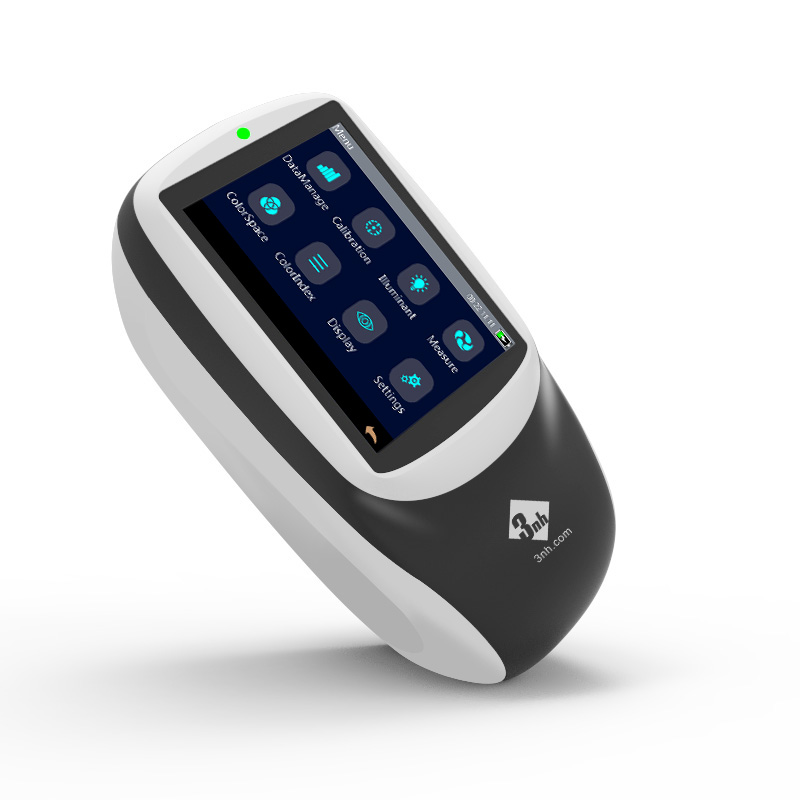
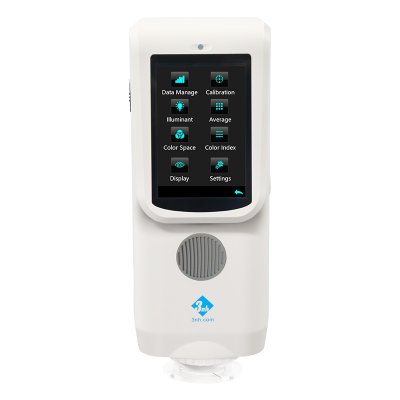
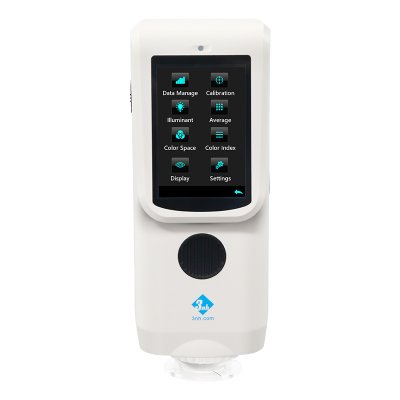
New touch screen displays allow for easier operation and navigating the menus.
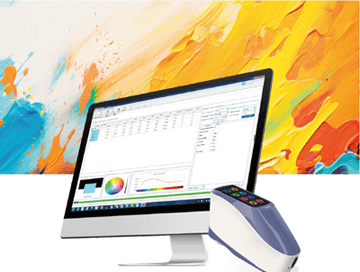
● Capable Bluetooth and USB Access – Allows users to transfer data to a computer or mobile apps seamlessly.
● Internal Memory and Data Logging – Store thousands of measurements with timestamps as well as batch references.
● Integration with Mobile Applications – Users are able to control devices, review trends, and export reports through mobile devices or PCs.
These innovations increase the gloss measurement accuracy and expand their accessibility in production and field workplaces as well as production accelerators.
Gloss meters have become essential in a modern industry that prioritizes quality. These instruments enable surface appearance evaluation in a metric and objective manner essential for maintaining consistency and adhering to customer expectations.
Industries like automotive, coatings, plastics and wood finishing can benefit from optimally using a gloss meter in enhancing a product’s aesthetic and functional value.
Looking to Enhance Your Surface Quality Control?
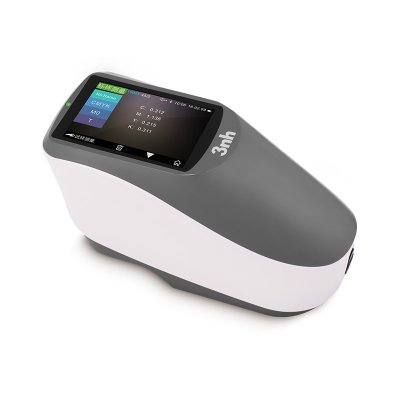
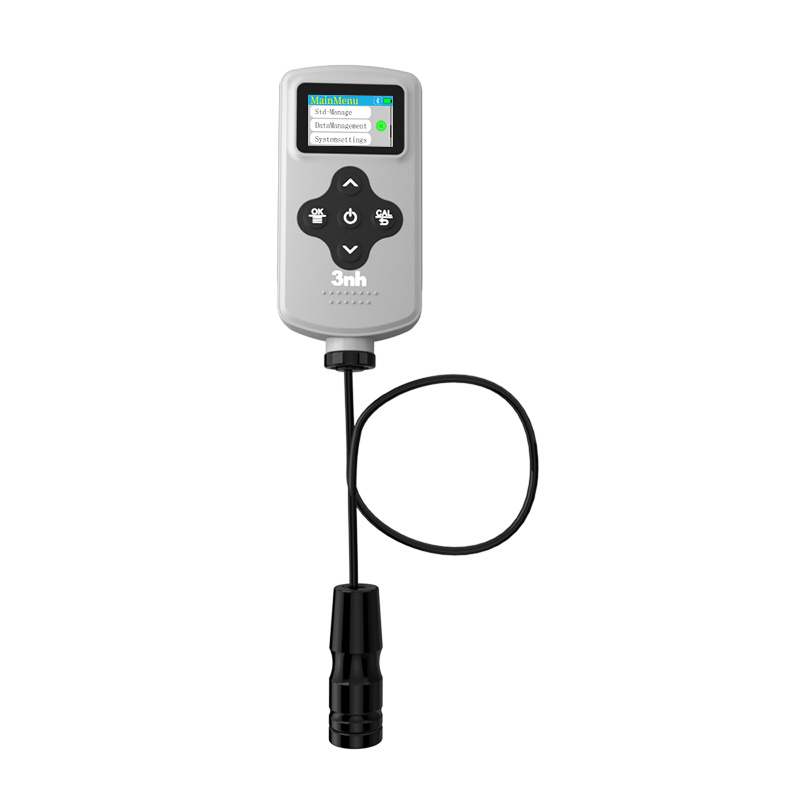
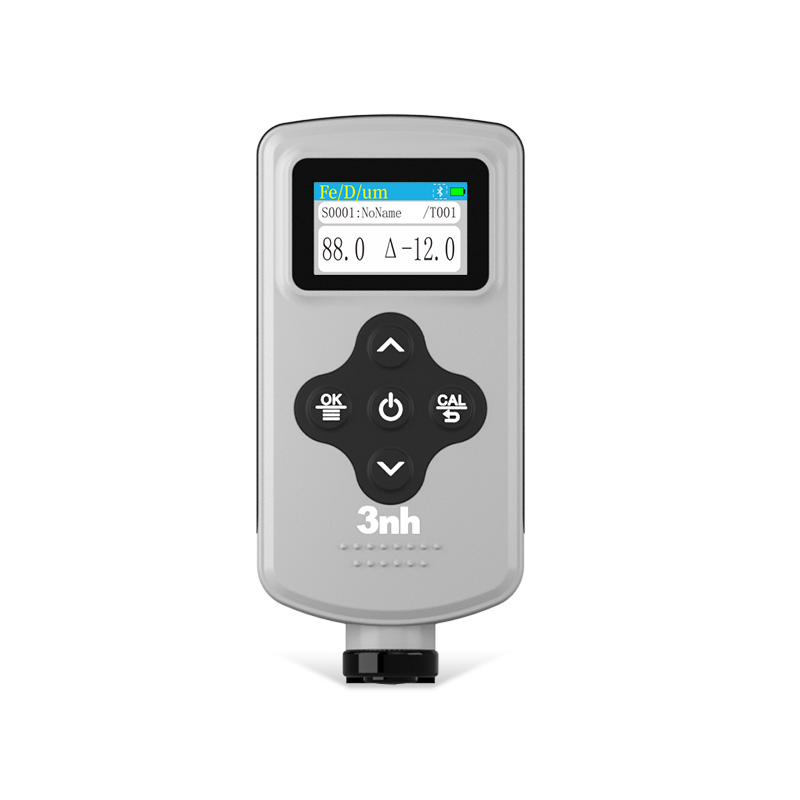
Professional gloss meters with the latest technologies in smart features and multi-angle measurement are available at Threenh. Our portable gloss meters are used in many production, research, and quality control branches and are renowned for their accuracy.
For more information about gloss meters, to schedule a demo, or consult with a product specialist, visit www.threenh.com/kor.
고급 벤치탑 색상 분광광계는 모든 응용 프로그램에 대한 품질 관리 및 색상 측정을 위한 선택의 도구가 되었습니다.우리의 3nh 장치는 다양한 응용 프로그램에서 안정적이고 정확한 결과를 가진 다양하고 반복 가능한 색상 데이터에 대한 증가하는 수요를 충족시키기 위해 설계되었습니다.
창 색깔 측정 도구는 무엇입니까?창 색깔 측정 도구는 어떻게 작동합니까?자동차 창문 자자동차 창문의 투과성을 측정하는 것이 중요한 이유
ThreeNH에서는 색상계를 과학적으로 통합하고 진실과 비전을 캡처합니다.인간의 시력 과학은 측정 및 비전을 포용하여 산업이 표준화, 재생, 정확하고 완벽한 색상을 가능하게 했습니다.
현대 산업에서 색상 측정 및 품질 관리의 핵심 가치, 3nh 는 모든 크기의 비즈니스를 위해 색상 디자인, 공식 및 품질 관리를 단순화하는 색상 계기 및 색상 분석 소프트웨어의 글로벌 제조업체입니다.
무엇이 기기 간 합의인지, 왜 중요하는지, 기기 간과 모델 간 합의의 차이점, 그리고 그것을 향상시키기 위해 할 수 있는 방법. 결국 제조업체와 연구자가 기대되는 이유를 깨달을 것입니다.
정밀 계기로서 광택 미터는 표면 광택이 세트 사양을 충족한다는 것을 보장합니다.이 가이드는 다양한 산업에서 광택 미터의 작동과 다양한 응용 프로그램을 탐구하고 설명하며, 계기가 기반으로 하는 표준에 특별한 관심을 기울입니다.
광택 미터 사용을 마스터링하면 정확성이 높습니다. 미터의 성능은 우리가 측정 과정의 일부로 항상 보지 않는 작은 것들과 결합됩니다.
분광광계와 색도계는 색상을 측정하고 비교하는 것으로 예상되지만 기술, 정확도 및 응용 프로그램에 대해 크게 다릅니다.장비를 더 교육적으로 구매하고 기능적 인 워크플로우를 가질 수 있도록 이러한 차이를 알 가치가 있습니다.
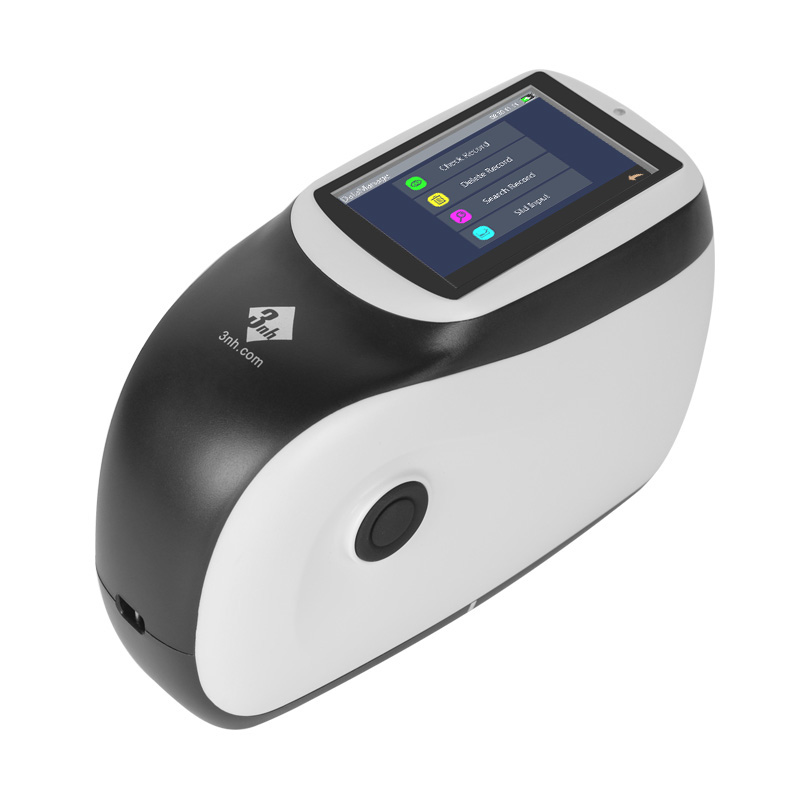
이 가이드에서는 색 분광광계의 기본 매개 변수와 사양에 집중하여 데이터를 측정, 분석 및 보고하는 데 사용되는 알고리즘에 대한 통찰력을 제공합니다.분광광계는 객관적인 색상 데이터를 측정하고 분석하는 데 매우 중요합니다.
우리의 제품 전문가와 프로젝트를 토론하십시오:
0086 755 26508999우리는 1 영업일 이내에 견적 요청에 응답합니다.
service@3nh.com관심이 있는 제품에 대한 데모 요청을 제출하십시오.
데모 받기