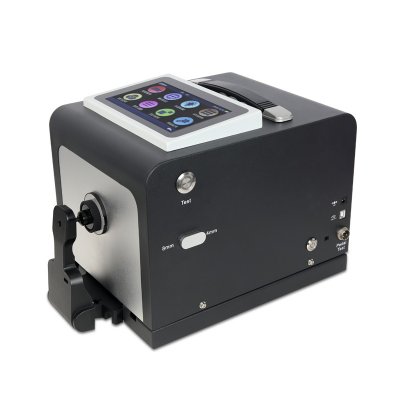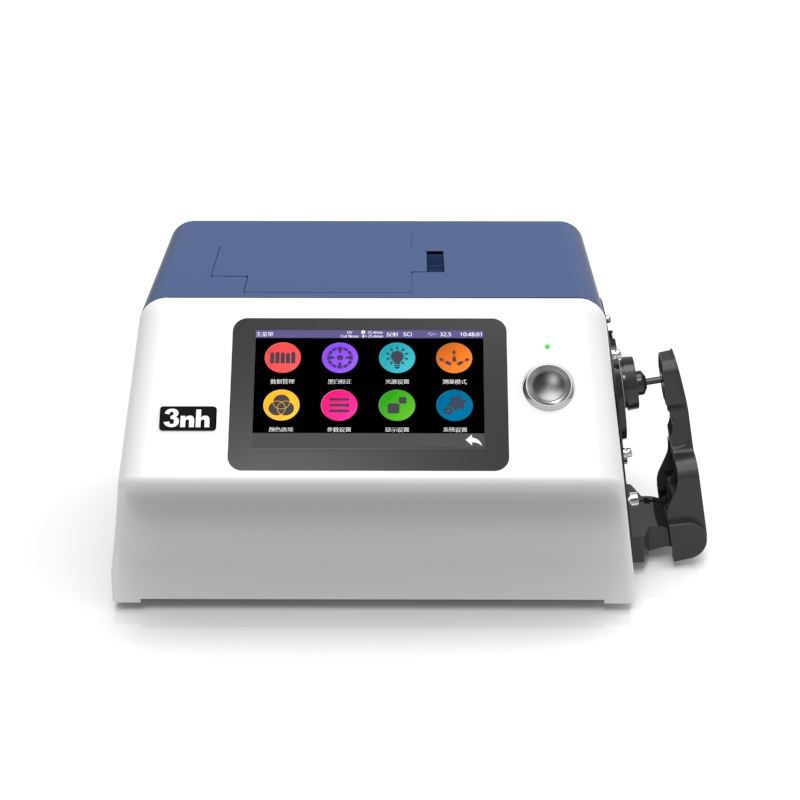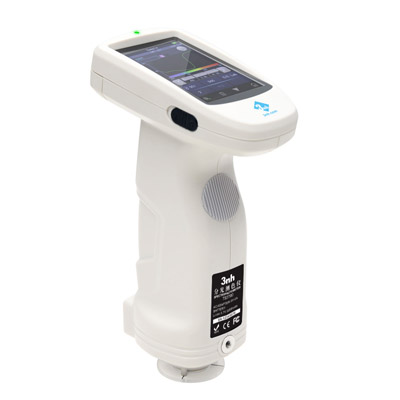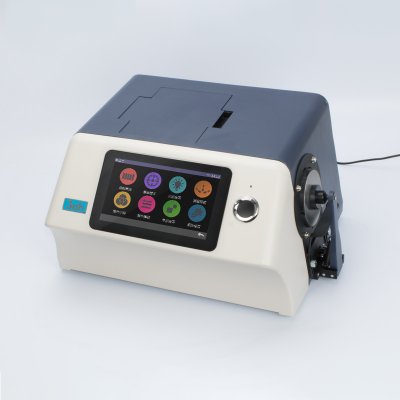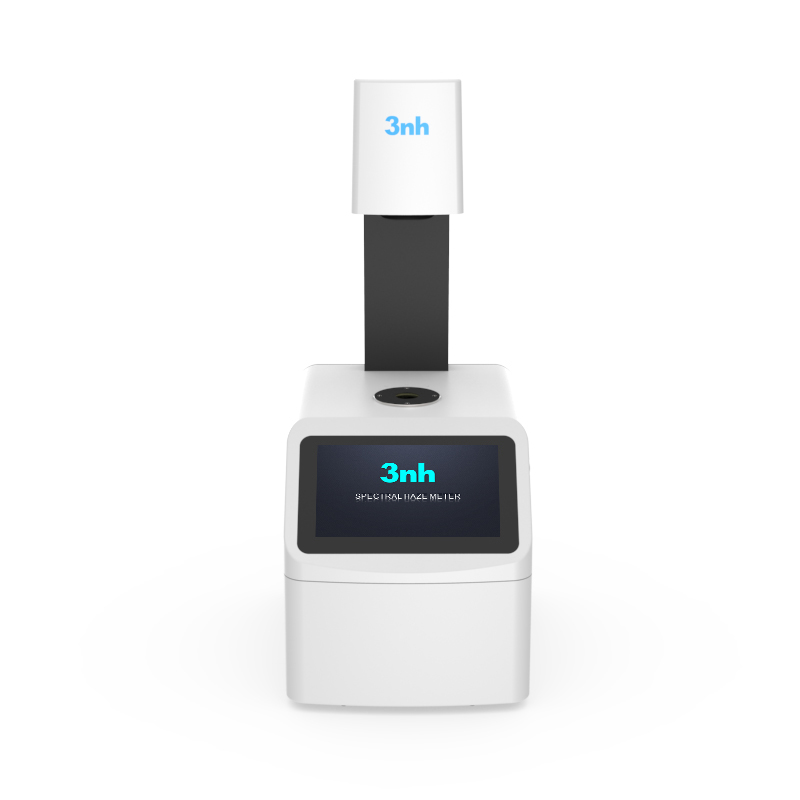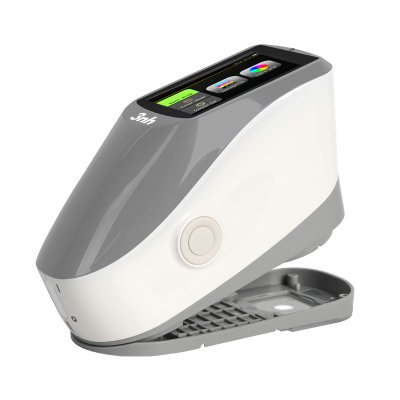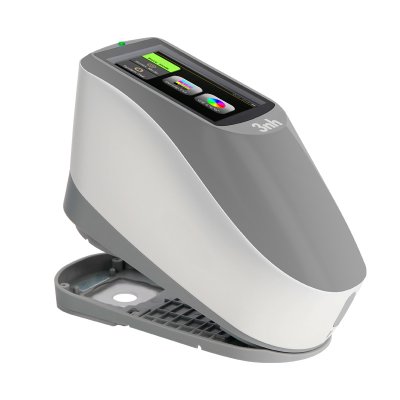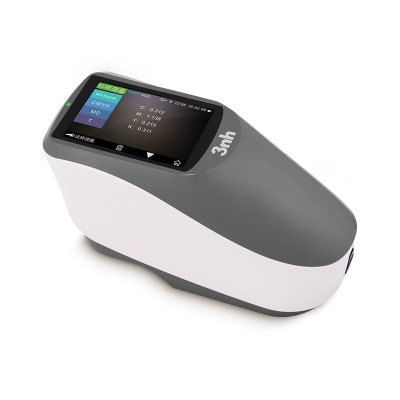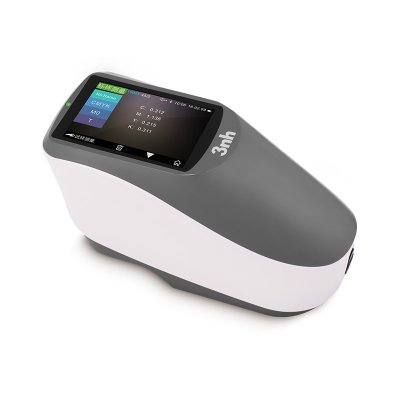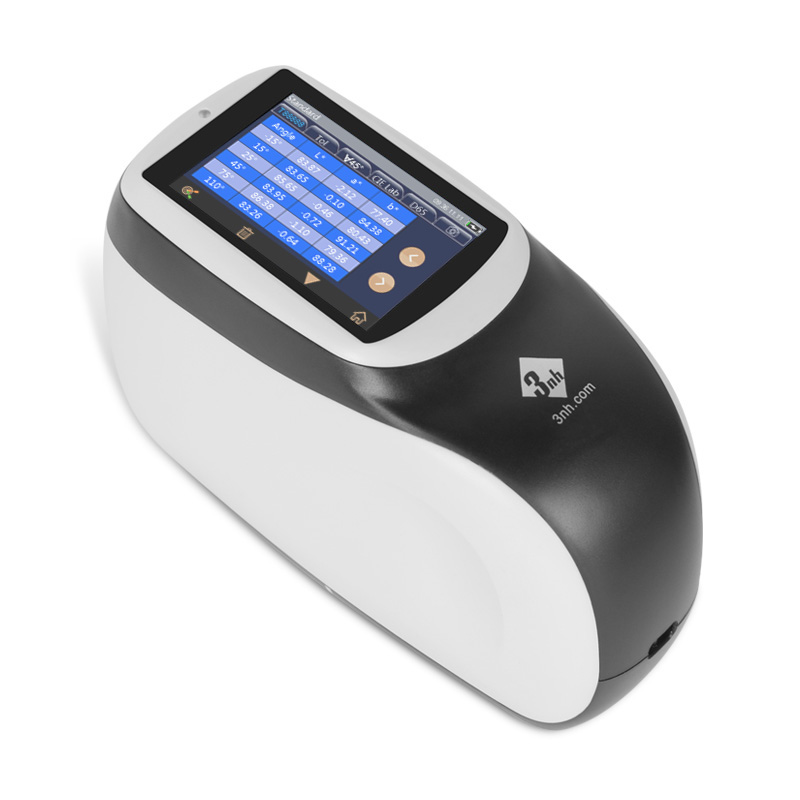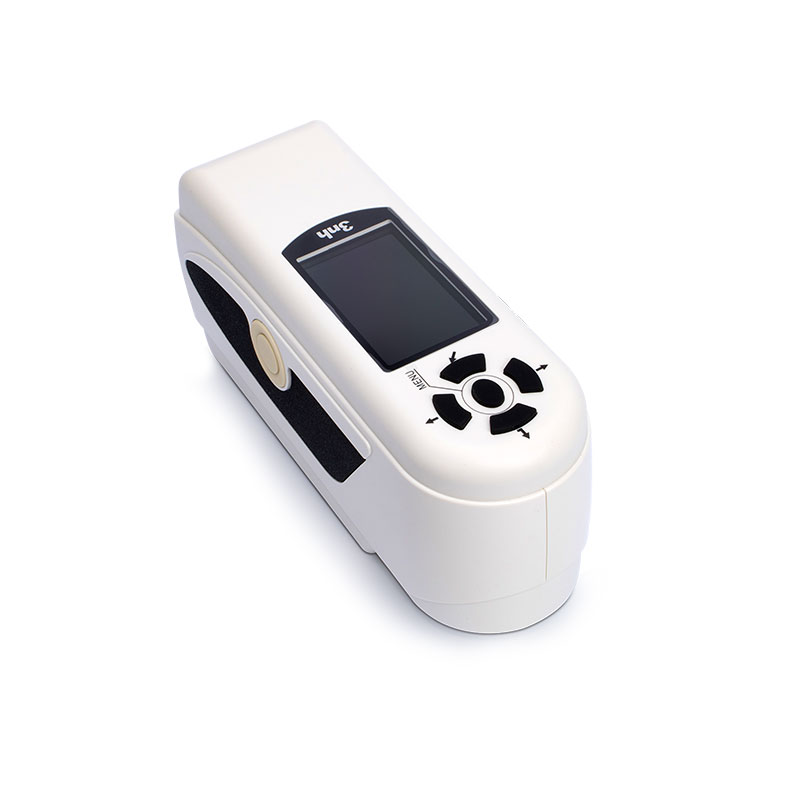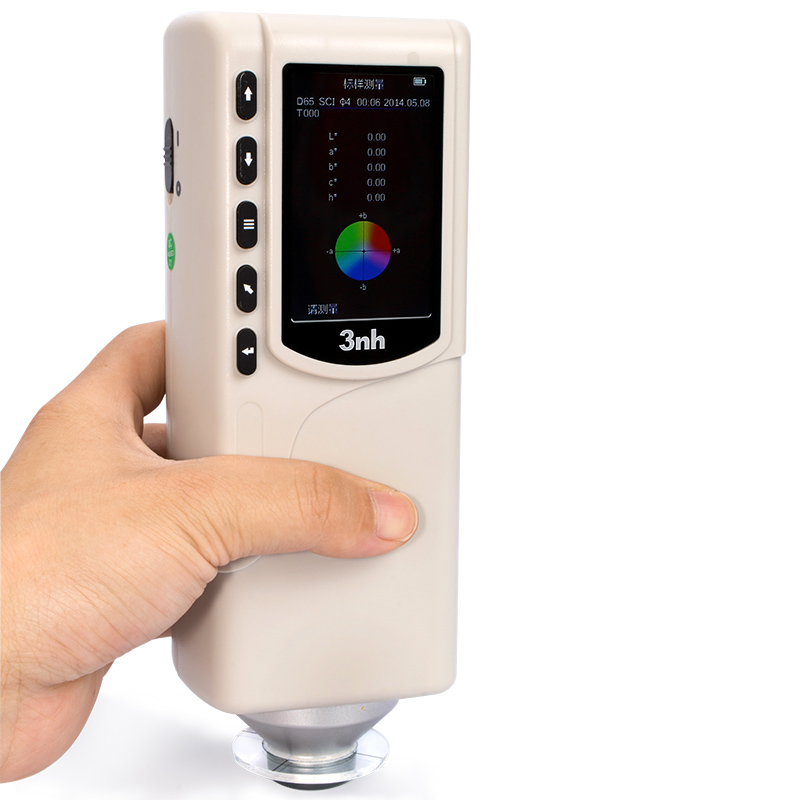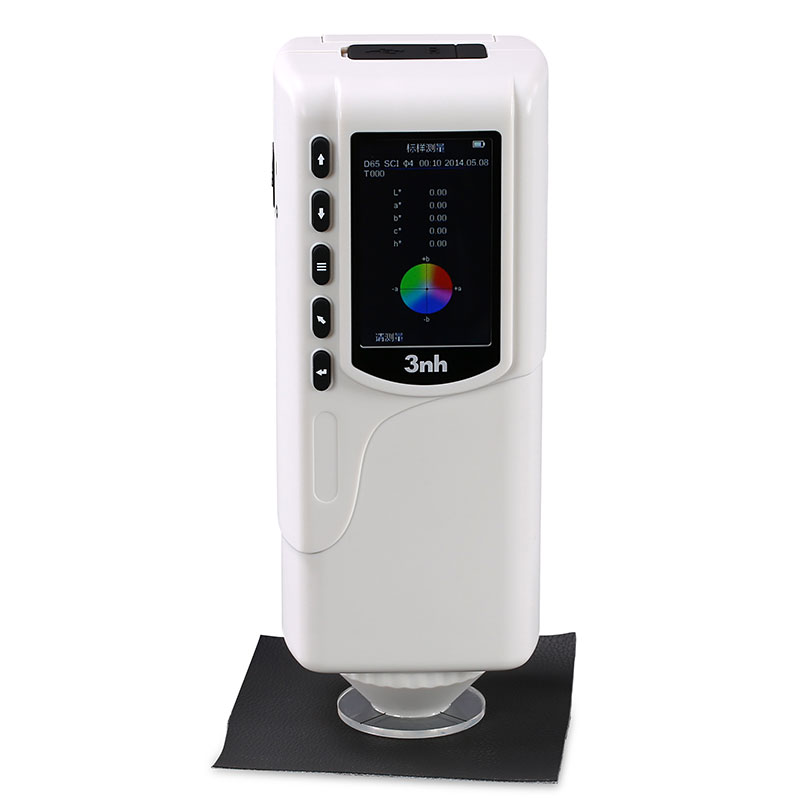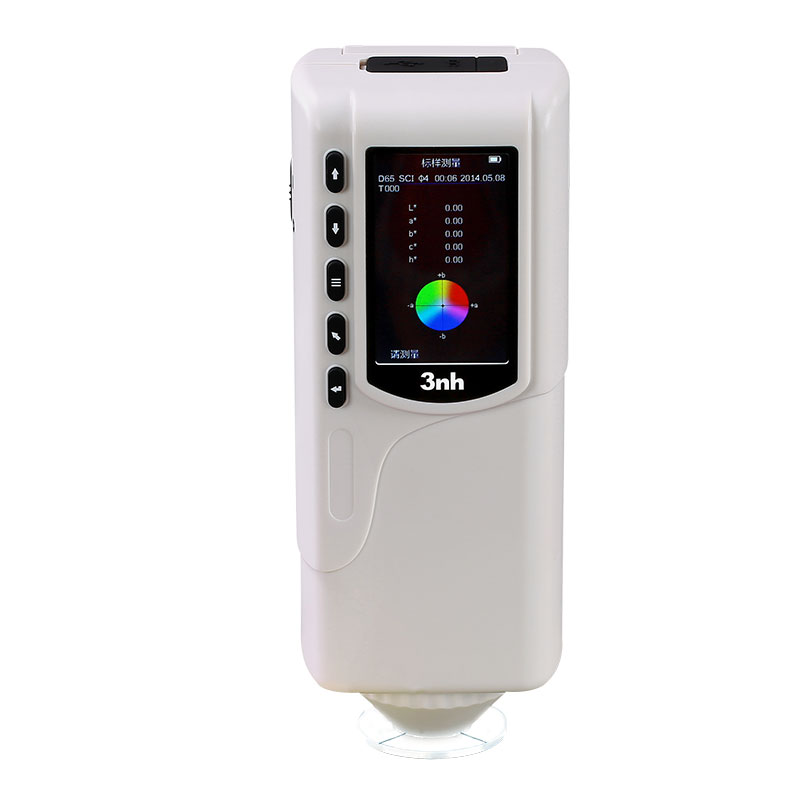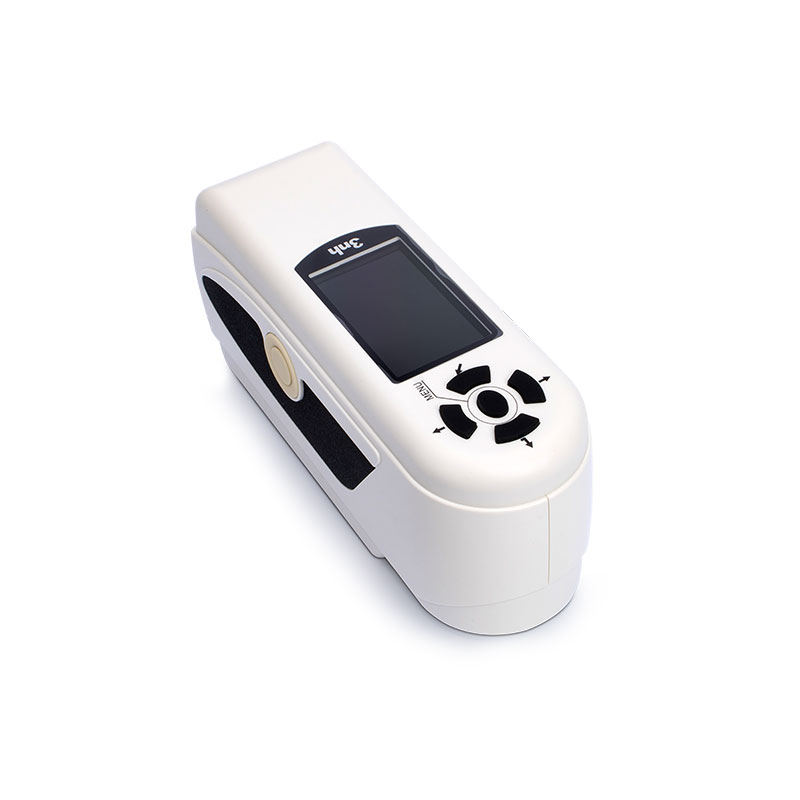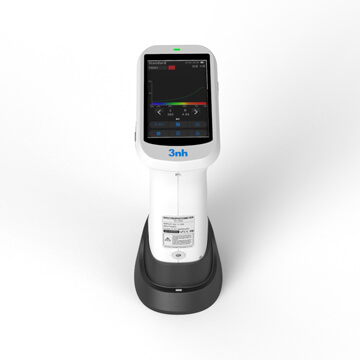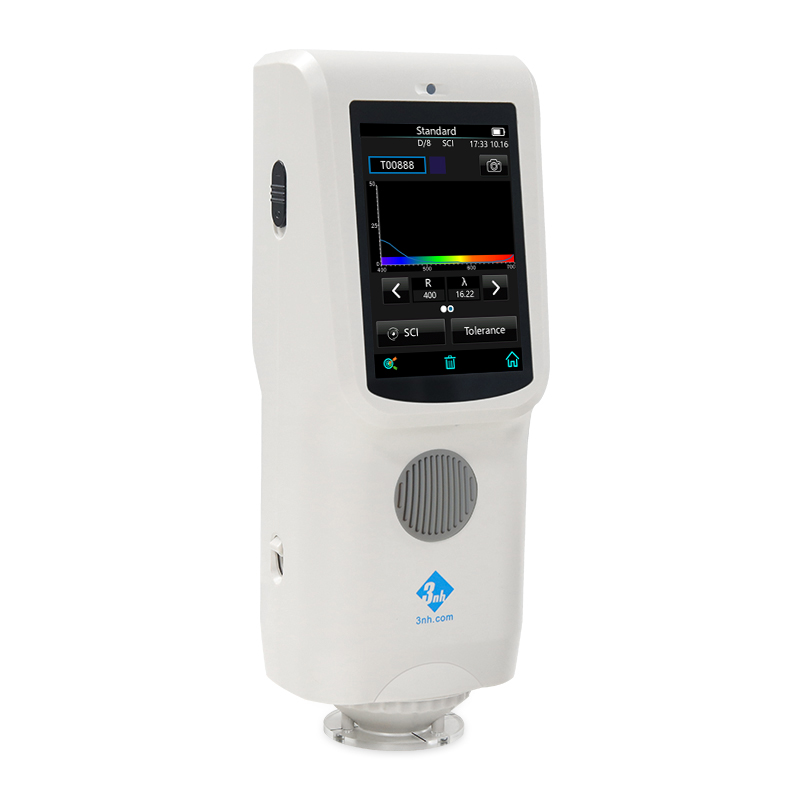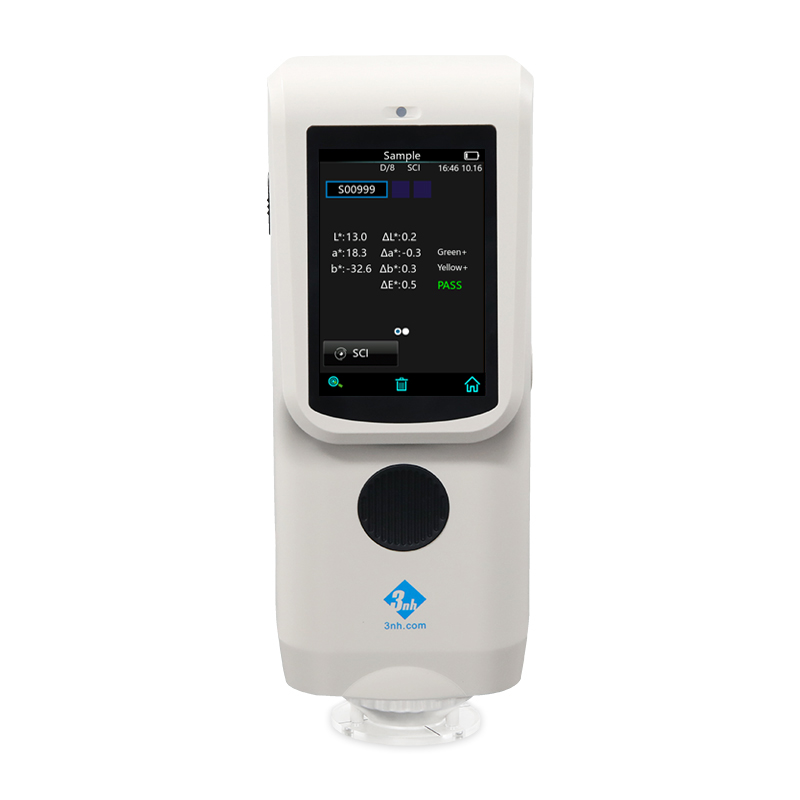
섬유 생산 과정에서 색상 일관성은 복잡하고 다양한 요인에 의해 쉽게 영향을 받으며 색상 테스트 및 관리는 제품 품질과 일관성을 보장하는 핵심입니다.

자동차 제조 및 자동차 부품 제조에서 색상 일관성과 정확성은 차량의 외관, 브랜드 이미지 및 고객 만족에 직접적인 영향을 미치기 때문에 매우 중요합니다.

플라스틱 산업에서 색상 측정은 주로 제품의 일관성을 보장하고 브랜드 이미지를 유지하고 품질 관리를 강화하고 고객 만족도를 높이는 데 매우 중요합니다.
코팅의 색상 관리는 제품 품질과 시장에서 경쟁력을 유지하는 데 중요합니다.
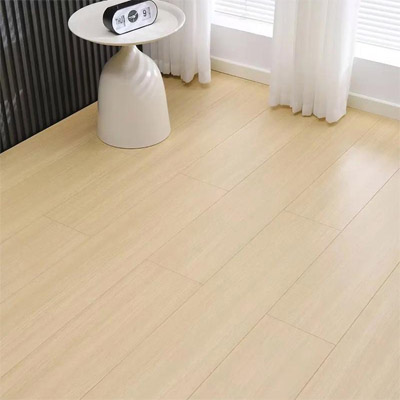
건축재료 솔루션에서 정확한 색깔을 보장;건물 및 장식 재료 산업의 색상 관리는 제품의 미적 매력, 일관성 및 시장 경쟁력을 보장하는 데 매우 중요합니다.
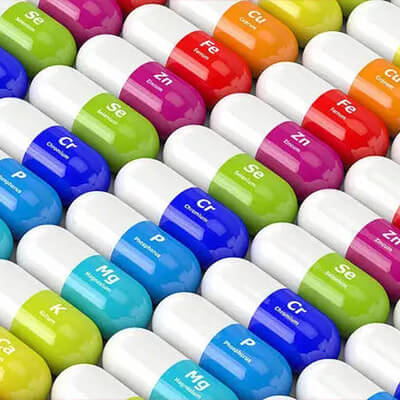
의료 재료의 색상 관리는 제품 기능과 안전성을 보장하는 데 중요합니다.
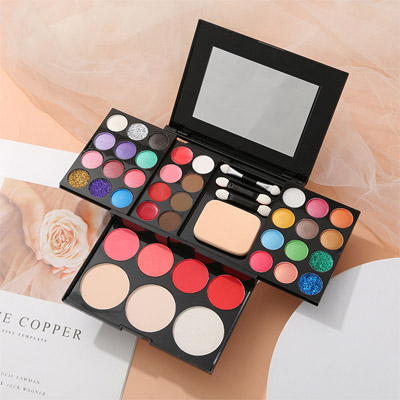
화장품 산업에서 색상 테스트는 제품 품질 및 브랜드 이미지를 보장하는 데 중요하며 제품 개발 및 시장 성능에 중요합니다. 3nh 화장품 색상 측정에서 서비스를 제공합니다. 색상 관리, 측정 및 제어의 중국 리더는 화장품 분광광계기, 밀도계기, 색상 측정 및 색상 측정 소프트웨어를 제공합니다.
색깔 테스트는 제품의 외관과 매력에 영향을 미치는 뿐만 아니라 품질과 신선함을 반영하기 때문에 생산물 및 식품 산업에서 중요한 역할을 합니다.
포장, 인쇄 및 종이 제품 산업에서 관리의 중요성은 여러 주요 분야에서 반영됩니다.3nh 인쇄 색상 측정에서 서비스를 제공합니다, 3nh 색상 관리, 측정 및 제어에서 중국의 선도자이며 인쇄 분광광계기, 밀도계기, 색상계기 및 색상 측정 소프트웨어를 제공합니다.
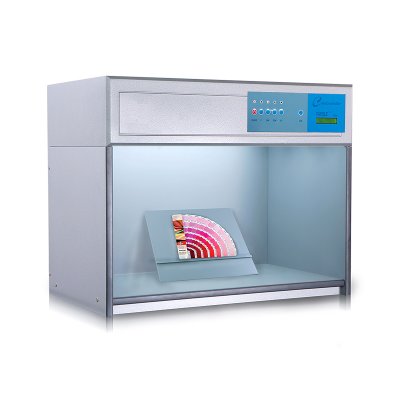
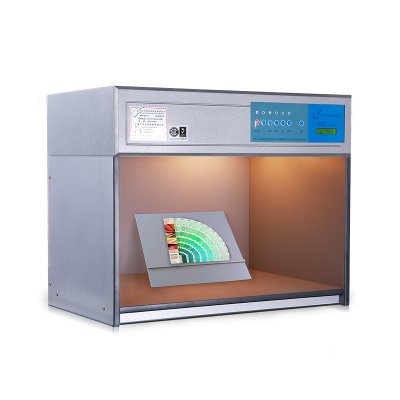
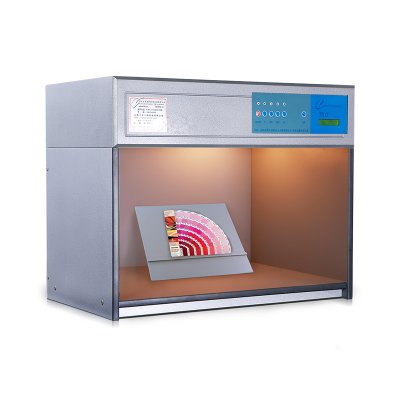
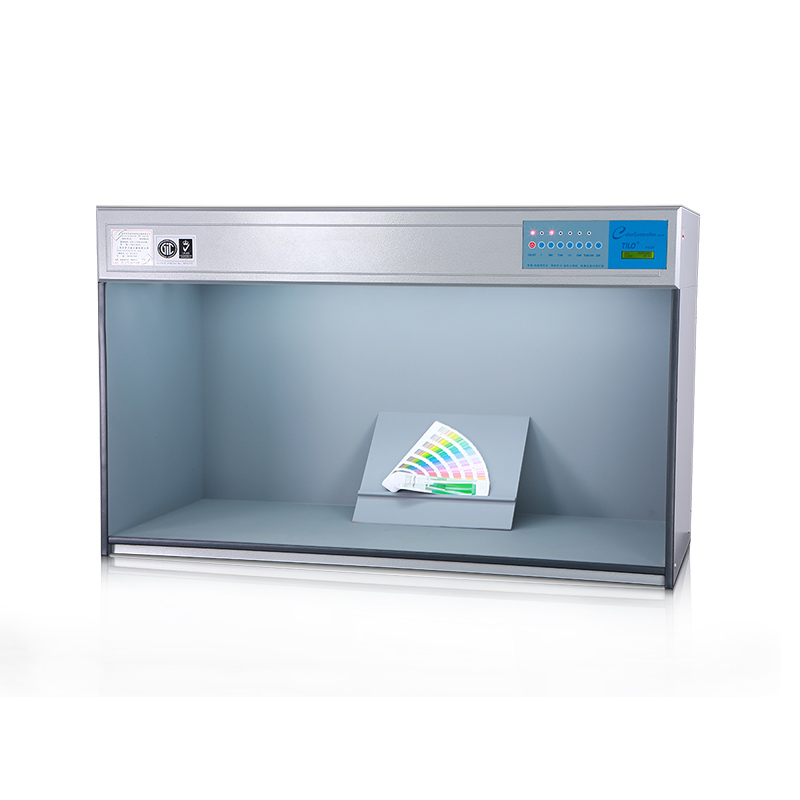
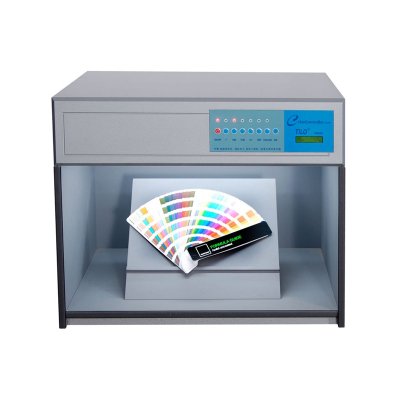
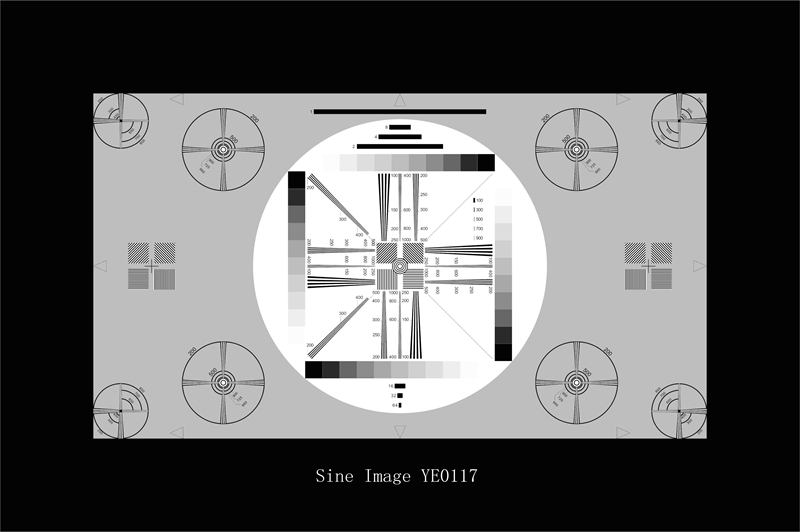
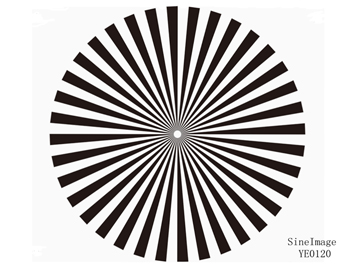
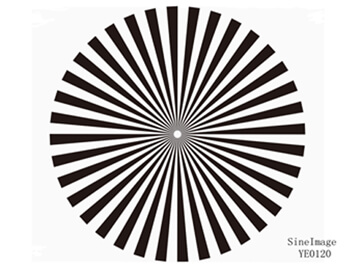
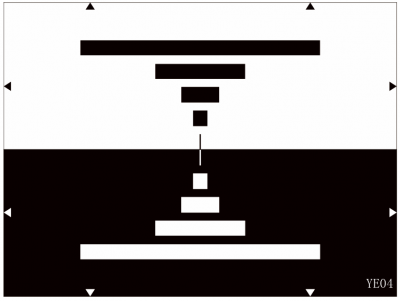
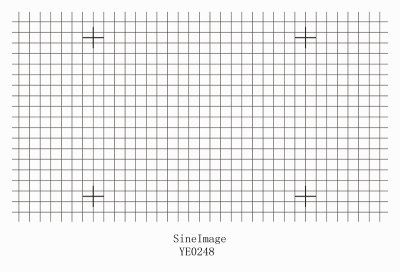
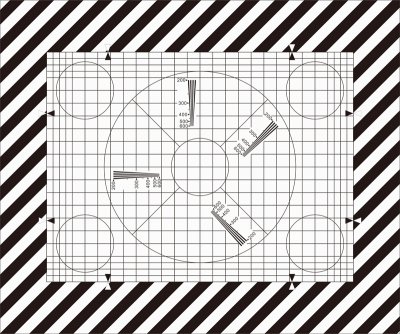
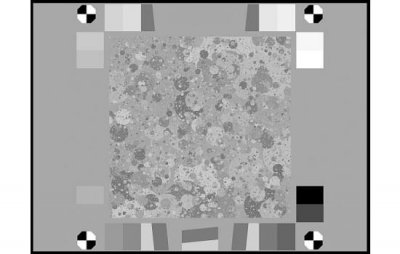
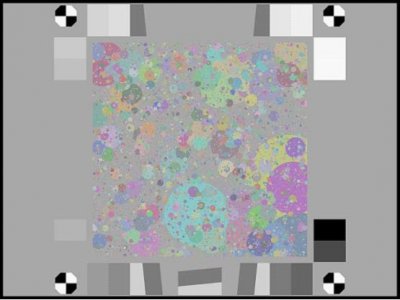
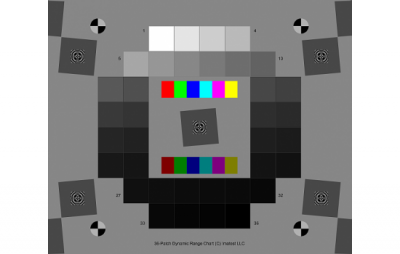
이미지 테스트 실험실 솔루션, Sine Image의 주문을 받아서 만들어진 이미지 테스트 실험실은 광각 테스트 라이트 박스, 고정 색 온도 테스트 라이트 박스 7 세트, 다양한 테스트 차트 (피부 색깔 테스트 차트, 해상도 테스트 차트, 왜곡 테스트 차트, 실제 장면 주관적 테스트 차트 등과 같이), 차트 홀더, 채우기 조명 및 기타 장비를 갖테스트 솔루션과 제품은 보안 모니터링, 자동차 이미징, 사진, 의료 이미징, 텔레비전 및 컴퓨터, 휴대 전화 및 드론과 같은 산업에서 이미지 품질 검사를 위해 널리 사용됩니다.
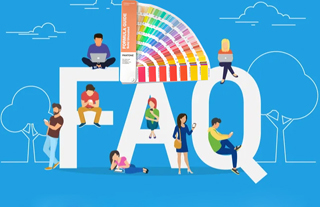
외관 및 색깔 측정 기기에 대한 자주 묻는 질문, 이 페이지에서 우리의 측정 기기 장비의 대부분에 관련된 몇 가지 자주 묻는 질문과 팁을 찾을 수 있습니다.Threenh의 제품에 대한 질문이 있습니까?
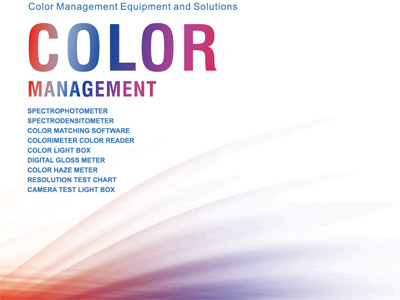
카탈로그, 브로셔, 플라이어, 인증서, 기술 정보 등;모든 문서 요구 사항은 색깔 분광광계를 잘 이해하기 위해 여기에서 다운로드하십시오, 광택 미터, 색깔 평가 장 제품, Threenh 기술은 연구 및 개발, 생산, 판매 및 기술 서비스에 전념하는 정밀 계기 회사입니다.
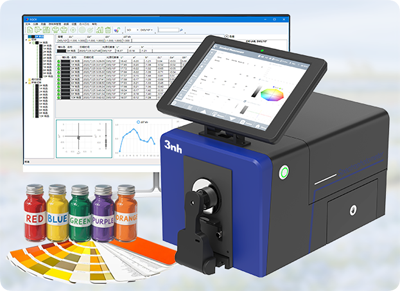
IQstest는 3nh의 SINE IMAGE 회사가 개발한 이미지 테스트 소프트웨어이며, 해상도 차트、ComprehensiveCharts、Dynamic Range Charts、Gray Step Charts、Distortion Charts、ColorChecker、White、Balance Charts、Fov Charts、Custom Charts를 지원하는 이미지 검사에서 많은 년의 경험이 있습니다.
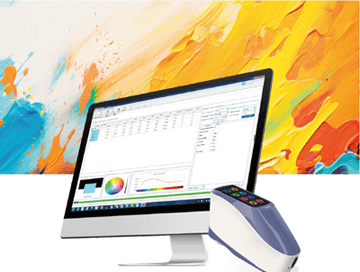
PeColor 색깔 일치하는 소프트웨어, 전반적인 색깔 솔루션에 초점을 맞추고, 분광 광도계 +PeColor는 색깔 일치를 너무 쉽게 만듭니다!
Threenh는 당신에게 품질 판매 후 서비스를 제공합니다.문제 해결, 수리 또는 유지 보수 계약이 필요합니까?우리 팀에 연락!3NH 보장 조건;광동 Threenh Technology Co., Ltd. (이하 "3NH")은 이 보증 정책 (이하 "3NH")의 조건에 따라 3NH (이하 "제품")이 제조한 제품을 구매한 고객 (이하 "고객")에게 제한된 기간의 보증 서비스를 제공합니다.
3nh 다양한 색상 품질 관리 소프트웨어 솔루션을 제공합니다.아래에는 일반적인 소프트웨어 프로그램과 관련 정보가 있습니다: 3nh 품질 관리 소프트웨어에 대한 소개가 있습니다.
귀하의 팀에 저렴한 고성능 코로로미터 및 분광광도계 장치를 제공하십시오.개인화된 ODM 디자인 및 서비스를 제공하는 고객의 요구에 따라, 고객이 브랜드의 경쟁 이점을 향상시키도록 도와줍니다.지금 당신의 악기를 자유롭게 사용자 정의!
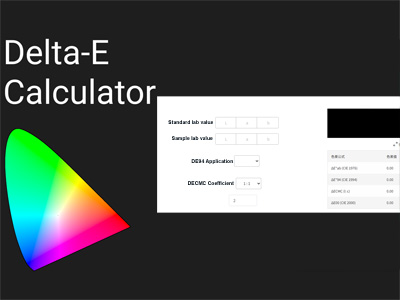
표준 색상과 샘플 색상의 CIE Lab 값을 변환하는 것을 포함합니다.이 도구는 이러한 값을 입력한 후 CIEDE2000 수식 (CIE 2000)에 숫자를 추가하여 올바른 색상 차이를 찾을 수 있습니다.
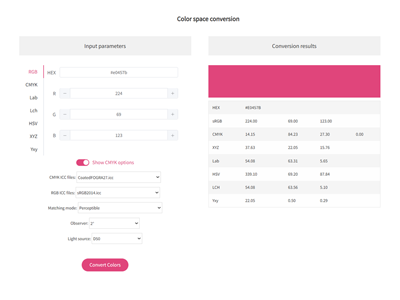
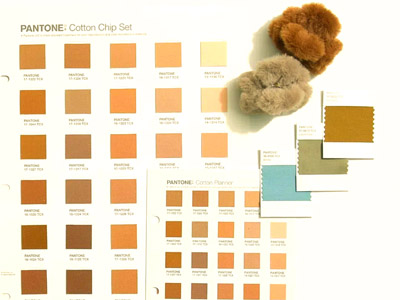
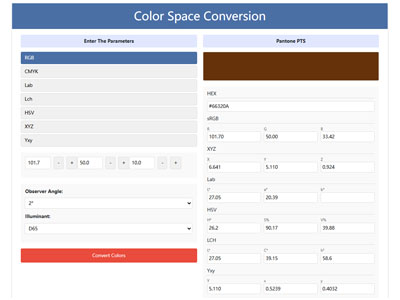
색상 변환기, RGB CMYK HEX Lab Lch HSV XYZ 원 클릭 변환, 전문 색상 공간 도구, 쉽게 RGB CMYK HEX Lab Lch HSV XYZ를 Pantone (PMS)로 변환 우리의 변환기로 간단한 정확한 변환 색상 공간 도구를 시도하십시오.
3NH 회사 뉴스 센터, 뉴스 및 이벤트, 흥미로운 개발, 우리의 뉴스 센터는 회사와 우리가 번영하는 산업 내에서 최신 사건과 개발의 역동적 인 허브로 역할합니다. 여기에서 혁신과 우수성을 지속적으로 추구하는 데 대한 독점적인 통찰력을 얻을 수 있습니다.색상 관리 리더 3NH 최신 뉴스
색상 관리의 리더로부터 최신 제품 뉴스, Threenh의 모든 최신 뉴스를 최신 정보로 유지하십시오!최신 혁신, 채용 발표, 새로운 제품, 보도자료 등을 발견하십시오.
threenh 기술의 최신 기술 뉴스 및 측정 제품을 발견하십시오.비즈니스를 위한 혁신적인 기술 솔루션이나 측정 기기를 지금 구매하십시오!당신이 무엇을 측정하고 싶어하든, 우리는 올바른 색깔 측정 도구를 찾을 수 있도록 기초를 만들었습니다.
세 가지 기술로 필수적인 기본 색상 지식을 얻으십시오.비즈니스 요구에 맞는 스마트 솔루션을 탐색하십시오.오늘 저희에게 연락!여기서 전 세계에서 다가오는 컬러 테크 및 스타트업 이벤트를 찾을 수 있습니다. Transmistance란 무엇인가
색깔 내성은 무엇입니까?
Metamerism 란 무엇입니까?
가드너 색깔
델타 E 란 무엇입니까?
3 주요 색깔
3NH 산업 뉴스 센터, 뉴스 및 이벤트, 흥미로운 개발, 우리의 뉴스 센터는 우리가 번영하는 산업 내의 최신 사건과 개발의 역동적인 허브로 역할합니다. 여기에서 혁신과 우수성을 지속적으로 추구하는 데 대한 독점적인 통찰력을 얻을 수 있습니다.색상 테스트 및 정확한 품질 관리 불명확한 응용 프로그램에 대한 이해를 향상
우리의 최신 제조 시설을 통해 가상 여행을 시작하십시오.우리의 생산 라인의 정밀성과 효율성을 목격하십시오. 그들은 우리의 고품질 장비와 기타 고급 제품을 생명으로 만들고 있습니다.
고객에게 측정 기기 제품 및 ODM 서비스의 완전한 범위를 제공함으로써 다양한 시장에 솔루션을 제공합니다.신중한 재료 소싱부터 정확한 조립 및 엄격한 품질 검사까지 모든 단계는 효율성, 일관성 및 국제 표준 준수를 보장하기 위해 신중하게 조직됩니다.
계정 이름: 광동 ThreeNH Technology Co., Ltd.
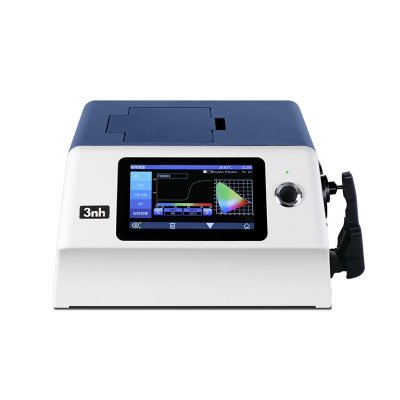
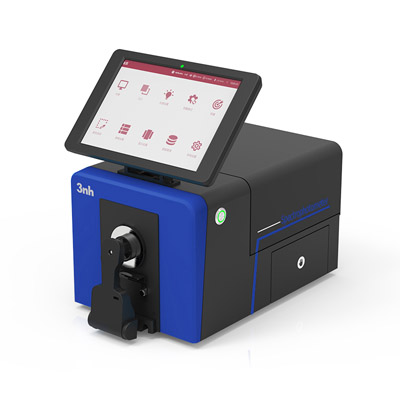
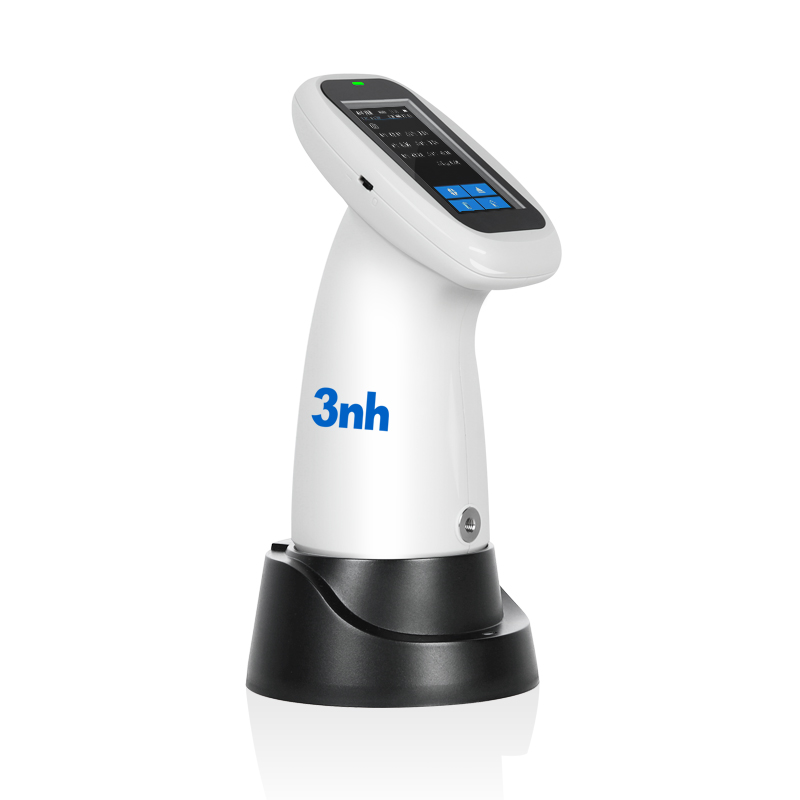
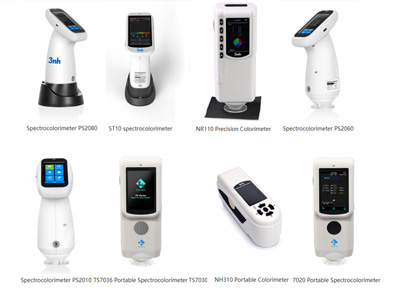
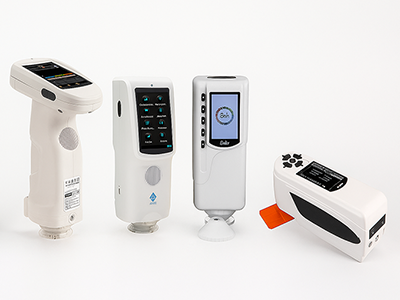
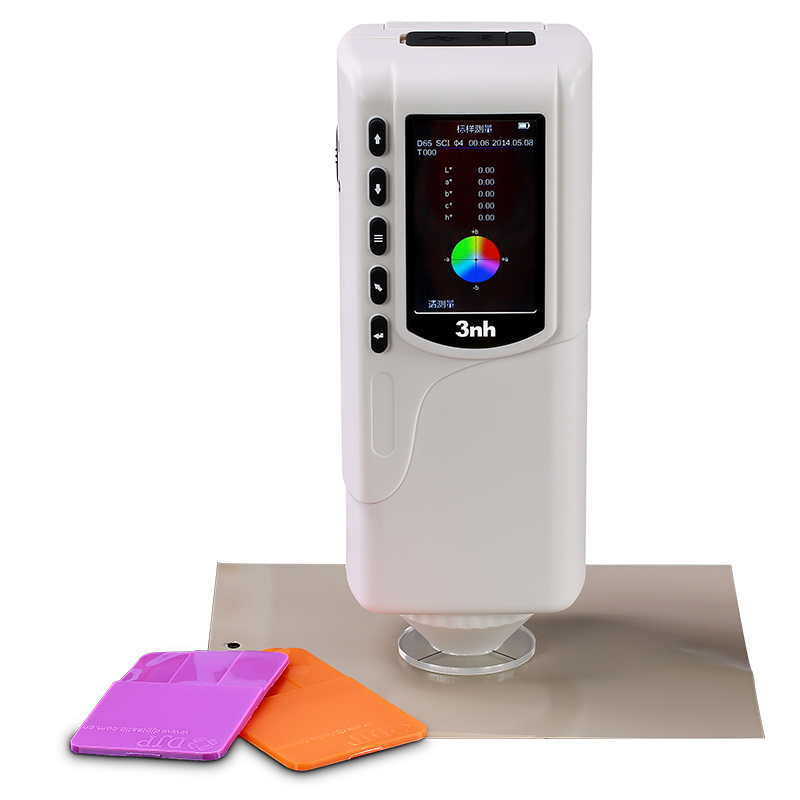
색상 측정 장치 제품 목록, 광범위한 색상 미터, 3NH 색상 측정 장치는 산업 전체에서 정확한 색상 탐지, 분석 및 품질 관리를 위해 설계된 고성능 도구입니다.고급 광학 센서와 지능형 데이터 처리 기술을 갖추고 있습니다.

3NH는 자동차, 직물 및 의류, 인쇄 및 종이, 플라스틱, 회화 및 코팅, 건설 재료, 화학 및 제약, 화장품, 식품 및 농업 산업에 국제 유통 네트워크를 적극적으로 확장하고 있습니다.우리는 기술적으로 능력이 있고, 헌신적이고, 장기적 성공을 함께 구축하고 싶은 성장 지향적인 파트너를 찾고 있습니다.
It is one of the most fundamental properties of how we perceive the world. And in art, science and technology, colors help our emotions, convey information and influence design decisions. At the heart of all colour science are the primary colours, the fundamental colours that we can mix together to make up most other colours that we see.

But what are primary colors, anyway? And what’s the difference between cyan, magenta and yellow vs. the blue, yellow and red we understood as children? And how does knowledge of color mixing help us in the real world, from printing to digital displays? Let’s take a closer look.
While the term primary colors are in common use, it’s actually a bit of a misnomer and the easiest way to think about primary colors is this: These are the basic colors that cannot be created through mixing other colors together but they can be mixed together to produce secondary and tertiary colors. “Their existence simply means that the visible spectrum is not just a continuous scale but it is made from ‘building blocks,’” he wrote in an email.
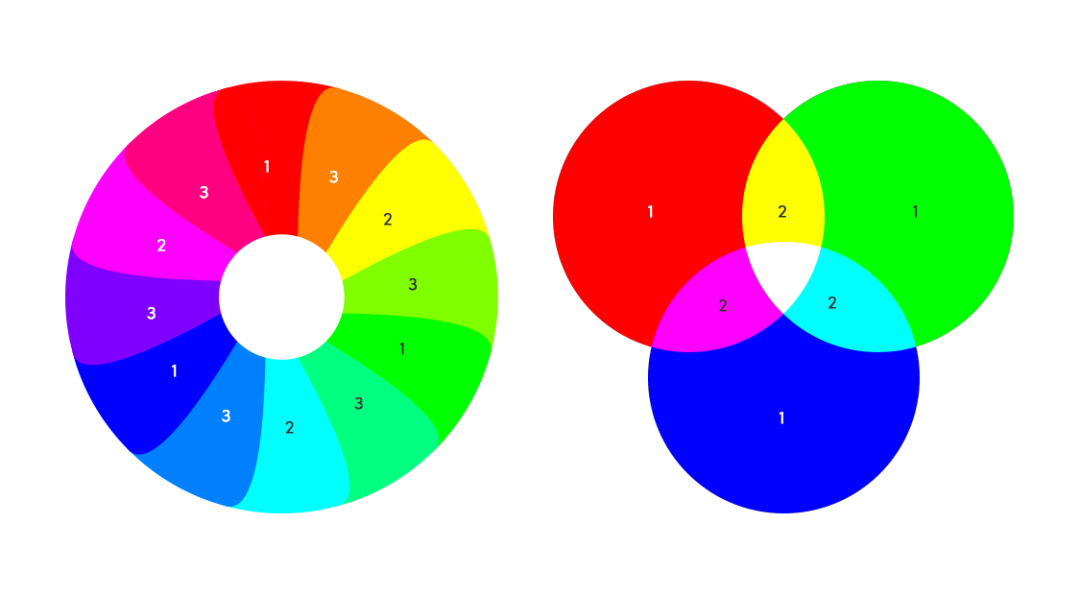
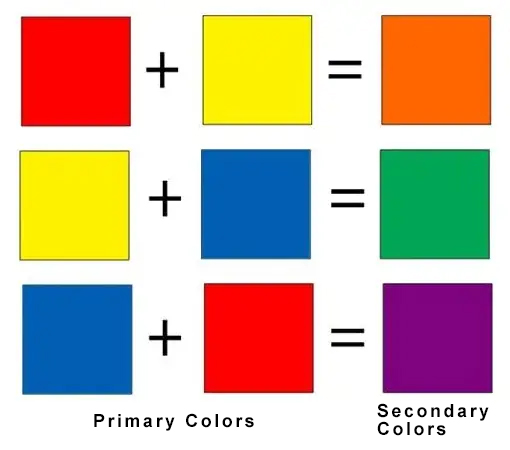
Many people have been taught conventional art primary colours as the set of blue, yellow, and red colour. For simple painting imagery this may be good enough, but it is inadequate to explain how light and pigments actually interact. Contemporary color theory distinguishes two sets of three primary colors:
● Additive primaries: red, green, blue (RGB) – used in light and computer screens.
● Subtractive primaries: Cyan, magenta, yellow (CMY) — pigments, printing and paints.
These two systems have different functions, depending on whether we are dealing with emitted light or reflected light. Their classification reveals how profound the science of color actually is.
Speaking of three primary colors, why do some people say red, yellow and blue and others’ swears by magenta cyan yellow? The answer lies in application.
● Printing and Pigmentary-based media use the subtractive color model. The primary subtractive colors are cyan, magenta and yellow; the secondary subtractive colors are red, green and blue. When mixed up in equal proportions, they are supposed to suck in all the light, and leave black. That’s why printers go one step further and include black (K), resulting in the CMYK cyan magenta yellow black system.
● In light based systems such as computer monitors, projectors and televisions, the model is an additive one. Red, green, and blue are the primaries here. The intersections produce the secondary colors — cyan, magenta and yellow — and when all three of these secondary colors overlap they create white.

The issue of additive color versus subtractive color is critical – one involves mixing light, the other pigments.
Color goes beyond the name of a color; it includes measurable properties. In the science of color, there are three features to study:
● Hue – the color itself (red, green, blue etc).
● Saturation – brightness or purity of the color.
● Value (or the hue) – how light or dark the color is.
In a color mix, this characteristics move around when the subtractive or additive model is employed. This is why cyan + magenta make a strong blue in printing but don’t if you mix those same hues of light.
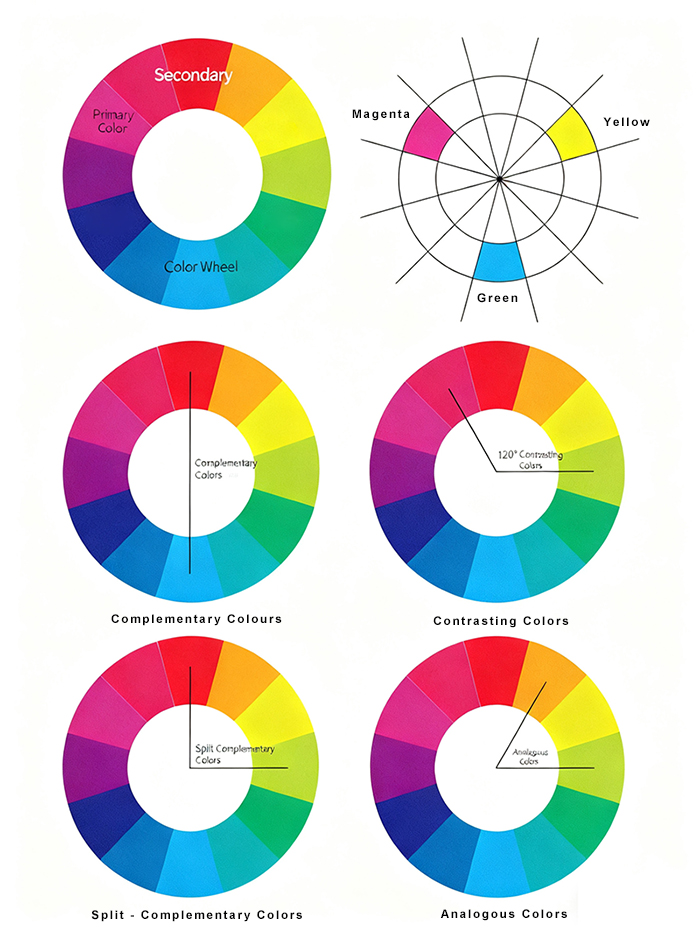
Color doesn’t just depend on science; it depends on perception. As human beings, we automatically react to contrast and harmony. So-called complementary colors— red and cyan, green and magenta, yellow and blue — have strong contrast when placed next to each other. This is exactly why text on the opposite color seems sharper.
Instead, harmony arises from analogous colors (those beside each other on the color wheel). Designers and artists find a compromise between contrasts and harmony in order to design visuals that are pretty, but still work.

Color mixing on the additive color wheel occurs by adding light. So, the three colors of light are red, green and blue. At varying intensities, mixing them creates every other color on a screen. For example:
● Red + Green = Yellow
● Red + Blue = Magenta
● Green + Blue = Cyan
● Red + Green + Blue = White
This is the principle behind everything from smartphone displays to big stadium screens.
With the subtractive color model, it is absorption of light rather than emission which occurs. This is why mixing paints is a different experience than mixing digital colors. The way the subtraction is made is as follows:
● Cyan + Magenta = Blue
● Magenta + Yellow = Red
● Yellow + Cyan = Green
Cyan + Magenta + Yellow = "Should be black" (but in practice is a pretty ugly dark brown, which is why printers also use black ink).
And that prompts a popular question: how to make black?
Black is the absence of light, but in pigment it is made by mixing all the colors that soak up most lights. In theory:
● What two colors make black? Cyan and red, or green and magenta in a mixture can get close to black.
● What is the method of making black colour in painting? You can mix all three primaries—cyan, magenta, and yellow—which according to many artists tends to produce a dull, muddying color.
● In printing, the answer is the CMYK mixer, which includes its own black ink for depth and clarity.
This is the reason why when we look up how to make color black with paint, guides would always tell you that it will vary whether there are primaries involved or if you’re dealing with complements. For instance, purple and green produce a darker; nearly neutral hue. So, what does purple and green make? They are usually brown or near-black, depending on the pigments.
However, with light it is not possible to "make" black because light is additive. Black is not a color, it has no projected light.
Knowing your primary colors comes in handy not just as a concept. It has direct applications in:
● Printing: Subtractive and CMYK process accurately reproduces images.
● Digital displays: The additive RGB system enables the full range of colors to be achieved on a screen.
● Art and design: Understanding of color wheel and color combinations enables artists to create depth, balance, and harmony.
● Teaching: Teaching students the distinction between primary colors of light and pigment helps to clear up confusion in their understanding of "red-yellow-blue" vs. "magenta-cyan-yellow."
And it can be used to answer much simpler questions like what colors make black or how to make the color black in real life.
“Primary colors” might sound like a grade-school art lesson, but they’re also the foundation for today’s color science. Once we understand the distinction between additive versus subtractive systems and that cyan magenta yellow must be seen as real subtractions primaries, I think colors are much better understood.
Whether we’re wondering how do you make black paint, learning about purple and green or trying to figure out what is the difference between additive color and subtractive color, physics of color provides us with reliable answers.
노란색 지수를 분석함으로써 회사는 불일관성을 피하고 제품의 외관 및 신뢰성을 향상시킵니다.노란색 지수와 측정에 대한 더 깊은 통찰력을 얻기 위해 노란색 지수는 제품의 품질 결정에 도움이 됩니다.
정확한 색상을 얻으려면 인쇄 버튼을 누르는 것보다 더 많습니다.다음은 모든 디자이너, 프린터 또는 비즈니스 소유자가 준수해야하는 인쇄에서 정확한 색상 일치를 위한 9 단계입니다.
품질 관리를 강화하고 브랜드에 대한 부정확한 색상을 방지하기 위해 사용할 수 있는 9 가지 중요한 전략이 있습니다.
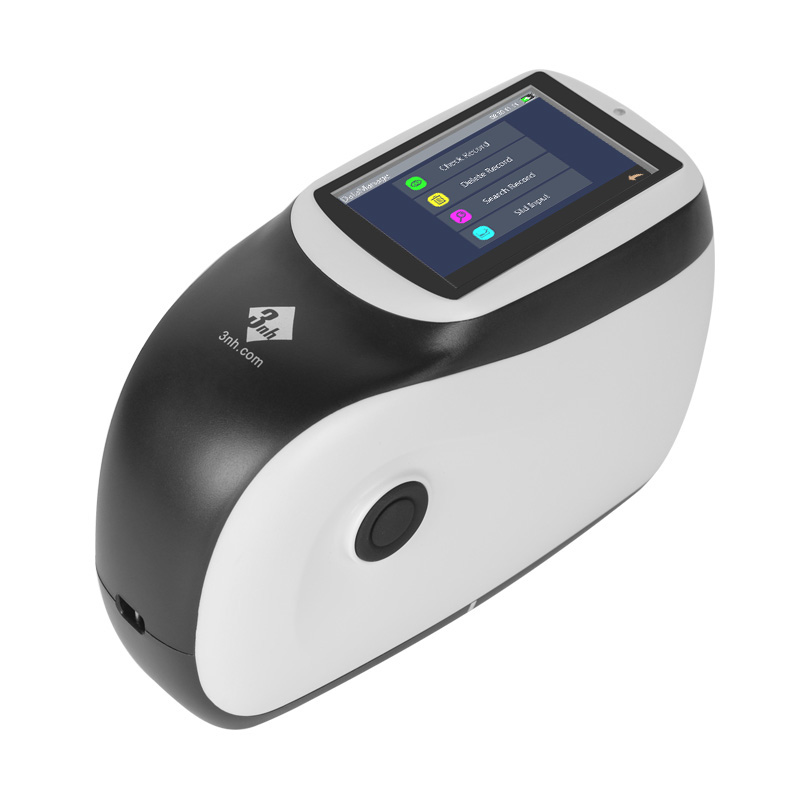
색상은 디자인, 인쇄 및 전자 매체에서 매우 효과적입니다.프린터와 디자이너뿐만 아니라 브랜드 관리자는 모두 wil....
최고의 관행과 적절한 사용 기술을 따라야 합니다.색상계를 사용할 때 결과의 정확성을 높이기 위해 7가지 팁을 제공합니다.
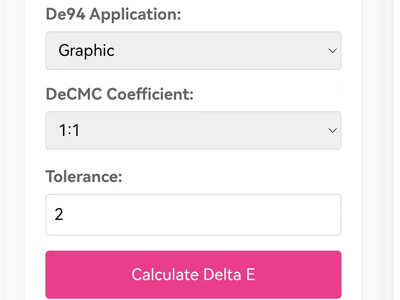
전문가들은 보통 두 가지 색상의 유사성/비슷성을 비교하는 객관적인 방법이 필요합니다.우리의 델타 E 계산기 도구가 도움이 될 때입니다.CIE 실험실 색상 공간을 기반으로 한 색상 차이는 이 도구로 쉽고 정확하며 계산하기 편리합니다.
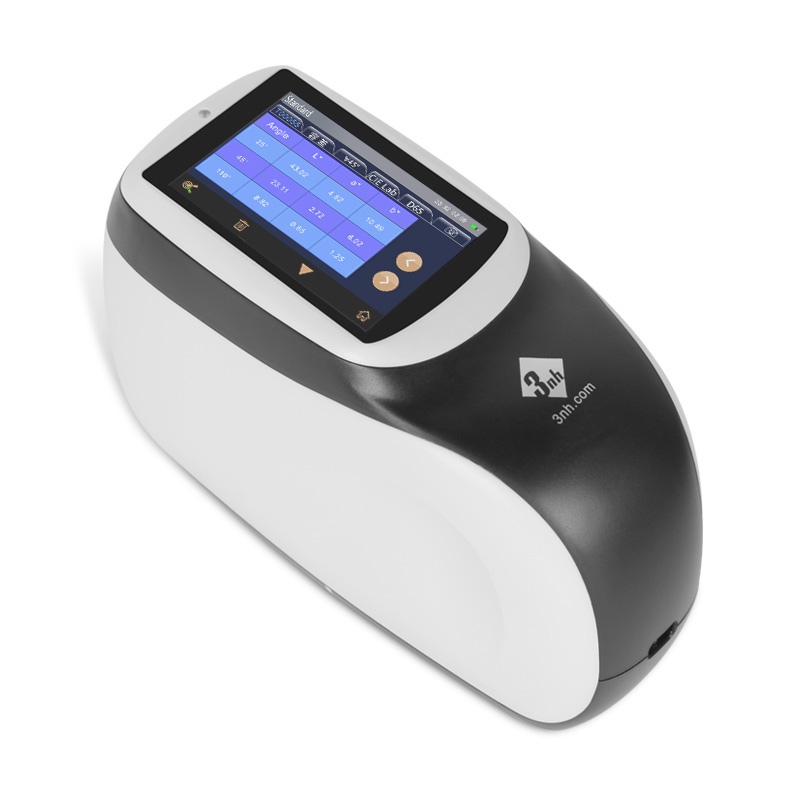
이 가이드에서는 색 분광광계의 기본 매개 변수와 사양에 집중하여 데이터를 측정, 분석 및 보고하는 데 사용되는 알고리즘에 대한 통찰력을 제공합니다.분광광계는 객관적인 색상 데이터를 측정하고 분석하는 데 매우 중요합니다.
메타메리즘은 무엇인가, 어디서 발생하고, 다양한 산업에 미치는 영향, 그리고 어떻게 감지, 통제 및 수정할 수 있습니다.
빛은 우리가 세상을 보고 상호 작용하는 방식을 통제하는 가장 기본적인 힘 중 하나입니다.선글라스의 렌즈 위에 선선선글라스의 렌즈 렌즈 위에 선선선안경의 렌즈 렌즈 위에 선글라스의 렌즈 렌즈 위에
우리의 제품 전문가와 프로젝트를 토론하십시오:
0086 755 26508999우리는 1 영업일 이내에 견적 요청에 응답합니다.
service@3nh.com관심이 있는 제품에 대한 데모 요청을 제출하십시오.

데모 받기