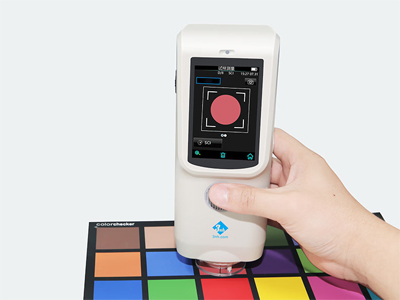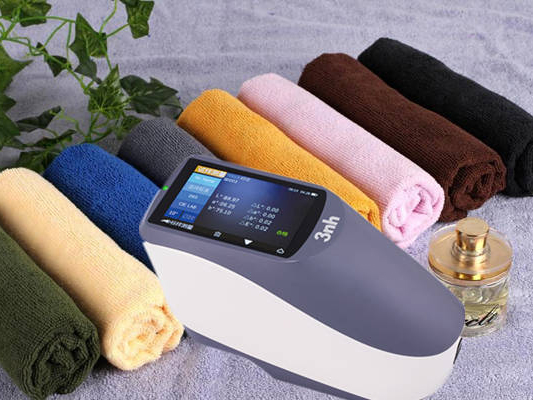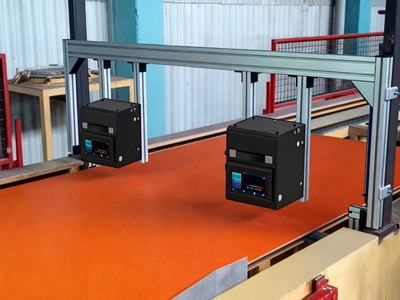
Measurement tools are very important in industries where precision and consistency are important. Whether it is color measurement in a manufacturing process or spectrophotometry in a laboratory, instruments should provide the same results consistently. Nevertheless, when various instruments measure the same sample, they are not always calibrated with the same reading. This is where the inter-instrument agreement concept comes in.

This blog will describe what inter-instrument agreement is, why it is important, the difference between inter-instrument and inter-model agreement, and what can be done to enhance it. At the end, you will realize the reason why manufacturers and researchers are expected to be very keen on this subject matter.
Inter-instrument agreement is the degree to which two instruments measure an identical sample under the same conditions. Considering an example, two spectrophotometers must be measuring the color of a piece of plastic, and the results of the measurements must be equal. However, in practice, there are usually slight differences caused by differences in the hardware, calibration, light sources, detectors, and optical setups.
The agreement is essential in industries where color accuracy and consistency affect the quality, satisfaction of customers, and regulation of products. Poor inter-instrument agreement implies that a product batch may be accepted by one machine but be rejected by another, which will lead to unwarranted delays and misunderstandings.
The inter-instrument agreement guarantees that one can get a reliable result no matter which instrument is applied to a device network. In its absence, the manufacturing processes and quality control systems around the globe are at stake.
To conceptualize inter-instrument agreement, we will take a practical case. Consider a manufacturing firm dealing with textiles that has several plants in various nations. All sites have spectrophotometers that are used to verify the colors of fabrics before shipment. When these instruments do not correspond, one facility may regard a color as being acceptable, whereas the other may regard it as an off-standard color.
This conflict might lead to customer complaints, order rejections, or expensive rework. That is the reason why companies insist on such tight inter-instrument agreement in purchasing measurement devices. To make sure that devices can perform acceptably, manufacturers may specify a tolerance level, like a color difference (ΔE) less than a specific value.
The aim is to minimize variability such that all instruments, irrespective of their model or location, produce uniform results that are in line with customer expectations.
Whereas inter-instrument agreement concentrates on the consistency between units of the same model. On the other hand, inter-model agreement deals with the consistency between instruments of different models or generations.
As an example, spectrophotometers with the same brand and model should generally be in close agreement. This is an inter-instrument agreement. Conversely, an inter-model agreement compares readings concerning an older model to a more upgraded version.
Inter-model agreement may be harder to maintain as technological change usually impacts data capture and processing. HunterLab states that optical design, sensor technology, and data algorithms may vary in ways that are measurable. That is why companies that upgrade instruments should pay much attention to the transition to guarantee compatibility with the current measurement standards.
These two agreements are significant. Inter-instrument agreement provides consistency between a line of production daily, whereas inter-model agreement provides consistency over the long run as technology advances.
Here’s a simple comparison table you can use:
Aspect | Inter-Instrument Agreement | Inter-Model Agreement |
Definition | Consistency between different units of the same instrument model. | Consistency between instruments of different models or generations. |
Focus | Ensures identical readings across multiple devices of the same type. | Ensures compatibility when upgrading or switching to newer models. |
Difficulty Level | Easier to achieve with proper calibration and maintenance. | Harder to achieve due to design and technology differences. |
Use Case | Day-to-day consistency in production or quality control. | Long-term consistency during technology updates or cross-model comparisons. |
Example | Two spectrophotometers of the same model show near-identical results. | Comparing an older model with its newer upgraded version. |
You may ask yourself what is so big about differences in readings. The fact of the matter is that, in most sectors, even insignificant deviations can make a significant difference. The following are some of the reasons why inter-instrument agreement is important:
1. Quality Control: It is important in quality control because consistent measurements support product quality and minimize rejects.
2. Customer Satisfaction: When the color or measurement consistency is assured, your customer satisfaction will be enhanced.
3. Global Production: Inter-instrument agreement is important for the global F to produce uniform output in all locations to normalize production.
4. Cost Savings: It can be a cost-saving option because it controls disputes, reworks, and returns, conserves time, money, and resources.
5. Regulatory Compliance: Some industries, such as pharmaceuticals and food production, require strict adherence to measurement standards. An inter-instrument measurement agreement provides the same.
Let’s consider a solid example: Where a supplier of automotive parts provides seat fabrics to a car company. If fabrics appear a little different when switching from one spectrophotometer to another, it may postpone production and damage the image of the supplier.
Any inter-instrument error is crucial to developing trust in the data in measurements. Which in turn is essential to decision-making and operational efficiency.
It is not impossible to reach perfect inter-instrument agreement. A number of measures can be taken to reduce the variation of this factor and increase consistency.
Calibration is used to match the instruments to known reference standards. Through certified calibration tiles or references, companies can validate their devices to be precise and in line with industry standards.
The use of physical standards, e.g., reference color tiles, assists in the checking of the performance of more than one instrument. This measure helps to make sure that samples are always being read by the devices.
Variability due to dust, wear, or misalignment may be minimized by regular cleaning, correct storage, and regular servicing.
Results can be influenced by temperature, humidity, and light. Stability of measurement conditions guarantees repeatability and enhanced inter-instrument agreement.
The current spectrophotometers usually have the software that assists in aligning the readings of the instruments. Differences can also be reduced by data correction algorithms.
The models whose inter-instrument agreement specifications are tight should be selected when buying new instruments. Manufacturers like 3NH put these values in the product documentation.
Variation in measurements is contributed to by human error. The process of training the staff about the right procedures will result in more uniform use of instruments.
The procedure of determining inter-instrument agreement is to measure an identical set of samples using different instruments and comparing the results.
One way is to measure a collection of normal samples and obtain the color difference (ΔE) values. Within an acceptable tolerance of the differences, the instruments are said to agree.
Industries often specify agreement levels such as ΔE ≤ 0.2 or ΔE ≤ 0.3. This would depend on product requirements. The lower the ΔE value, the better the agreement.
Regular inter-instrument agreement testing should be performed to ensure that their devices are properly calibrated. Recalibration or servicing is required when the difference becomes intolerable.
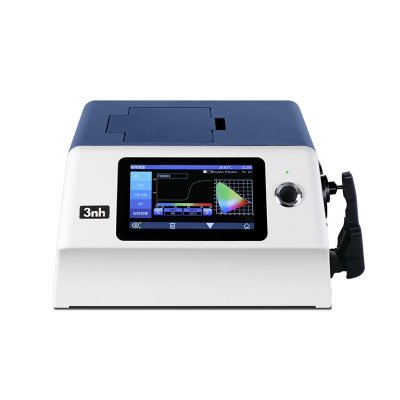
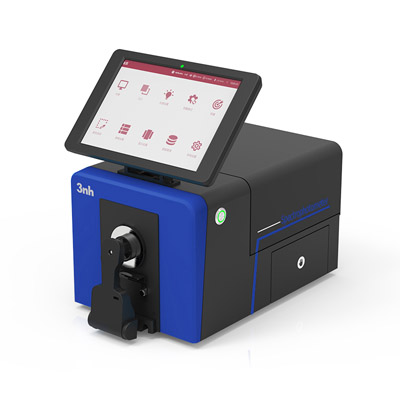
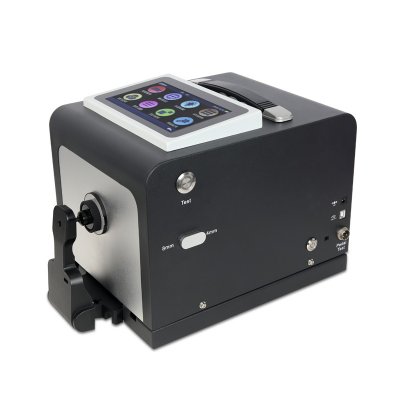
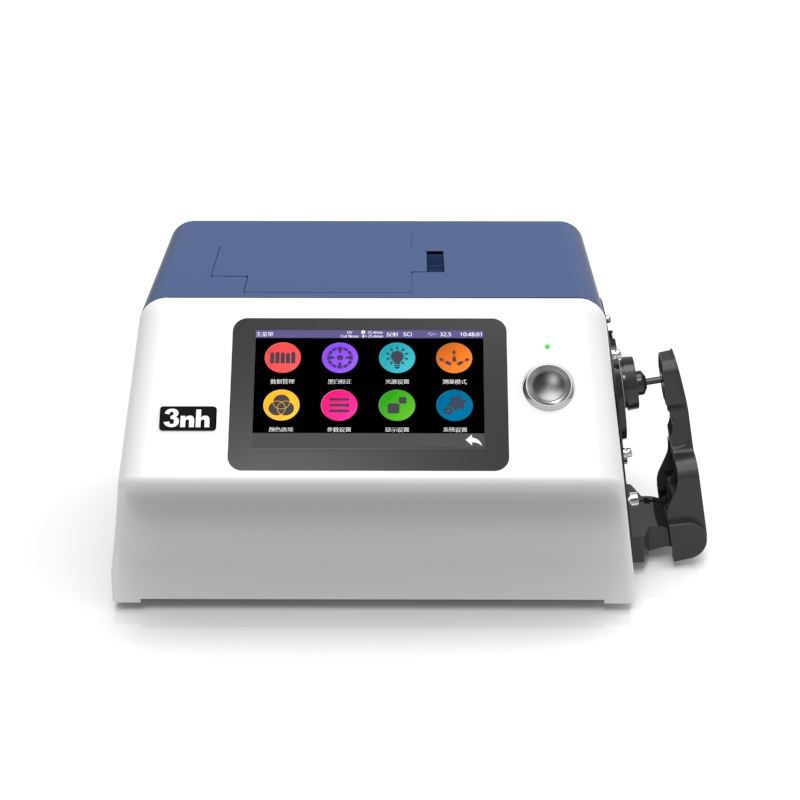
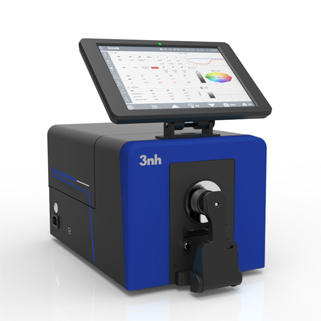
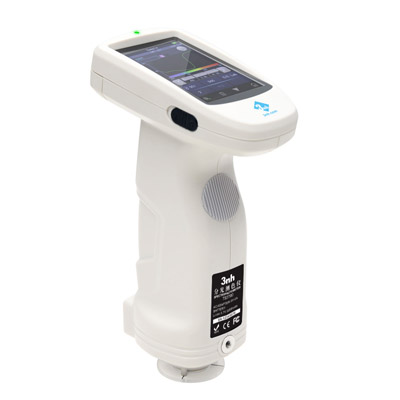
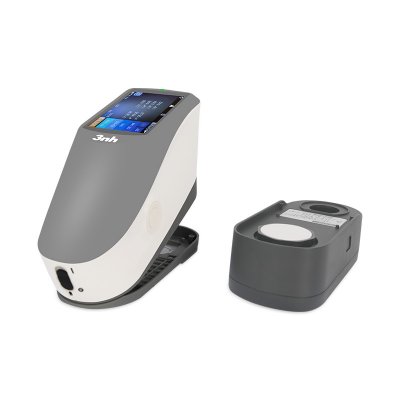
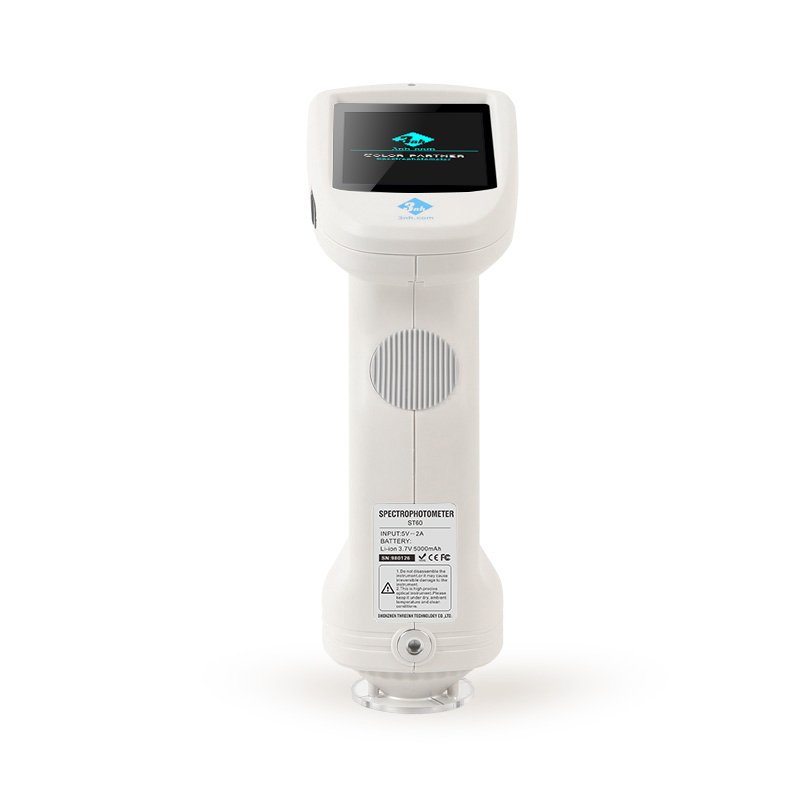
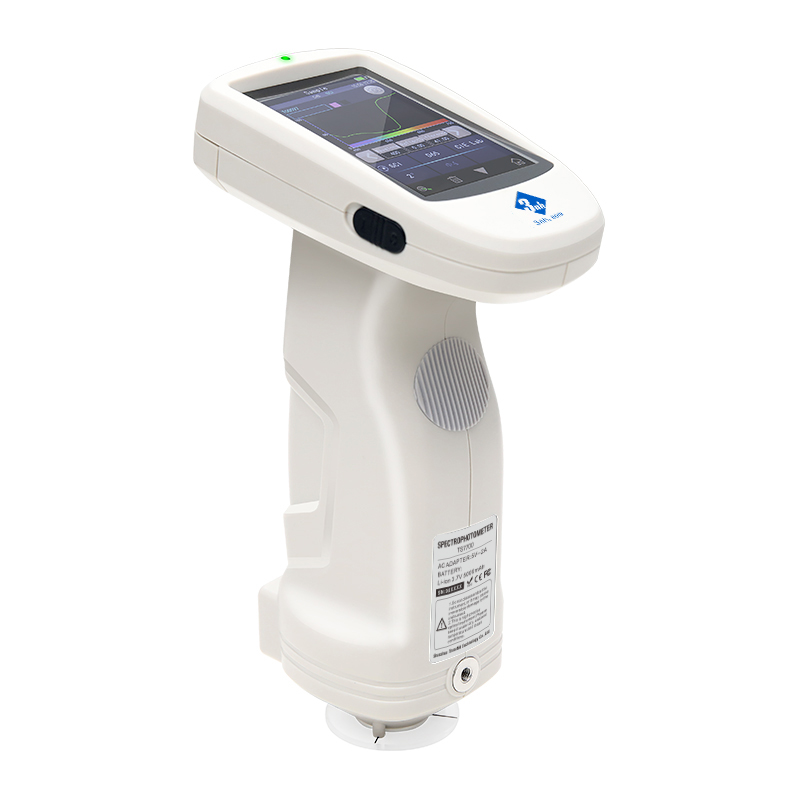
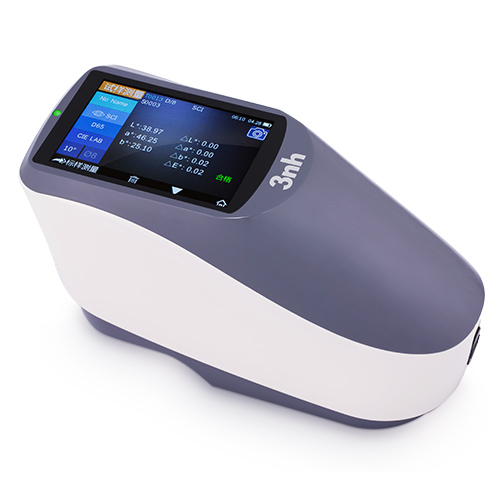
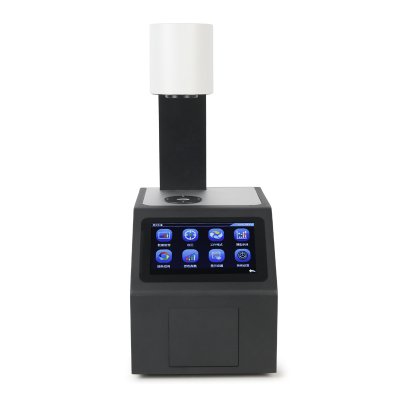
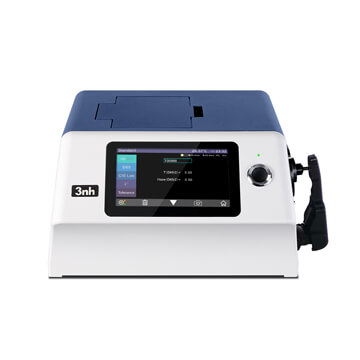
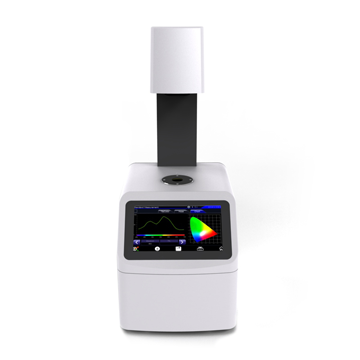
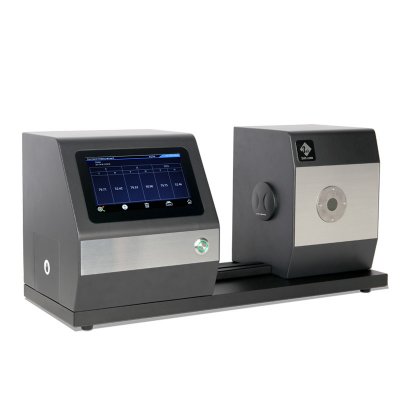
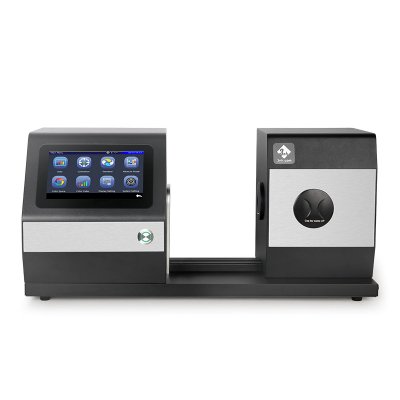
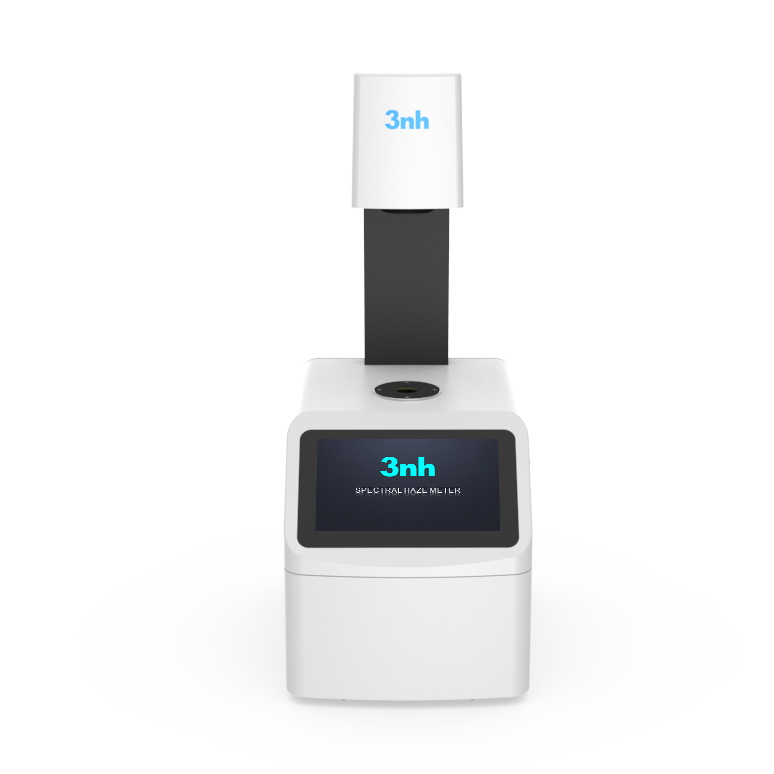
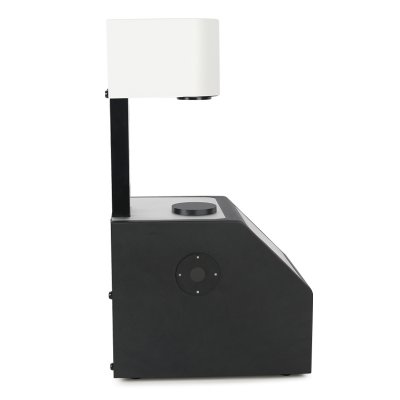
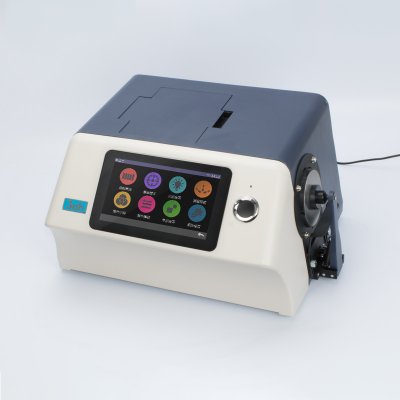
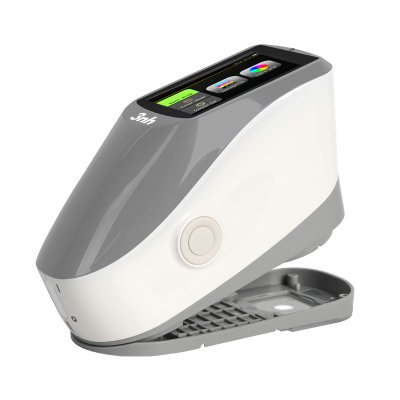
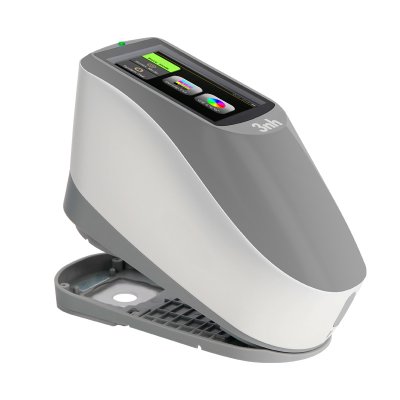
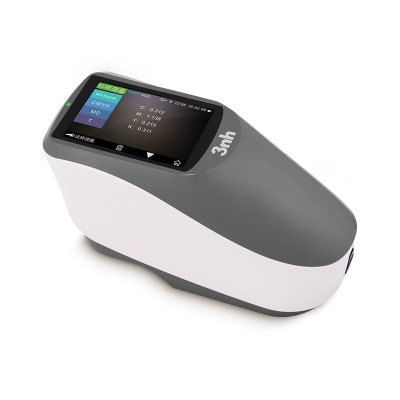
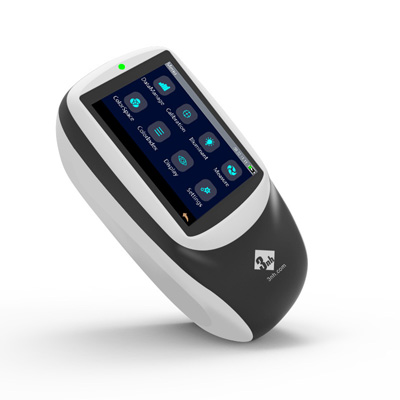
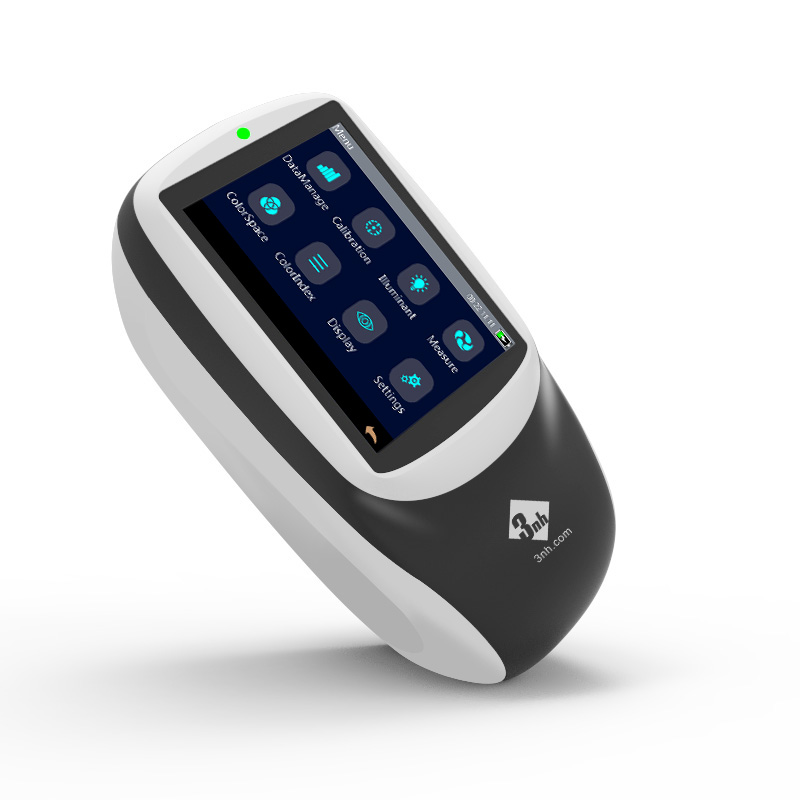
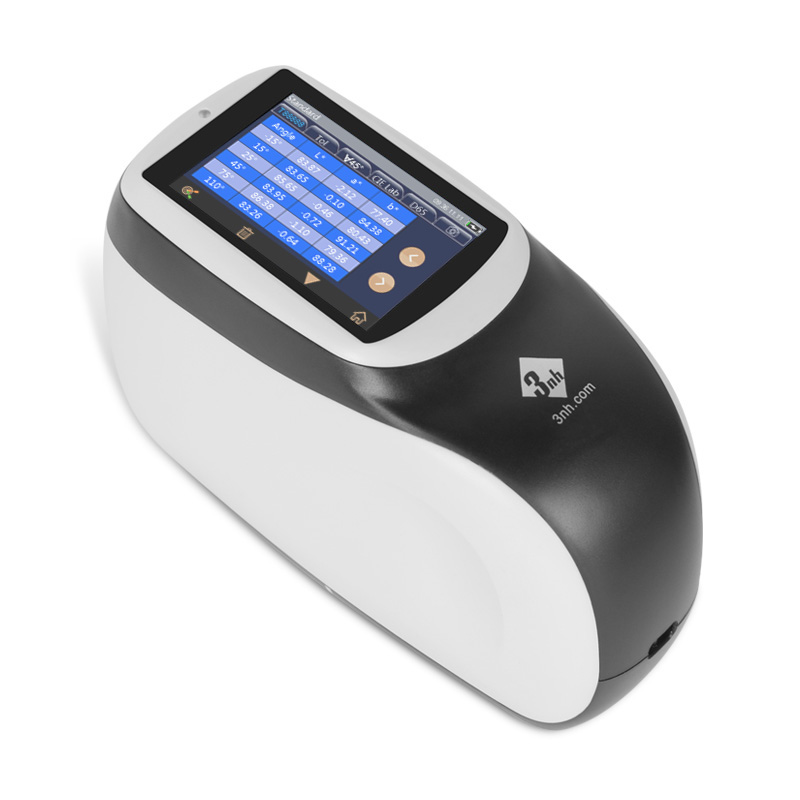
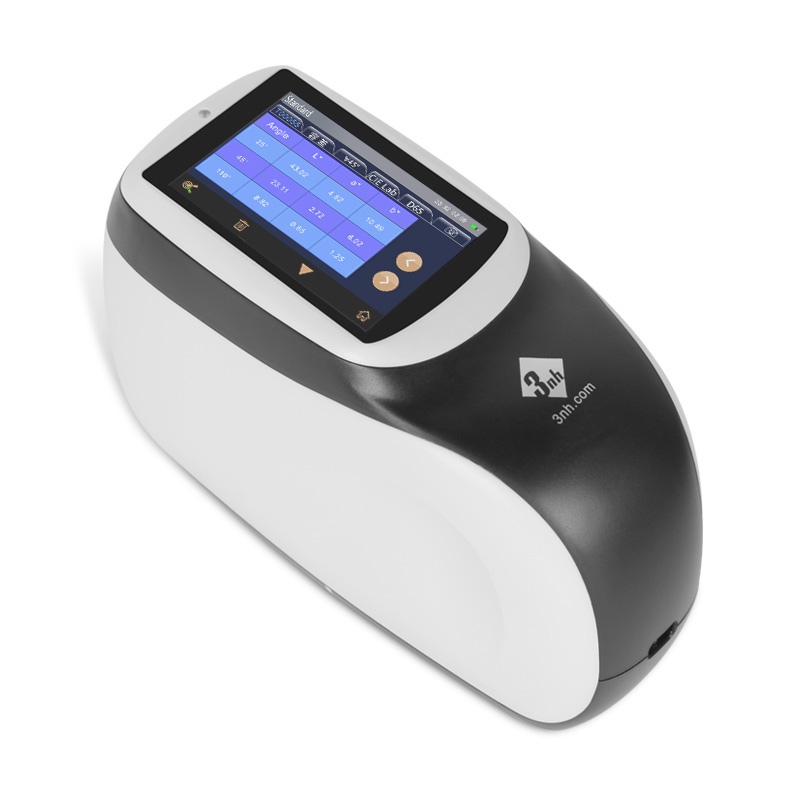
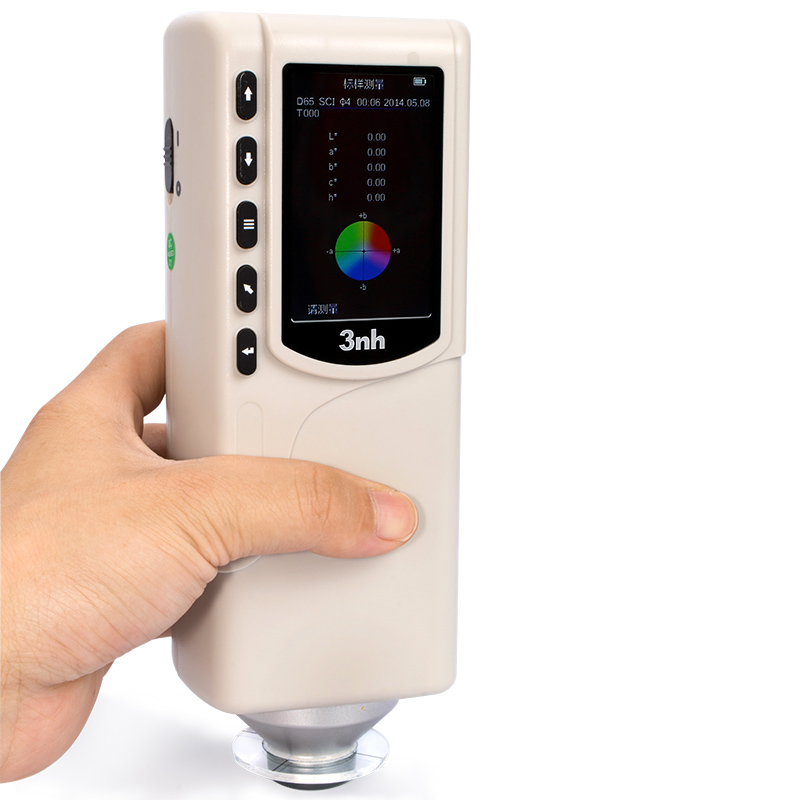
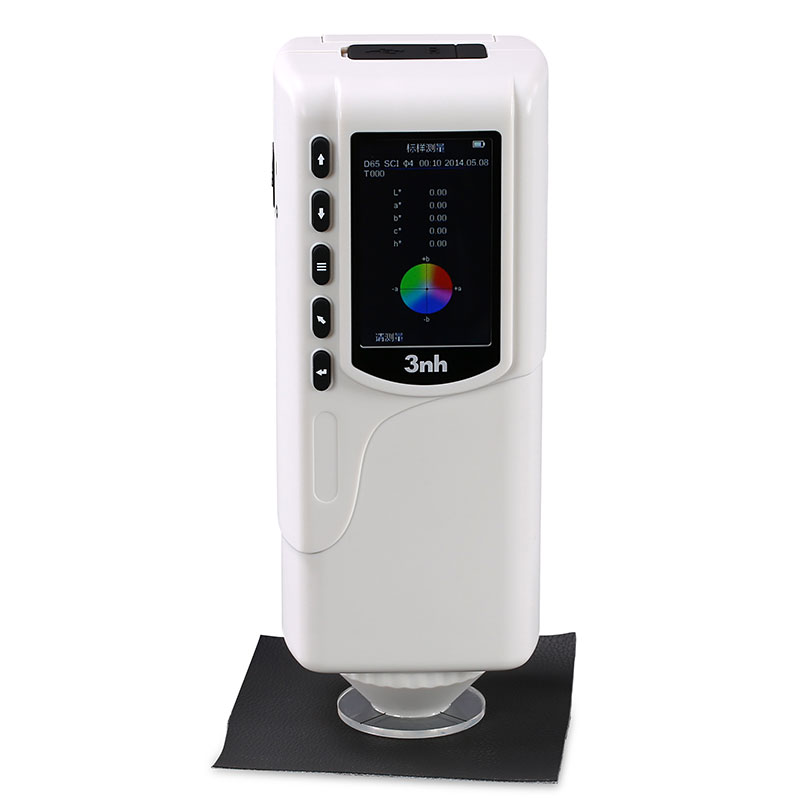
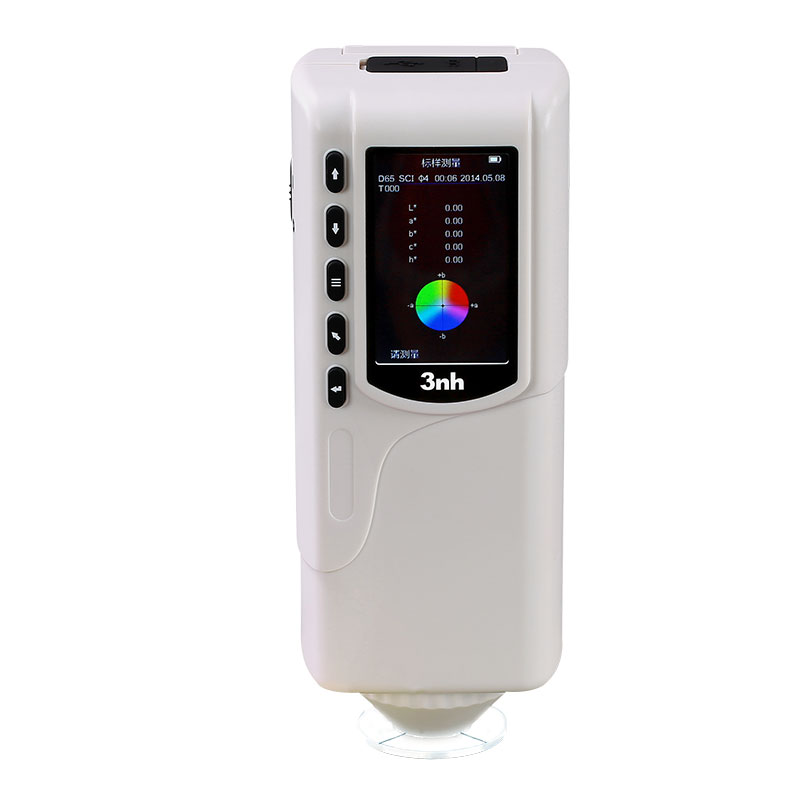
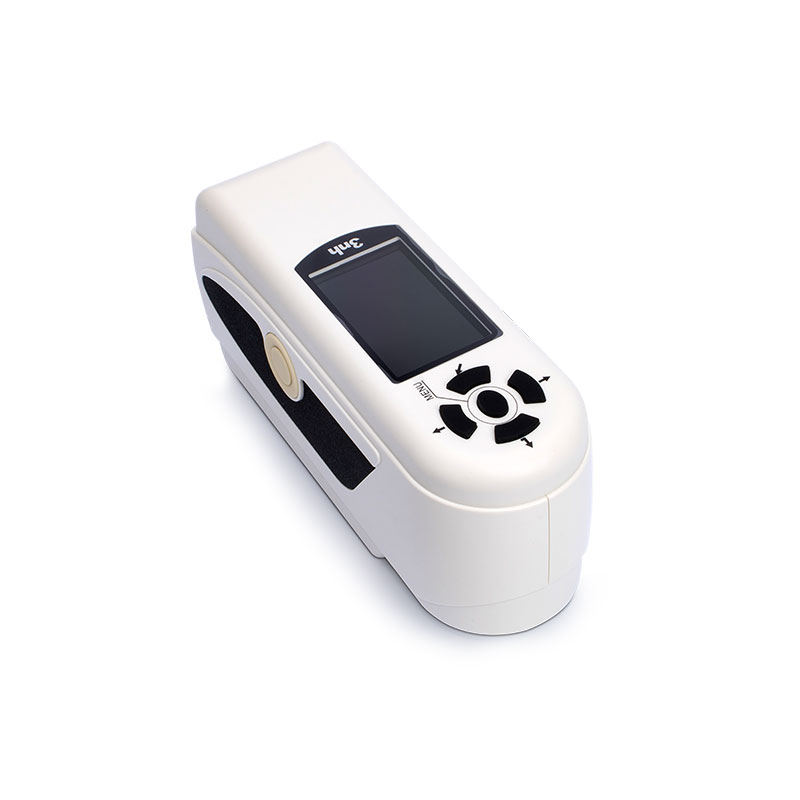
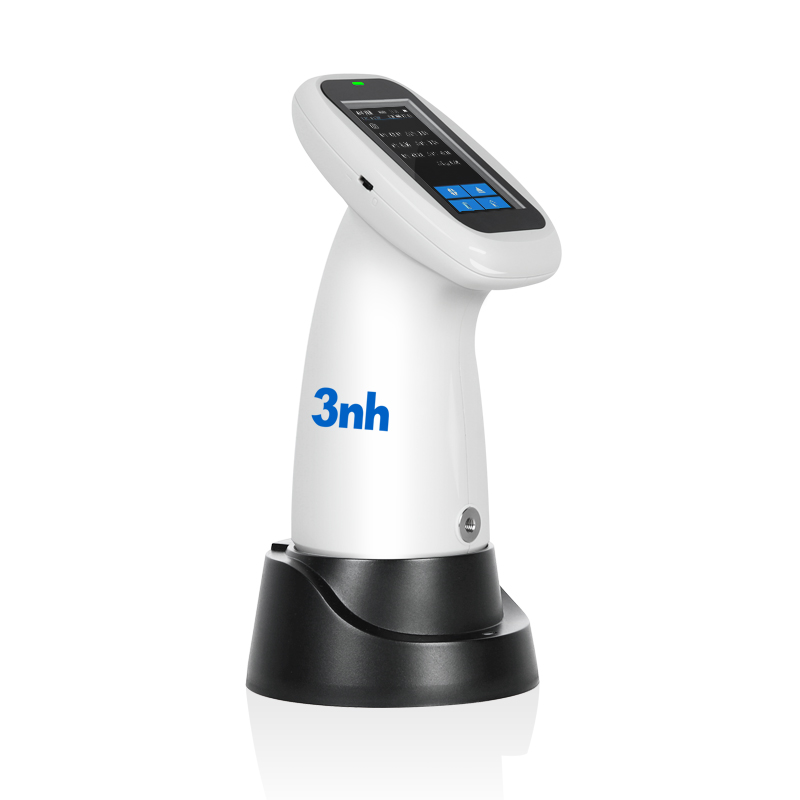
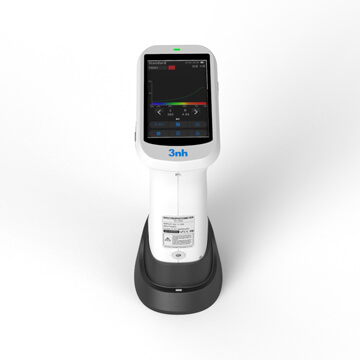
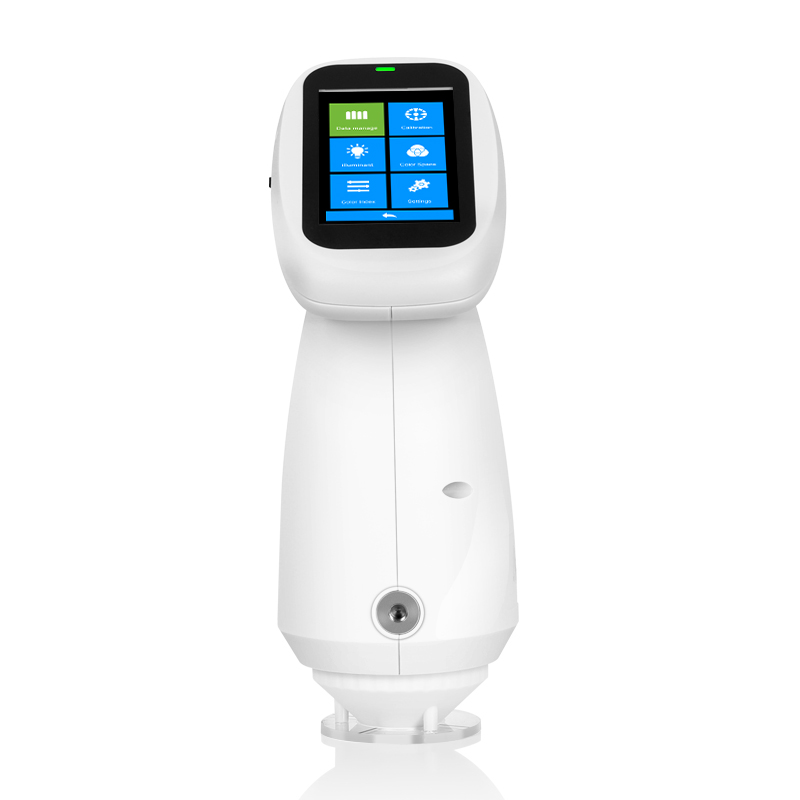
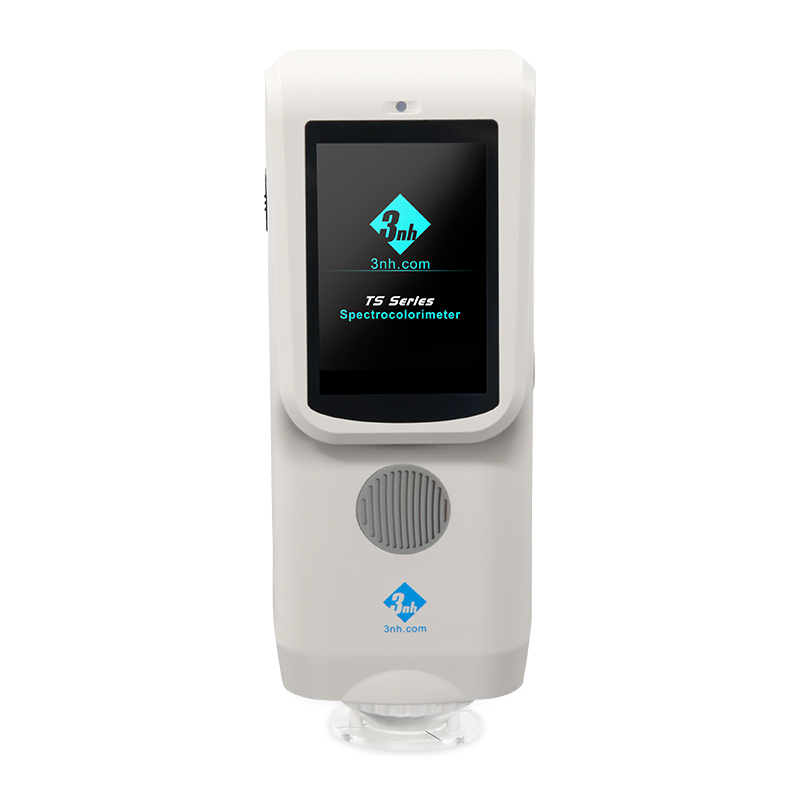
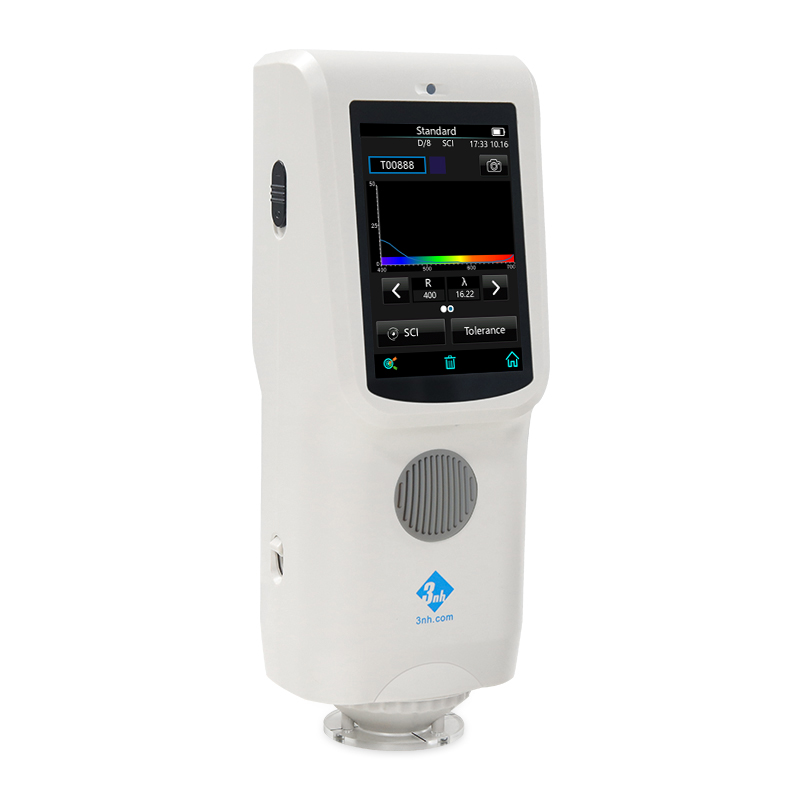
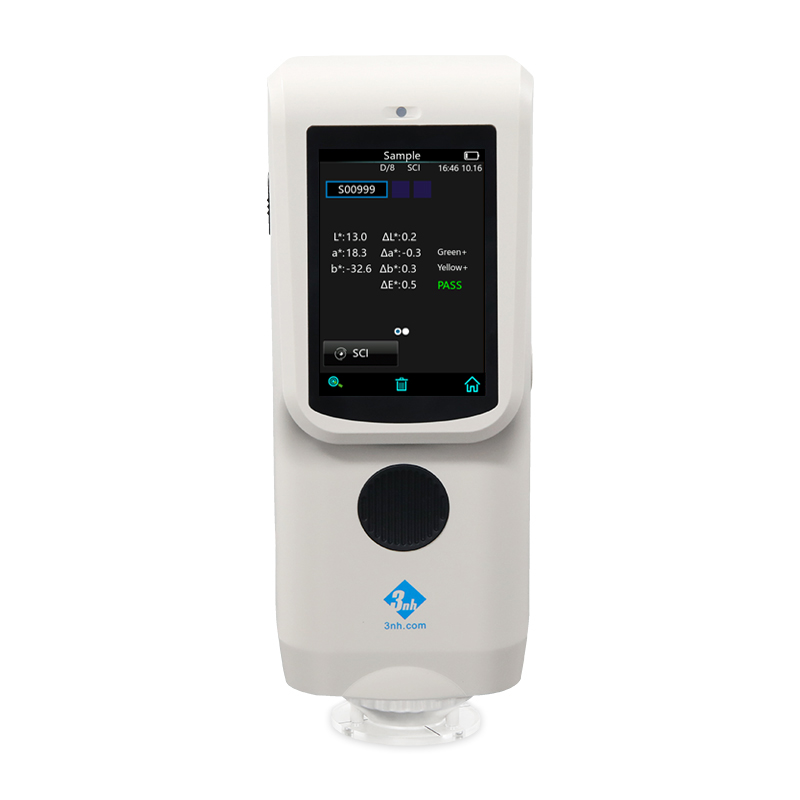
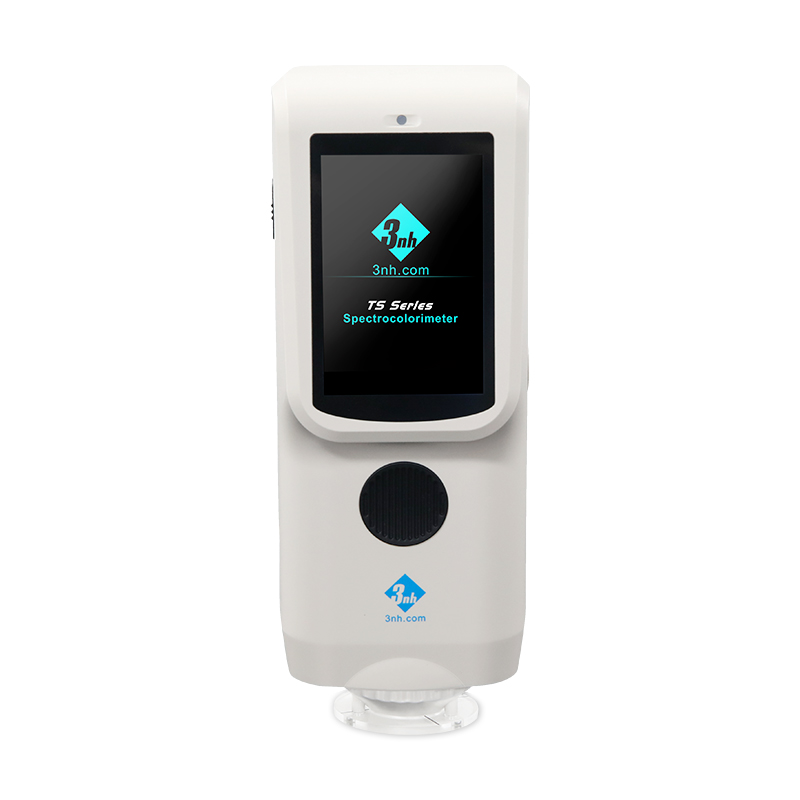
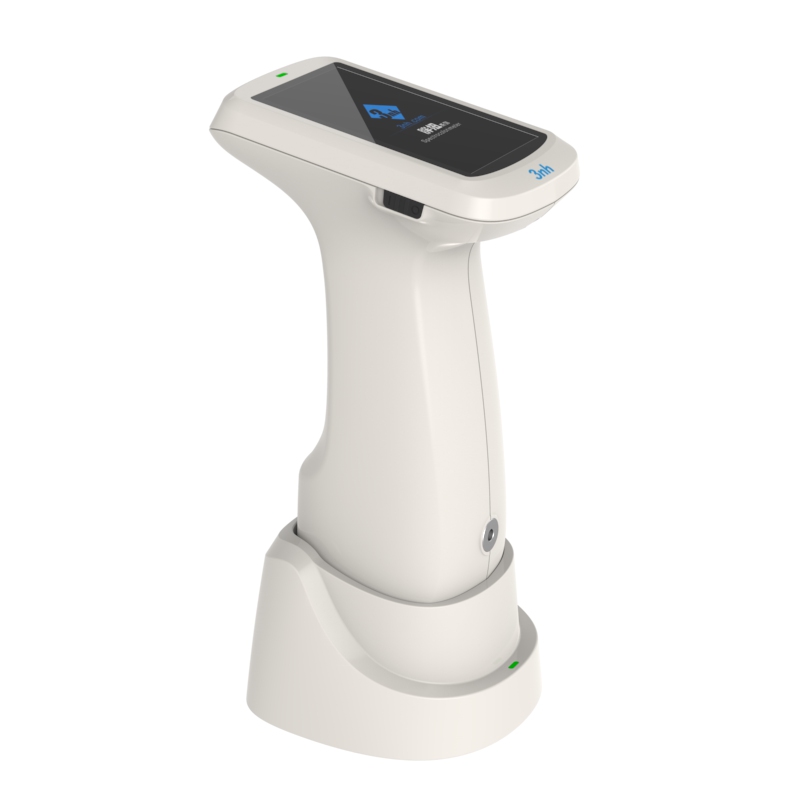
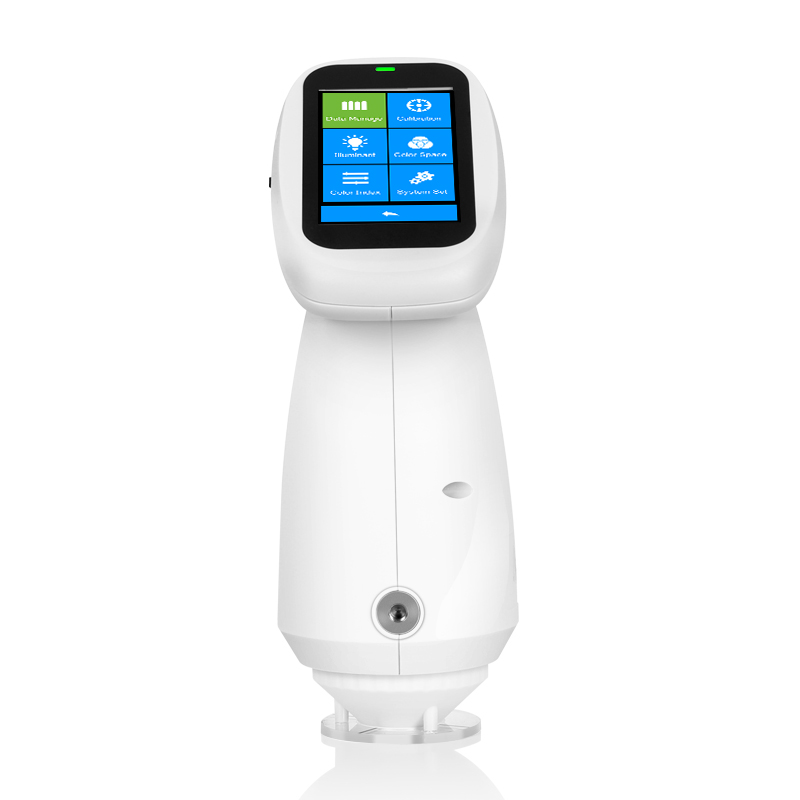
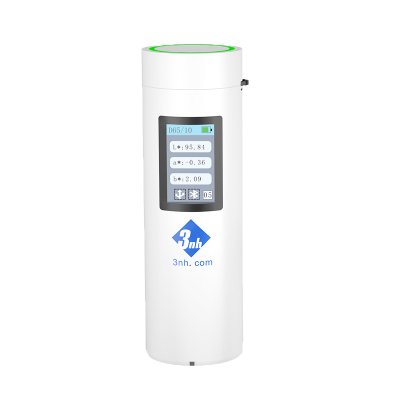
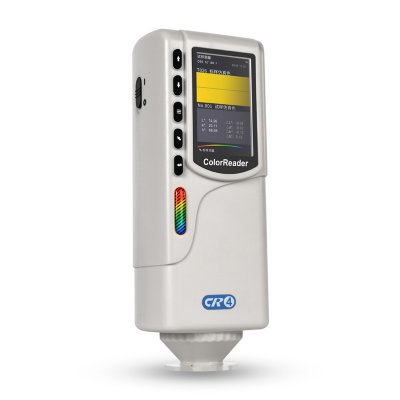
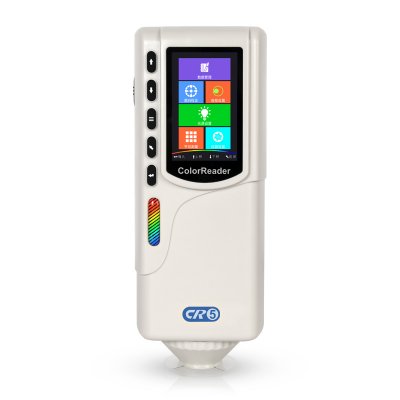
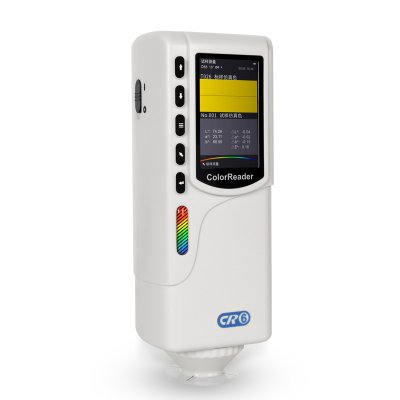
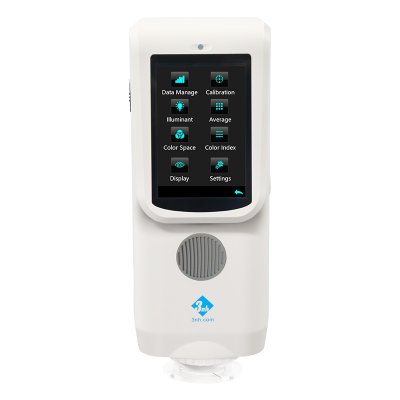
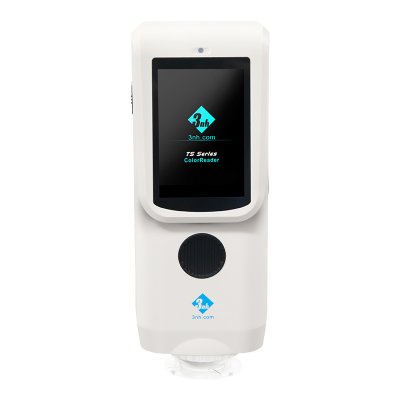
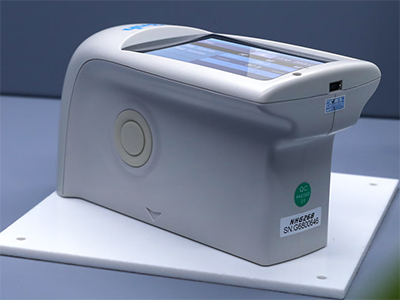
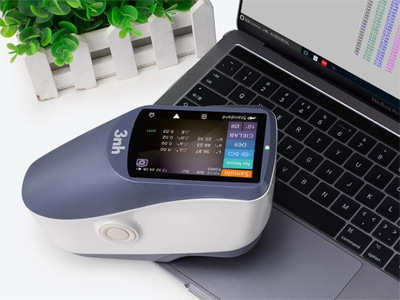
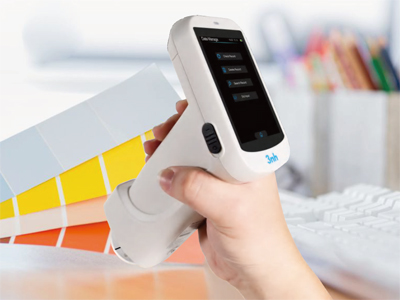
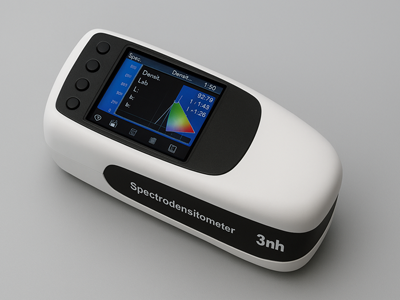
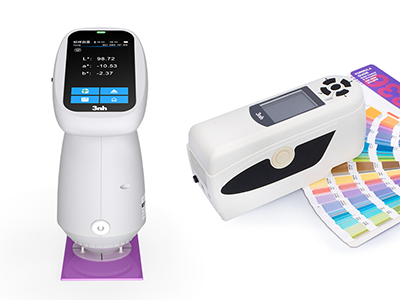
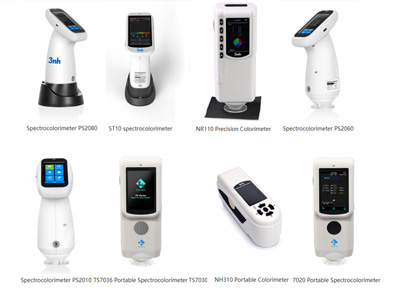
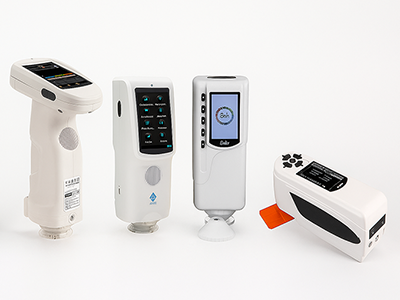
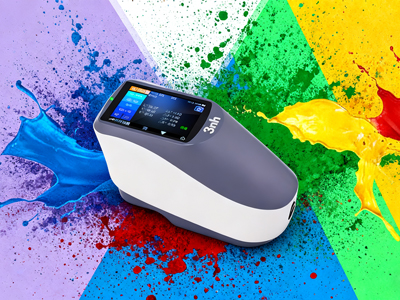
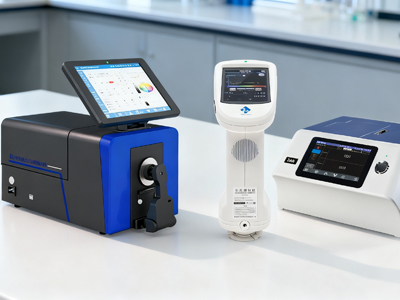
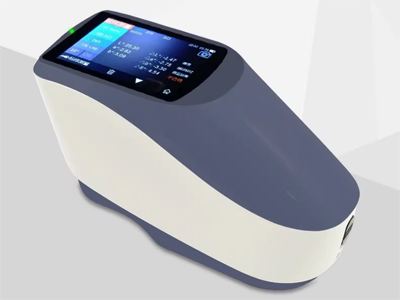
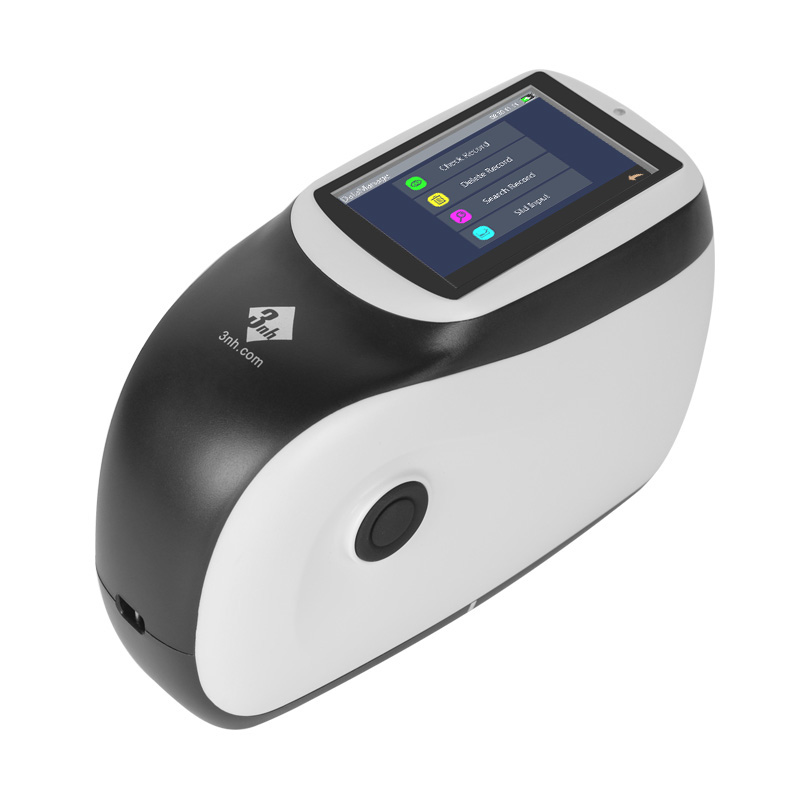
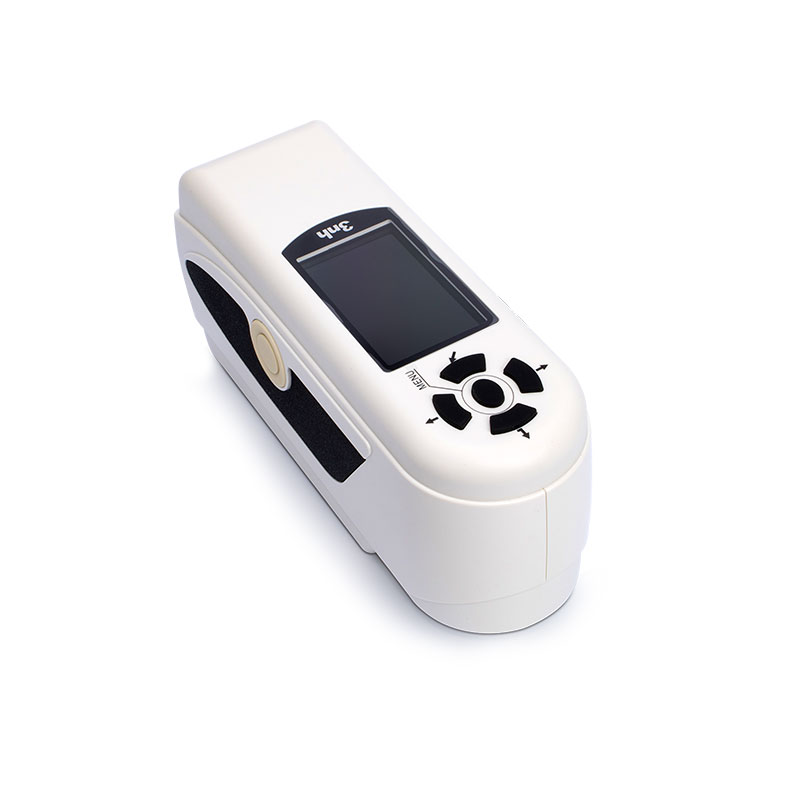
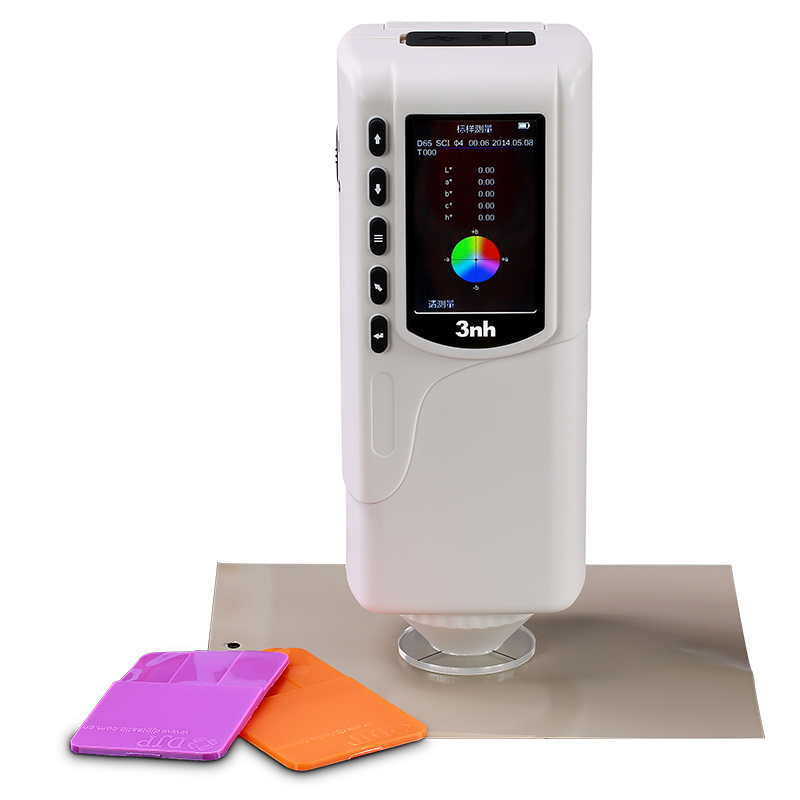
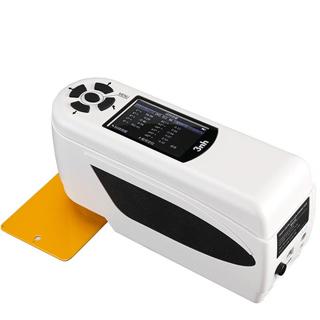
When your business requires high accuracy and consistent color measurements, selecting a suitable spectrophotometer is crucial. 3NH has a variety of high-quality spectrophotometers with great inter-instrument agreement.
They are popular in the printing, plastics, textiles, paints, and automotive industries. 3NH devices deliver accurate and consistent results, even across multiple units. They have optical systems, reliable calibration features, and built-in data storage capacity.
The possibility to invest in instruments with proven agreements will allow you to decrease costly disputes, preserve customer confidence, and facilitate your manufacturing operations.
Buy Our Spectrophotometer From Diverse Options
Inter-instrument agreement is not simply a technical aspect--it is the basis of trustworthy measurements in any industry whose business relies on accuracy. Regardless of whether the products are textiles, plastics, automotive, or pharmaceuticals, the consistency of the results using various instruments will aid in the maintenance of the quality of products, performance, and satisfaction of the consumer.
Perfect agreement is difficult to achieve; however, calibration, reference standards, software tools, and the suitable selection of instruments can help companies to enhance the results. 3NH offers highly developed spectrophotometers with good inter-instrument agreement.
The importance of inter-instrument agreement has never been as high as it is in the current global market situation. Where production occurs across various areas, and technology is changing rapidly. Just by carefully observing this aspect, you can be sure that your measurements are reliable and your products are always up to standard.
What causes poor inter-instrument agreement?
Poor inter-instrument agreement between two or more devices is usually due to:
● Differences in calibration
● Optical design
● Detectors, and
● working conditions.
How often should spectrophotometers be calibrated?
Before important measurements, spectrophotometers need to be calibrated to make sure consistent accuracy and inter-instrument agreement across instruments.
What is an acceptable ΔE value for agreement?
Values within acceptable ΔE change depending on the industry. ΔE ≤ 0.2 or 0.3 is usually considered a strong inter-instrument agreement.
Can software help improve inter-instrument agreement?
Yes, high-tech correction programs align the data and minimize the discrepancies between instruments. It also enhances the consistency of results between several devices in the production setting.
소개 색상 정확성이 많은 산업에 매우 중요한 세계에서 산업 표준과 전자 표준 모두에 대한 필요성이 증가하고 있습니다.
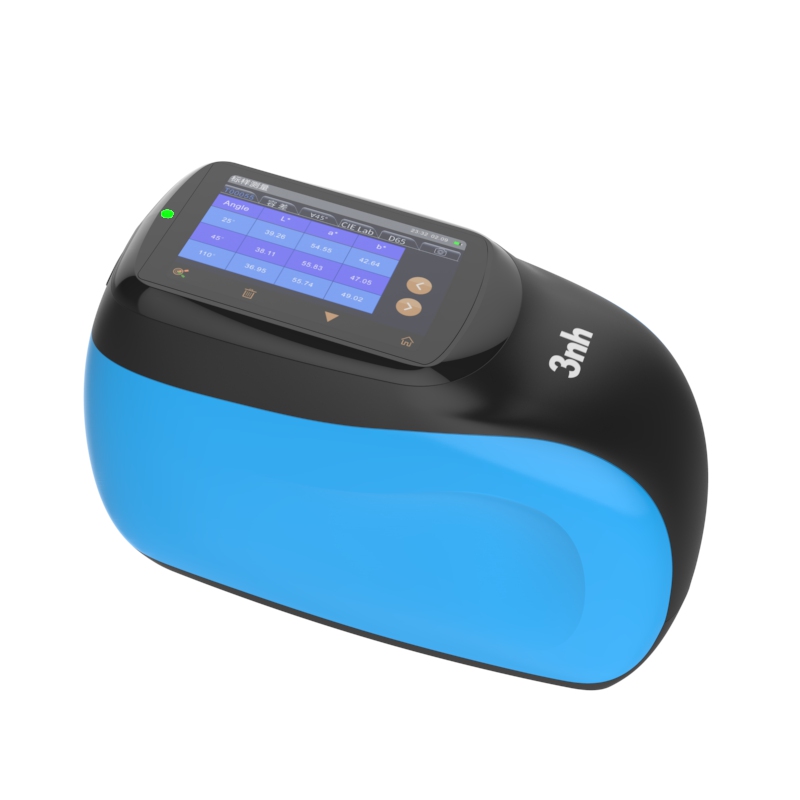
무엇이 기기 간 합의인지, 왜 중요하는지, 기기 간과 모델 간 합의의 차이점, 그리고 그것을 향상시키기 위해 할 수 있는 방법. 결국 제조업체와 연구자가 기대되는 이유를 깨달을 것입니다.
만약 당신이 기술자에게 광택 미터가 무엇을 하는지 물어보면, 쉬운 답은 자연스럽게 '광택을 측정합니다'.그러나 그 답은 거의 scr 시작합니다....
휴대용 색상계는 색상의 일치가 중요한 산업에서 많은 중요성을 얻었습니다.다음 블로그에서, 우리는 당신이 아마도 모르는 이러한 유용한 장치에 대한 9 가지 사실을 살펴보겠습니다.
왜 정확한 색깔 일치가 중요하는가, 정밀한 색깔에서 색도계의 역할은, 색도계는 주관적 인 판단을 객관적 인 데이터로 전환합니다.CIE LAB, LCH 및 RGB와 같은 색상 공간을 사용함으로써 눈이 인식하는 것을 배치, 플랜트 및 생산 사이클에 걸쳐 추적할 수 있는 측정 가능한 값으로 번역합니다.
인쇄 산업에서는 색상의 정확성, 균일성 및 입력에 집중해야합니다.가장 작은 세부사항조차도 요소입니다....
분광광계와 색도계는 색상을 측정하고 비교하는 것으로 예상되지만 기술, 정확도 및 응용 프로그램에 대해 크게 다릅니다.장비를 더 교육적으로 구매하고 기능적 인 워크플로우를 가질 수 있도록 이러한 차이를 알 가치가 있습니다.
색상 표준이란 무엇입니까? 견고한 색상 측정 분광광계와 협력하여 최신 디지털 색상 기술과 통합하여 모든 측정에서 정확성, 효율성 및 반복성을 제공합니다.
Threenh.com은 현대 산업의 다양한 요구 사항을 충족시키기 위해 고정확도 색상 측정 장치를 제공하는 전문가입니다.인쇄, 코팅, 페인트 매치, 직물, 플라스틱 또는 R&D에서 일하는 것은 상관없습니다.
우리의 제품 전문가와 프로젝트를 토론하십시오:
0086 755 26508999우리는 1 영업일 이내에 견적 요청에 응답합니다.
service@3nh.com관심이 있는 제품에 대한 데모 요청을 제출하십시오.
데모 받기