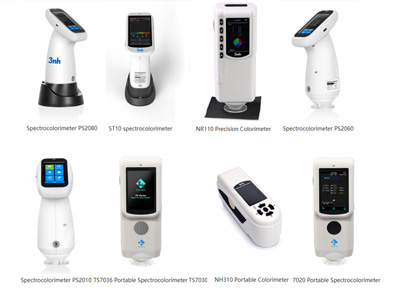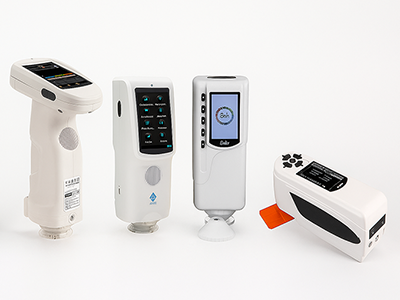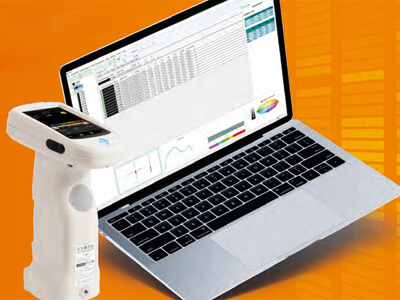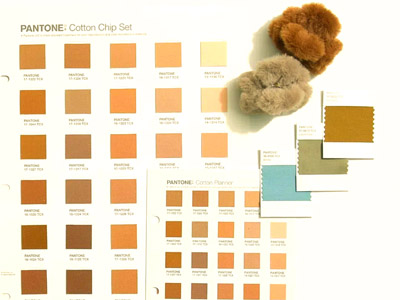
A lot of slag is formed as waste byproducts in industrial metallurgical processes of producing metals. Historically, this by-product is generated in massive volumes, is difficult to dispose of with environmental concerns, is construction unfit, and has un-stable volumes. Waste slag by-products have started to be viewed in a different perspective in recent years by researchers and industry stakeholders. Slag with appropriate processing can be usable valuables. One of the more promising avenues is making eco-friendly pigments for use in ceramic, coatings, and construction materials from refining and smelting slag.

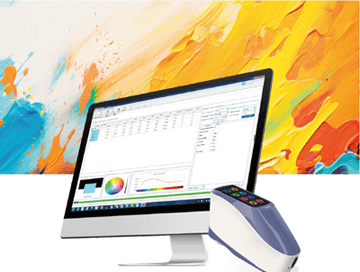
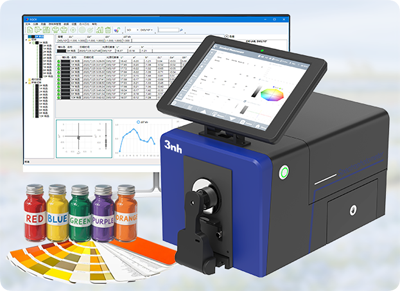
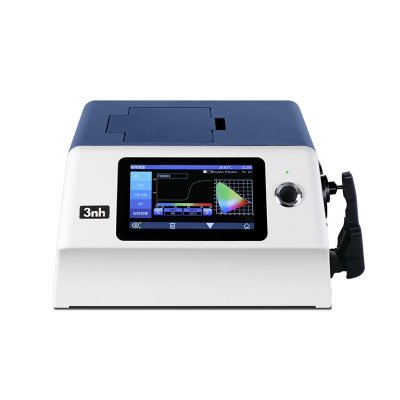
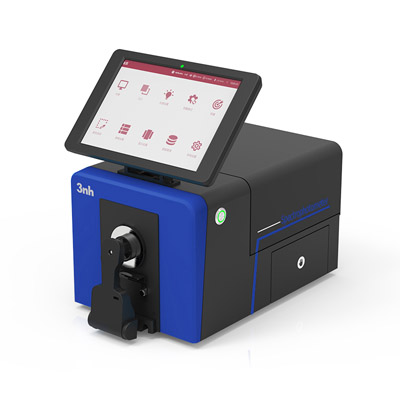
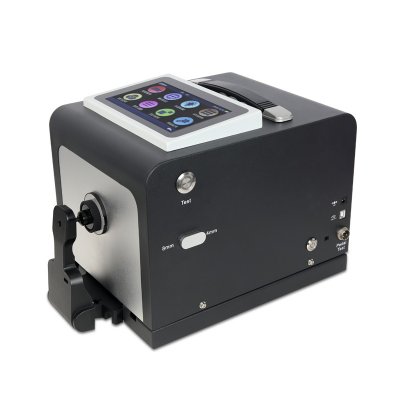
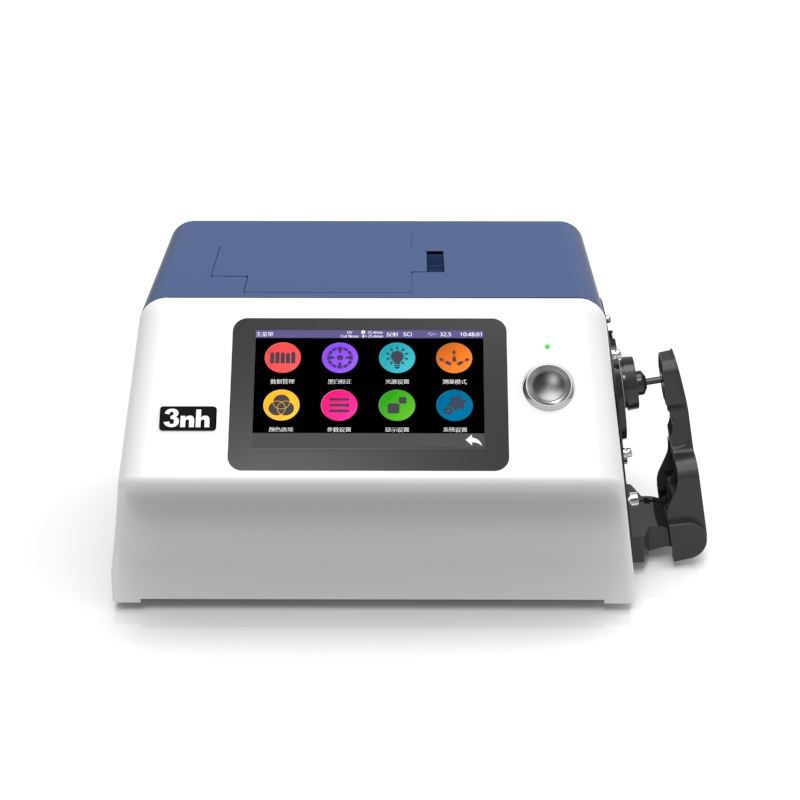
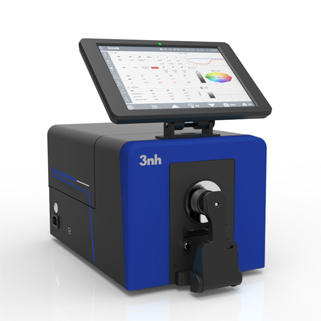
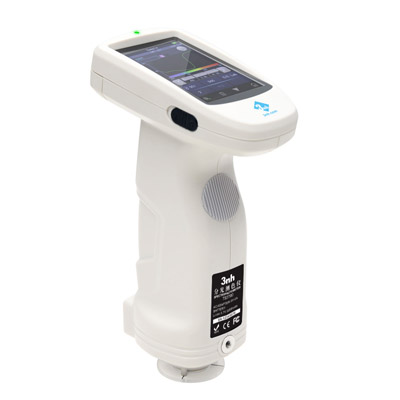
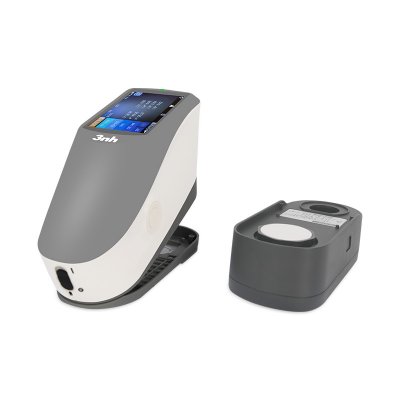
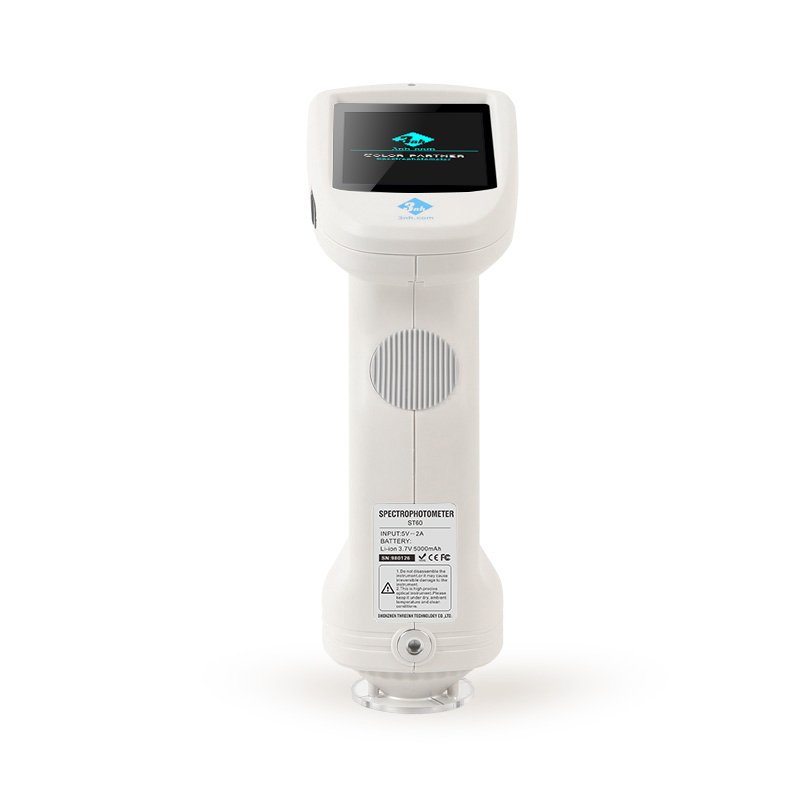
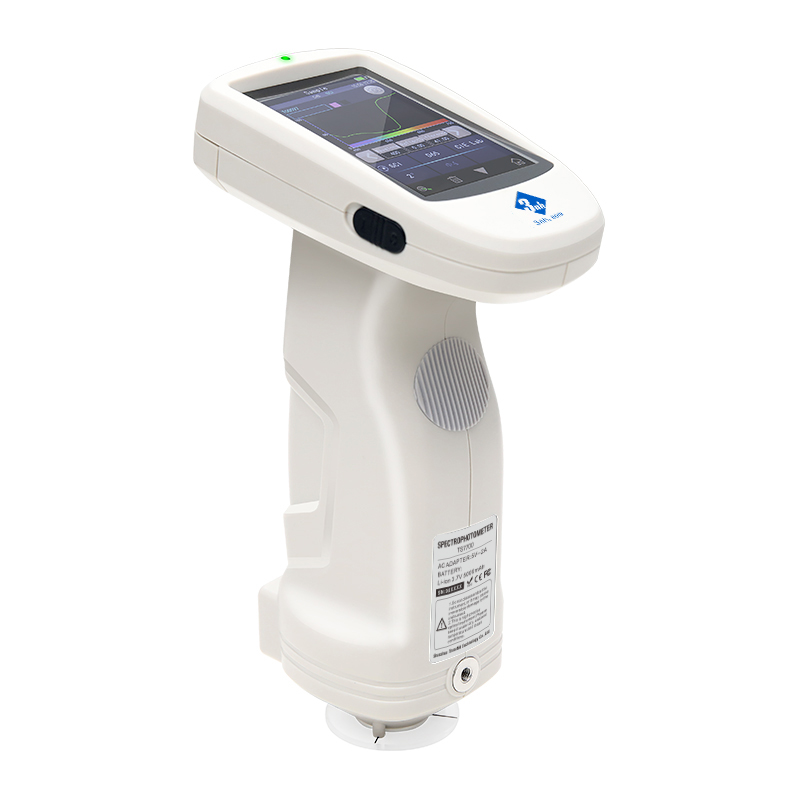
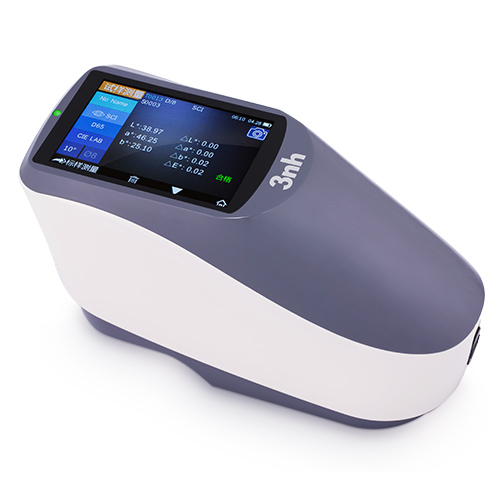
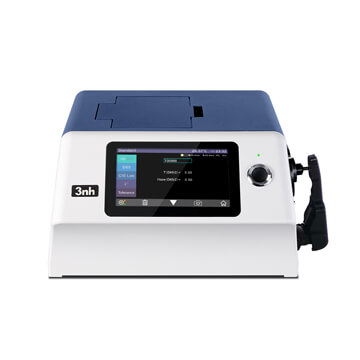
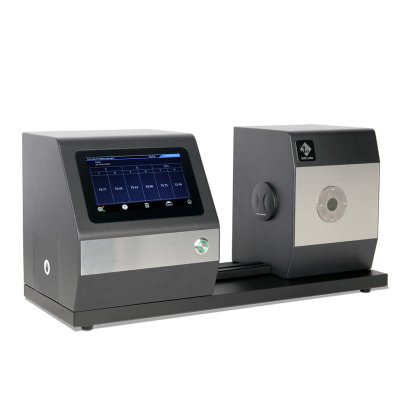
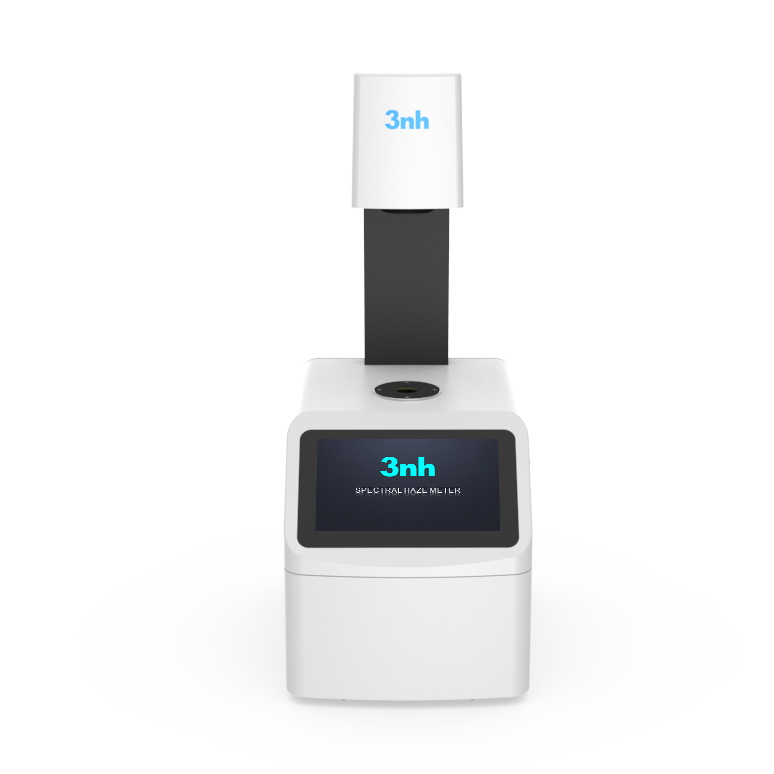
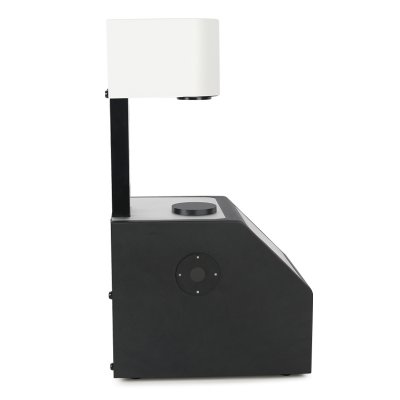
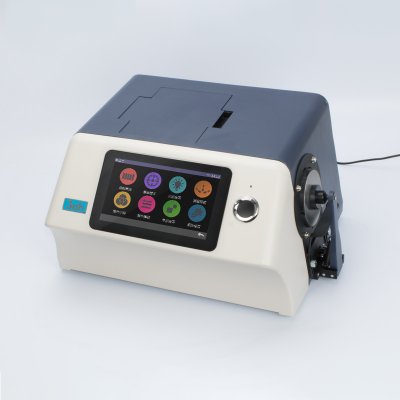
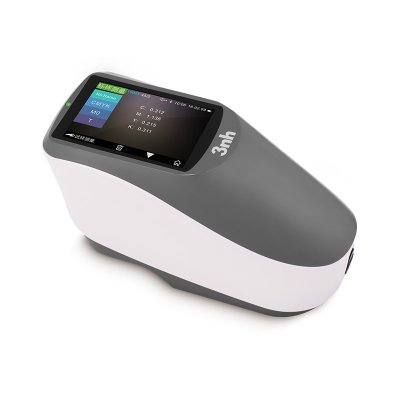
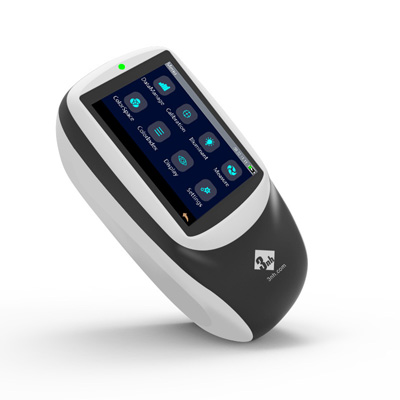
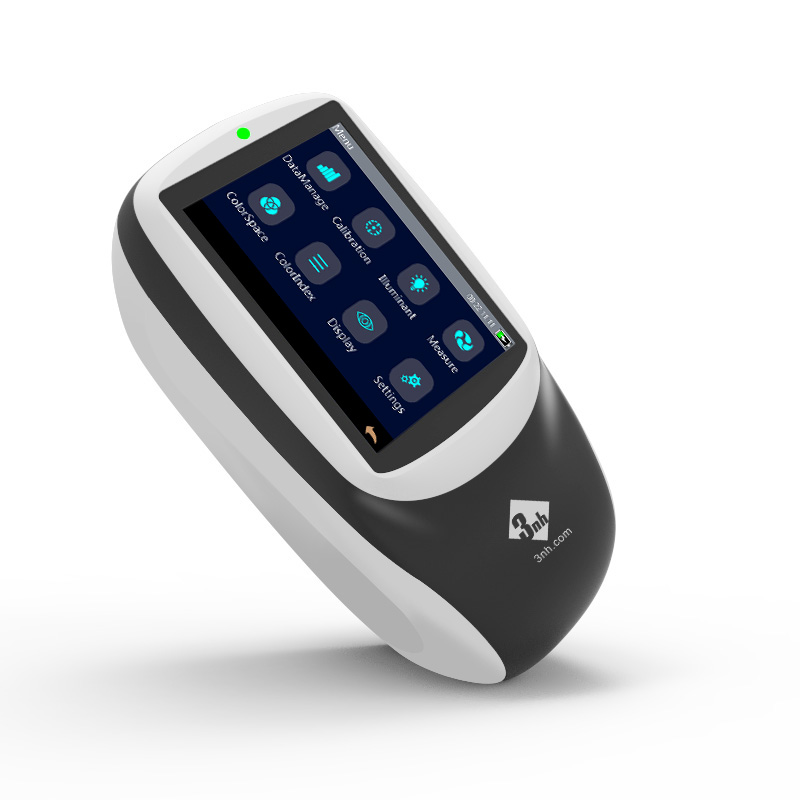
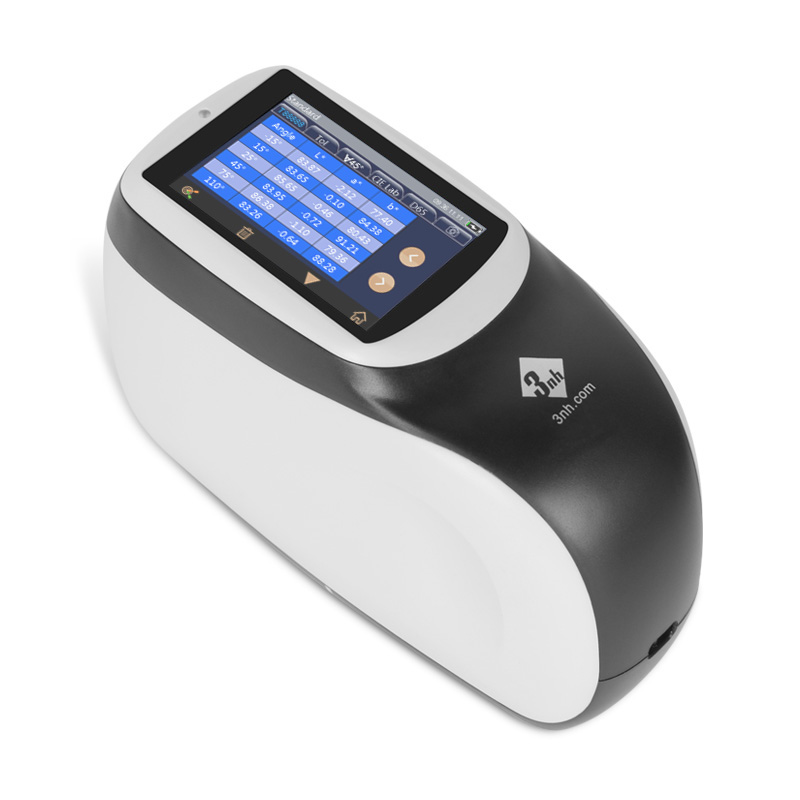
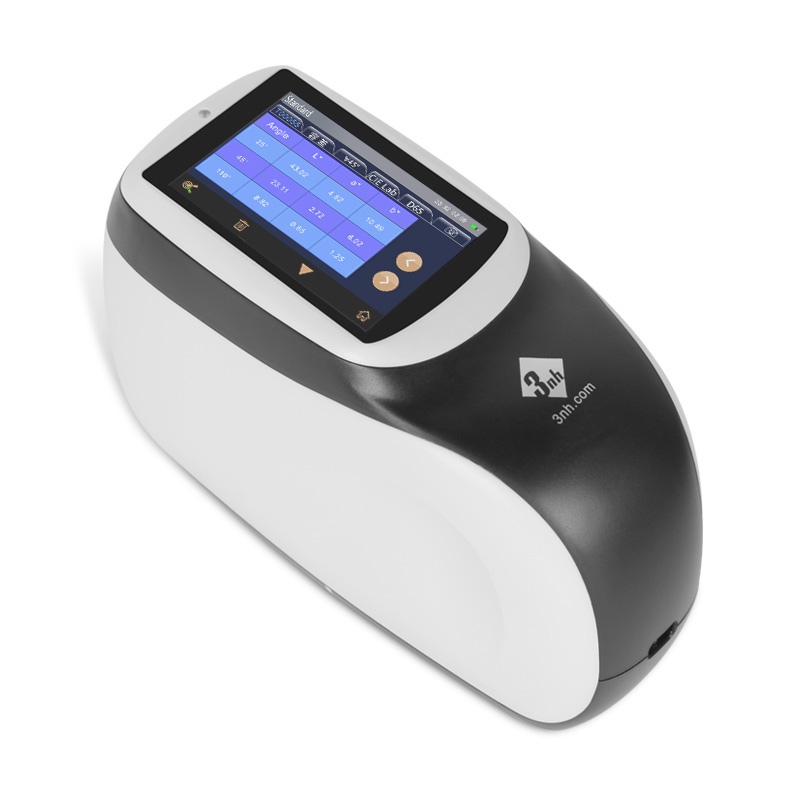
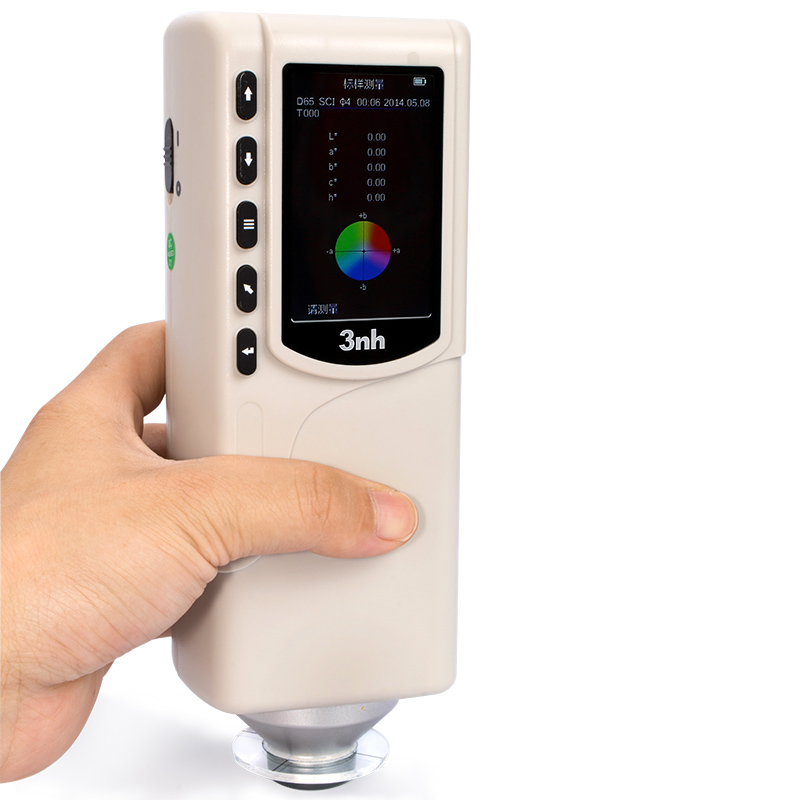
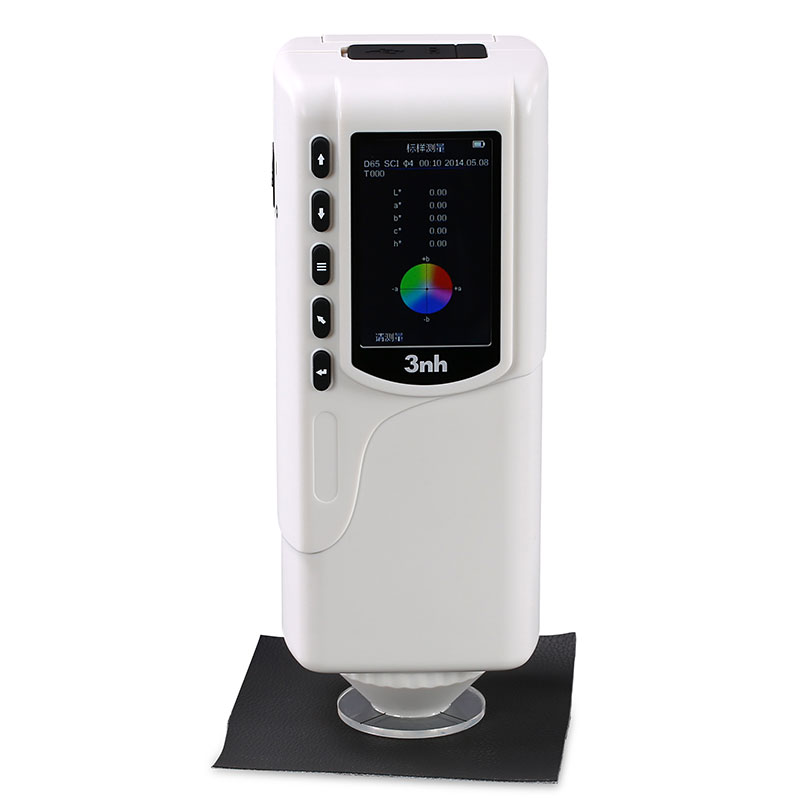
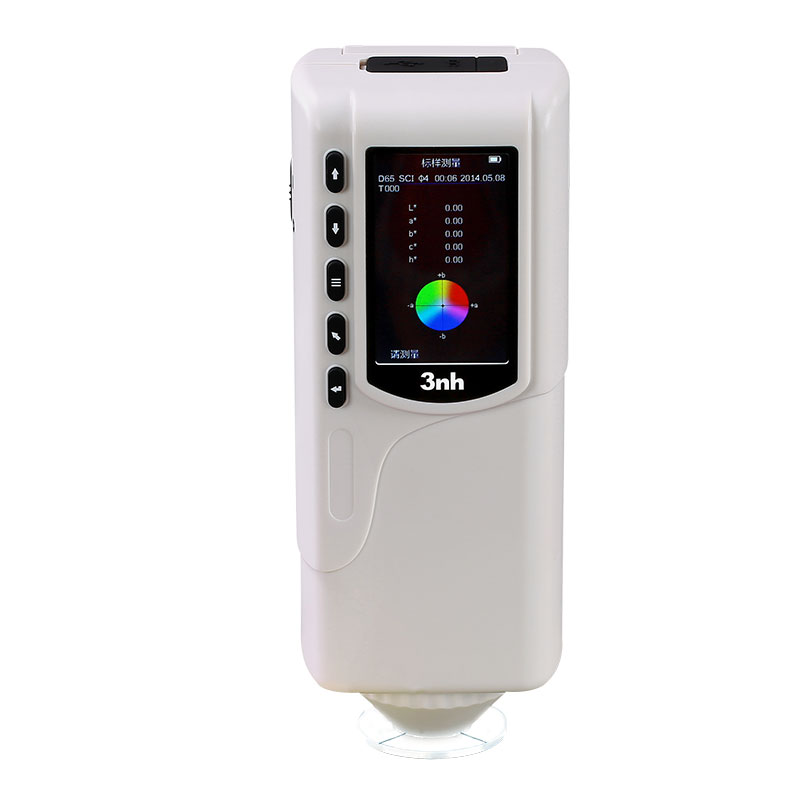
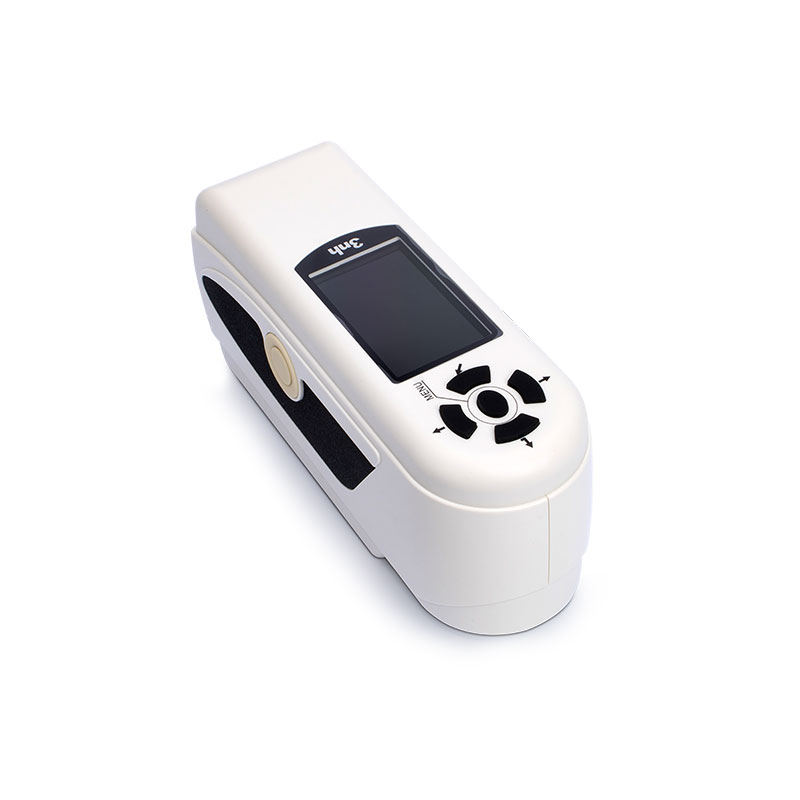
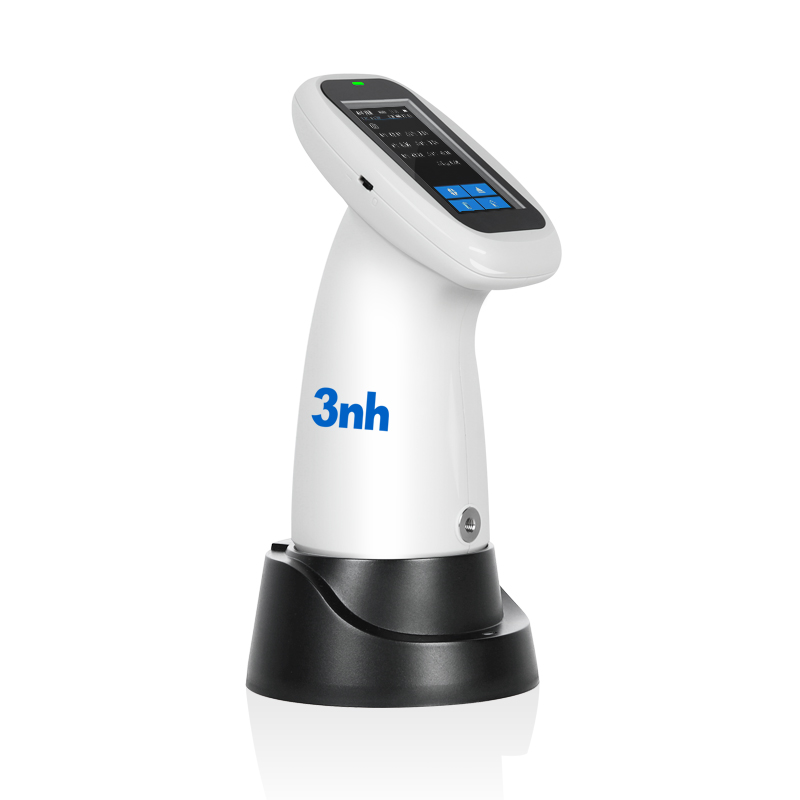
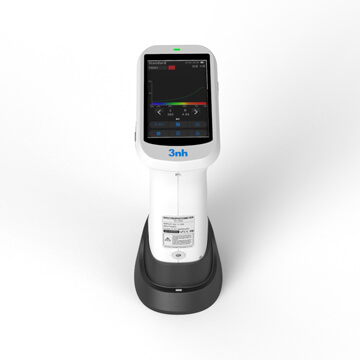
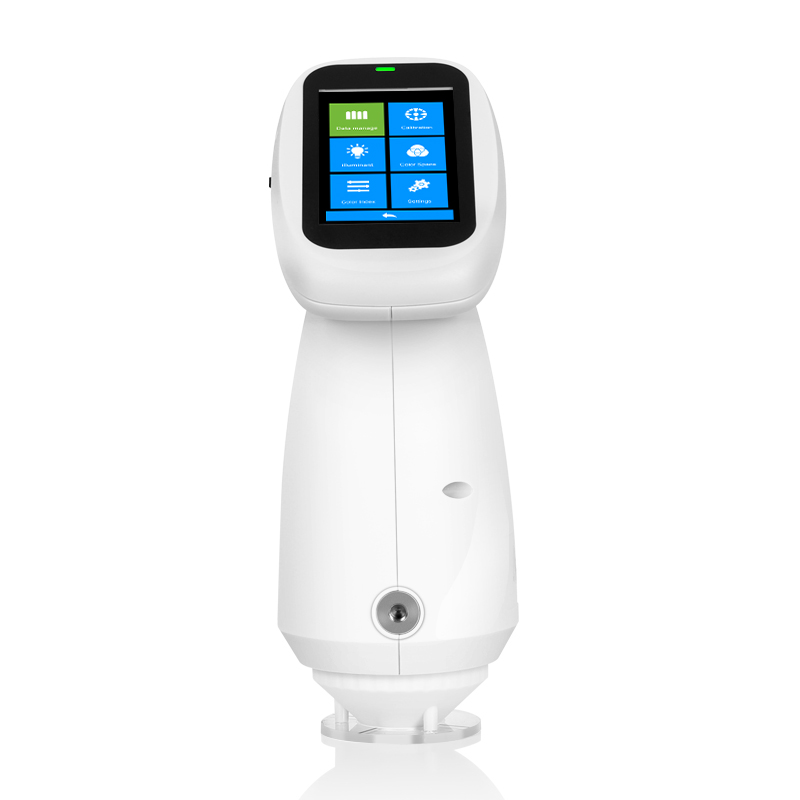
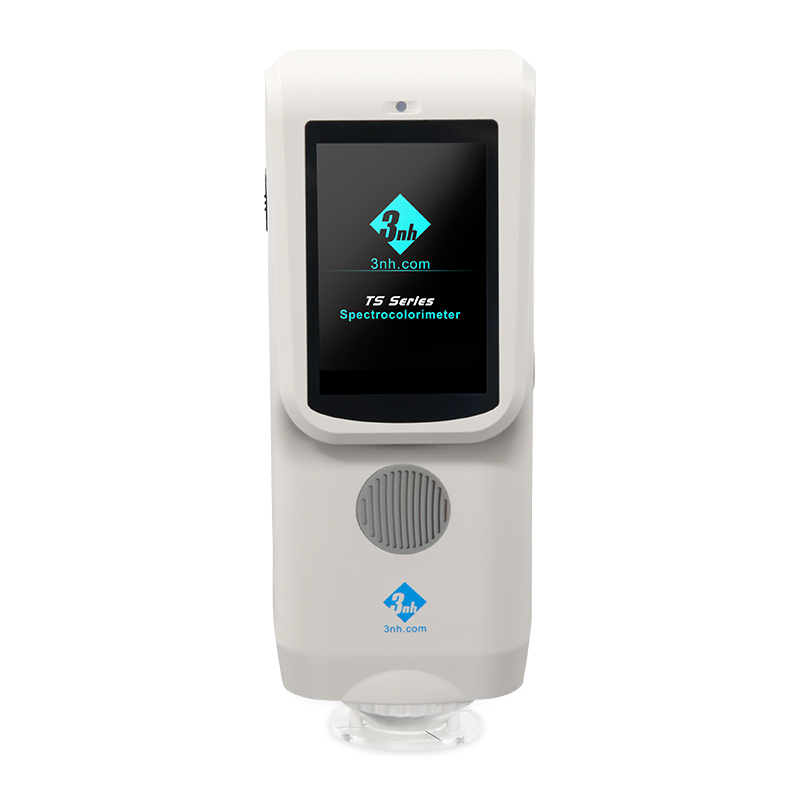
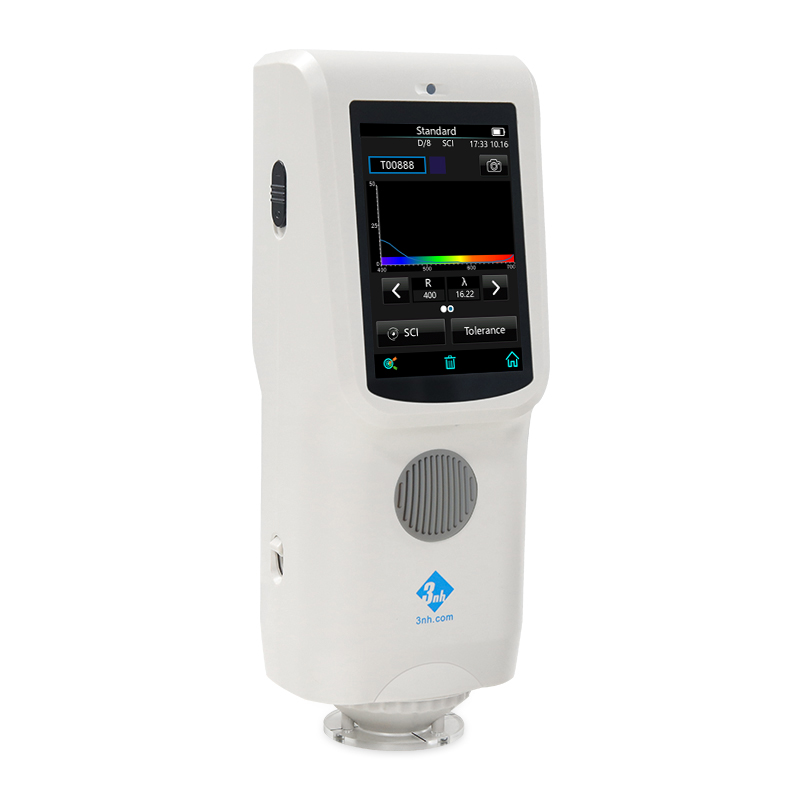
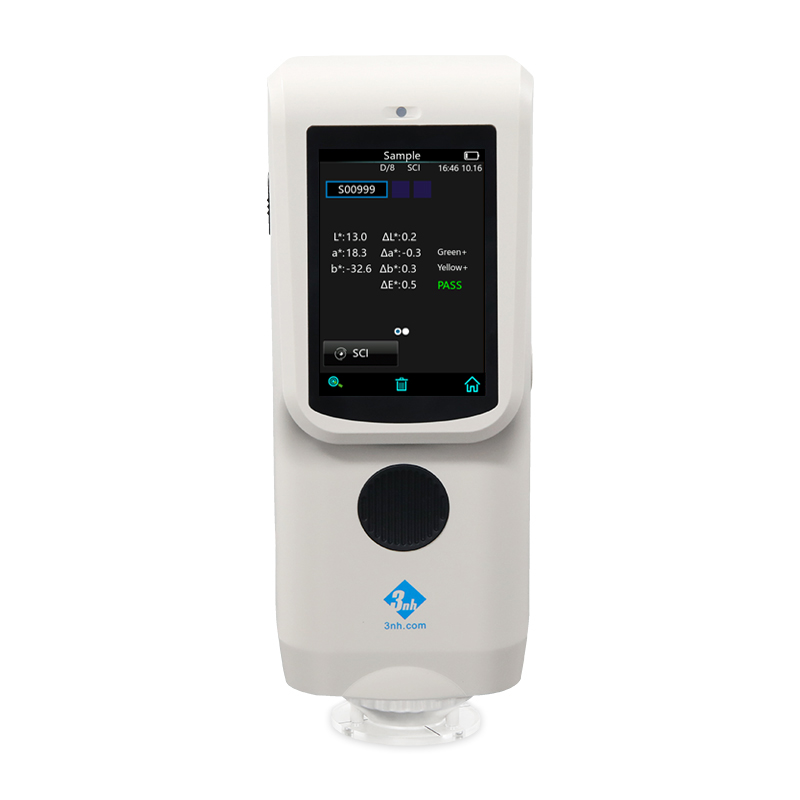
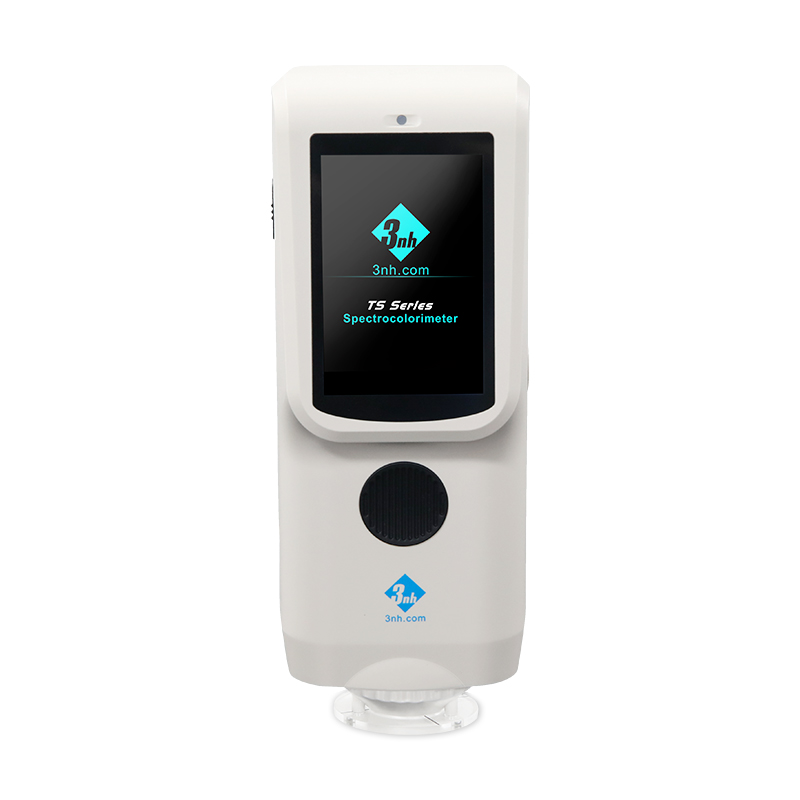
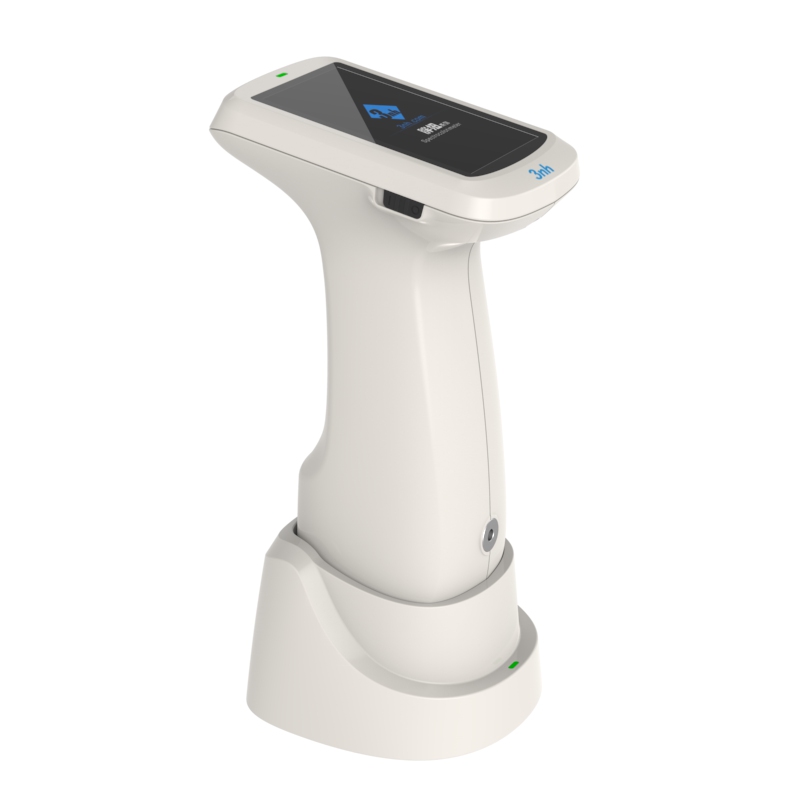
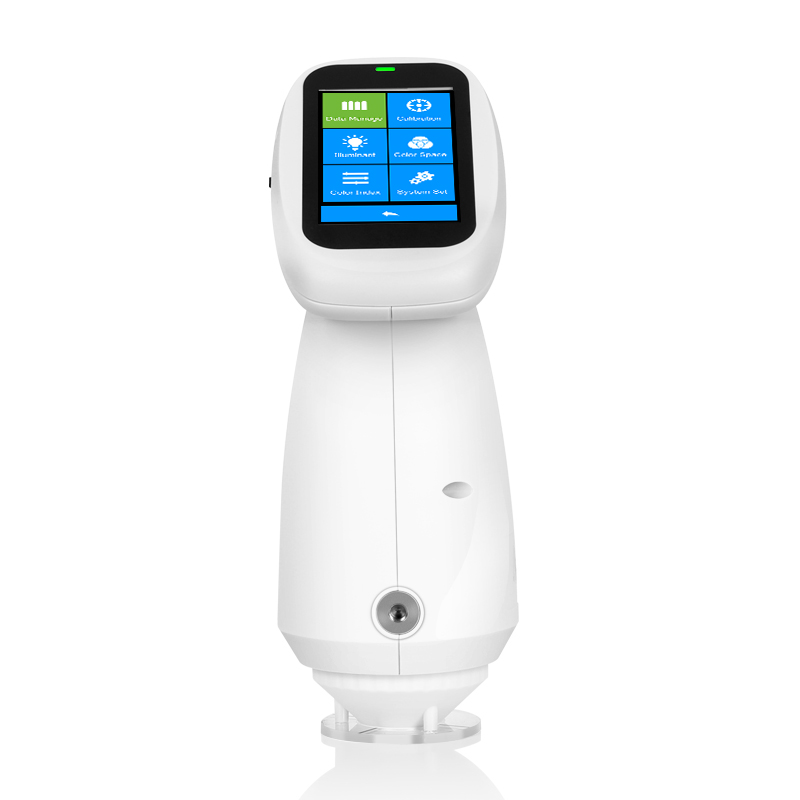
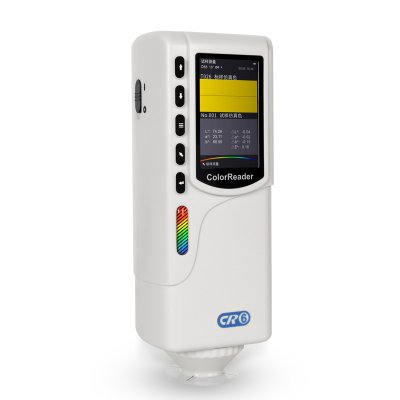
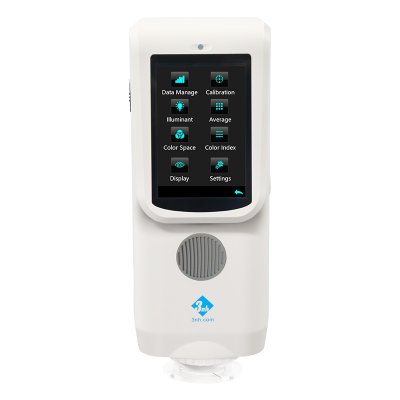
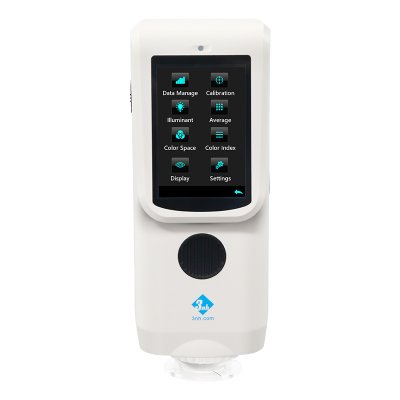
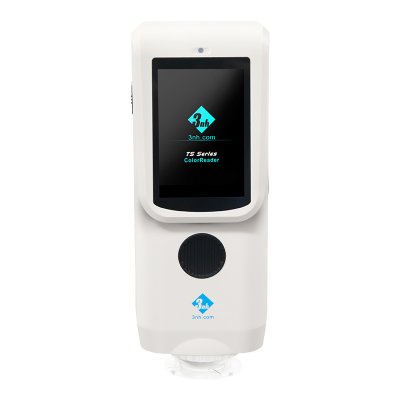
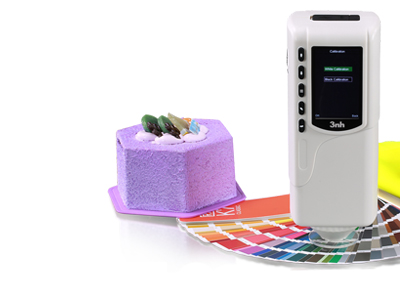
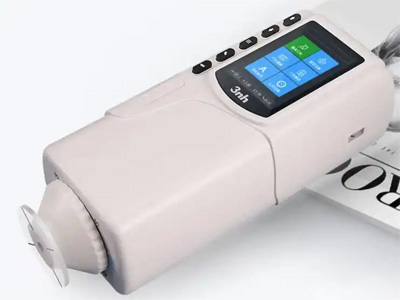
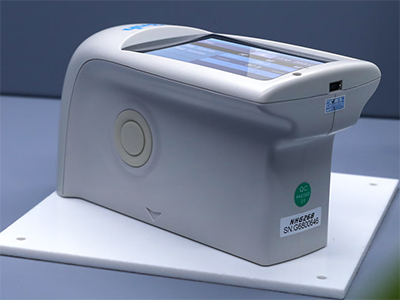
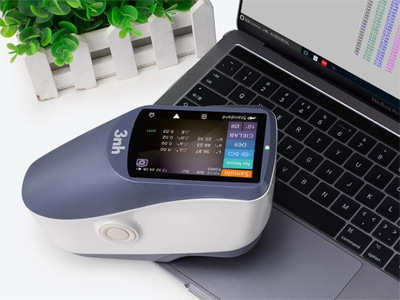
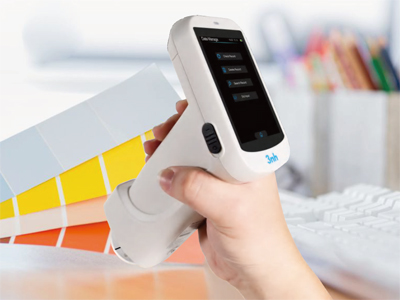
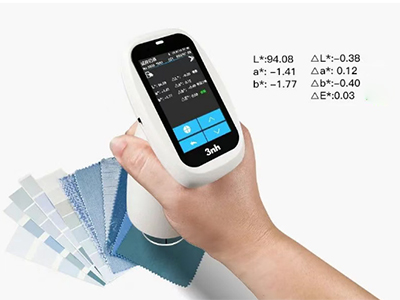
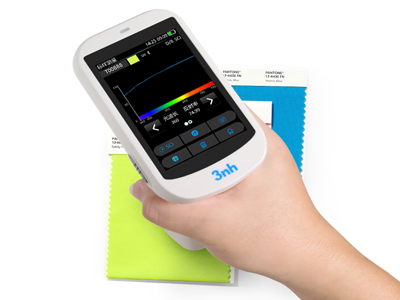
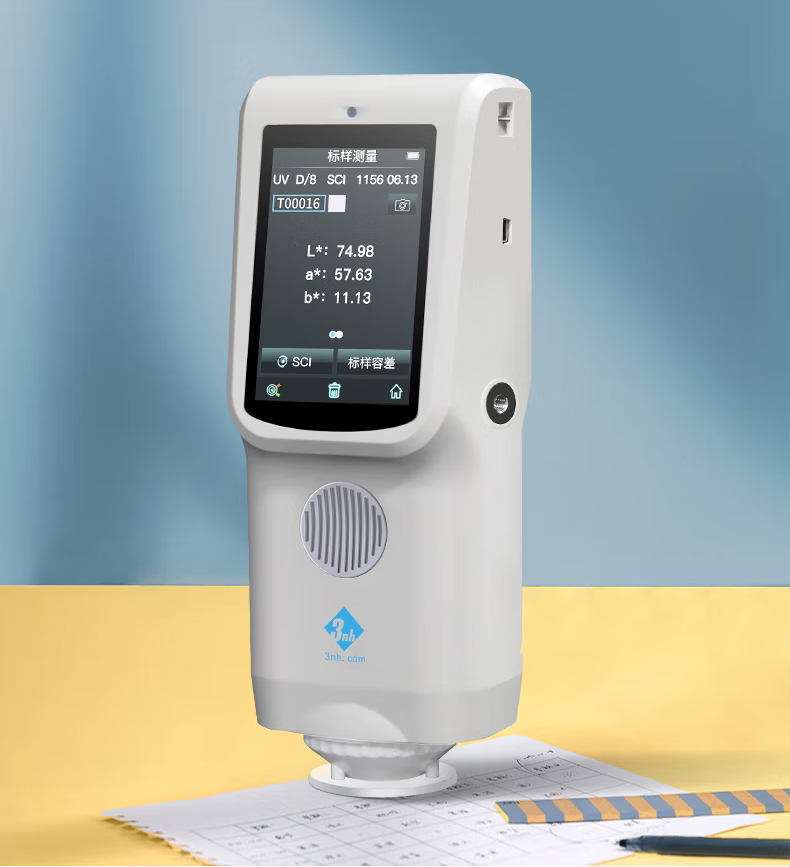
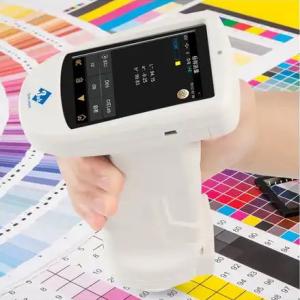
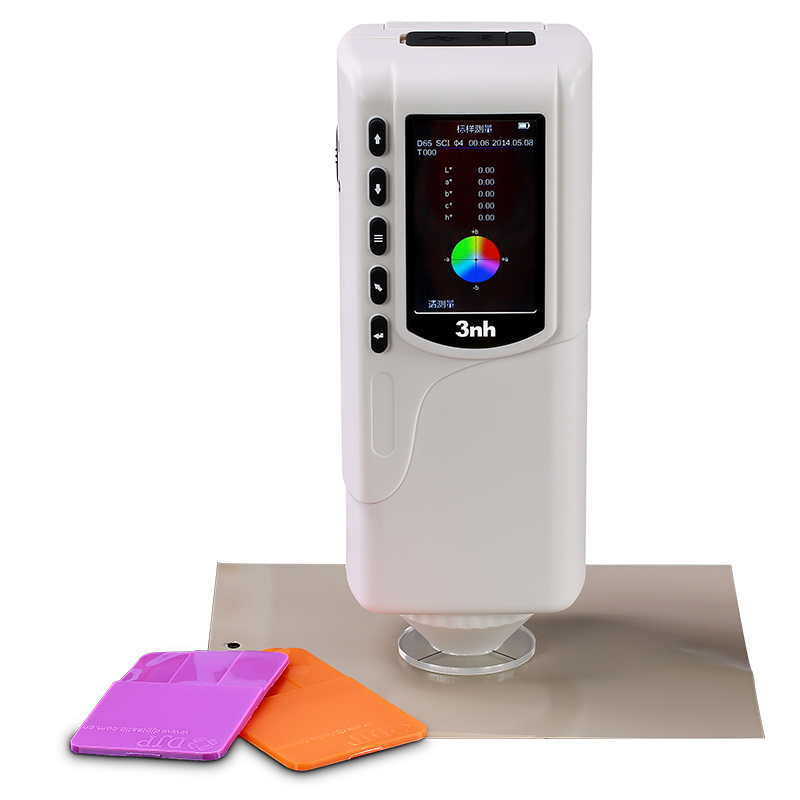
As skin colors of various commercial products, pigments from waste slag have to meet consistency standards for various applications. Color accuracy is crucial in this process. This is made possible by the 3nh CR8 spectrocolorimeter. The slag can be transformed to value-added pigment products with the CR8’s reliable data in color measurements and differences.
A lot of slag is generated by refined metals like copper, magnesium, and steel. For every ton of refined metal, several tons of slag is produced. Historically, only a small amount of this slag has been reused and most of the reused slag has required high-temperature calcination for use in cement or aggregates. This is not in a sustainable method as these processes consume a lot of energy and have a large environmental impact.
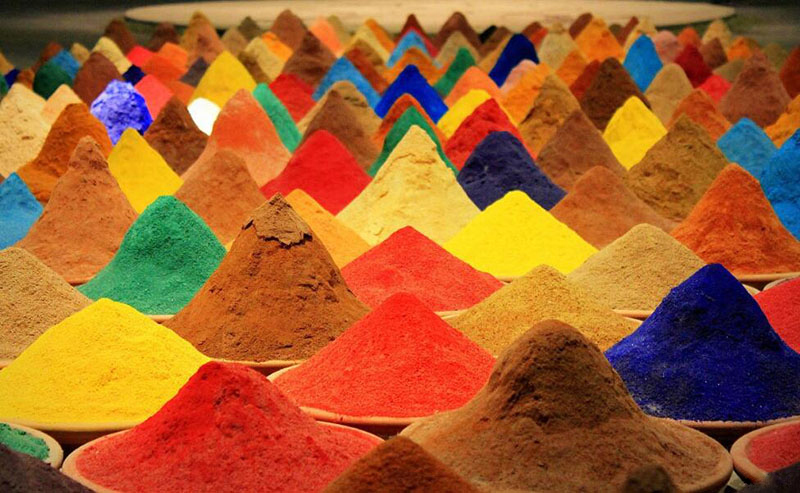
Some new research looks at a new use of slag for making pigments. Different slags give different color ranges from reddish yellows to blue-greens which depend on their minerals and how they are processed. By adjusting the basicity, which is the CaO/SiO2 ratio, additives, and temperature, slag can be converted to ceramic pigments and the pigments can be made in stable and beautiful shades.
There is less waste stockpiled to the slag and less mined colorants and less waste to the environment.
There is more profit to the previously wasted slag economically.
The transformation of the slag to ceramic pigments requires the measurement of color and the pigment must be made in consistent CIELab values and reproducible commercially. In ceramic glazes and coatings, color differences, no matter how small, can be a large issue.
With ore slag, the color is not just a matter of chemical composition, it is also of firing temperature, particle size and cooling method. All these conditions can affect and vary the brightness, hue and chroma of the ceramic pigments and without measurement tools the producer can't guarantee a level of quality.
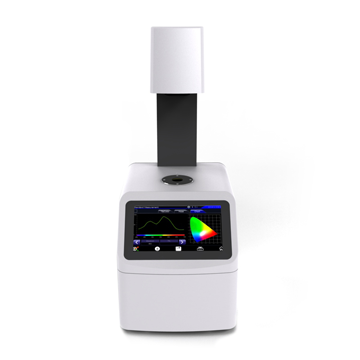
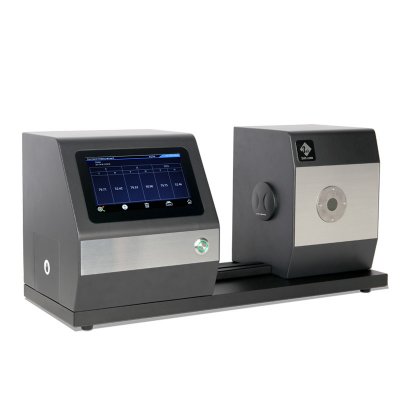
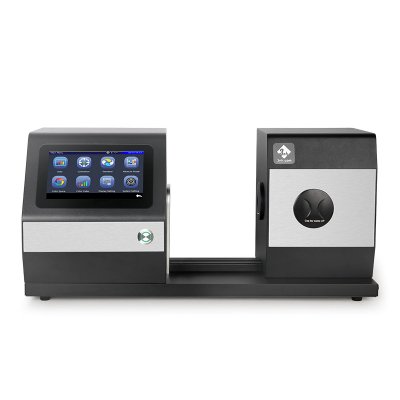
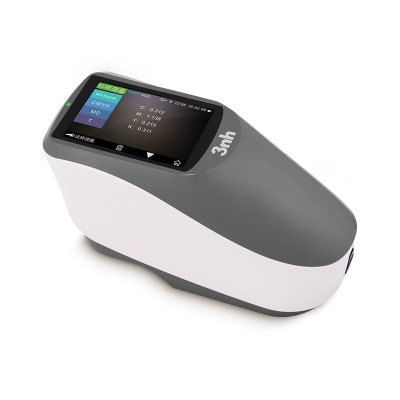
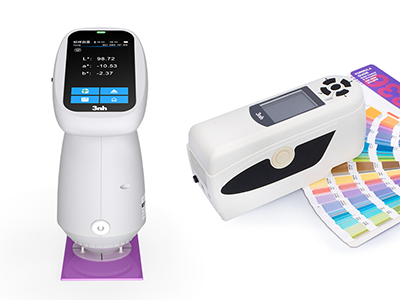
3nh CR8 is made with best materials. For ore slag pigment research, it has:
D8 Geometry: diffuse illumination with 8° directional viewing. Complies to international standards for reflectance measurement.
Full Spectrum LED: stable 400-700 nm light for visible range consistent results.
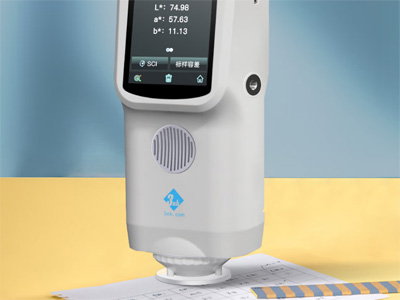
High Accuracy: detects differences in L*, a*, b* values for pigment classification.
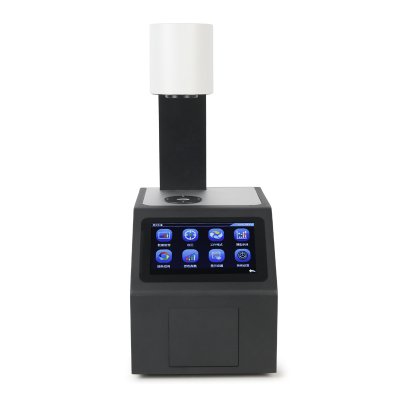
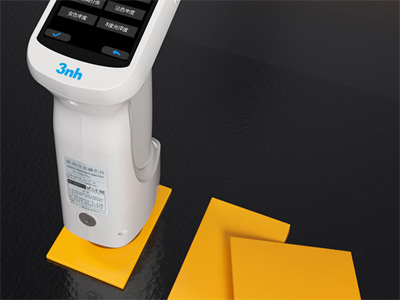
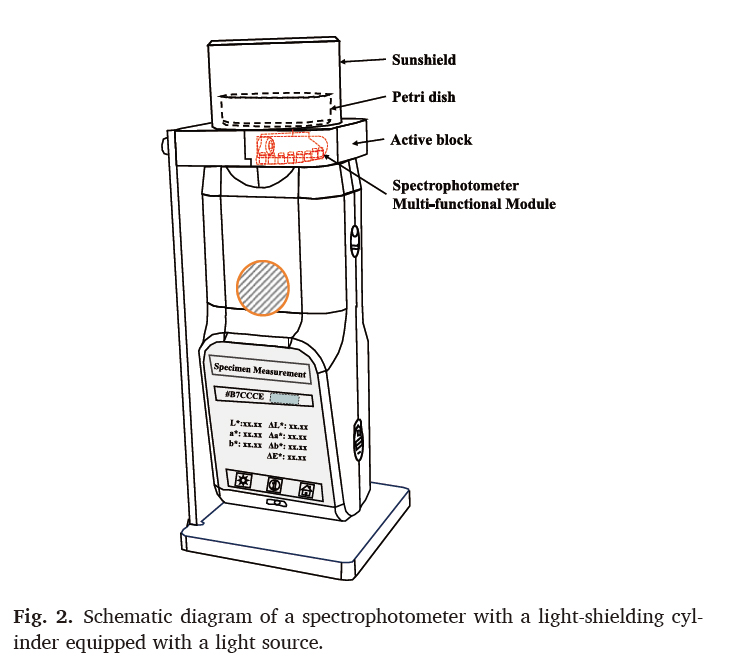
Ease of Use: vertical multifunctional modules incorporates slag/ powder sample measurement.
Correlation to Human Vision: D65 illuminant 10° observer calibrated to equivalent for eye perceived color.
Those features make CR8 for analyzing slag pigments.
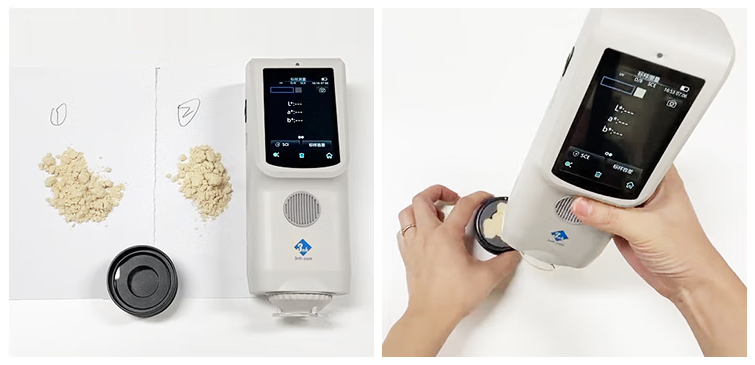
In the most recent metallurgical research, the slag samples were prepared as research samples with no control under heated to 1000 °C, 1100 °C, and 1200 °C with varying basicities, and after quenching and crushing were sieved to nest for in culture dishes and placed. Using the 3nh CR8, measures were conducted on pattern reflectance to calculate the chromaticity values.

The findings are:
With lower basicities (less than 0.39), the slags seemed to be reddish yellow and with more severe erosion on the crucibles.
With an increase in basicity, the slags turned more bluish-green in color, which is due to differences in the mineral composition and the distribution of the MgO phases.
Temperature had an effect on brightness (L*), for some of the samples that were 1100 °C were lighter than those at 1000 °C or 1200 °C.

This shows that the CR8 gives trustworthy quantitative evidence that multiple constants in the chemical process are related to the color produced at the end.
When one is performing a color analysis, it is not only for aesthetic reasons. With regard to slag systems, the color differences are indicators of what other physical and chemical properties are present. For instance:
Compact and consistent: A uniform gray-blue could be an indicator of stable microstructure, while streaked or variable tones may suggest the microstructure was poorly mixed.
Erosion behavior: Distinct chromatic signatures on the MgO content are indicators of crucible erosion and aggressive slag.
New phases: Spawning of color from pink to green or blue shows the presence of crystalline phases that could be identified with the color.
To summarize, process color CR8 is an indicator of process stability, making it diagnostically valuable in addition to being a quality tool.
Testing the color of slag contributes to strategies of the circular economy. Recycling metallurgical waste into pigments:
Reduces the amount of waste that is stored and sent to the landfill.
Reduces the production of synthetic pigments from virgin minerals which helps the environment.
Creates new products like eco-coatings and slag based ceramic glazes.
As a case in point, the combination of waste ceramic tiles and refined slag pigments is a form of waste ceramic tile utilization in the production of decorative tiles for customers to use in spaces of their choice. Slag pigment coated product tiles are also more decorative for the user and minimize the use of mined products.
The 3nh CR8 slag applications because of:
Its ability to handle powders and other irregular materials.
Color.readings are so clear that one can detect minor differences created by changes in temperature and composition.
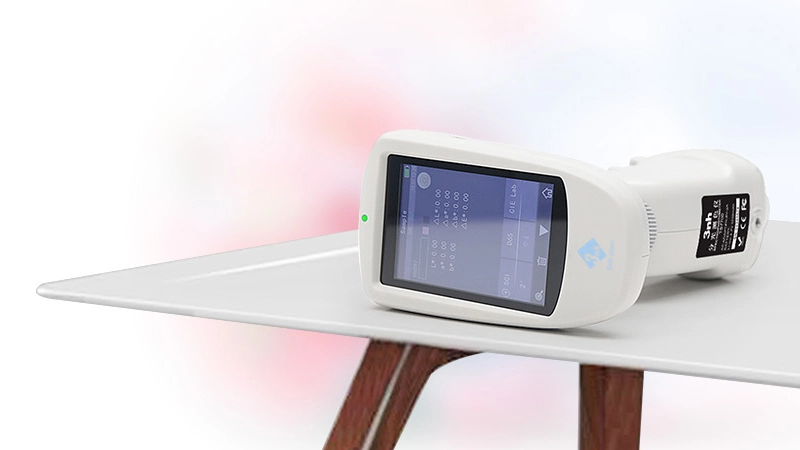
It is portable so one can take it to the field and it monitors the quality of work done.
As a research color database for varied conditions and processes in slag, the CR8 is most useful in research based color database settng. For large eco-pigment production that is consistent, it is best for industry.
Integrating spectrocolorimeters like the 3nh CR8 into slag research is a step forward for sustainable metallurgy. As more industries start recycling slag, color testing will continue to focus on maintaining the quality of colors used in ceramics and coatings as the colors are accepted for recycling.
Measuring the color of slag, apart from the pigment, may predict other material behaviors like corrosion, mineral instability, and further resource uses. This would also mean the CR8 and other similar tools would span multiple industries.
When industries think the other way, closing the loops on material use and incorporating the advanced analyses suggested will take them closer to zero-waste practices.
The 3nh CR8 spectrocolorimeter is proving to be an indispensable instrument for testing the color of ore slag. This worked because accurate, reproducible color data allows researchers to determine the processing conditions that produce different visual properties in the slag. Most significantly, it enables the recycling of metallurgical waste into environmentally friendly pigments to be used in ceramics and coatings.
As sustainability and resource efficiency become critical in contemporary industries, the CR8 offers a way for industries to recycle slag, thus transforming waste into valuable pigments and helping to improve the environment.
소개 색상 정확성이 많은 산업에 매우 중요한 세계에서 산업 표준과 전자 표준 모두에 대한 필요성이 증가하고 있습니다.
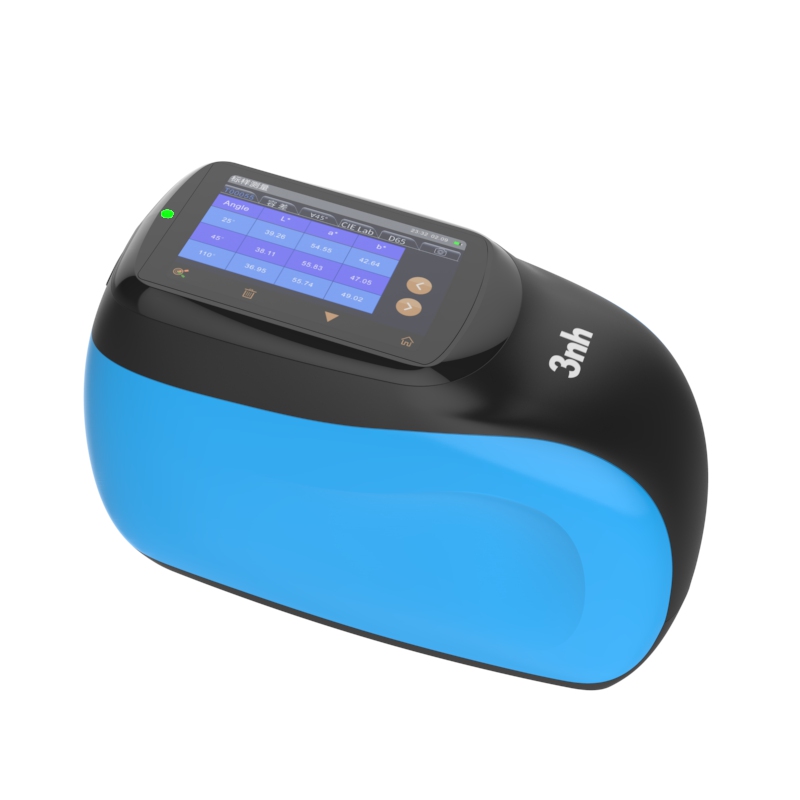
무엇이 기기 간 합의인지, 왜 중요하는지, 기기 간과 모델 간 합의의 차이점, 그리고 그것을 향상시키기 위해 할 수 있는 방법. 결국 제조업체와 연구자가 기대되는 이유를 깨달을 것입니다.
만약 당신이 기술자에게 광택 미터가 무엇을 하는지 물어보면, 쉬운 답은 자연스럽게 '광택을 측정합니다'.그러나 그 답은 거의 scr 시작합니다....
휴대용 색상계는 색상의 일치가 중요한 산업에서 많은 중요성을 얻었습니다.다음 블로그에서, 우리는 당신이 아마도 모르는 이러한 유용한 장치에 대한 9 가지 사실을 살펴보겠습니다.
왜 정확한 색깔 일치가 중요하는가, 정밀한 색깔에서 색도계의 역할은, 색도계는 주관적 인 판단을 객관적 인 데이터로 전환합니다.CIE LAB, LCH 및 RGB와 같은 색상 공간을 사용함으로써 눈이 인식하는 것을 배치, 플랜트 및 생산 사이클에 걸쳐 추적할 수 있는 측정 가능한 값으로 번역합니다.
인쇄 산업에서는 색상의 정확성, 균일성 및 입력에 집중해야합니다.가장 작은 세부사항조차도 요소입니다....
분광광계와 색도계는 색상을 측정하고 비교하는 것으로 예상되지만 기술, 정확도 및 응용 프로그램에 대해 크게 다릅니다.장비를 더 교육적으로 구매하고 기능적 인 워크플로우를 가질 수 있도록 이러한 차이를 알 가치가 있습니다.
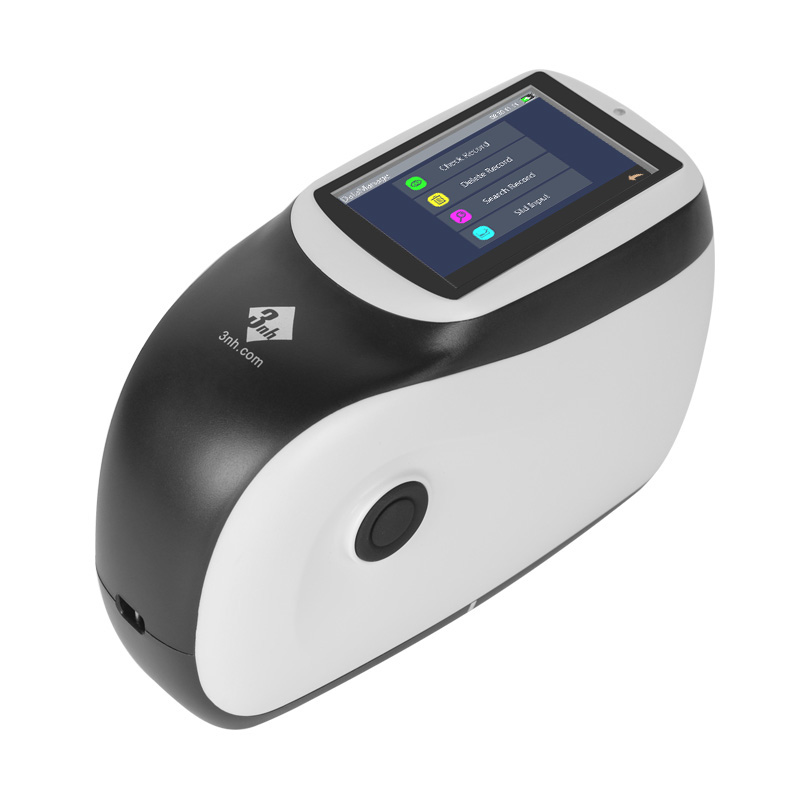
색상 표준이란 무엇입니까? 견고한 색상 측정 분광광계와 협력하여 최신 디지털 색상 기술과 통합하여 모든 측정에서 정확성, 효율성 및 반복성을 제공합니다.
Threenh.com은 현대 산업의 다양한 요구 사항을 충족시키기 위해 고정확도 색상 측정 장치를 제공하는 전문가입니다.인쇄, 코팅, 페인트 매치, 직물, 플라스틱 또는 R&D에서 일하는 것은 상관없습니다.
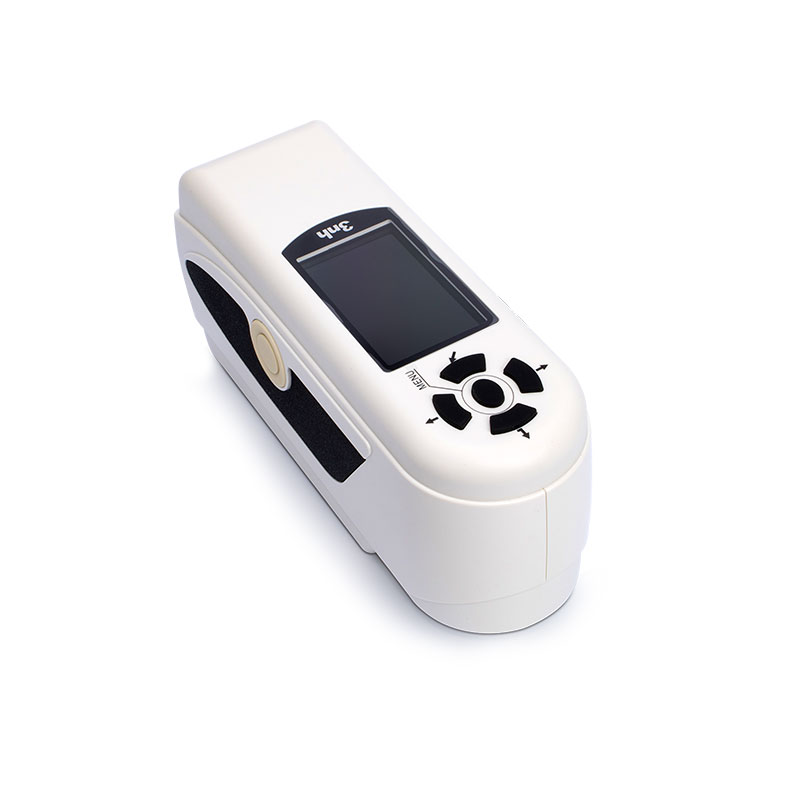
우리의 제품 전문가와 프로젝트를 토론하십시오:
0086 755 26508999우리는 1 영업일 이내에 견적 요청에 응답합니다.
service@3nh.com관심이 있는 제품에 대한 데모 요청을 제출하십시오.
데모 받기