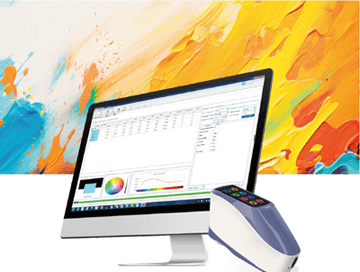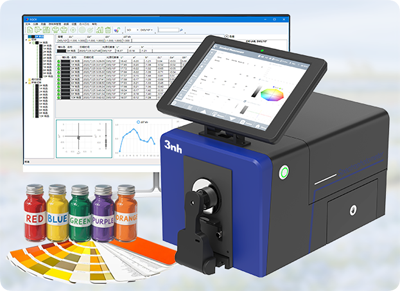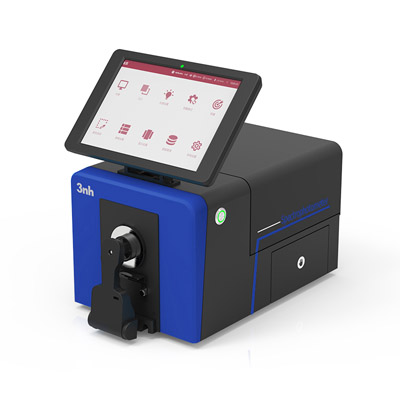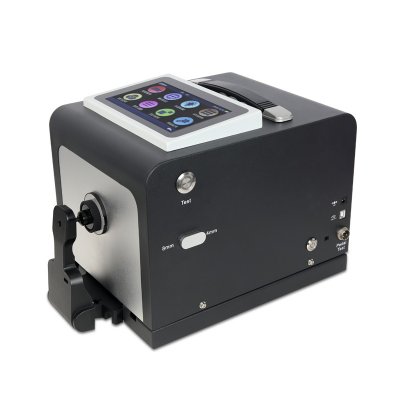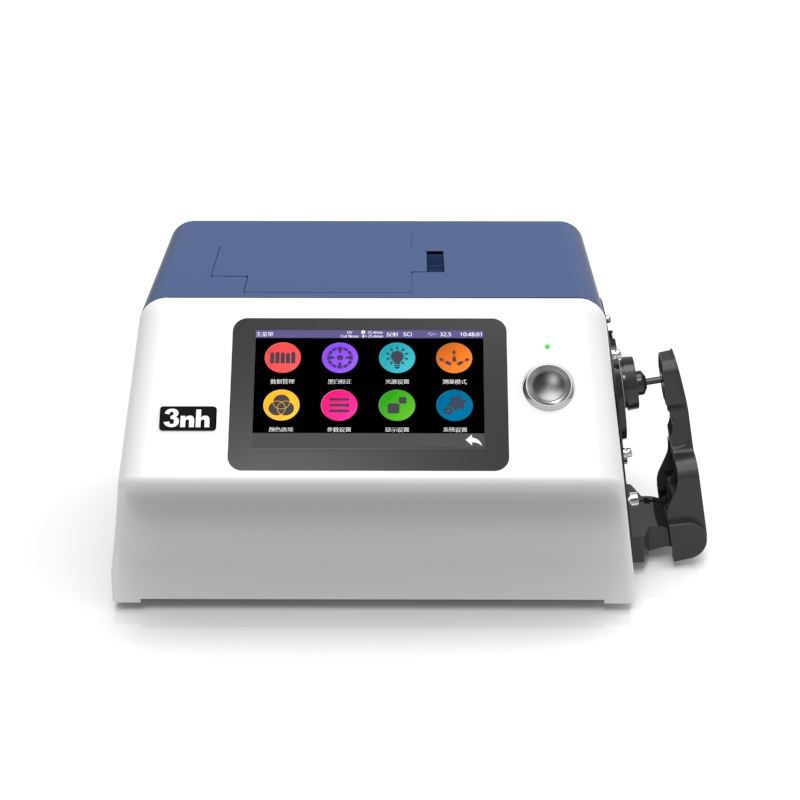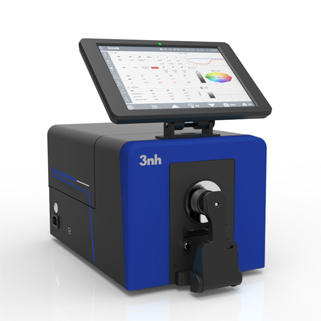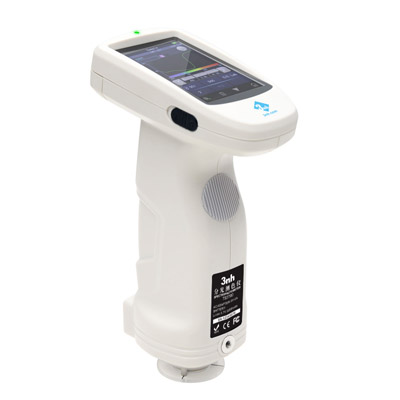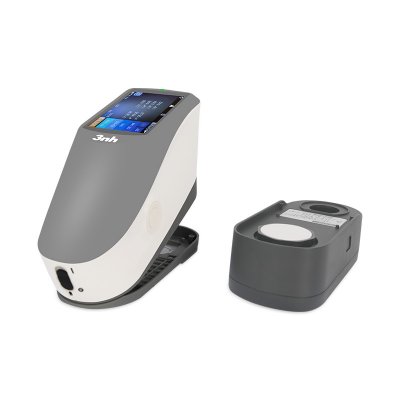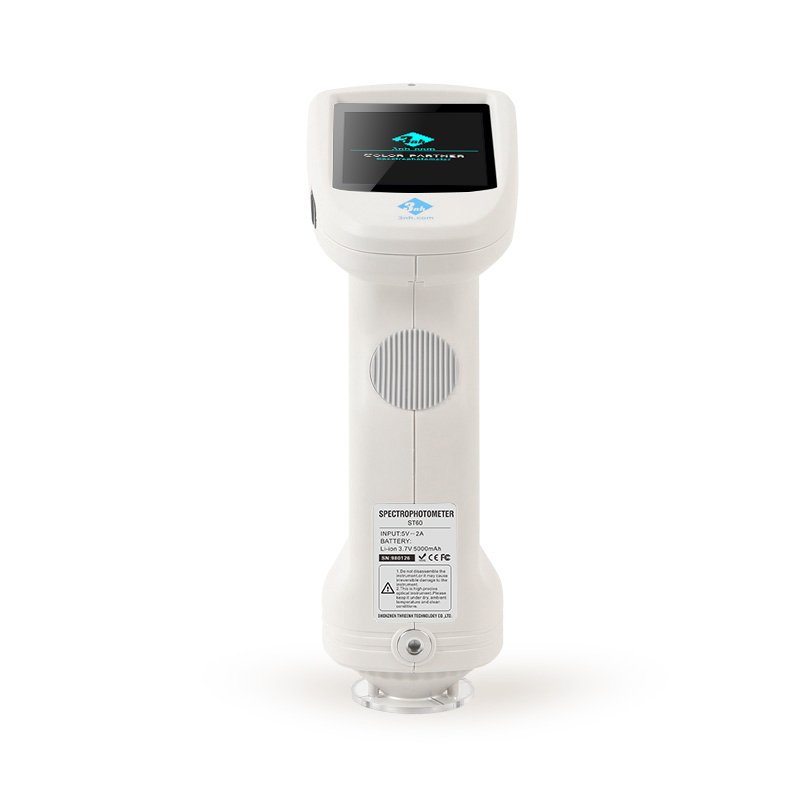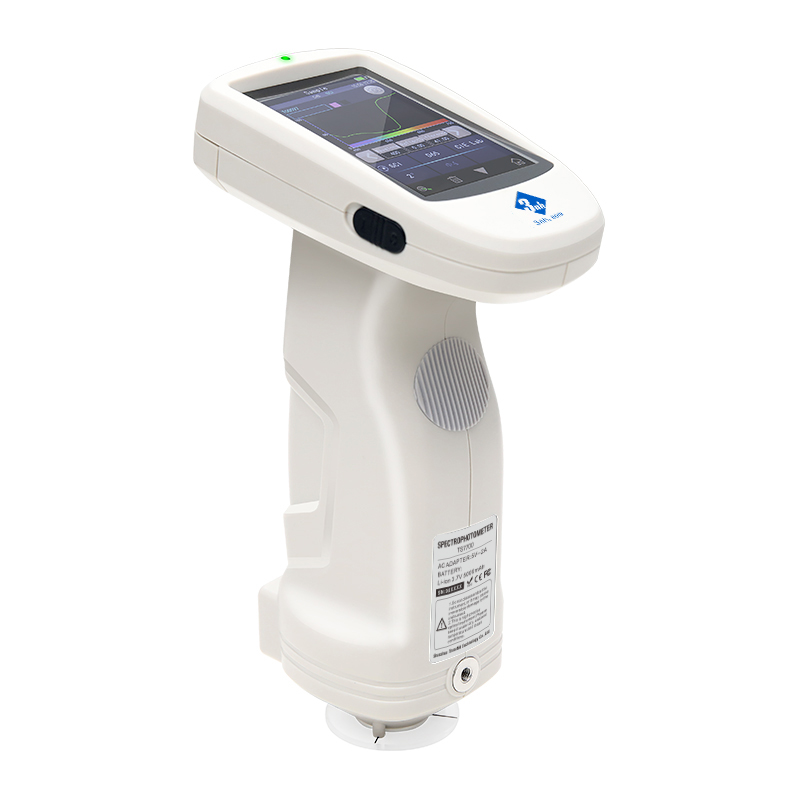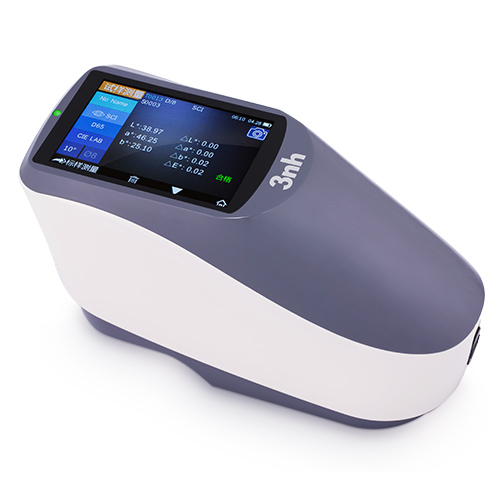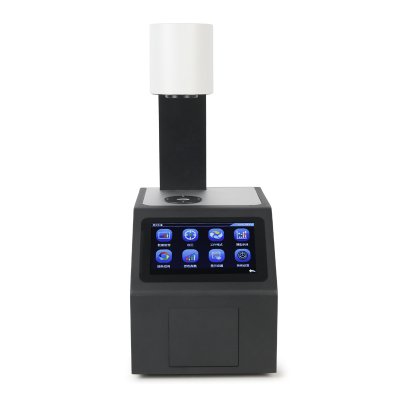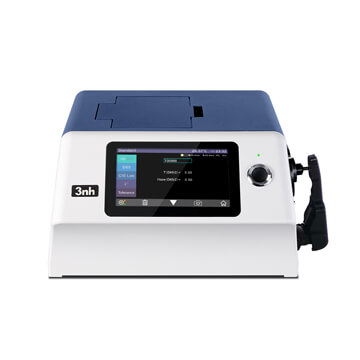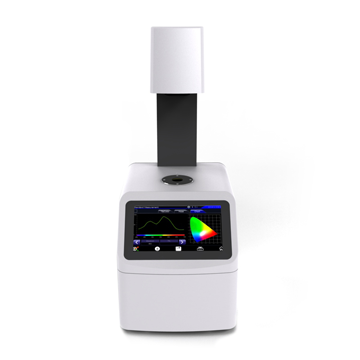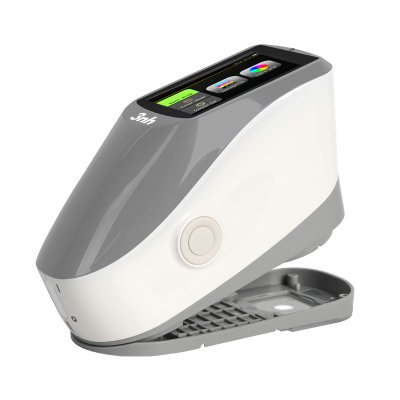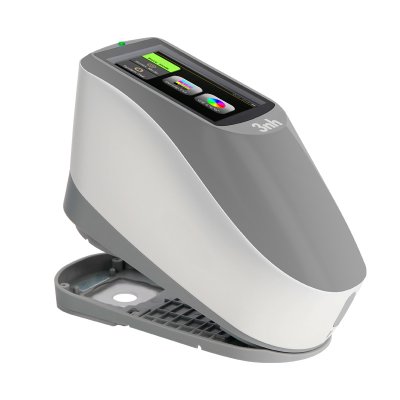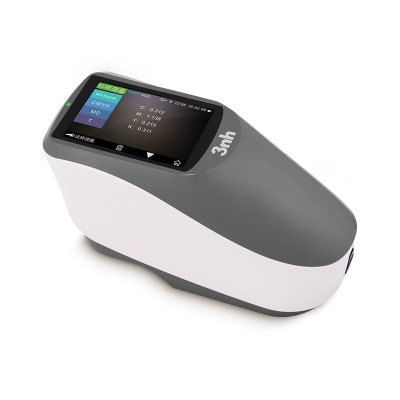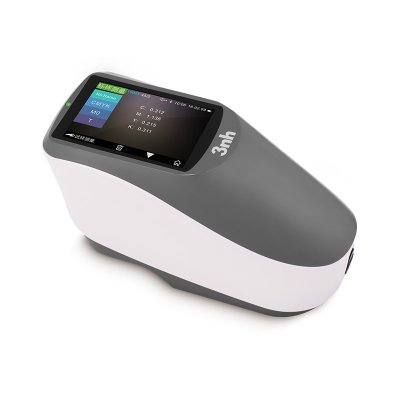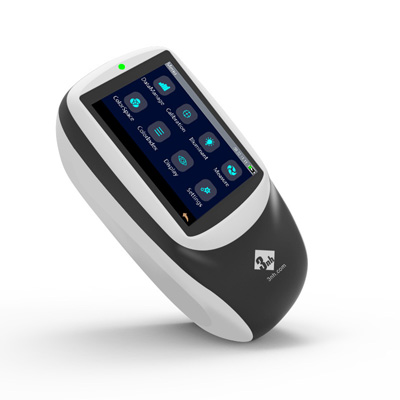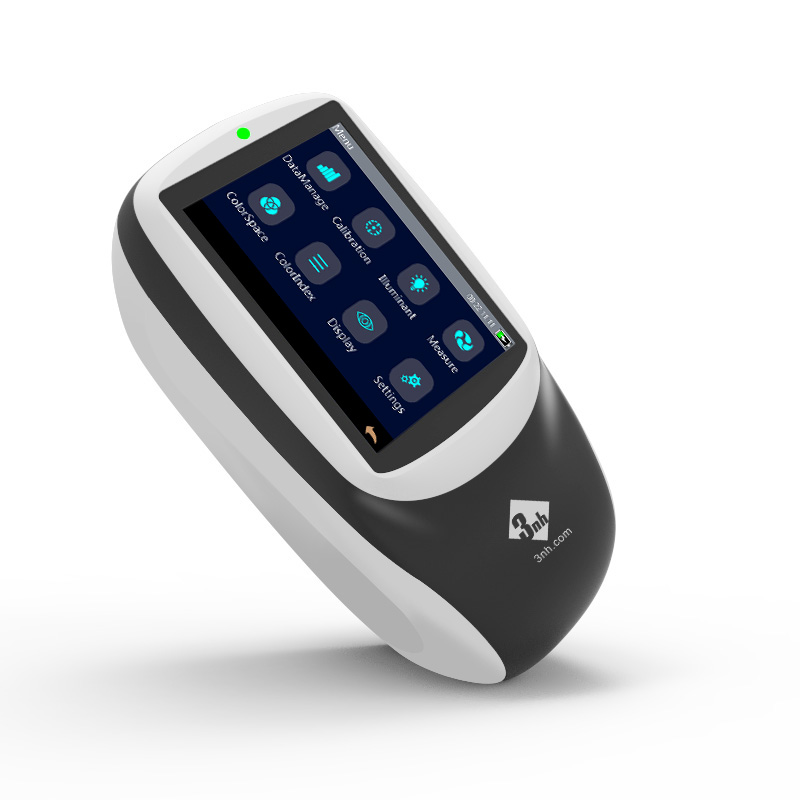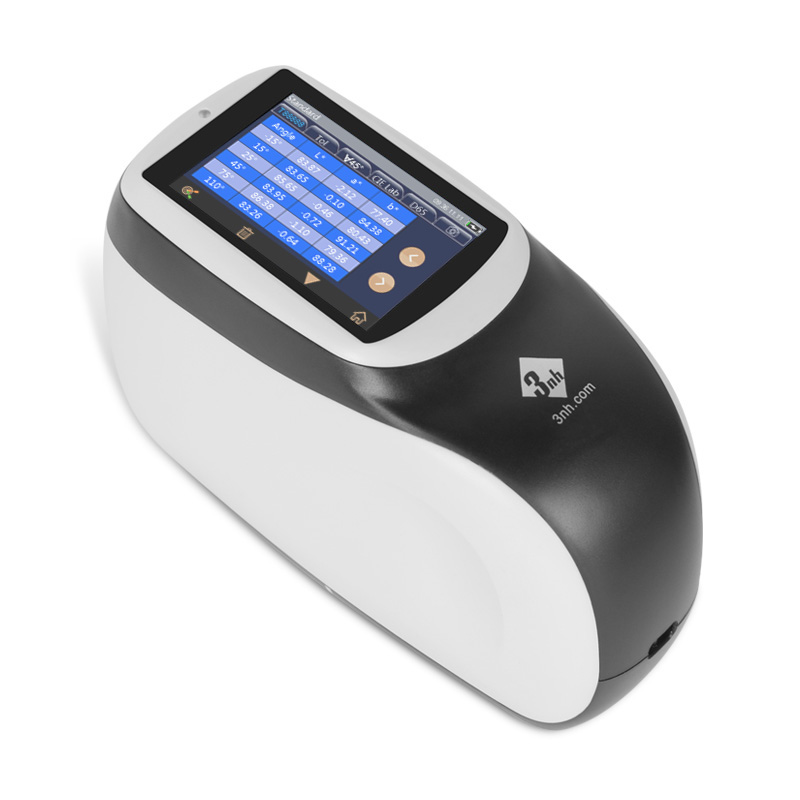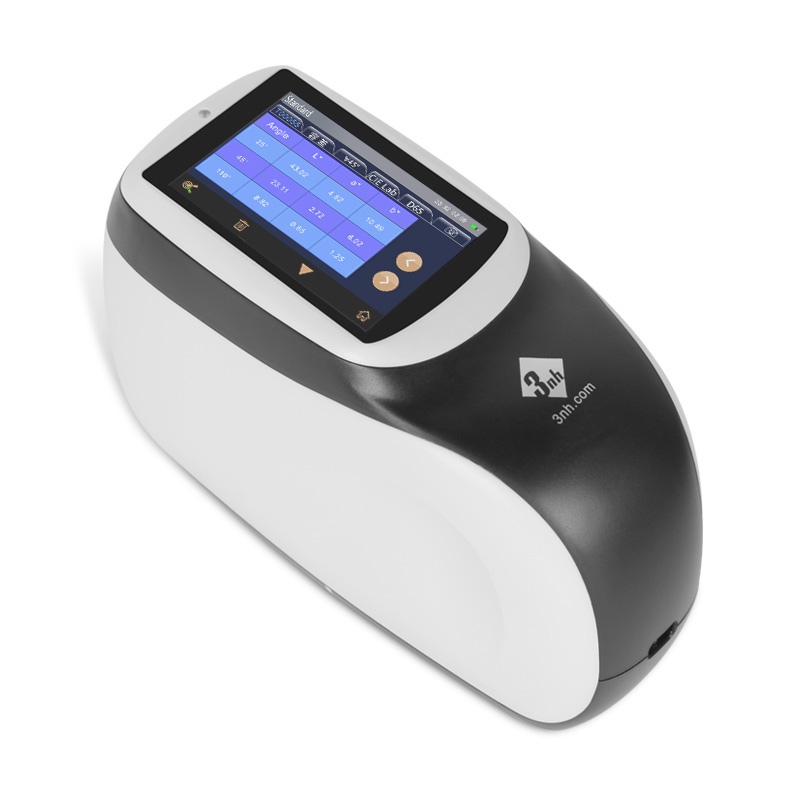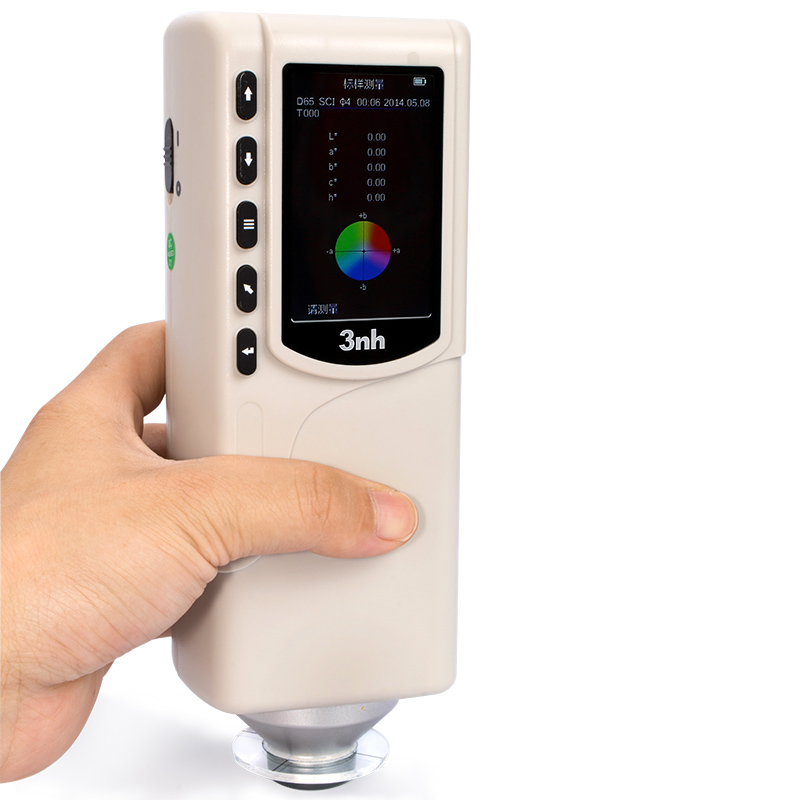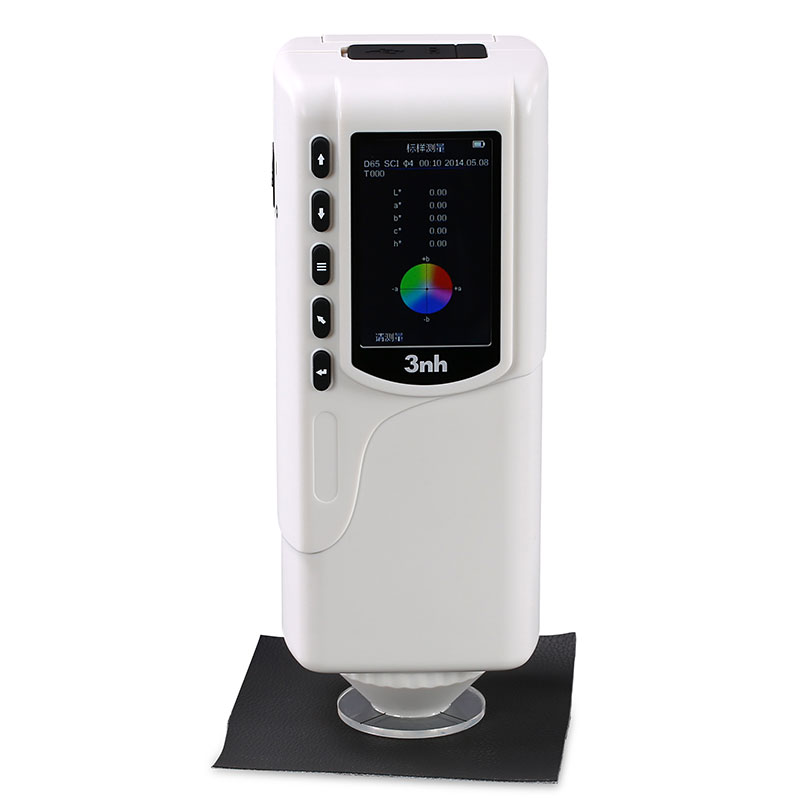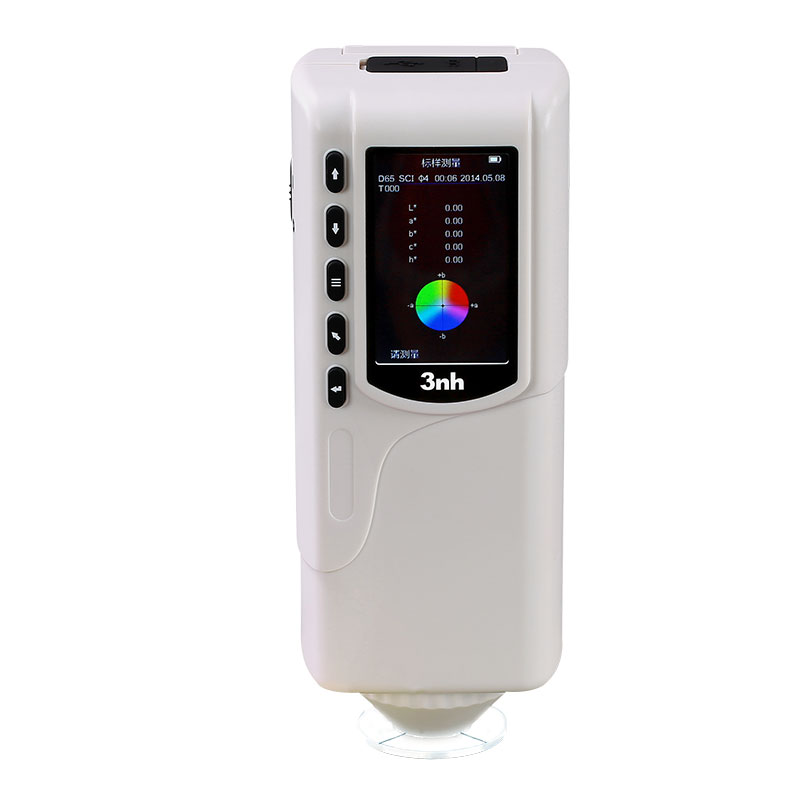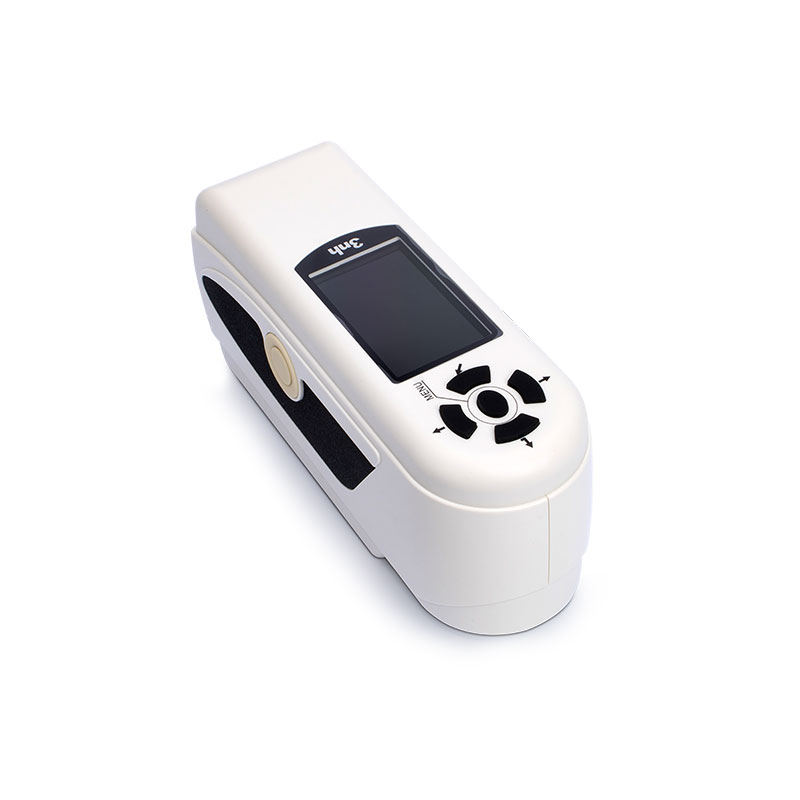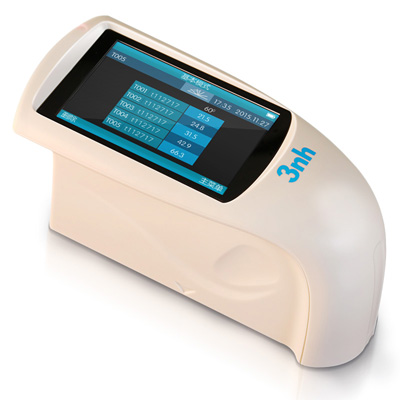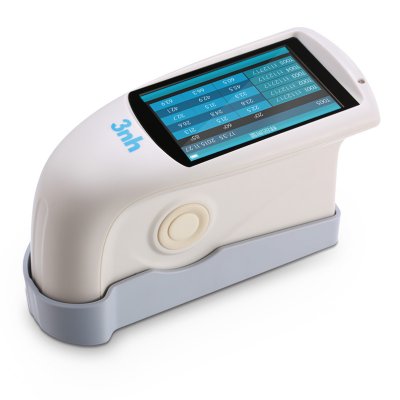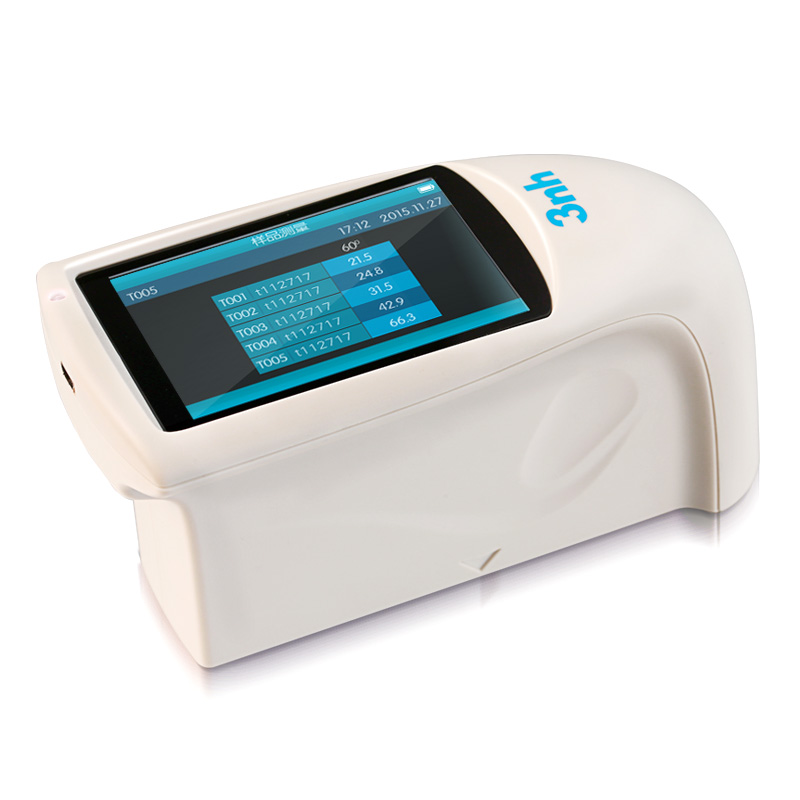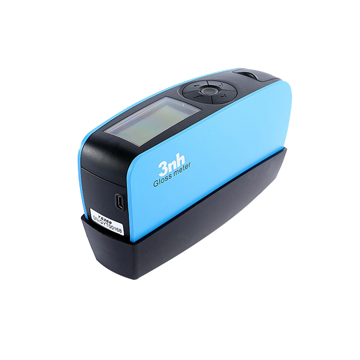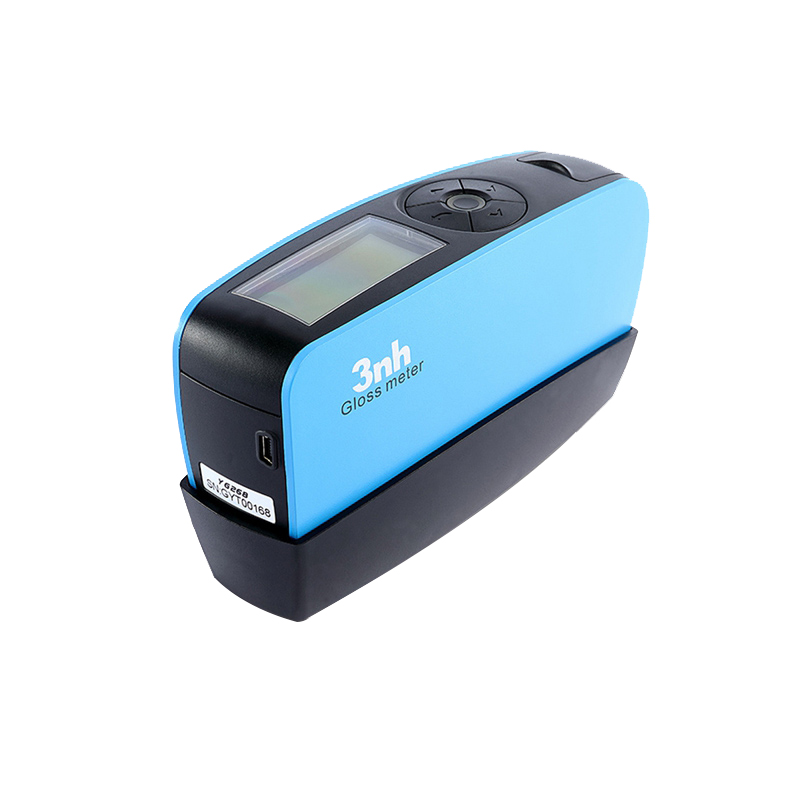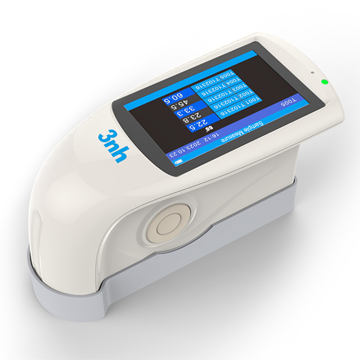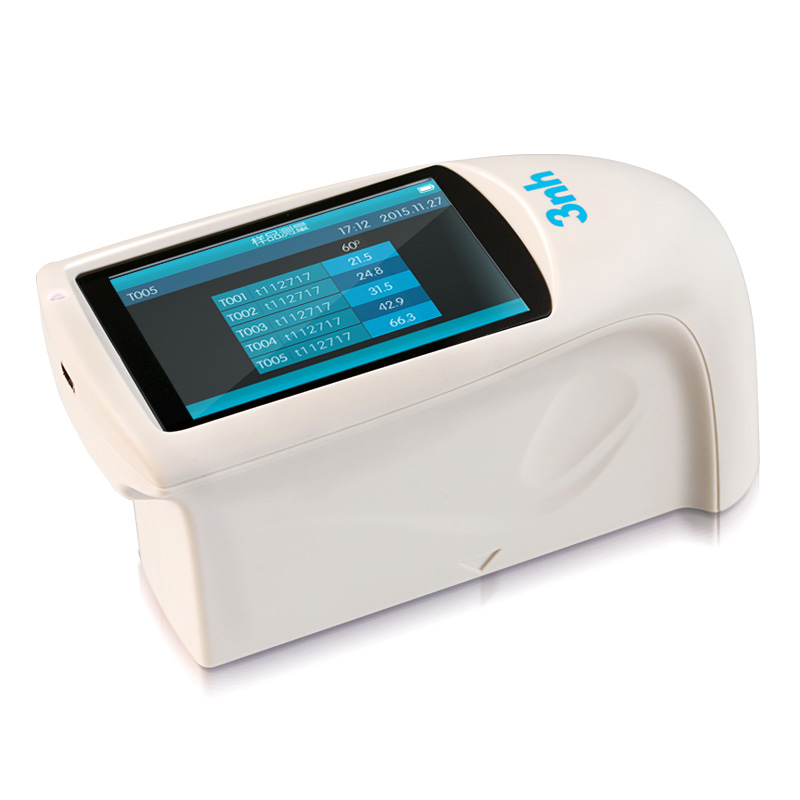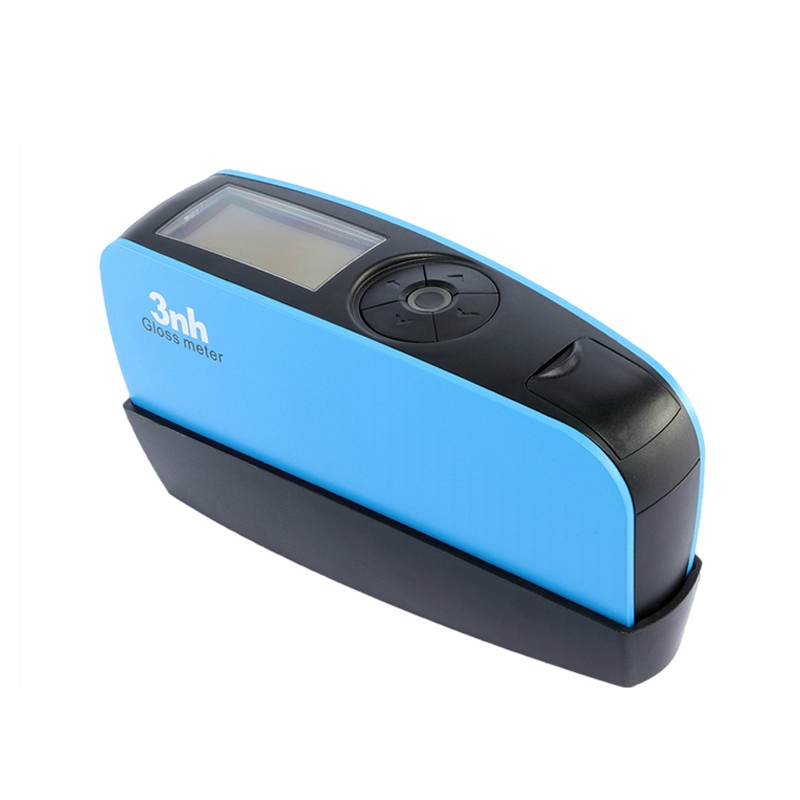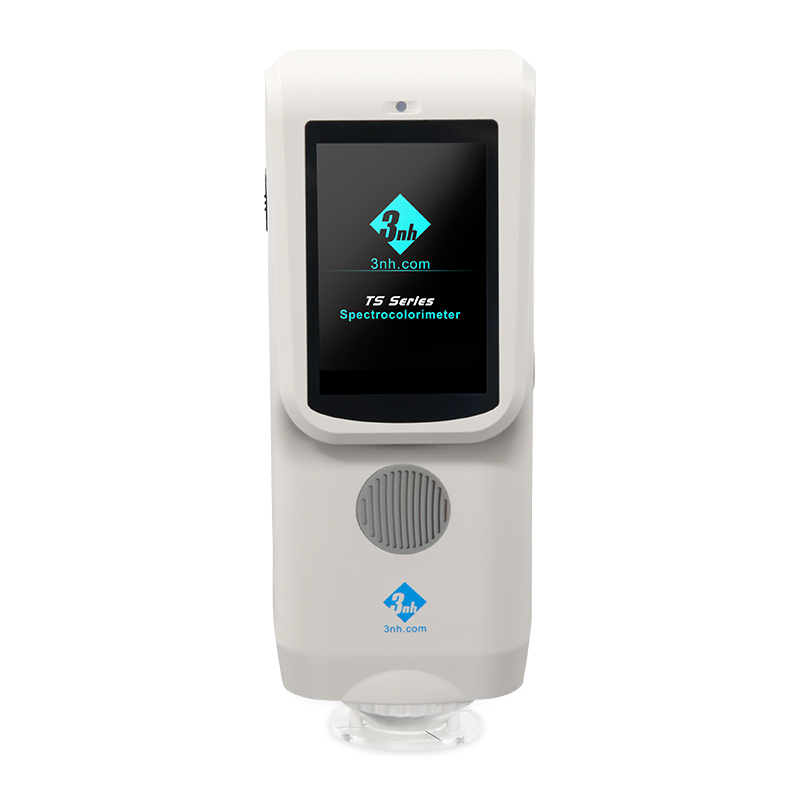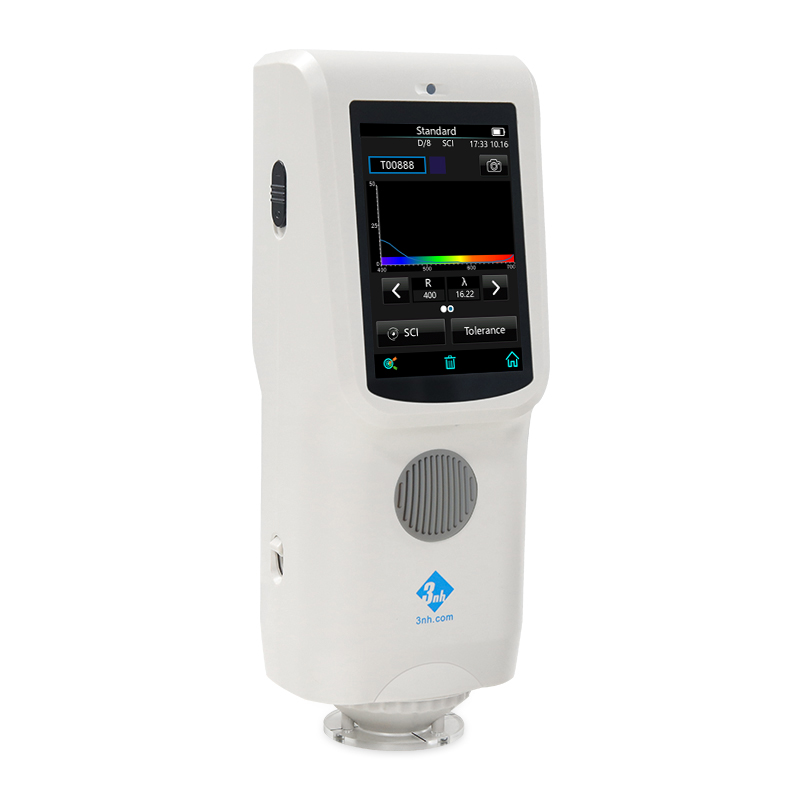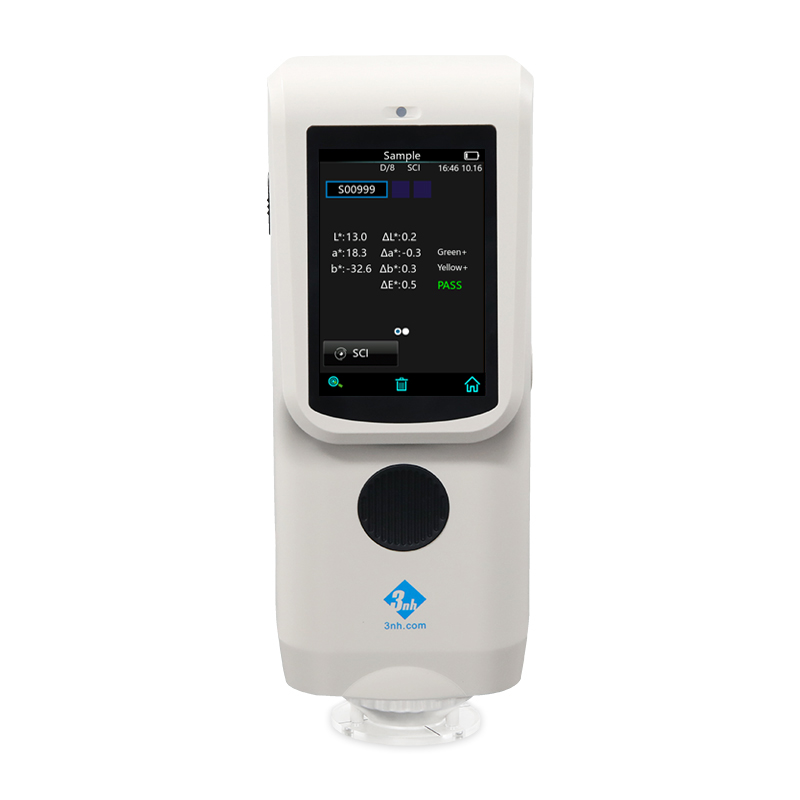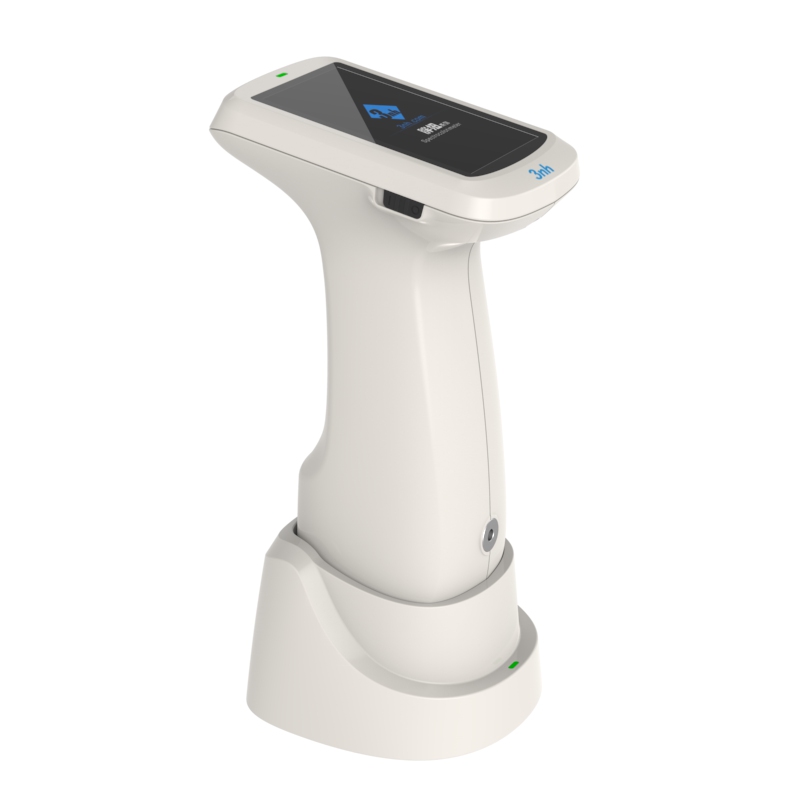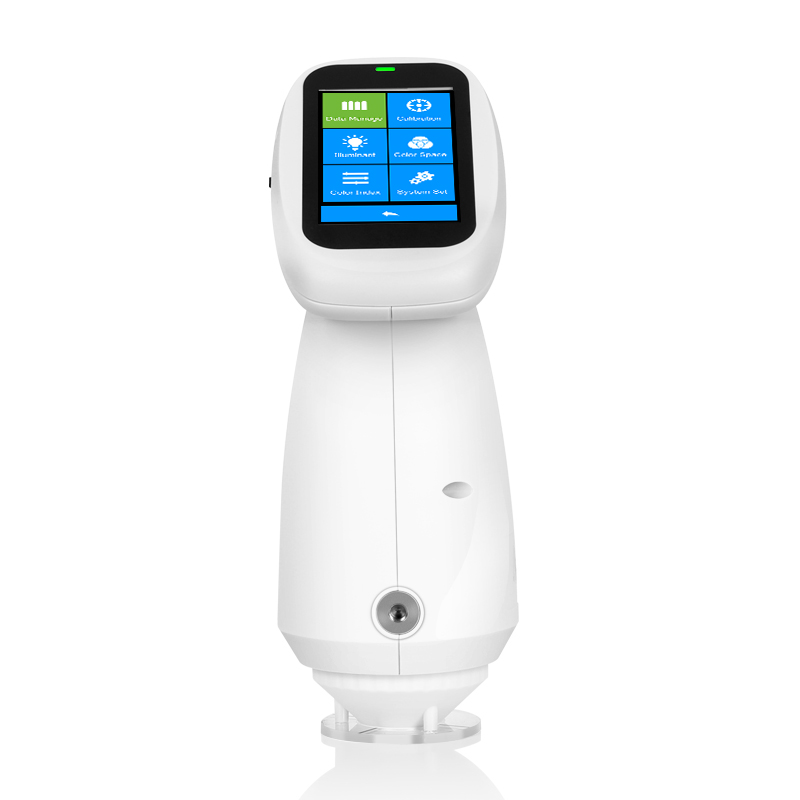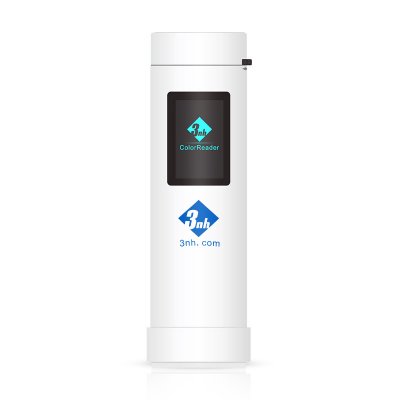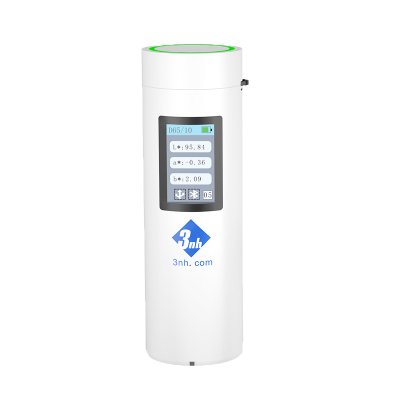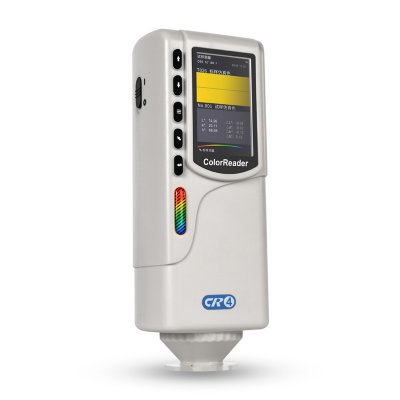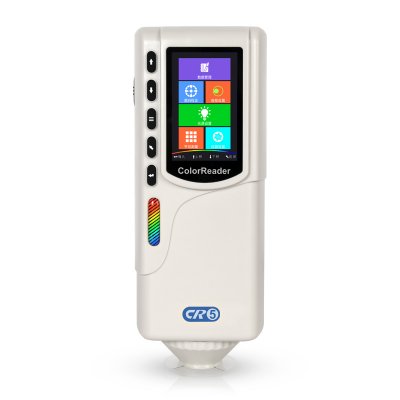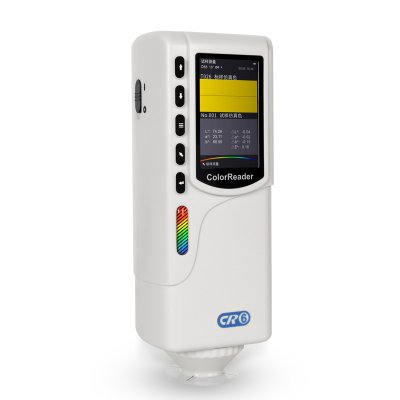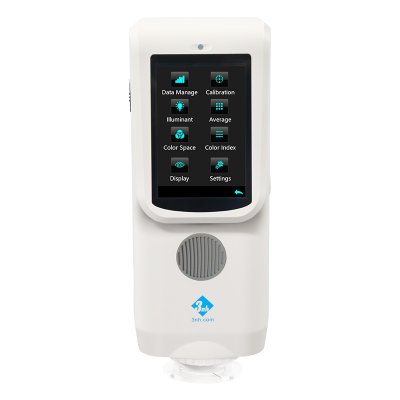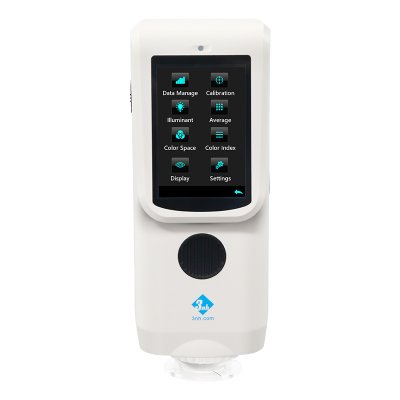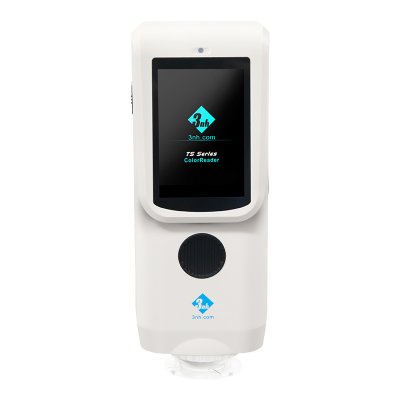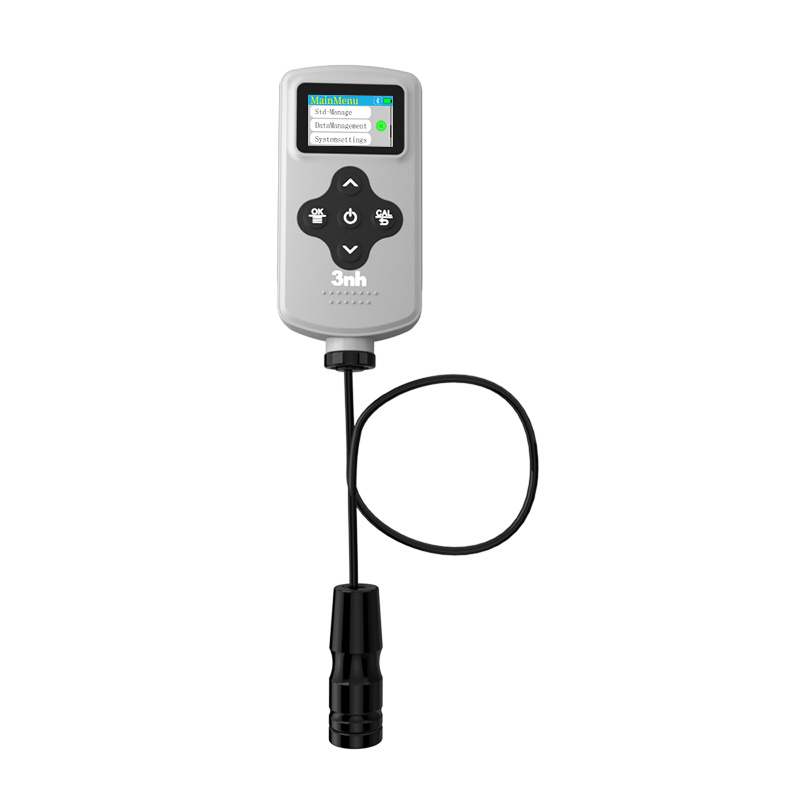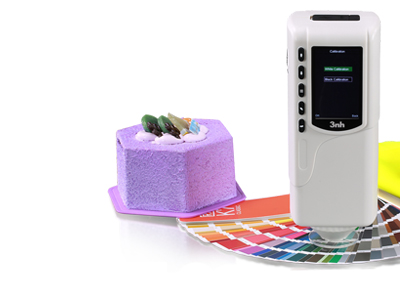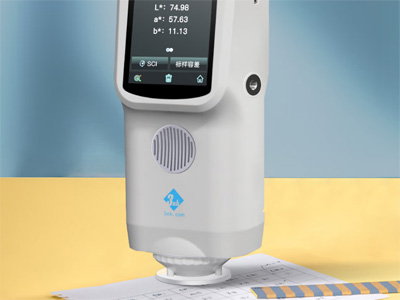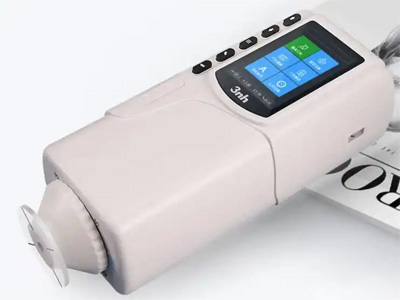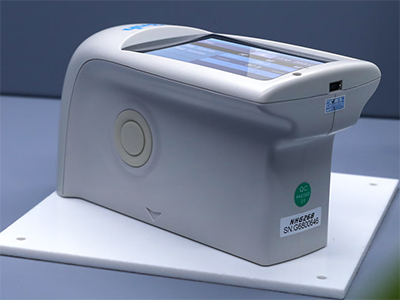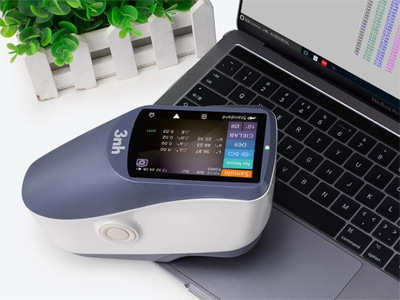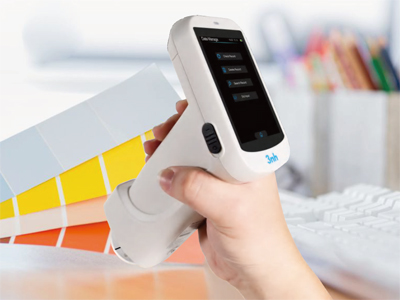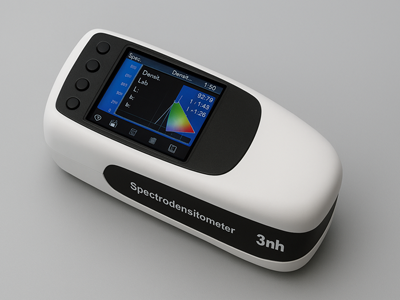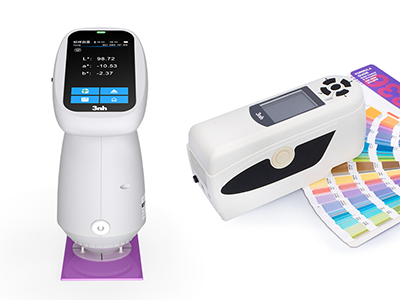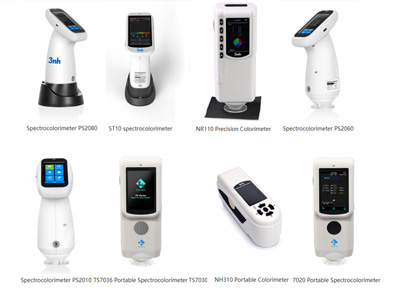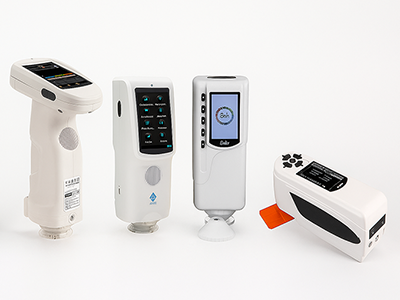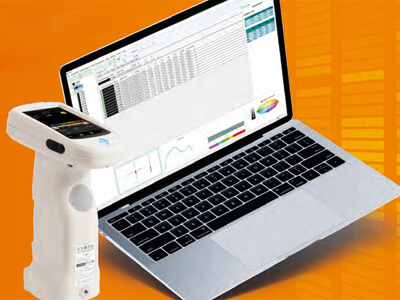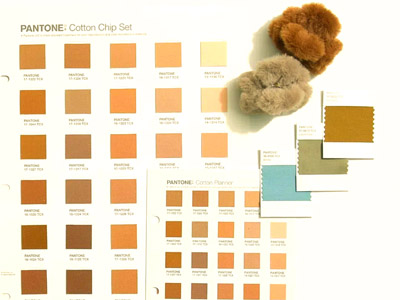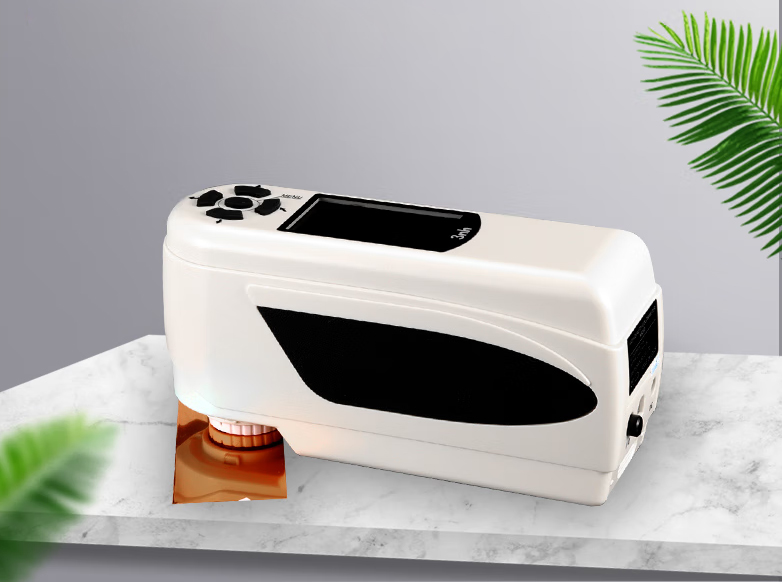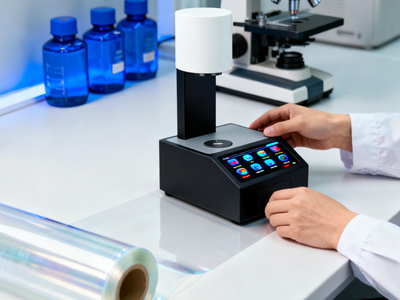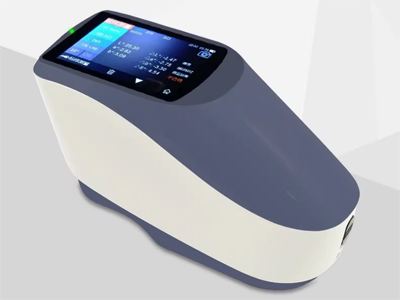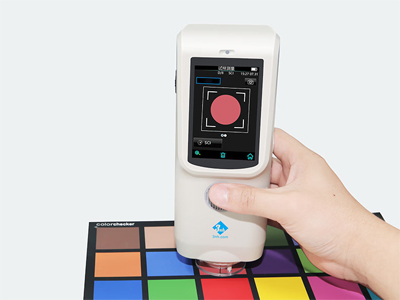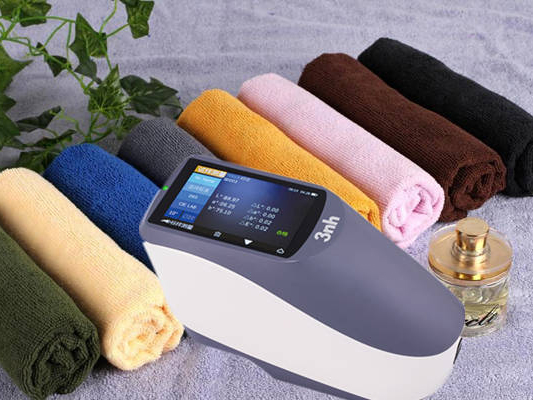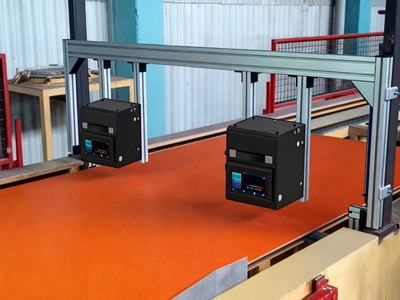
To many, color moderation is just a matter of perception. As long the hue is close enough blue, then many will perceive as blue. However, for many people in the industries of textiles, plastics, coatings, and printing, a perception of blue will earn you a rejected batch. This is where handheld colorimeters come in. Within 3NH, the most discussed are NH310 and NR110. On the surface, they come off as the same device: color measurement technology meant to be used outside of the lab, portable, etc. However, the more you analyze the devices, the larger the disparity between the details truly is.
This review will analyze a more novel approach. Rather than focusing them like their devices are just “spec sheets with buttons,” we will analyze the role these devices play in the lives of their users, quality inspectors, engineers, designers, and even hobbyists. At the end of the day, any technology will find value in the improvement of a workflow.
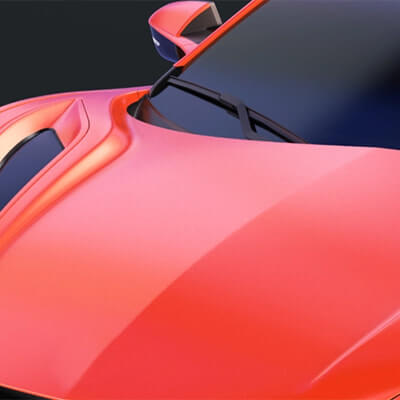
Think of you in charge of a batch of parts that have already been painted for an automotive supplier. The client has the strictest of tolerances: The dash blue that is outlined must be duplicated perfectly with the panels from a different factory. To the naked eye, the colors do look the same in the workshop, but, in daylight, there is a very slight mismatch. That mismatch is enough for costly rework, delays, and angry customers.
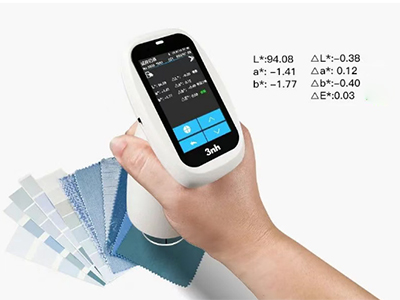
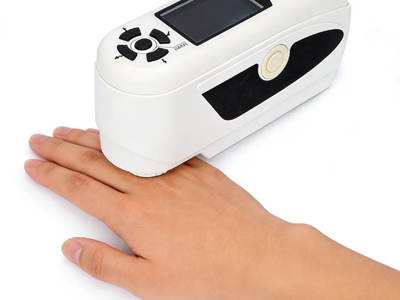
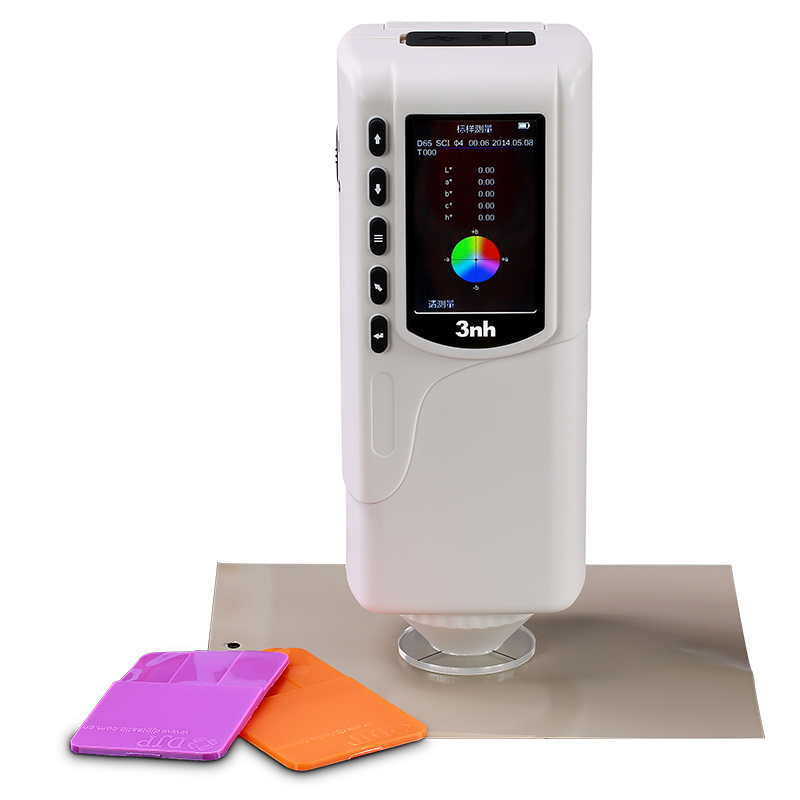
Now think of holding a small device that is capable of telling you whether the part that is ‘in your hand is a case of the approved tolerance – with no lab analysis needed, and no subjective judgement needed. That is exactly the purpose of portable colorimeters like the NH310 and NR110 colorimeters.
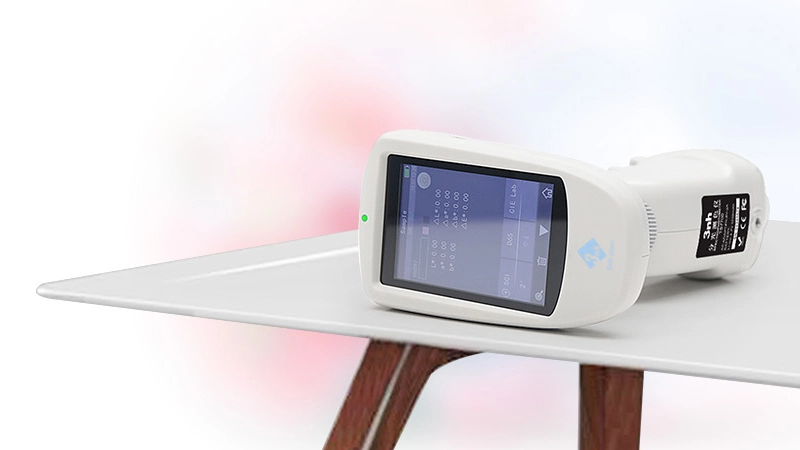
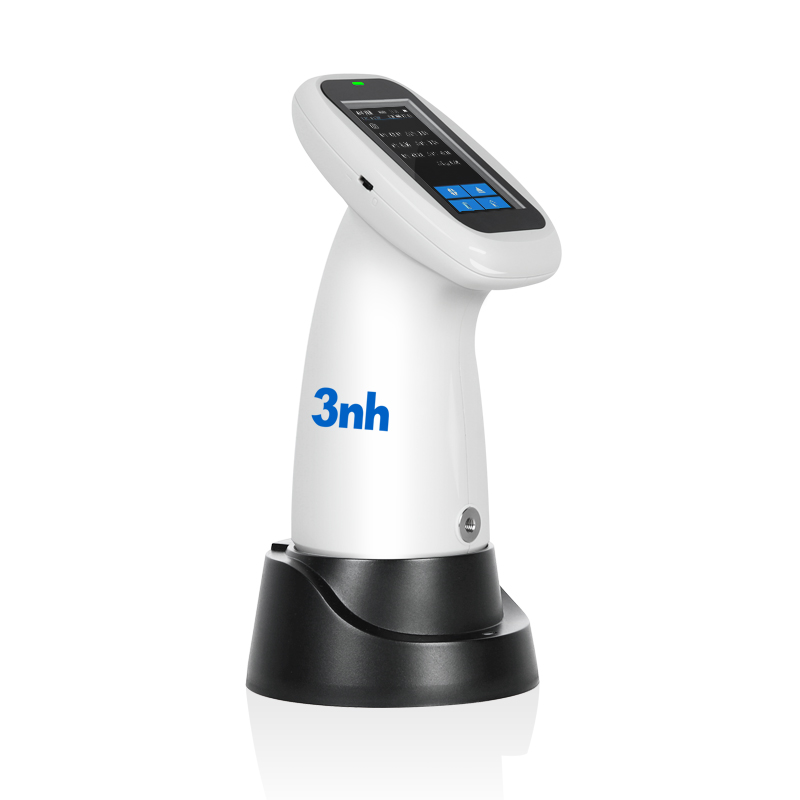
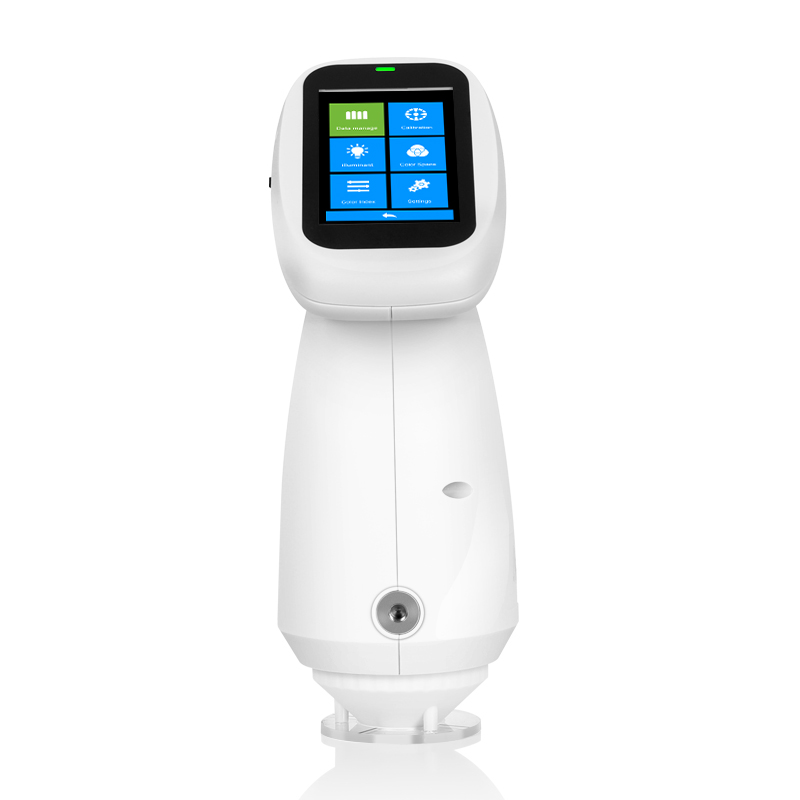
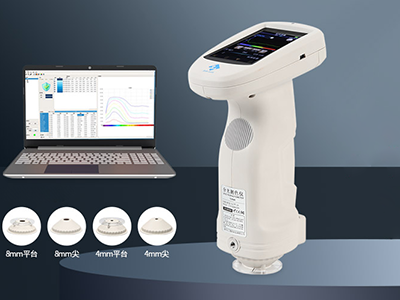
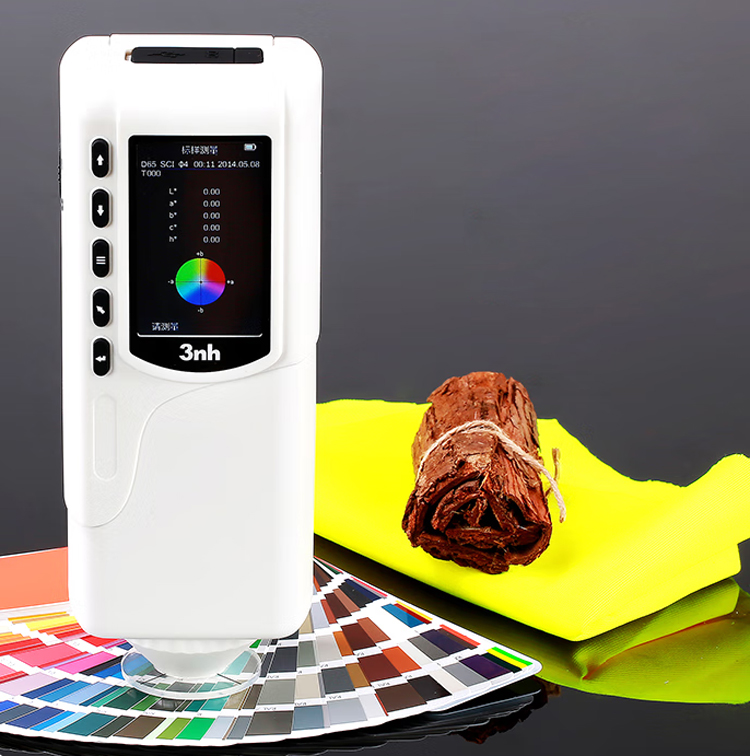
The NH310 is portable and has gained fame and respect as a `workhorse and pioneer’ in portable color measurement. The main feature that stands out is flexibility. The device has two aperture sizes, 8mm and 4mm, that can be used for either larger surfaces or details and can be used in an adaptable way in different industries.
Thus, one device can manage both a roll of fabric in a textile plant and small plastic buttons in a garment factory. The bigger aperature guarantees that differences in texture are smoothed out while the smaller aperature provides accurate measurements on dense components.
Most industries, and even the NH310, a device that boasts a repeatability of ΔE ≤ 0.06, can find that level of precision acceptable. Its combination of an ergonomic form, built in calibration routine, and the ability to store tens of thousands of measurements makes it ideal for workflows where speed and reliability are important.
To sum it up, The NH310 is for teams that require one device to work in several different contexts.
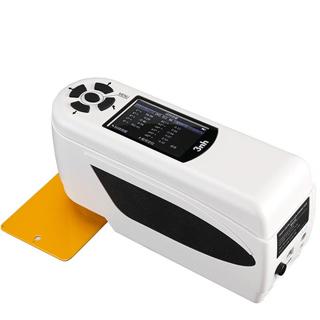
The NR110, on the other hand, sacrifices some of that flexibility for the sake of being simple and less costly. It has a fixed 4-millimeter aperture which benefits smaller samples and scenarios where consistency of aperture is prioritized over flexibility.

The device has a repeatability rating of ΔE ≤ 0.08 which is not on par with the NH310 but many practical scenarios such as measuring the color of food packaging, small plastic components, or containers for cosmetics still finds value for its accuracy.
The NR110 is simple to use as it has a small number of options which results in decreased confusion. In situations where employees shift frequently, or with limited amounts of time to train, streamlined devices are ideal.
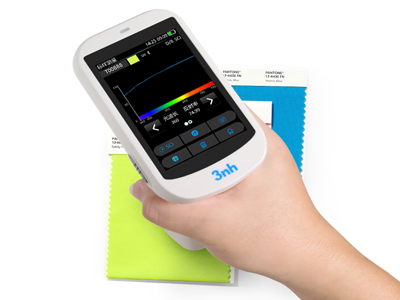
This video explains how to use the NR110 colorimeter, including steps such as powering on the device, calibrating it, demonstrating color testing between standard samples and test samples, and checking the color difference values of the test samples.
For a more visual comparison, let’s examine two fabricated but plausible situations.
The manager in charge of quality maintains large panels along with small dashboard knobs. Being able to switch devices and apertures with confidence is both a time and cost saving feature. The NH310 is a clear choice for this individual as the versatility means no testing compromises.
The production line in this scenario produces thousands of identical lipstick cases. While all the cases are the same shape and size, the lipstick cases are not the only slanted alignment produced. The NR110 is also able to be used. This device is also simple and effective, providing a quick and cost effective solution for operators.
One could ask: why not apply a monitor calibrator, how about a smartphone app, or for that matter, one of the pocket sized devices touted for DIY use?
The answer has to do with the nature of the measurement being taken. Monitor calibrator devices are focused on screens, measuring emitted light. The Nix Color Sensor Pro, for instance, is designed, and is quite good, for rapid comparisons of devices (like paint chips) in a hardware store, as noted in a review in Visuals Producer. However, for the purposes of accurate industrial scale quality control, neither of those types of devices can remotely approach the consistency and dependability of instruments designed specifically for such tasks.
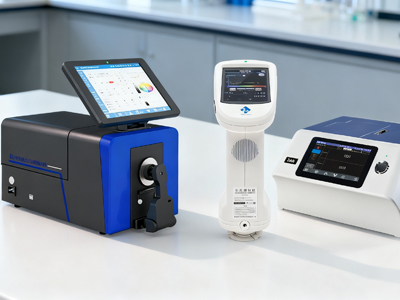
In comparison to the NH310 or NR110, these two colorimeters are more portable and more affordable, though lower in precision. Think of them as the practical middle ground against high-end spectrophotometers: accurate enough to satisfy the demands of most manufacturing processes, without needing specialized training to operate them.
● Flexibility for small and large samples with dual apertures sizes.
● Higher repeatability and tighter tolerances.
● Storing large amounts of data.
● Flexibility of varied product types in industries.
● More complex, and thus heavier, than NR110.
● Higher costing.
● Easier to train operators, as well as lighter and simpler to operate.
● Still offers good accuracy at a lower price point .
● Best suited for repetitive processes of a similar scale.
● Single aperture size (less adaptable).
● Precisions lacks accuracy when compared to NH310.
The answer to this question is not which is better, but which is better for YOU.
● The NH310 becomes a worthwhile investment if your workflow includes varying product sizes, textures, and colors, or if accuracy is a major imperative.
● The NR110, however, gets the job done if you run a more streamlined operation where simplicity, reliability, and cost efficiency take precedence over flexibility.
to subjective visual inspection both devices bring measurable improvements, thus reducing waste, rework which is costly, and customer dissatisfaction.
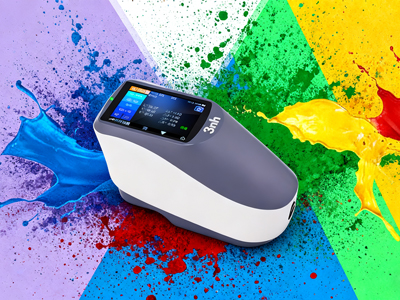
3nh precision colorimeter is widely used in building materials (cement, silicate, talcum powder, kaolin), daily chemicals (cosmetics, detergents, washing powder), ceramics (building ceramics, daily ceramics), flour, salt industry, food, Beverages, textiles, flax, fiber, chemical industry, plastics, metallurgy, ultrafine powder, papermaking, printing, measurement, commodity inspection, etc.
Color is much more than what one sees, it is a language of quality, trust and a key part of the brand identity. For instance, the NH310 and NR110 are silent patrollers of uniformity when it comes to making sure every lipstick case on the shelf is the exact same, or every car dashboard is up to the approved standard.
In this context, the choice between the two is not simply a matter of specifications. It is also a matter of considering how each instrument integrates to a given rhythm of the production line, the skill level of the team, and most importantly the expectations to be satisfied from the customer.
The NH310 and NR110 exemplify that some of the most essential technologies are the ones that recede into the periphery and allow the user to concentrate on their strengths: the colors will always be correct.
소개 색상 정확성이 많은 산업에 매우 중요한 세계에서 산업 표준과 전자 표준 모두에 대한 필요성이 증가하고 있습니다.
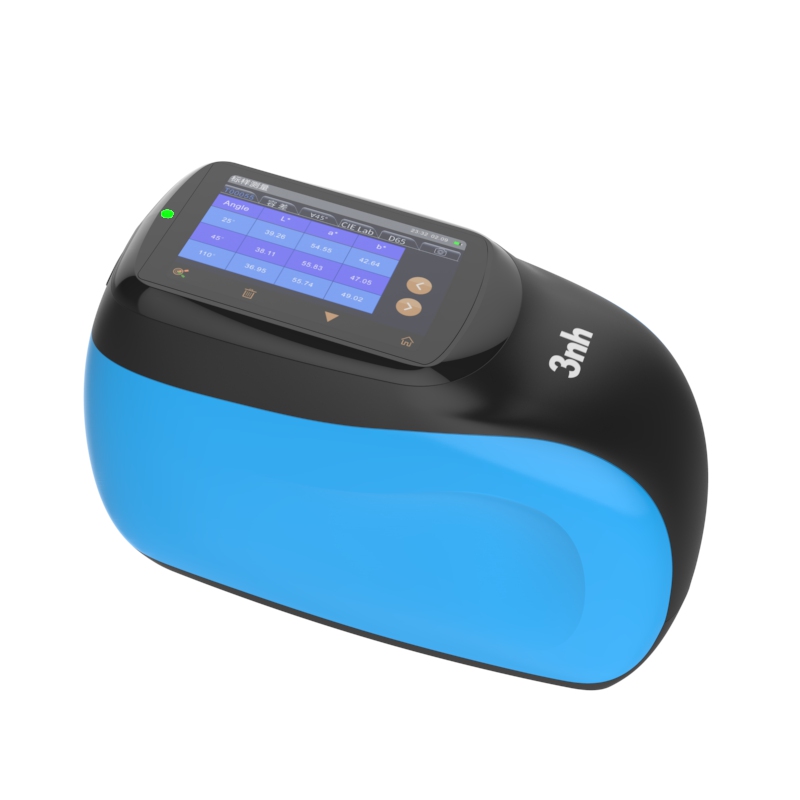
무엇이 기기 간 합의인지, 왜 중요하는지, 기기 간과 모델 간 합의의 차이점, 그리고 그것을 향상시키기 위해 할 수 있는 방법. 결국 제조업체와 연구자가 기대되는 이유를 깨달을 것입니다.
만약 당신이 기술자에게 광택 미터가 무엇을 하는지 물어보면, 쉬운 답은 자연스럽게 '광택을 측정합니다'.그러나 그 답은 거의 scr 시작합니다....
휴대용 색상계는 색상의 일치가 중요한 산업에서 많은 중요성을 얻었습니다.다음 블로그에서, 우리는 당신이 아마도 모르는 이러한 유용한 장치에 대한 9 가지 사실을 살펴보겠습니다.
왜 정확한 색깔 일치가 중요하는가, 정밀한 색깔에서 색도계의 역할은, 색도계는 주관적 인 판단을 객관적 인 데이터로 전환합니다.CIE LAB, LCH 및 RGB와 같은 색상 공간을 사용함으로써 눈이 인식하는 것을 배치, 플랜트 및 생산 사이클에 걸쳐 추적할 수 있는 측정 가능한 값으로 번역합니다.
인쇄 산업에서는 색상의 정확성, 균일성 및 입력에 집중해야합니다.가장 작은 세부사항조차도 요소입니다....
분광광계와 색도계는 색상을 측정하고 비교하는 것으로 예상되지만 기술, 정확도 및 응용 프로그램에 대해 크게 다릅니다.장비를 더 교육적으로 구매하고 기능적 인 워크플로우를 가질 수 있도록 이러한 차이를 알 가치가 있습니다.
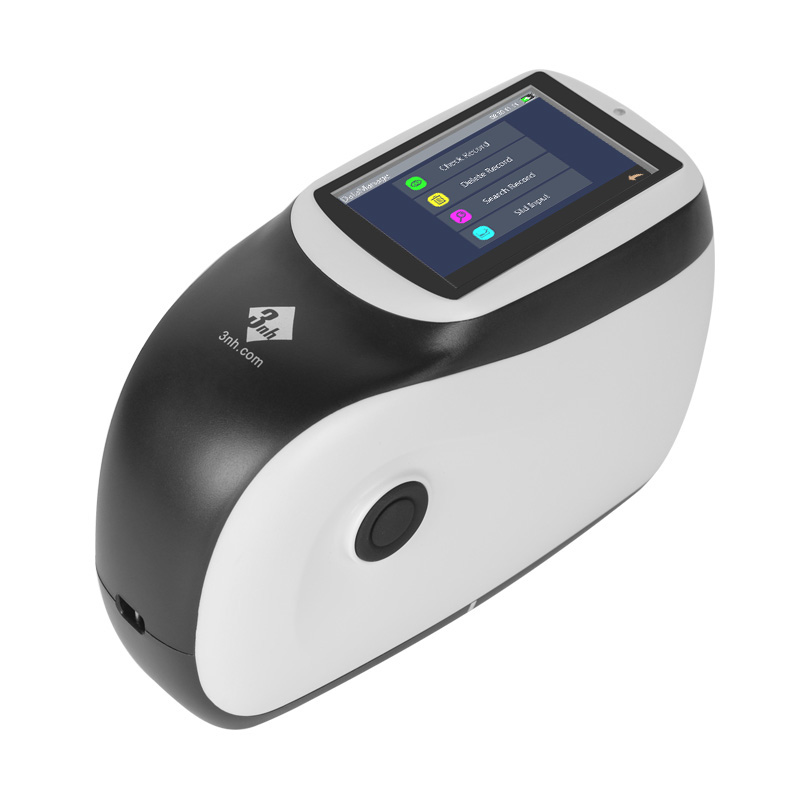
색상 표준이란 무엇입니까? 견고한 색상 측정 분광광계와 협력하여 최신 디지털 색상 기술과 통합하여 모든 측정에서 정확성, 효율성 및 반복성을 제공합니다.
Threenh.com은 현대 산업의 다양한 요구 사항을 충족시키기 위해 고정확도 색상 측정 장치를 제공하는 전문가입니다.인쇄, 코팅, 페인트 매치, 직물, 플라스틱 또는 R&D에서 일하는 것은 상관없습니다.
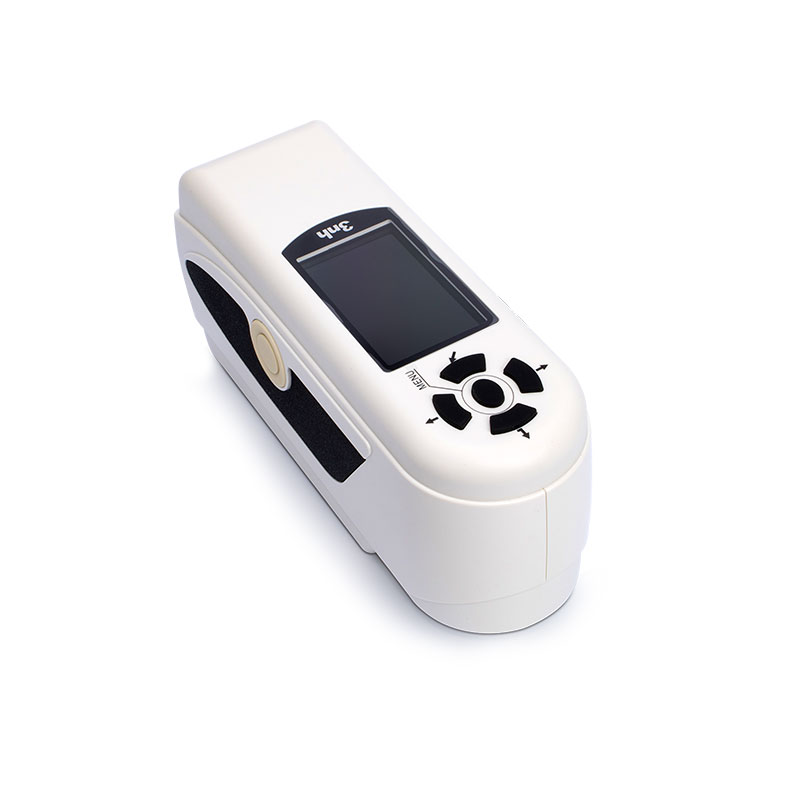
우리의 제품 전문가와 프로젝트를 토론하십시오:
0086 755 26508999우리는 1 영업일 이내에 견적 요청에 응답합니다.
service@3nh.com관심이 있는 제품에 대한 데모 요청을 제출하십시오.
데모 받기