Home>Resources>Product NewsColor Spectrophotometer Colorimeter Instrument for Color Analysis

Color Spectrophotometer Colorimeter Instrument for Color Analysis

The accuracy of colorimetric values in modern manufacturing units, research, and quality control, especially at global scale, is very fine as even the slightest deviation of color dye in the paint can cause loss of control in lot acceptance, protection of brands, and unsatisfactory results for clients. Industries are dependent on these tools, as a portion of the colorimetric devices, black box, is in color viewing filters i.e. the black box is a color filter.


Color spectrophotometers measure color without the prejudice of a human. Corporations get control of the uniformity of color without the impressionistic judgement.


The demand in quality control and the market is met through diverse manufacturing industries like cement, plastics, paints, coatings, food, pharma, textiles, and even more in automotive and paint factories.

Color spectrophotometers are color analyzers


Color spectrophotometers are color analyzers. They are optical, expert devices that detect and quantify color relating to the interaction of light on a sphere. This interaction can depend on transmitted or reflected light in the visible range, which is from 400 to 700 nm.


Within the field of measurement science, the spectrophotometer is one of the more curious instruments. Specifically, the device uses luminous energy while trying to characterize the specific components that constitute the energy.


● CIE L*a*b*

● XYZ tristimulus values

● ΔE color difference

● Spectral reflectance or transmittance curves


Manufacturers and laboratories can detect and maintain tolerances on colors due to these values. Scientific data are produced from the spectrophotometric color analyses, because the analysis is objective and sight is not an issue.


Color Variation is Regulatory Compliance. Brand Identity is the primary product. Color Variation is the primary product in many. Whether color matching a corporate identity, keeping a color constant in production, or meeting International Specifications the spectrophotometer offers the assurance required for color critical decisions.


Basic principles of color spectrophotometry


One of the methods used to create accurate measurements in spectrophotometry is to have standard and controlled illumination of the sample as well as controlled measuring of the transmission and reflection of the sample, illumination the sample at each wavelength.


By measuring and representing the entire spectrum of light reflected or transmitted, one can obtain the entire profile of the color of the sample precisely. While colorimeters are less accurate and more limited by using human color perception by blocking certain ranges of the spectrum, spectrophotometers are more flexible and accurate as they measure with all and every wavelength of light in the visible spectrum.


More recently built color spectrophotometers have the following features.  


● Input stability light sources to color spectrophotometers are designed to provide stable illumination, reducing optical noise.

● Measurement uncertainty is reduced by the use of high quality optical systems to construct the spectrophotometers.

● The use of high quality signal detectors and high performance computer systems is implemented, designed to process and deliver coordinated data reports.


All of the added components are the result of designed illumination and observer control as regulated by CIE, ISO and ASTM organizations. This original configuration allows for flexible spectrophotometers designed for dependable use in research, including but not limited to, product design, quality control, and compliance with regulations.

Procedures Performed by a Color Spectrophotometer


To analyze a sample using a color spectrophotometer, a controlled light source is aimed at the sample's test surface. Once illuminated, the sample will either reflect, transmit, or absorb the light, depending on the composition of the sample material.  


The light that is reflected or transmitted will be captured by the optical system. This light is then separated by a monochromator or diffraction grating into its individual wavelengths, and each of these wavelengths are recorded serially to ensure the data is accurate and of high quality.  


The following is a configuration of how the process is usually done:  


● Illuminating the sample with a standard light source.  

● Logging the light that is reflected/ transmitted.  

● Dispersing the light into its component wavelengths.  

● Eliminating the light intensity.  

● Digitizing the light.  

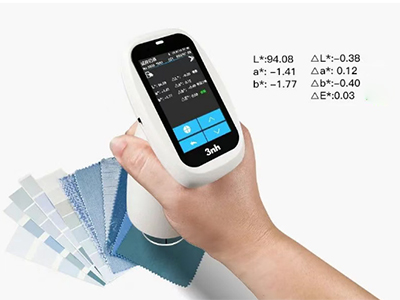
● Calculating the color values based on standard values (L*a*b*, XYZ, ΔE).

● Performing a result analysis depending on the reference values.  


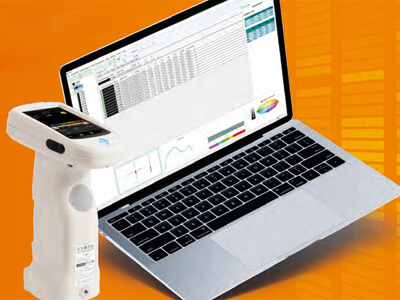
It is the only software capable of calculating such differences. Such software can create values of color, difference, tolerances, and pass/fail statuses. Not only is this form of measurement a science, but it is one’s measurement science. It is as precision, trustworthiness, and repeatability. Such traits and characteristics is the speck of measurement industry dominator.  

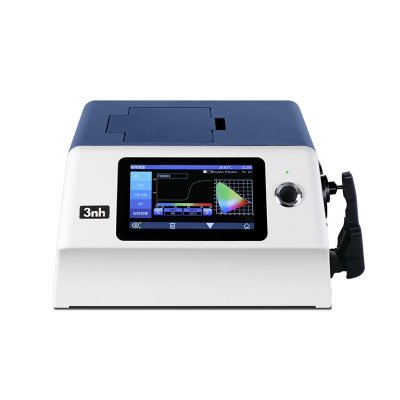
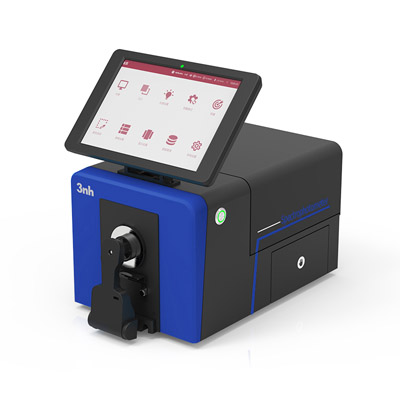
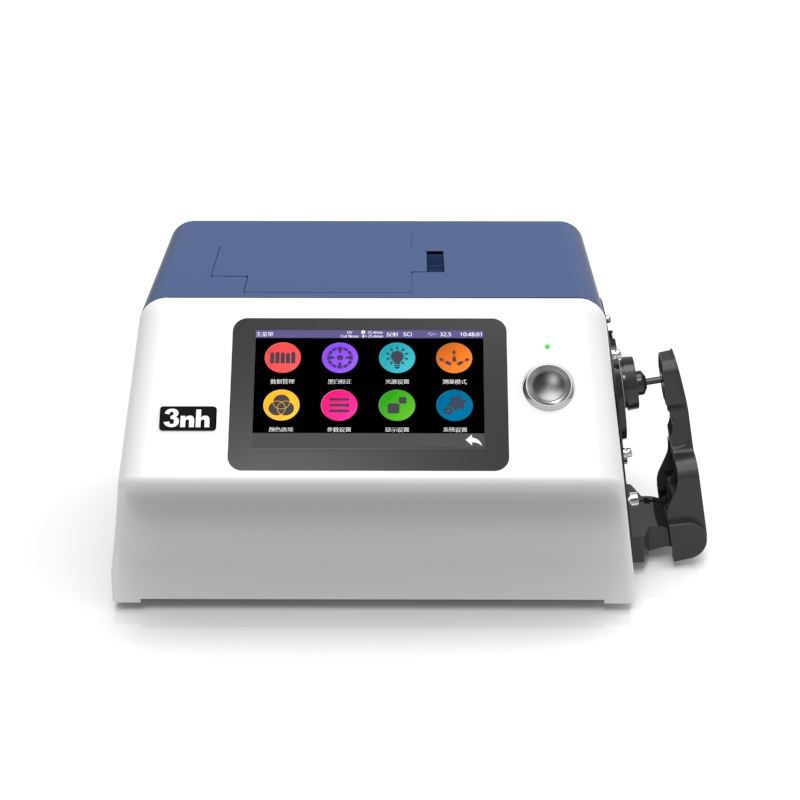
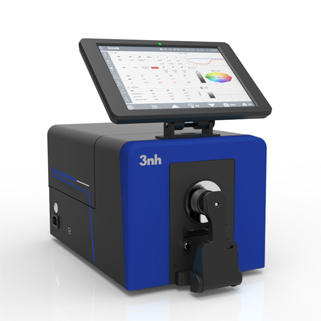
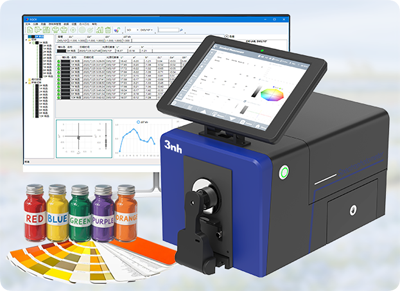
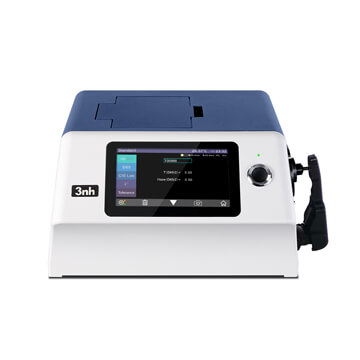
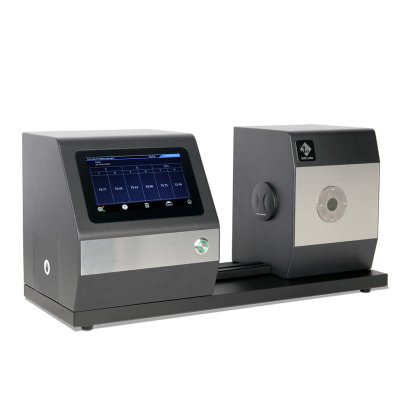
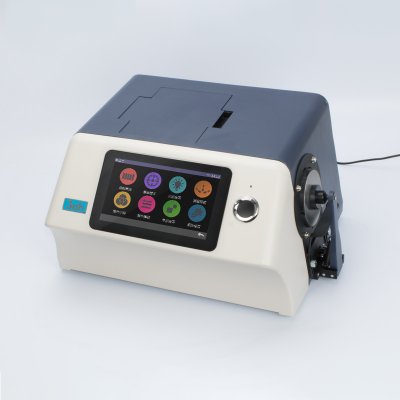
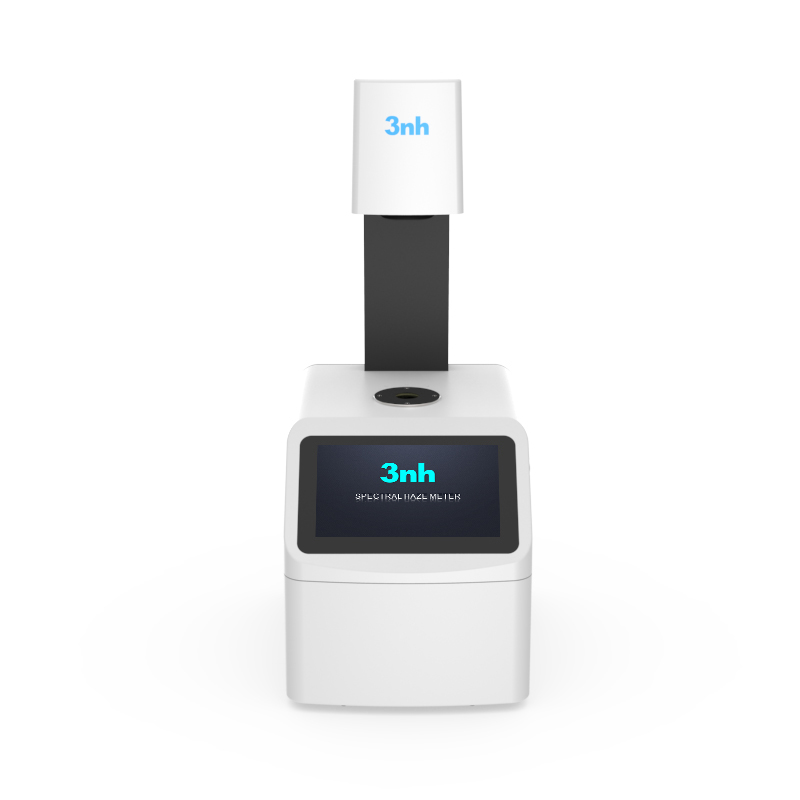
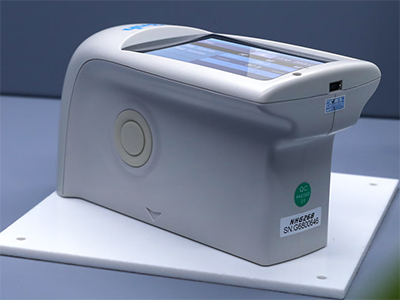
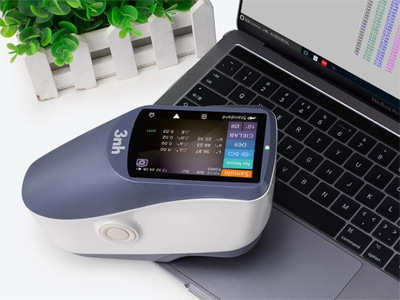
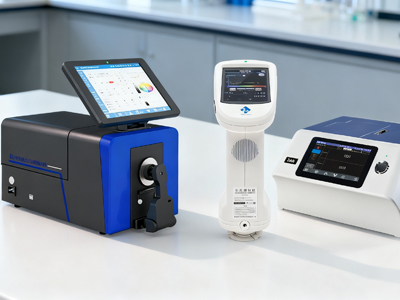
Benchtop Color Spectrophotometer  


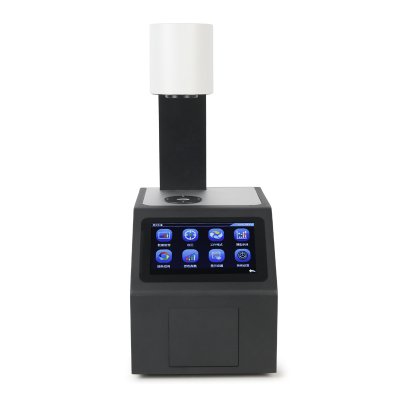
Benchtop color spectrophotometer are fabricated and engineered with a specific purpose for the laboratory and controlled space. Such spaces require for the measurement to be accurate and stable over a long period of time.  


These machines are color formulation reference systems, master color standards, and are used for many types of research.  


Benchtop spectrophotometers are differentiated with having fixed measurement systems, high resolution optical systems, and large sturdy calibration systems. With environmental variables being controlled, these tools are giving the best precision within the industry.

What Makes Benchtop Spectrophotometers the Best Option for Your Color Analysis?


When it comes to the field of contemporary colorimetric theory spectrophotometric analysis, use of benchtop spectrophotometers is very instrumental to determining color accuracy due to calibrated measurement control, measurement reproducibility, and measurement constancy over extended timeframes. Spectrophotometers in long-term varied environment scenarios will deliver results that will remain unaffected by the measurement control exercised over the spectrophotometers ambient/control environment.

What Are the Benefits of Benchtop Spectrophotometers?


Some of the very key attributes of Benchtop Spectrophotometers include:


● Measurement repeatability over varied timeframes

● Ability to sustain long-term analytics calibration

● Ability to measure and retain analytics data over solids, liquids, gases, powders, and transparent samples.

● Ability to measure and retain data over absorption criterion of solids with respect to spectrographic theory.


Boasting of systems calibrated for accuracy and measurement constancy, Benchtop Spectrophotometers have attracted colorimetric measurement analysis in Data R&D labs, Quality Control labs, and Regulatory Testing labs.


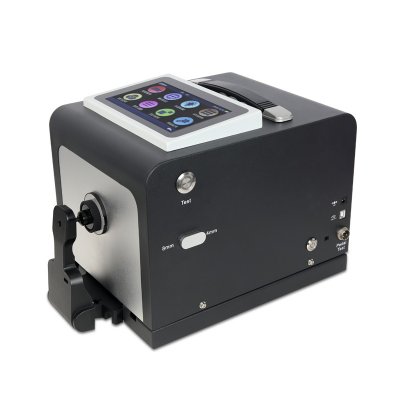
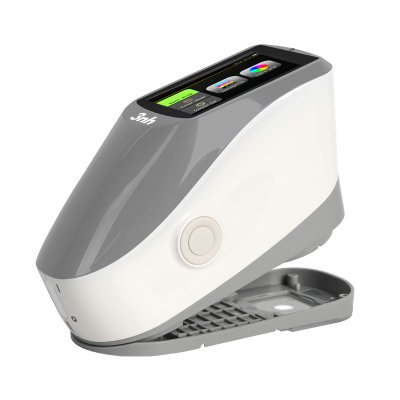
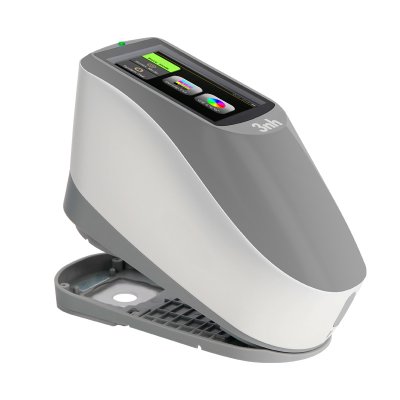
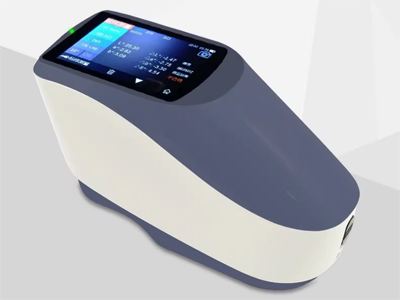
Mini Color Spectrophotometers


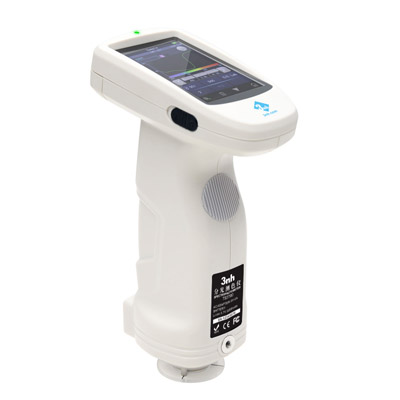
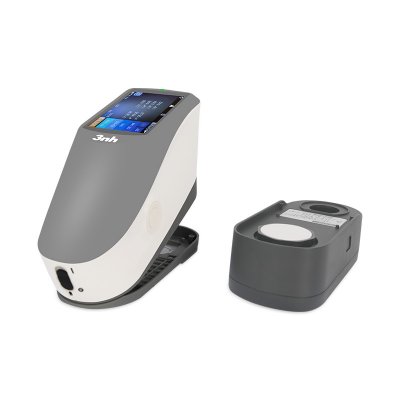
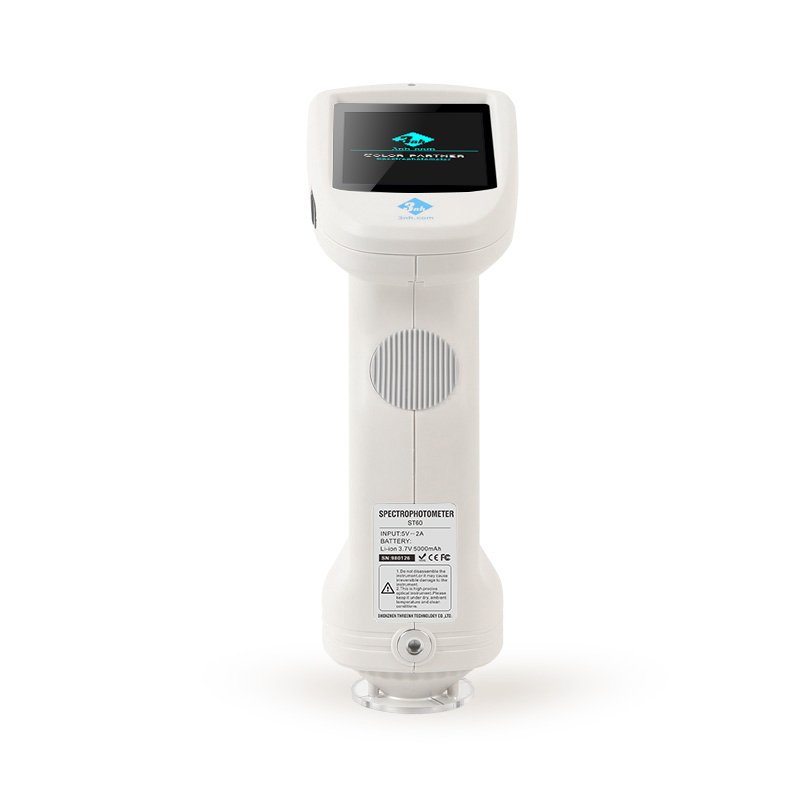
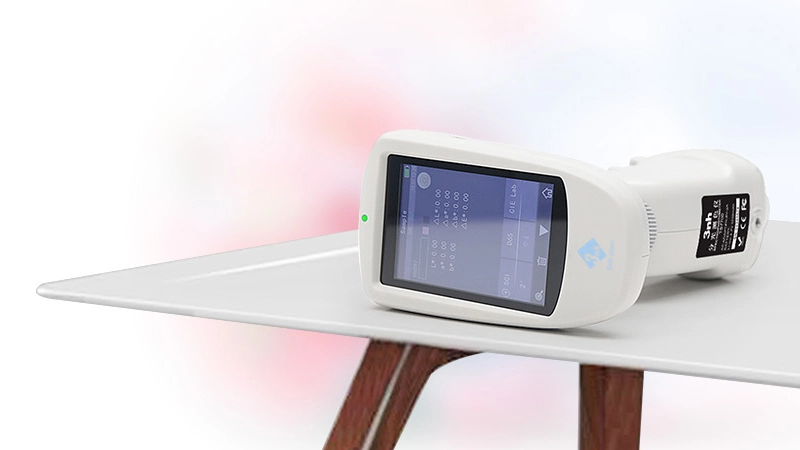
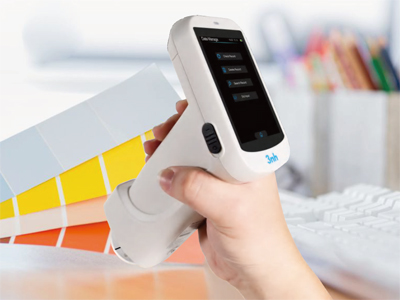
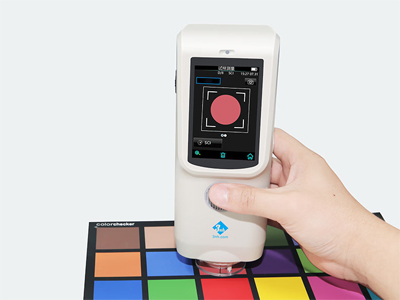
The spectrophotometric devices are colorimetric measurement devices with engineered color spectrophotometric measurement capabilities for rapid deployment and colorimetric measurement analysis. They are also designed to withstand application in Production, Data, and Warehouse environments.


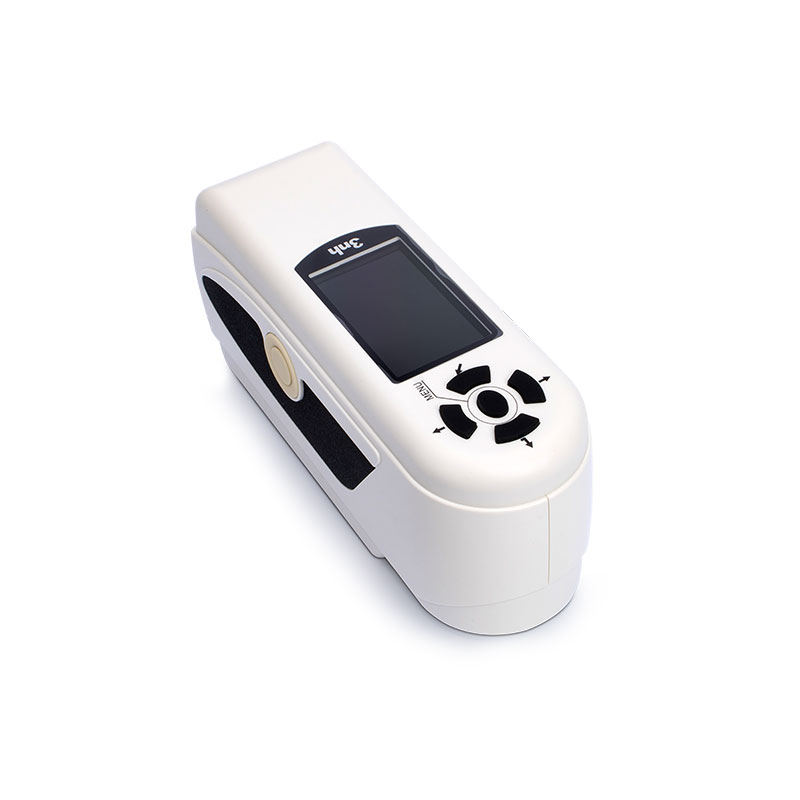
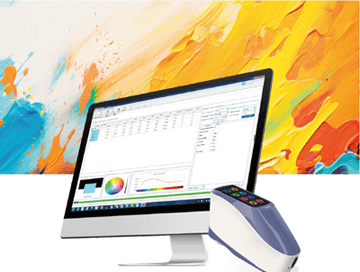
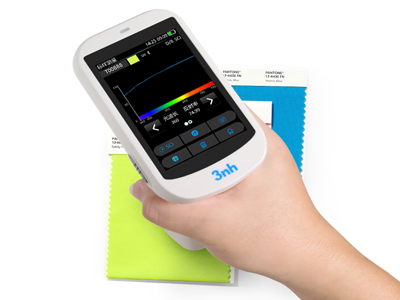
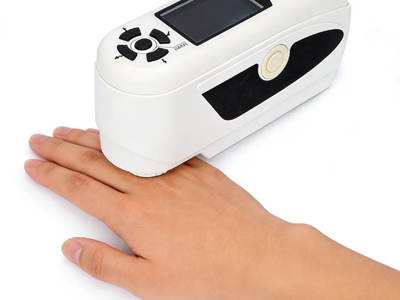
Spectrophotometers show an excellent opportunity for measuring color instantaneously within production lines since they are portable. This characteristic prevents lengthy laboratory tests, which saves time. They are designed specifically for their clientele, allowing easy usage without advanced technical skills.


Factors to Select Spectrophotometers for Color Measurement


● Ergonomically designed

● Lightweight, battery-operated for more convenience

● Rapid measurement

● Easy to operate

● Suitable for in-process and final evaluations

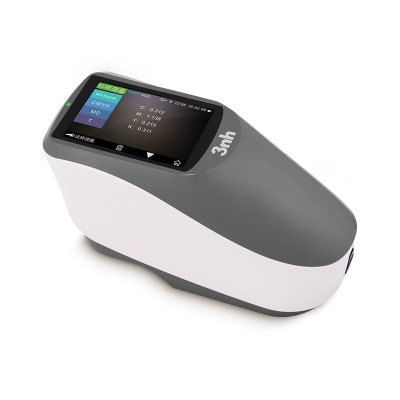
Portable Spectrophotometer for Quality Control


In portable spectrophotometers, real-time measurements can be taken for quality control. This is because they allow operators to measure a sample, compare their results to a color standard, and identify and correct color drifts to prevent defects.


Such processes enable consistent color quality throughout production, significantly reducing waste, rework, and downtime.

Inline Color Spectrophotometer


Inline color spectrophotometers are designed into production lines to provide seamless automated color monitoring. This integration is essential for high-throughput manufacturing systems, where manual sampling is unfeasible.


Inline spectrophotometers continuously monitor color throughout production and provide real-time data for process control systems. They allow automatic and immediate adjustments when color changes are detected.


Industries that make use of inline spectrophotometers include:  


● Plastic injection molding and extrusion  

● Surface treatment and coatings  

● Nonwovens and textiles  

● Paper, film, and packaging  


Inline systems measure color data instantaneously, eliminate waste and downtime, and enable color consistency throughout the production process.  

Grating Spectrophotometer  


A grating color spectrophotometer uses diffraction gratings to break light into its constituent wavelengths. This technology provides greater resolution of the light spectrum than systems that use light filtering.  


Grating-based systems are used in pigment science, materials science, and for other increasingly complex applications that require the use of a color matching spectrophotometer.  


These systems are most preferable in opaque and complex samples that have small color differences which may affect the sample's visibility, or influence the sample's usability or effectiveness, because of their ability to detect micro-spatial spectral differences.  

Buy a Color Spectrophotometer  


When buying a color spectrophotometer, it is most important to consider the application requirements, measurement precision, type of sample to be measured, sample surroundings, and the budget available.


The factors determining the design are:  


● Precision and repeatability  

● Measurement geometry and size of aperture  

● Sample type and surface profile  

● Portability or automation  

● Integration of software and data  

● Calibration and service support  


Aligning the operational objective with the instrument's design parameters enables the organization to acquire an instrument capable of obtaining and maintaining colorimetric consistency throughout a measurement series.

Member of the Color Spectrophotometer Community in USA


The USA has the greatest Color Spectrophotometer Manufacturers. Every key player in USA industrial activities has a highly demanding market and need for precise measurement of color. The USA color spectrophotometer market is also known for a wide range of color spectrophotometer applications.

USA Color Spectrophotometer Color Applications


In the absence of the spectrophotometer industry, the remaining analysis would encompass more than 10 high-value industry spectrophotometer applications within various USA sectors, wherein deficient color uniformity jeopardizes consumer safety, product functionality, and renders negative value loss to the consumer brand.


These include:


● Applications of color spectrophotometer in the automotive industry; color spectrophotometer serves an extremely important function in achieving interior and exterior paint and plastic parts, and component; color batch and matching.

● Aerospace industry; color spectrophotometry is important to manage the coatings and composite materials of safety critical components and parts.

● Pharmaceutical spectrophotometers; Color spectrophotometers are used to manage the color of the packaging and containers of tablets, capsules, and liquids to avoid color blocking of materials used to comply with Food and Drug Administration (FDA) requirements.

● In processed food and beverages; Color spectrophotometry is used to manage and control the color of processed food and beverages to improve quality control, enhance shelf life, and promote consumer acceptance.

● Brand color control in spectrophotometer applications; Color spectrophotometer is used in the printing and packaging industry to control the brand color to help maintain color consistency of the prints throughout various print runs and different printing materials.


All over the United States, there is a robust presence for the compliance of quality systems pertaining to ISO, ASTM, and FDA systems. This is extremely pertinent for the urgent need of color measurement to be compliant with the regulations and is also highly reliable. There is also a need for high accuracy pertaining to color measurement.

Pricing and Details of Color Spectrophotometers in USA


In America, due to the different specifications and the purposes of the spectrophotometer, the prices of the devices are different. "Benchtop" and "inline" spectrophotometers are the most expensive because they have complicated optical designs, and are fully automated and integrated into production systems.


In the United States, portable spectrophotometers are less expensive and are designed to accomplish more routine functions such as quality control, site inspections, and verification of incoming materials. The United States tends to prefer devices that have:


● Exceptional accuracy and consistency in their measurements

● Compliance with both US and international standards

● Thorough and efficient reporting and analyzing of measurement data by the software

● Reliable calibration accompanied by after-sales service support

Color Spectrophotometer in Canada


In Canada, maintaining long-term quality and consistency are factors of great importance in both the industrial and research fields. The use of color spectrophotometers increases the efficiency of production in the industry and the productivity of research in the scientific field.

Color Spectrophotometers in Canada  


In Canada, spectral phosophometers are used particularly in industries that deal with extreme climate conditions and require stability and measurement reproducibility in their readings. This includes:  


● Plastic Manufacturing - where uniformity in color is required in both consumer and industrial products.  

● Pulp and Paper - used in assessing brightness, whiteness, and uniformity of color.  

● Paints and Coatings - used in formulation, batch control, and assessing of surface quality.  

● Food Processing - color measurement is used to control and monitor the quality and visual acceptability of the product.  


In both academia and industry, spectral data is required in innovations in materials.  


Canadian clients evaluate the ability of the device to provide reproducible results for different temperatures and humidity.  

Pricing and Color Spectrophotometers in Canada  


Pricing in Canada considers imports, calibrations, and local servicing. Over the life of an instrument, buyers replace it due to the replacement costs rather than the price of the instrument itself.


The following are of primary importance when purchasing items on the Canadian Market:


1. Stable, Durable, and Measurable

2. Compliance with Canadian and Other International Law

3. Accessibility and Availability of Local Technical Support

4. Long-term Reliability in Industrial Environments

5. The United Kingdom's Color Spectrophotometer


The UK's Color Spectrophotometer Market is known for its strong regulatory framework, advanced manufacturing in various sectors, and innovative industry design.

The Use of a Color Spectrophotometer in the UK Market


The following sectors in the United Kingdom utilize Spectrophotometers for Quality Control and Brand Protection:


1. The Fashion and Textile Industry for Color Dyeing and Fabric and Garment Color Pairing

2. Cosmetics and Personal Care where Color Product Pairing is Legally Required for Marketing and Regulation

3. Pharmaceuticals Regulated and Controlled for Quality and Safety

4. Automotive for Uniform Color Paint and for Consistency in Colored Interior Components

5. Marketing Color Fastness in Printed Packaging and for Consumer Confidence


The United Kingdom is investing in new technologies for Color Measurement due to a well-established system of Quality Control that meets International Standards.

The Costs of Spectrophotometers and Other Relevant Aspects in the UK


In the UK, the costs of spectrophotometers and their components depend on measurement and calculation spectrophotometers, the other included functionalities of the spectrophotometer, and compliance of the spectrophotometer software with accreditations and international standards, such as ISO and CIE. Most in-line and benchtop spectrophotometers are used in highly regulated industries, whereas the more expensive portable spectrophotometers are used in industries that are subjected to frequent quality control activities.


The following are the ideal attributes that buyers in the UK are looking for:


● An automated, effective, and seamless digital quality control.

● Data control and management with a high level of granularity.

● Calibration that is permanent and consistent.

● Quality technical support in addition to training.

Color Spectrophotometer in Australia


In Australia, the measurement of color as a modern technology is focused within the manufacturing and research sectors on the efficient service of production and export of international and local clientele.

Color Spectrophotometer Applications Across the Australia Market


Numerous industries in Australia have a color spectrophotometer.


Construction material is where high caliber color spectrophotometers are used, as color consistency in construction material is visually important, and the architectural quality and aesthetics are significantly important.


● In the Mining and mineral products industries, the worth, classification, and color quality of a material are crucial.

● In the food and beverages industries, spectrophotometers are used to maintain visual consistency and to improve consumer acceptance and approval.

● In the Paint and surface Coatings industry, formulation and Quality Control is important.

● In scientific research and academia, spectra data is reliable and repetitive, color measurement is accurate, and its color measurement is accurate.  


Australia manufacturers have to meet the standards of quality control in order to meet the export and international regulations.

Spectrum Analysis of Colorimetric Devices and Their Pricing in Australia


Costs in Australia vary based on the specifics of the device, transport, and expenses associated with the imports and the provision of services . Customers segmented according to their geography, target primarily the durability and the utility of the device for their operations.


Some of the deciding factors in the customer choice include:


● The device's durability and the resistance to functions.

● The capacity of the device to capture readings with accuracy and consistency.

● The availability of collocation and the assistance in calibration.

● The overall worth of the device in consideration of the complete operational period.


Spectrophotometer Colorimeters Instruments for the Highest Standards

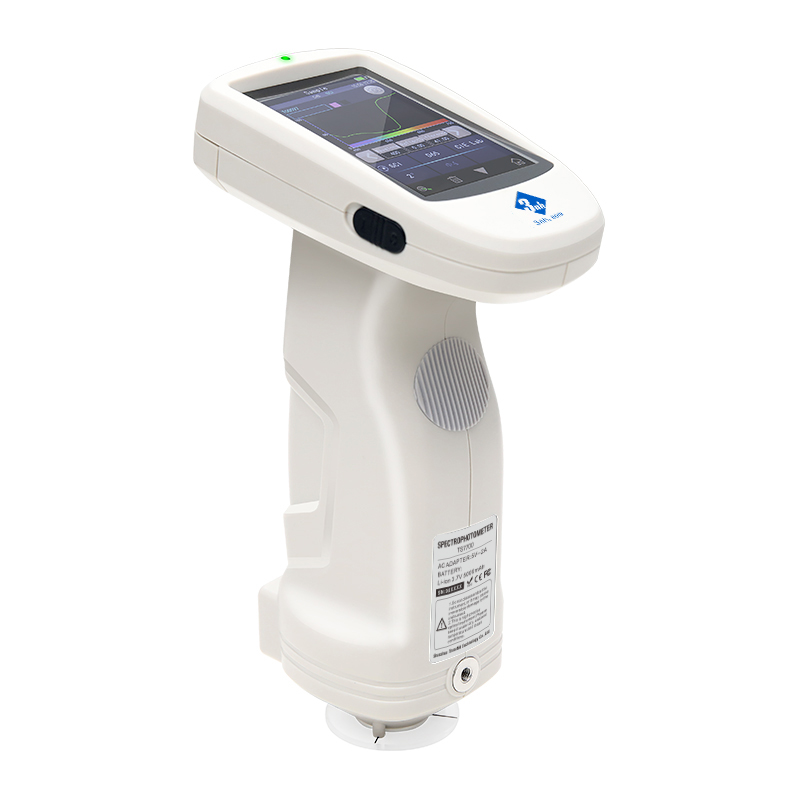
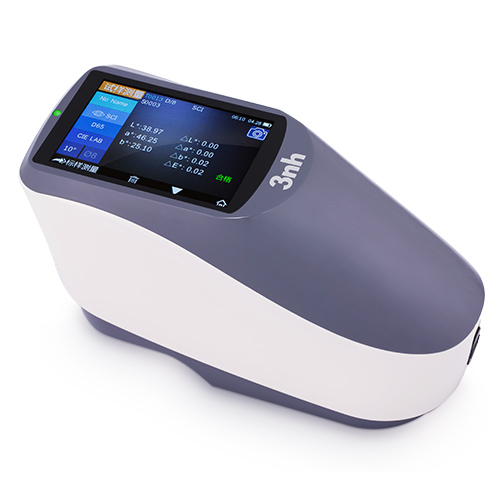
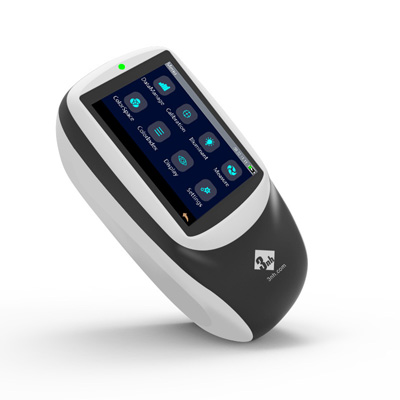
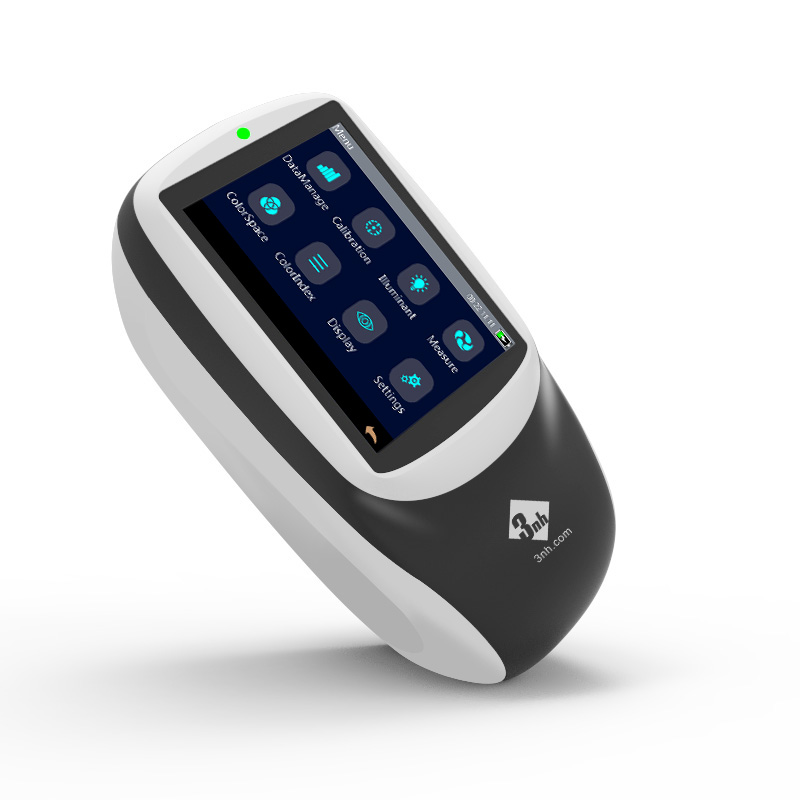
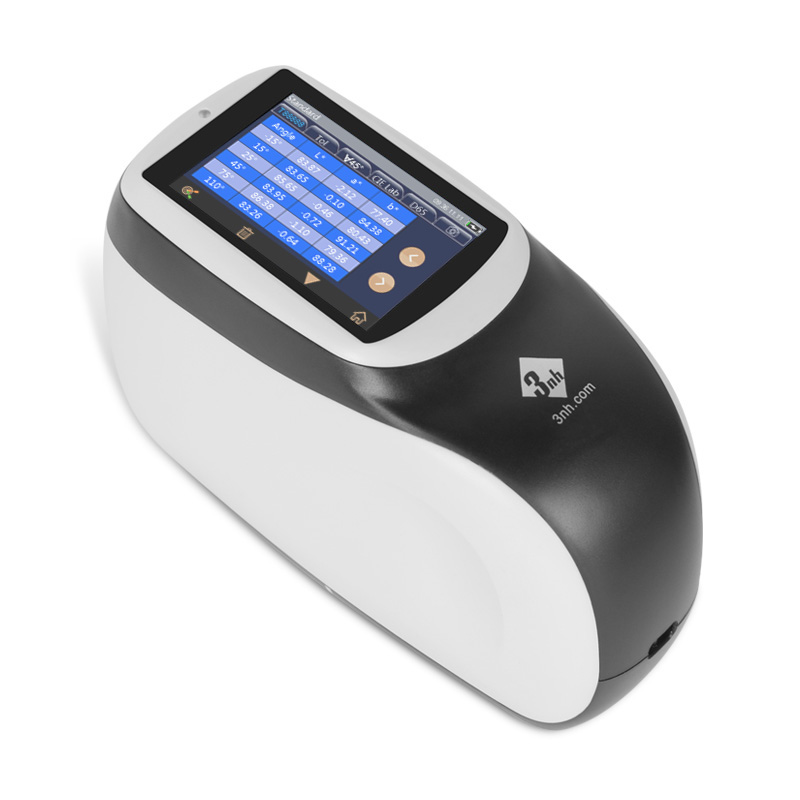
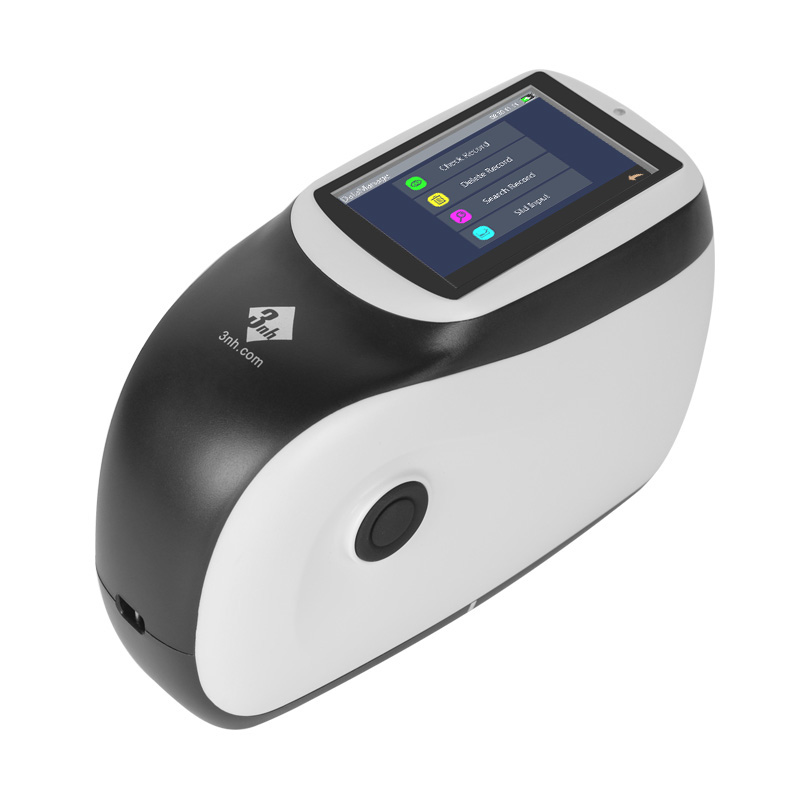
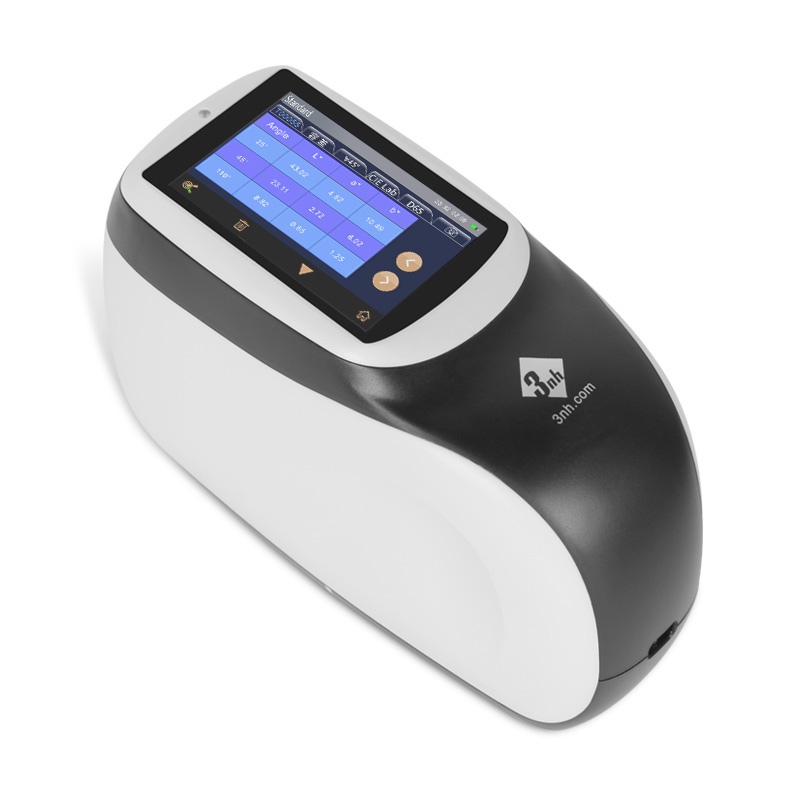
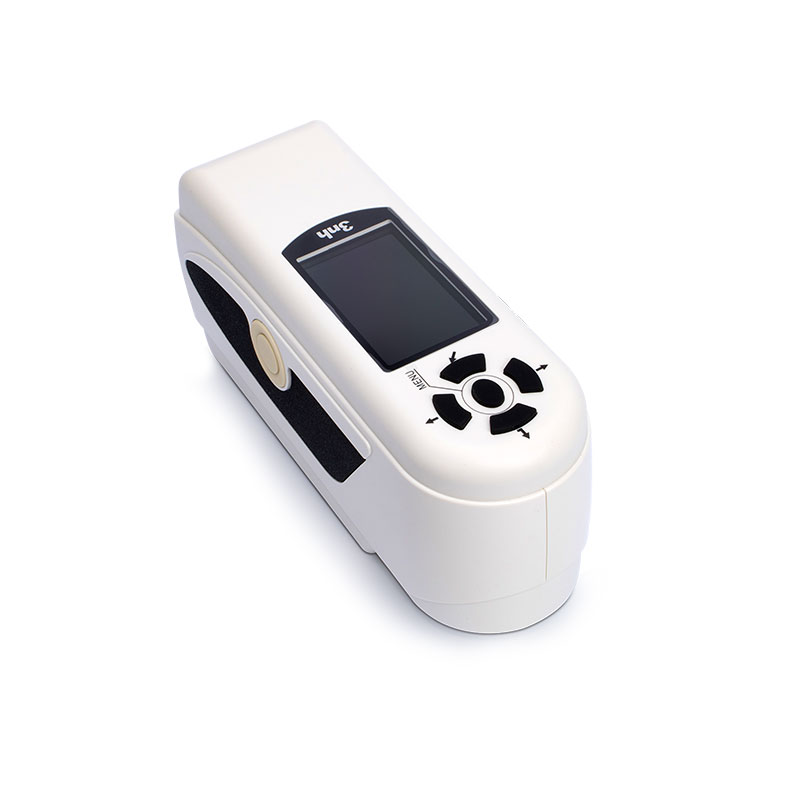
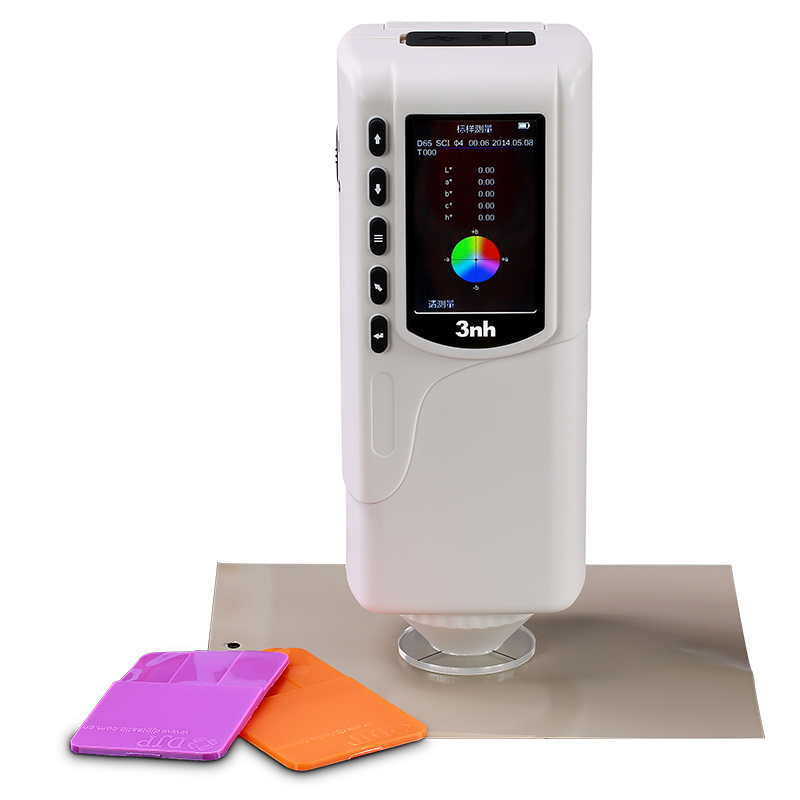
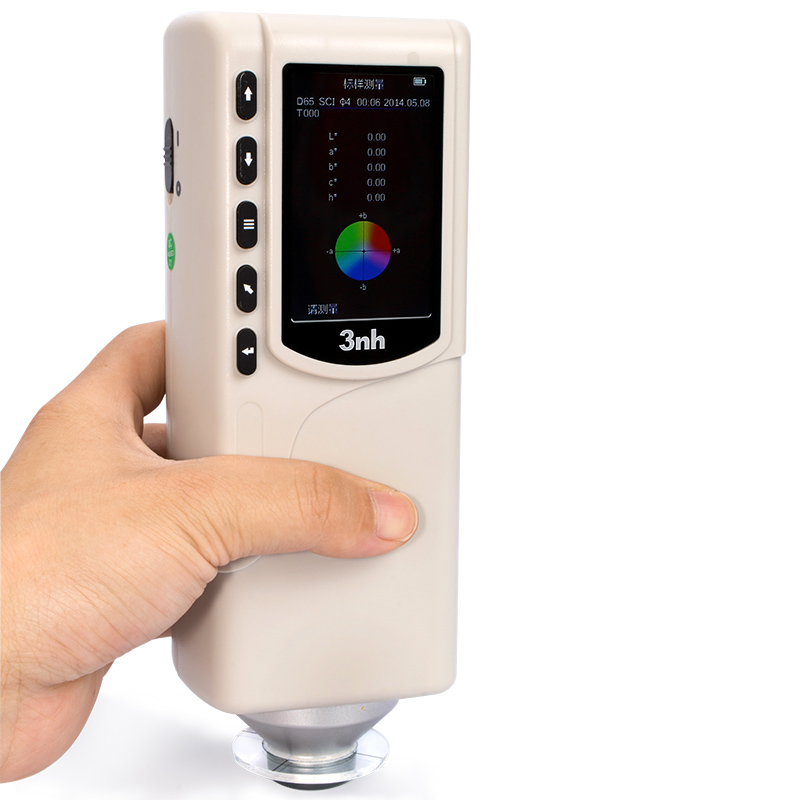
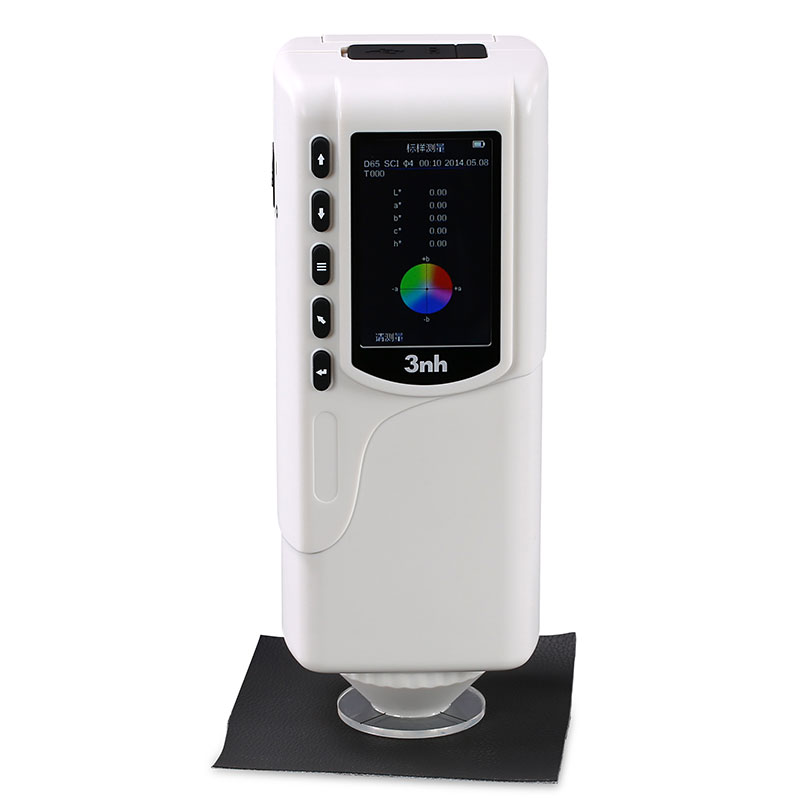
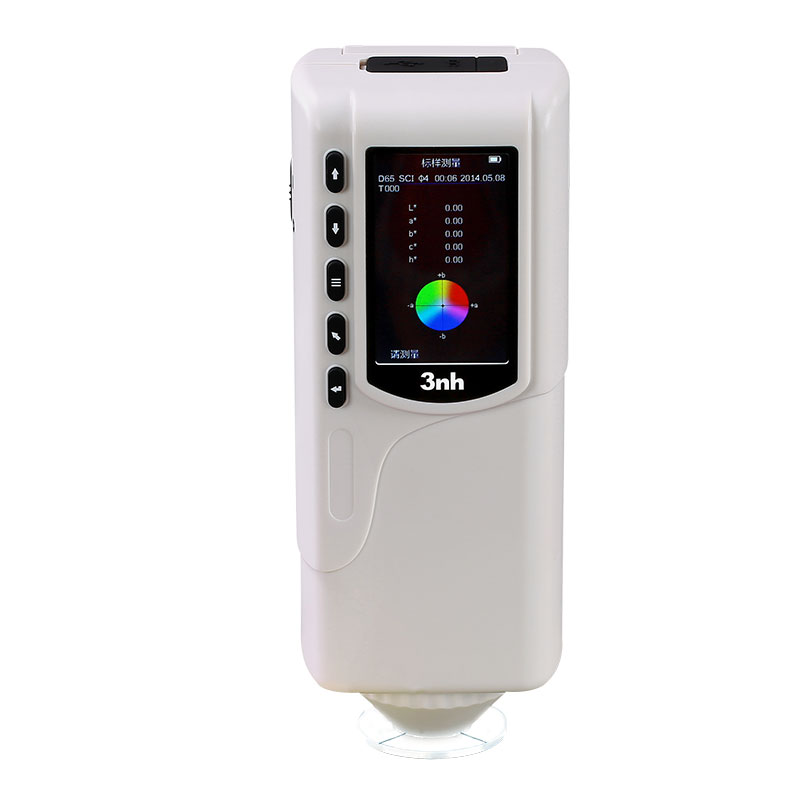
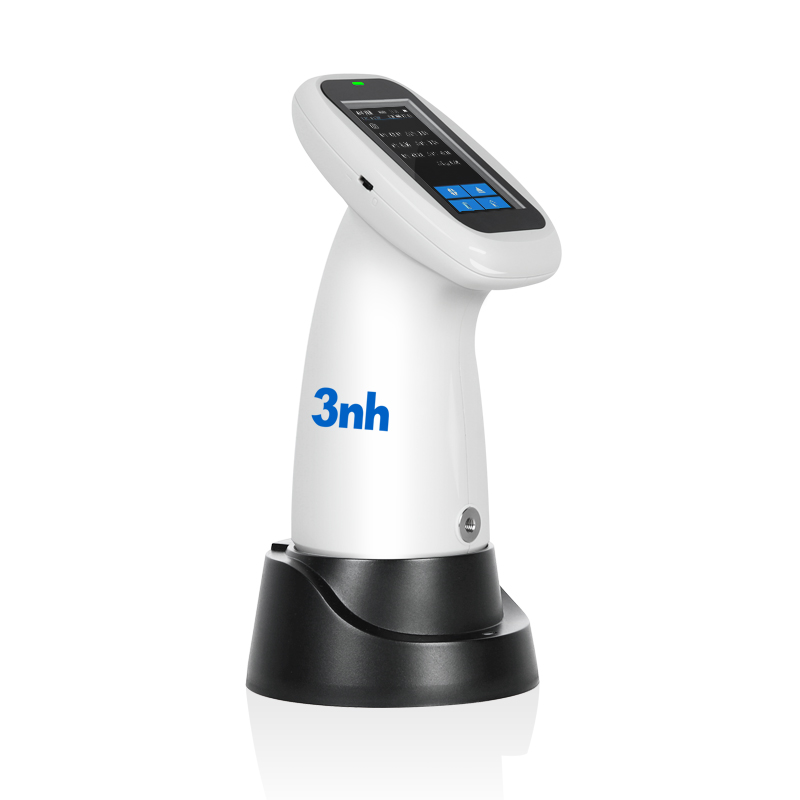
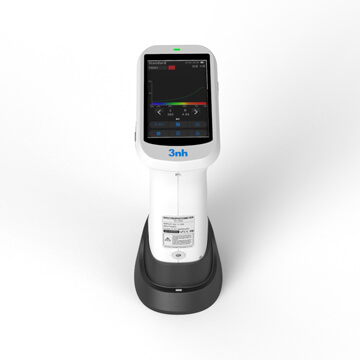
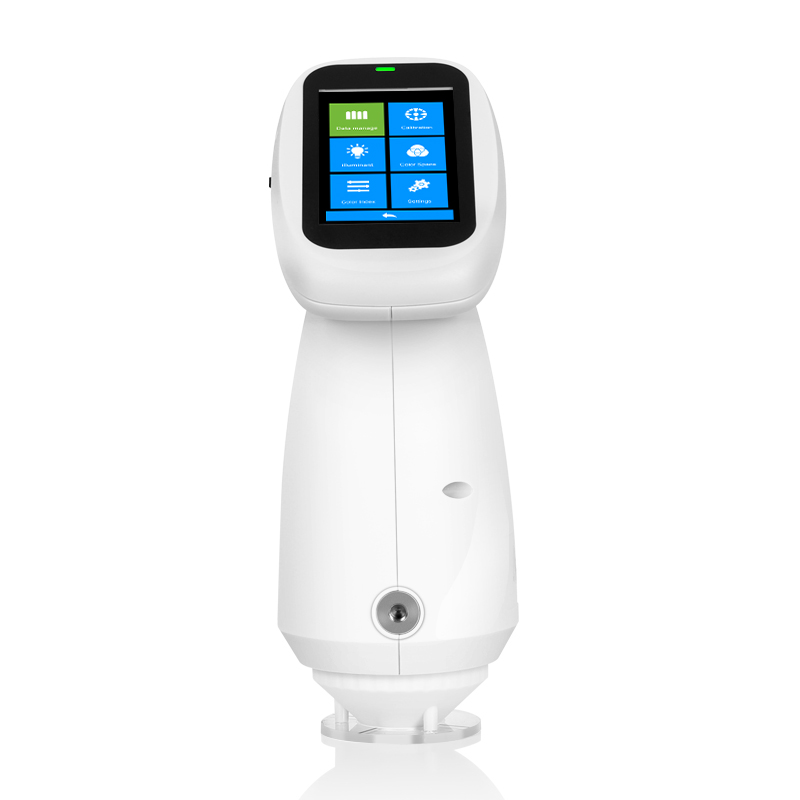
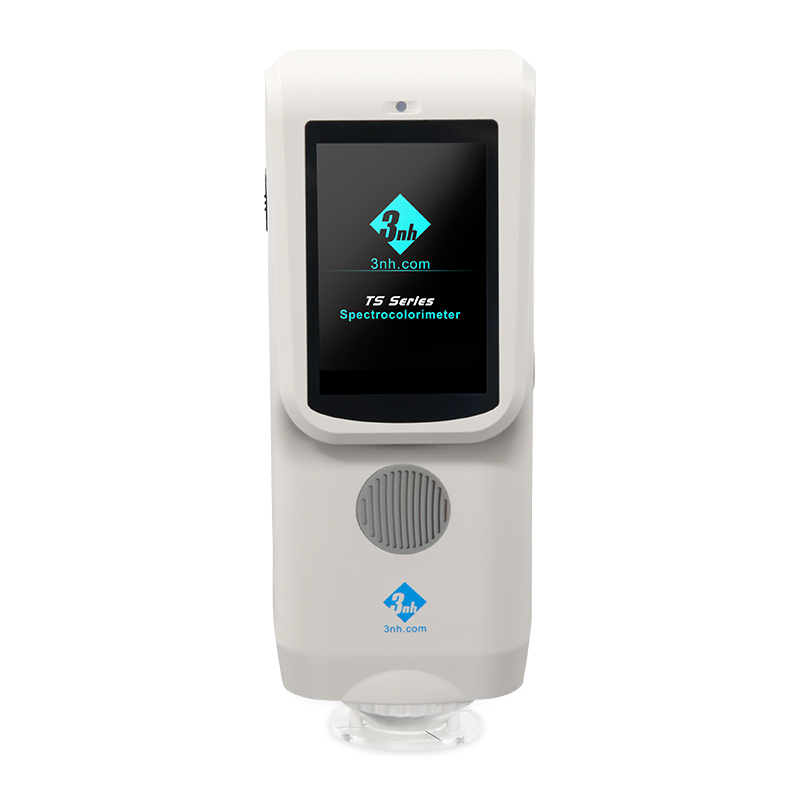
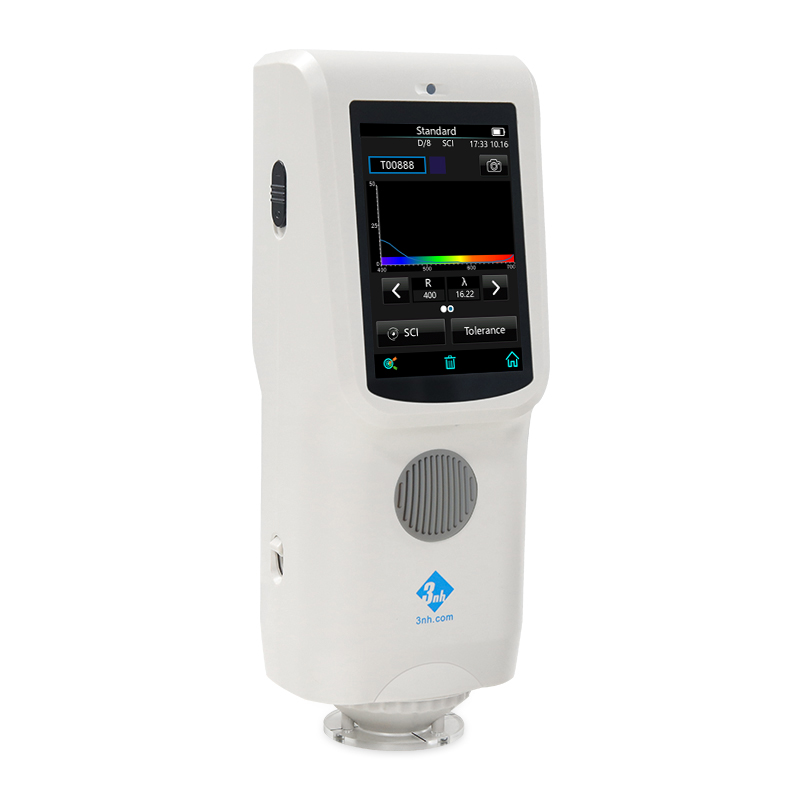
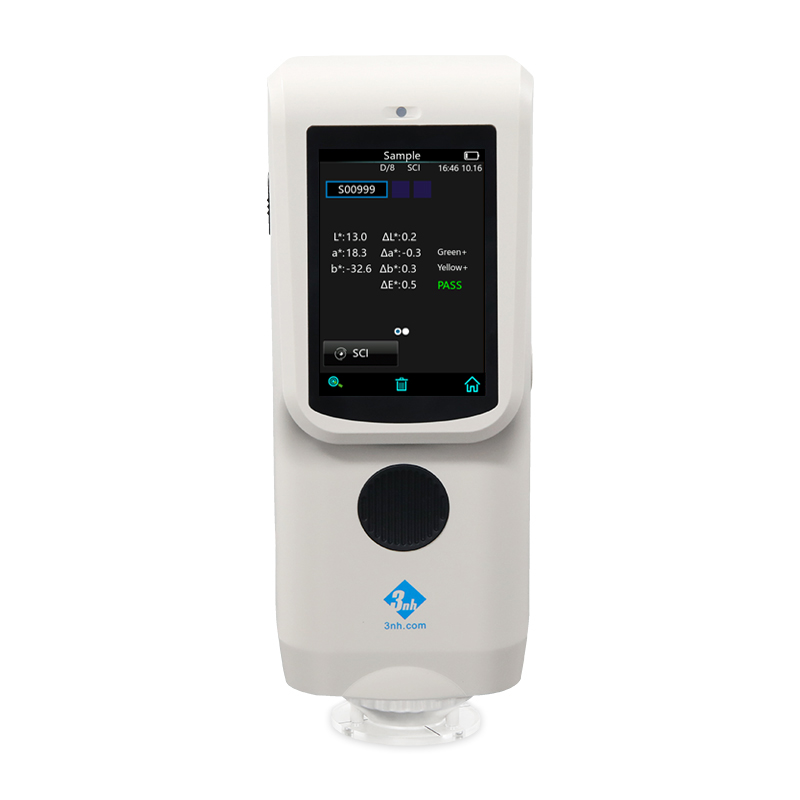
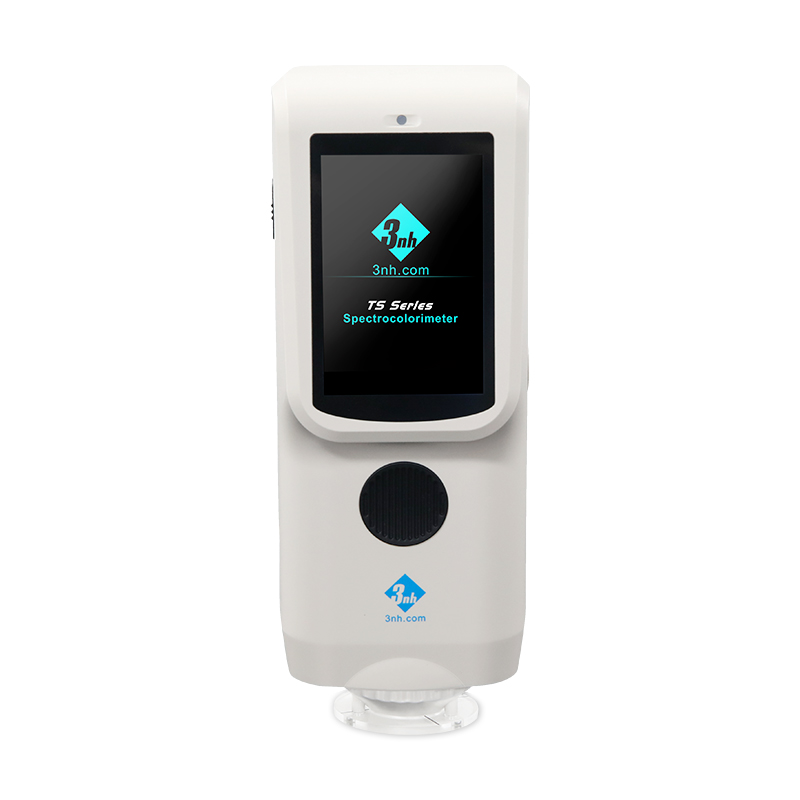
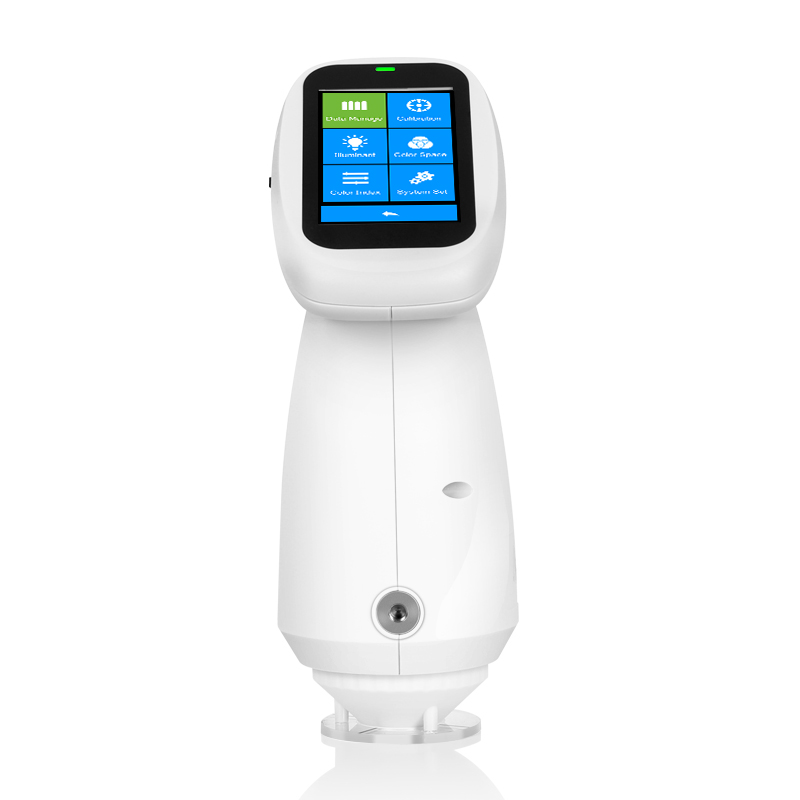
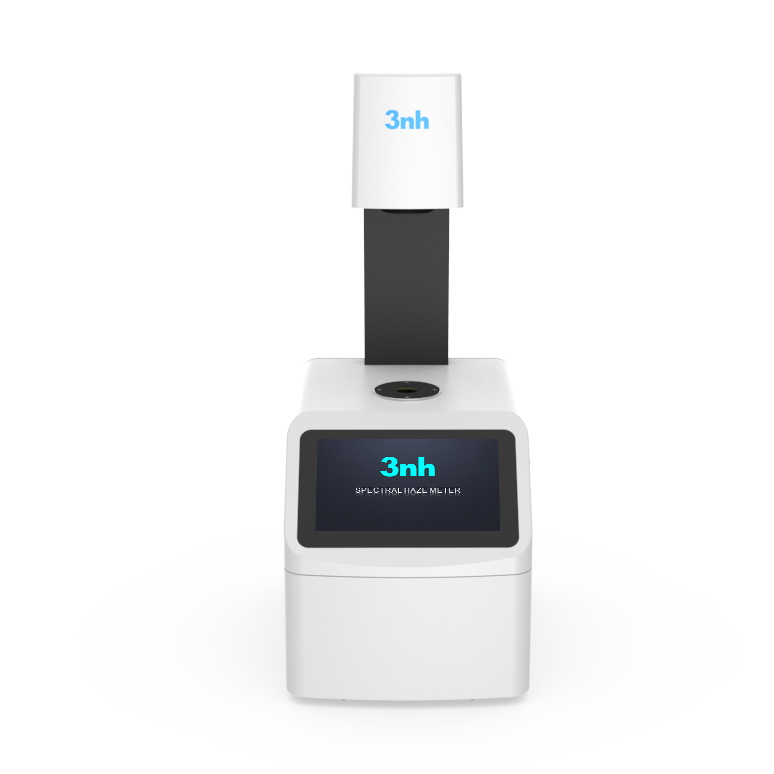
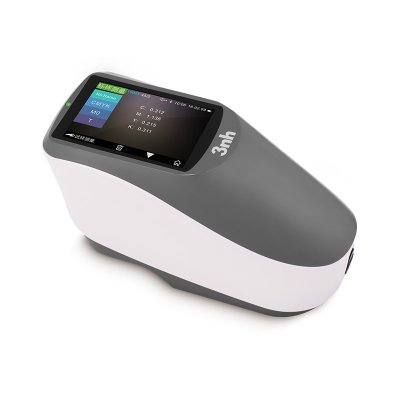
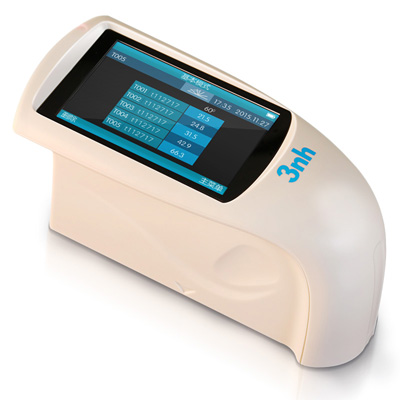
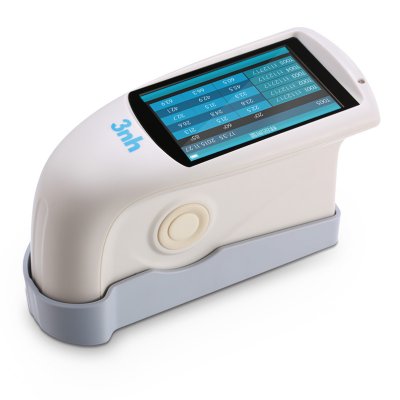
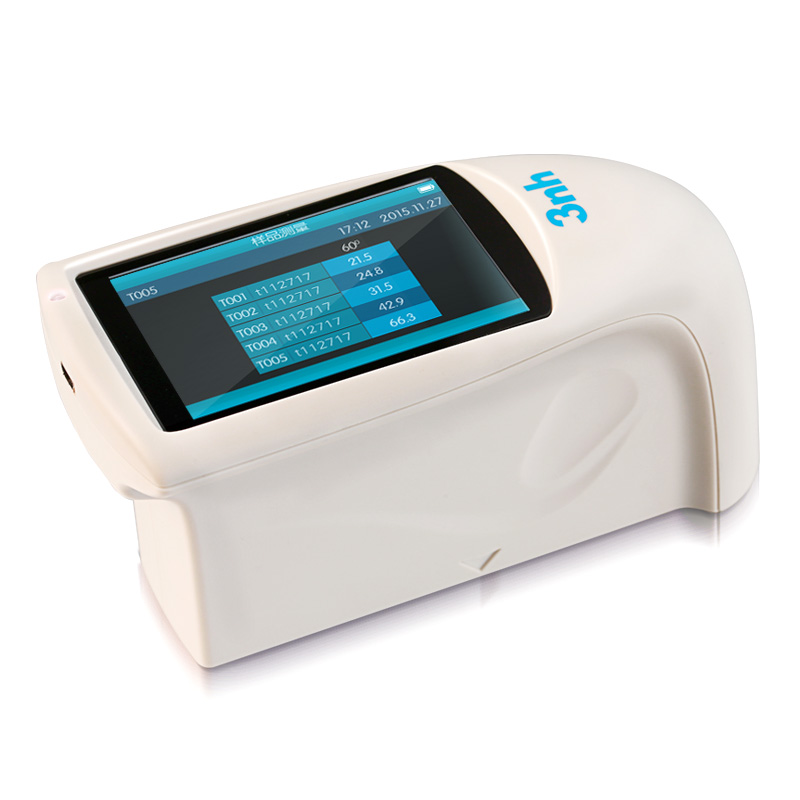
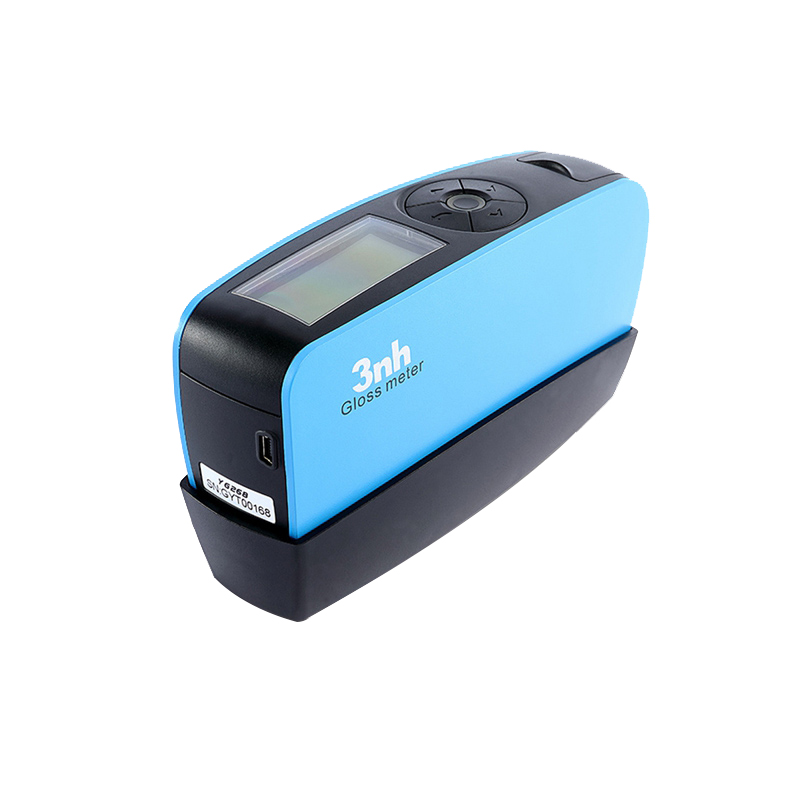
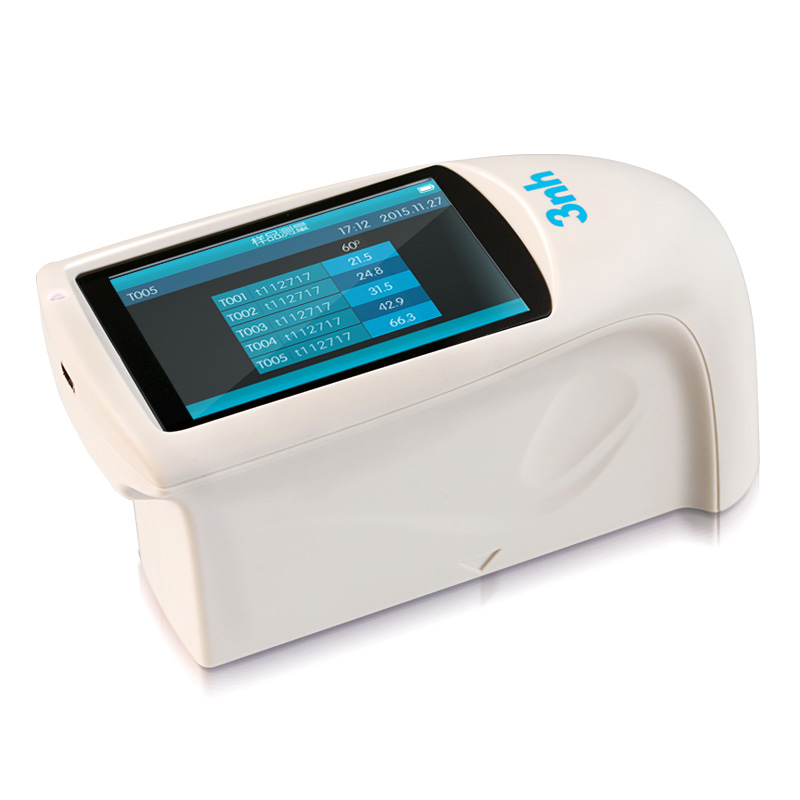
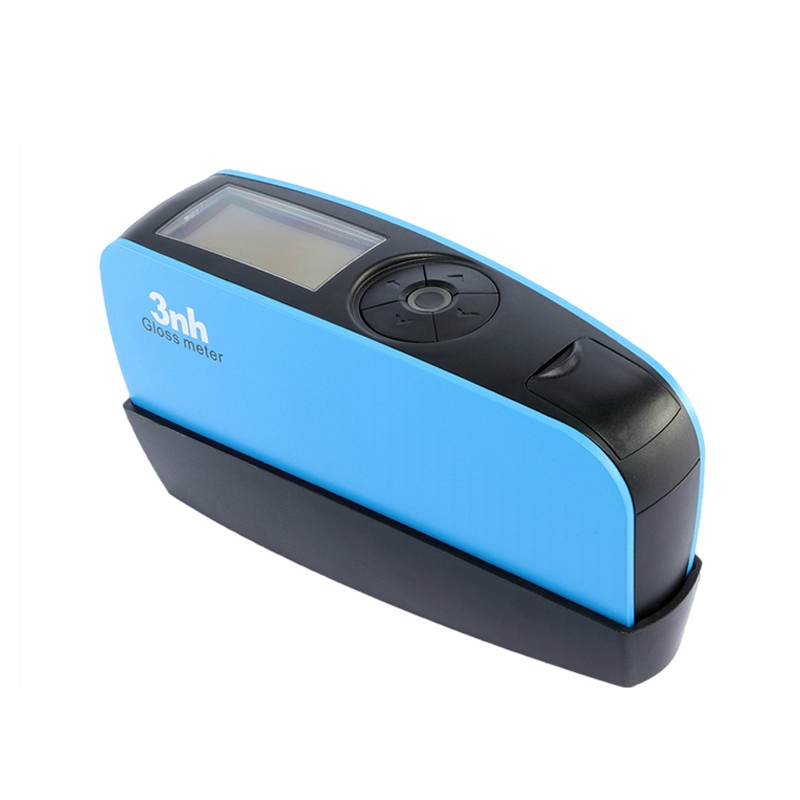
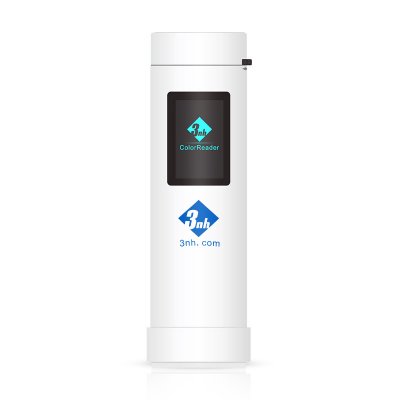
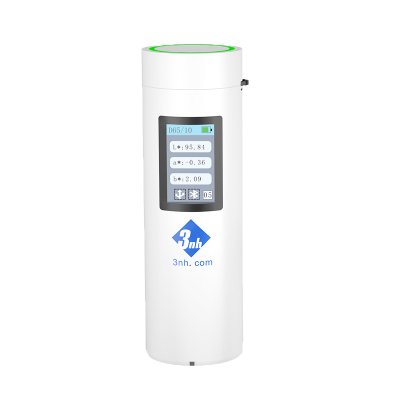
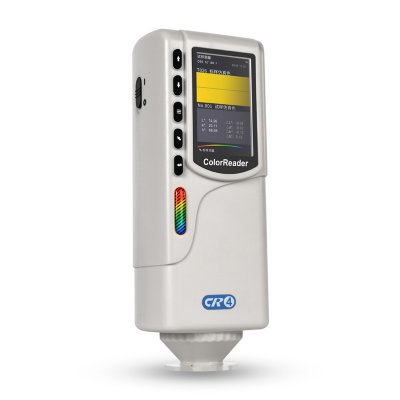
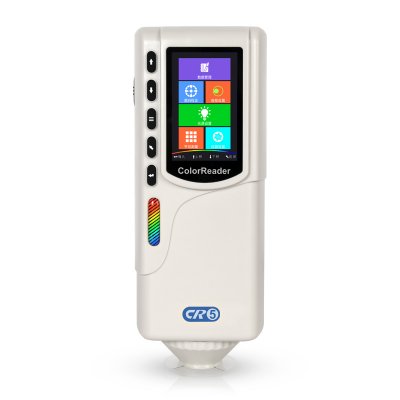
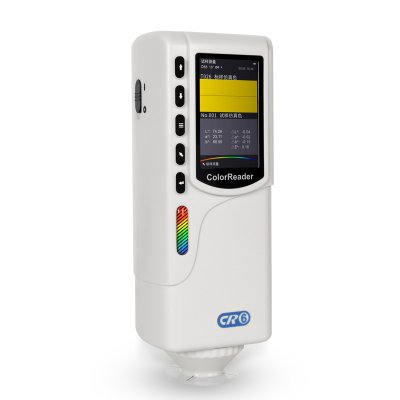
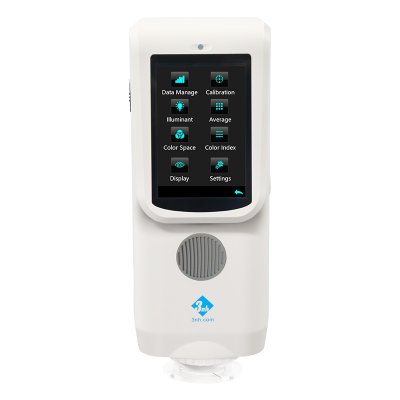
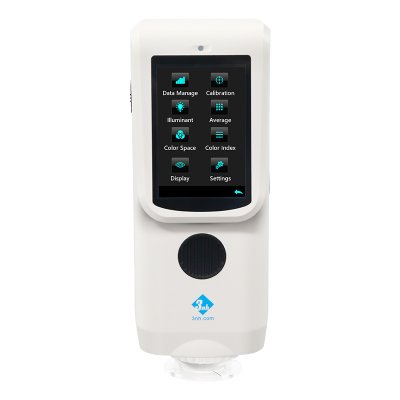
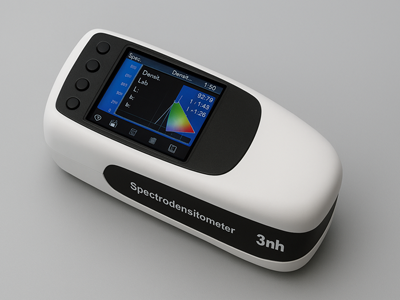
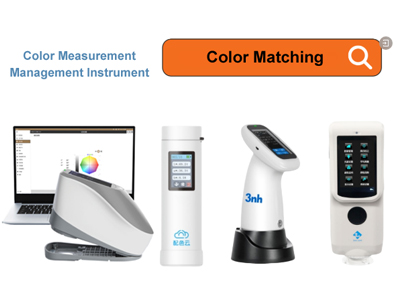
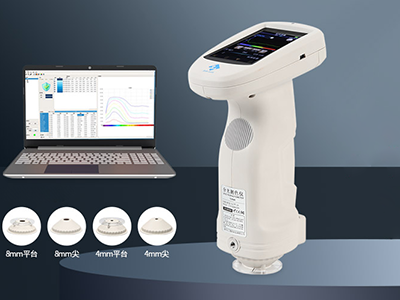
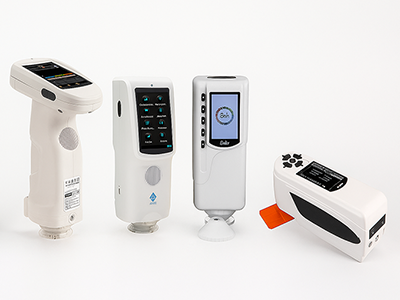
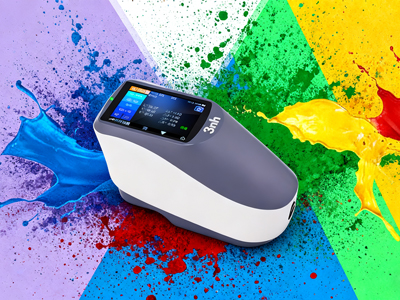
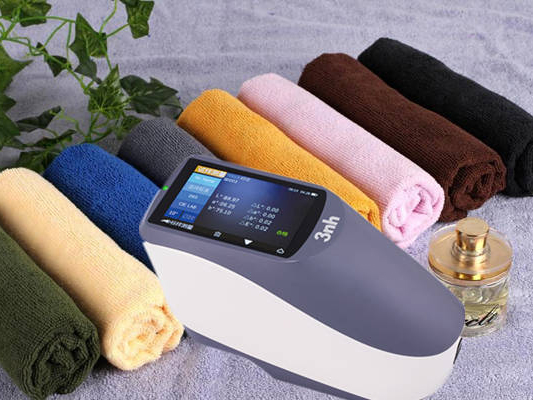
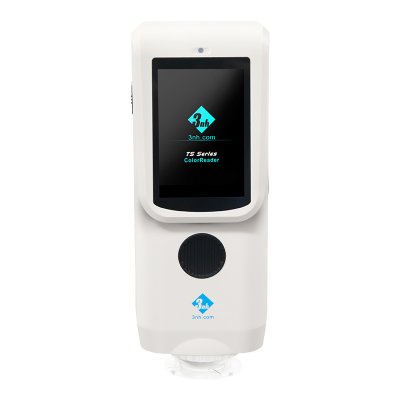
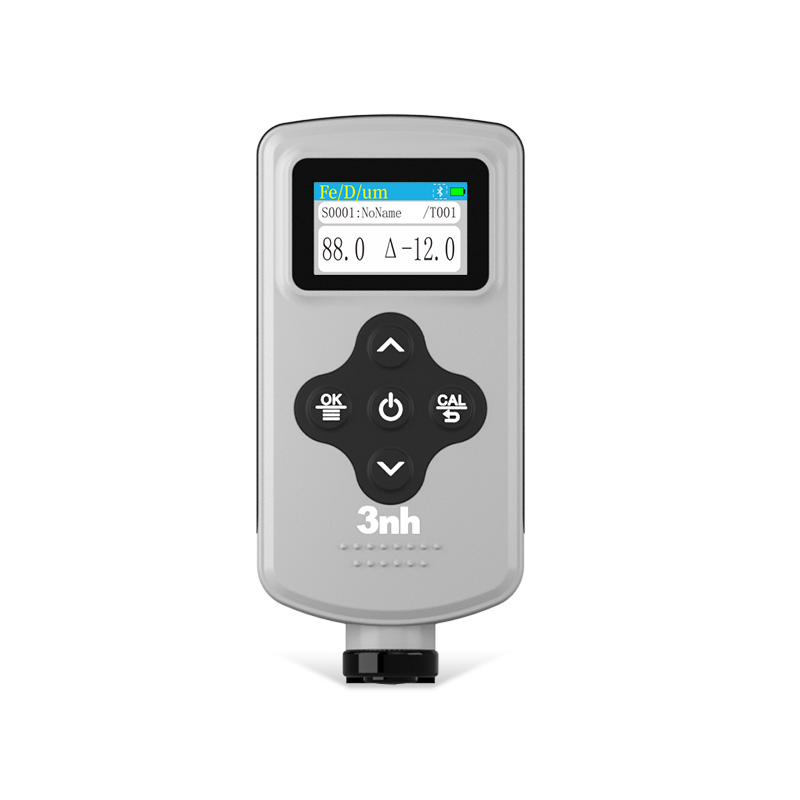
3NH offers a comprehensive range of colorimeters and optical instruments to meet all color measuring requirements in laboratories, research, industry, and education. Our high-quality spectrophotometer stand out for their precision, reliability, and versatility. Whether you need a ColorReader, a portable spectrophotometer, or a benchtop spectrophotometer, 3nh has the right model for you. With a colorimeter from 3nh, you can carry out precise color control and reliable quality assurance. Our color measuring devices measure color values quickly, objectively and in full compliance with international standards. They are ideal for industrial applications, laboratory environments and production processes.

Conclusion


The colorimetric spectrophotometer devices comprise the quintessence of contemporary colorimetric devices. These devices, whether they be bench, hand, inline, or grating based, render quality assurance, compliance, and consistency with regulations and brand's quality standards.

Organizations enhance efficiency and minimize the wastage of resources with the investment in the appropriate spectrophotometer. Maintaining consistent color standards in all international markets gets to the peak of expectations with spectrophotometer technology – and instrument technology with colorimetric devices is an invaluable companion.


FAQs


What is a color spectrophotometer?


Instruments that comprehend and interpret color by assessing the way color behaves in the presence of particular hues throughout the entire visible light spectrum are known as color spectrophotometers. It is a means of numerical measurement of color that assists in the maintenance of quality, in research, and in satisfying regulatory needs.


What is the difference between a color spectrophotometer and a colorimeter?


Color spectrophotometers generate accurate and reliable data. Colorimeters, on the other hand, approximate values of color and image data that can be usable by the human eye. Color spectrophotometers are highly preferred as their overall data representation is more extensive.


Which industries use color spectrophotometers?


Industry where color spectrophotometers are used are stretches to, but not limited to, Plastic, Paint & Coatings, Textiles, Printing, Packaging, Automotive Engineering, Food & Beverage, Pharmaceuticals, Cosmetics, Paper, Construction Materials, and Scientific Research.


How accurate is a color spectrophotometer?


Modern color spectrophotometer are built to ensure a high degree of reliability and accurate measurement of color or light. Benchtop designs, portable, and inline systems are set to ensure reliable measurements are taken suitable in industries for quality control settings.


When is a benchtop color spectrophotometer supposed to be used?


 A benchtop color spectrophotometer is ideal for situations that require maximum accuracy, repeatability, low drift, and long-term stability. These devices are widely used in laboratories, R and D centers, formulation development, and master standards in measurement.


Featured Resources & Insights

Give us a call!

Discuss your project with one of our product specialists:

0086 755 26508999

Need pricing?

We respond to quote requests within 1 business day.

service@3nh.com

Already know what you need?

Submit a demo request for the product you're interested in.

Get a Demo
Leave Your Message
We use cookies to ensure that we give you the best experience on our website. If you continue to use this site we will assume that you are happy with it. Privacy policy