Home>Resources>Color KnowledgeColor Spectrophotometer Colorimeter Instrument for Color Analysis

Color Spectrophotometer Colorimeter Instrument for Color Analysis

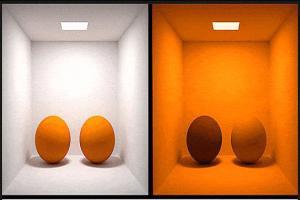
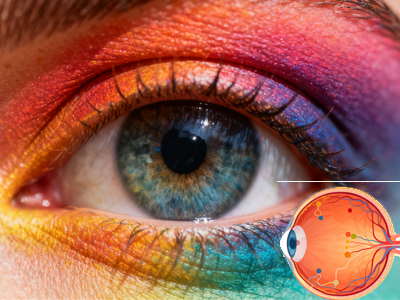
Since the beginning of time, the world has always been bursting with colors. Many things, like the color of the paint on walls, the coverings of groceries, etc. most likely dominate the visual field of people. Color has the ability to influence perception, quality, and trust, and therefore makes an important aspect of design Psychology. The human eye, however, is fickle. What is red to one may be blue to the other, and what's turquoise to one may be green to the other. It is, in these situations, in which an instrument called color spectrophotometer colorimeter comes to solve these problems- bringing the science of color and calibrating an optical eyepiece and giving the phenomenon precision and repeatability. 


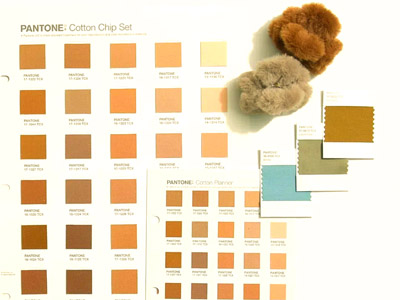
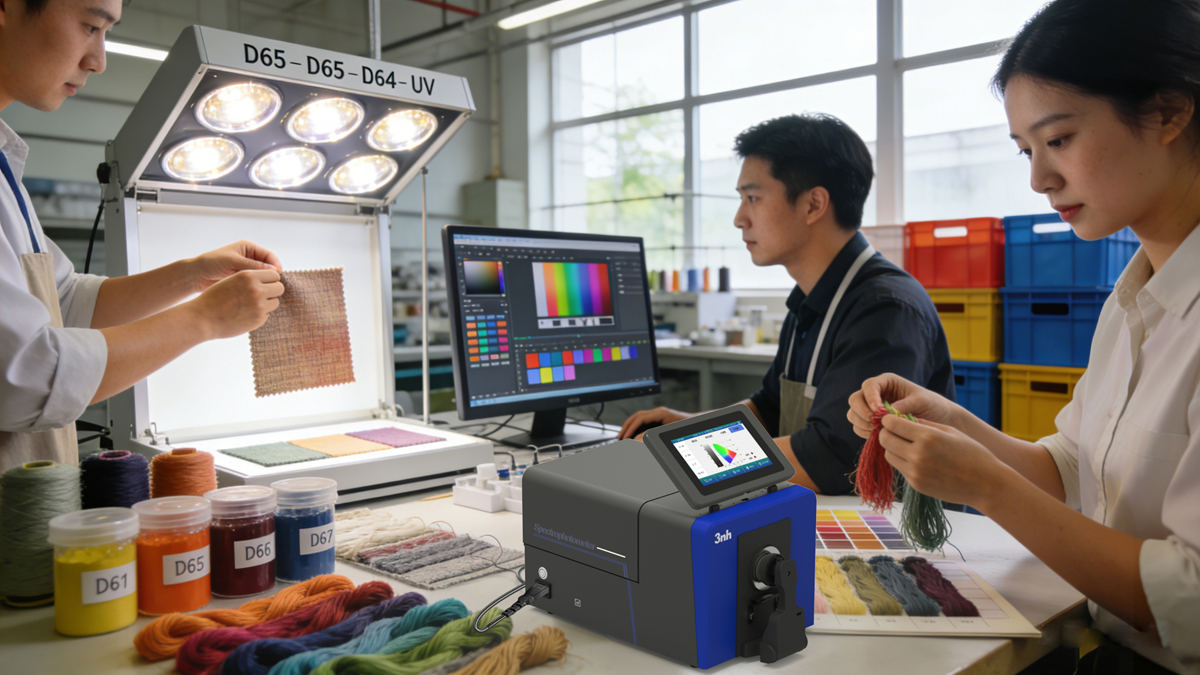
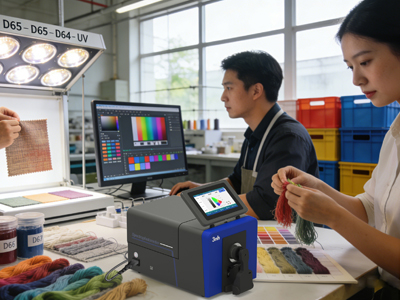
A Color Spectrophotometer for textile Color Analysis

This in depth color spectrophotometer guide tackles how color spectrophotometers function, and the importance of these spectacles and different types of spectrophotometers, be it, benchtop, handheld, inline, and grating in various fields and their importance in solving specific problems related to color measurement. If you want to buy a color spectrophotometer in the USA, Canada, UK, or Australia, this is the best place to be.


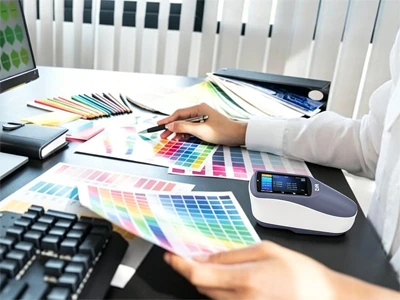
A Color Spectrophotometer for Color Analysis 


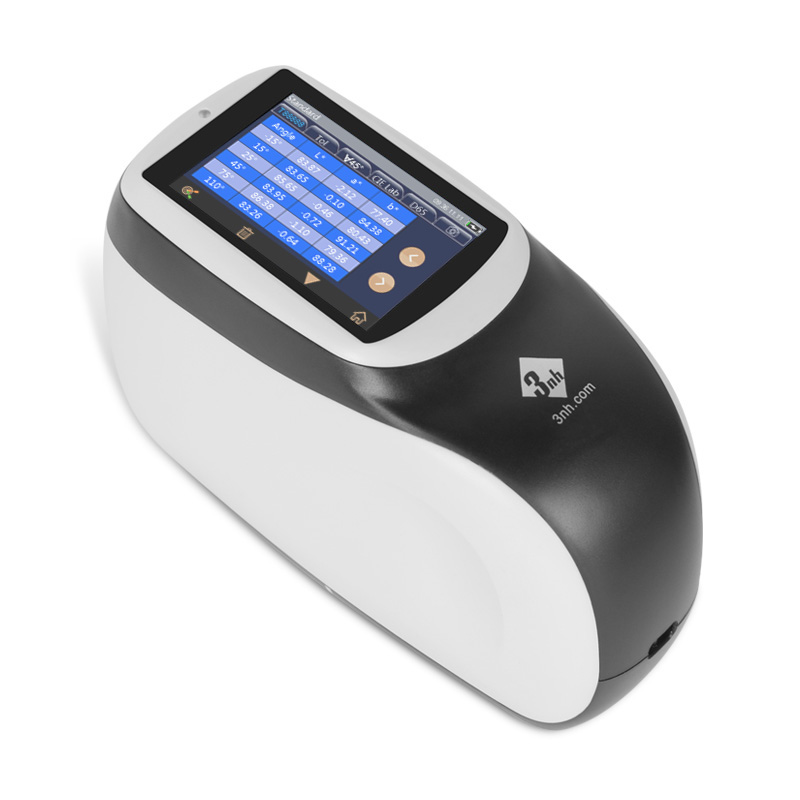
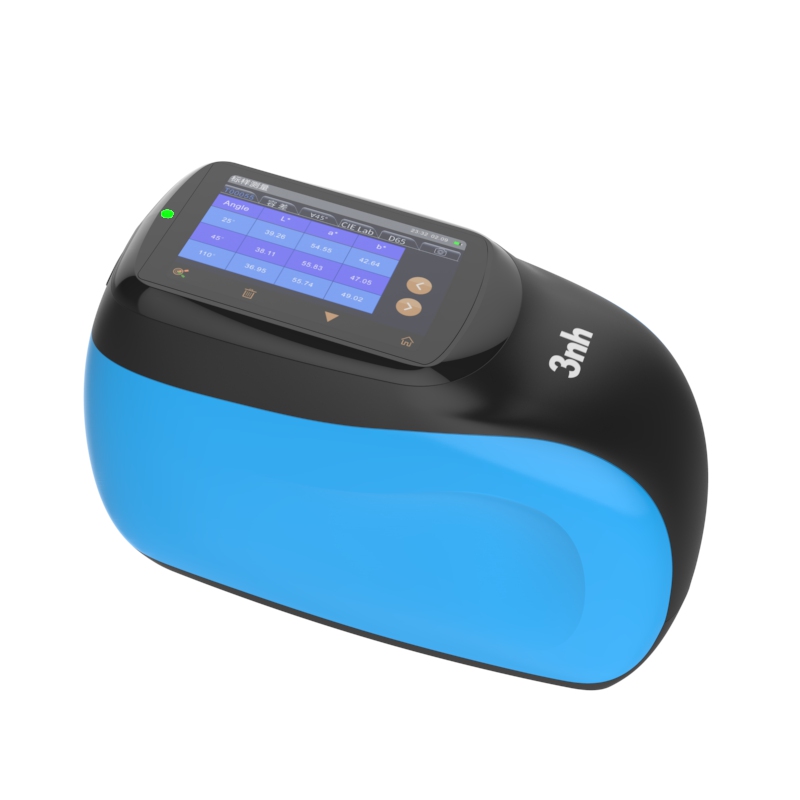
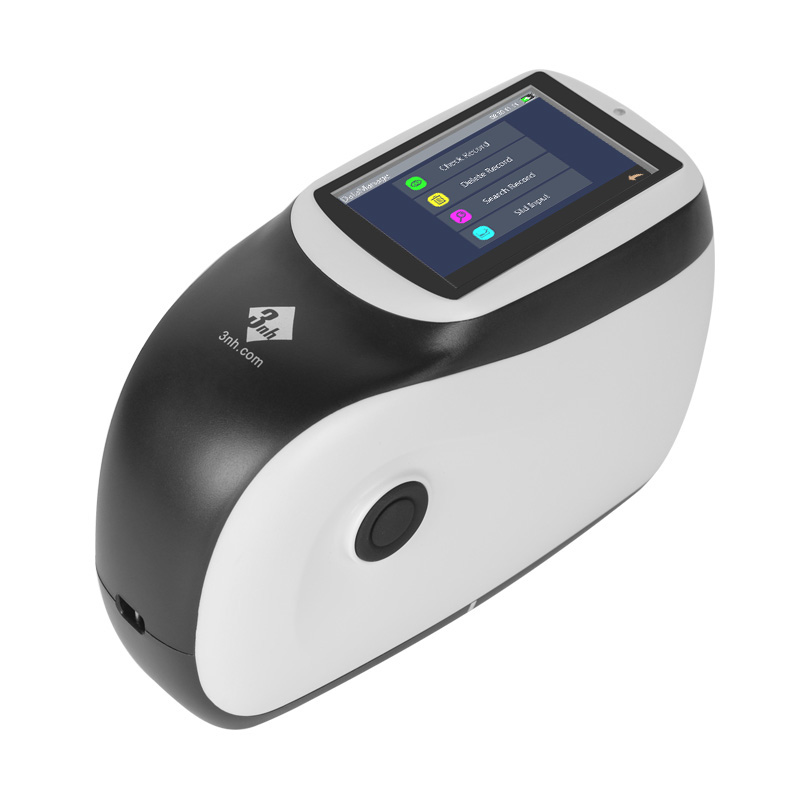
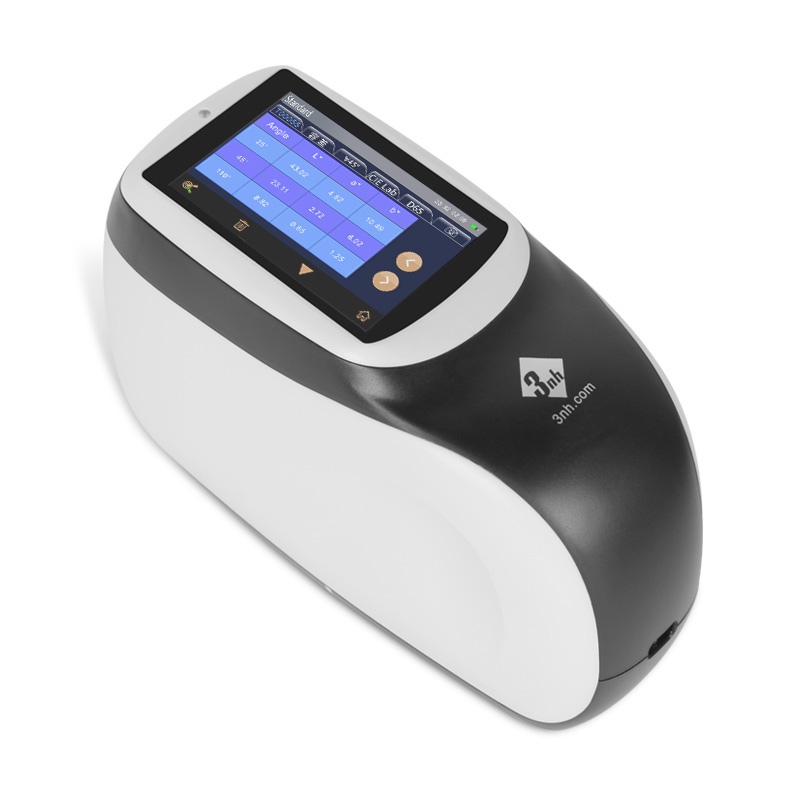
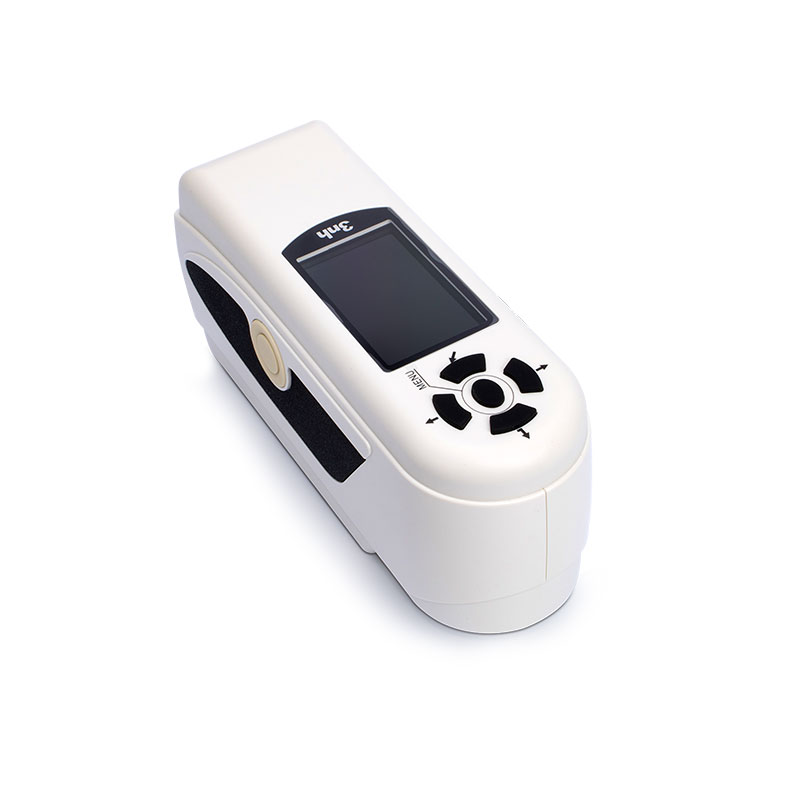
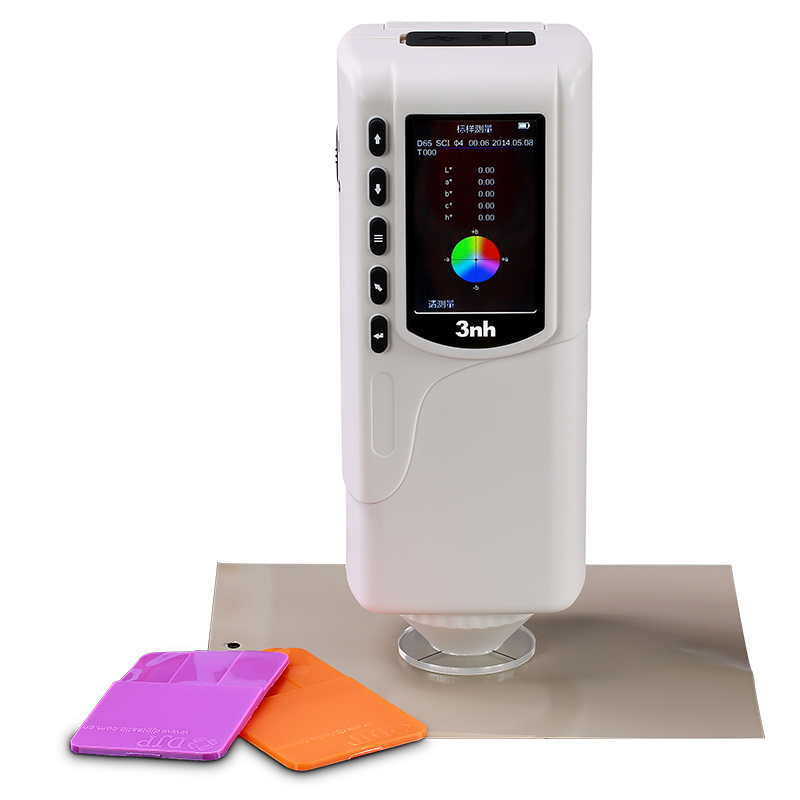
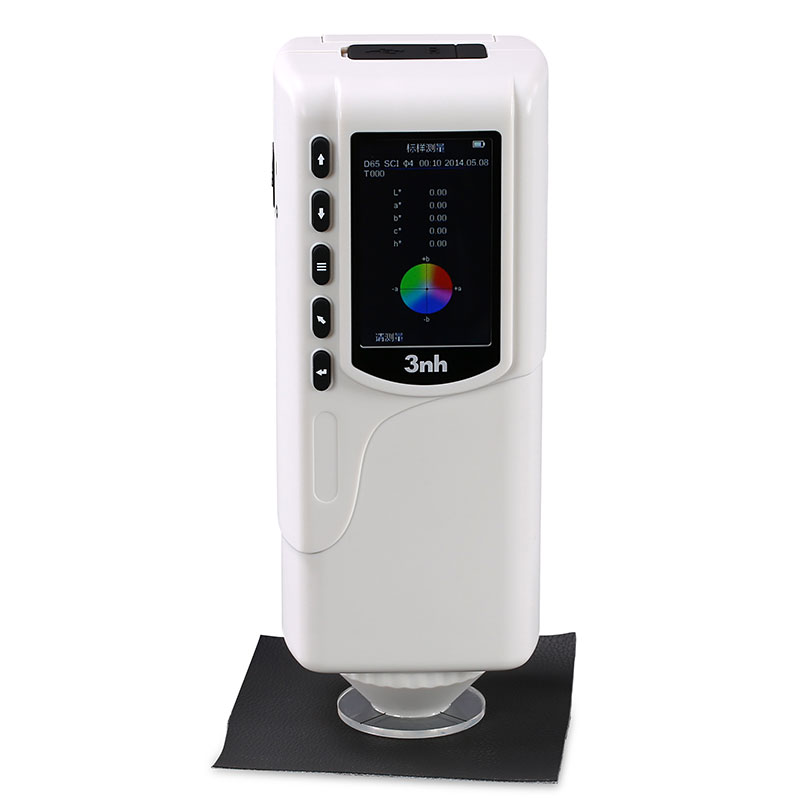
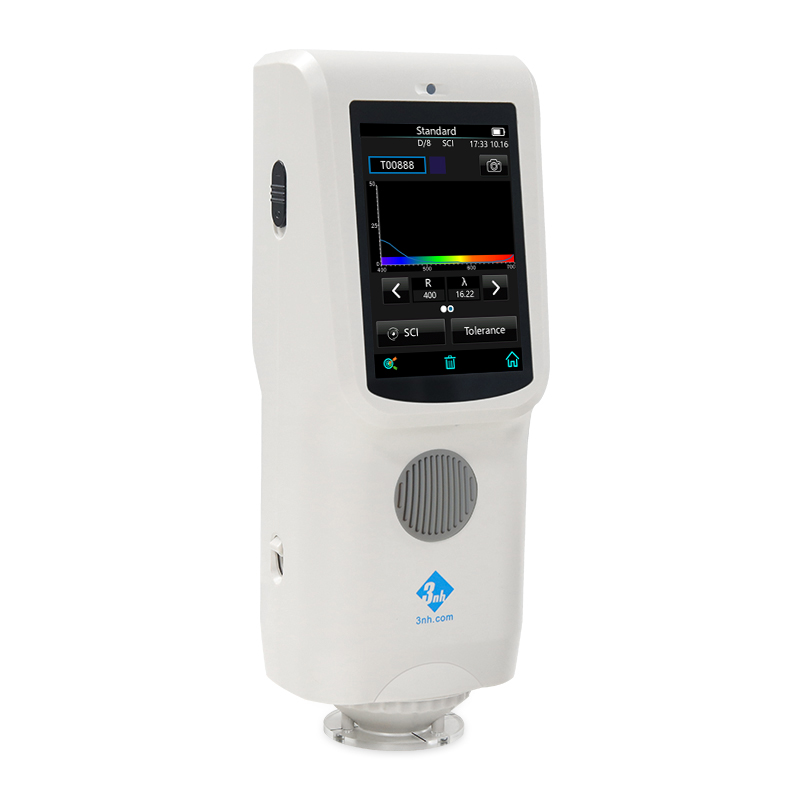
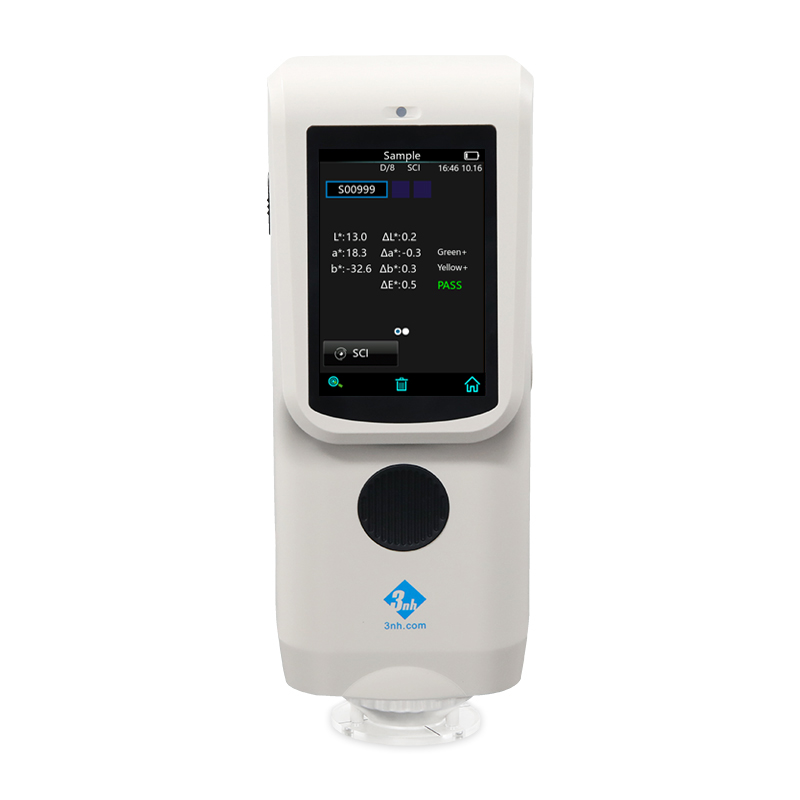
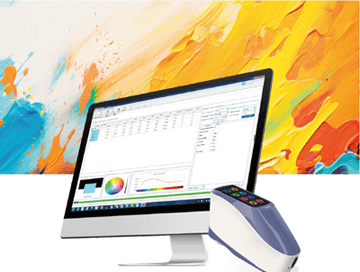
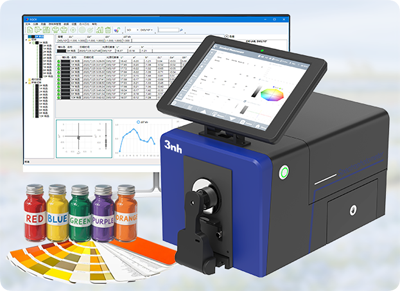
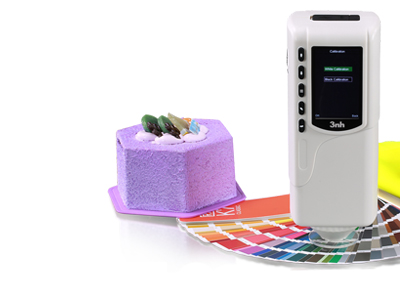
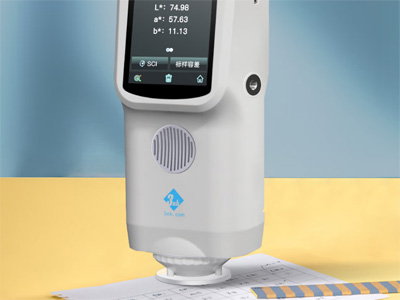
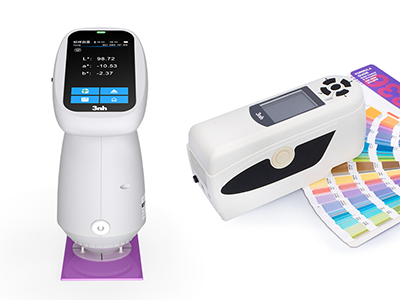
A color spectrophotometer is designed to analyze a sample of material, as it operates under an arbitrary function. The goal of the spectrophotometer machine is to measure the interplay of light among the sample in the spectrum or in a visible section of the spectrum, in order to put an end to color guessing and color comparison. It is able to numerically and objectively capture significant color data, L*a*b*, XYZ, or reflectance curves.


Why is this of utmost importance? Because of color reliability. Many industries, including parts of the world, like food mic, pharmacies, coatings, fabrics, etc. rely on this.Regular colorimeters just record color while spectrophotometers record multiple wavelengths of color. This allows for sturdy analysis of color, which is particularly important for things like highly complicated colors, for textured items, and for items that look different when in varying light.  


In quality control color spectrophotometers are/WERE USED TO:


  • Analyze color in a production sample and compare it to the sample color standard.

  • Analyze the color of a production batch and compare it to the color of previous production batches.

  • Confirm and standardize color compliance internationally.

  • Minimize color production waste.


Color spectrophotometers are like translators. They decode color into a machine and quality control understandable format. Once color is measured, it can be duplicated and controlled with ease.

Introduction: Getting the Basics of a Color Spectrophotometer

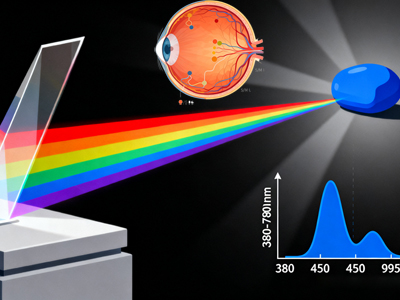
If a color spectrophotometer's function were to be summarized in a single word, that word would be light. Or to be more exact, light and the wavelength of light within the range of 400 to 700 nm which corresponds to the visible light range. A color spectrophotometer measures how much of a sample's light is reflected and how much is absorbed.


The things necessary for running an experiment are inspired by optical radiation measuring devices. These are:  


  • Light source that is stable.  

  • Monochromator or diffraction to segregate wavelengths.  

  • Open for measuring or sample holder.  

  • Detector that captures light that is either reflected or transmitted.  


The things that make these devices special are the standard illumination conditions. This ensures that the devices can be used for color evaluation in any color evaluation conditions.  


Another special things about these devices is repeatability. When the same sample is measured several times these devices are expected to produce results that are the same each time. This are the devices that come in handy for the dependable repeatability that is needed in these special industries.  


Unlike colorimeters that can do quick color checks, these devices are able to penetrate more. These devices can be able to see small color variations that the human eye is not able to see. This is the reason that these optical radiation measuring devices are used so much in the research and development color formulation and the ultra-fine quality control.  


The optical radiation measuring devices that color spectrophotometers are is needed in any industry that values color precision.  

How Does a Color Spectrophotometer Work

The way these devices work is simple and very interesting. Picture yourself reflecting back white light on a surface and examining what you see. That is basically what is happening but with more precision.  


So here are the steps, simplified.  


  1. This portable color measuring device sends a light portion that is controlled to the sample.

  2. The sample indicates properties of a material and can either reflect or transmit light.

  3. Individual wavelengths of light can be reflected and separated using a diffraction grating. 

  4. Each wavelength’s intensity is recorded by the detector.

  5. Color values and spectral curves can be produced by converting data through software.


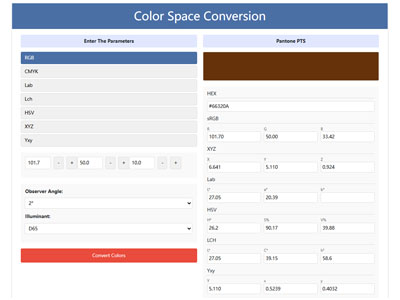
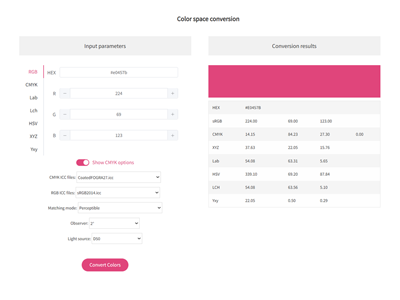
With this spectral data, the instrument can determine standardized color spaces like L*a*b, CIE XYZ, etc. These values can be measured or assessed against reference standards or tolerances.


One of the main benefits of using a spectrophotometer is illuminant independence. Because the instrument records full spectral data, the spectrophotometer can predict and simulate what a color looks like under varied lighting—a task easily miscalculated by the human eye.


Consequently, this is the reason for the high demand of spectrophotometers in processes such as color matching, formulation, and quality control. In these processes, accuracy is of utmost importance.

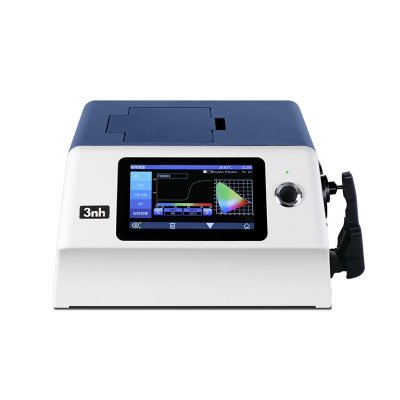
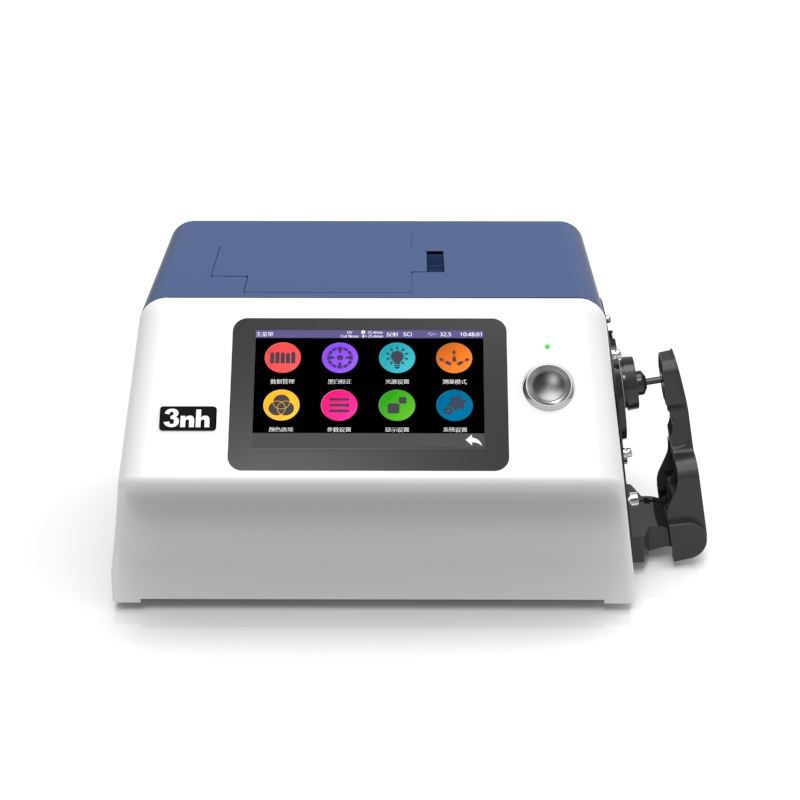
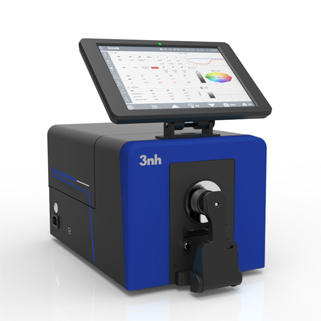
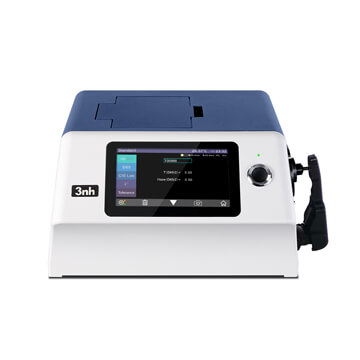
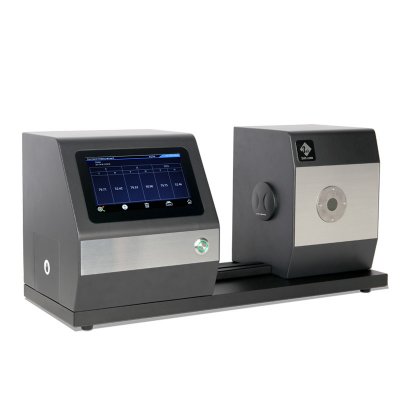
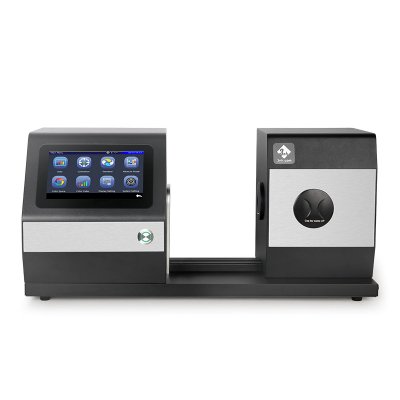
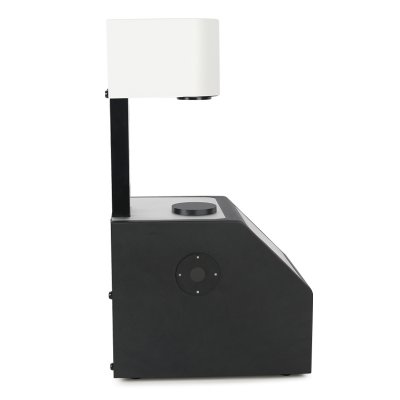
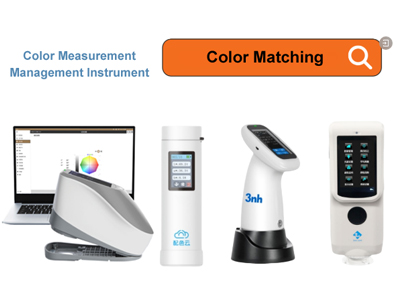
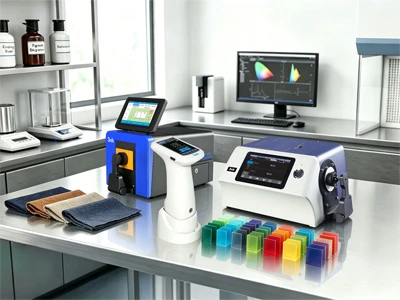
Benchtop Color Spectrophotometer


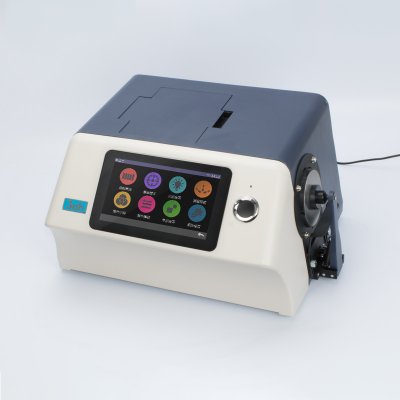
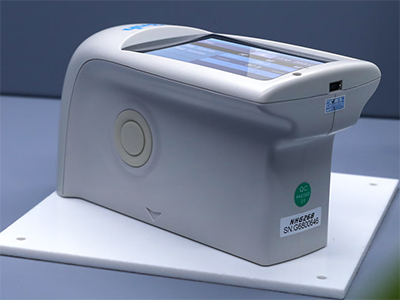
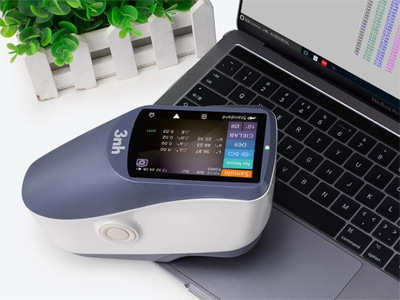
For laboratory-grade color analysis, a benchtop color spectrophotometer is the gold standard. These instruments are built for precision, stability, and are designed to be installed in controlled settings like quality labs or research units.


Benchtop models are characterized by:


  • High spectral resolution

  • Superior repeatability

  • Advanced software integration

  • Larger measurement apertures


These models are used in industries like pharmaceuticals, inks, plastics, and automotive coatings where a slight deviation in color can lead to serious problems.


Being stationary allows benchtop spectrophotometers to lessen environmental factors (such as vibration or ambient light) to achieve perfectly consistent measurements. This is perfect for reference standards and for master color development. 
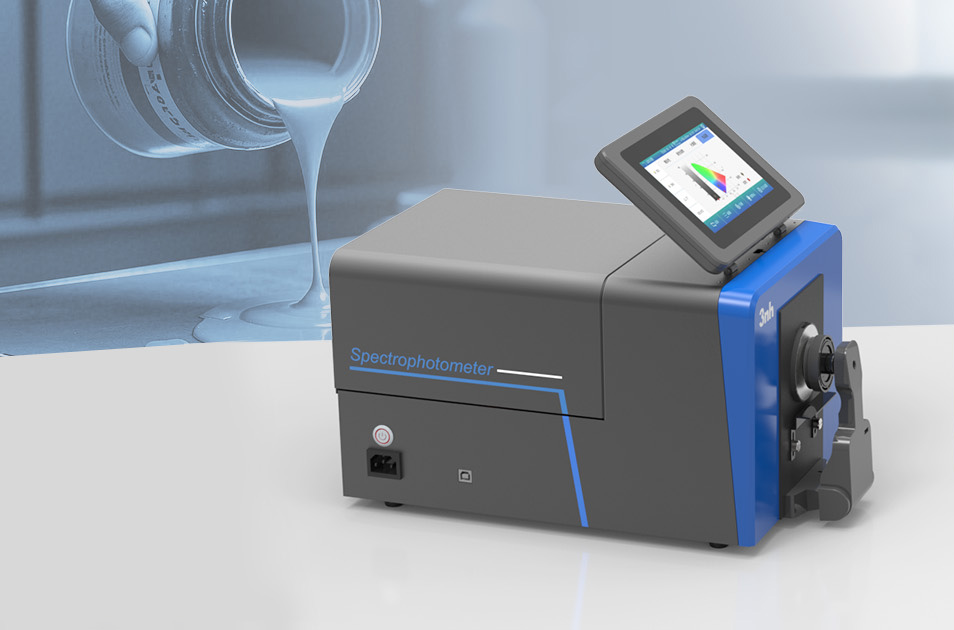
Why Choose Benchtop Spectrophotometer for Color Analysis 


If accuracy is a top priority for you, benchtop spectrophotometers may be the best option available. They can be very useful for: 


  • Developing new color formulations  

  • Establishing master color standards  

  •  Conducting inter-lab color comparisons 


Other advanced features add to the quality of these instruments, including UV calibration, gloss compensation, and temperature-stable optics. For color management, a benchtop spectrophotometer is a long-term investment. 


Benchtop Spectrophotometer Advantages 


  • Exceptional accuracy and stability 

  • Ideal for lab and R&D environments 

  • Long service life and low drift 

  • Complex materials and finishes supported  

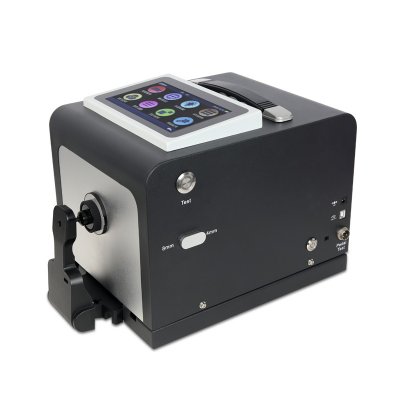
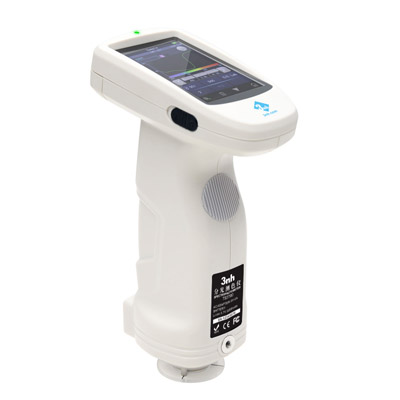
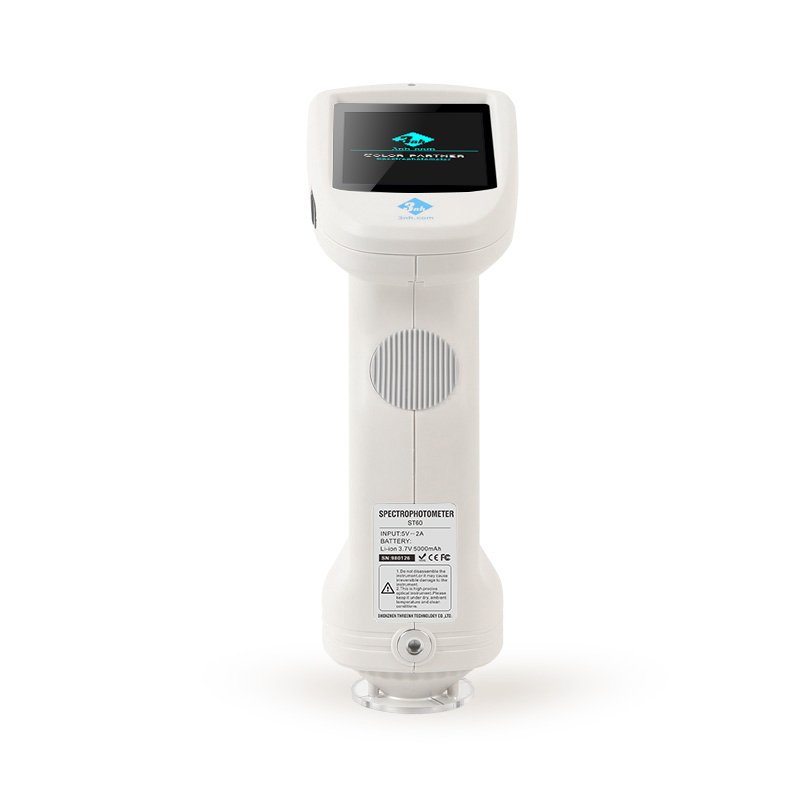
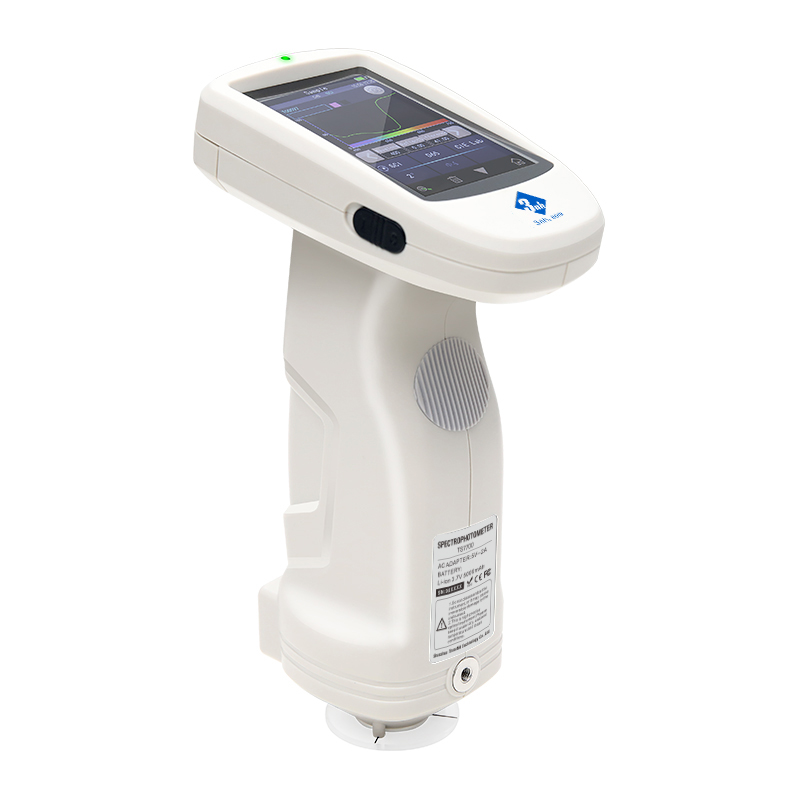
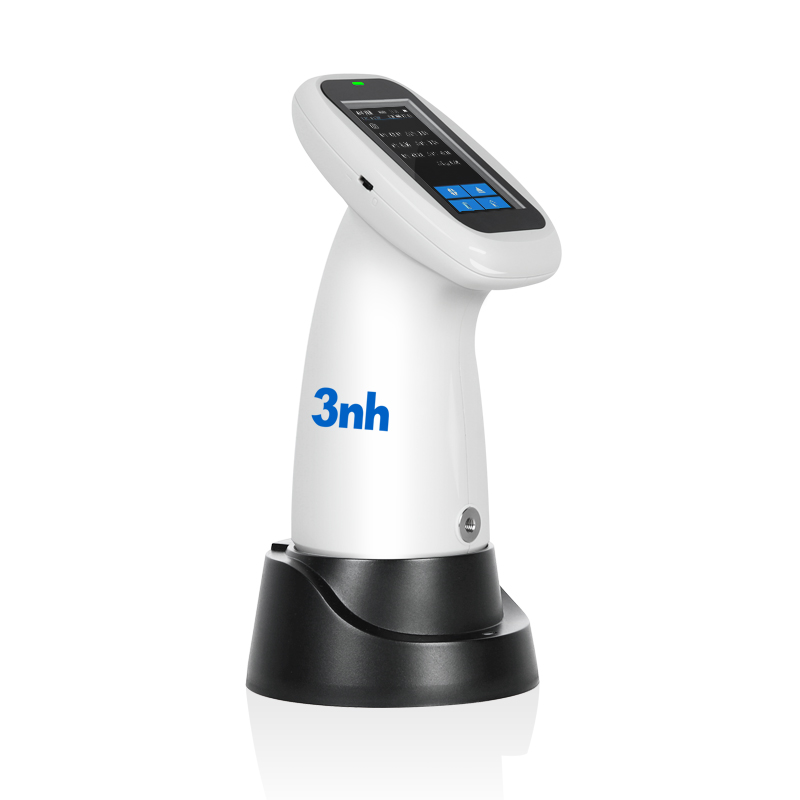
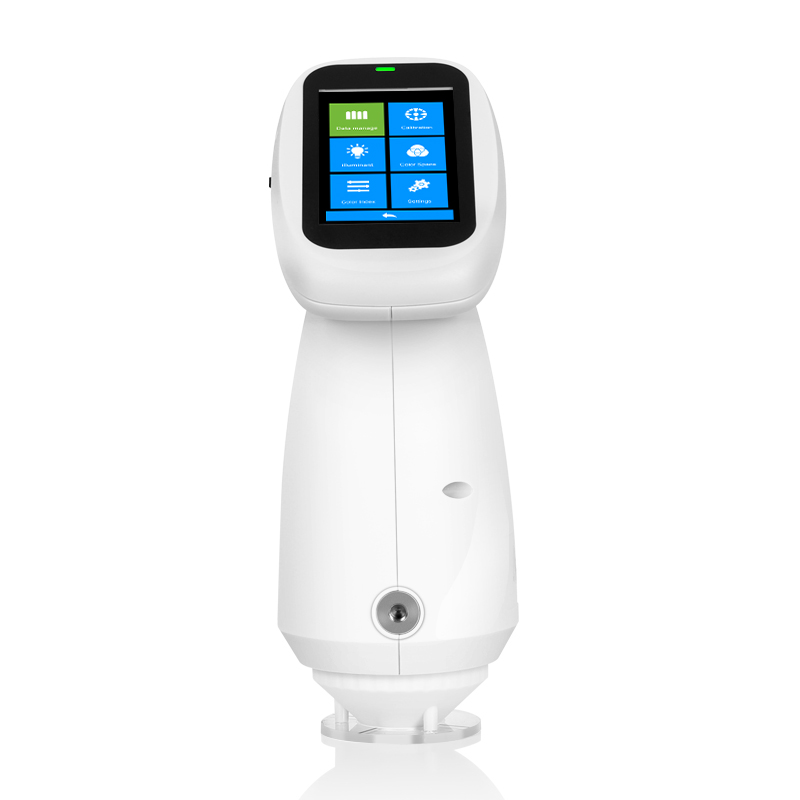
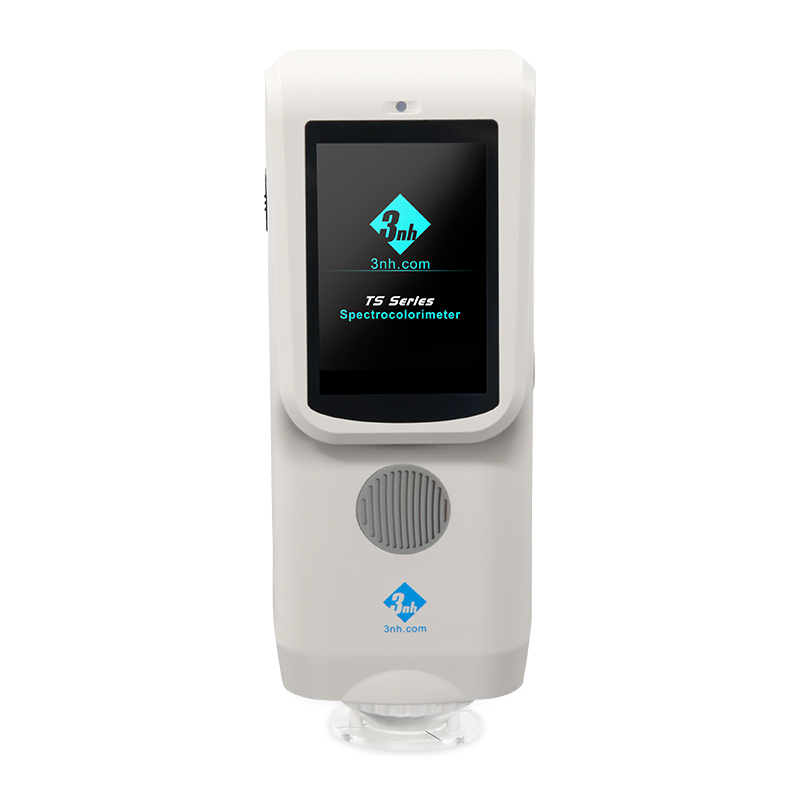
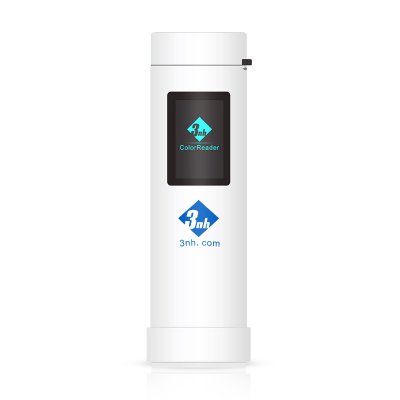
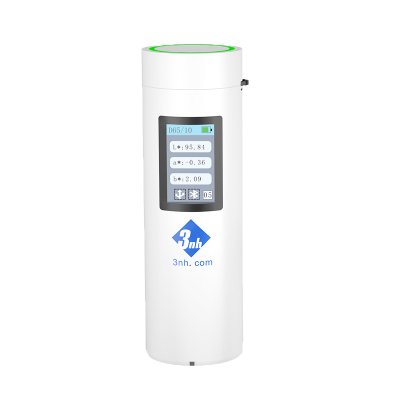
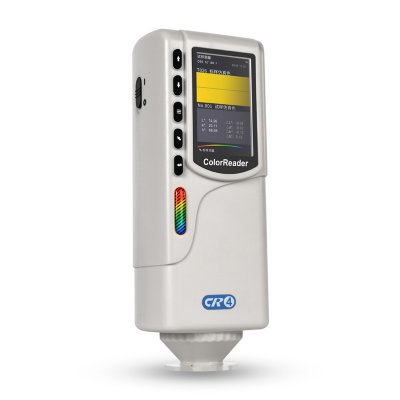
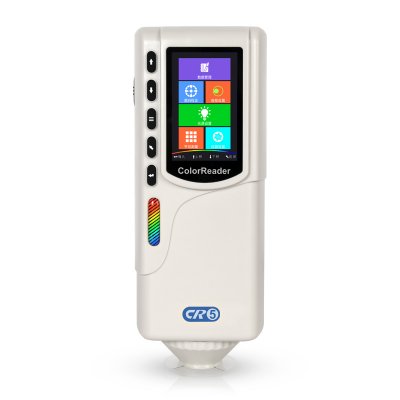
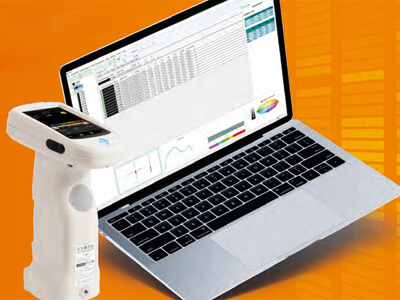
Handheld Portable Color Spectrophotometer 


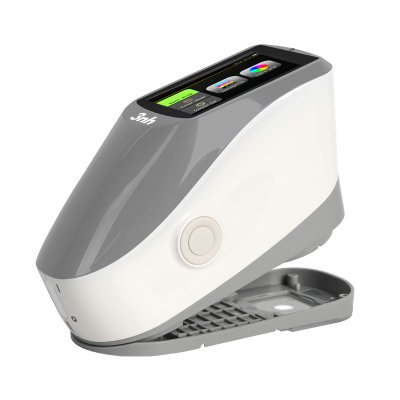
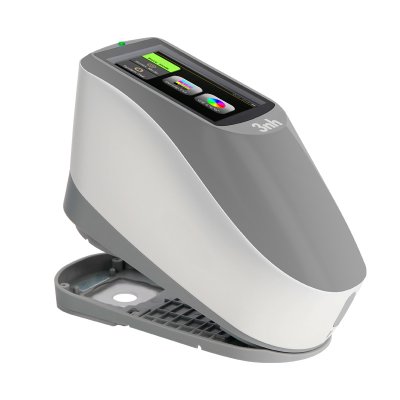
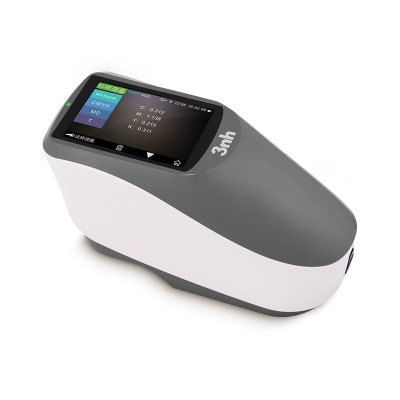
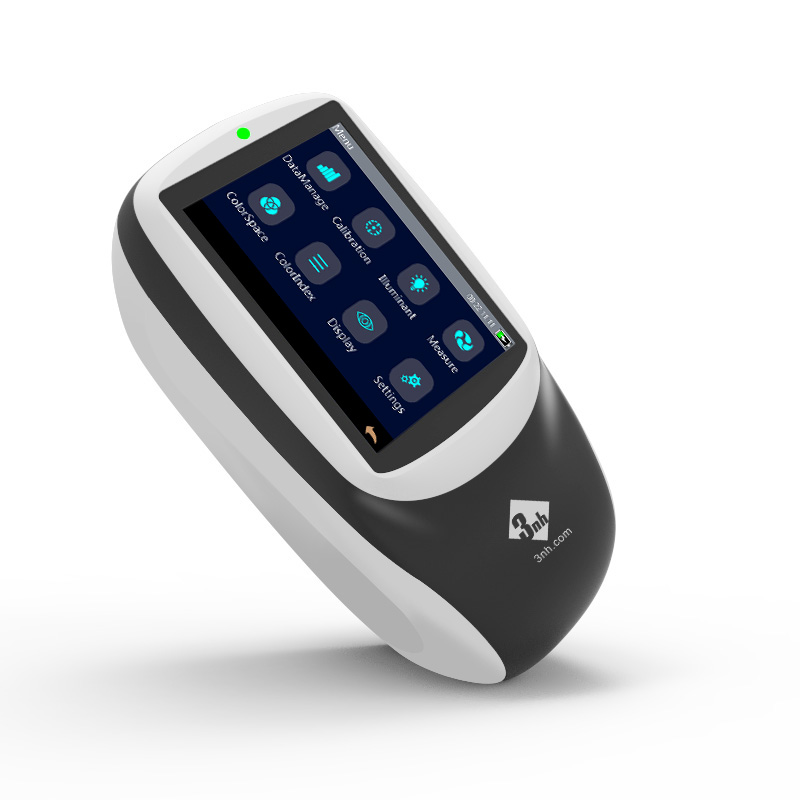
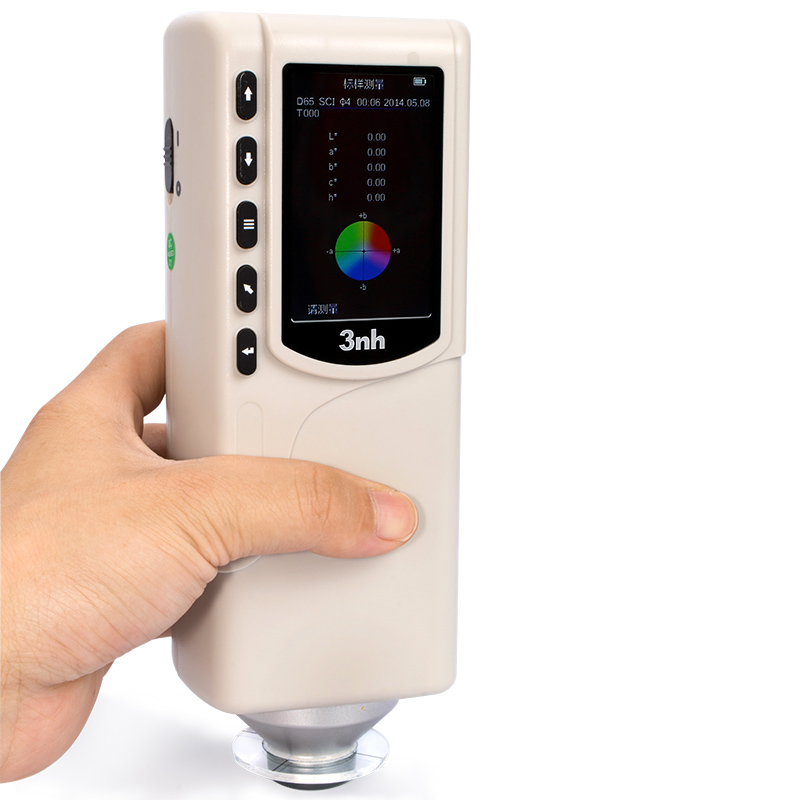
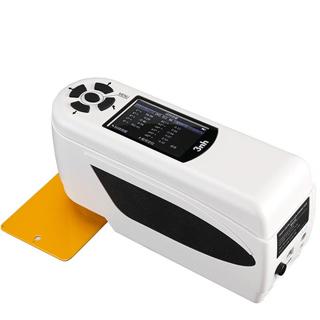
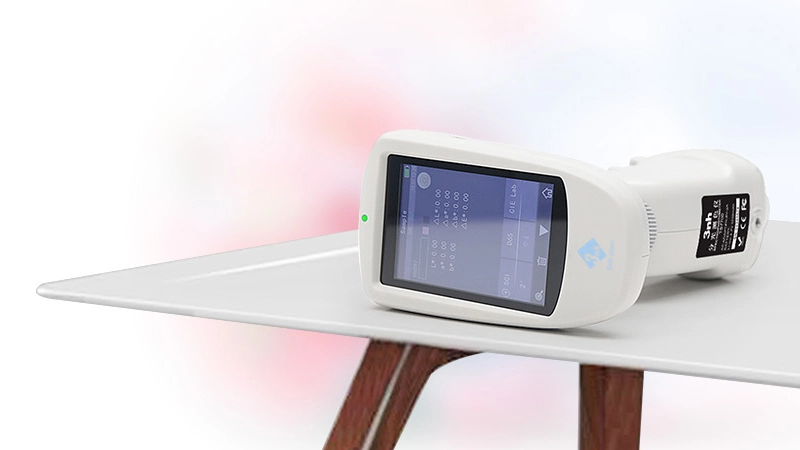
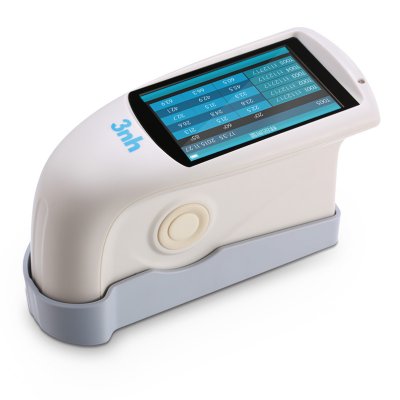
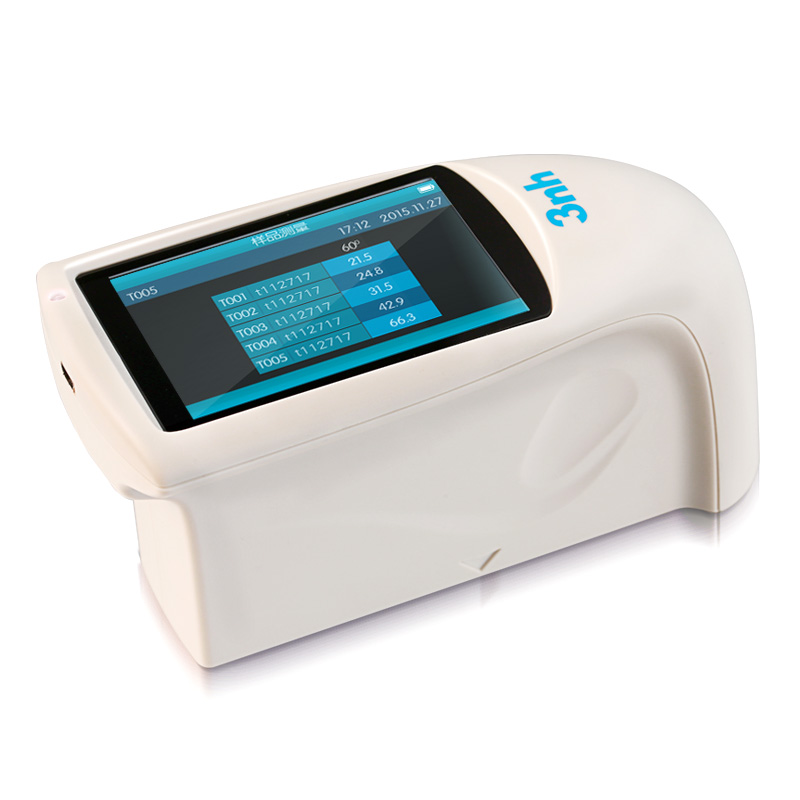
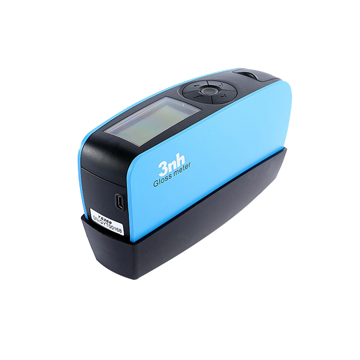
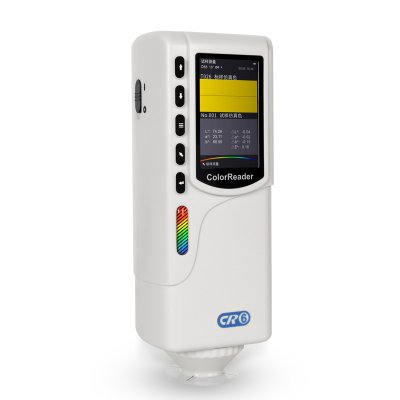
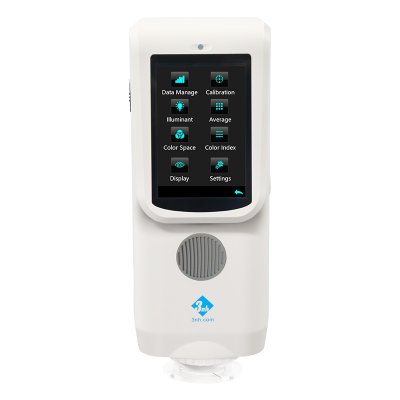
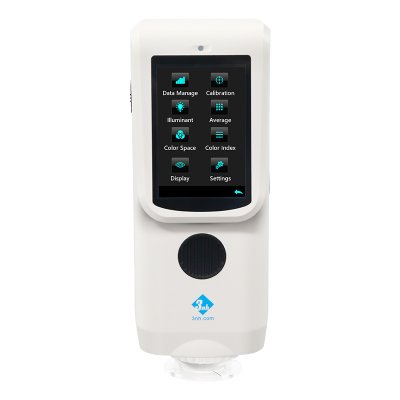
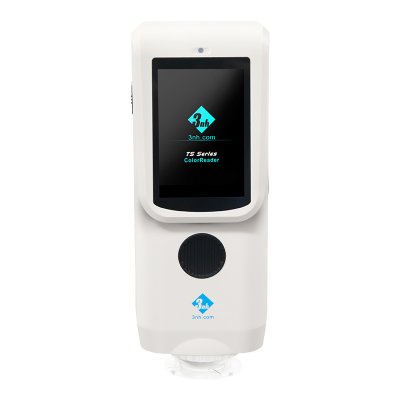
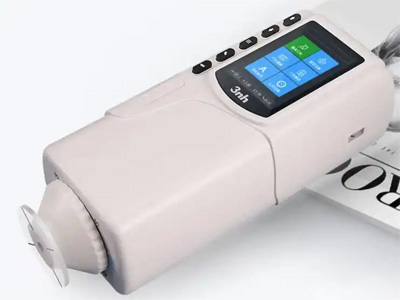
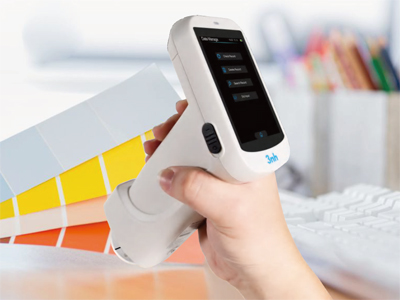
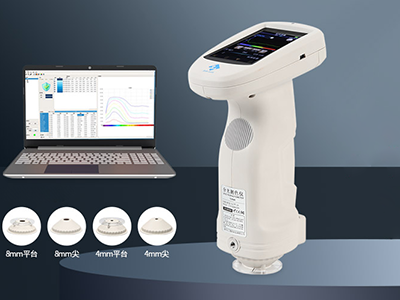
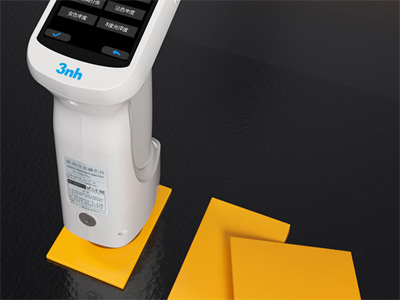
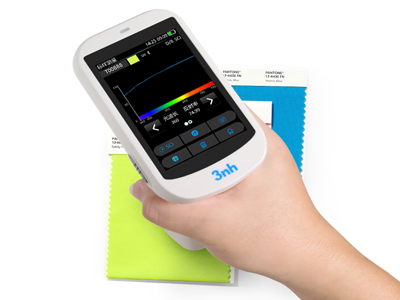
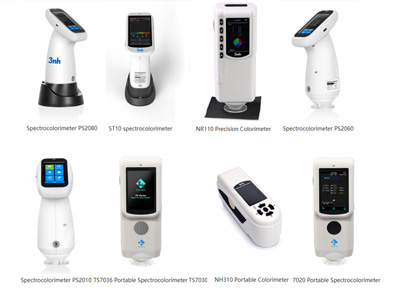
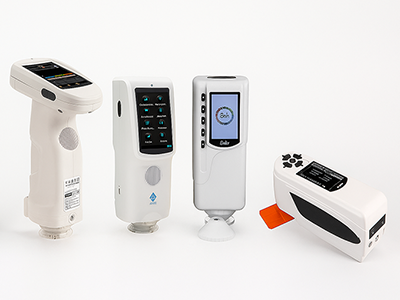
A handheld portable color spectrophotometer brings the benefit of color measurement right to the production floor. These battery-operated, lightweight, and user-friendly devices are perfect for on-the-spot color evaluations.   


Portable spectrophotometers can be commonly found in: 


  • Manufacturing plants 

  • Warehouses 

  • Field inspections 

  • Incoming material checks 


Even though there are handheld spectrophotometers available on the market, new models are designed to be ultra-compact and lightweight. Designed to capture measurements with minimal delay and eliminate the sacrifice of reliable data, these models continue to achieve new heights of accuracy.


Reasons for selecting Portable Spectrophotometer for Color Measurement 


Aside from its outstanding qualities, portable spectrophotometers are perfect for mobile use. They let users to measure color directly at the production site, which saves time and improves decision making on the spot.


Some advantages are:


  • Easy to use and provides readings immediately. 

  • Less testing of samples in a laboratory environment.

  • Simple training for the operator. 


Portable Spectrophotometer for Quality Control 


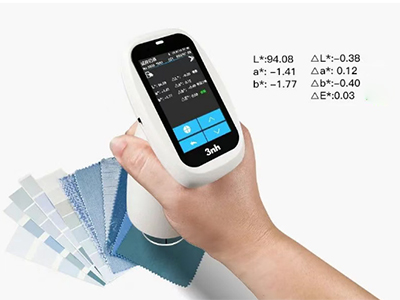
During the quality control process, time is of the essence. Portable spectrophotometers provide the ability to quickly make pass or fail judgments, enabling teams to identify color problems before they develop into expensive rework or waste.


They are highly beneficial in the fast-moving production lines.

Inline Color Spectrophotometer 


An inline color spectrophotometer fully automates production lines and incorporates devices used to measure color without interruption to the process. They are integrated directly into production lines and used for measuring color continuously.

Inline spectrophotometers are used for:

  •  Extrusion of plastics

  •  The production of plastic films and sheets

  •  Coating and painting

  •  Processing chemicals

The main benefit is the real time responsiveness. Defects above a certain size can be avoided when operators adjust the parameters instantly. 

With the capability of fully integrating into PLCs, MES and quality management systems, this type of systems is a perfect fit for Industry 4.0 initiatives. 

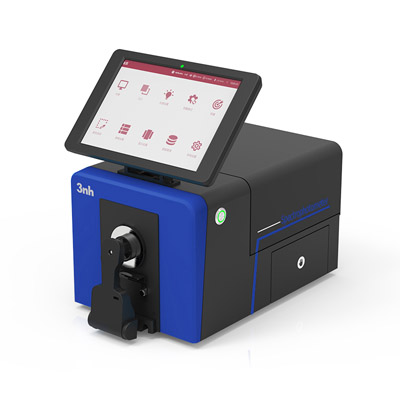
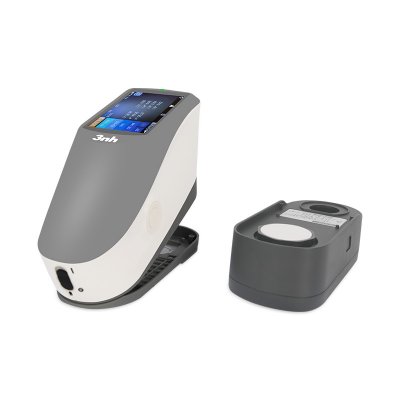
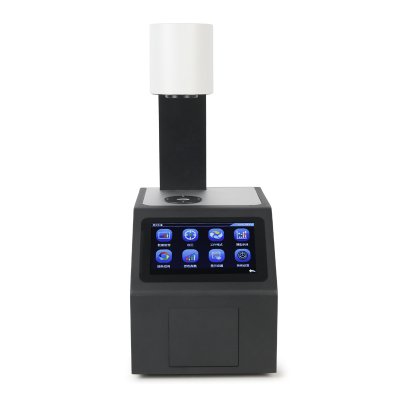
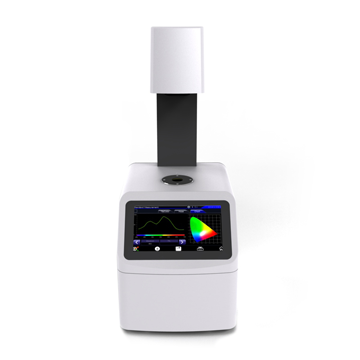
Grating Color Spectrophotometer

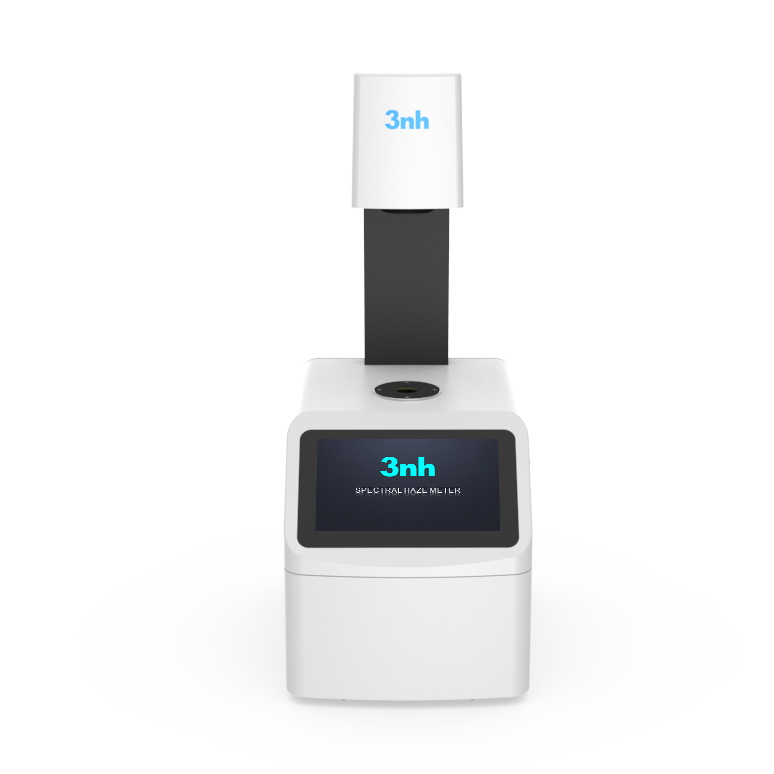
A Grating Color Spectrophotometer is a Type of spectrophotometers that contains a diffraction grating that separates light into individual wavelengths. Spectral analytical tasks can be met by them due to the extreme function of their spectral resolution. 

In grating based systems compared to filter based systems, you can get:

  • More extreme sensitivity

  • More accurate wavelengths

  • Better long term stability 

This is the reason in many spectrally detailed industries, analytical work, and research, simple color data is insufficient and spectral data is essential.

Buy Color Spectrophotometer


When buying a color spectrophotometer, you aren't just looking at the price, it's about how well the applicatoin fits, what are the accuracy requirements, and what kind of long term support can be expected.

Color Spectrophotometer in the USA

The USA is one of the largest and most technologically advanced markets for color spectrophotometers. In the USA, industries are color measured to control the quality of the products, to control the compliance of products with regulations, and to control the compliance of products with the brand. Color measuring is important in the USA to control color within the products.


Companies in the automotive and aerospace industries use color spectrophotometers for checking color tolerances on paints, coatings, and interior parts components. Accurate color measurement is necessary and important because within color tolerances but even small shifts in color could lead to expensive rework or part rejection.


Color spectrophotometers examine the polymer and plastic colored spectrophotometers helps in checking the consistency of resins, the masterbatch, and the end-product's appearance. Consistency in color is very important for consumer acceptance form the end product's colored injection molded part or the colored film extrusion.


Color spectrophotometers in Packaging and Printing helps to achieve brand color replication on diverse substrates and across multiple production cycles for consistent color barings on product for Food and Beverage, products to remain shelf stable for consumer safety.


Color spectrophotometers in Food and Pharmaceutical industries achieve not only for visual color but helps in ensuring that the consistency of the product is to be within a certain desired outcome. Consistency in color helps to detect formulation changes and is important to see contamination or improper processing, which at the same time helps determine the product's quality.

Information on Pricing and Details of Color Spectrophotometers

In the USA, the price of color spectrophotometers is highly variable depending on the intended purpose, precise performance specifications, and the degree of complexity of the system.

  • The lower handheld color spectrophotometer models are usually considered entry to mid level capture options available in the market while performing routine checks for use in inspections and incoming materials for funcitioning for quality control on the shop floor. Their low and portable pricing is why they are commonly used by smaller and mid-sized manufacturers.

  • Bench Color Spectrophotometers are also a more expensive investment than the lower handheld models for more advanced features, however, besides more costly higher accuracy, better repeatability, and other more complicated optical systems, more common than these types of instruments are used in simple laboratories, and other R and D facilities, and measurments of reference standards.

  • Inline Color Spectrophotometers are more premium, automated and complex with real time color monitoring systems, however, the premium price is due to the complex automation and long term efficiencies in integration, waste, rework and time cost for automation.

Overall inline color spectrophotometers and the pricing in the US are influenced by Measuring Geometry, Automation, Spectral Resolution, Software and Features, and After Market Support. 

Applications of color spectrophotometers in Canada.

In Canada, color spectrophotometers are used in manufacturing sectors to ensure quality, sustainability, and compliance with export regulations. The spectrophotometers are used in the plastics industry to ensure color uniformity in all molded and extruded products.

This color measurement in the paper and pulp industry is used to control the desired brightness, whiteness, and shade consistency. Even a slight color change is used to over grade the product and change customer acceptance.

In the food processing industry, spectrophotometers help ensure consistency and identify quality issues, while coatings and paints industries use spectrophotometers to assist with the formulation of paints, compare batches, and verify quality.

Canada explains the facts and values related to color spectrophotometers.

Canada and the U.S.A. show similar pricing patterns, although additional factors are considered for total cost of ownership. The costs of imports, transportation, the availability of local calibration, local service support, and service support are all relevant to the purchasing decision.

Canadian buyers tend to place the most importance on:

  • Stability of the instrument over time.

  • Local service and calibration availability.

  •  Adherence to international colorimetric standards.

 For this reason, most manufacturers see color spectrophotometers as long term quality investments instead of short term costs.

Color Spectrophotometer in the United Kingdom.

The United Kingdom Market is highly focused on Precision, Compliance and Sustainability. Manufacturers in the textiles industry repeatedly use color spectrophotometers for Dye Formulation, Shade Matching, and Consistency in Batches.


Paint and Coating, and Industrial Finishes, also closely Monitor Visual and Performance standards with color spectrophotometers.

The United Kingdom also uses color measurement in the Pharmaceutical Industry to maintain standards of Uniformity, Regulation Compliance, and Quality Control throughout the Lifecycle of Production.

Explaining the Color Spectrophotometer Prices and Facts in the UK

In the UK, ISO, ASTM, and EU standards are focal points for customers which impacts the type of instruments they choose and the prices they are willing to pay. Benchtop and high-end handheld spectrophotometers are the most common in the laboratory.

Things to consider in the UK when estimating the cost are:

  • Certification and compliance

  • Integration of sophisticated software with customized reporting

  • Calibration and servicing in advance contracts

Color Spectrophotometer in Australia 

In Australia, mining, plastics, paints, coatings, and packaging industries utilize the services of color spectrophotometers. In mining activities, color analysis is employed for material class and quality determination. Spectrophotometers in the plastics and coatings divisions are vital in achieving color uniformity and the control of ongoing processes.

The packaging sector is also important because consistent color is vital for brand recognition in the local and overseas markets.

 Explaining the Color Spectrophotometer Prices and Facts in Australia

In Australia, the distance of color spectrophotometer from the customers’ geographical location as well as the service available are important for the cost of color spectrophotometer. For customers, the distance to shipping, availability of service spare parts, and local technical support are vital.

Australian manufacturers usually concentrate on:

  • Sturdy tools designed for rough conditions.

  • Consistent calibration assistance.

  • Operational efficiencies in the long run. 

 Thus, buying decisions take into consideration the initial price, total cost of ownership, and long-term reliability.


Conclusion


A color spectrophotometer colorimeter instrument is not only a tool used to measure, but a tool that protects your quality, consistency, and brand integrity. Investing in a benchtop, portable, inline, or grating spectrophotometer will get you the right tool, turning color from a mere subjective opinion into measurable, objective data.


With today’s competitive markets, the ability to conduct accurate color analyses is not just an advantage. It is the difference between merely guessing and actually knowing.


FAQs


1. What is the difference between a colorimeter and a spectrophotometer?


 A colorimeter provides only a few color values, but a spectrophotometer measures the full range of color values.


2. Which spectrophotometer is best for quality control?


Fast, on-site quality control checks can be conducted using portable spectrophotometers.


3. Are inline spectrophotometers accurate?


Yes. They have the benefit of providing measurements in real-time, and they are very accurate.


4. Do benchtop spectrophotometers require calibration?


Yes. To ensure ongoing reliability and accuracy over the long haul, calibration needs to be performed on a regular basis.


5. How much does a color spectrophotometer cost?


There is a range of prices available from entry-level, handheld units, to inline systems that are high-end. Prices are based on the type of spectrophotometer, the level of accuracy, and the features it has.


Featured Resources & Insights

Give us a call!

Discuss your project with one of our product specialists:

0086 755 26508999

Need pricing?

We respond to quote requests within 1 business day.

service@3nh.com

Already know what you need?

Submit a demo request for the product you're interested in.

Get a Demo
Leave Your Message
We use cookies to ensure that we give you the best experience on our website. If you continue to use this site we will assume that you are happy with it. Privacy policy