Home>Resources>Industry NewsIndustrial Colorimeter: Everything You Need to Know

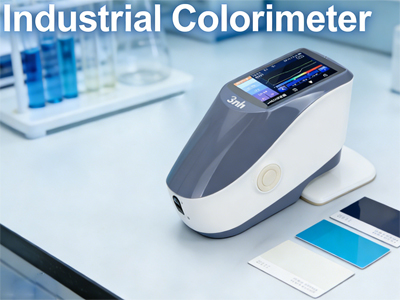
Industrial Colorimeter: Everything You Need to Know

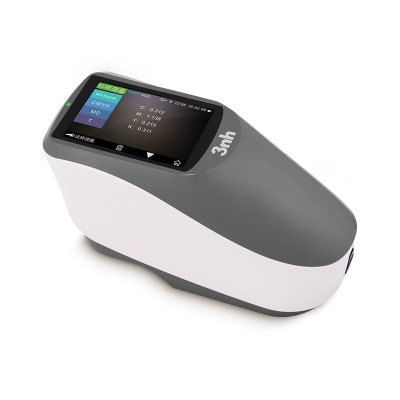
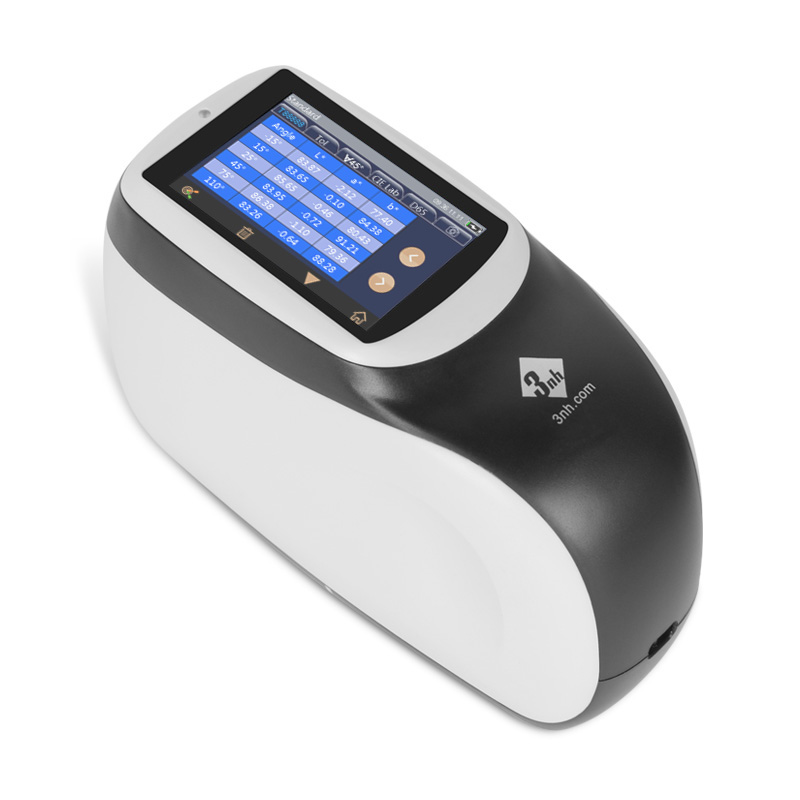
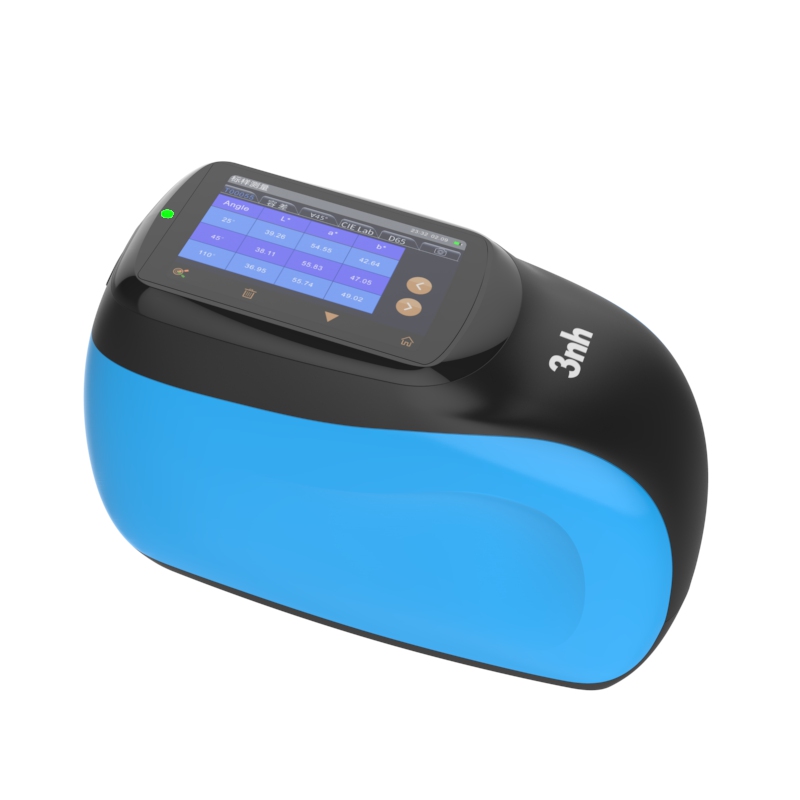
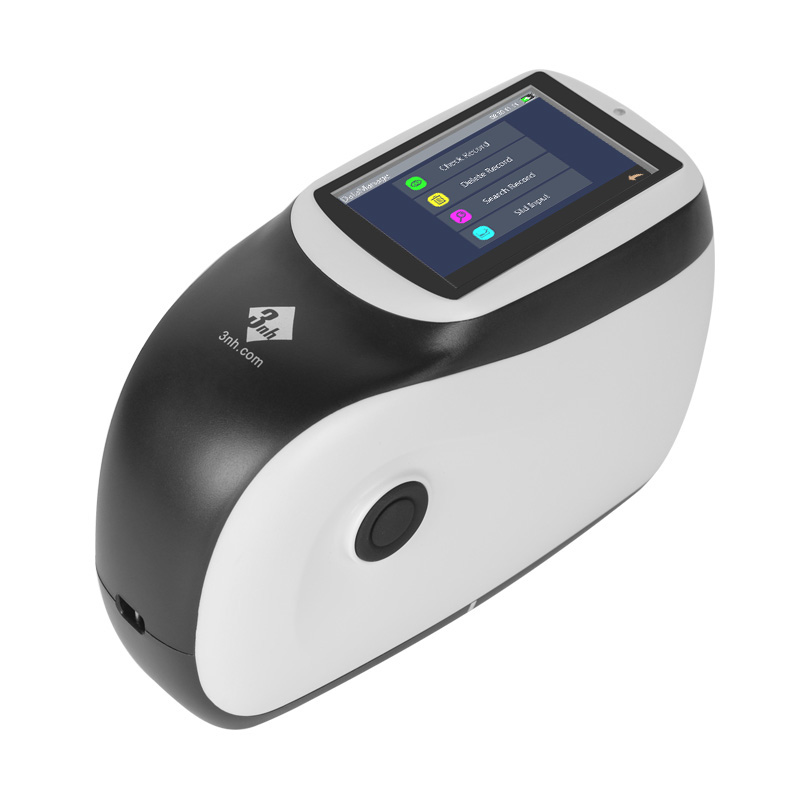
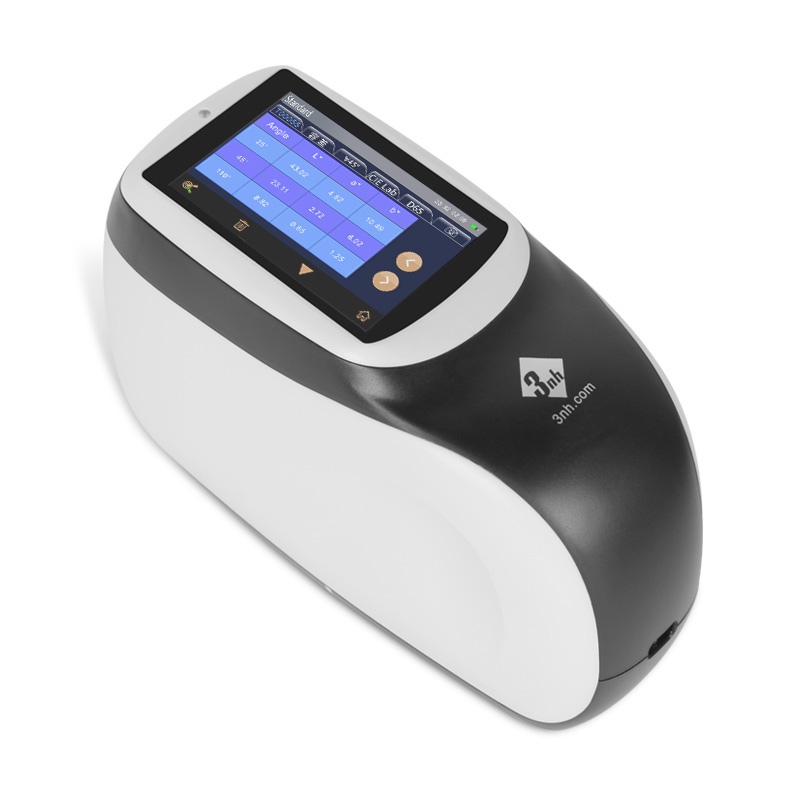
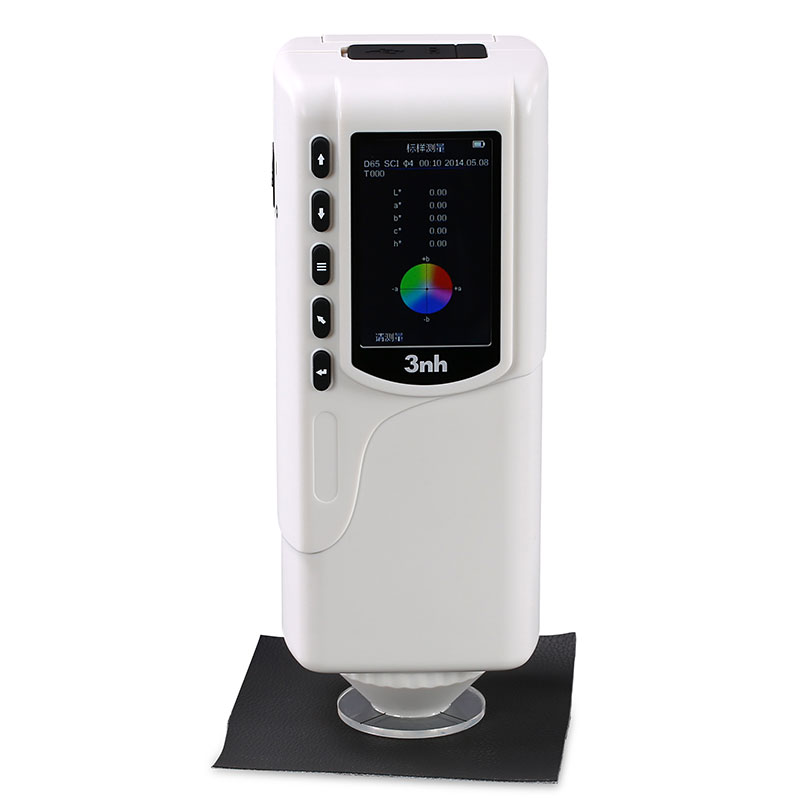
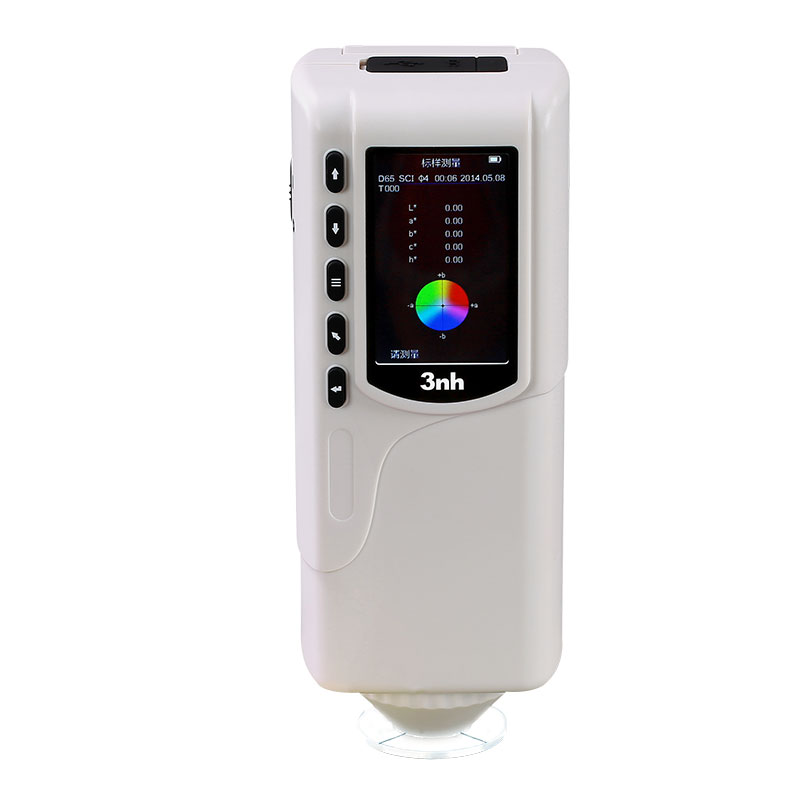
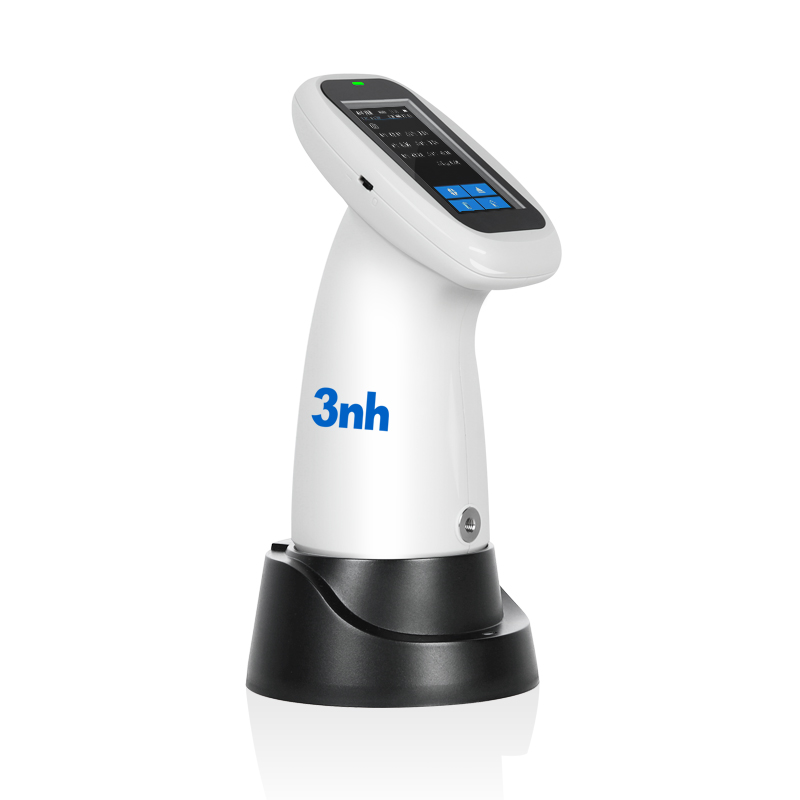
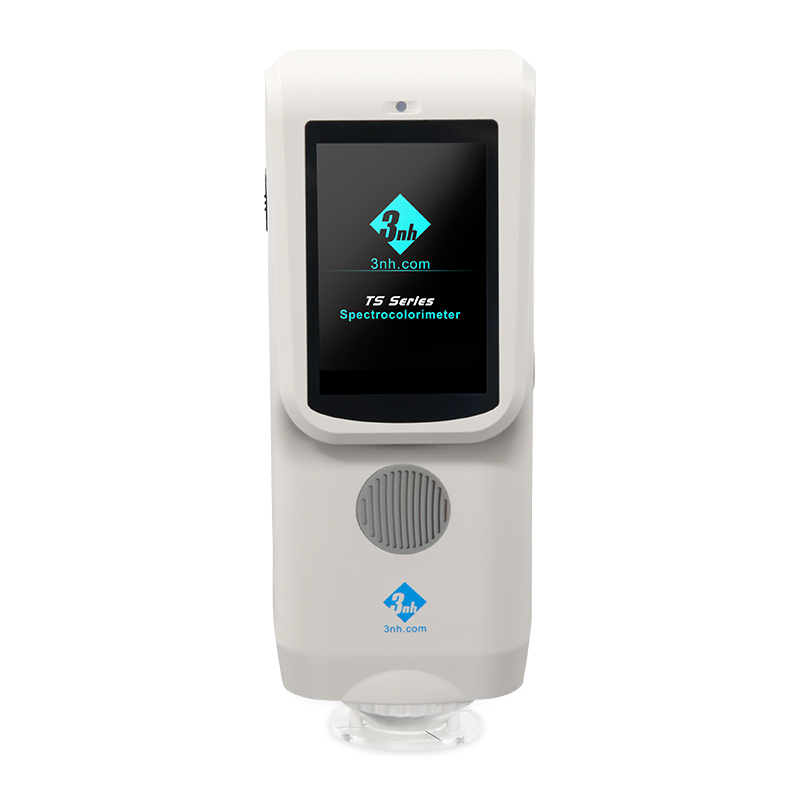
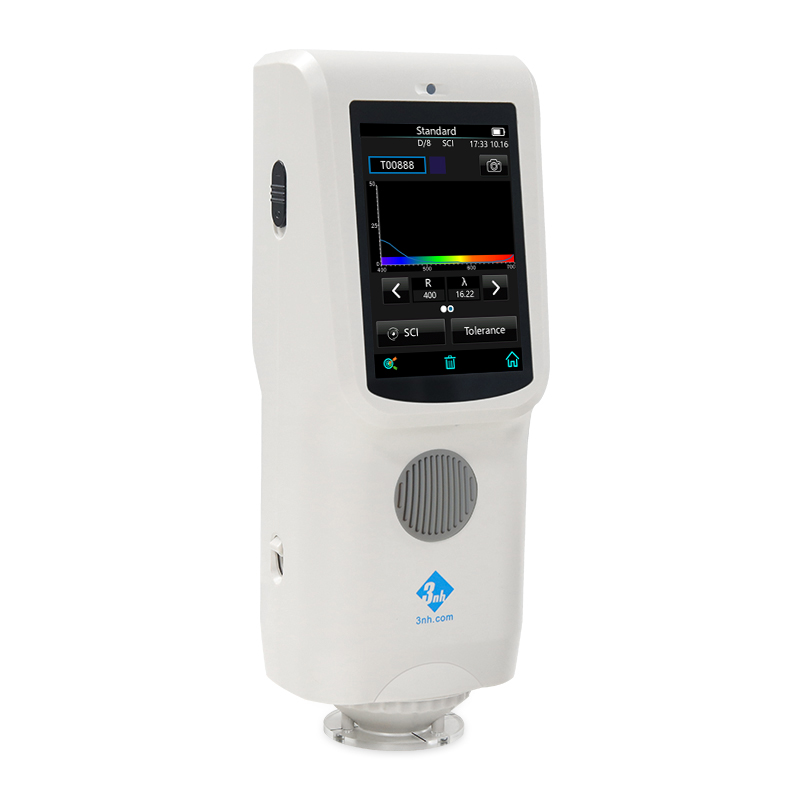
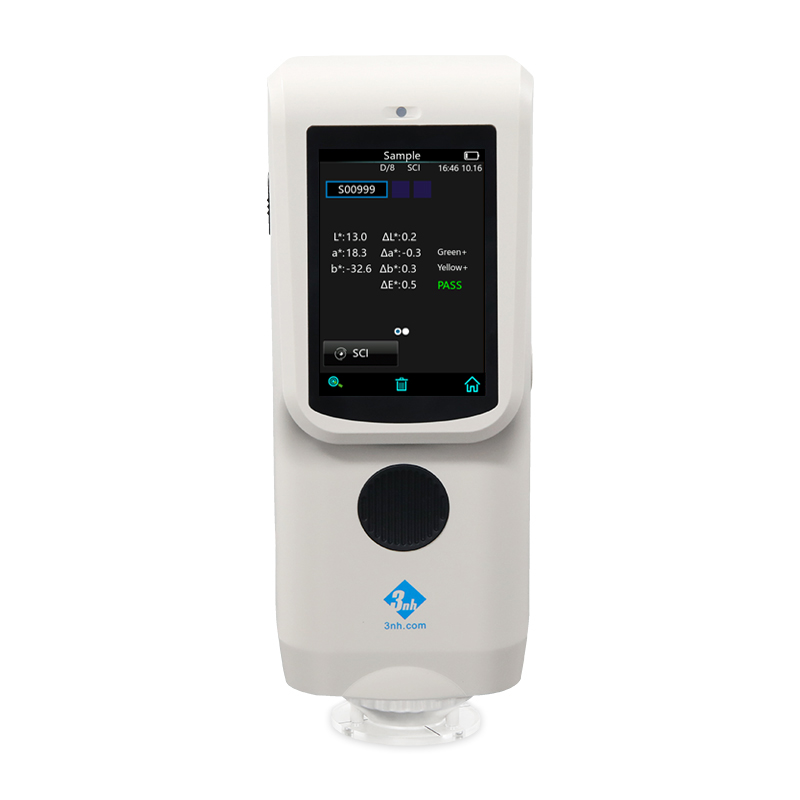
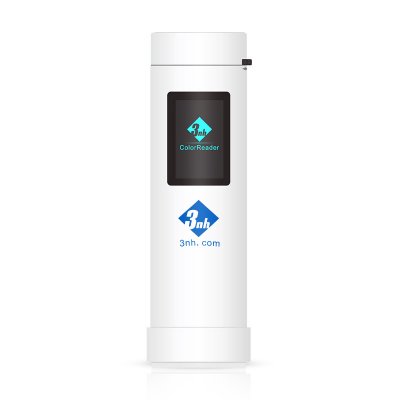
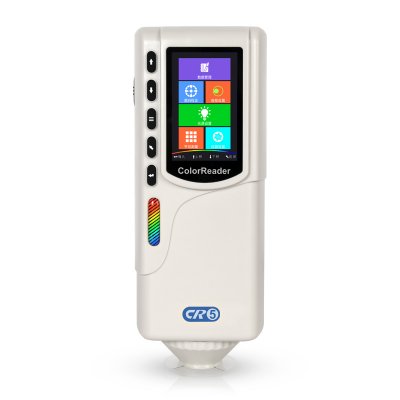
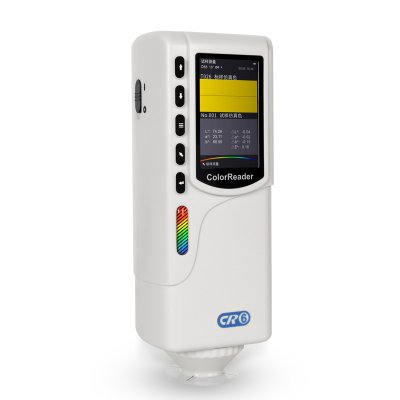
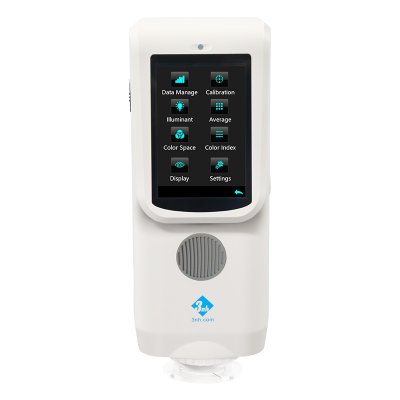
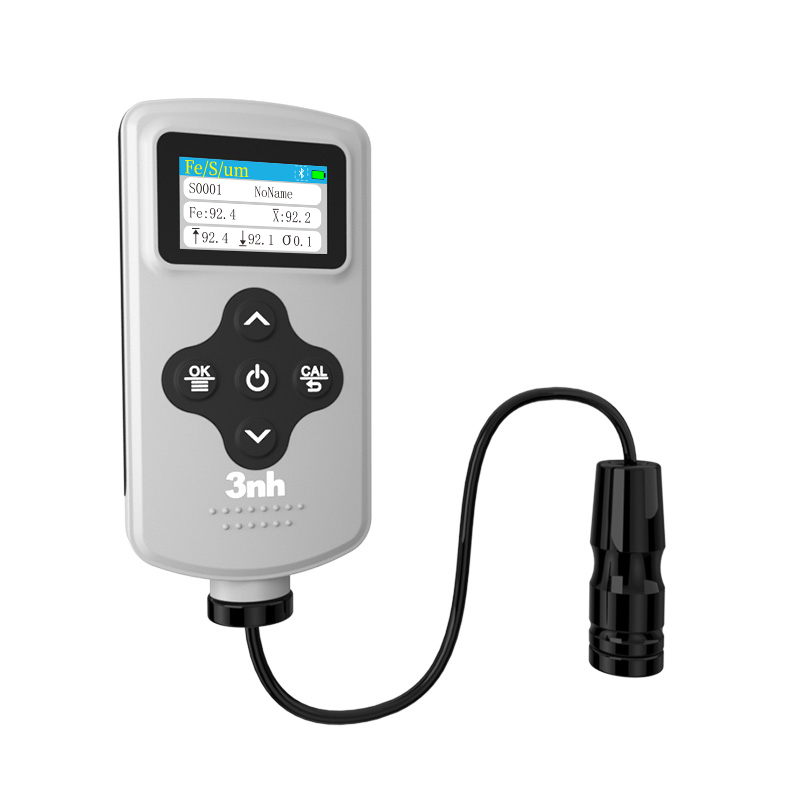
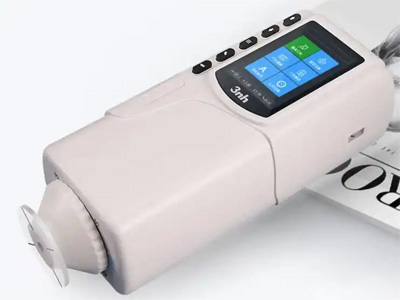
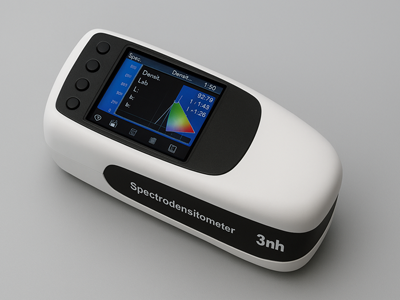
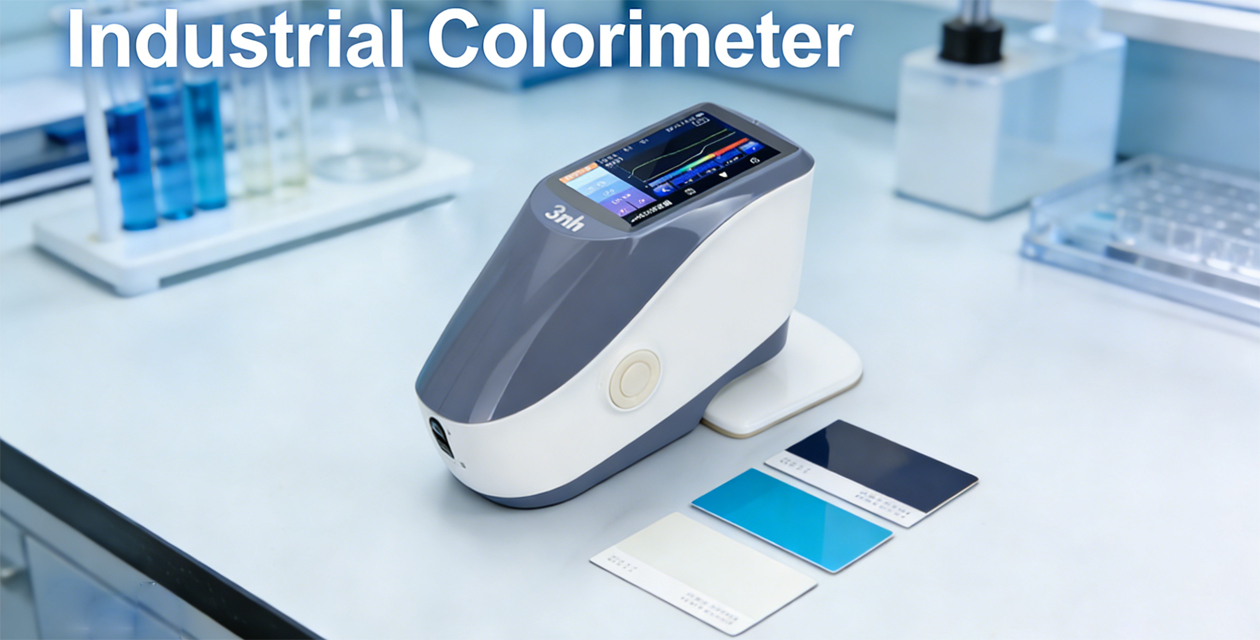
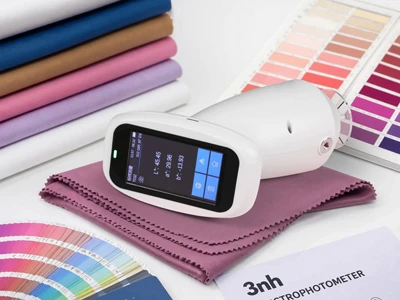
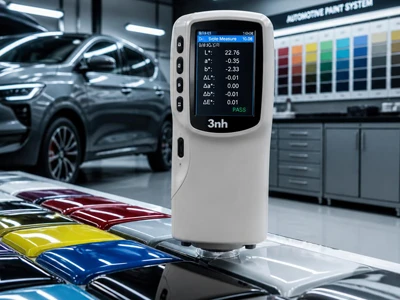
Making products these days is not very flexible when it comes to consistent brand color. Color alone can be measured and is directly related to things like brand value and customer trust, operational efficiency, and production. This is possible with an industrial colorimeter that is able to measure color and provide an identifier. By introducing objectivity in color measurement, color identification and industrial colorimeter increase efficiency by eliminating guesswork.  

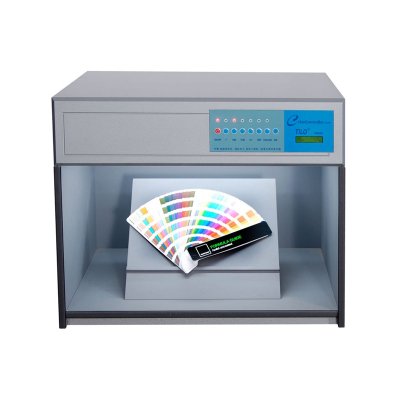
industrial_colorimeter

From food to textiles to printing to plastics and to cosmetics, the industrial analyst industry has produced industrial colorimeters in every industry that uses color. In addition to cutting production costs and material usage, colorometers provide quality controls in color. This article discusses the uses, costs, characteristics, technology, and trends of industrial colorimeters.

Core Industrial Colorimeter Features


  • Built with the highest accuracy and reliability, repeatability and endurance for various industrial environments

  • Built for use in extreme conditions such as heat, dust, vibration, and prolonged use.

  • Light measuring with precision.

  • Standardized objective evaluations with optical data to color values.

  • Closeness and ease about color data, the color data can be stored, and shared between different teams and locations.

  • CIE Lab, XYZ, LCh, and ΔE are some of the color systems it can work with.

  • Extensive industrial standards and customer requests; 

  • It takes several seconds to make a stable and fast measurements.

  • It helps operators make changes that are fast and that keep the production line going. 

Precision Color Measurement: Core Optics & Sensor Technology in Modern Colorimeters


Everything starts with precision. The industrial colorimeters of today are designed with a special optical path that is built to guide, reflect and capture the entry of a beam of light. The path is designed in such a way that there will be no inconsistency in the illumination and viewing geometry. 


Equally important are the high quality and the special devices that capture the light. The devices used are called photodiodes and other devices that are called spectral sensors and are used to capture the light and reflect some of it. These devices are used to capture tiny reflections and different shades of color that are on the surface. 


The higher the quality of the device, the better it will be able to capture subtle differences in color when it is used on the surface. The devices do their job of capturing and reflecting the light.  Modern industrial colorimeters use specially designed optical paths to guide light entry, reflection, and detection. This way, consistency in illumination and viewing geometry is guaranteed.


The sensors are also equally important. The devices used are called photodiodes and other devices that are called spectral sensors and are used to capture the light and reflect some of it. These devices are used to capture tiny reflections and different shades of color that are on the surface. 


The higher the quality of the device, the better it will be able to capture subtle differences in color when it is used on the surface


High levels of consistency are necessary in industrial environments. To accomplish this, modern colorimeters have balanced repeatability with absolute correctness.

Maintaining Measurement Consistency with Colorimeter Calibration Protocols


When a colorimeter is properly calibrated, it adjusts itself to be the most accurate it can be. Calibrating the device every so often is a critical step in avoiding the colorimeter becoming inaccurate, resulting in the collection of unreliable data and leading to poor decisions.


Manufacturers of industrial colorimeters rely on stable and traceable reference standards or white calibration tiles. Basic colorimeter functions are modern and are aligned with known values.


Some colorimeters have features that remind the user to calibrate. Other colorimeters have features that conduct self tests. These manufacturer features are designed to aid the user and ensure measurement consistency.


When a colorimeter is calibrated, its lifespan is extended. In critical quality industries, colorimeter calibration is non negotiable.

The Measurement Challenges of Benchtop vs. Portable Colorimeter


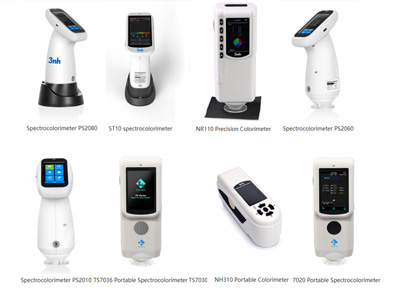
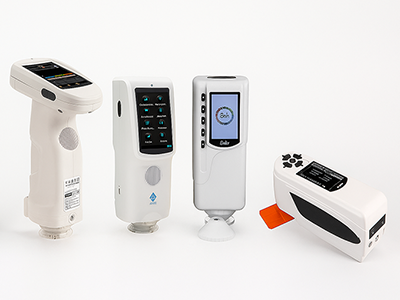
While both portable and benchtop colorimeters are essential in industrial color control, they excel in solving different measurement problems. The measurement location, measurement frequency, and precision level are all factors to consider when choosing between the two.

Portable Colorimeters: Flexibility and Immediate Evaluation


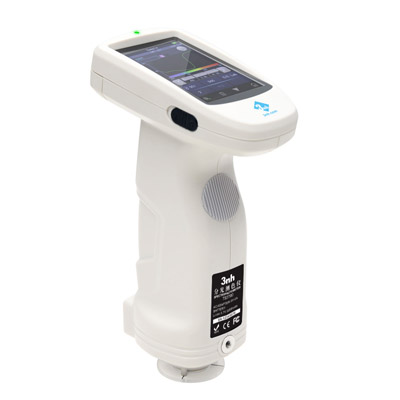
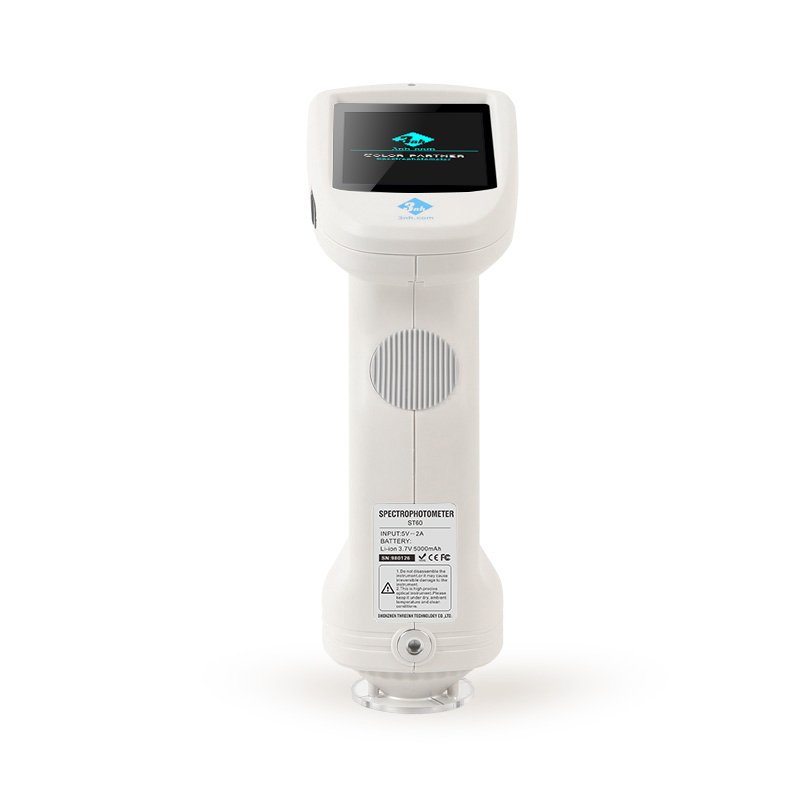
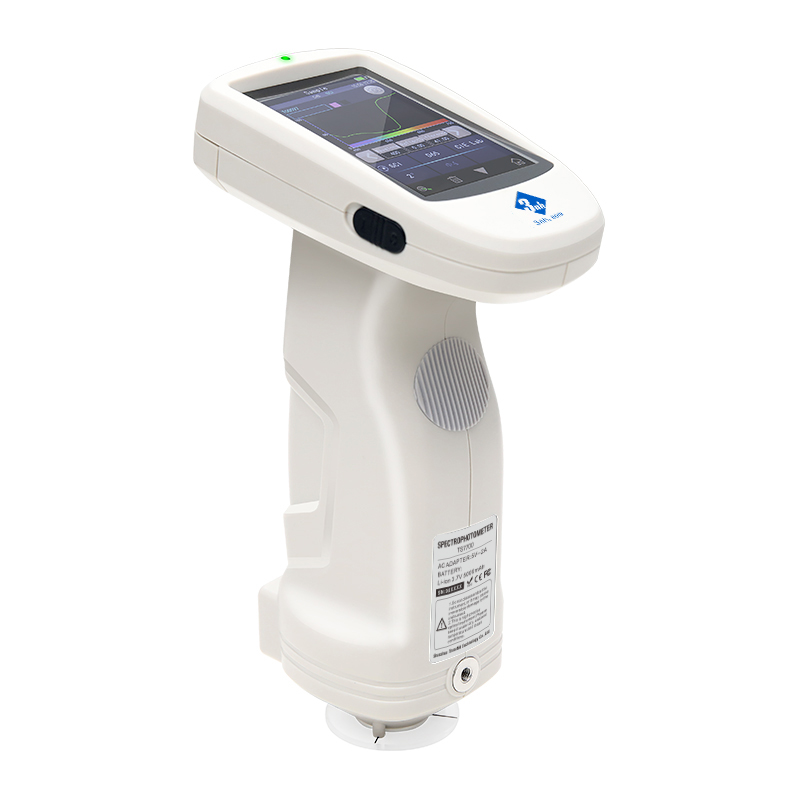
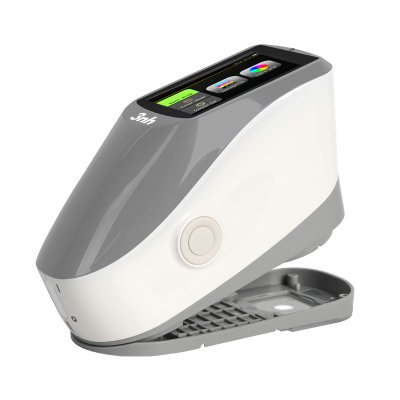
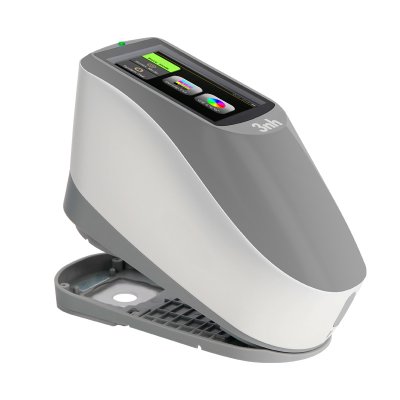
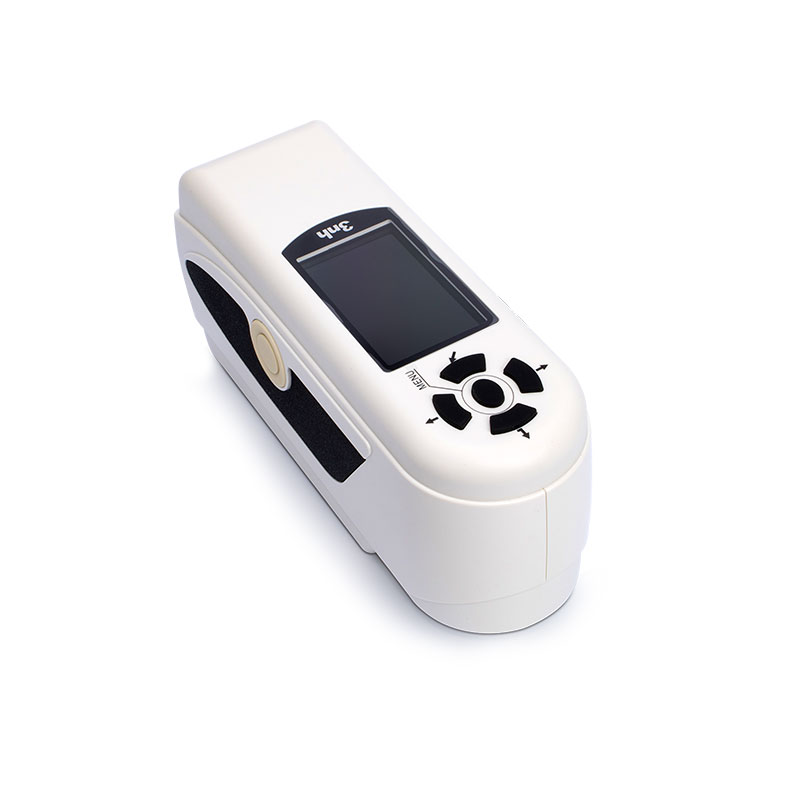
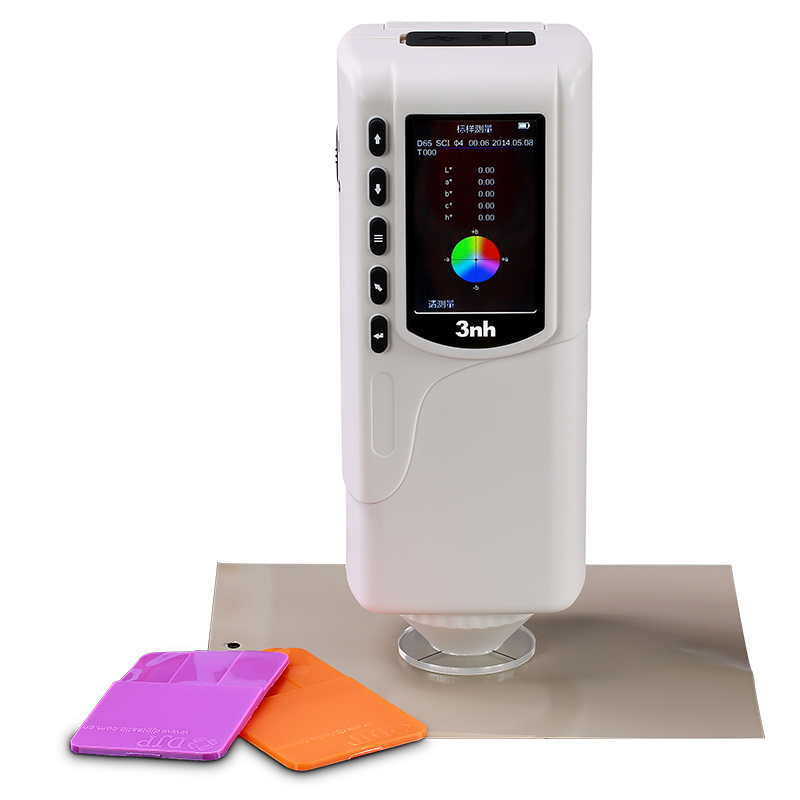
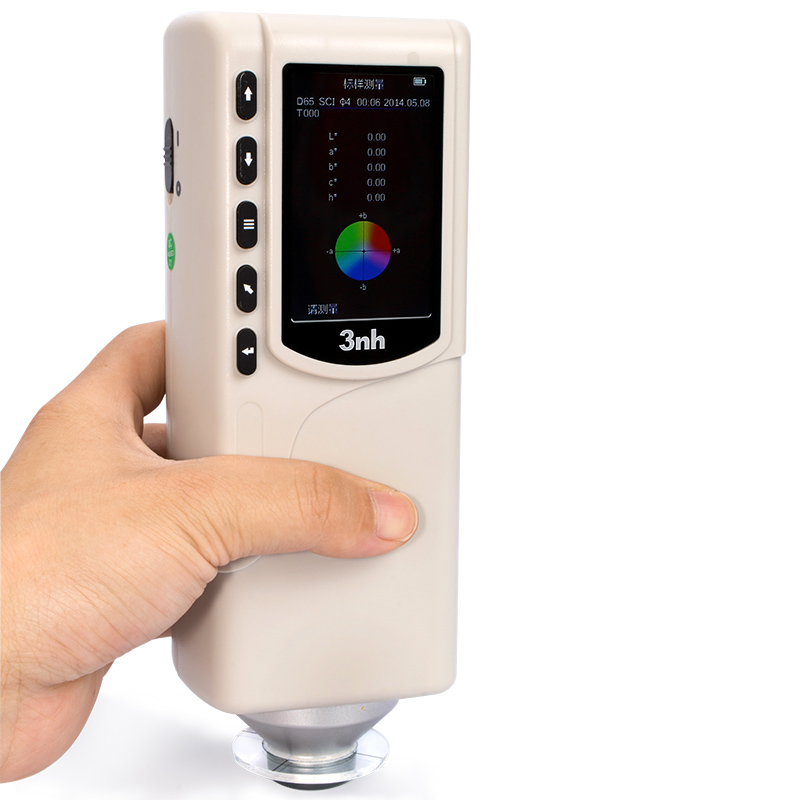
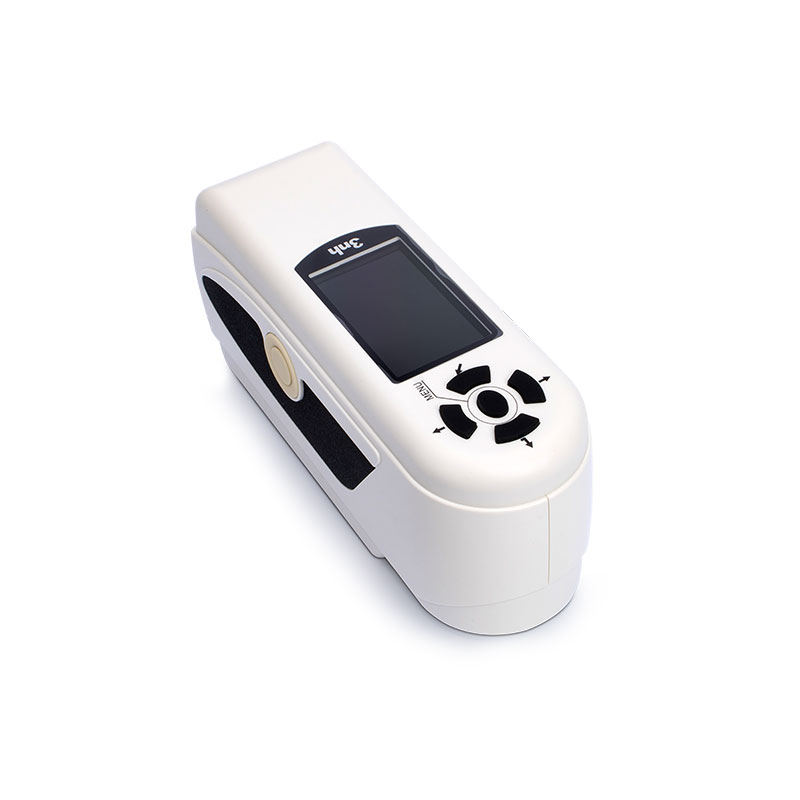
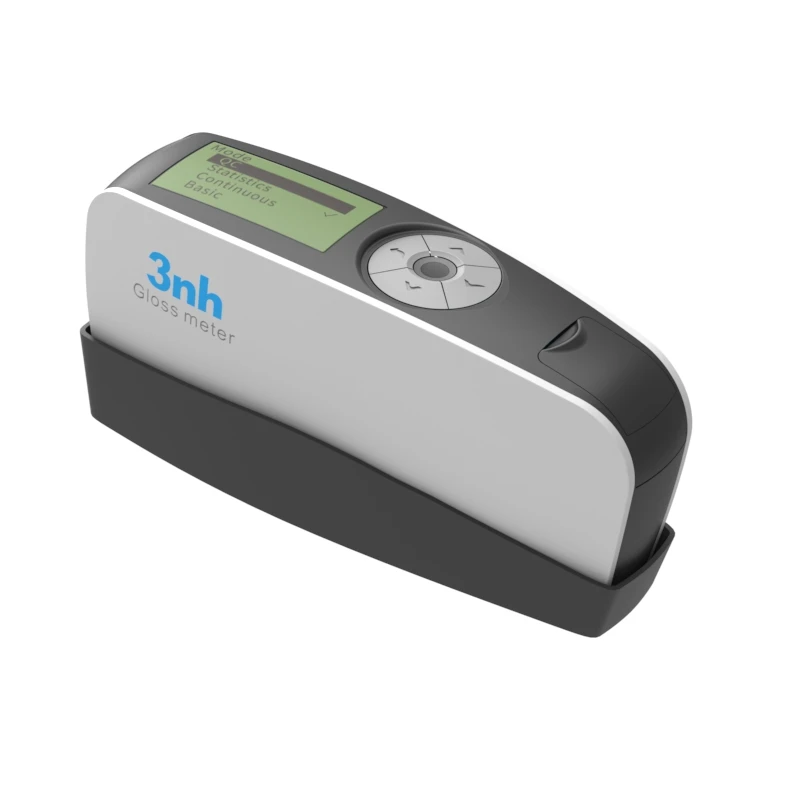
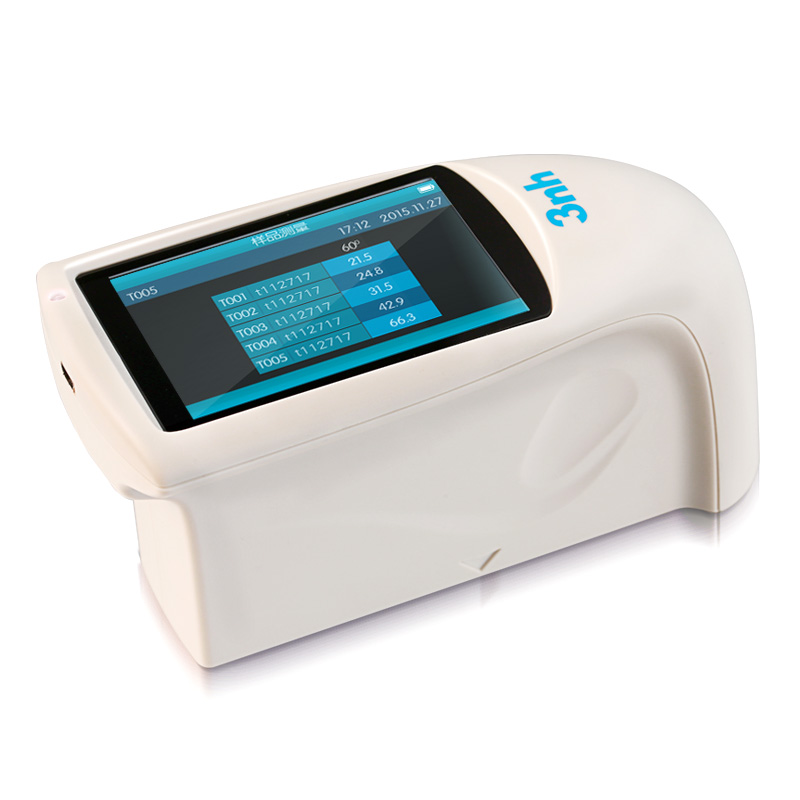
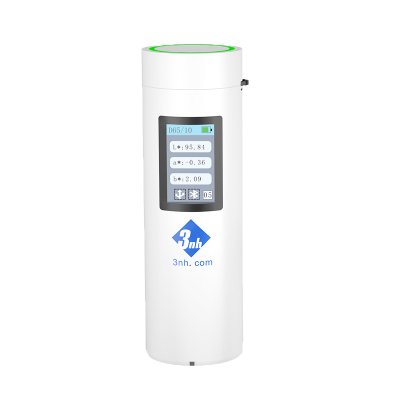
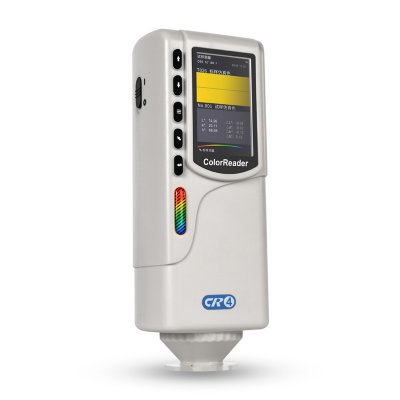
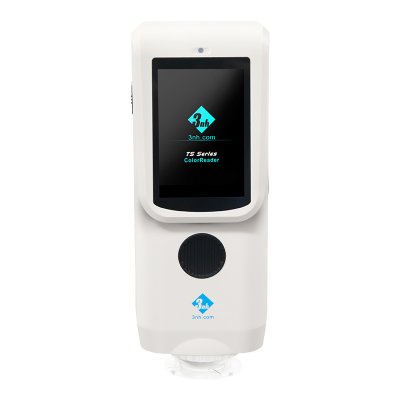
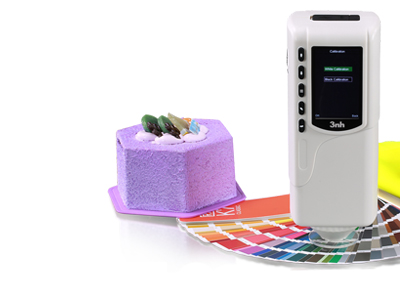
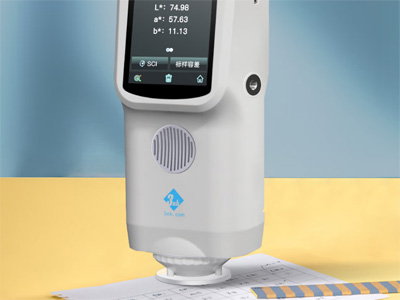
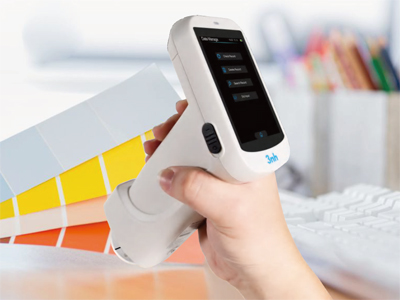
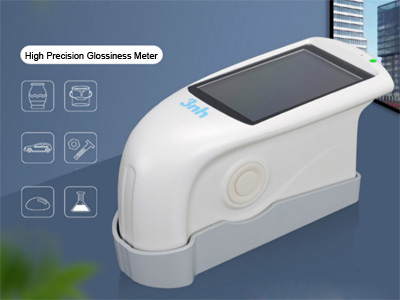
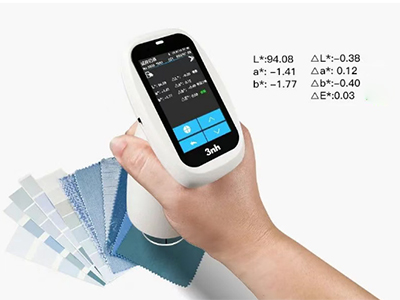
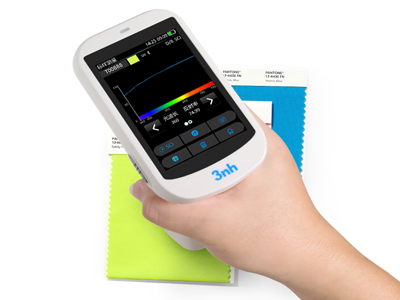
In terms of portability and flexibility, colorimeters offer extreme ease of use. These colorimeters are lightweight, compact, and battery powered. Because of this, they can be used anywhere from production lines to warehouses, and even at customer sites. Operators are even able to measure color while the samples are still part of the process. 


Engineers have equipped today’s portable colorimeters with the technology needed to deliver the same performance as larger models. They are able to offer the same reliable and accurate results. Since these devices are so compact, they speed up the inspection process, and help avoid delays that come from lab testing. 

Benchtop Colorimeters: Laboratory Precision with Great Stability


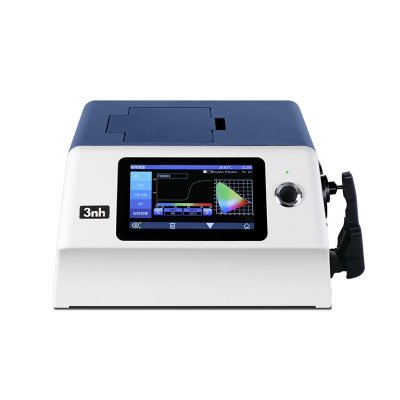
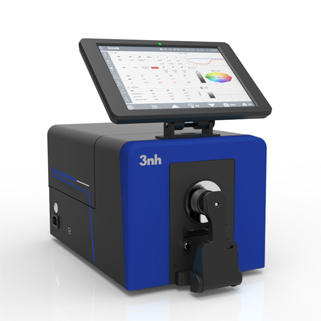
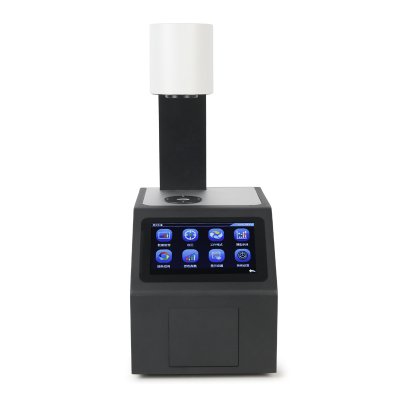
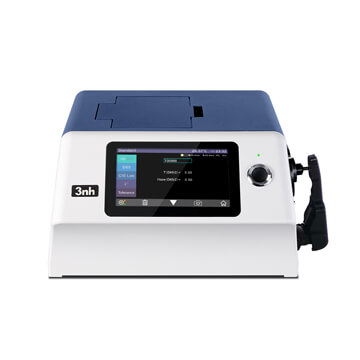
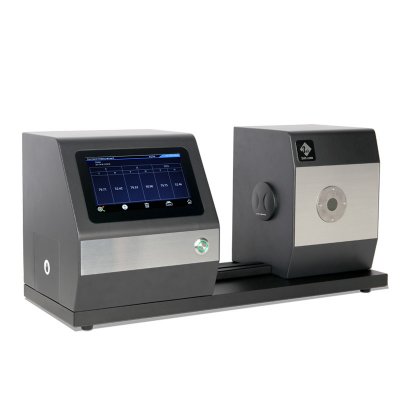
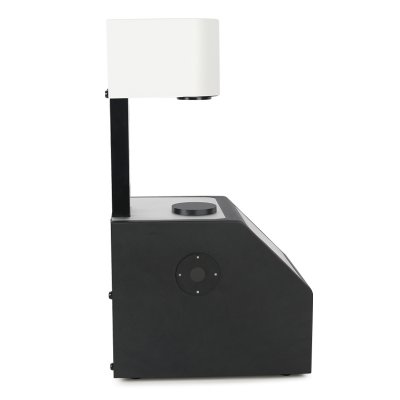
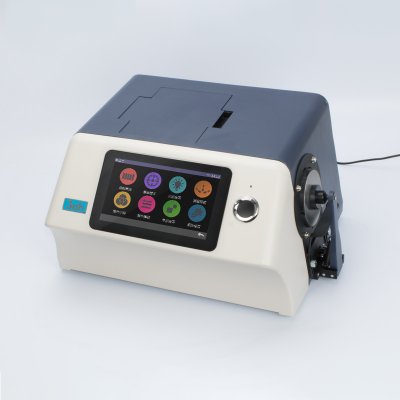
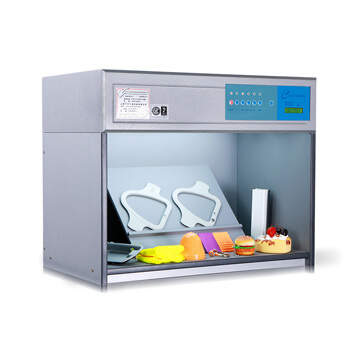
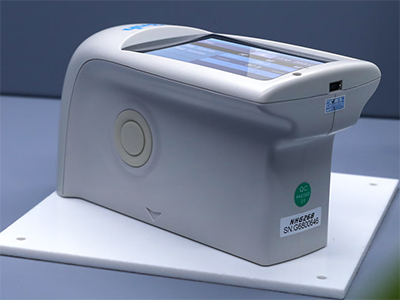
Benchtop colorimeters concentrate on maximum stability and control. Because of this, they are used primarily in quality control rooms and laboratories. Benchtop models have fixed measurement geometries, and this helps to control the conditions under which measurements are taken. 


All of these factors help to offer reduced interferences, as well as great precision and repeatability. Because of this, benchtop models are used for reference measurements, research applications, and product development. When absolute accuracy is critical, these benchtop models tend to be the preferred options.

Obtaining the Highest Level of Accuracy and Application Scope  


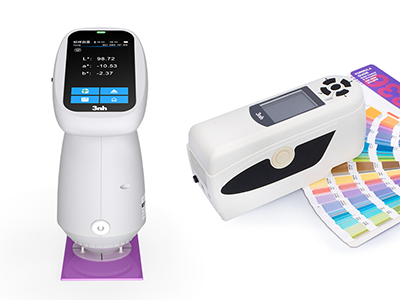
When portable and benchtop colorimeters are compared, they tend to be complimentary products. Portable colorimeters are used for rapid, on-site inspections while the benchtop models are used in the controlled settings requiring the highest precision measurements. Choosing colorimeters is focused on matching the devices to the respective tasks.

Spectral vs. Tristimulus Colorimeters: Picking the Right Technology for You


The type of colorimeter you choose for your color measurement impacts the results you get. Knowing the differences between the types of colorimeters  helps you get better color control.


Tristimulus Colorimeters: Efficient and More Affordable


Tristimulus colorimeters use three color filters to replicate human sight. They are easy to use, provide the most rapid results, and are the best for performing routine quality evaluations and monitoring production.


Due to their fast results and low cost, tristimulus colorimeters are commonly found in production settings where they provide basic color checks.


Spectral Colorimeters: More Detailed and Accurate


Instead of using a single range of wavelengths to measure color, Spectral colorimeters examine the color of light in all of the optical wavelengths. Measuring the light in every wavelength also helps control the errors of metamerism better than tristimulus colorimeters.


These are the best choice for demanding applications, complex materials, and multiple light source applications.

What To Look For in a Colorimeter


Processes that involve speed, simplicity, and routine checks may benefit from the use of a basic tristimulus colorimeter. However, if high detail or high precision color analysis (e.g. accuracy across various lighting conditions) is your need, spectral technology will be more beneficial. Having a clear understanding of your measurement needs gives you the best metrics of accuracy, efficiency, and cost.

Colorimeter Technology & Measurability of Light Transmitting materials

Some materials may show very little light or may show light in a translucent or semi-transparent way; this can cause issues for conventional cause-measurement systems.


To solve this one issue, industrial colorimeters can operate in poor light conditions. Their specialized, inexpensive, top quality sensors together with sophisticated light collecting and color measuring systems can obtain and measure color from materials that show very little or no light.


This feature has great significance in the food, plastic, and film industries, where the materials that exhibit poor light are very common. Measuring performance quality helps to avoid wrong reject decisions and improves the quality control level.


Industrial colorimeters have great weak light performance, giving them more color measuring confidence on a larger range of materials.

Steps for Choosing a Colorimeter


  1. Define your Use of the Colorimeter: Setting materials, surfaces, and tolerances.

  2. Choose Needed Pattern of Technology: Based on your accuracy, pick spectral or tristimulus.

  3. Make your selection for the desired shape/format: Based on your workflow, choose portable or benchtop.

  4. Confirm availability of standards: Ensure the required color spaces and ΔE formulas are available.

  5. Check your measurement technology: You could verify your potential balance among metrics (accuracy, cost, and efficiency) and confirm your preferred option.

  6. Assess how durable and supportive the items are. For industrial use, they need to be designed and built to last.  


Being given a structure makes it easier to make a decision.  


What to note when picking out a colorimeter:  


  • How accurate measurements are, and how often they may need to be repeated  

  • How they need to be calibrated, and worked on  

  • User friendliness  

  • How the data can be saved and transferred out, if at all  

  • Durability in the environment  

  • Communication with other software  

  • How much it costs in total  


When these factors are considered, it provides better value and less risk.

Industry-specific Application Solutions for Colorimeter Technology  

Colorimeters can be used in any industry where color plays a significant role, and the value of colorimeters can be clearly demonstrated when addressing real production problems.

Colorimeter Applications in the Printing Industry: Consistency in Paper and Ink Batches  


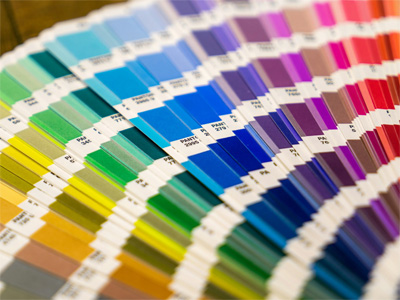
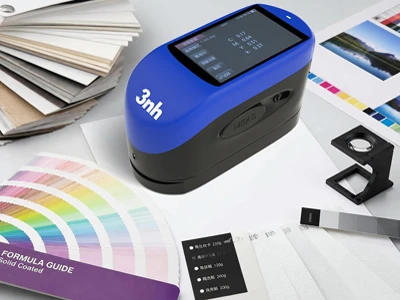
In the printing industry, high levels of color control are required in almost all elements of the industry. Color can change rapidly during the printing process due to variances in paper, ink, and press conditions.  


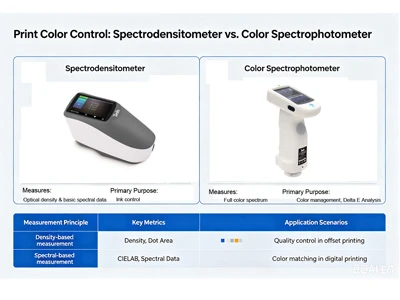
Colorimeters can be used by printing companies to measure samples that are printed and compare those samples to established standards set for the company. This gives the printing company the ability to rapidly correct errors and will maintain control of the ink color variability between different batches of printed paper and throughout the different production facilities of the company.  


A colorimeter can also be used to determine objective color data that will minimize the color related problems between the printer and the customer.  

Quality Control of Food and Beverages Industry: Perceptible Product Uniformity  


In the food industry, rapid and perceptible changes in color are immediately recognized by the target market. Color plays a significant role in the perceived freshness and quality of the food.  


Food colorimeters can be used to monitor the color of the raw ingredients and the final products and can also be used to color monitor the intermediate steps of the food processing industry.  


Food colorimeters support brand identity, regulatory compliance, and waste reduction by eliminating the subjective decisions made during the food production process.  

Measurement of Color in Cosmetics and Personal Care  


In the cosmetics industry, the color of the product can represent its success or failure. Industrial colorimeters are used to measure the color of the pigment, cream, or complete product and measure the color of the extruded lipstick, cream, or foundation.  


In accurate color measurements, development can be improved, and costly and time-consuming re-works can be eliminated.

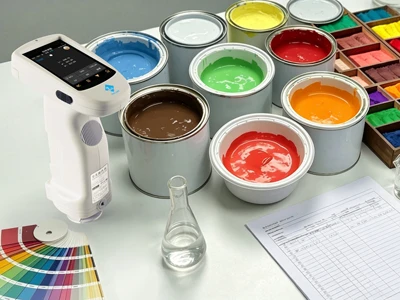
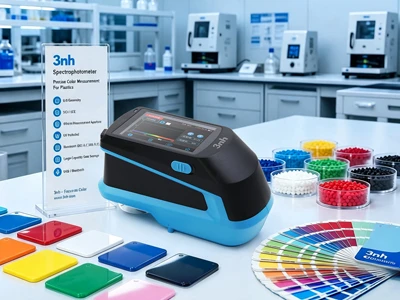
Plastics & Polymer Manufacturing: Specialists Match Color By Using Colorimeters In Each Batch


In every stage of manufacturing plastics, there can be danger of color inconsistencies. These can be caused by the primary materials used, processing methods, and other variables.


Colorimeters reveal changes and discrepancies before what could be large-scale production.


A variation in color can create waste in materials whereas the overall product gains in quality.  

Textile & Apparel Industry: Colorimeters, Portable Technology, and Instant Color Quality Checks


Textile manufacturing offers diverse dimensions of materials, this yields many useable production attributes.  Pieces can be reflectively dense, and visually rely quality checks become more expensive and imprecise.


Colorimeters used on-site now become portable. Instant color checks in the production of the materials mills, dye production houses, and inspection staff become possible.


Feedback speaks in real time and processes become more efficient.


Best Practices: Colorimeter Sample Testing, and How to Reduce Measurement Error


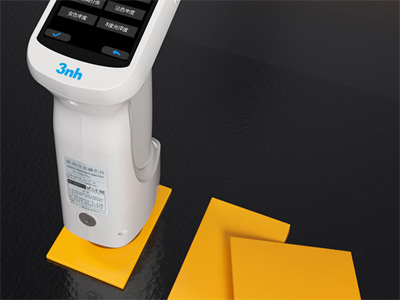
It is common to blame the colorimeter for measurement errors, when in fact, the error stems from testing and handling of a sample. For sample preparation, one of the most basic and essential factors is to ensure that the surface of the sample is free of moisture, dust, or oil, and is dry.  These attributes can alter the reflectance of surface and can cause inaccuracies.  These are the most common oversight, which can lead to a noticeable variation in color when the sample is evaluated.


It is also critical to maintain uniformity in your measurements. When using a colorimeter, always place it on the sample in the same manner and with the same pressure. Any differences in angle or pressure can change the way light hits the sample. Take several measurements on the sample if it is curved or rough, and average those values to increase your accuracy. 


Never ignore the need to calibrate. Stick to your manufacturer’s calibration timelines, and make sure your reference standards are clean and not damaged. Your measuring environment also matters. Things like lots of light, vibration, and temperature changes can impact your measurements. If you can, measure in a controlled environment and keep track of your measuring conditions in a log. All of these items will improve the accuracy of your measurements and the consistency of your data over time. 

Cost Savings with Industrial Colorimeters: Less Waste from Color Mismatch Issues


A hidden cost of production is color mismatches. When manufactured items do not pass the color specifications, they are often subjected to expensive procedures like rework, repackaging, or even disposal. In some cases, customers can even refuse entire batches, provoking returns and jeopardizing business relationships. 


Industrial colorimeters help avoid these problems by identifying color deviations earlier in the manufacturing process. Operators can make real time corrections, avoiding issues that would otherwise only be discovered after mass production. In turn, this diminishes production delays and improves resource utilization.


The overall financial benefits become evident after some time. Speedier approvals, less disputes, and lower scrappage all help with driving down operating expenses. In many instances, the savings resulting from better color control enable the colorimeter to pay for itself after a short time.

Repairs Of Common Issues Of Models Of Colorimeter: Problems with Calibration & Problems with Displays


Here problems with the calibration of the colorimeter are some of the most prevalent problems. These are usually a result of dirty or broken calibration tiles. Reference standards should be cleaned and perfectly after use to avoid scratches or discoloration. A used standard can introduce systematic errors for every measurement.


Error messages in the display or the readings are inconsistent can be a result of a low battery, outdated software, or some software incompatibilities. Charging the colorimeter and keeping the software updated on a regular basis can make these problems less likely. Environmental issues, like large heat or humidity variances can influence the colorimeter as well.


Being acquainted with some basic troubleshooting can reduce the amount of time the colorimeter is down and can make the experience less frustrating. The problems can be resolved quickly with recalibration or with restarting the colorimeter. Ideal colorimeter service provides reliable performance and prolongs the colorimeter's life.

Smart colorimeters/quality control integrated with IoT for real-time data sharing


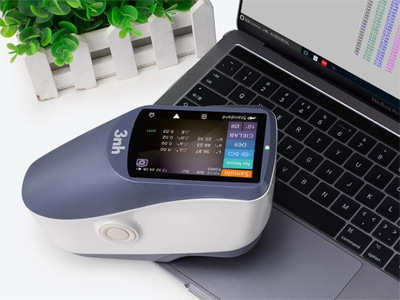
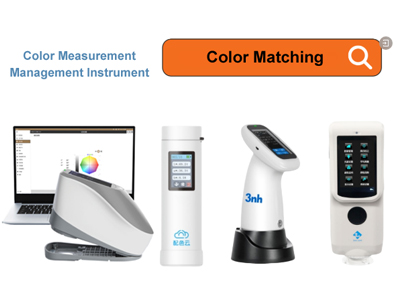
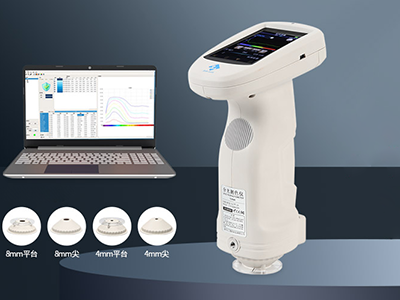
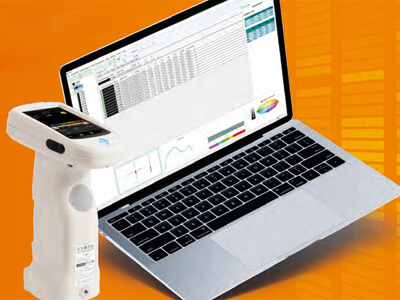
Smart colorimeters are changing the color quality management for businesses. Users can connect the devices with mobile applications, local networks, and cloud systems. Measurements are automatically recorded and uploaded to the cloud. This feature eliminates the need for manual data collection and significantly reduces the chances of data collection mistakes.


While this feature increases the accuracy of data collection and retention, it also allows quality managers to track performance and progress from a distance. If data is monitored in a timely manner, the need to take corrective actions is improved before the data trends indicate a problem. 


The merging of IoT with smart colorimeters also enhances digital quality systems and supports Industry 4.0 principles. As systems within a smart colorimeter and manufacturing systems become intertwined and automated, the data driven color control process will be increasingly valuable. 

Current trends in the global market for colorimeter. Sectors of fast development and regional market needs.


The global market for colorimeters is growing positively. New methods of automation and the ability to enforce quality aspects in various industries are the reasons for the growing demand of these devices. To achieve the customer satisfaction and gain competitive advantage, firms are focusing more on the implementation of the devices that measure color in objective manner.


The Asia Pacific region dominates both the production and use of colorimeters. The manufacturing activities that are dominating this area of the world are driving further demand for colorimeters and subsequently, the growing of the export markets. In contrast, Europe and North America are more focused on the smart, connected systems, as well as the high precision instruments.


Demand is especially evident in industries such as food, cosmetics, plastics, and textiles. In these industries, the evenness of color affects the perception of a brand and regulatory compliance. With an increased expectation, color assessment is a growing standard in contemporary manufacturing systems.

Conclusion

Modern quality control depends on an industrial colorimeter. It provides the tools for a repeatable, objective, actionable, and consistent outcome. Understanding technology, applications, and best practices means selecting the best colorimeter. It protects brand integrity, saves money, and reduces costs when used properly. Data, color data, and an industrial colorimeter enables you to manage it.

FAQs


1. What is an industrial colorimeter used for?


To assess colors for quality control and to prove that a standard is met.


2. Are portable colorimeters accurate enough for factories?


Sure. Current portable designs resolve the majority of industrial accuracy requirements.


3. How often should a colorimeter be calibrated?


Periodic calibration is a must. Just follow the manufacturer guidelines.


4. What industries benefit most from colorimeters?


Cosmetics, food, textiles, plastics and printing. Those are the industries that benefit the most.


5. Do smart colorimeters improve quality control?


Certainly. The speed of decision making and the process is improved by the real-time sharing of data.


Featured Resources & Insights

Give us a call!

Discuss your project with one of our product specialists:

0086 755 26508999

Need pricing?

We respond to quote requests within 1 business day.

service@3nh.com

Already know what you need?

Submit a demo request for the product you're interested in.

Get a Demo
Leave Your Message
We use cookies to ensure that we give you the best experience on our website. If you continue to use this site we will assume that you are happy with it. Privacy policy