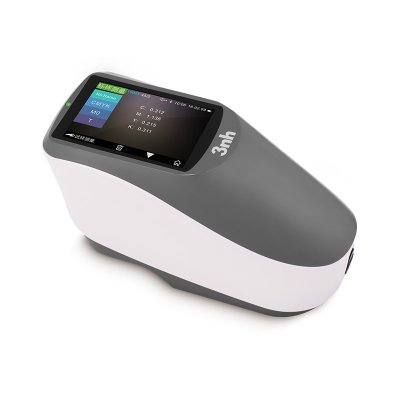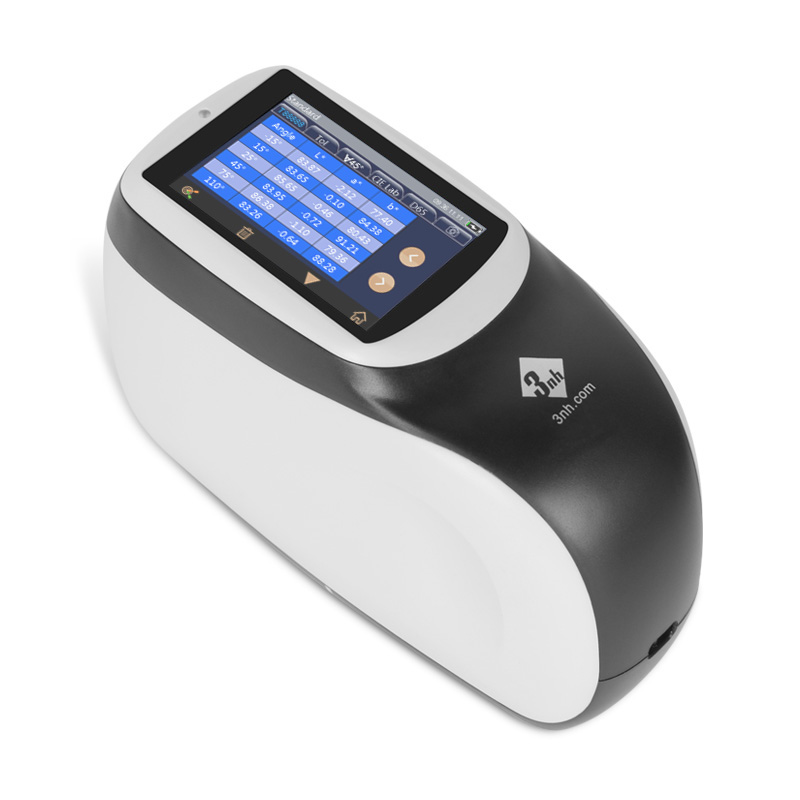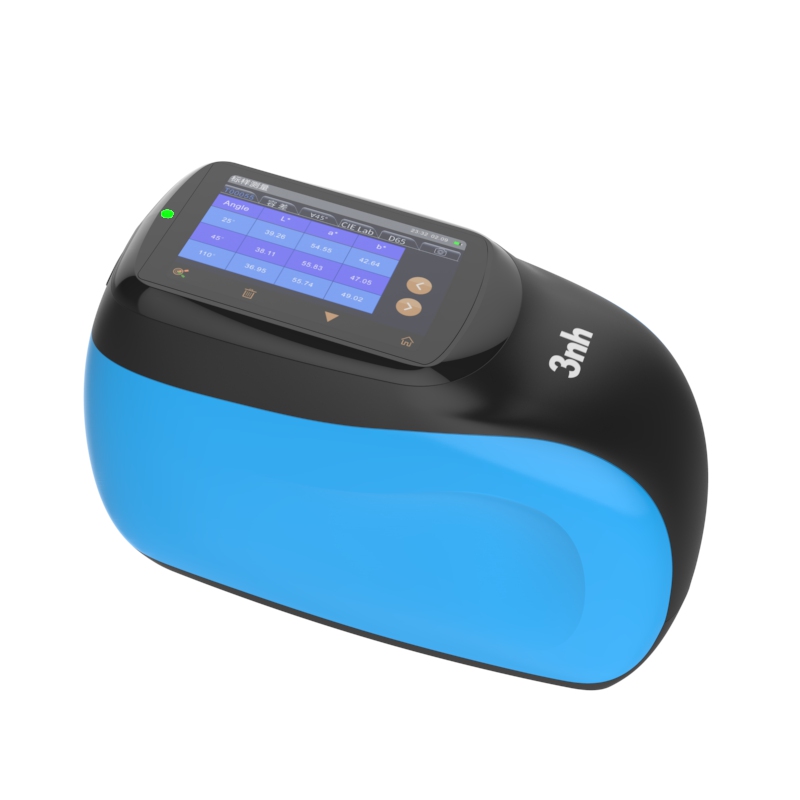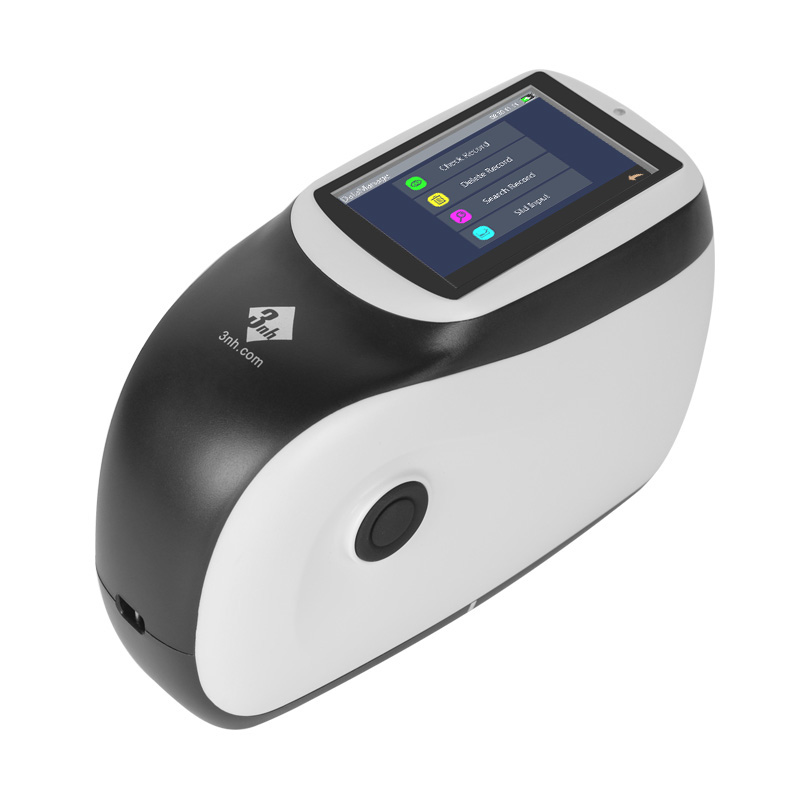
Home>Resources>TechnologyBench-top Spectrophotometers | High-Precision Color Measurement Solution

Bench-top Spectrophotometers | High-Precision Color Measurement Solution


Color Quality Control of Mashed Potatoes with Bench-top Spectrophotometers


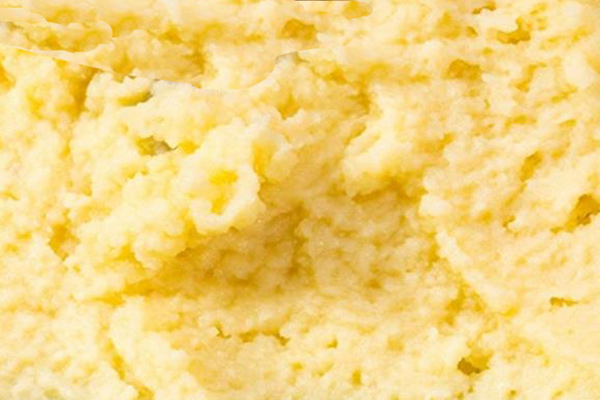
Mashed potatoes are a pureed food made from fresh potatoes. Featuring a smooth, soft texture and easy digestibility, they are widely popular among consumers. Color is a key indicator for evaluating mashed potato quality, making color control essential for consistent product performance. This article introduces the application of bench-top spectrophotometers in mashed potato color detection and stable quality control for reference.

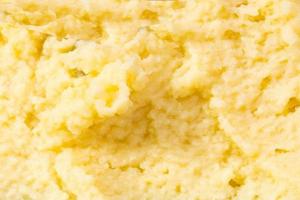
Mashed_potatoes

Importance of Color Quality Control for Mashed Potatoes

Processed mainly from fresh potatoes, mashed potatoes boast a creamy and tender mouthfeel with high digestibility. They can be eaten directly or paired with other ingredients, enjoying great market popularity. In comprehensive quality evaluation, color serves as a core assessment index. Uniform pale yellow color indicates fresh raw materials and stable production processes. In contrast, uneven coloration suggests unstable processing techniques or oxidative deterioration.

Color consistency directly reflects the stability of raw materials and production workflows, as well as the uniform mixing of ingredients without formula proportion imbalance. In industrial mass production, consistent mashed potato color embodies standardized manufacturing, acts as a critical basis for quality control, ensures stable quality across batches, and safeguards brand reputation and consumer trust. Therefore, bench-top spectrophotometers are adopted to achieve objective color evaluation and control the color stability and consistency of mashed potatoes.

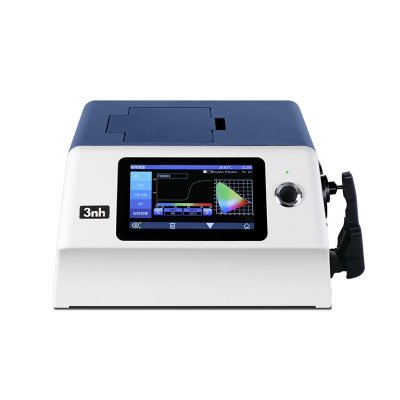
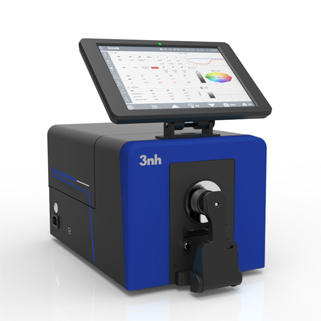
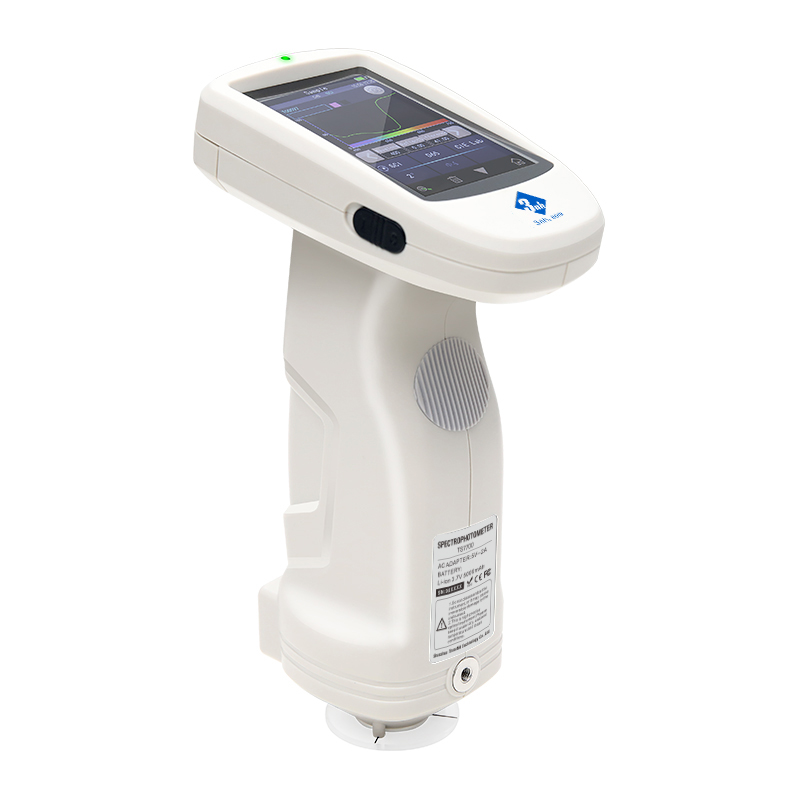
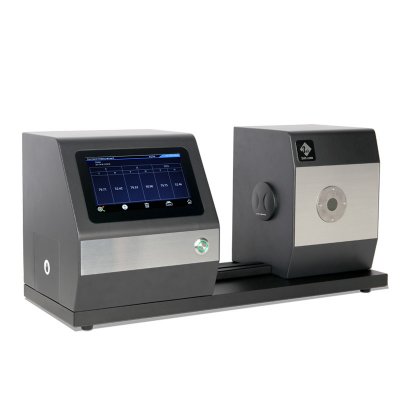
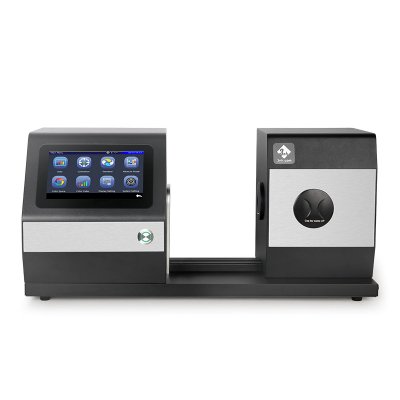
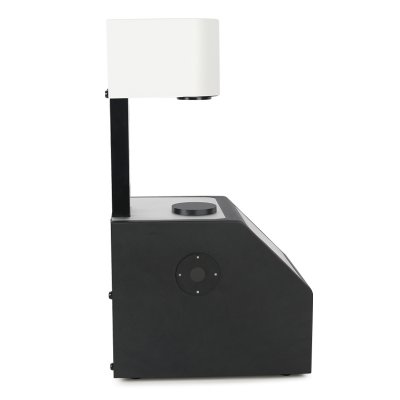
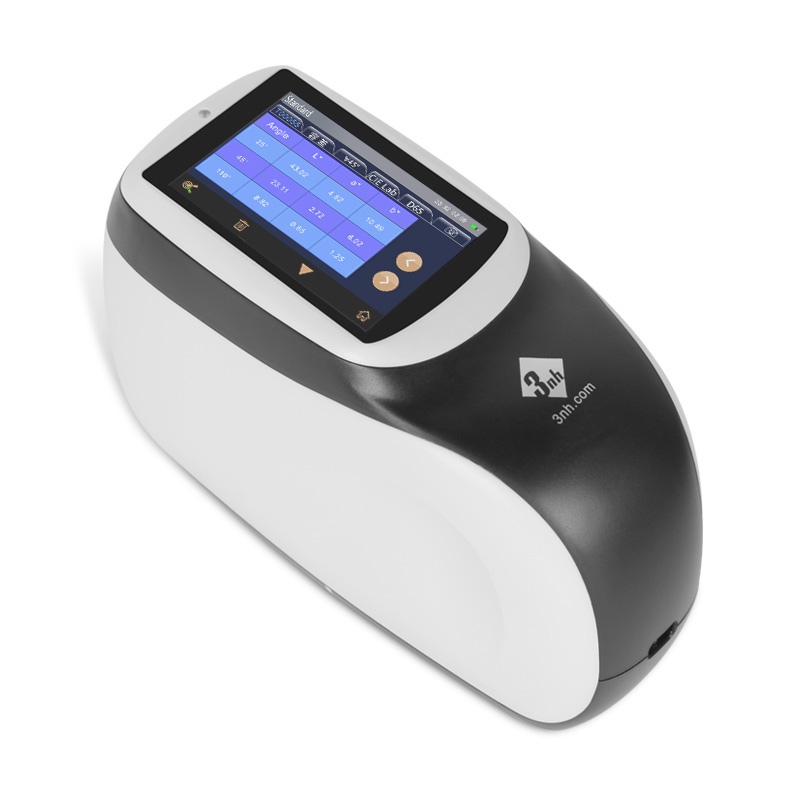
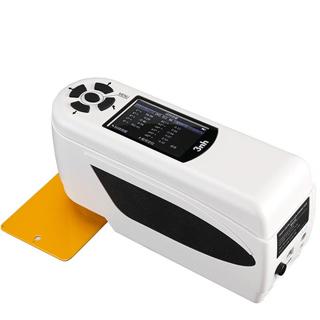
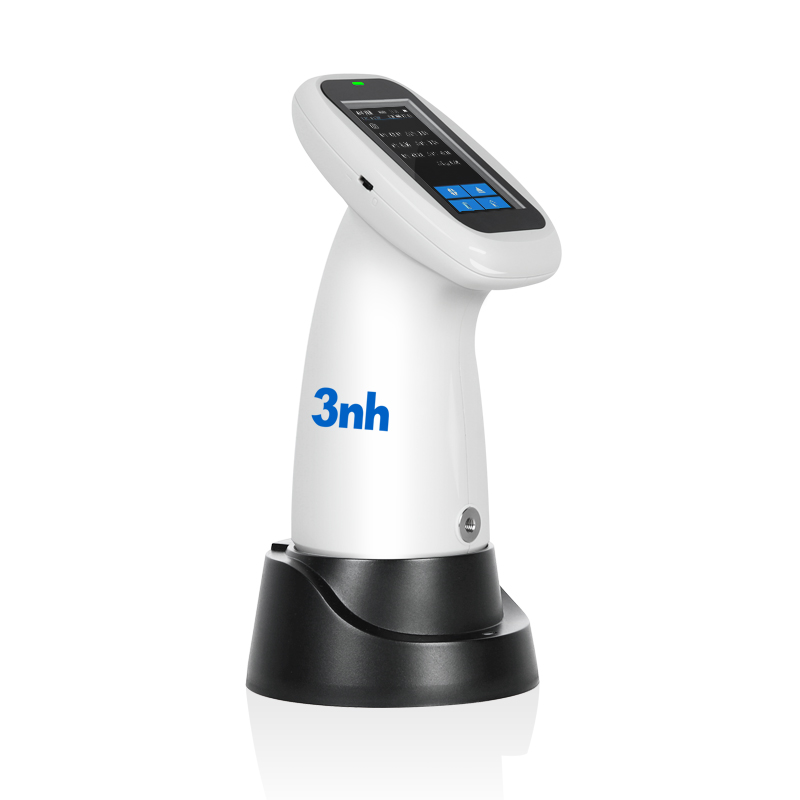
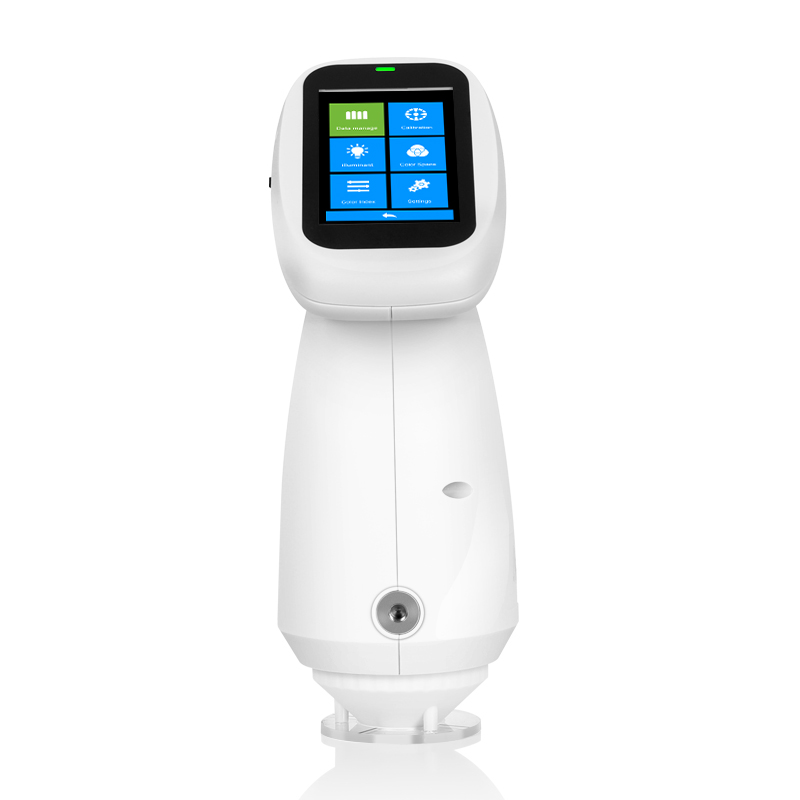
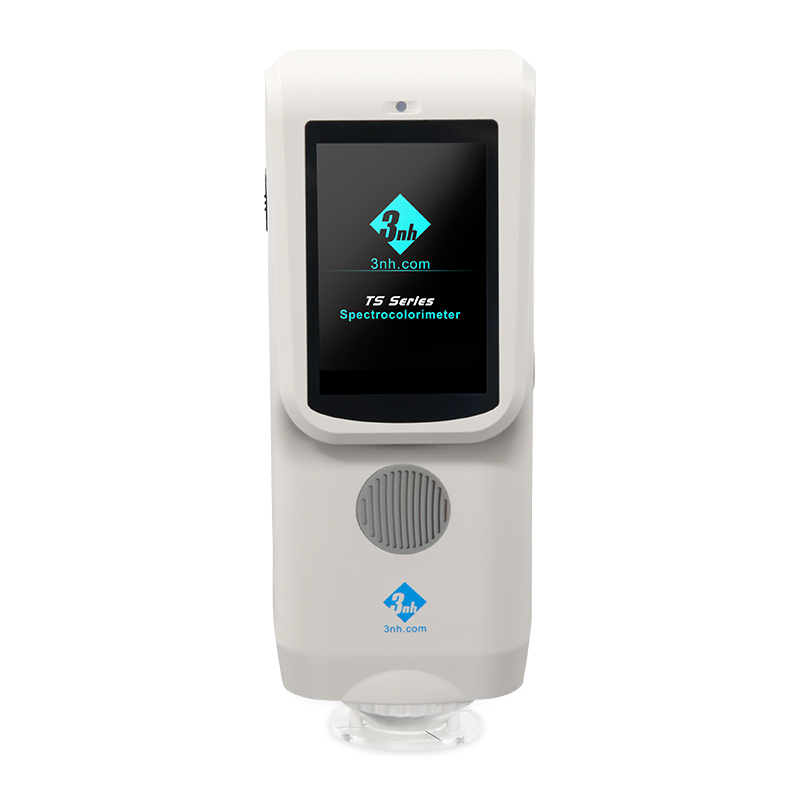
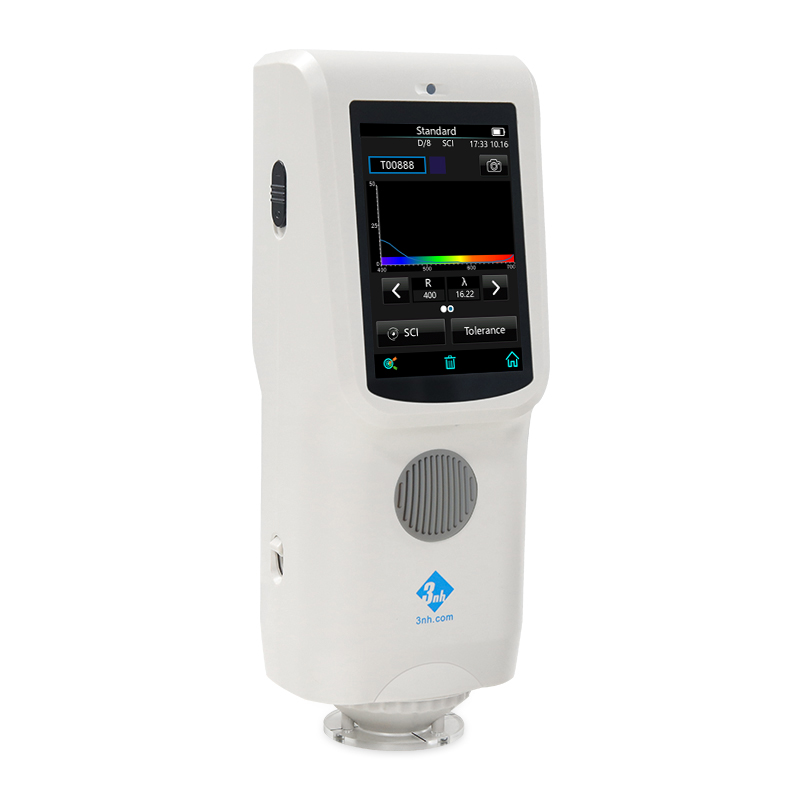
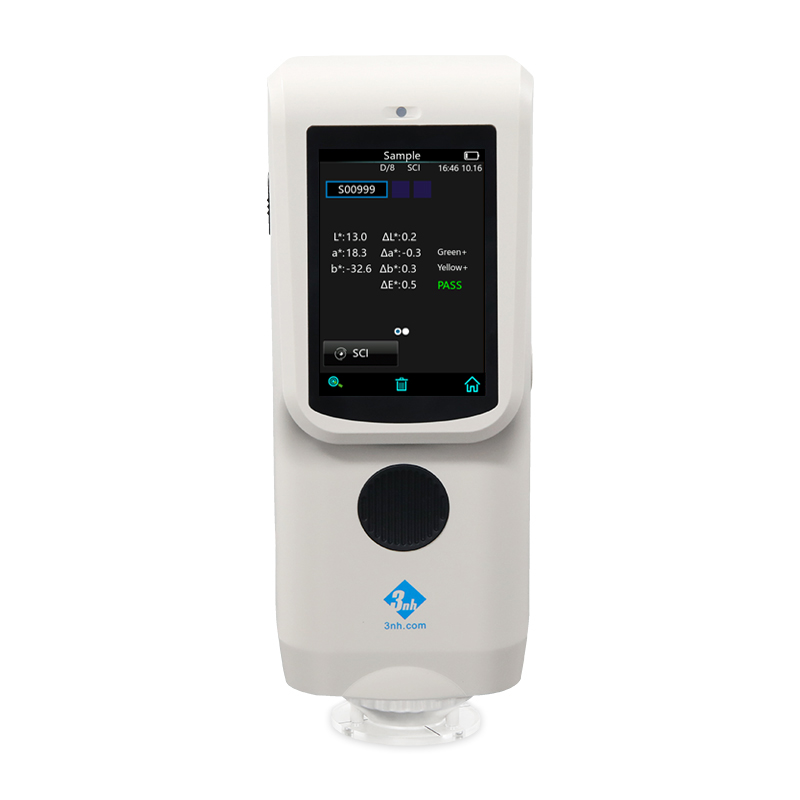
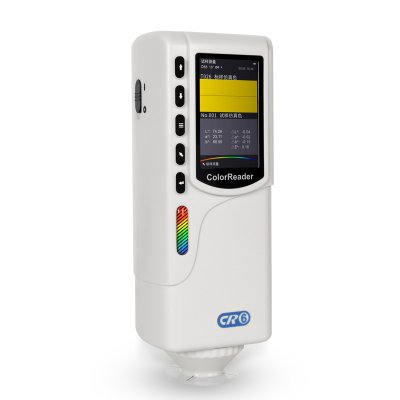
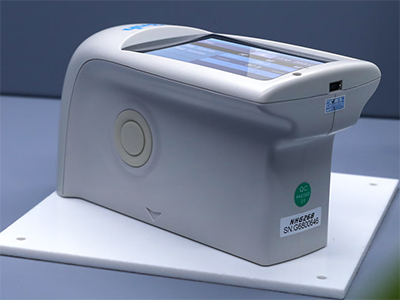
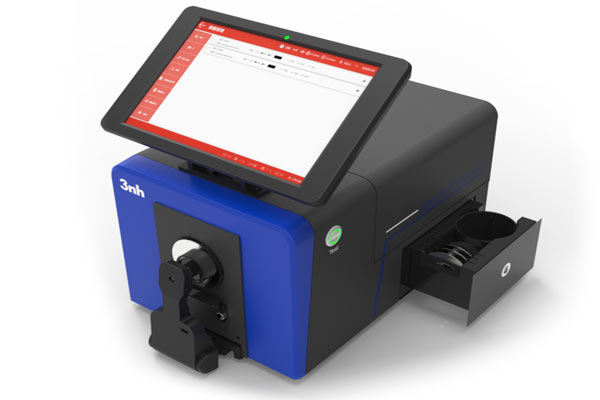
Instrument for measuring the color of mashed potatoes

Stable Color Quality Control of Mashed Potatoes via Bench-top Spectrophotometers

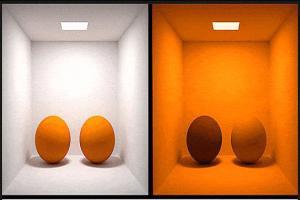
Traditionally, the color of mashed potatoes is assessed through visual inspection. However, visual evaluation is highly subjective, lacks objective color quantification standards, and is easily affected by ambient lighting conditions, leading to inconsistent and inaccurate test results.

In comparison, spectrophotometers deliver objective color measurement and convert color performance into high-precision numerical data. They accurately identify color differences between mashed potato samples and record measurable data steadily. Equipped with controlled standard lighting systems, spectrophotometers are free from ambient light interference and deliver far more reliable results than human visual judgment.

In accordance with colorimetric standards and standardized geometric measurement conditions, the instrument captures subtle color variations and presents them in digital form. These quantifiable color parameters enable manufacturers to establish precise color tolerance ranges and unified color standards for qualified mashed potato products.
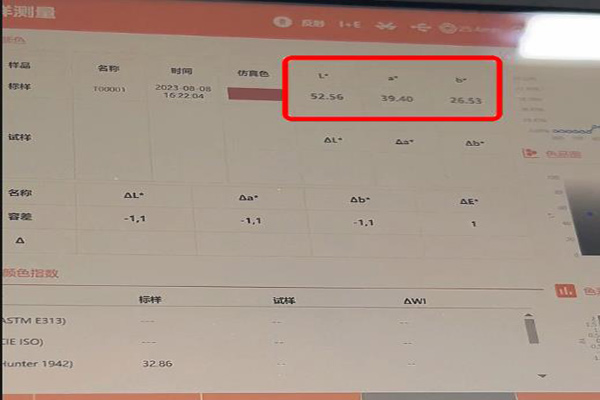
When testing mashed potatoes with a bench-top spectrophotometer, calibrate the instrument strictly in advance. After successful calibration, set relevant measurement parameters such as light source, color space and measurement mode as required. Evenly fill the sample dish with mashed potato samples and smooth the surface to avoid uneven particle accumulation that may cause measurement errors. Place the prepared sample dish into the sample compartment and start the test. The instrument will output accurate color parameters, generally displayed as L, a, b* values**. Multiple repeated measurements shall be conducted and the average value calculated to obtain objective and representative color data of mashed potatoes.

Bench-top spectrophotometers adopt full-band spectral analysis and integrating sphere diffuse reflection collection technology. They effectively eliminate measurement deviations caused by uneven particle size and surface differences of mashed potatoes, converting subtle color variations into quantifiable and traceable data. The instrument enables accurate color comparison among different production batches, eliminates subjectivity and individual differences in manual visual grading, and provides a stable, reliable technical basis for daily quality control in mashed potato production.

Stability and consistency of hair conditioner color using a desktop spectrophotometer

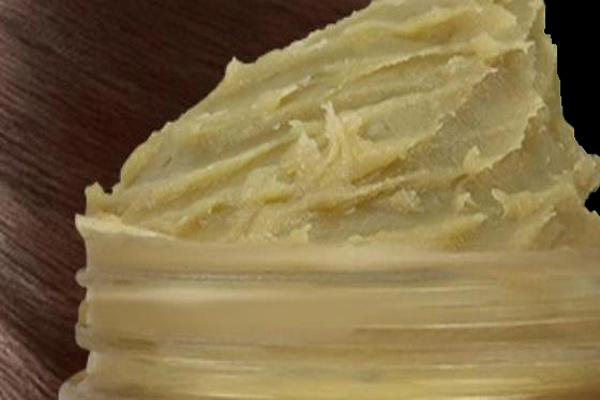
During the selection of hair conditioner, consumers often judge product quality by its color. For the same type of conditioner, unstable or inconsistent color will negatively affect purchasing decisions and damage brand reputation. This article introduces how a bench‑top spectrophotometer ensures the color stability and consistency of hair conditioner for your reference.

hair_conditioner

Importance of Hair Conditioner Color Quality Control

As a daily hair care product, hair conditioner is mainly applied to the hair surface to repair damaged hair cuticles, enhance hair gloss, reduce static electricity, and leave hair smooth and easy to comb. Among multiple quality evaluation indicators, color is one of the most intuitive criteria for assessing appearance quality and production process stability.

The color of hair conditioner is mainly affected by base oils, emulsifiers, conditioning agents, colorants, and nutritional active ingredients. Raw materials carry inherent base tones. In the production process, excessive temperature, uneven stirring, and air exposure may cause oxidative discoloration. Plant extracts, vitamins and other functional ingredients may also lead to color deviation. In addition, high storage temperature, strong light exposure and long shelf time will accelerate fading and uneven color distribution, ultimately compromising the appearance of finished products.

Uniform color and consistent batch-to-batch tone reflect precise formula proportioning, mature emulsification technology, and no oxidation, deterioration or ingredient degradation. In contrast, yellowing, dullness, color spots and excessive color difference are usually regarded as signs of inadequate production control or improper storage. Stable and consistent color of hair conditioner not only strengthens consumer confidence and purchase intention, but also improves market competitiveness.

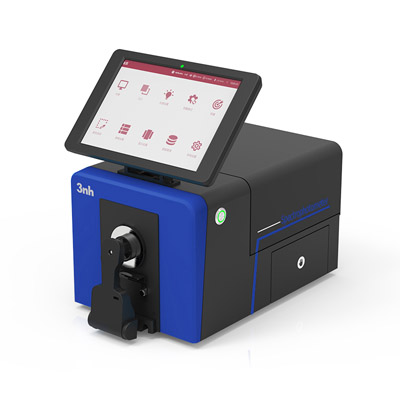
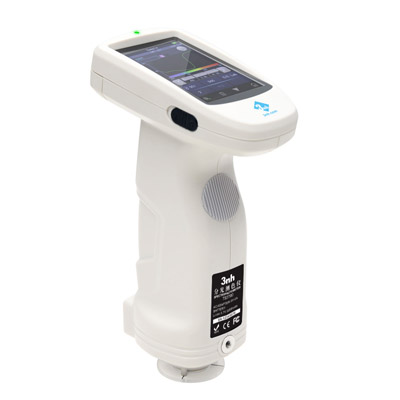
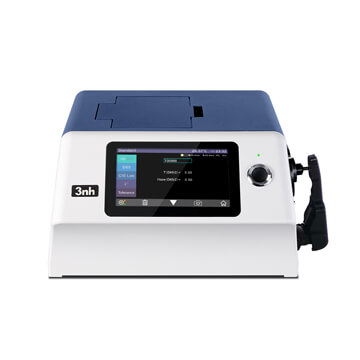
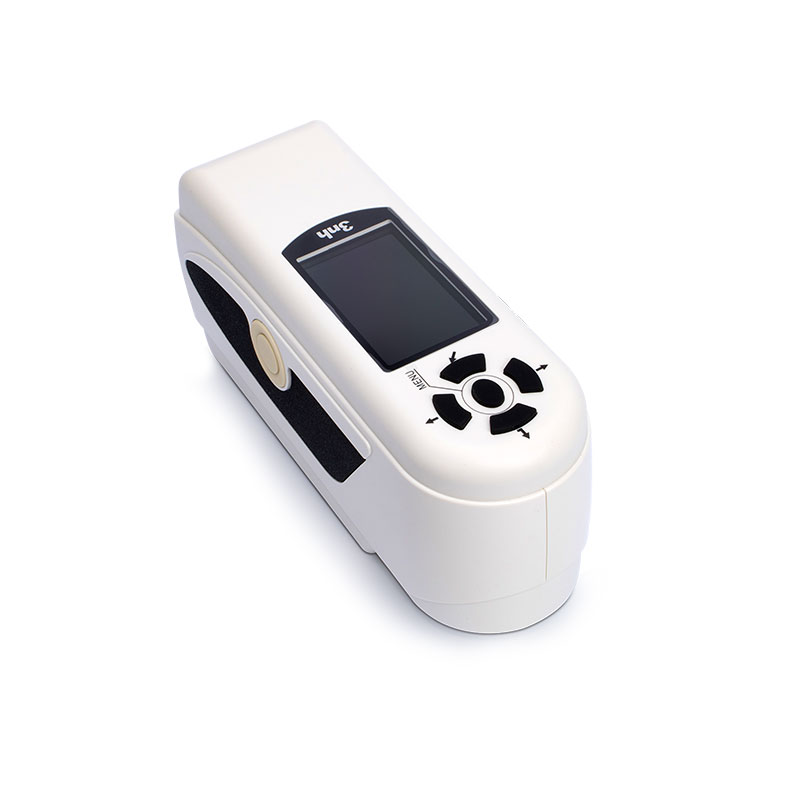
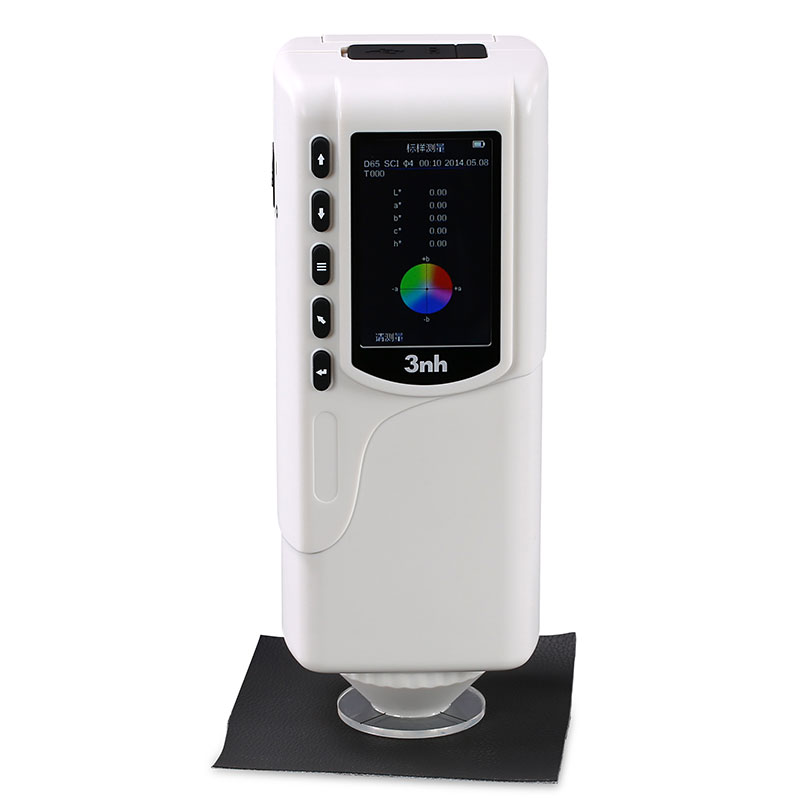
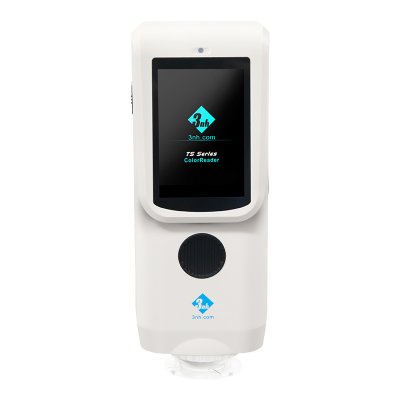
Instrument_for_measuring_the_color_of_hair_conditioner

Bench‑top Spectrophotometer Safeguards Hair Conditioner Color Stability & Consistency

Traditionally, hair conditioner color is evaluated visually by human eyes under natural light. This method is greatly affected by ambient light sources, viewing angles and individual subjective judgment, resulting in obvious errors and inconsistent evaluation results between inspectors.

To describe hair conditioner color accurately and objectively and maintain batch consistency, a bench‑top spectrophotometer is adopted for professional color measurement and quality control.

Working on the principles of light reflection and absorption, the instrument is equipped with standard light sources that emit visible light of specific wavelengths to the conditioner sample surface. An integrating sphere collects all reflected light, and a photoelectric sensor converts optical signals into electrical signals. The built-in calculation system then outputs precise color parameters in the standard color system, realizing quantitative, objective and accurate color quality control and eliminating the subjectivity and errors of manual visual inspection.

For color testing: select representative conditioner samples and fill them into dedicated sample cuvettes, then place the cuvettes in the instrument sample compartment. Complete instrument calibration first, set required measurement parameters, and start the test. The instrument will generate accurate color data.

By measuring L*, a*, b* color values and color difference ΔE, manufacturers can implement unified color control for raw materials, semi-finished products and finished products. It effectively avoids inaccurate color blending, oxidative yellowing and uneven color tone, and stabilizes product appearance. Meanwhile, color data directly verifies the stability of emulsification processes, formula performance and storage conditions, helping improve overall product quality and brand recognition.


Bench-top Spectrophotometer TS8500 Empowers Rice Wine Color Control and Quality Improvement

In rice wine quality inspection, color serves as a critical indicator. It is the most intuitive visual standard for consumers to perceive product quality and a core reference for purchasing decisions. Inconsistent or abnormal color of rice wine will arouse consumers’ doubts about product quality. This article introduces how the bench-top spectrophotometer TS8500 facilitates professional color quality control and overall quality upgrading for rice wine production.

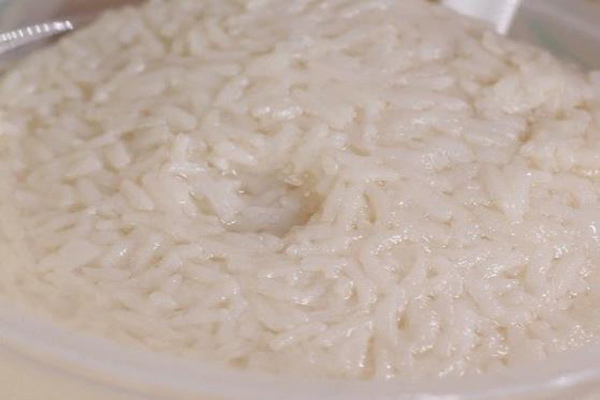
Rice_Wine


Importance of Color Quality Control for Rice Wine

Rice wine is a traditional fermented alcoholic beverage brewed from rice. Its color is one of the core sensory indicators for quality evaluation, directly reflecting raw material quality, standardized fermentation procedures, and product freshness and stability.

High-quality rice wine features a clear pale yellow or milky white appearance with uniform and transparent tone. Excessively dark color, dullness, browning or turbidity usually indicate over-fermentation, oxidative deterioration, microbial contamination or improper storage.

Stable and consistent color not only boosts consumers’ purchase intention, but also intuitively reflects well-controlled production processes including saccharification, fermentation and filtration. It is essential for ensuring consistent product quality, maintaining brand image and guaranteeing food safety.

Nevertheless, differences in raw materials, fermentation techniques and saccharification degrees during production often cause color deviation, resulting in rice wine tones ranging from light yellow to dark yellow. As a vital visual criterion for judging fermentation status, freshness and comprehensive quality, effective color control is an indispensable measure to enhance sensory consistency and market recognition of rice wine.

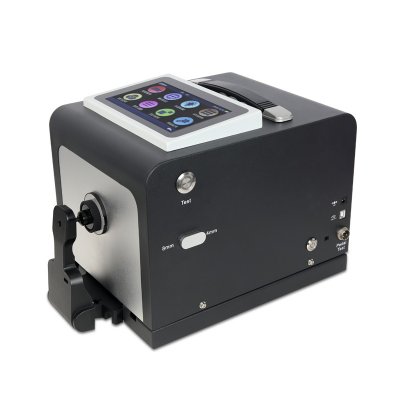
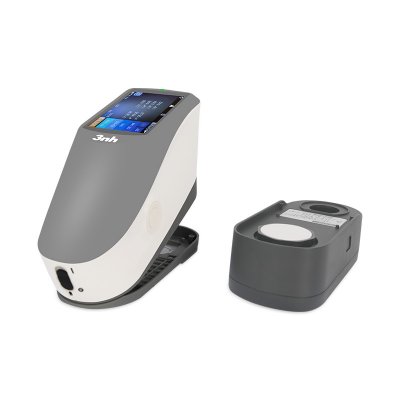
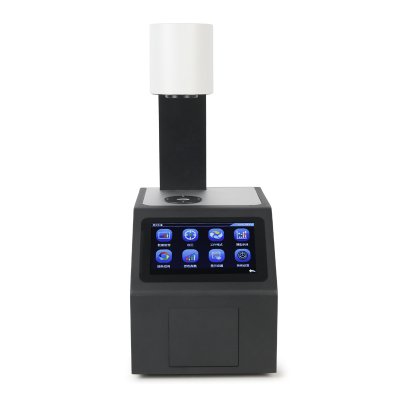
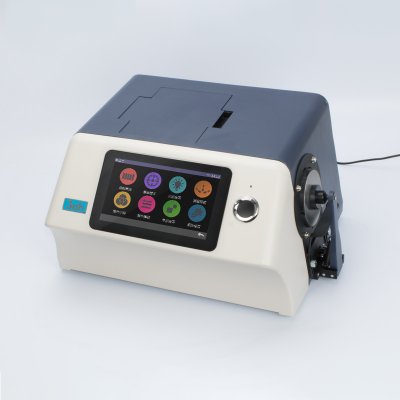
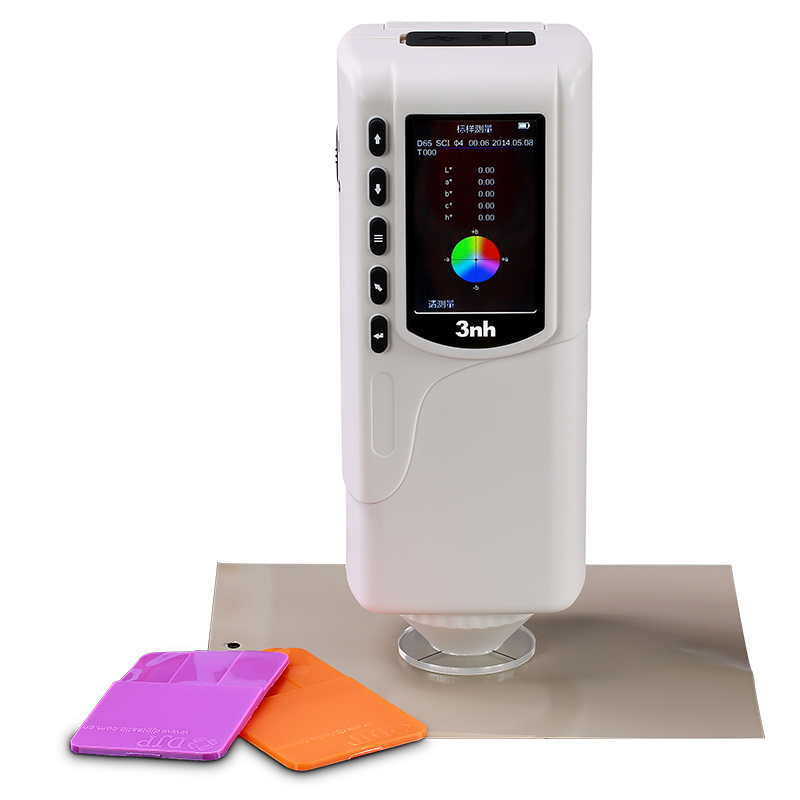
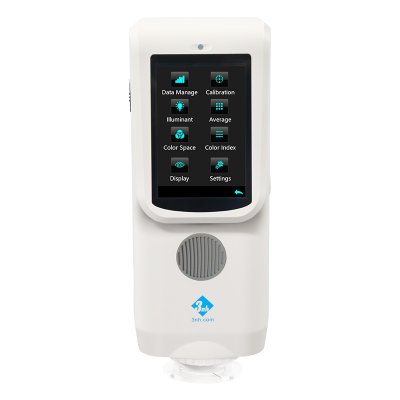
Rice Wine Color Quality Control Instrument

TS8500 Bench-top Spectrophotometer Optimizes Rice Wine Color Quality Control

The TS8500 bench-top spectrophotometer adopts a d/8° integrating sphere optical structure with full-spectrum scanning capability. It accurately measures color-related parameters such as yellowness, transparency, chromaticity and turbidity of rice wine.

Unlike ordinary color difference meters that only detect surface color, this instrument can penetrate liquid samples to truly present the inherent color of wine liquid. It enables digital color consistency control throughout the whole production process, covering raw material inspection, fermentation monitoring, filtration treatment and finished product testing, and completely eliminates inaccuracies caused by subjective visual judgment of yellowing, dullness and turbidity.

The TS8500 supports simulation of multiple standard light sources including D65, A, TL84 and CWF, which effectively evaluates metamerism risks of rice wine in different sales environments. Equipped with a large-caliber sample cell and constant-temperature measurement function, it avoids color interference from temperature and ambient light, delivering high measurement accuracy and excellent repeatability.

With quantitative indicators such as CIELab color space, total color difference ΔE and yellowness index YI, manufacturers can strictly control batch-to-batch color deviation, stabilize product appearance quality, and elevate brand grade and market competitiveness.

Standard Measurement Operation

To test rice wine with the TS8500:Pour filtered and clarified rice wine into the cuvette up to the standard liquid level. Select the d/8° integrating sphere and SCI (specular reflection included) mode, and set D65 / 10° standard illuminating and viewing conditions. Complete black calibration and blank reference calibration in sequence, then place the sample into the compartment for transmittance measurement.
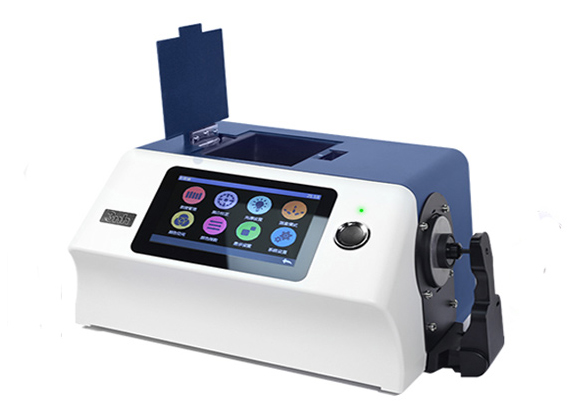
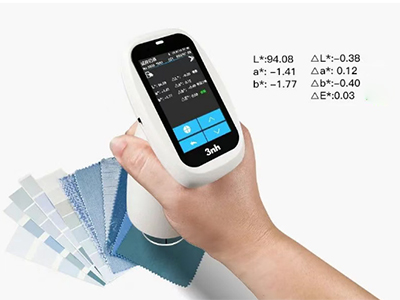
The instrument directly outputs accurate data including L* (lightness), a* (red-green axis), b* (yellow-blue axis), ΔE and YI. Test each sample 2 to 3 times and calculate the average value, so as to realize precise color quantification, batch comparison and long-term stable color quality control for rice wine products.

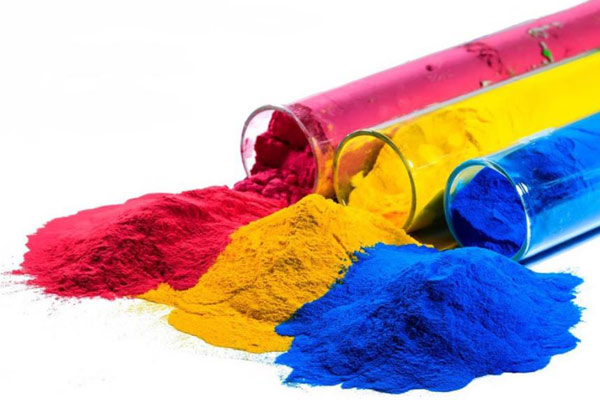
Troubled by powder color measurement? Inconsistent raw material batches, repeated color matching adjustments, and inaccurate visual comparison easily lead to color deviation and rework. This increases costs, delays production schedules, and lowers overall efficiency. The TS8510 spectrophotometer enables rapid powder color measurement with accurate results in seconds, achieving zero-error color matching.

colorful powders

Desktop Spectrophotometer for rapid measurement of powder color

Powder materials vary greatly in particle size, packing density and bulkiness. Even with identical ingredients, different compaction levels create distinct diffuse reflection effects and cause unstable color data. Meanwhile, powders are prone to delamination, floating pigment and agglomeration, resulting in uneven and irregular surfaces. Conventional color testing only captures local color differences instead of the true overall color. For powders containing pearlescent, fluorescent or light-absorbing components, measurement instability is further aggravated, making it difficult to obtain highly repeatable data.


In addition, powders are sensitive to light, humidity and temperature, which may cause oxidation and moisture discoloration. Slight environmental changes during testing will lead to numerical deviations. Moreover, sample filling thickness, pressing force and sampling position all bring obvious color errors. Transparent or semi-transparent powders produce light transmission effects. Traditional reflective color measurement cannot distinguish surface color from internal tone, resulting in inconsistent data between batches and different instruments, and seriously restricting the accuracy of color quality control.

Advantages of TS8510 Spectrophotometer for Powder Color Testing

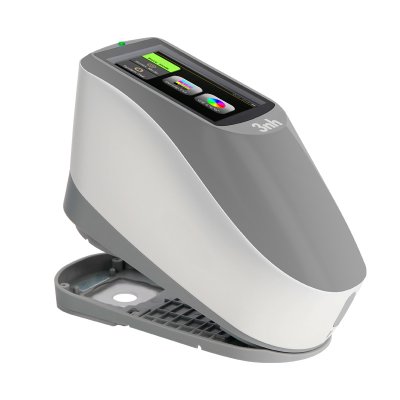
Tailored to the characteristics of powder materials, the 3nh TS8510 spectrophotometer is optimized in optical structure and measurement modes. Equipped with a large-aperture measuring spot and high-stability integrating sphere lighting system, it can directly test loose powder without complicated sample preparation. It effectively eliminates measurement errors caused by uneven packing and rough surfaces, realizing one-click rapid testing and greatly improving the efficiency of color matching and incoming quality inspection.
Featuring high spectral accuracy and excellent repeatability, the TS8510 accurately identifies subtle differences in hue, lightness and chroma, and outputs stable quantified data such as L*a*b* and ΔE. It helps production teams adjust formulas quickly and classify product batches. With simple operation and data storage & comparison functions, it upgrades powder color evaluation from subjective visual judgment to standardized digital control, greatly reducing rework and color difference complaints, and improving color consistency in mass production.

Operation Steps for Powder Color Measurement with TS8510

  1. Power on the instrument for preheating and enter the color measurement interface. Complete system calibration with the standard black and white calibration plates to ensure testing accuracy.

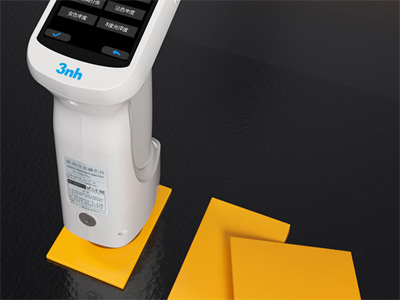
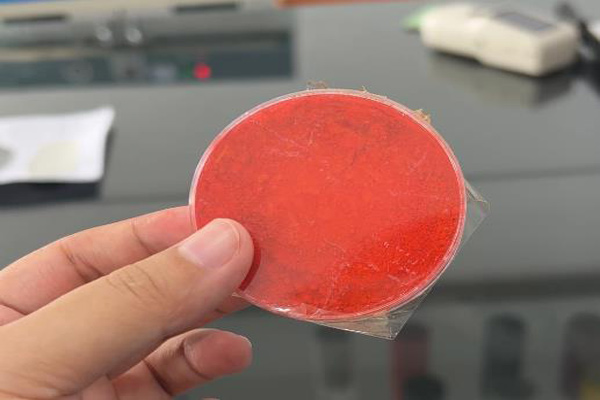
  2. Fill the powder test box evenly with the sample powder, vibrate gently for compaction, and scrape the surface flat to ensure a uniform, gap-free surface without reflective spots.

    1776757658569605

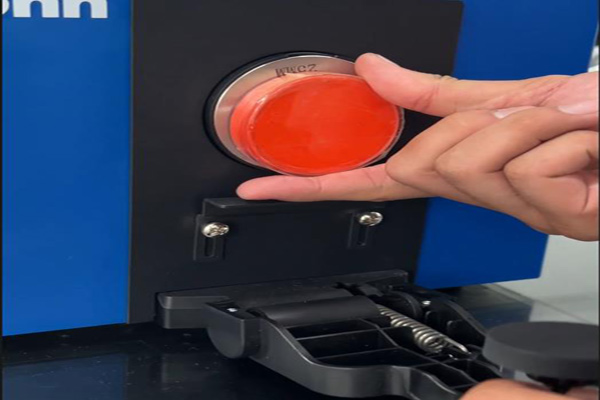
  3. Fit the powder box tightly against the measuring aperture of the TS8510 to fully cover the test spot.

    1776757759609107

  4. Press the measurement key to obtain instant color data. Test the same sample 2 to 3 times at different positions and take the average value to minimize errors caused by uneven filling.

    1776757831276826

  5. Compare the data of standard samples with production samples to quickly judge color difference compliance and realize stable batch-to-batch color control for powder products.

    1776757949796104

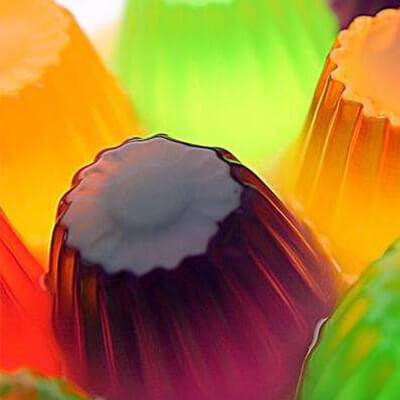
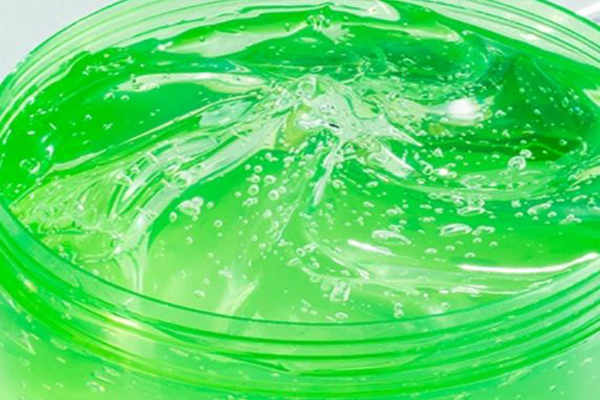
Gel materials feature a soft, tender texture with easily deformable surfaces, uneven thickness and natural translucency. Their color measurement results are highly susceptible to light transmission, surface reflection and squeeze deformation, leading to severe data fluctuation and great testing difficulties.Hard to measure gel color accurately? The TS8560 spectrophotometer is the ideal solution for color measurement of gel samples.

1776928336587292

Bench spectrophotometer for color measurement of gel samples

Most gels are semi-solid, elastic or viscous substances. Their surfaces cannot be completely flat and smooth. Slight pressing or placement angle changes will cause deformation and alter light reflection paths. Meanwhile, the majority of gels are translucent and light-permeable. Light penetrates the samples and creates a combined effect of transmission and reflection. Conventional reflective color measurement cannot distinguish surface color from internal tone. In addition, gels are prone to air bubbles, texture lines and delamination, which result in unstable spectral data and poor repeatability.

Moreover, gels commonly contain humectants, colorants, fragrances, pearlescent powder and other ingredients. Some components are fluorescent, photosensitive or prone to photochromism, causing color shift under measuring light sources. Gels are also extremely sensitive to temperature and humidity: high temperature leads to melting, while low temperature causes hardening and whitening. Exposure to air may trigger oxidation, air-drying and surface crusting. These factors rapidly change the visual appearance of gels. Tiny differences during sampling, sample loading and testing will cause color deviation, greatly undermining the accuracy of batch color comparison and quality evaluation.

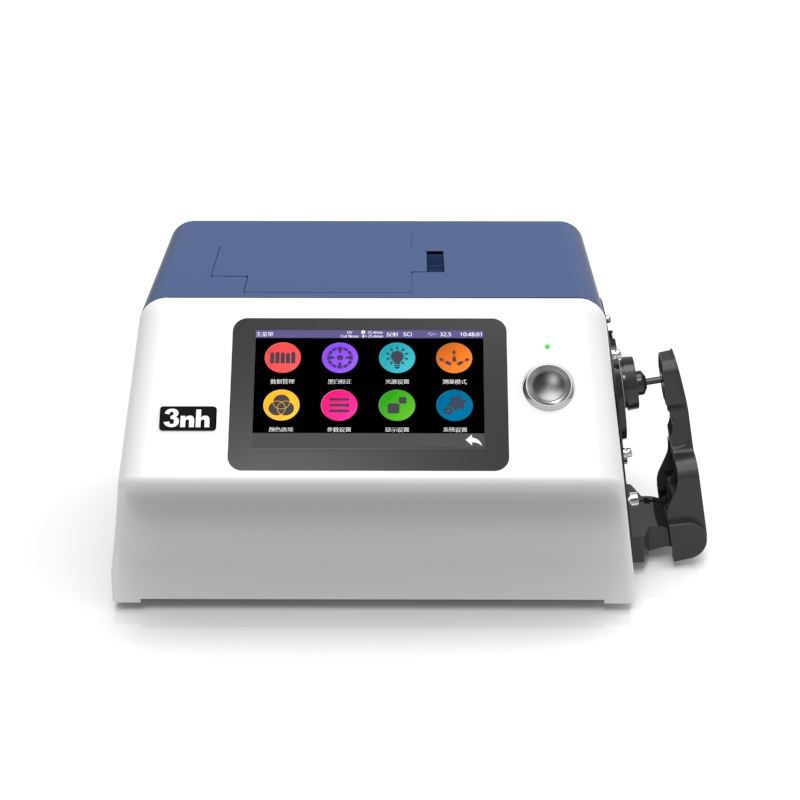
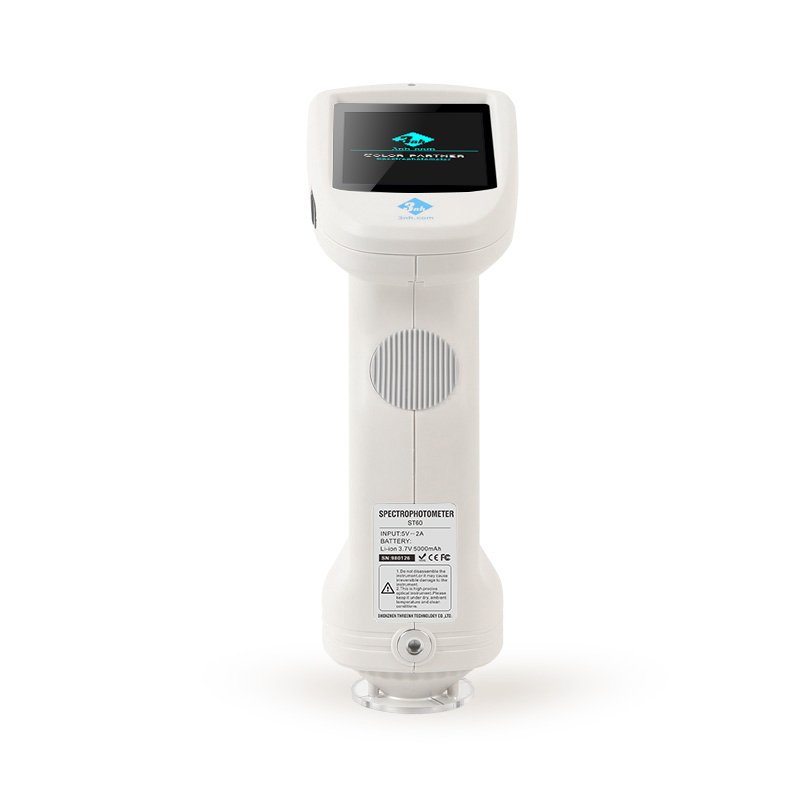
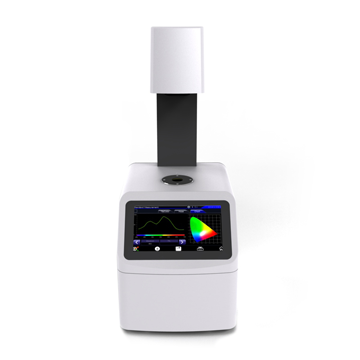
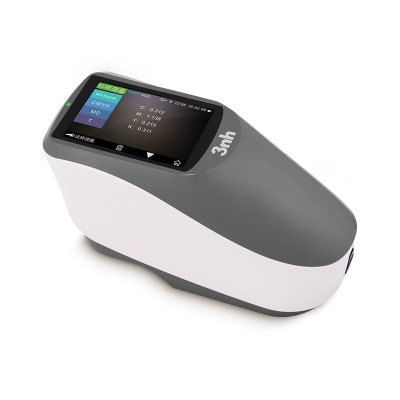
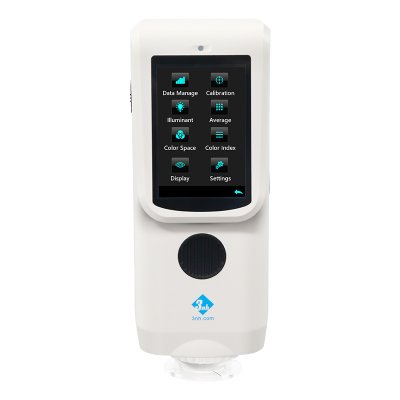
Gel sample color measuring instrument

Advantages of TS8560 Spectrophotometer for Gel Color Testing

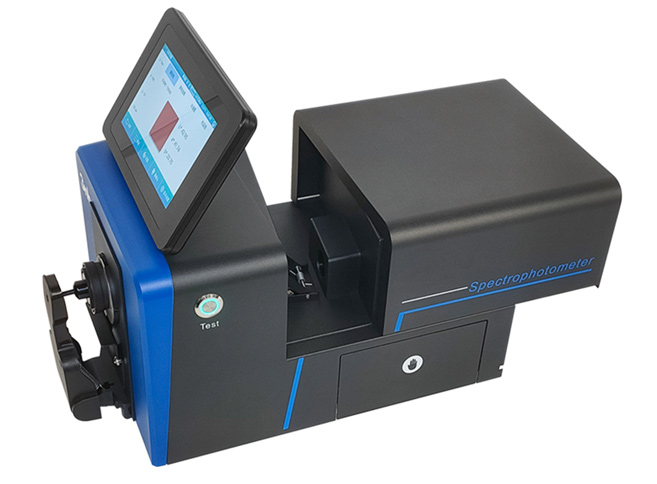
Developed for gels’ characteristics — high translucency, fluidity, soft surfaces and strong reflection — the TS8560 delivers outstanding optical precision and anti-interference performance.It adopts D/8 diffuse illumination, integrating sphere optical path and dual array CMOS sensors, equipped with full-spectrum LED light sources ranging from 360 nm to 780 nm. The instrument simultaneously collects SCI (Specular Component Included) and SCE (Specular Component Excluded) data, effectively eliminating interference from uneven surface gloss, slight wrinkles and translucent background tones.

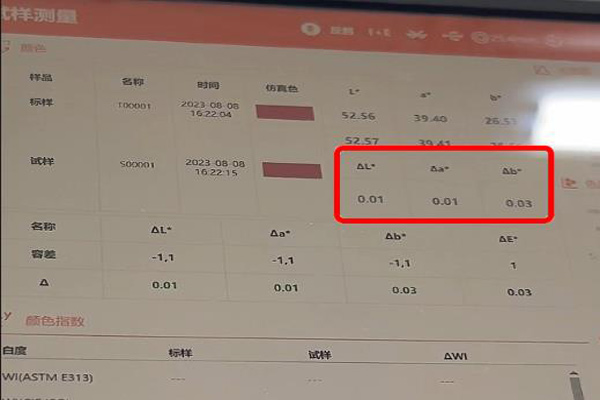
It features excellent repeatability (ΔE*ab ≤ 0.01) and instrument-to-instrument agreement (≤ 0.1). Built-in automatic temperature and humidity compensation steadily captures subtle color differences, enabling precise color detection for translucent soft materials.

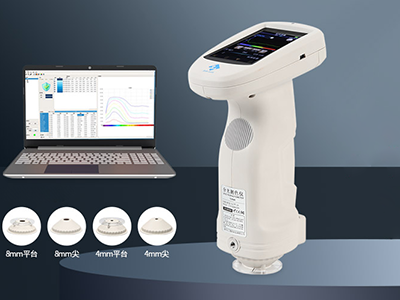
The device supports four auto-recognition measuring apertures: Φ25.4 mm / 15 mm / 8 mm / 4 mm. Large apertures suit large and uniform gel areas, while small apertures are for micro-dose or local testing. Multi-angle measurement (upward, downward and lateral) is available. With an open transmission chamber and camera positioning, it supports non-contact or close-fit testing for gels in petri dishes, glass slides and transparent containers, effectively preventing squeeze deformation and air bubbles.

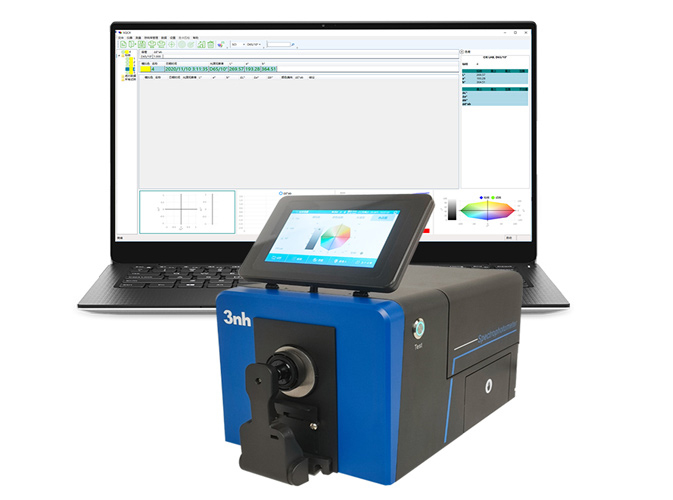
The 7-inch rotatable touch screen ensures intuitive operation. It integrates over 40 standard light sources and more than 40 color indicators, outputting L*a*b* values, color difference, whiteness, yellowness and other parameters with one click. Combined with professional color management software, it realizes fast quality comparison and batch consistency inspection for gel products.


Gel Color Testing Operation Steps (TS8510 Spectrophotometer)

  1. Power on and preheat the instrument, then calibrate with standard black and white plates to ensure measurement accuracy.

  2. Fill the dedicated sample cup or cuvette evenly with gel samples. Shake gently to flatten the surface and avoid gaps, bulges and reflective spots.

  3. Attach the sample container closely to the measuring aperture to fully cover the test spot, then select the corresponding measurement mode to start testing.

  4. Rotate the sample after each test, repeat the measurement 2–3 times, and calculate the average value to reduce errors caused by uneven gel distribution.

  5. Compare the L*a*b* values and ΔE color difference between standard samples and production samples to verify batch color qualification and achieve stable gel color quality control.


Featured Resources & Insights

Give us a call!

Discuss your project with one of our product specialists:

0086 755 26508999

Need pricing?

We respond to quote requests within 1 business day.

service@3nh.com

Already know what you need?

Submit a demo request for the product you're interested in.

Get a Demo
Leave Your Message
We use cookies to ensure that we give you the best experience on our website. If you continue to use this site we will assume that you are happy with it. Privacy policy