Home>Resources>Color KnowledgeColorimeter vs. Spectrophotometer: Unraveling the Key Differences

Colorimeter vs. Spectrophotometer: Unraveling the Key Differences

Colorimeters and spectrophotometers are widely used instruments in the field of color measurement, playing a critical role in industries such as manufacturing, quality control, and research and development. Although both devices measure color, they differ significantly in terms of working principles, structure, accuracy, and applications. Choosing the appropriate instrument is essential for achieving accurate results in specific tasks. This document will provide a detailed comparison between colorimeters and spectrophotometers and analyze their advantages and disadvantages in various use cases, helping users know the differences between colorimeter and spectrophotometer and make informed decisions.

What is a colorimeter?

The structure of a colorimeter

What is the principle of a colorimeter?

What does a colorimeter measure?

What are the advantages of a colorimeter?

What are the disadvantages of a colorimeter?

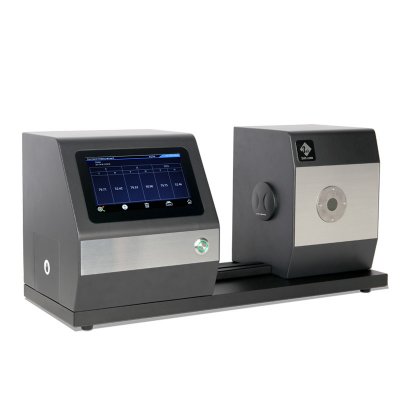
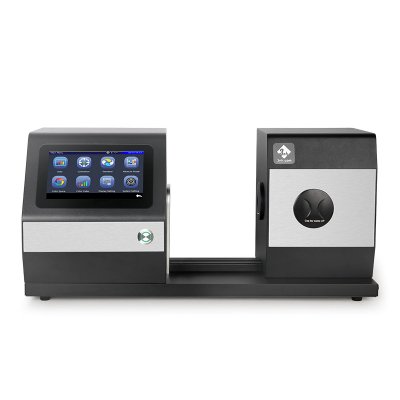
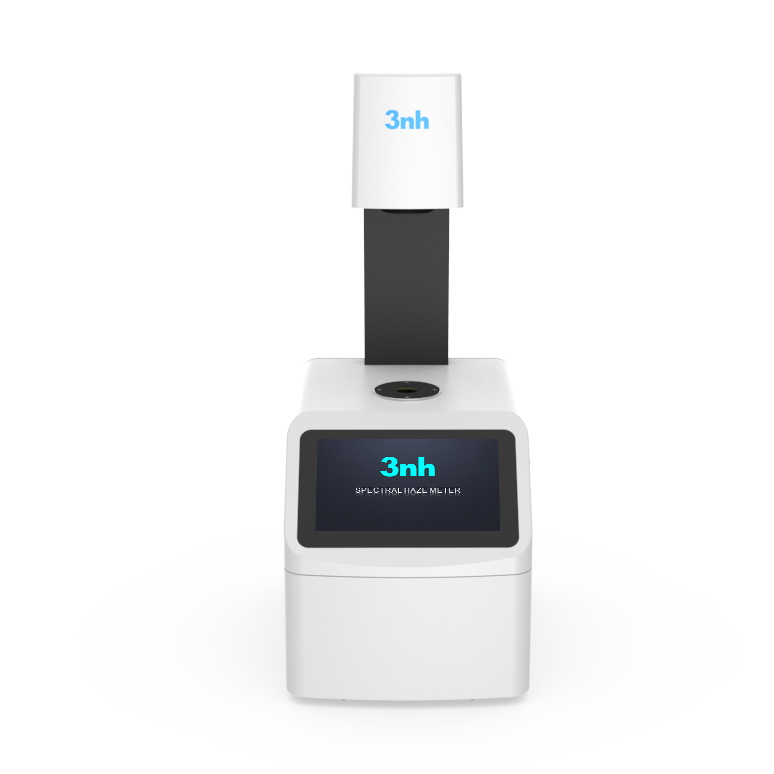
What is a spectrophotometer?

The structure of a spectrophotometer

What is the principle of a spectrophotometer?

What tests are spectrophotometers used for?

What are the advantages of a spectrophotometer?

What are the disadvantages of a spectrophotometer?

Differences between Colorimeter and Spectrophotometer

3nh's Color Solutions: Choosing the Right Colorimeter or Spectrophotometer


What is a colorimeter?

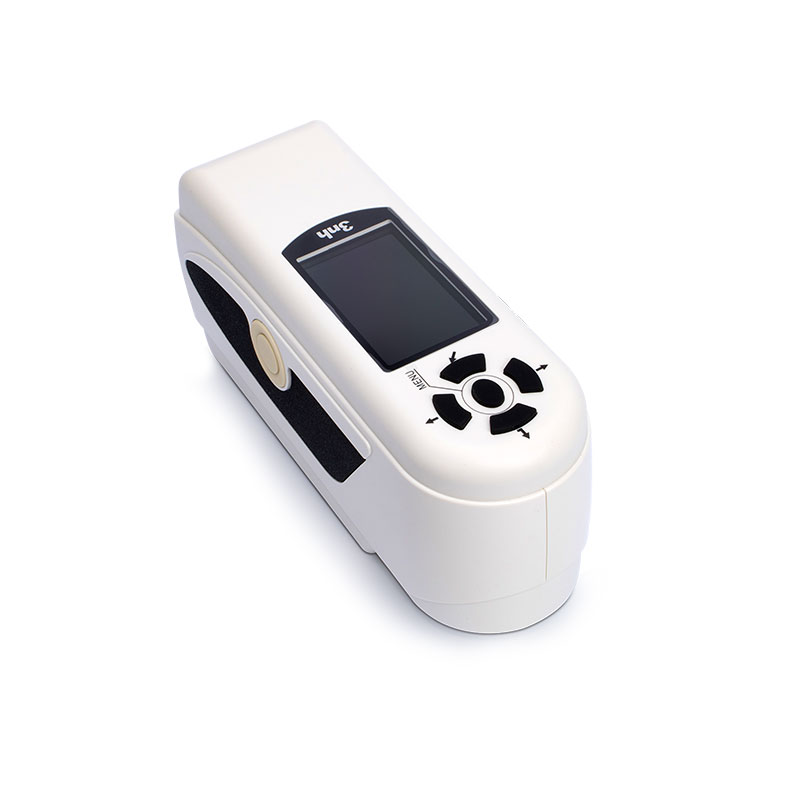
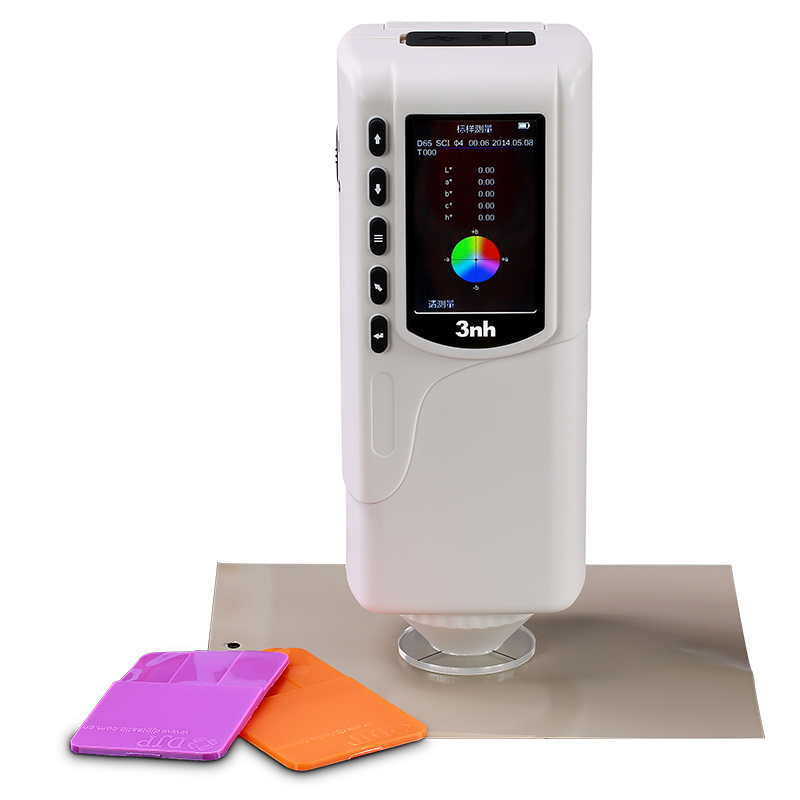
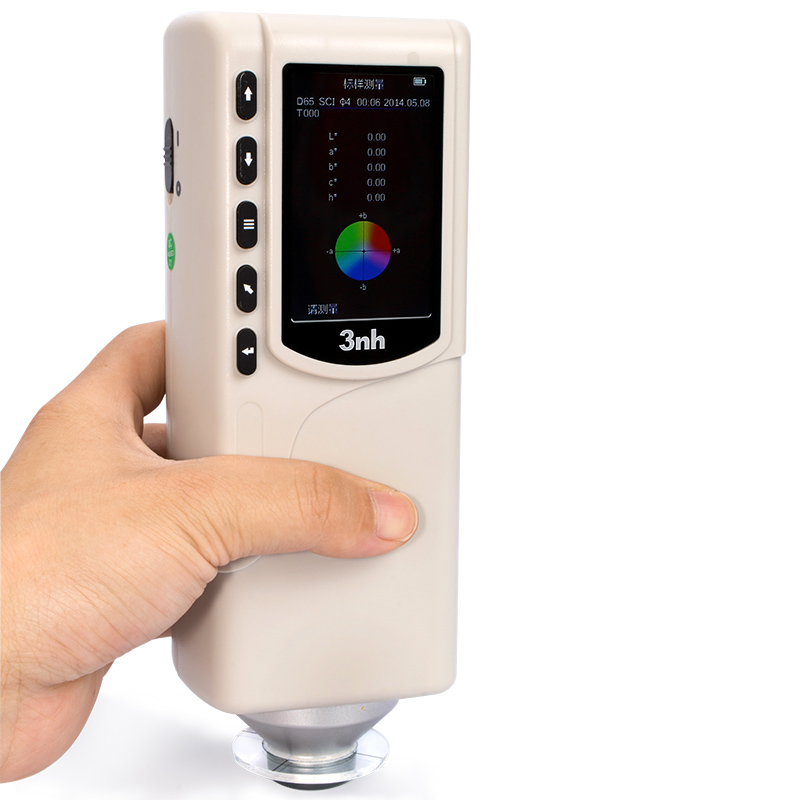
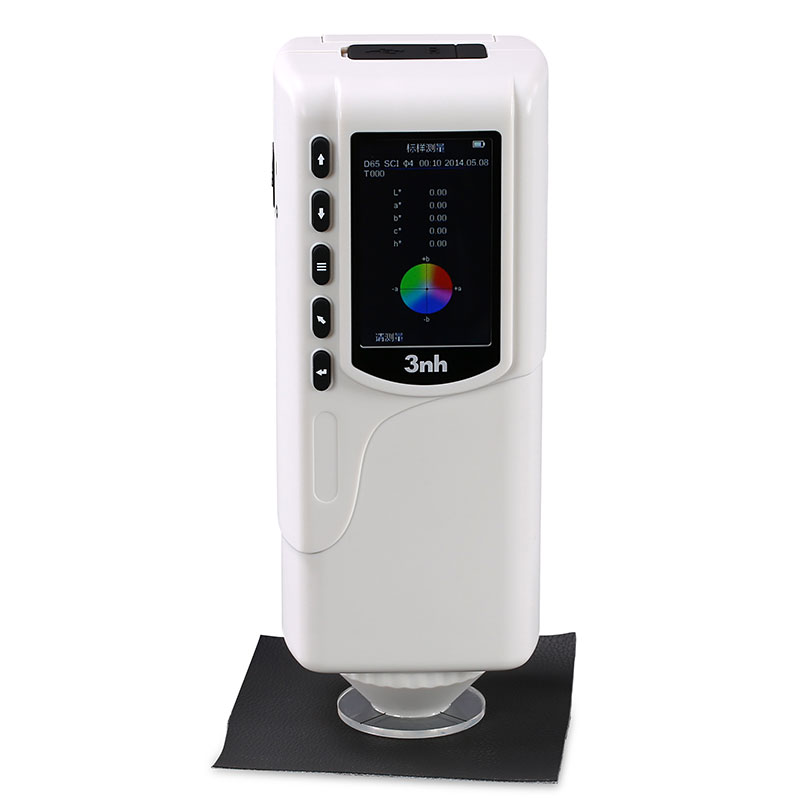
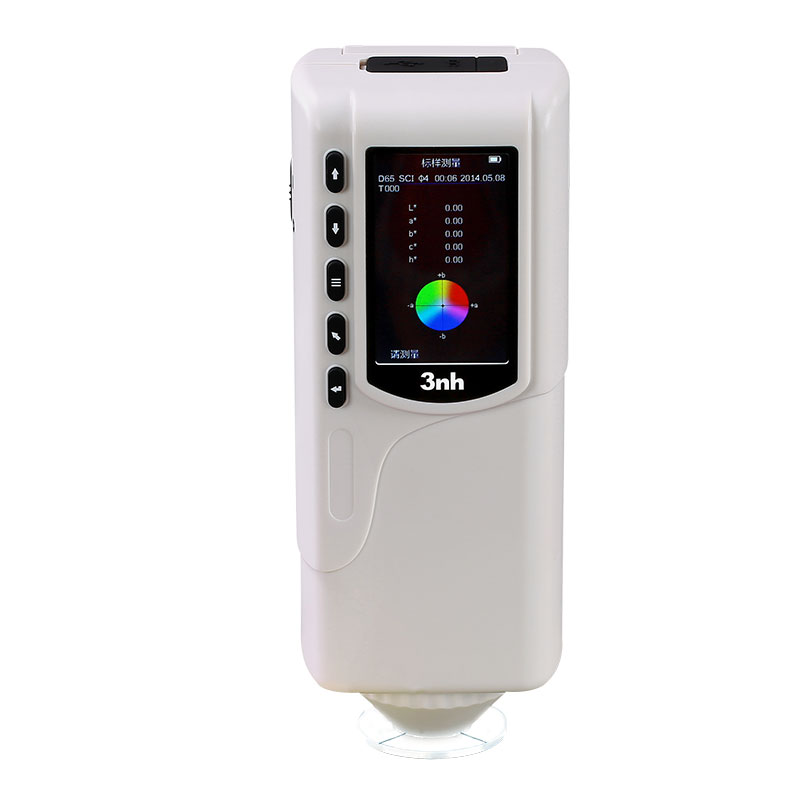
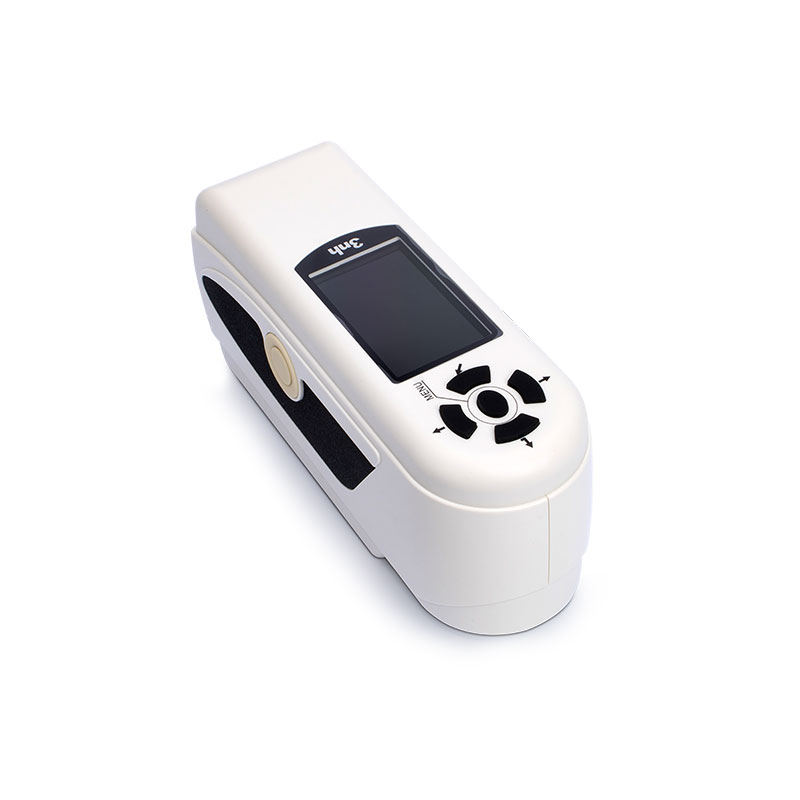
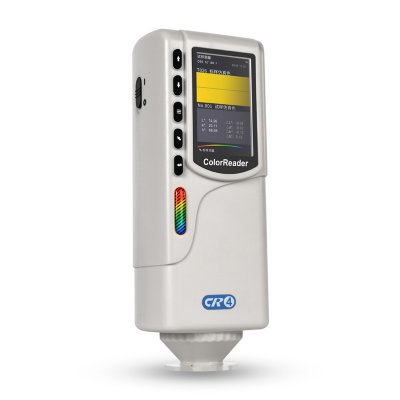
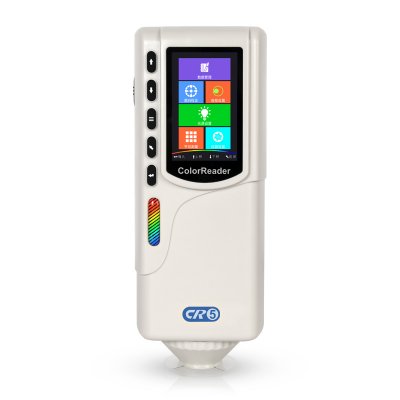
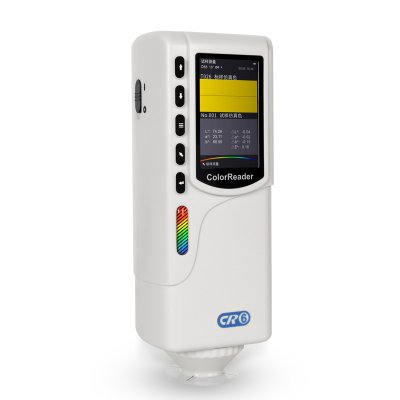
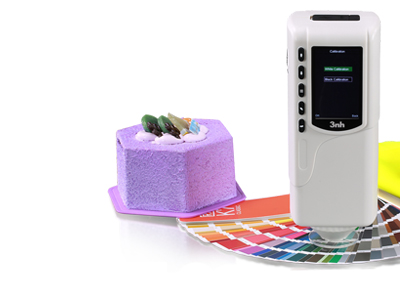
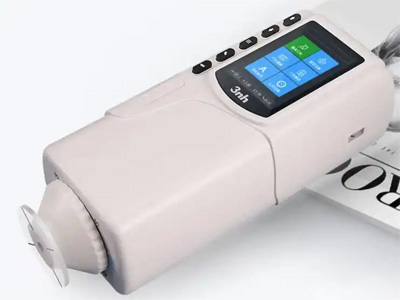
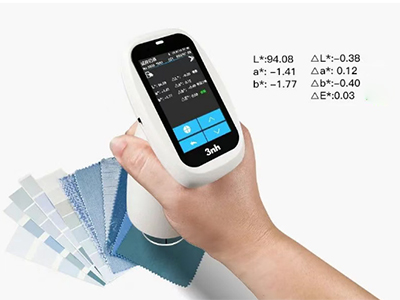
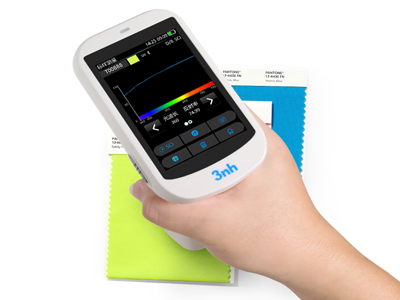
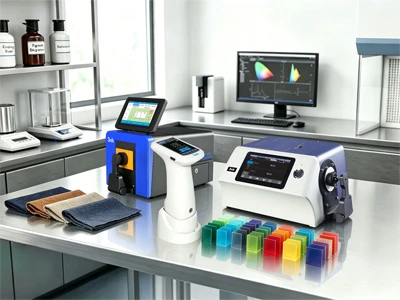
A colorimeter is a device used to measure the color of an object by quantifying its red, green, and blue (RGB) components. It works by comparing the color of the sample with a standard reference, providing data in terms of color coordinates, typically in CIE Lab or XYZ color spaces. Colorimeters are commonly used in industries like printing, textiles, plastics, and food manufacturing to ensure color consistency and quality control.

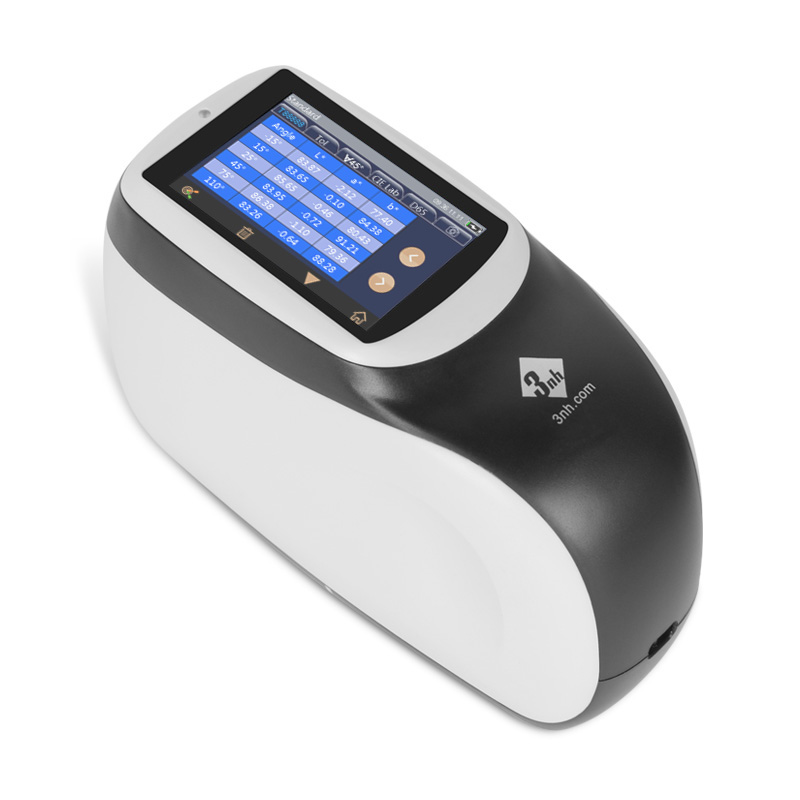
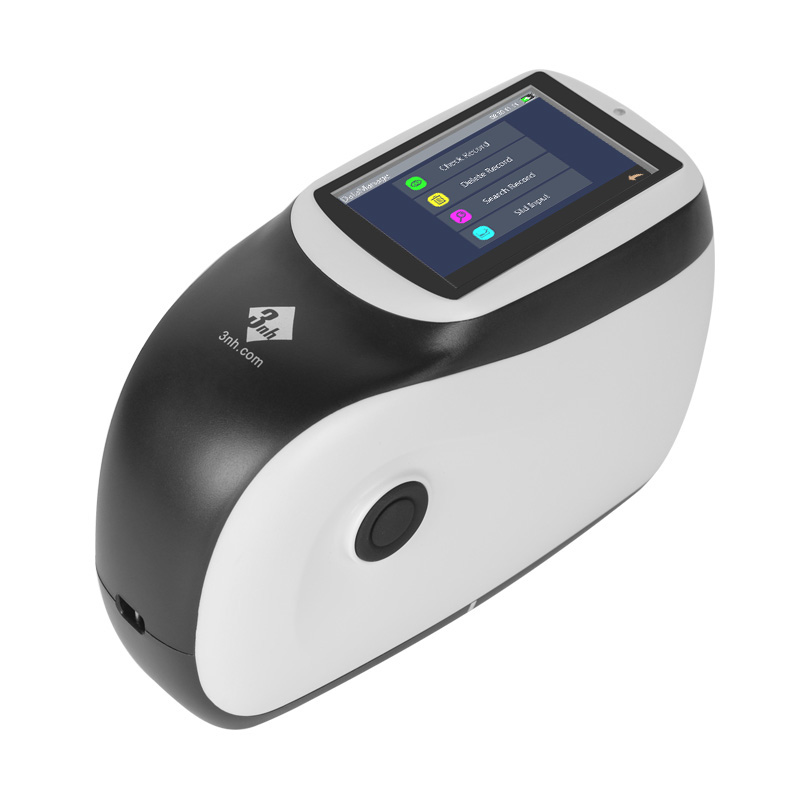
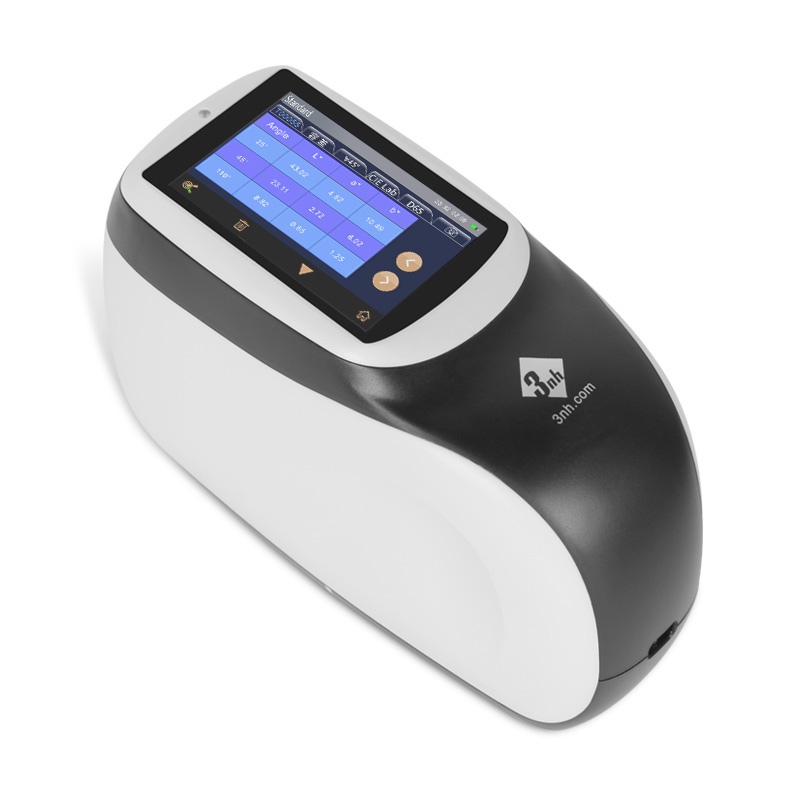
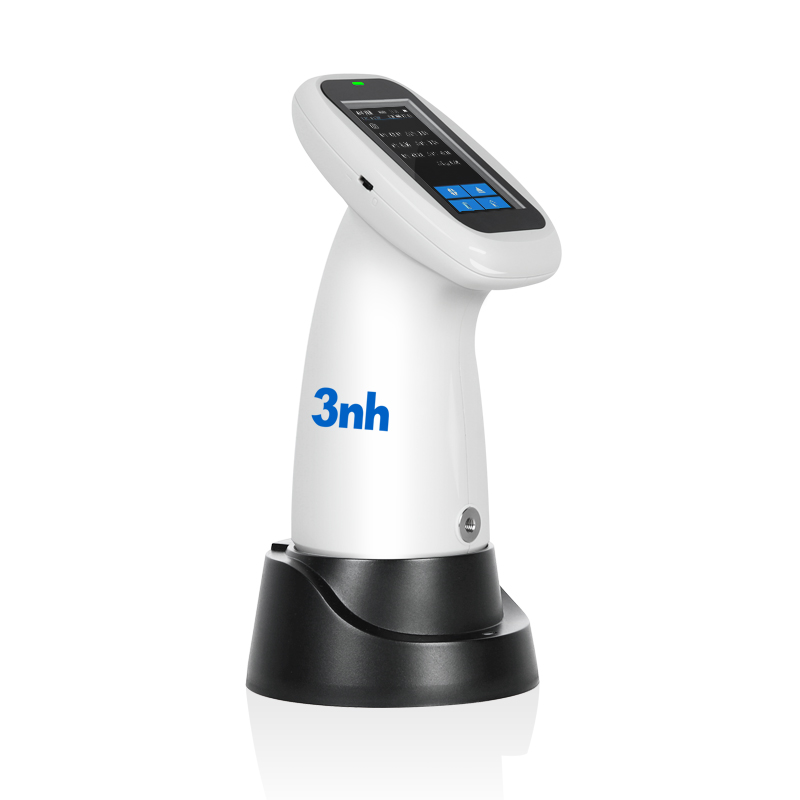
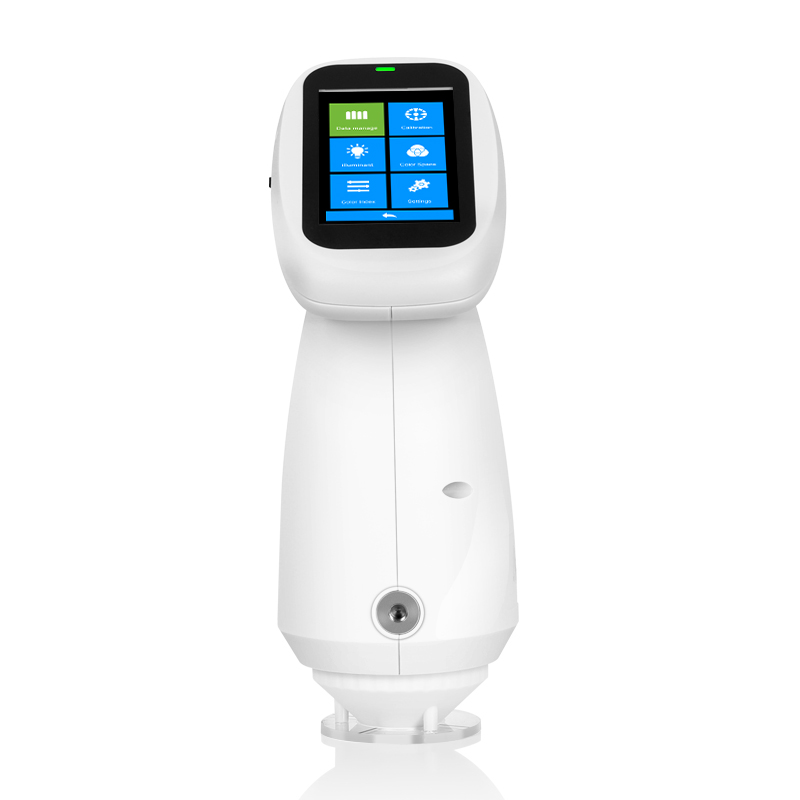
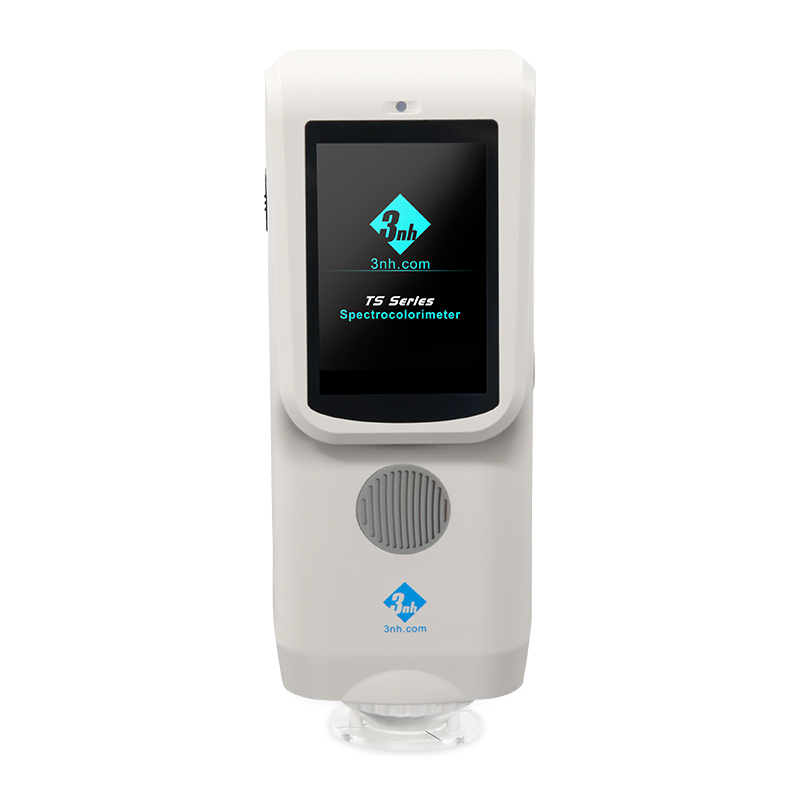
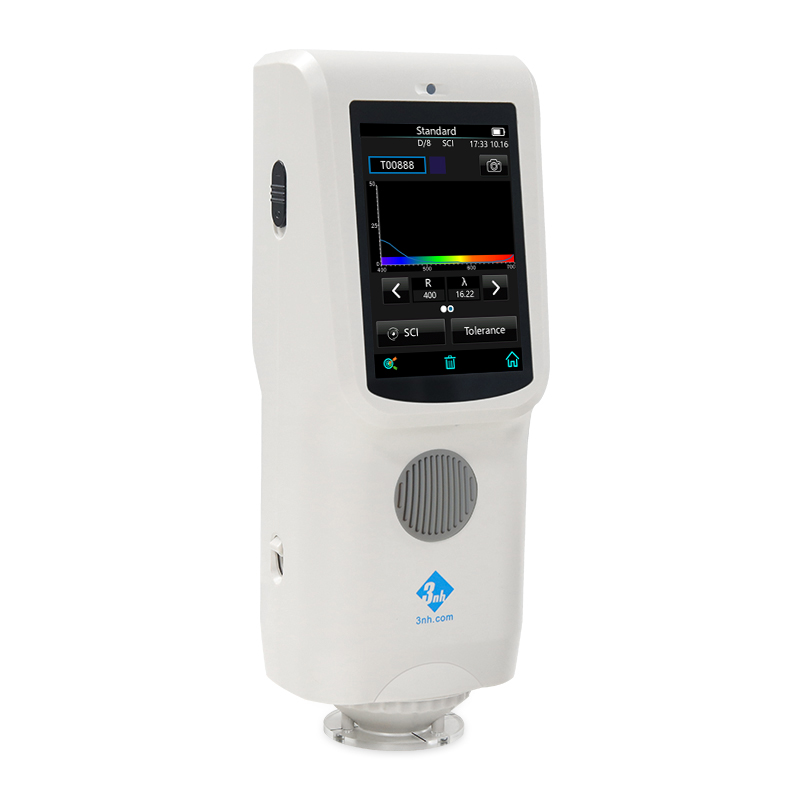
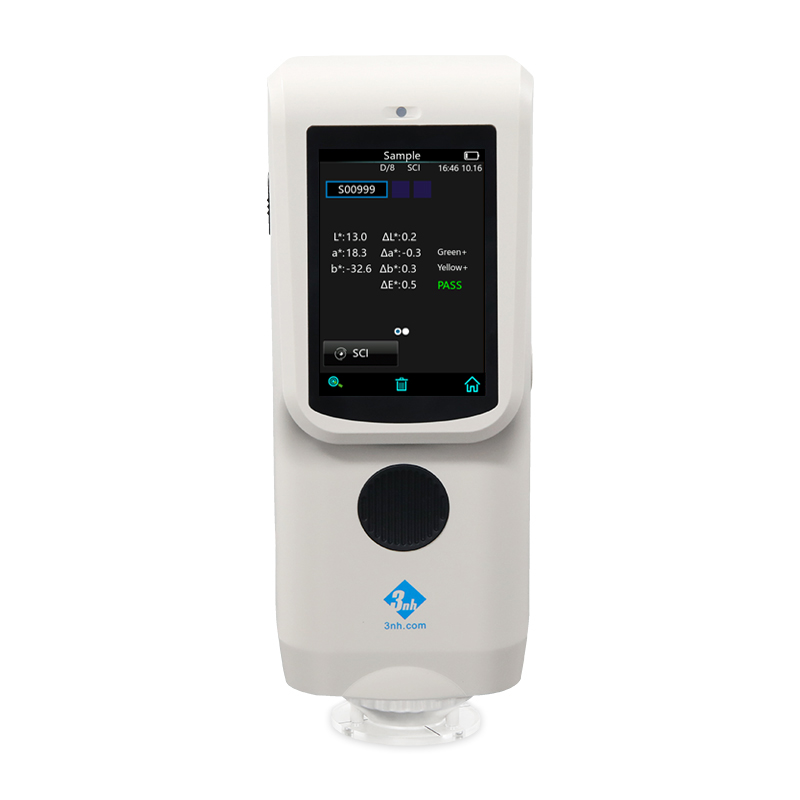
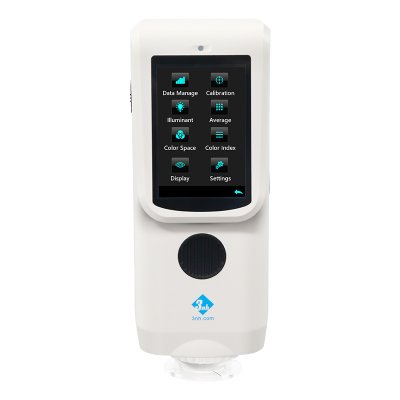
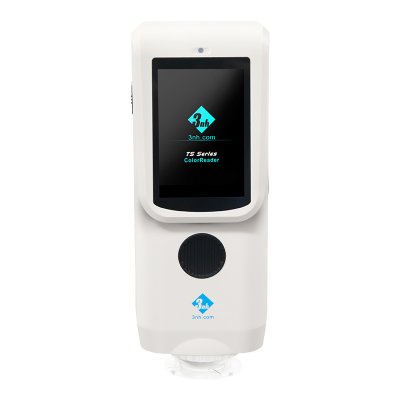
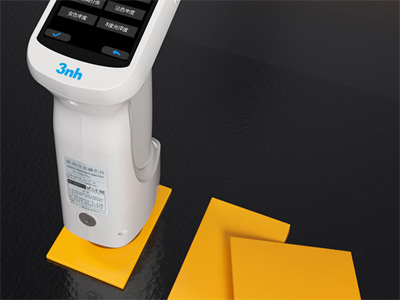
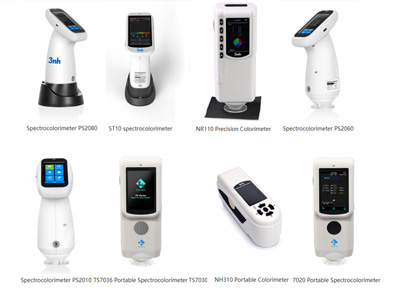
Precision Colorimeter: Some colorimeter manufacturers will develop some advanced models of colorimeters, which can achieve higher accuracy by improving RGB filters and optimizing the calibration process. For example, 3nh, a colorimeter manufacturer for many years, has developed the TS70X series colorimeter, which has higher accuracy. These precision colorimetersare often used in more demanding quality control settings where slight color variations need to be detected with higher accuracy.

下载


The structure of a colorimeter

The structure of a colorimeter consists of the following main components:

Light Source: Typically an LED or tungsten lamp that emits light to illuminate the sample.

Optical Filters: RGB filters that simulate human vision by isolating red, green, and blue wavelengths.

Detectors: Sensors that measure the intensity of light after it passes through or is reflected by the sample. These sensors are aligned with the RGB filters to detect each color component.

Microprocessor: Responsible for converting the detected light into digital data and calculating the color values (such as XYZ or Lab).


What is the principle of a colorimeter?

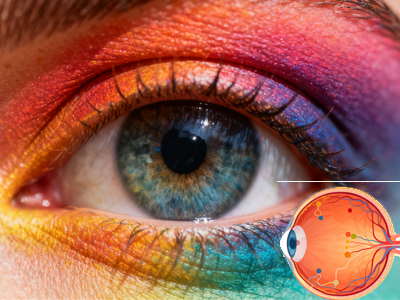
The working principle of a colorimeter is based on the tristimulus theory of color vision, which mimics how the human eye perceives color. The device shines light on the sample, and the RGB filters break down the light into its red, green, and blue components. The detectors then measure the intensity of each component, and the device processes this data to compute color values, such as XYZ or Lab coordinates. These measurements are used to assess the color difference (ΔE) or consistency between samples.

Simplified Principle: The colorimeter evaluates colors by directly simulating human visual perception, similar to how we perceive colors with our eyes.

下载 (1)


What does a colorimeter measure?


Color Space

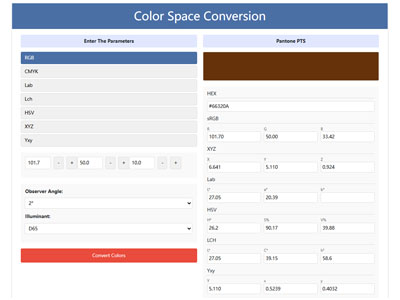
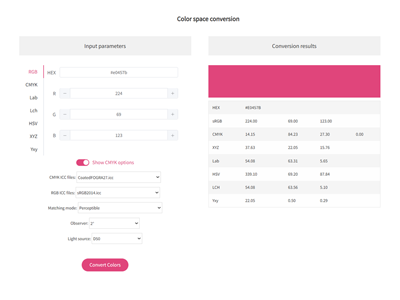
CIE LAB L(Lightness): 0 is black,100 is white a(Red-Green): positive values are red; negative values are green and 0 is neutral b(Blue-Yellow): positive values are yellow,negative values are blue abd 0 is neutral CIE LCH L: Lightness,value is the same in each scale C: Chroma H:Hue Angle dE Total Color difference Delta-E is a measurement used to indicate how much a color deviates from an accepted standards.The higher the dE, the more inaccurate the color.


A colorimeter measures:

Color Intensity: The relative amount of red, green, and blue light in a sample.

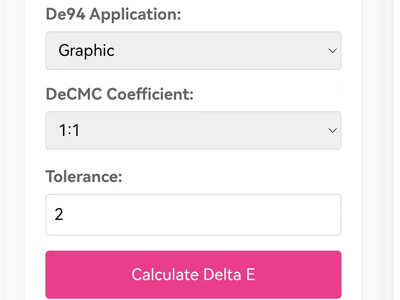
Color Difference (ΔE): The difference between the measured sample and a reference color.

Delta E
Meaning
0~1
A normally invisible difference
1~2
very small difference, only obvious to a trained eye
2~3.5
Medium difference, also obvious to an untrained eye
3.5~5
An obvious difference
>6
A very obvious difference

Tristimulus Values (XYZ): The fundamental color measurement values based on the human vision model.

CIE Lab Values(L, a, b): A color space that quantifies lightness (L), red-green value (a), and yellow-blue value (b).

Colorimeters are used to monitor color consistency in products, ensure color matching between batches, and check for color fading over time.

下载 (2)


What are the advantages of a colorimeter?

Cost-Effective: Colorimeters are generally more affordable compared to more sophisticated instruments like spectrophotometers.

Easy to Use: The device is simple to operate, making it ideal for routine quality control tasks.

Fast Measurements: Colorimeters provide quick color assessments, allowing for real-time quality checks.

Portable Options: Many models are compact and portable, making them convenient for on-site measurements.

Reliable for Basic Tasks: They are suitable for tasks like color matching and color consistency checks in industries such as printing, textiles, and food production.

下载 (3)


What are the disadvantages of a colorimeter?

Limited Precision: Compared to spectrophotometers, colorimeters lack the ability to measure the full spectrum of light, making them less accurate in handling complex colors like fluorescent or metallic shades.

No Spectral Data: Colorimeters only provide overall color measurements without detailed spectral information.

Dependent on Light Source: Measurements can be influenced by changes in the light source or environmental lighting, potentially leading to inconsistent results.

Limited to Simple Applications: While excellent for basic quality control, colorimeters may not be suitable for more advanced research or precise color formulation tasks.

Unable to Measure Special Effects: Colorimeters cannot accurately measure colors that shift under different lighting conditions, such as pearlescent or iridescent materials.


Colorimeter Vs Spectrophotometer: What you Should Know

What is a spectrophotometer?

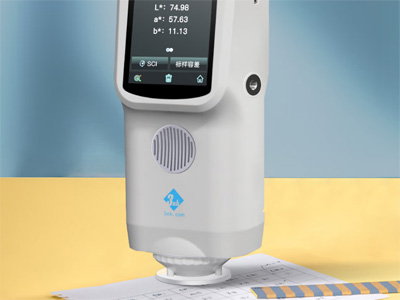
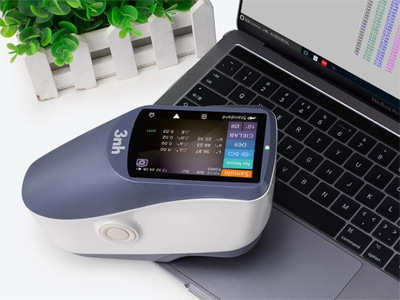
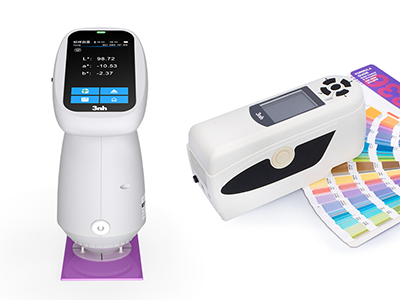
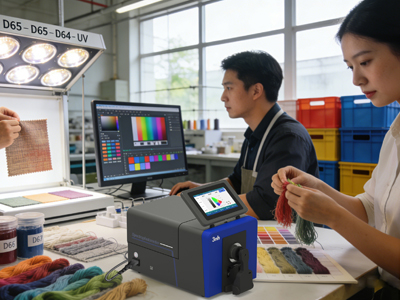
A spectrophotometer is a scientific instrument used to measure the intensity of light as a function of wavelength. It provides detailed spectral data by analyzing the amount of light absorbed or reflected by a sample at each wavelength, typically across the visible light spectrum (400-700nm). Spectrophotometers are used in a variety of industries, such as paints, coatings, textiles, and pharmaceuticals, for precise color analysis, quality control, and research. Unlike colorimeters, spectrophotometers can measure complex colors and offer much higher accuracy.

下载 (4)


The structure of a spectrophotometer


A typical spectrophotometer consists of the following components:

Light Source: Usually a Xenon lamp, tungsten lampor full spectrum LED lampthat emits a broad spectrum of light, covering the visible range and sometimes extending to UV or infrared regions.

Monochromator (Diffraction Grating or Prism): A system that splits the emitted light into individual wavelengths, allowing for precise measurement at each wavelength.

Sample Holder: A designated area where the sample is placed, ensuring consistent positioning for accurate measurements.

Detector: Often a photomultiplier tube, photodiode, or CCD/CMOS sensor, which captures the light after it interacts with the sample and converts it into an electrical signal.

Processor (Microcontroller): Converts the detected signals into spectral data and computes parameters such as reflectance, transmittance, and absorbance across different wavelengths.


What is the principle of a spectrophotometer?

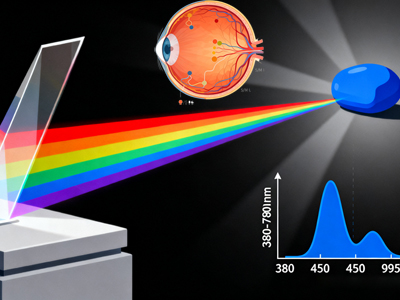
The principle of a spectrophotometer is based on Beer-Lambert's Law, which relates the absorption of light to the properties of the material through which the light passes. The spectrophotometer shines light through the sample, and the monochromator isolates different wavelengths. For each wavelength, the device measures the intensity of light that is absorbed, reflected, or transmitted. This data is then used to generate a spectral profile or curve, providing detailed information on the sample's color properties, absorbance, and reflectance at every wavelength.

This level of analysis enables the spectrophotometer to accurately measure and differentiate even subtle color differences that cannot be captured by human vision or simpler instruments like colorimeters.

Simplified Principle: A spectrophotometer provides more precise and comprehensive color information by analyzing the full light spectrum, generating reflection or transmission data for each wavelength.


What tests are spectrophotometers used for?


Spectrophotometers are used in a variety of tests across different industries:

  • Color Matching: Ensuring that the colors of materials, such as textiles, paints, and plastics, match desired specifications. This is especially important for industries like automotive manufacturing and cosmetics.

  • Color Formulation: Creating precise color formulations for products like inks, dyes, and coatings.

  • Quality Control: Monitoring the consistency of color and appearance in production lines.

  • Absorbance and Transmittance Testing: Measuring the amount of light absorbed or transmitted by a liquid sample, commonly used in chemical and biological laboratories.

  • Reflectance Testing: Measuring the amount of light reflected from surfaces, useful in industries like textiles, coatings, and ceramics.

  • Pharmaceutical Testing: Analyzing the purity and concentration of compounds in drugs by measuring light absorbance.

下载 (6)

What are the advantages of a spectrophotometer?


High Precision and Accuracy: Spectrophotometers measure light at multiple wavelengths, providing detailed spectral data for highly accurate color measurement and analysis.

Measures Complex Colors: Can measure colors with special properties, like metallics, pearlescents, and fluorescent materials, that simpler devices like colorimeters cannot handle.

Broad Application Range: Spectrophotometers are versatile and can be used for both color measurement and absorbance/transmittance testing in fields such as chemistry, biology, and material science.

Detailed Spectral Information: The device generates a complete spectrum, which allows users to see how a sample interacts with light across different wavelengths.

Color Formulation: Spectrophotometers are essential for developing precise color formulations, enabling manufacturers to replicate exact colors consistently.

Customizable Measurements: Many models allow users to configure wavelength ranges and choose between reflectance or transmittance modes, depending on their application needs.

 下载 (7)


What are the disadvantages of a Spectrophotometer?

More expensive and complex to operate.

Slower measurement speed.


Differences between Colorimeter and Spectrophotometer


CriteriaColorimeterSpectrophotometer
Working PrincipleUses RGB filters to measure reflected or transmitted light based on human eye perceptionUses a diffraction grating or prism to measure light absorption or reflection at different wavelengths
Light SourceSimple light sources like LED or tungstenUses a Xenon lamp, tungsten lamp or full spectrum LED lamp, covering visible and sometimes UV/IR light ranges
Measurement TypeMeasures overall color intensity and color difference (ΔE) based on tristimulus values (XYZ)Measures full spectral data for each wavelength, providing detailed information on how light interacts with the sample across different wavelengths
Data OutputProvides data in terms of tristimulus values (XYZ), CIE Lab values (L*a*b*), and color difference (ΔE)Outputs complete spectral data, including reflectance, transmittance, and absorbance values across the entire spectrum, generating spectral curves
AccuracyQuality control, basic color analysis in textiles, printing, plasticsColor formulation, precise color analysis, research, quality control in coatings, automotive, cosmetics
ApplicationsPrimarily used for color control, basic quality control in industries like textiles, printing, and plasticsUsed in advanced color applications like color formulation, research, and precise quality control in automotive, coatings, and cosmetics
AdvantagesCost-effective, easy to use, fast measurements, portable optionsHighly accurate, handles complex colors, versatile applications
DisadvantagesLimited precision, no spectral data, affected by light source, cannot measure complex colorsMore expensive than colorimeters

Comparison of Three Types of Color Measurement Devices: Colorimeter, Spectrocolorimeter and Spectrophotometer

Color control is critical in the printing, coatings, plastics and food industries. However, not all color measurement devices share the same construction and functionality. Understanding their differences helps businesses optimize costs while ensuring product quality.

Colorimeter (Basic Color Measurement Device)

A colorimeter simulates how the human eye perceives color. It uses three color filters (red, green, and blue — RGB) to determine color values.

Principle: A white light source illuminates the sample, and reflected light passes through color filters to reach the sensor.

Advantages: Compact size, affordable cost, and easy operation.

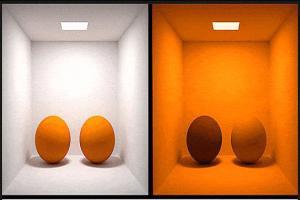
Limitations: Cannot detect metamerism (a phenomenon where two samples appear identical under one light source but different under another).

Best Application: Basic color difference inspection (pass/fail) on simple production lines.

Spectrocolorimeter

This device is a perfect hybrid of traditional colorimeters and spectrophotometers. Instead of simple filters, a spectrocolorimeter integrates a spectral sensor for more detailed spectral analysis.

Principle: The device splits light into narrower wavelength bands than conventional colorimeters, delivering data on the color’s reflectance.

Advantages: Higher accuracy than colorimeters and the ability to simulate various light sources (D65, A, C, etc.).

Limitations: Insufficient sensitivity to analyze complex color formulations or special surfaces like high-end spectrophotometers.

Best Application: Enhanced quality control (QC) requiring high repeatability with a moderate budget.

Spectrophotometer

A spectrophotometer is the most accurate color measurement instrument available today. Rather than only evaluating overall color, it measures light energy at every wavelength across the full visible spectrum (typically 360 nm to 740 nm).

Principle: Uses a grating system to disperse light into extremely fine wavelengths and measures the object’s reflectance or transmittance data.

Advantages: Fully accurate; capable of analyzing the chemical composition of color and completely eliminating errors caused by metamerism.

Disadvantages: High cost and requires operation by skilled professionals.

Best Application: R&D, paint matching, textile dyeing, and industries with strict color accuracy requirements (Delta E).

Which Type of Instrument Should My Laboratory Choose?

Choose a colorimeter - if you only need to compare the color of new products against standard samples, and requirements for absolute deviation are not stringent.

Choose a spectrocolorimeter - when you need higher stability, wish to measure under multiple light sources, but have a limited budget.

Choose a spectrophotometer - when you need to create color-matching formulas, collaborate with international partners that require precise color digital data, or manufacture high-end products.

Investing in the right equipment from the start will not only help you minimize product defect rates but also enhance your brand reputation in the eyes of your customers.

Colorimeter Vs Spectrophotometer: Which is Better? 

spectrophotometers offer higher precision and comprehensive data analysis, are better for research, development, and when dealing with complex or highly precise requirements. The biggest difference is in capability and usage. Spectrophotometers are incredibly powerful and can offer more in-depth color measurements than a colorimeter, such as spectral data.

Colorimeters are primarily used for color quality control, while spectrophotometers are used for analysis and formulation. You can choose the appropriate color measurement equipment according to your application needs.

To better understand the differences between colorimeters and spectrophotometers, it's important to compare their working principles, measurement capabilities, and typical applications. The following table summarizes the key differences between these two instruments, providing a clear comparison to help users determine which tool is best suited for their specific needs.

3nh's Color Solutions: Choosing the Right Colorimeter or Spectrophotometer

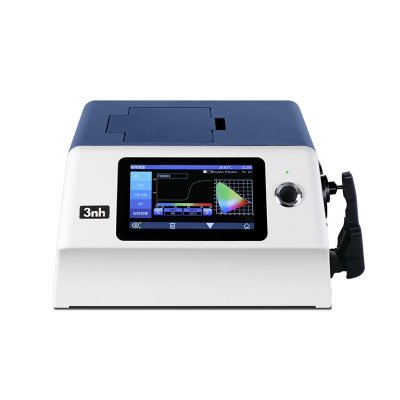
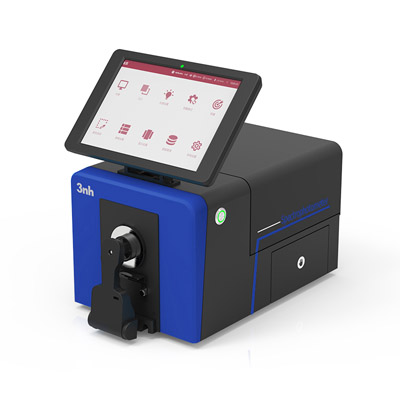
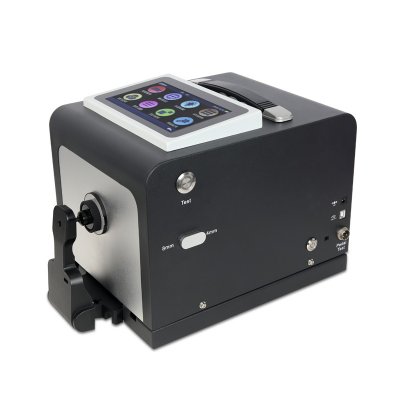
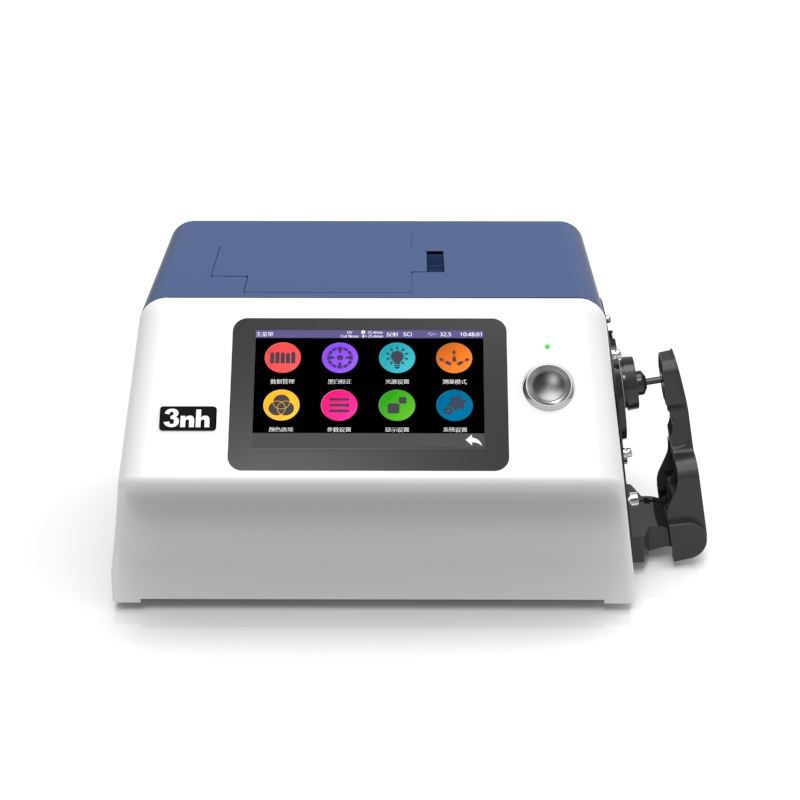
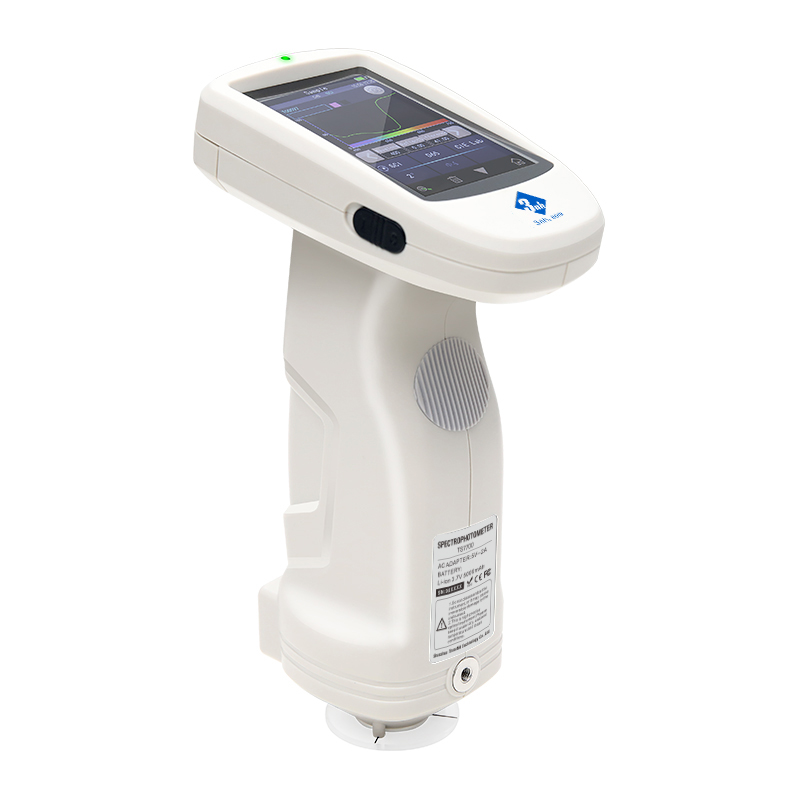
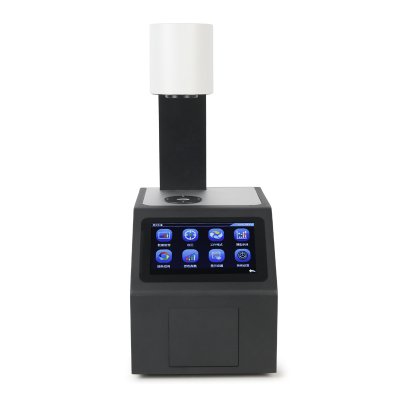
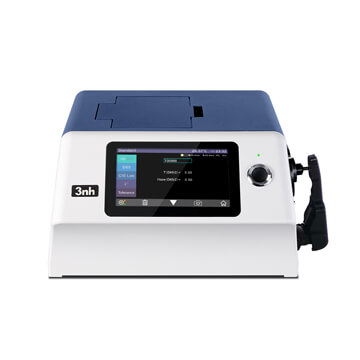
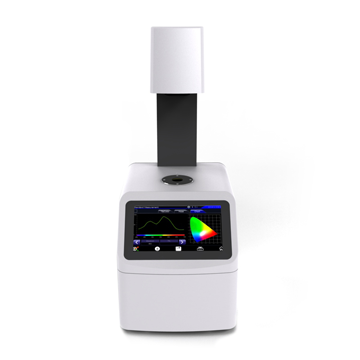
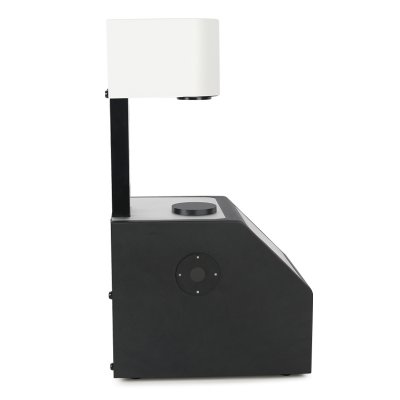
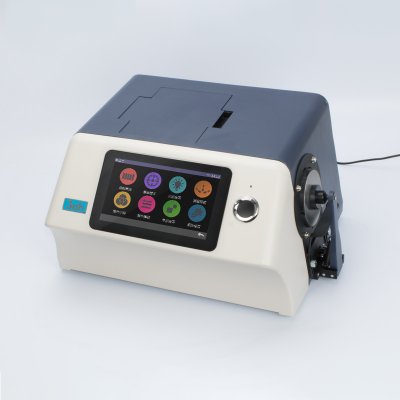
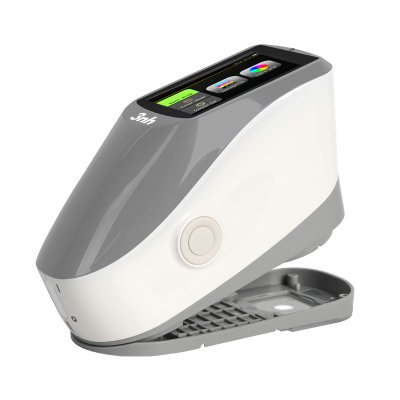
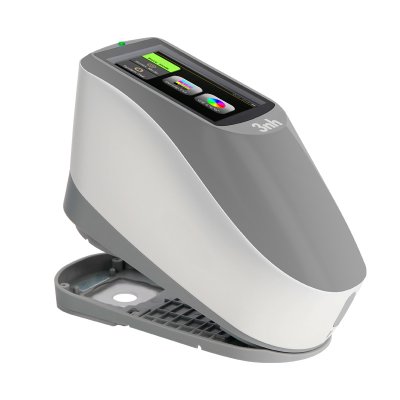
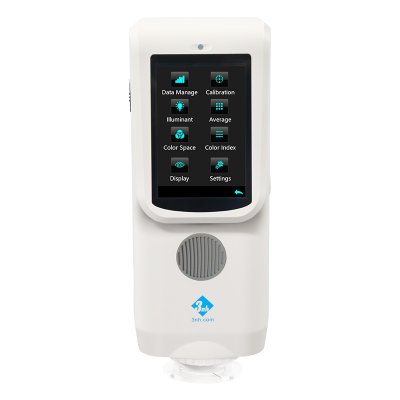
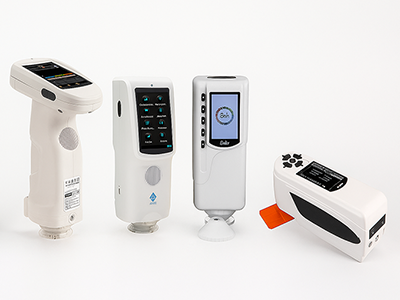
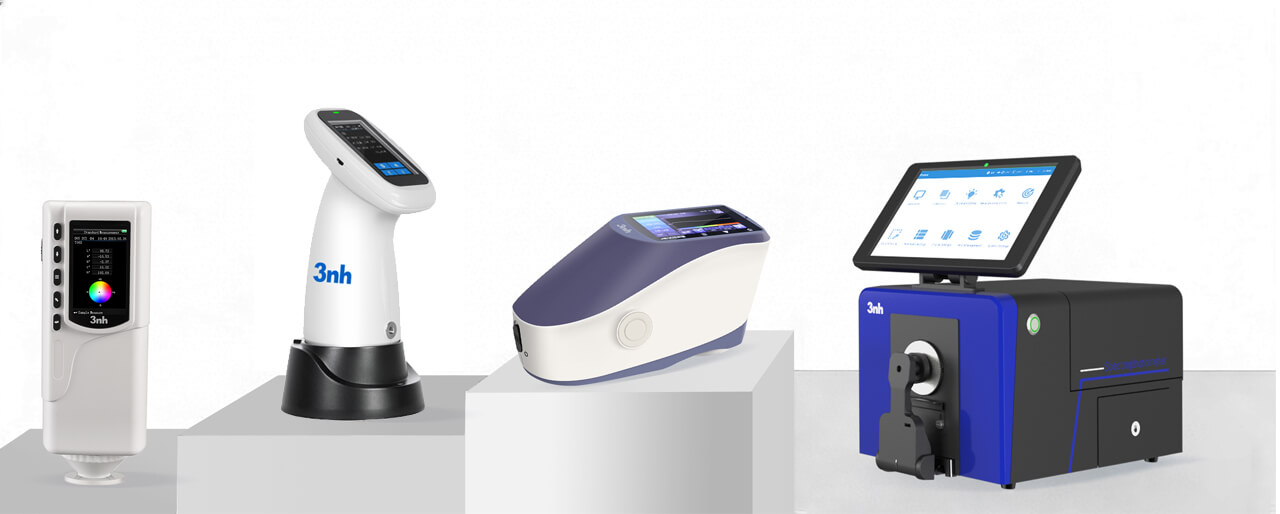
As a Chinese colorimeter manufacturer, 3nh designs and manufactures a wide range of precision colorimeters, portable colorimeters, and spectrophotometers to meet different industry needs. Whether you require a compact and lightweight portable colorimeter for on-site measurements or a precision colorimeter for high-accuracy laboratory testing, 3nh offers products that ensure accurate color measurement. From cost-effective devices for simple tasks to advanced spectrophotometers for complex color analysis, we have the right solution for you. Contact us to learn more about how we can support your color measurement requirements.


Featured Resources & Insights

Give us a call!

Discuss your project with one of our product specialists:

0086 755 26508999

Need pricing?

We respond to quote requests within 1 business day.

service@3nh.com

Already know what you need?

Submit a demo request for the product you're interested in.

Get a Demo
Leave Your Message
We use cookies to ensure that we give you the best experience on our website. If you continue to use this site we will assume that you are happy with it. Privacy policy