- Главная
-
Основные инструменты



.webp)
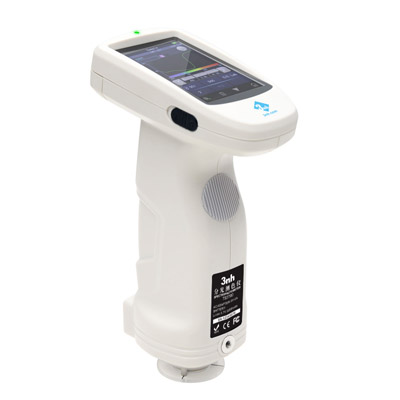
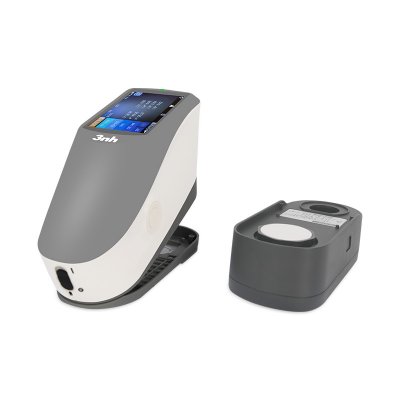
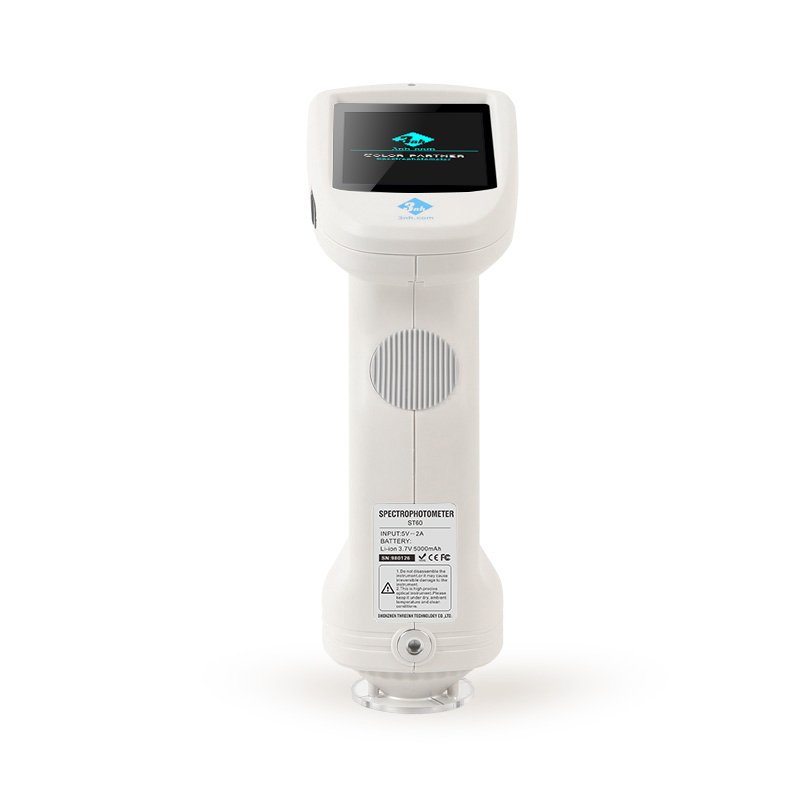
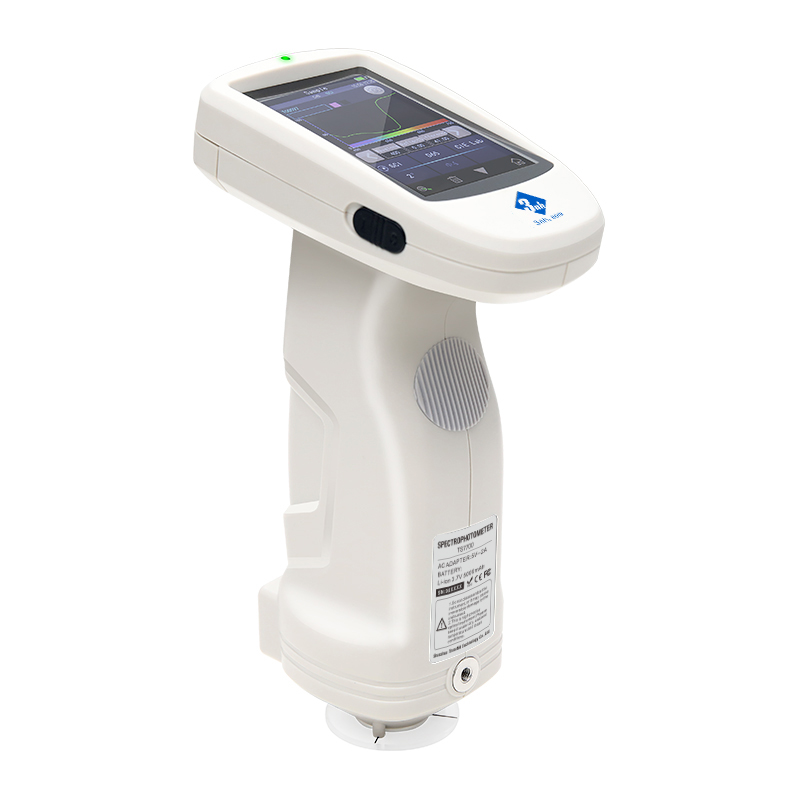
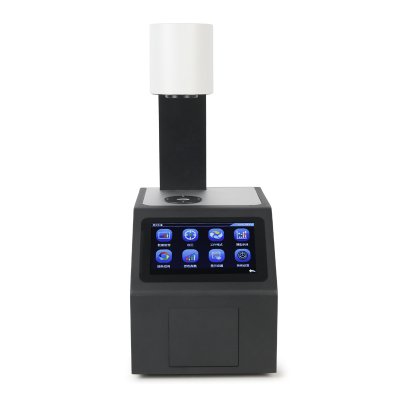
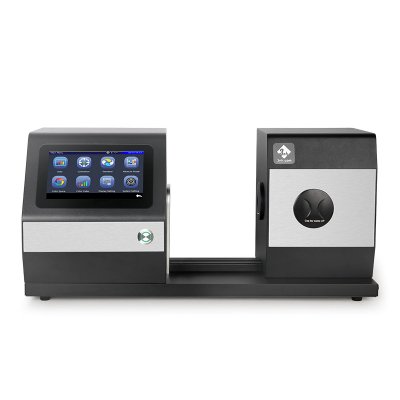
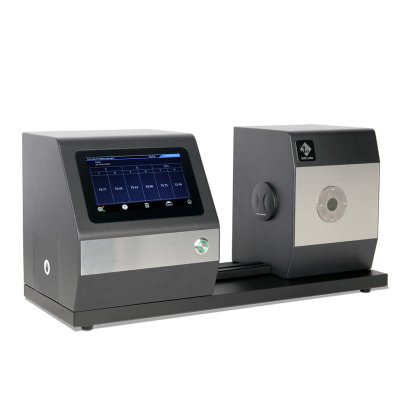
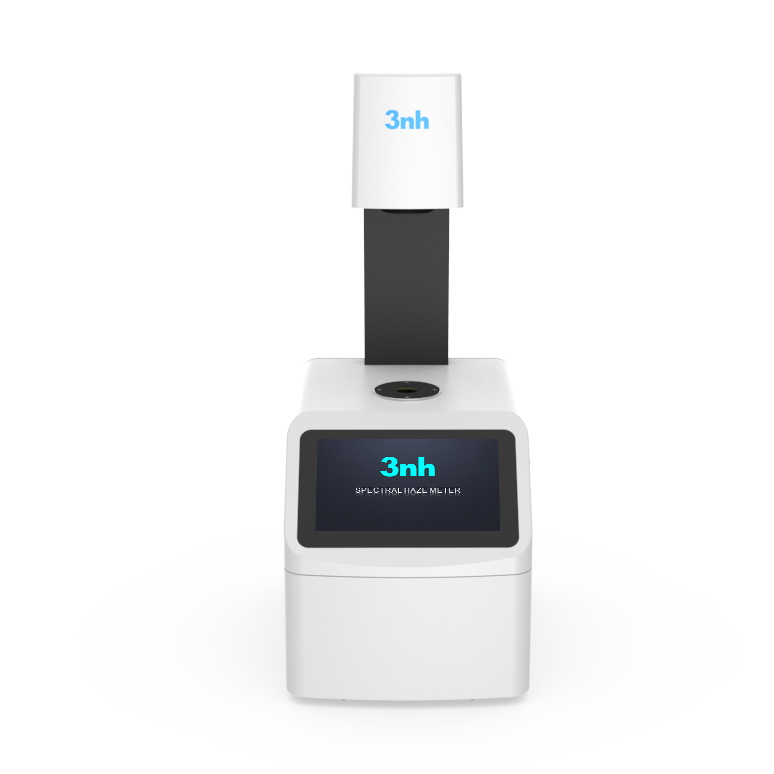
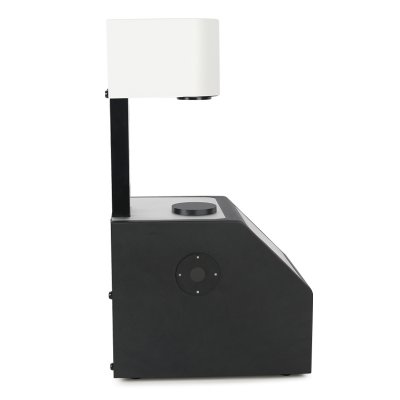
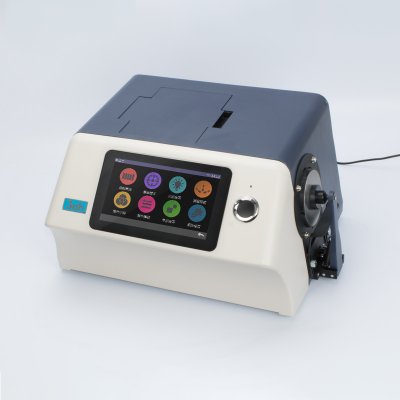
YS6002-M Benchtop Цветный измеритель тумана
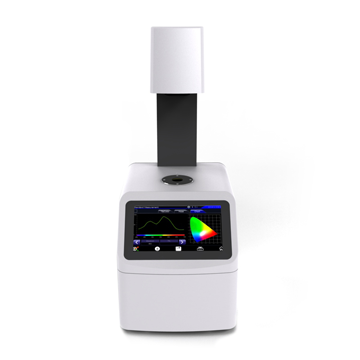
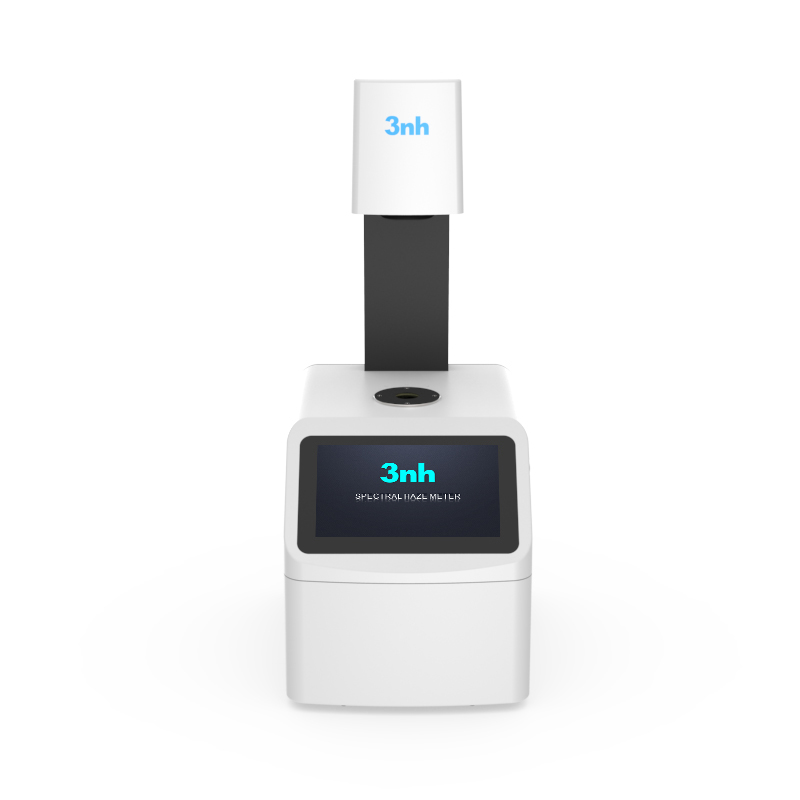
YH1610 Цветный измеритель тумана
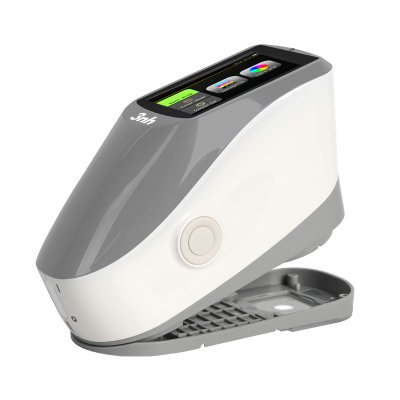
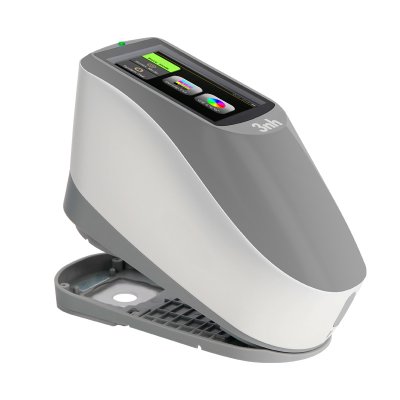
YH1810 Цветный измеритель тумана
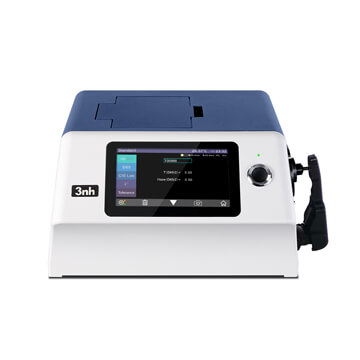

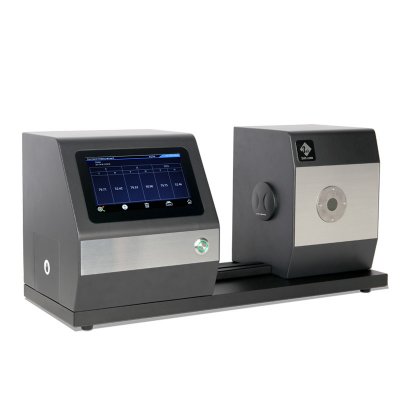
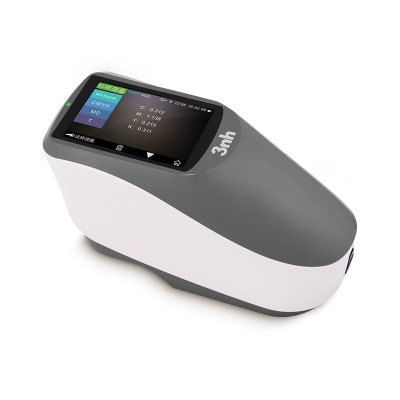
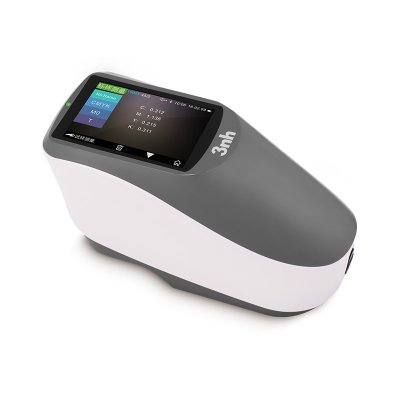
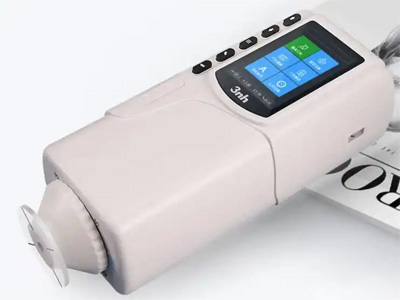
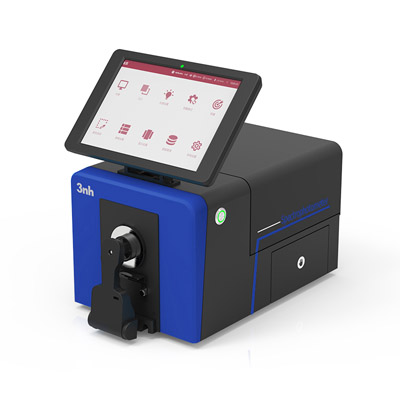
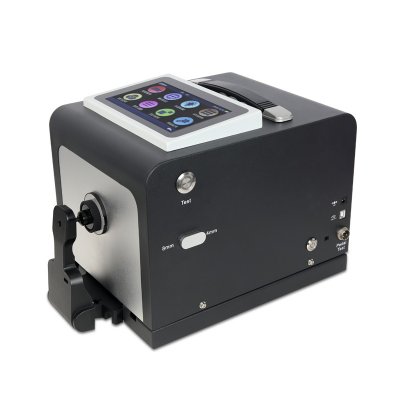
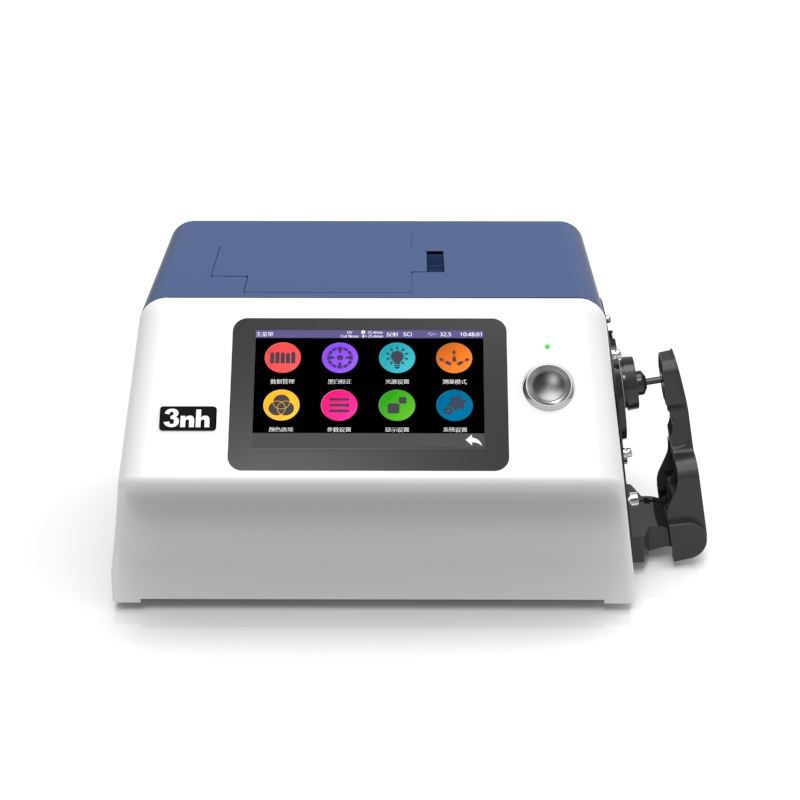
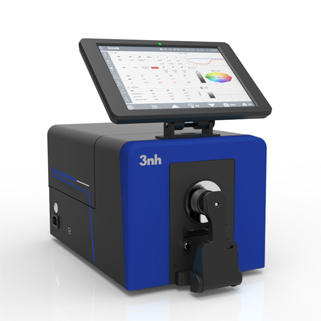
MS3012 Многоугольный спектрофотометр
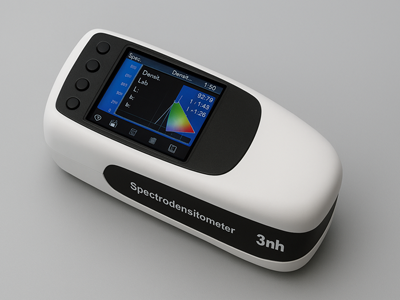
8 Угольный цветной спектрофотометр MS3008
MS3006 Многоугольный спектрофотометр
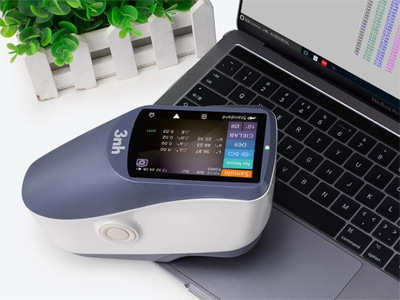
Новый многоугольный спектрофотометр серии KS
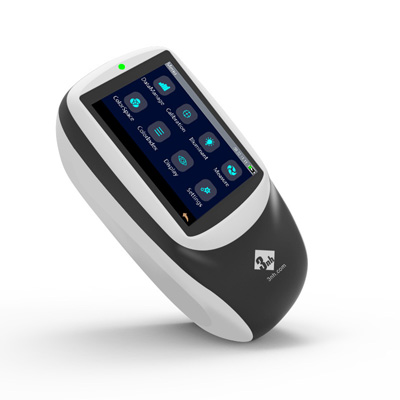
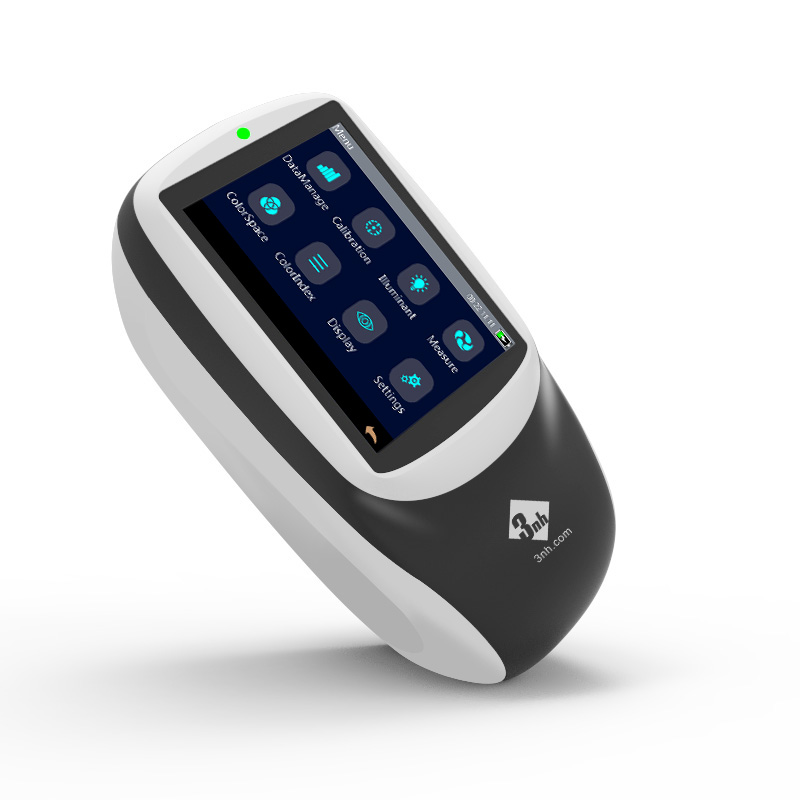
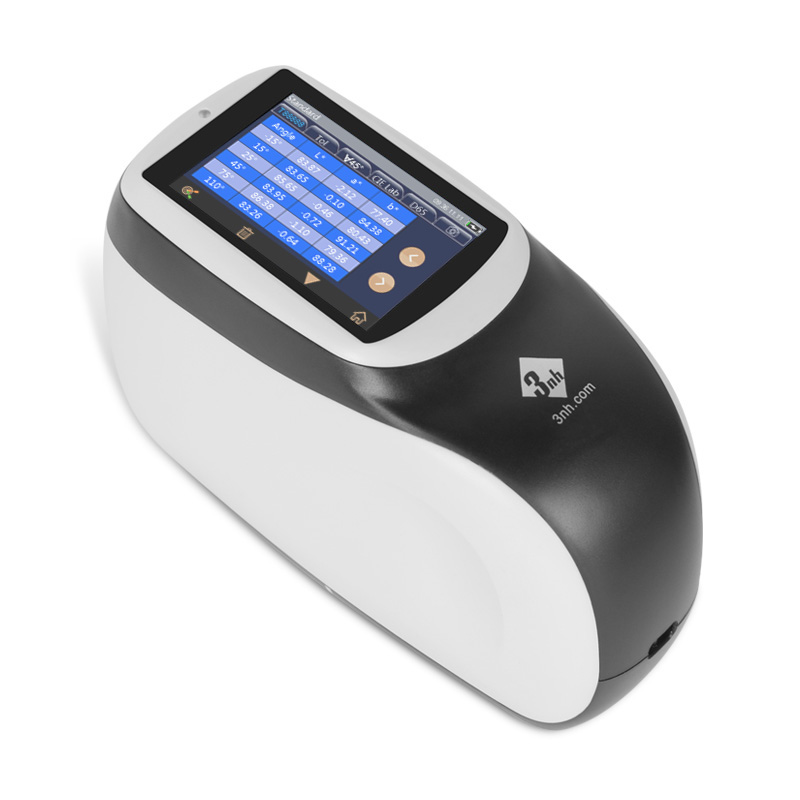
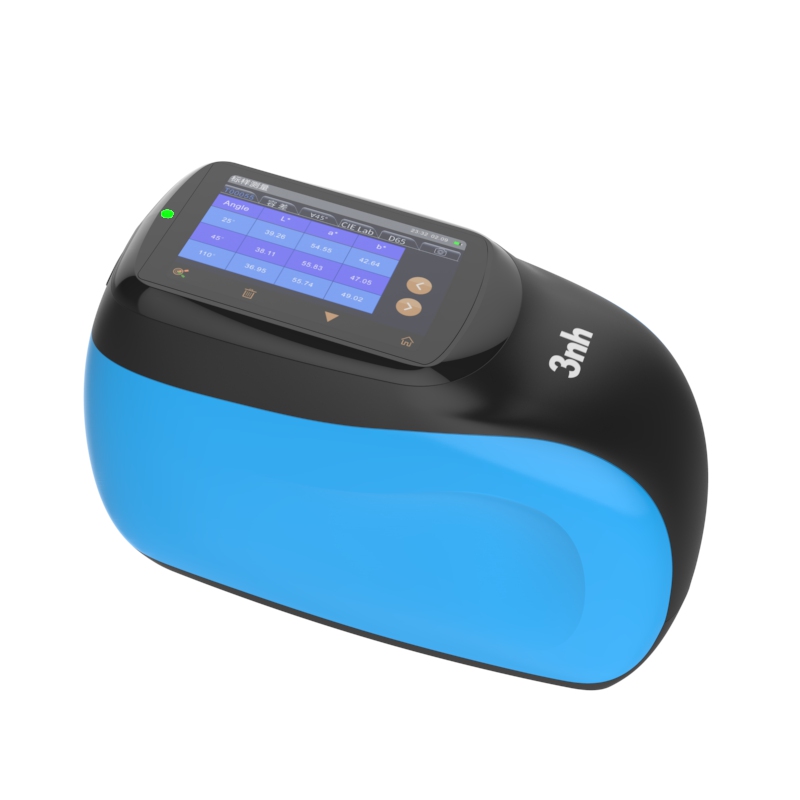
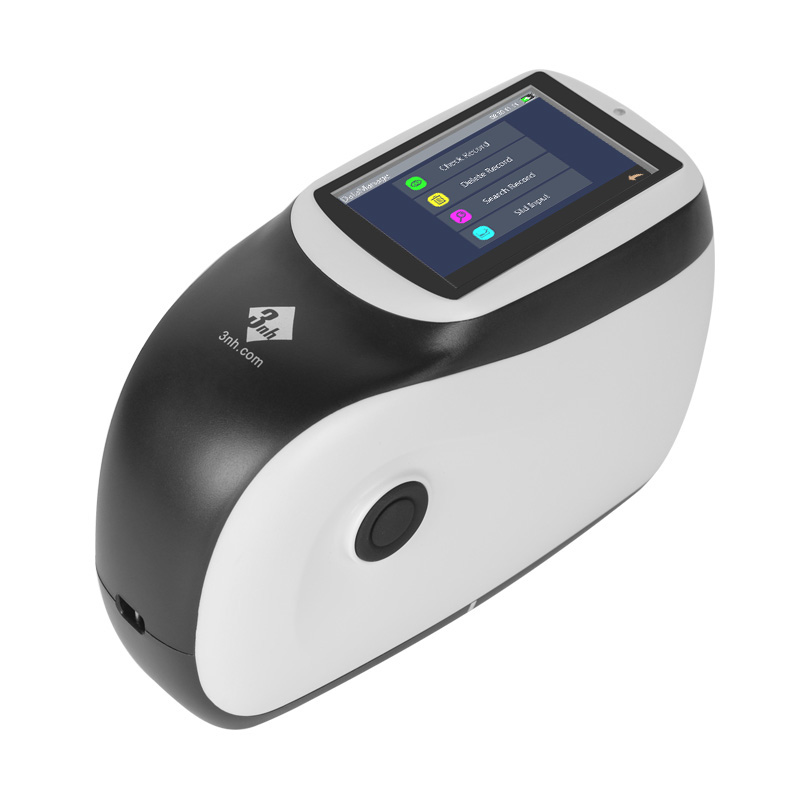
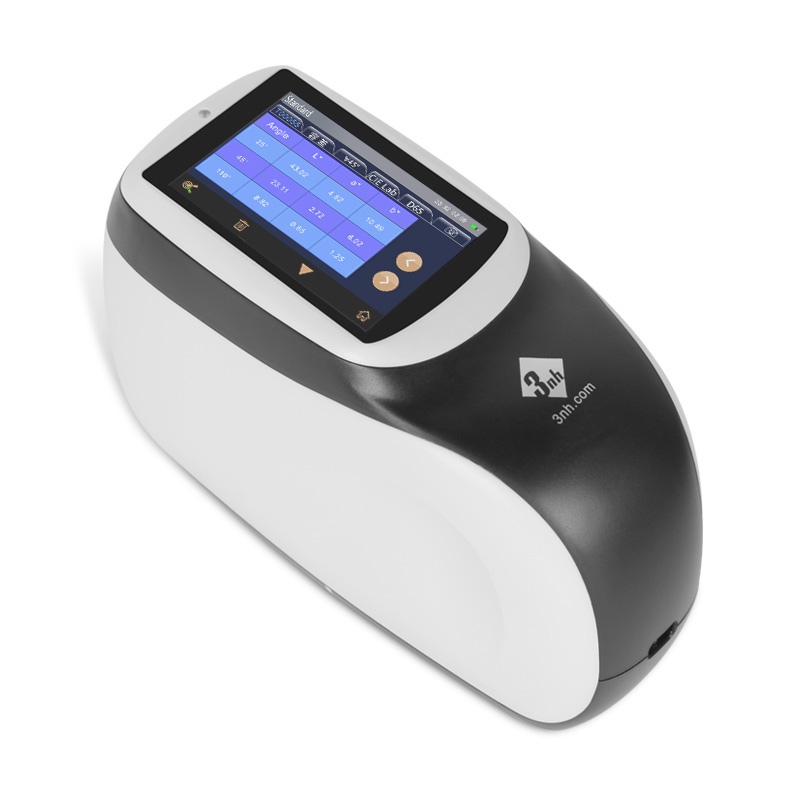
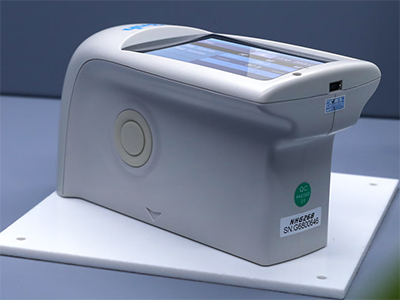
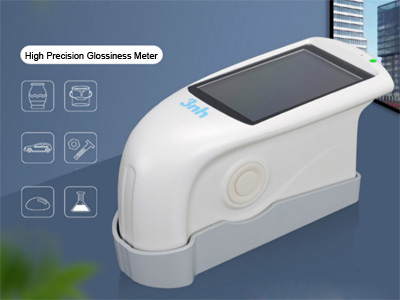
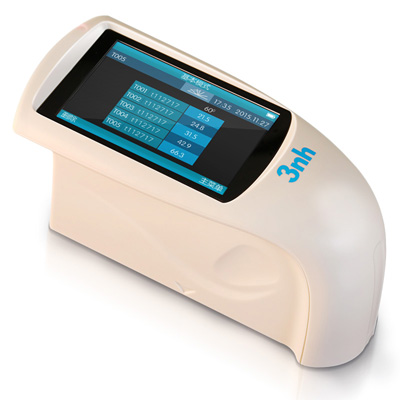
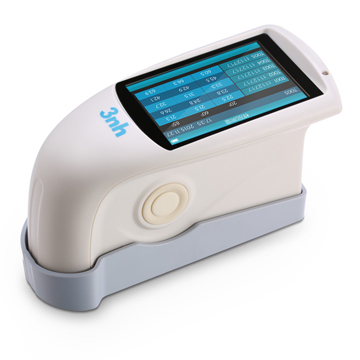
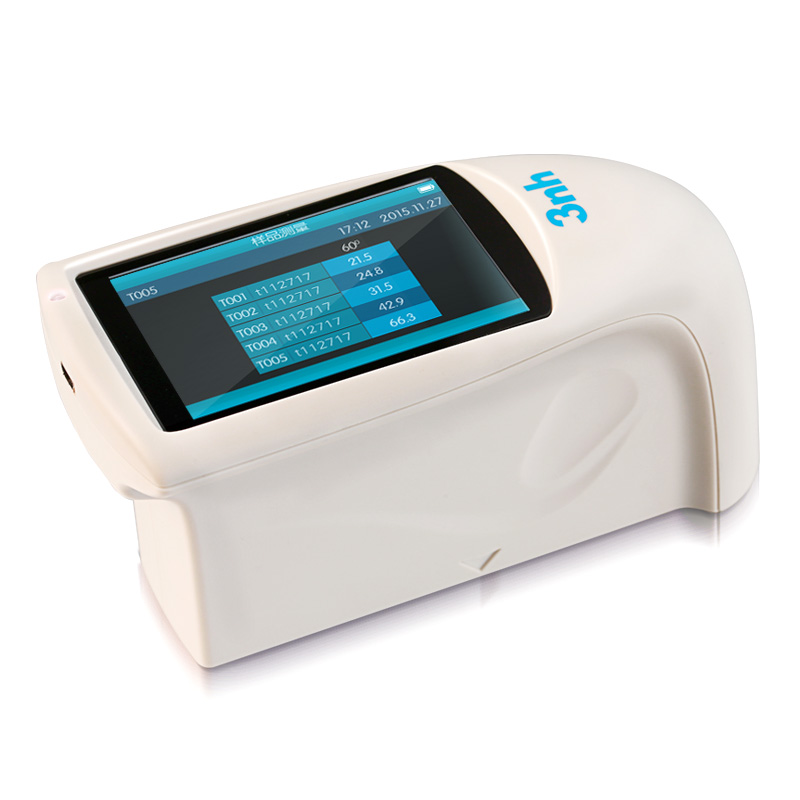
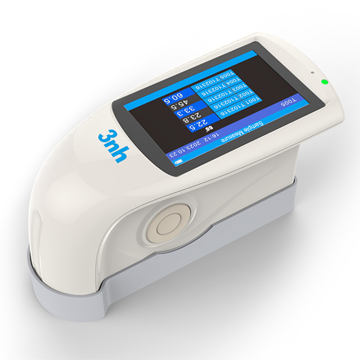
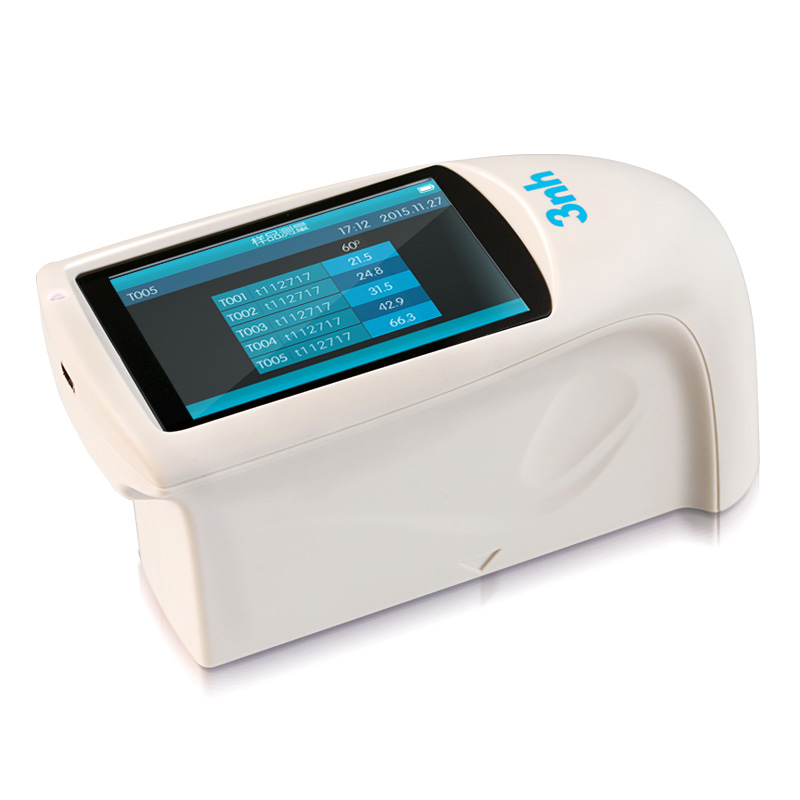
NHG268 Горизонтальный меритель блеска
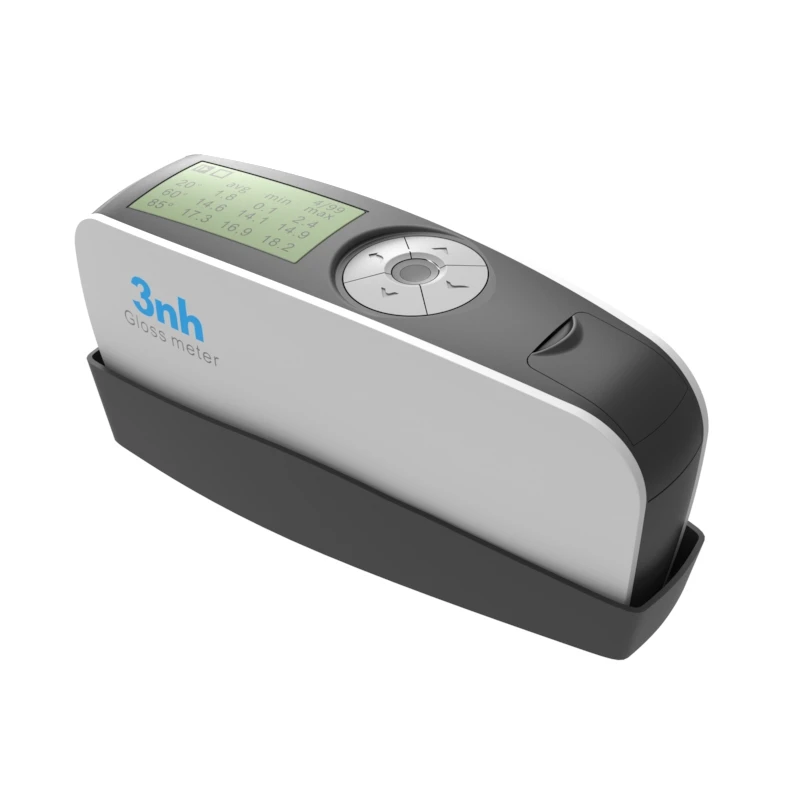
Безконтактный меритель блеска YG60L
HG268 треугольный меритель блеска
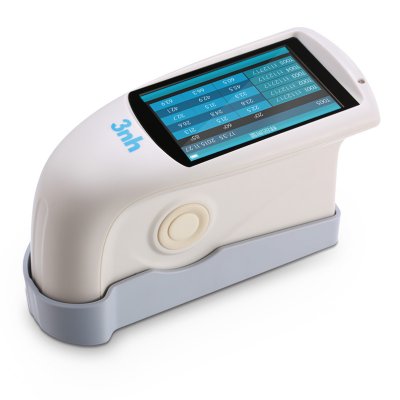
NHG60M малый апертура меритель глянца
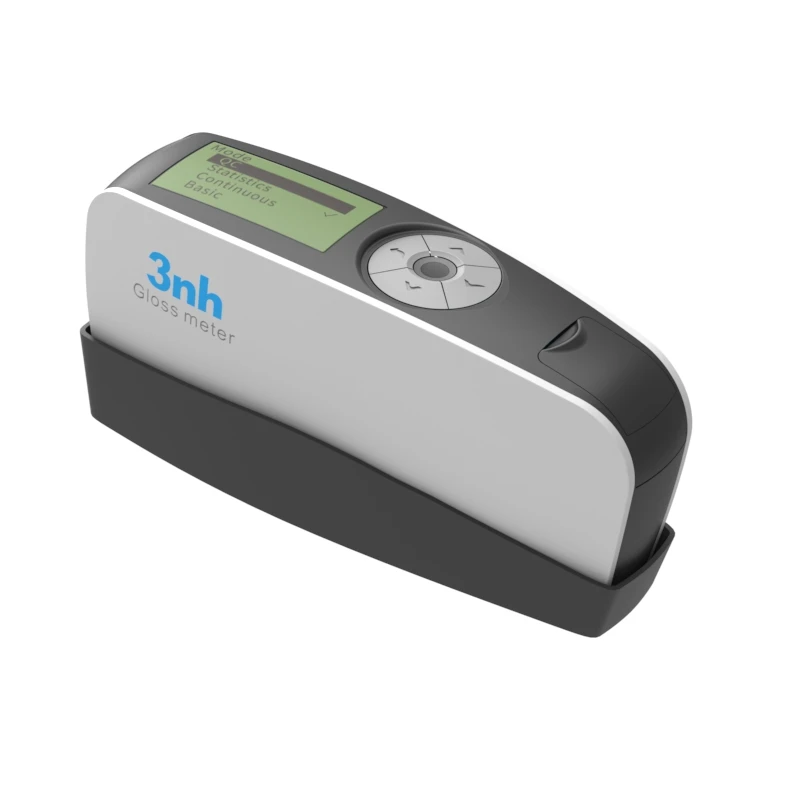
YG60S 60 ° Экономический измеритель блеска
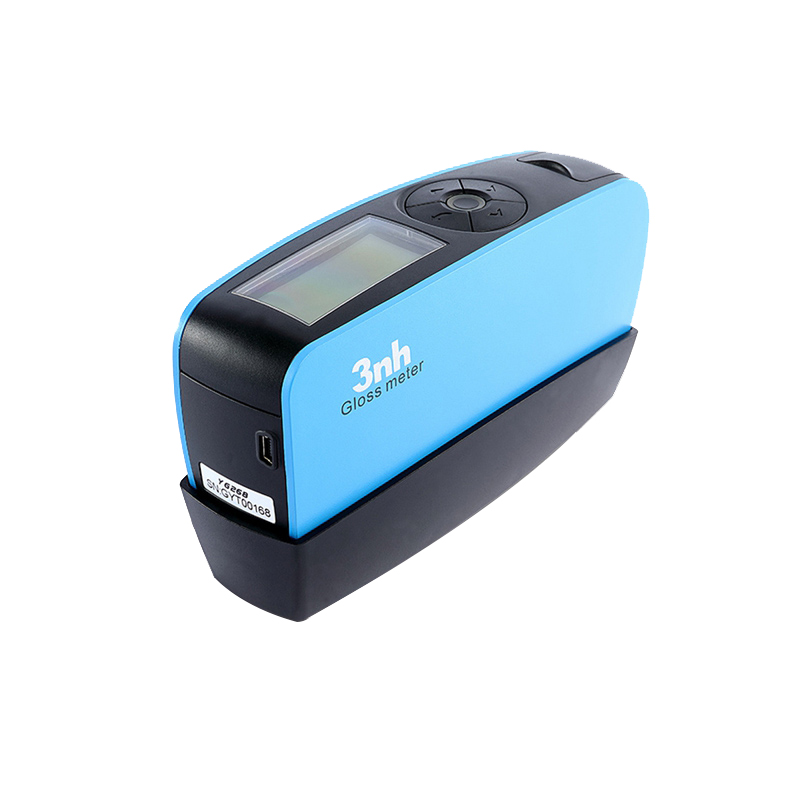
YG268 треугольный меритель блеска

M60 Американский цветной световой стенд
T60B Британская цветная световая коробка
CC120-W висящий свет стенд просмотр
CC120 цвет просмотра световой стол
T60+ цветная световая стенда (обновленная версия)
P120 Oversize цветной световой стенд
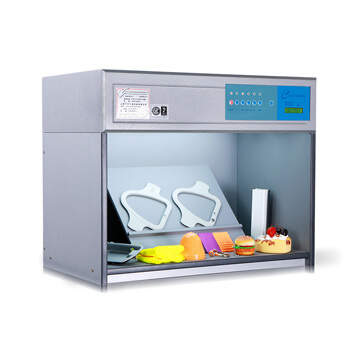
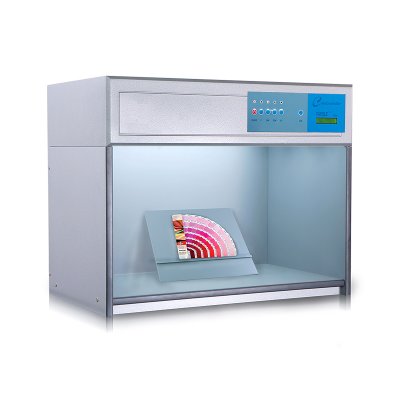
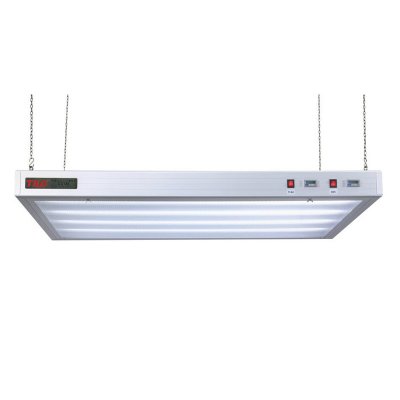
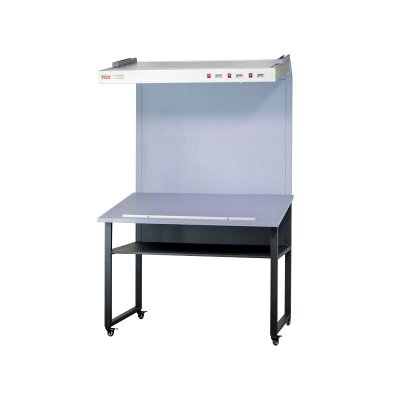
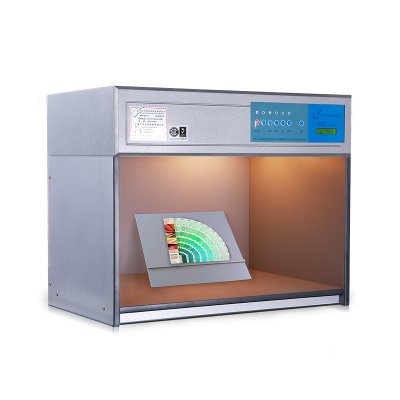
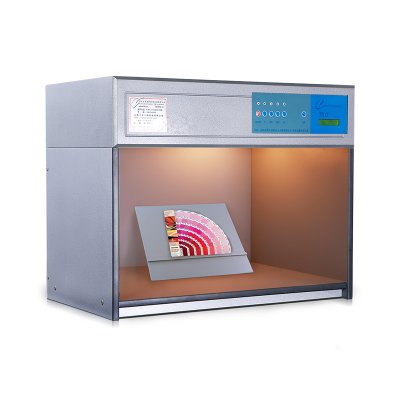
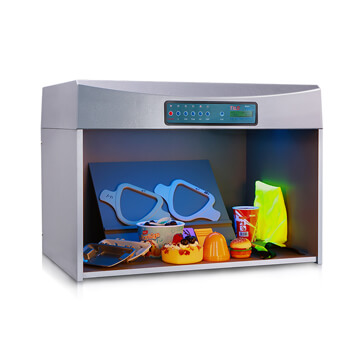
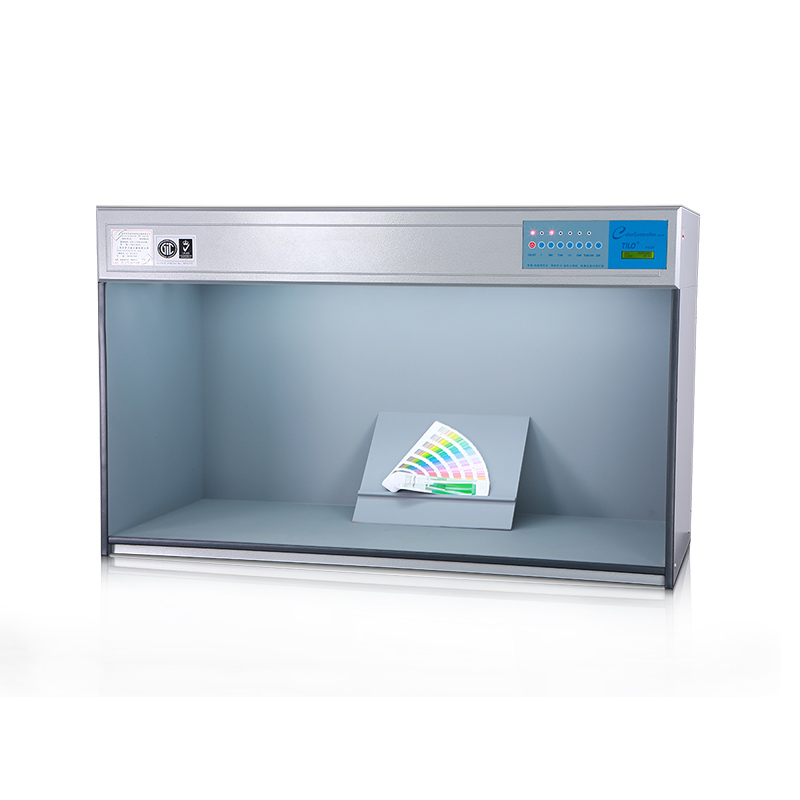
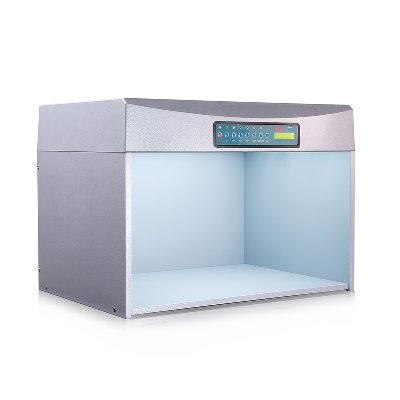
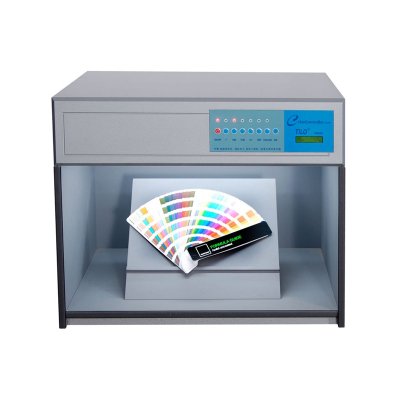
Диаграмма универсального тестирования HDTV
Секторная карта испытаний звезд (36 циклов)
Секторная карта испытаний звезд (72 цикла)
Диаграмма испытаний балансирования белого
Диаграмма испытаний измерения полосы
Диаграмма испытаний бар (IEC 61146)
Тестовая диаграмма критических тонов мяса
Диаграмма испытаний сетки искажения
Черно-белые пролитые монеты (мертвые листья)
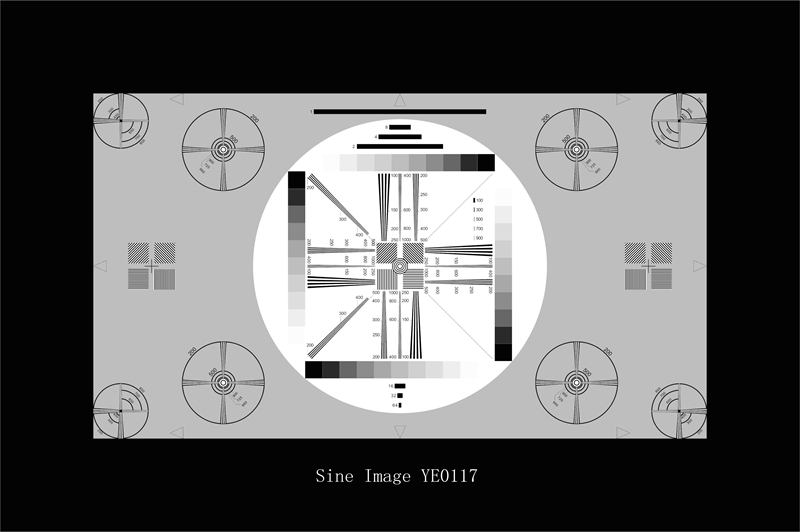




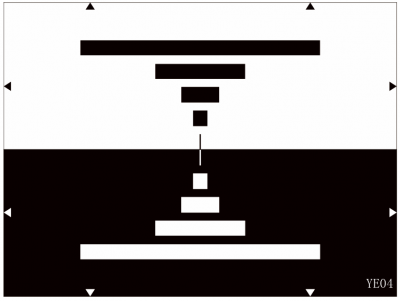

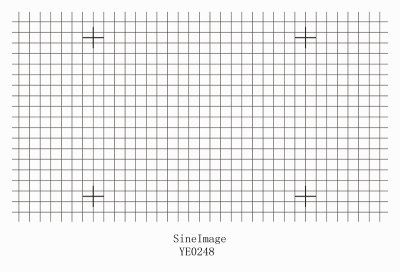
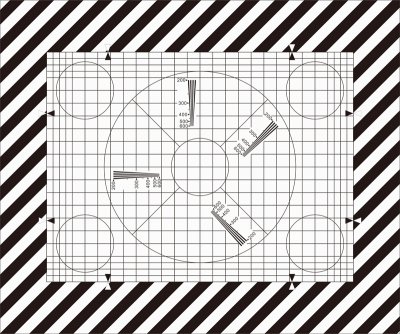
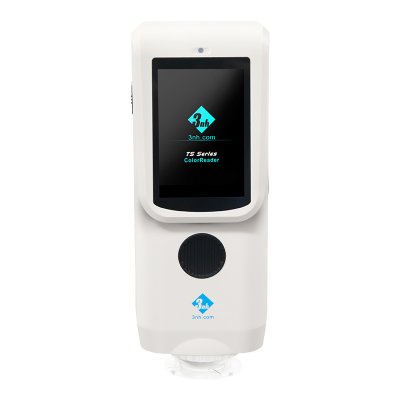
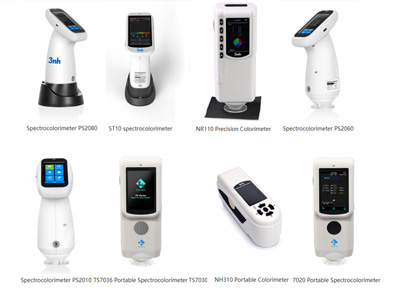
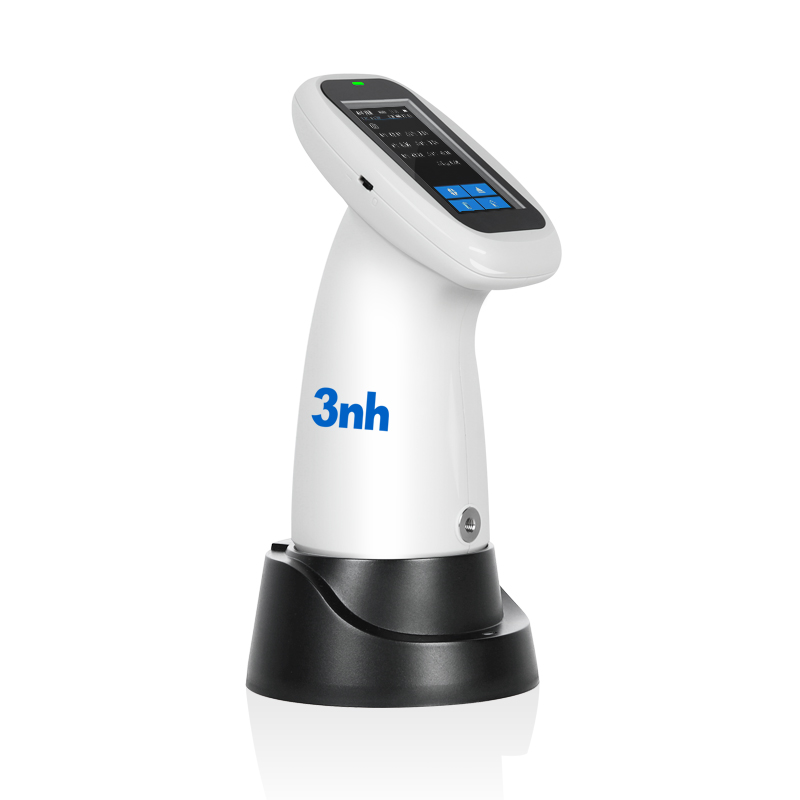
TS7036 Точный спектроколориметр
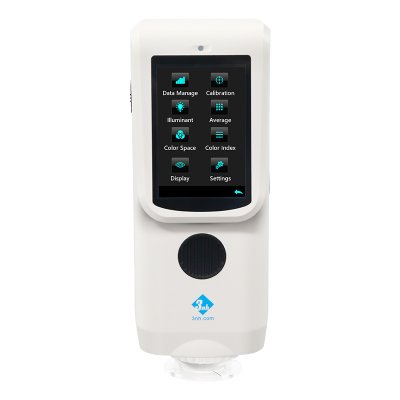
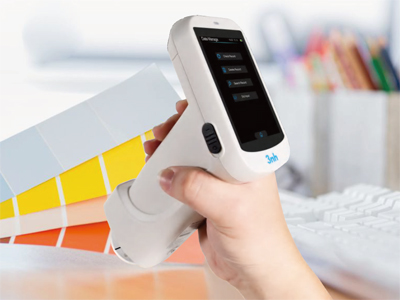
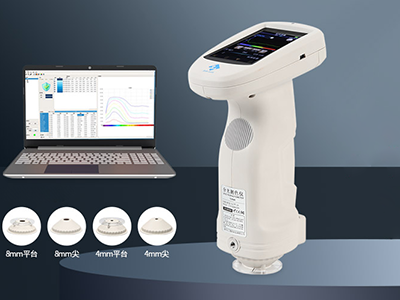
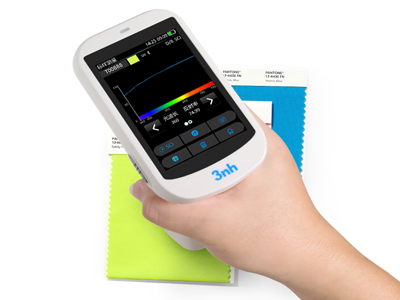
TS7030 Портативный спектроколориметр
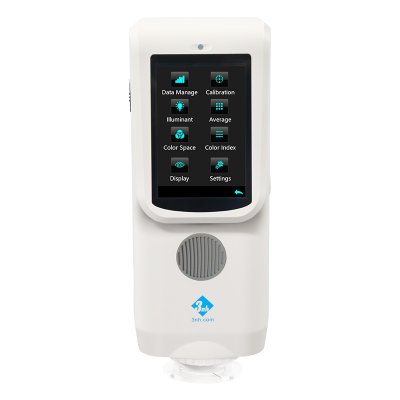
TS7020 портативный спектроколориметр
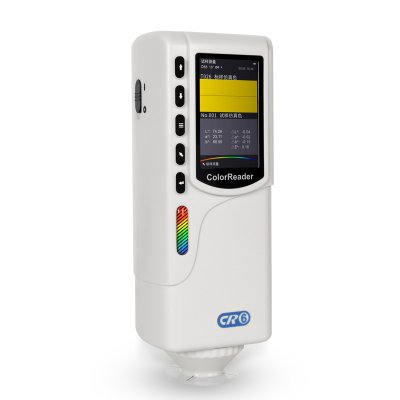
TS7010 портативный спектроколориметр
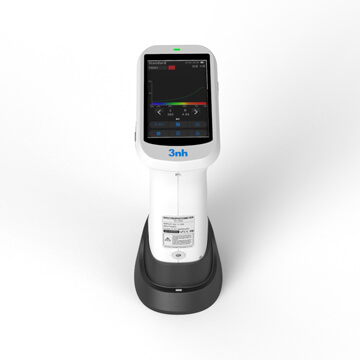


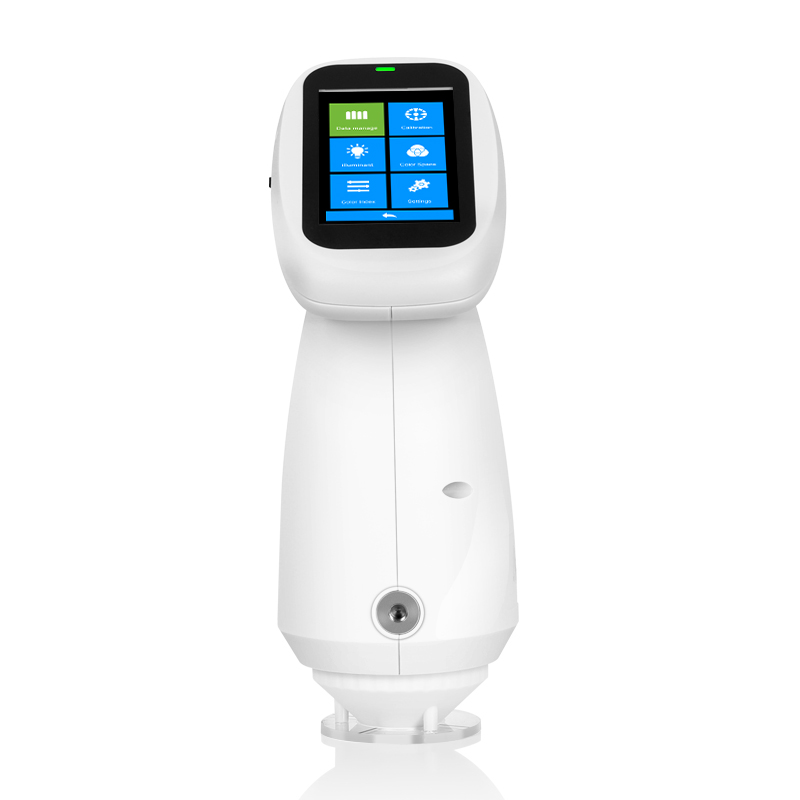
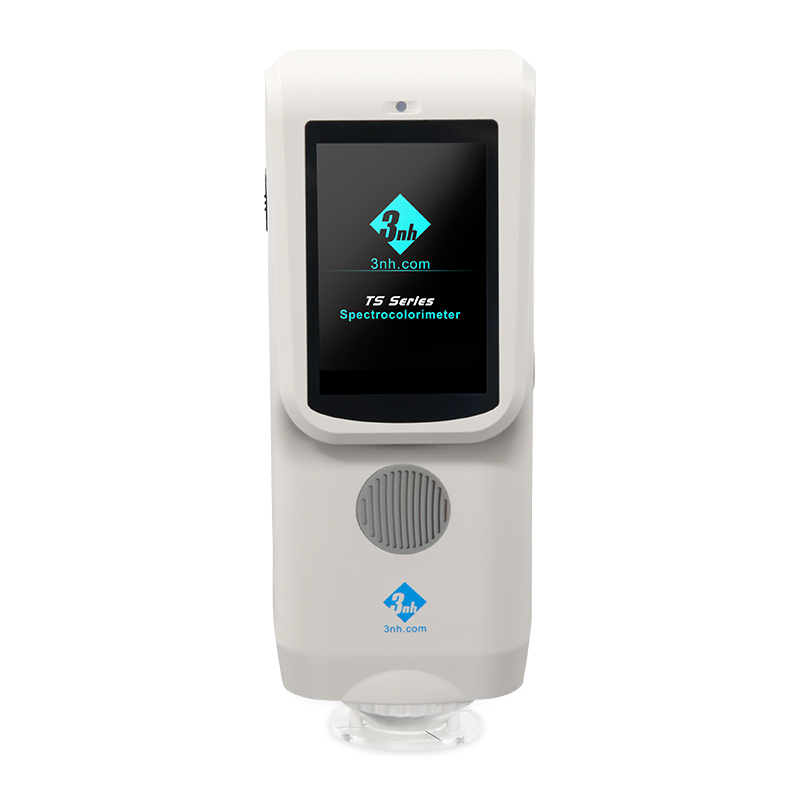
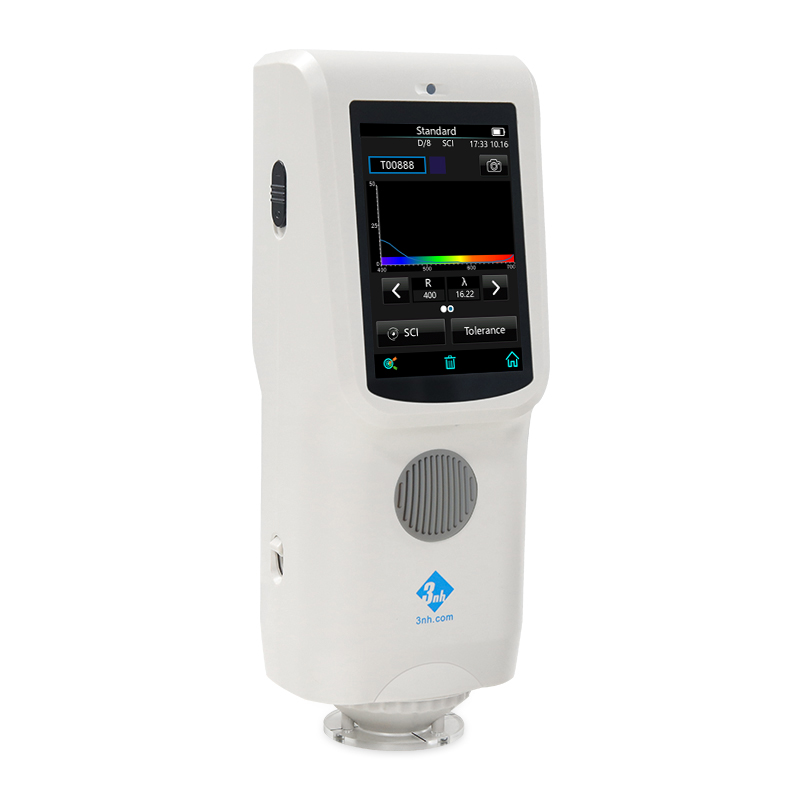
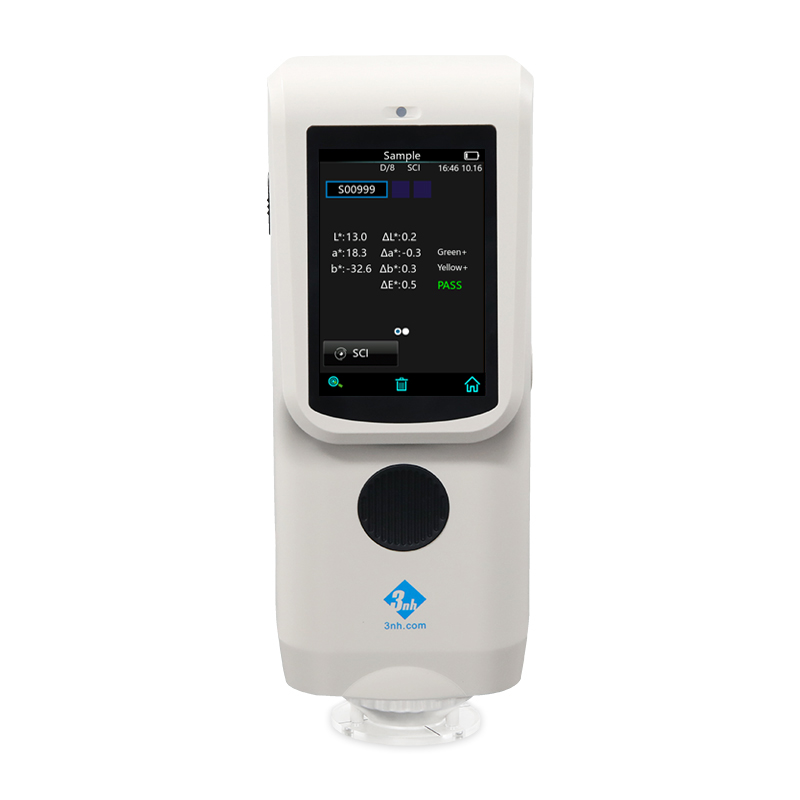
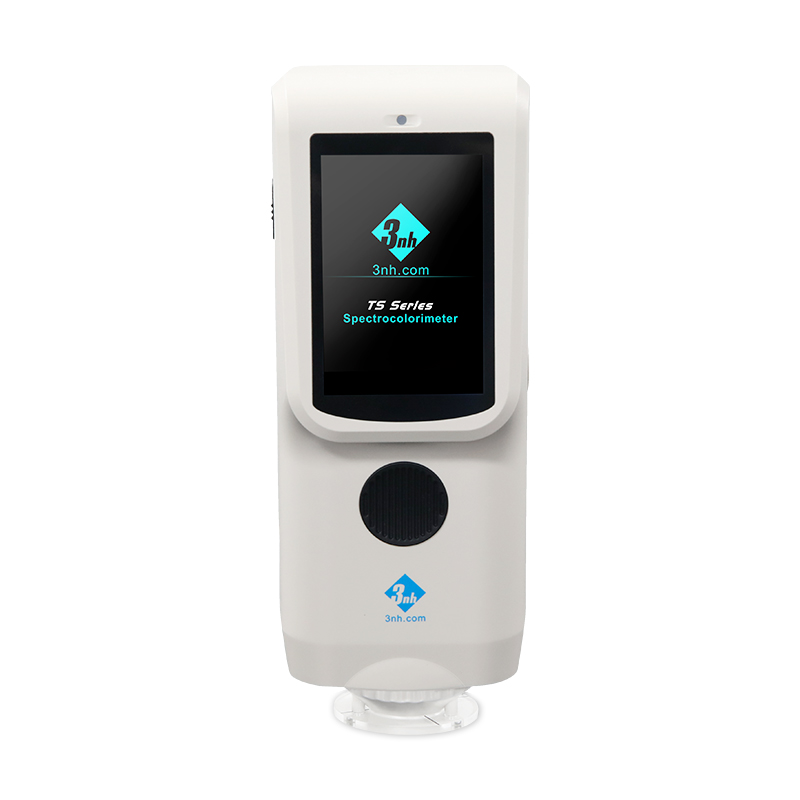
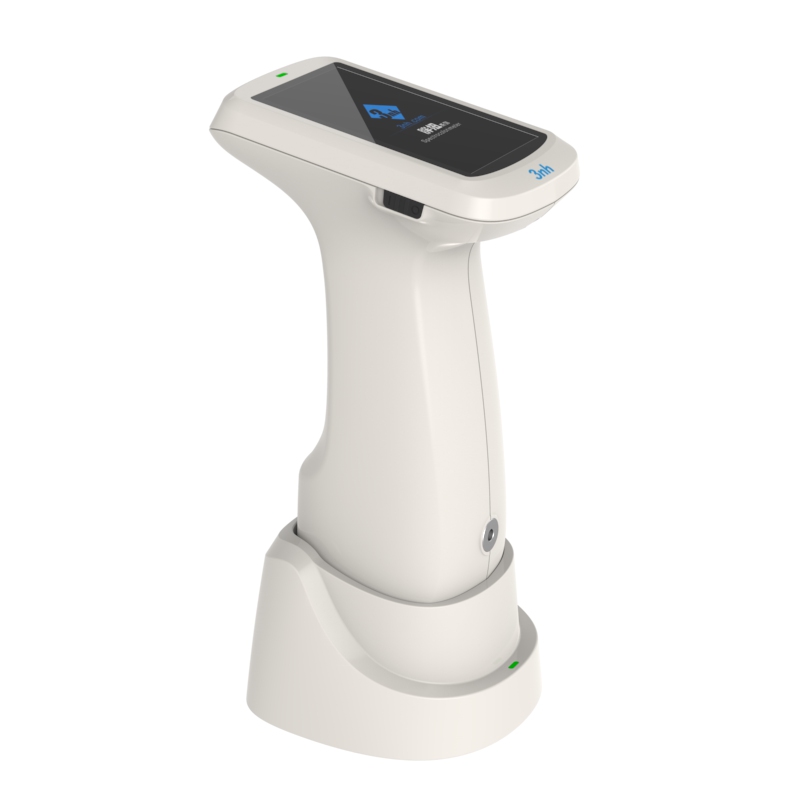
.webp)
.webp)
-
Инновационное решение
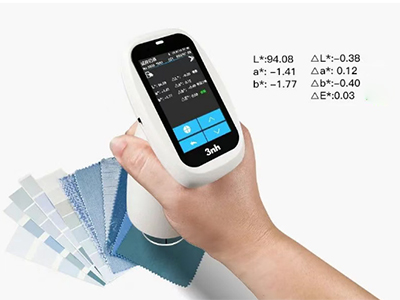
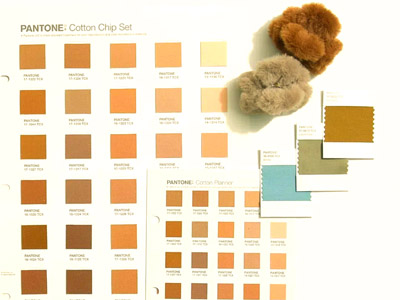
В процессе производства текстиля последовательность цвета является сложной и легко влияет на различные факторы, а тестирование цвета и управление является ядром для обеспечения качества и последовательности продукции.

В производстве автомобилей и автозапчастей последовательность цвета и точность имеют решающее значение, поскольку они непосредственно влияют на внешний вид автомобиля, имидж бренда и удовлетворенность клиентов.

В промышленности пластмасс измерение цвета имеет решающее значение, в основном для обеспечения последовательности продукта, поддержания имиджа бренда, укрепления контроля качества и повышения удовлетворенности клиентов.

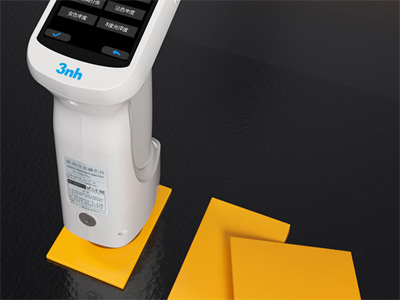
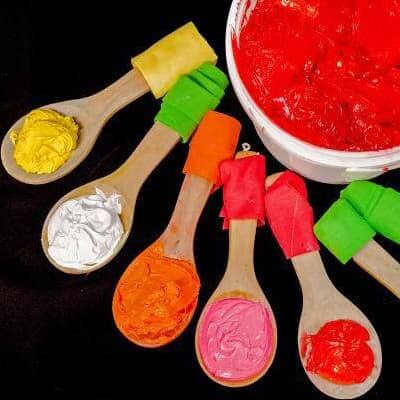
Управление цветом в покрытиях является ключом к поддержанию качества продукции и конкурентоспособности на рынке.
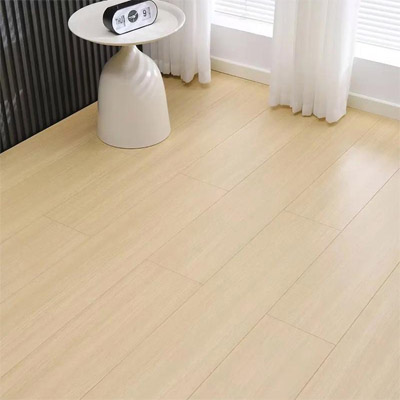
Обеспечение точного цвета в решениях строительных материалов; Управление цветами в индустрии строительных и декоративных материалов имеет решающее значение для обеспечения эстетической привлекательности, последовательности и конкурентоспособности продукции на рынке.
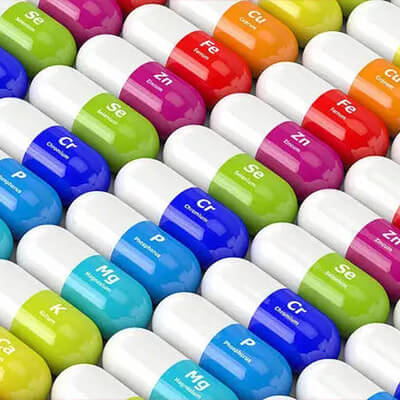
Управление цветом медицинских материалов является ключом к обеспечению функциональности и безопасности продукта.
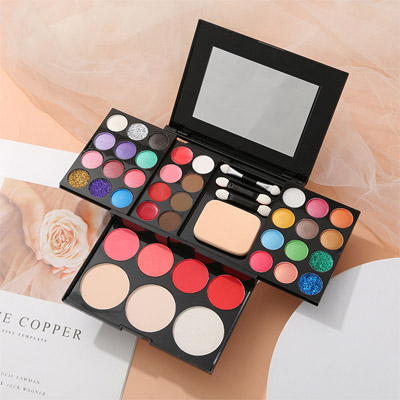
В косметической промышленности цветовое тестирование является ключом к обеспечению качества продукции и имиджа бренда, и имеет решающее значение для разработки продукции и производительности рынка. 3nh предоставляет услуги в косметическом измерении цвета, лидер Китая в области управления цветом, измерения и контроля, предлагает косметические спектрофотометры, дентиметры, колориметры и программное обеспечение для измерения цвета.
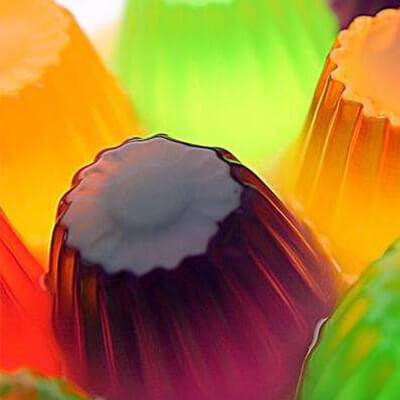
Тестирование цвета играет ключевую роль в продуктовой и пищевой промышленности, поскольку цвет не только влияет на внешний вид и привлекательность продукта, но и отражает его качество и свежесть.
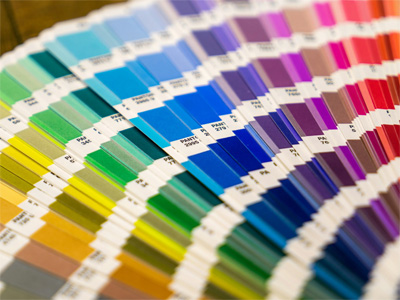
Важность управления в упаковочной, печатной и бумажной промышленности отражается в нескольких ключевых областях. 3nh предоставляет услуги в области измерения цвета печати, 3nh является лидером Китая в области управления цветом, измерения и контроля, предлагает спектрофотометры печати, дентитометры, колориметры и программное обеспечение для измерения цвета.

Решения лаборатории испытаний изображений, индивидуальная лаборатория испытаний изображений Sine Image оснащена широкоугольными испытательными световыми коробками, 7 наборами фиксированных цветовых температурных испытательных световых коробок, различными тестовыми диаграммами (такими как тестовые диаграммы тона кожи, тестовые диаграммы разрешения, тестовые диаграммы искажения, субъективные тестовые диаграммы реальной сцены и т.д.), держат Его решения и продукты для тестирования широко используются в таких отраслях, как мониторинг безопасности, автомобильная визуализация, фотография, медицинская визуализация, телевизоры и компьютеры, мобильные телефоны и дроны для проверки качества изображения.

-
Сервис и поддержка
Часто задаваемые вопросы о внешних и цветовых измерительных приборах, На этой странице вы найдете несколько часто задаваемых вопросов и советов, которые актуальны для подавляющего большинства нашего оборудования измерительных приборов. У вас есть вопросы о продукции Threenh?
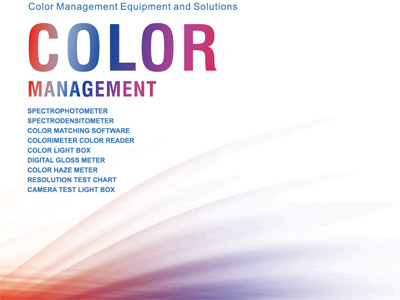
Каталоги, брошюры, флайеры, сертификаты, техническая информация и многое другое; Любое требование к документам, пожалуйста, скачать здесь, чтобы достичь хорошего понимания для колориметров, цветового спектрофотометра, глянцевого измерителя, продукции шкафа для оценки цвета, Threenh Technology является компанией по точному прибору, посвященной исследованиям и разработкам, производству, продажам и техническому обслуживанию.
IQstest - это программное обеспечение для тестирования изображений, разработанное компанией SINE IMAGE 3nh, имеет многолетний опыт в инспекции изображений, поддерживает диаграммы разрешения, всеобъемлющие диаграммы, диаграммы динамического диапазона, серые шаговые диаграммы, диаграммы искажения, цветовая проверка, белые диаграммы, диаграммы баланса, диаграммы Fov, пользовательские диаграммы.

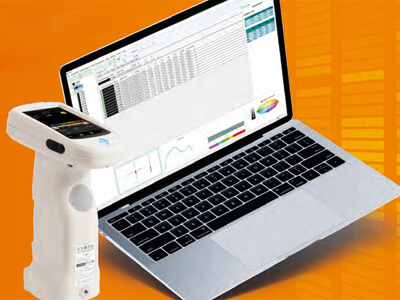
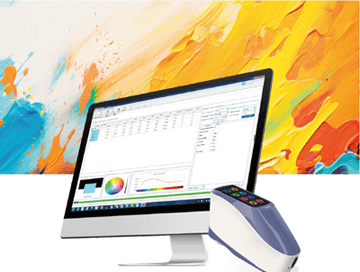
Программное обеспечение для совпадения цвета PeColor, фокусирующееся на общем цветовом решении, спектрофотометр + PeColor, сделайте совпадение цвета настолько легким!
Threenh предлагает вам качественное послепродажное обслуживание. Нужно устранение неполадок, ремонт или контракт на обслуживание? Свяжитесь с нашими командами! Условия гарантии 3NH; Guangdong Threenh Technology Co., Ltd. (далее именуемая «3NH») предоставляет ограниченный период гарантийного обслуживания клиентам (далее именуемым «клиентом»), которые приобрели продукты, изготовленные 3NH (далее именуемые «Продукт») в соответствии с условиями настоящей Гарантионной политики (далее именуемой «3NH»).

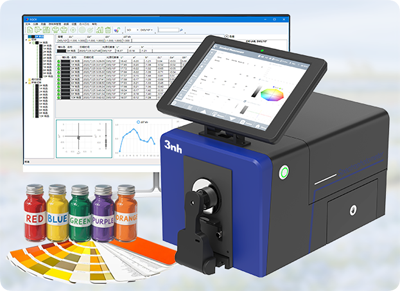
3nh предлагает различные решения программного обеспечения для контроля качества цвета. Ниже приведены некоторые общие программы программного обеспечения и их соответствующая информация: Вот введение в программное обеспечение контроля качества 3nh

Оборудите свою команду доступными высокопроизводительными корлориметрами и спектрофотометрами, адаптированными к вашему уникальному бизнесу. Согласно требованию клиента обеспечить персонализированный дизайн и услуги ODM, помогая клиентам повысить конкурентное преимущество своего бренда. Свободно настройте свой инструмент сейчас!
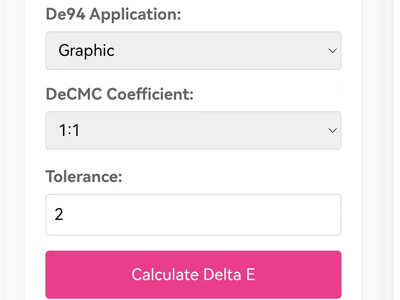
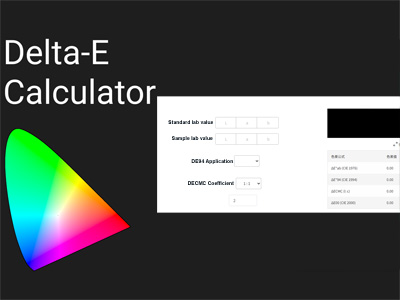
Он включает в себя преобразование значений CIE Lab стандартного цвета и цвета образца. Этот инструмент позволяет найти правильное цветовое различие, добавив цифры в формулу CIEDE2000 (CIE 2000) после ввода этих значений.
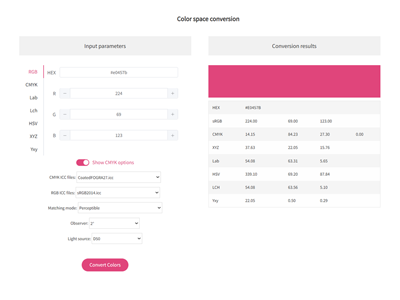
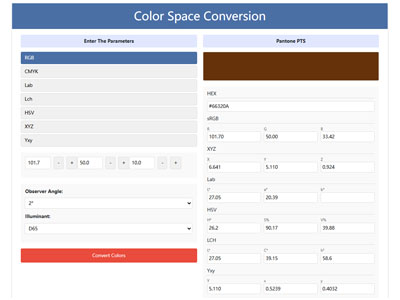
Бесплатный цветовый конвертер: цветовая трансформация одним кликом, конвертация RGB CMYK HEX Lab Lch HSV XYZ одним кликом, профессиональные инструменты цветового пространства, легко конвертировать RGB CMYK HEX Lab Lch HSV XYZ в Pantone (PMS) Попробуйте наш инструмент, простое точное преобразование цветового пространства с нашим конвертером
-
Ресурсы
3NH Company News Center, Новости и события, захватывающие события, наш информационный центр служит динамичным центром последних событий и событий в компании и отрасли, в которой мы процветаем. Здесь вы получите эксклюзивные представления о нашем непрерывном стремлении к инновациям и совершенству. Лидер управления цветами 3NH Последние новости
Последние новости о продукте от лидеров в области управления цветами, Будьте в курсе всех последних новостей от Threenh! Откройте для себя наши последние инновации, объявления о найме, новые продукты, пресс-релизы и многое другое.
Откройте для себя новейшие технологические новости и измерительные продукты от технологии threenh. Покупайте инновационные технологические решения или измерительные приборы для вашего бизнеса сейчас! Независимо от того, что вы хотите измерить, мы сделали основу, чтобы помочь вам найти правильный инструмент измерения цвета.
Получите основные знания цвета с помощью технологии threenh. Исследуйте умные решения для ваших бизнес-потребностей. Свяжитесь с нами сегодня! Здесь вы найдете предстоящие цветные технологии и стартапы по всему миру.
Что такое передаваемость
Что делает цветостойкость
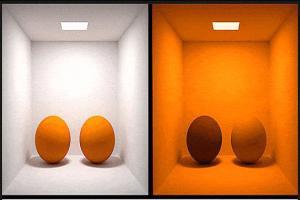
Что такое метамеризм?
Цвет Гарднера
Что такое Delta E?
3 Основные цвета3NH Industry News Center, Новости и события, захватывающие события, наш новостный центр служит динамичным центром последних событий и событий в отрасли, в которой мы процветаем. Здесь вы получите эксклюзивные представления о нашем непрерывном стремлении к инновациям и совершенству. Улучшите ваше понимание тестирования цвета и точного контроля качества неясных приложений
-
О Threenh
Отправьтесь в виртуальное путешествие по нашему современному производственному объекту. Станьте свидетелями точности и эффективности наших производственных линий, когда они оживляют наши высококачественные приборы и другие передовые продукты.

Предоставляем решения для различных рынков, поставляя нашим клиентам полный спектр продуктов измерительных приборов и услуг ODM. От тщательного снабжения материалами до точной сборки и строгих проверок качества каждый шаг тщательно организован для обеспечения эффективности, последовательности и соответствия международным стандартам.

Название счета: Guangdong ThreeNH Technology Co., Ltd.

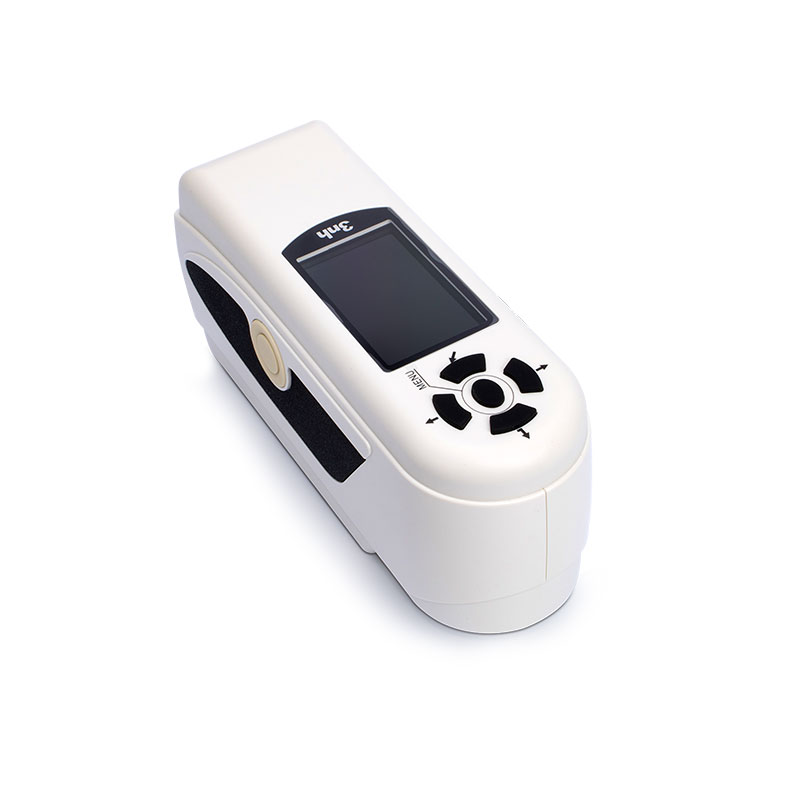
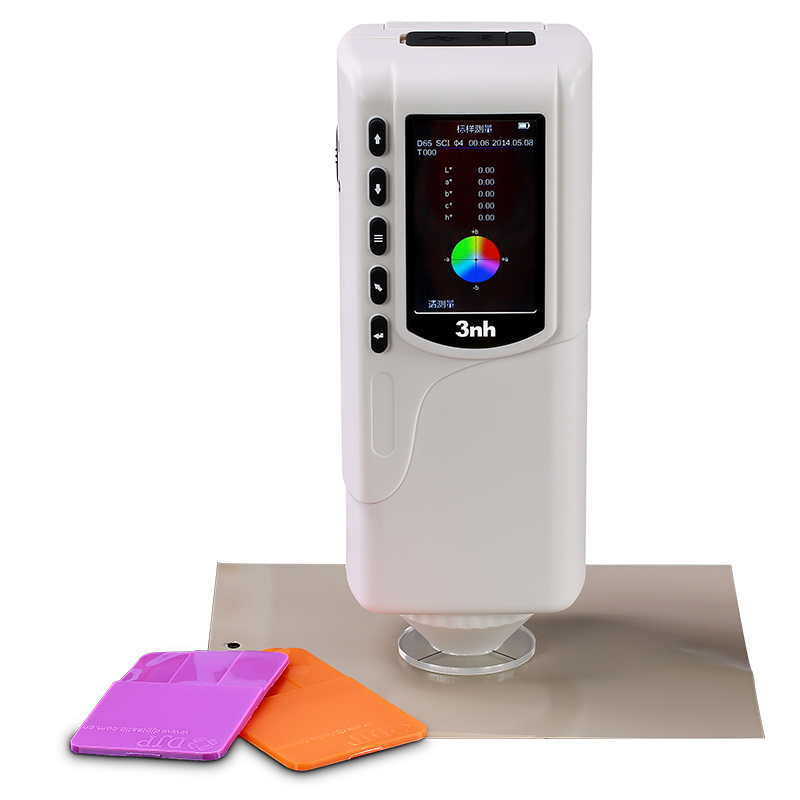
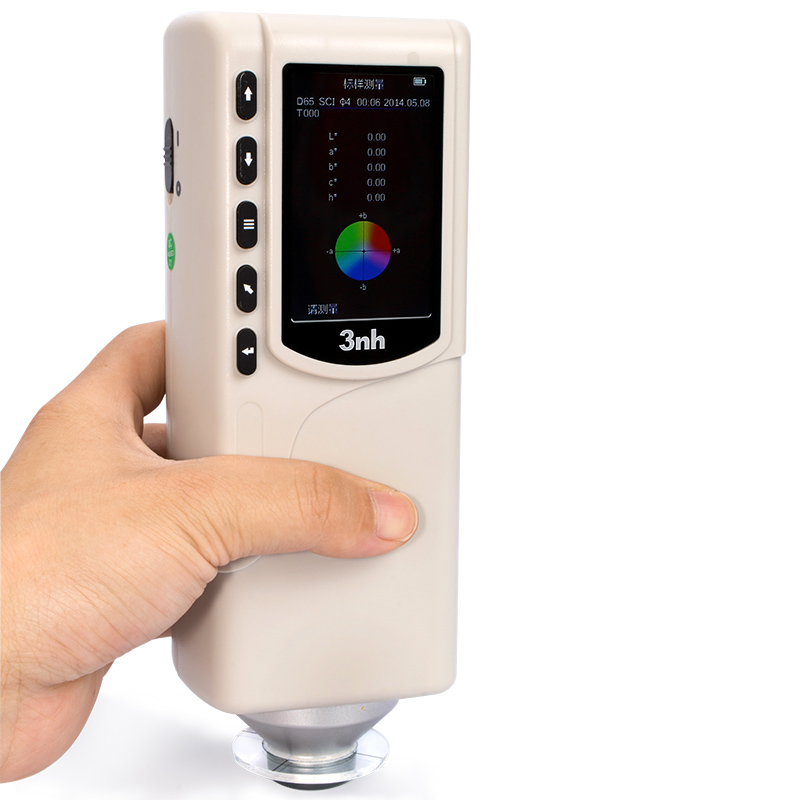
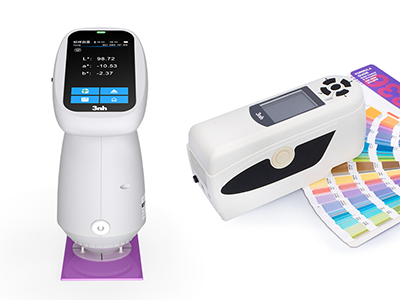
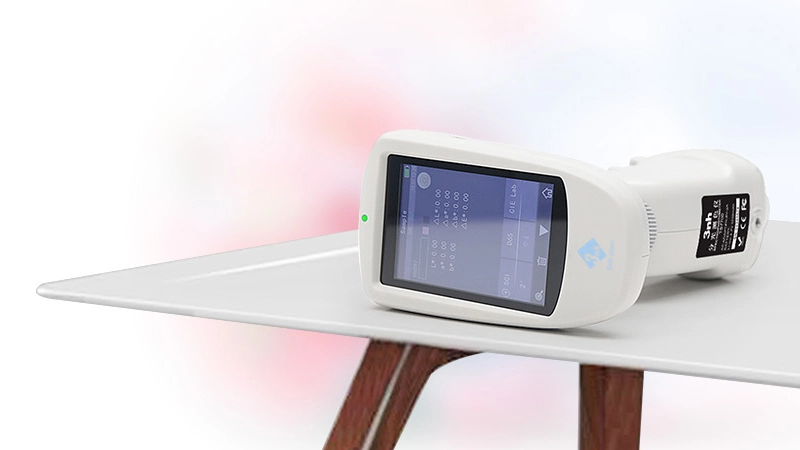
Список продуктов приборов для измерения цвета, широкий спектр цветометров, приборы для измерения цвета 3NH являются серией высокопроизводительных инструментов, предназначенных для точного обнаружения цвета, анализа и контроля качества в различных отраслях промышленности. Оснащен передовыми оптическими датчиками и интеллектуальной технологией обработки данных
-
Контакты
3NH активно расширяет свою международную дистрибьюторскую сеть в автомобильной промышленности, текстильной и одежной промышленности, печати и бумаги, пластмассе, краске и покрытиях, строительных материалах, химической и фармацевтической промышленности, косметике, пищевой и сельскохозяйственной промышленности. Мы ищем технически способных, приверженных и ориентированных на рост партнеров, которые хотят строить долгосрочный успех вместе.