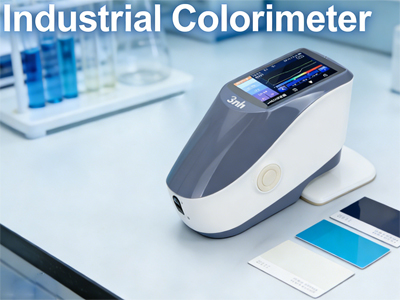
Home>Resources>Industry NewsTextile Colorimeter: Complete Guide for Fabric Color Matching & Textile Quality Control

Textile Colorimeter: Complete Guide for Fabric Color Matching & Textile Quality Control

1. What Is a Textile Colorimeter?

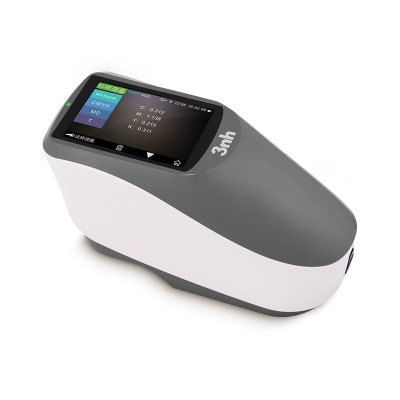
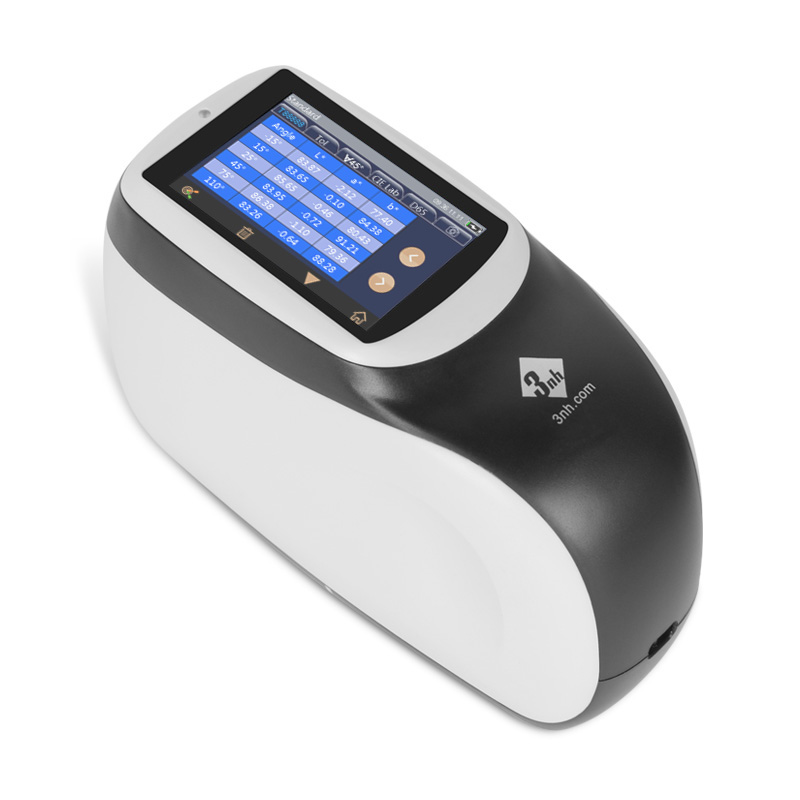
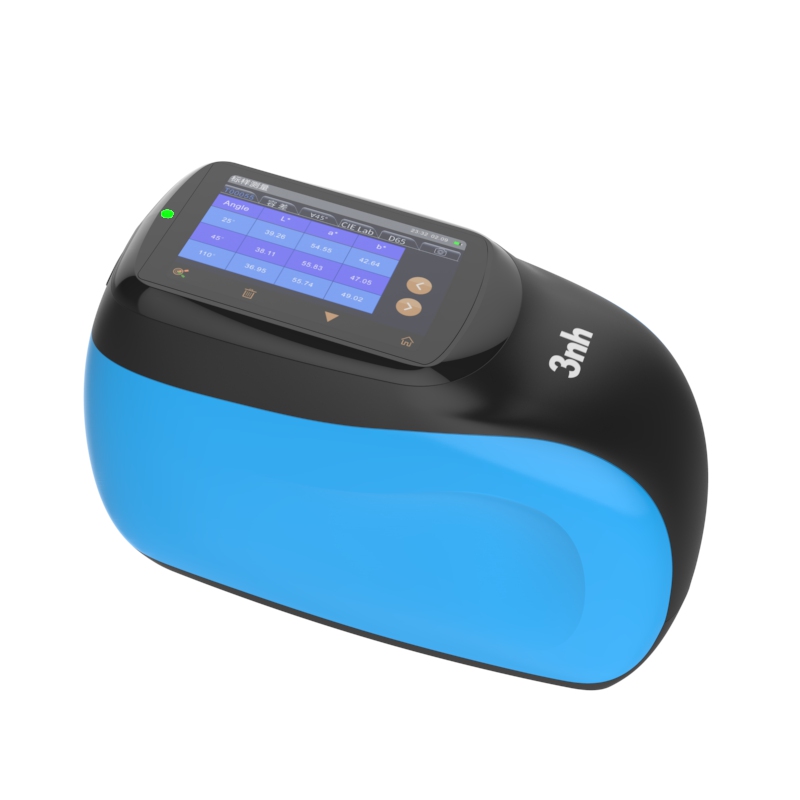
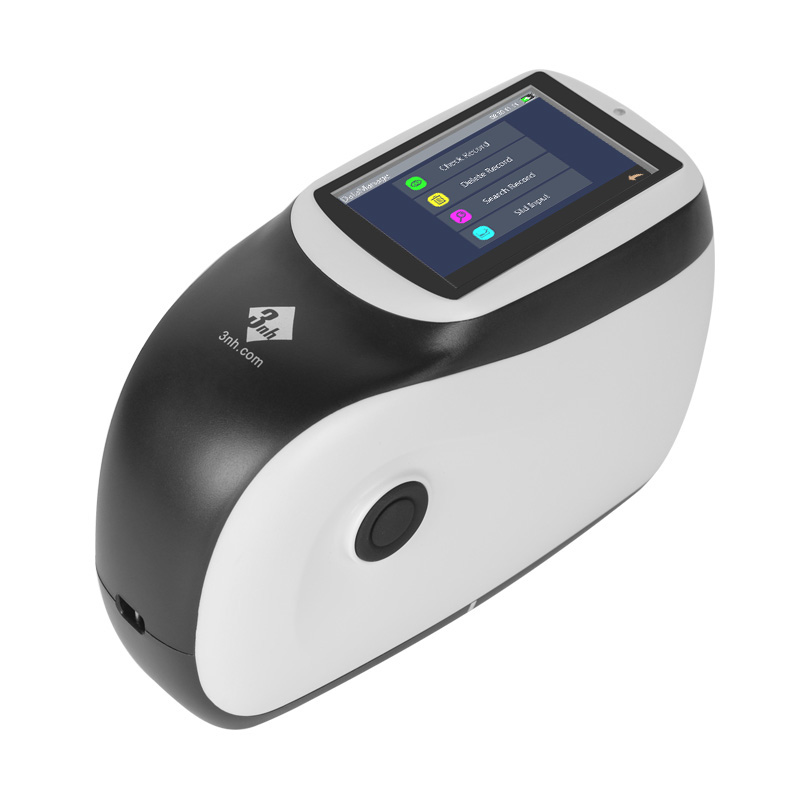
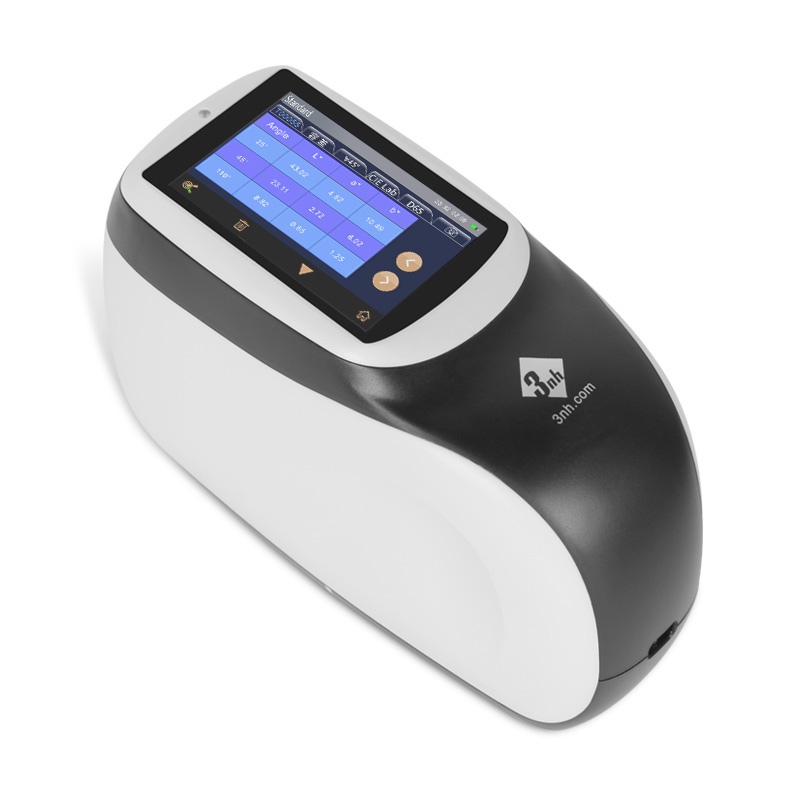
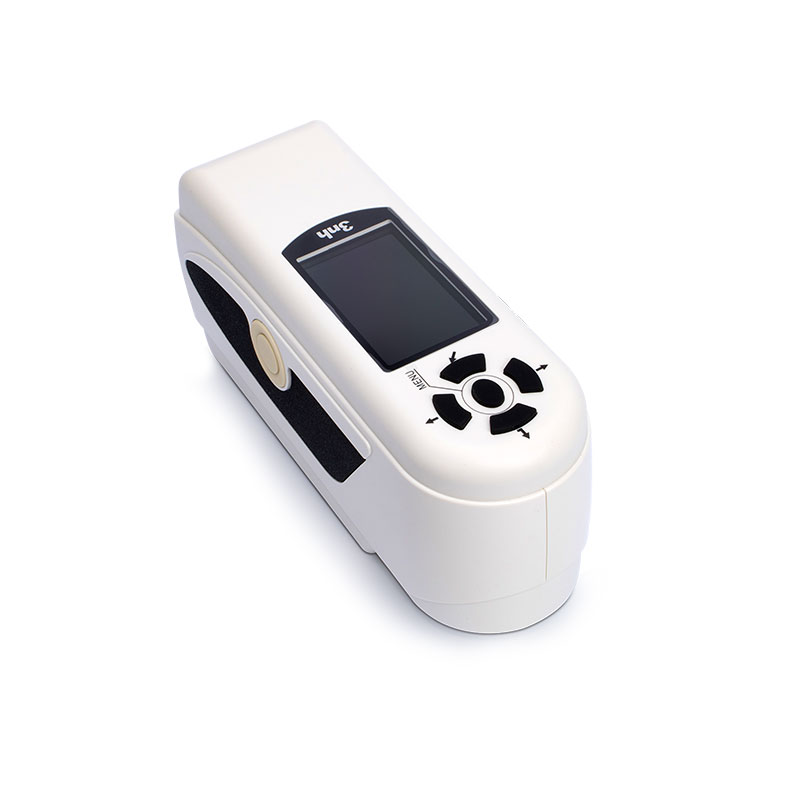
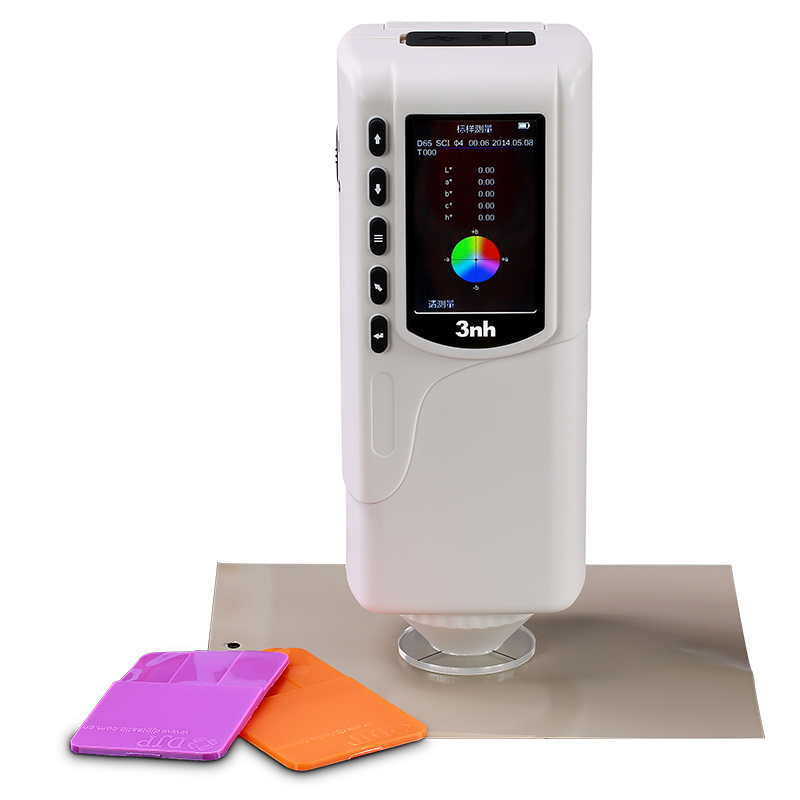
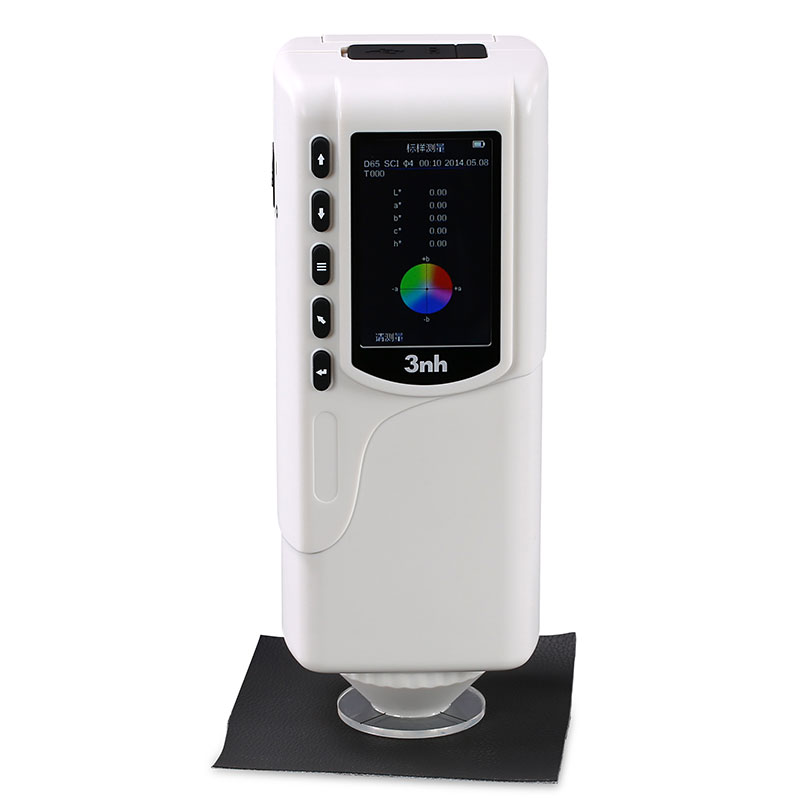
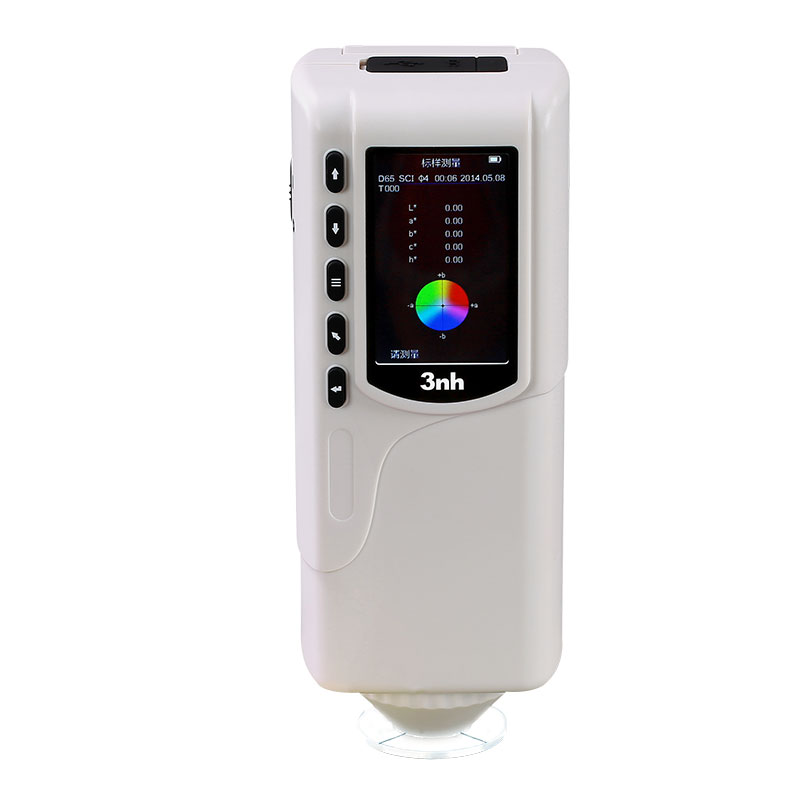
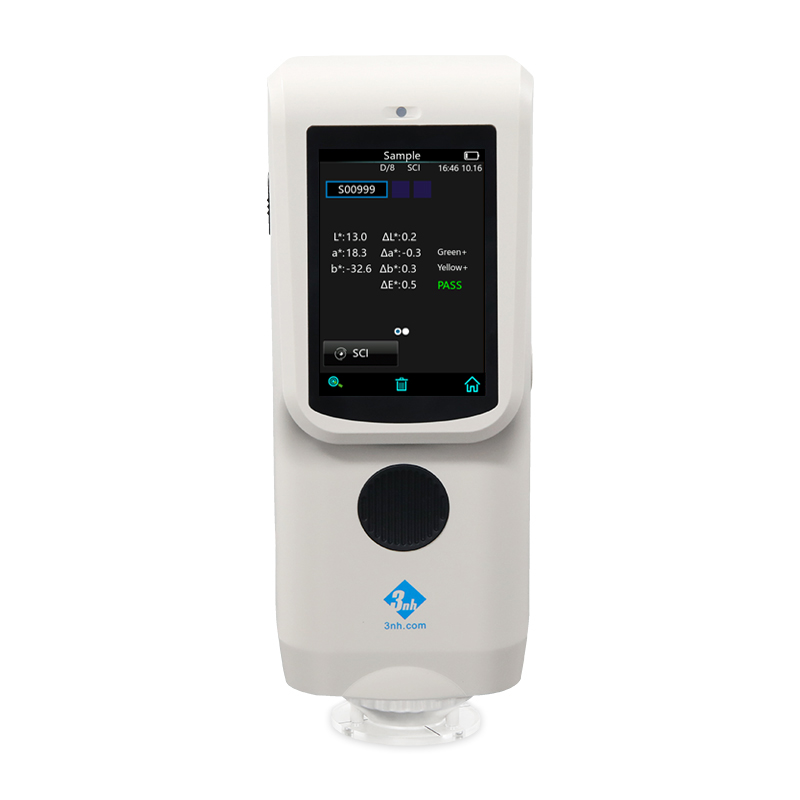
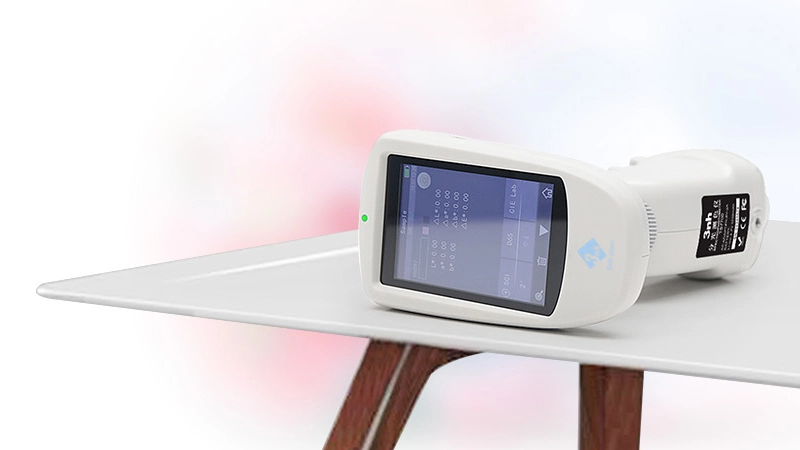
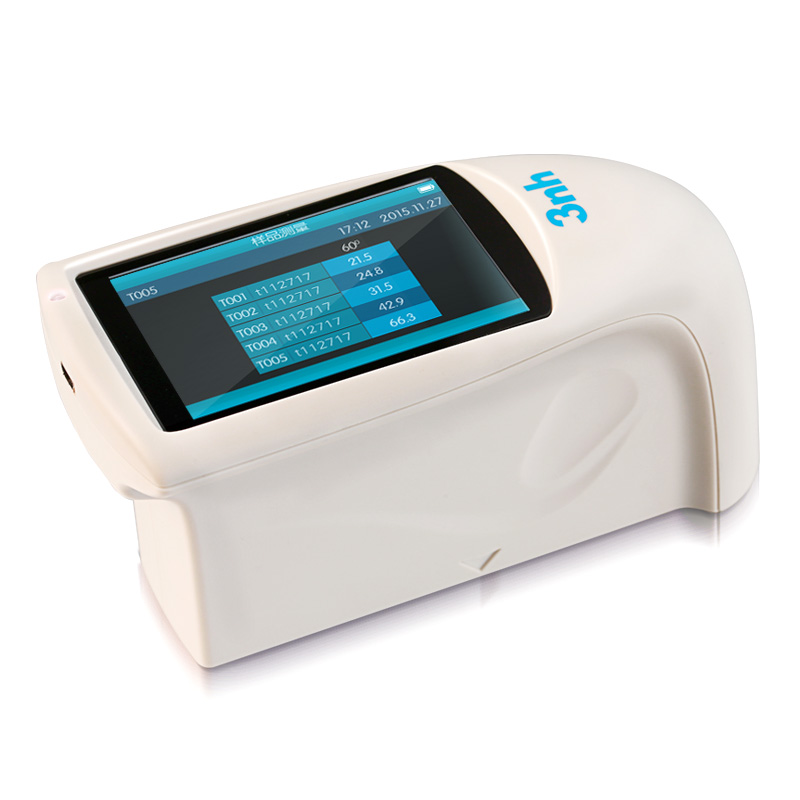
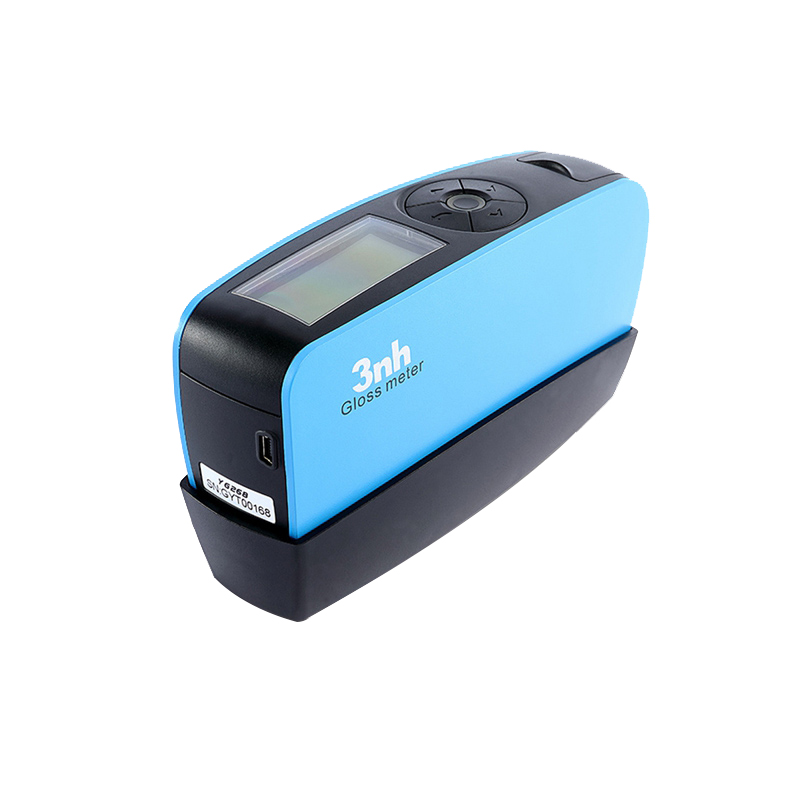
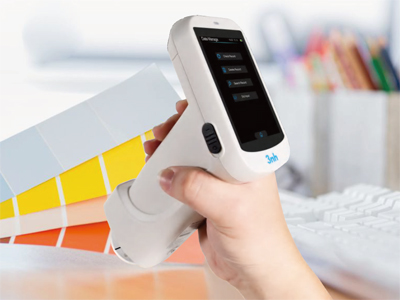
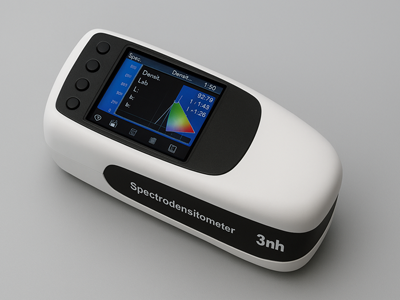
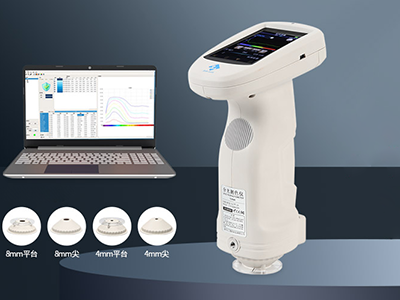
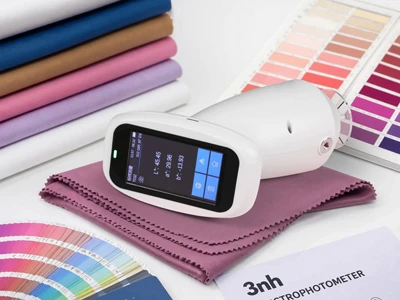
A textile colorimeter is a professional precision optical instrument designed for objective, digital color measurement in the textile and apparel industry. It accurately captures and quantifies the color performance of yarn, woven fabric, knitted fabric, printed textiles, dyed garments, home textiles, and leather materials. Unlike subjective human visual inspection, a textile colorimeter converts visual color differences into authoritative CIE Lab, LCH, and ΔE numerical data, enabling standardized color evaluation, batch comparison, and precise color matching throughout textile production.


Textile materials feature unique characteristics such as fabric texture, fiber density, weave structure, and light scattering effects, which easily cause visual color deviation under different lighting conditions. Ordinary color detection tools cannot adapt to textile surface features, while professional textile colorimeters adopt industry-specific optical calibration and d/8° diffuse illumination geometry, fully compliant with CIE, ASTM, and ISO textile color measurement standards. It is the core quality control tool for textile dyeing factories, printing mills, garment manufacturers, and home textile brands worldwide.

2. Why Textile Industries Need Professional Colorimeters

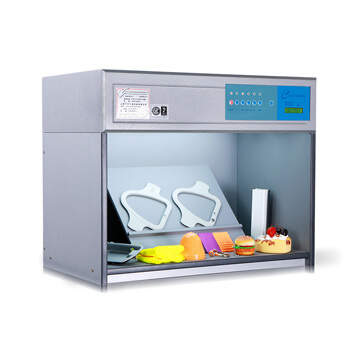
Color consistency is one of the most critical quality indicators in textile manufacturing. Fabric color deviation, batch color difference, and inconsistent dyeing shades are the top causes of product rejection, customer returns, and order disputes in global textile trade. Traditional color evaluation relies on workers’ visual judgment under light booths, which is easily affected by personal vision fatigue, ambient light changes, and subjective experience, leading to unstable detection results and uncontrollable product quality.
Using a professional textile colorimeter completely solves the pain points of manual color inspection. It realizes full-process digital color management from dye formula debugging, pre-production sample confirmation, mass production batch monitoring, to finished product factory inspection. It eliminates subjective errors, unifies color judgment standards between factories and buyers, and greatly improves the pass rate of textile orders.

3. Core Working Principle of Textile Colorimeter

Textile colorimeters work based on spectral reflection analysis and international CIE color space standards. The instrument emits standard D65 global uniform light sources to irradiate the textile fabric surface, collects reflected optical signals through high-precision sensors, and calculates accurate color data via built-in professional algorithms.


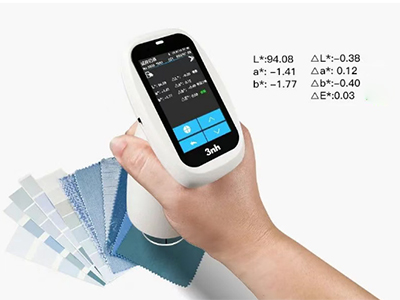
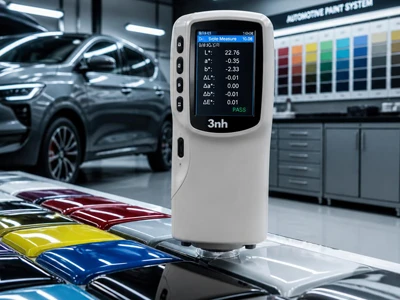
It outputs core parameters including L (lightness), a (red-green axis), b (yellow-blue axis) and ΔE (total color difference). The ΔE value is the most intuitive evaluation standard: the smaller the ΔE, the higher the color consistency. For high-end textile orders, the acceptable color difference standard is usually ΔE ≤ 1.0, which is far beyond the discrimination range of human eyes.

Equipped with optimized optical compensation technology for textured fabrics, the instrument effectively avoids detection errors caused by textile folds, weave textures, and surface light scattering, ensuring stable and repeatable detection data for various complex textile materials.


4. Key Applications of Textile Colorimeter

4.1 Textile Dyeing & Printing Production

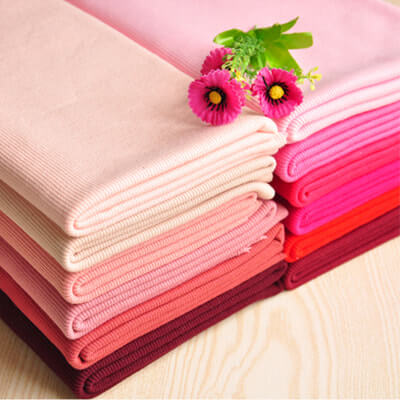
In fabric dyeing and pigment printing processes, colorimeters help technicians adjust dye ratios accurately. By comparing sample color data with standard color values, workers optimize dye formulas quickly, reduce repeated trial dyeing, and ensure uniform coloring of plain fabrics, striped fabrics, and patterned textiles. It effectively solves common problems such as front-back color difference, head-tail shade variation, and batch inconsistency in mass production.

4.2 Garment & Apparel Quality Inspection

Garment products have strict requirements for color consistency of spliced fabrics, collars, cuffs, and accessories. A textile colorimeter detects color differences between different fabric parts of finished garments, ensuring unified overall color tone. It is widely used in quality control of casual wear, formal clothing, sportswear, and denim apparel, helping brands maintain unified product color styles.

4.3 Home Textile & Decorative Fabric Testing

Curtains, bedding sets, sofa fabrics, and carpet textiles require high color uniformity and color fastness stability. Colorimeters conduct batch color comparison for home textile products, avoid shade differences between matched products, and support long-term color stability testing of finished textiles, meeting high-standard home decoration and commercial matching needs.

4.4 Textile Sample Confirmation & Buyer Inspection

In cross-border textile trade, color disputes between suppliers and buyers are frequent due to inconsistent visual judgment. Textile colorimeters provide objective, traceable digital color reports. Both parties confirm standard color data during sample approval, and conduct batch inspection based on unified ΔE standards, effectively reducing trade disputes and improving order cooperation efficiency.

4.5 Functional & Special Textile Detection

It is also applicable to color detection of functional textiles such as UV-resistant fabrics, flame-retardant textiles, and elastic knitted fabrics, as well as thin yarn fabrics and thick canvas materials, covering almost all mainstream textile types in the industry.


5. Major Benefits of Using Textile Colorimeter

5.1 Eliminate Subjective Visual Errors

Human eyes can only identify obvious color differences and are prone to fatigue and individual differences. A high-precision textile colorimeter captures subtle shade variations that the naked eye cannot distinguish, realizing objective and accurate color evaluation.

5.2 Reduce Production Costs & Material Waste

Traditional manual color debugging requires multiple trials, resulting in wasted dyes, pigments, and fabrics. Digital color matching via colorimeters shortens the formula adjustment cycle, reduces trial production times, lowers raw material loss, and greatly saves production and labor costs for textile enterprises.

5.3 Ensure Batch-to-Batch Color Consistency

It unifies color standards for different production batches, different production lines, and different production cycles. Stable batch color difference greatly improves product qualification rate and enhances brand market reputation.

5.4 Meet International Textile Industry Standards

Professional textile colorimeters fully comply with CIE color system, ASTM D2244, and textile industry color difference evaluation specifications. The detection data is internationally recognized, supporting factory quality certification, third-party testing, and cross-border export inspection.

5.5 Portable & Efficient for On-Site Detection

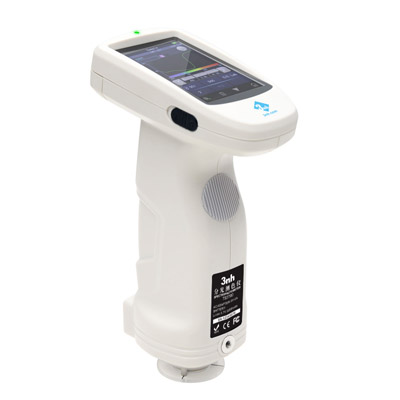
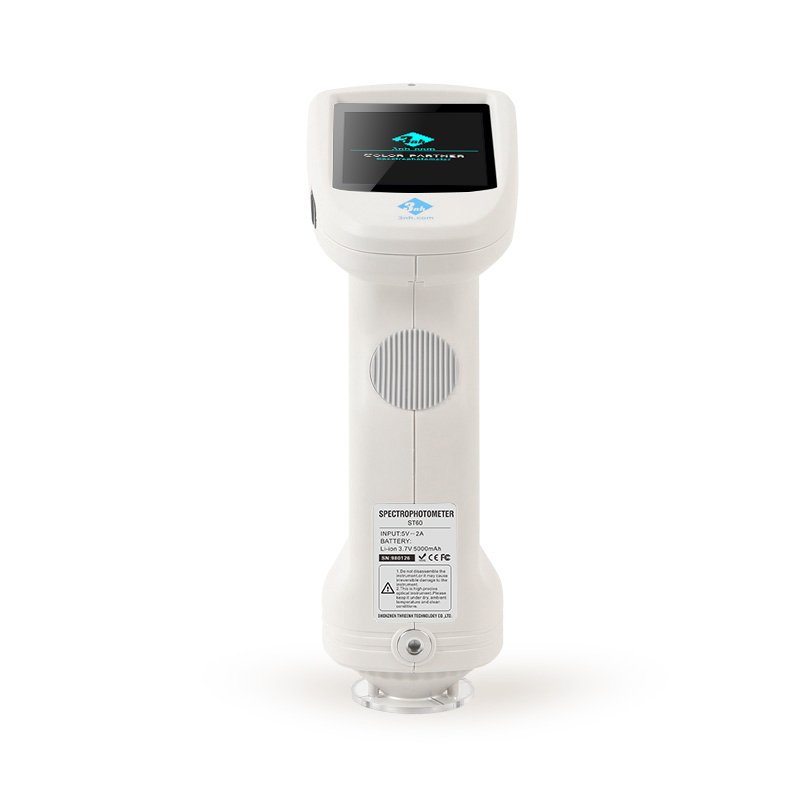
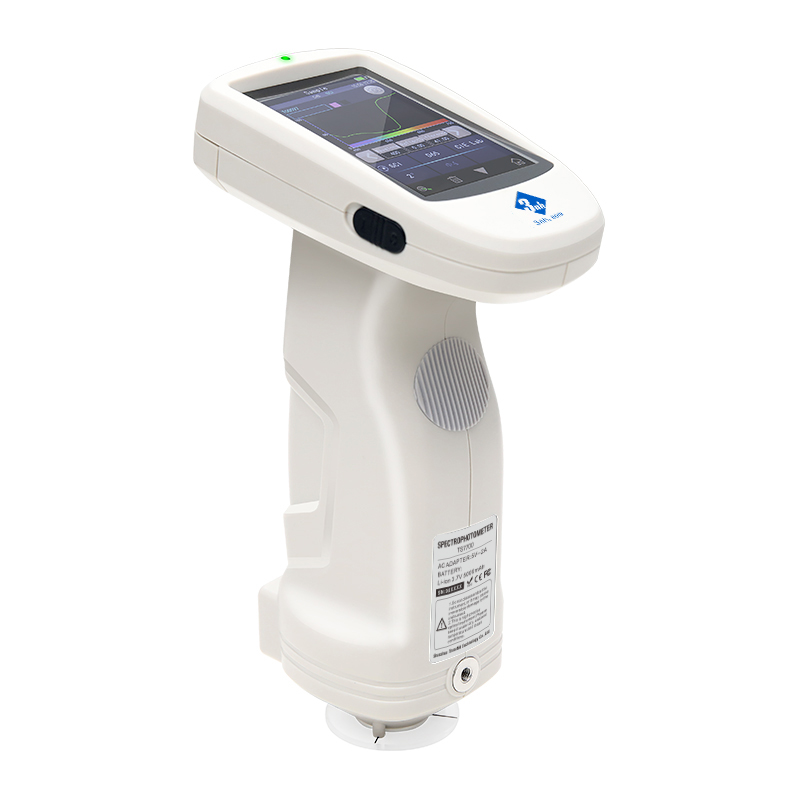
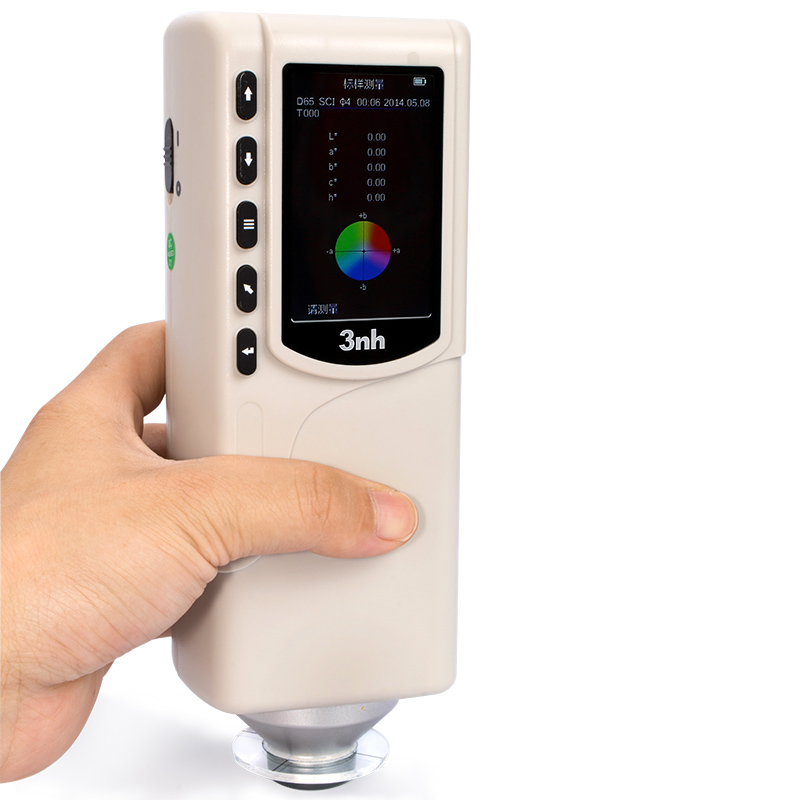
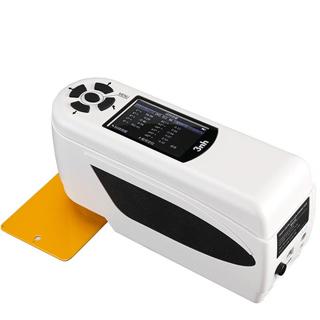
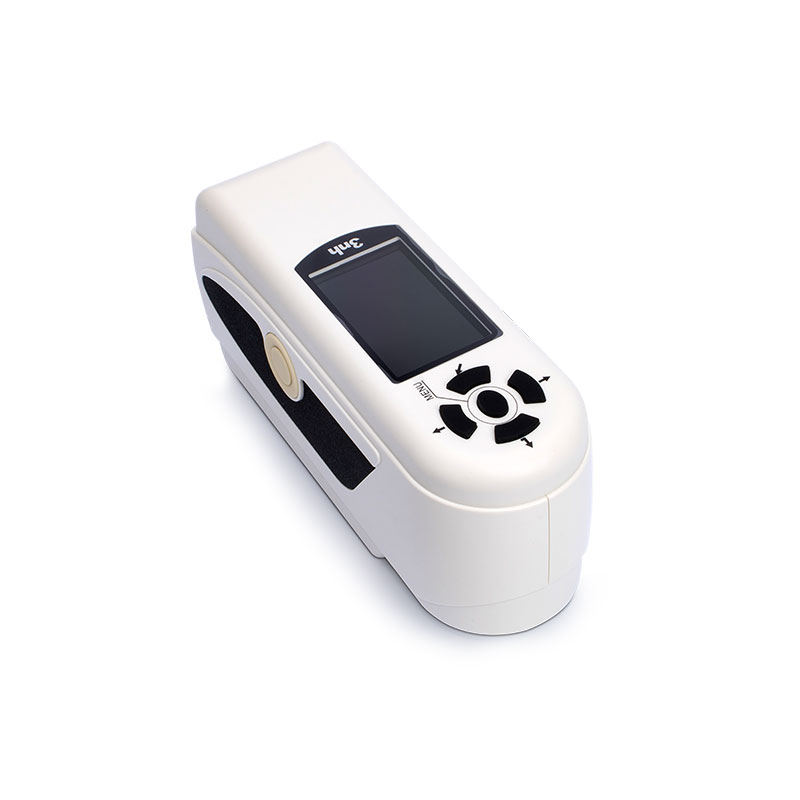
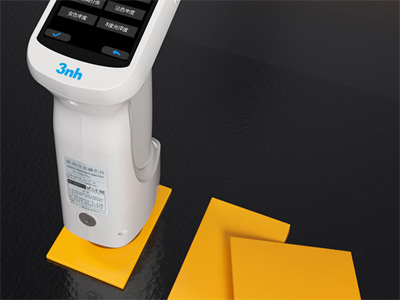
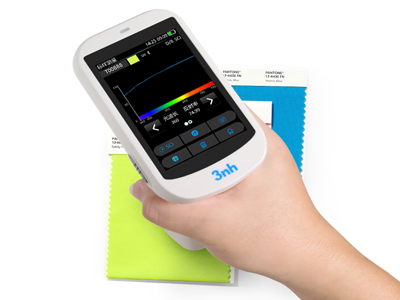
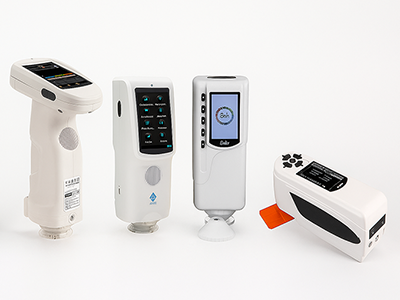
Most industrial-grade textile colorimeters adopt lightweight handheld design, supporting one-key rapid detection. They are convenient for on-line production inspection, finished product random inspection, and on-site buyer audit, with fast detection speed and simple operation, no need for professional technical training.


6. Core Features of Industrial-Grade Textile Colorimeter

  • High Precision Detection: Ultra-low color difference error (ΔE ≤ 0.01), suitable for high-standard textile color matching and fine inspection

  • Professional Textile Optical Adaptation: Optimized for fabric texture, light scattering and soft surface features, stable detection data without deviation

  • Standard Light Source System: Built-in D65 international standard light source, avoiding color cast caused by different ambient lighting

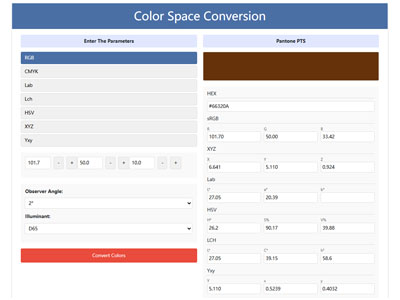
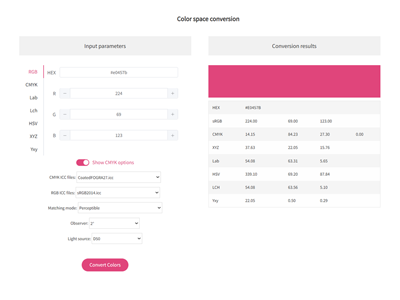
  • Diversified Color Data Output: Support CIE Lab, LCH, RGB, CMYK and multi-dimensional color difference analysis

  • Massive Color Card Library: Preloaded with thousands of international standard color cards, supporting custom standard color storage and one-click matching

  • Data Storage & Export: Automatically record detection data, support data export and report generation, convenient for quality filing and traceability

  • Strong Compatibility: Applicable to knitted, woven, printed, dyed, thin and thick textile materials

7. How to Select a Qualified Textile Colorimeter?

When purchasing a textile colorimeter, do not simply pursue low prices. The core is to select professional equipment adapted to textile industry characteristics. First, confirm whether the instrument complies with international CIE and ASTM textile color measurement standards to ensure data authority. Second, prioritize products with optimized optical algorithms for textured fabrics to avoid inaccurate detection caused by fabric folds and light scattering.

For small and medium-sized dyeing factories and garment factories, a portable handheld textile colorimeter with high cost performance is the best choice for daily batch inspection and color matching. For large-scale textile enterprises and high-end export brands, it is recommended to choose high-precision intelligent colorimeters with data traceability and report output functions to meet strict export quality control requirements.

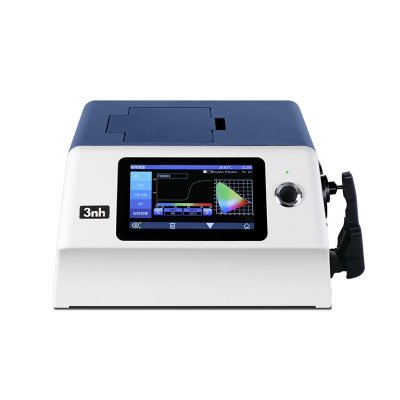
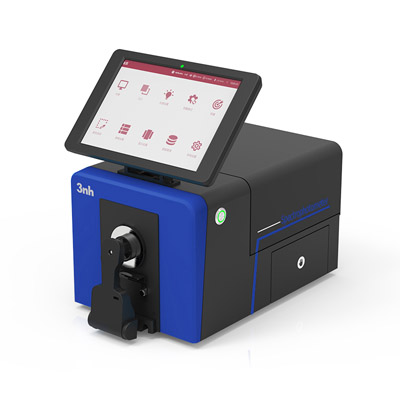
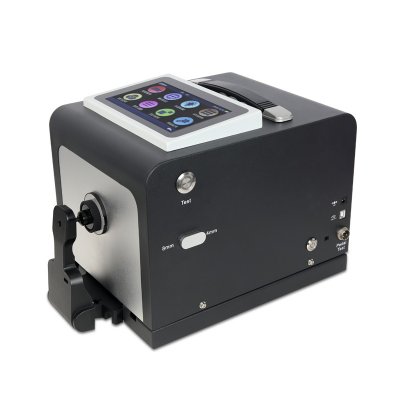
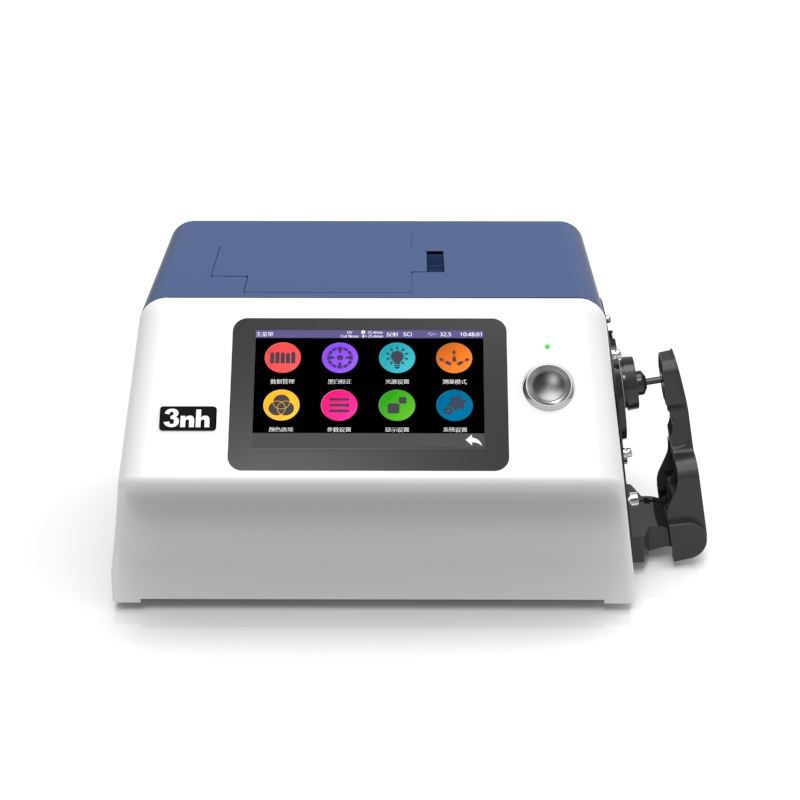
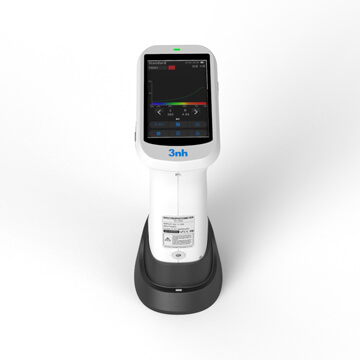
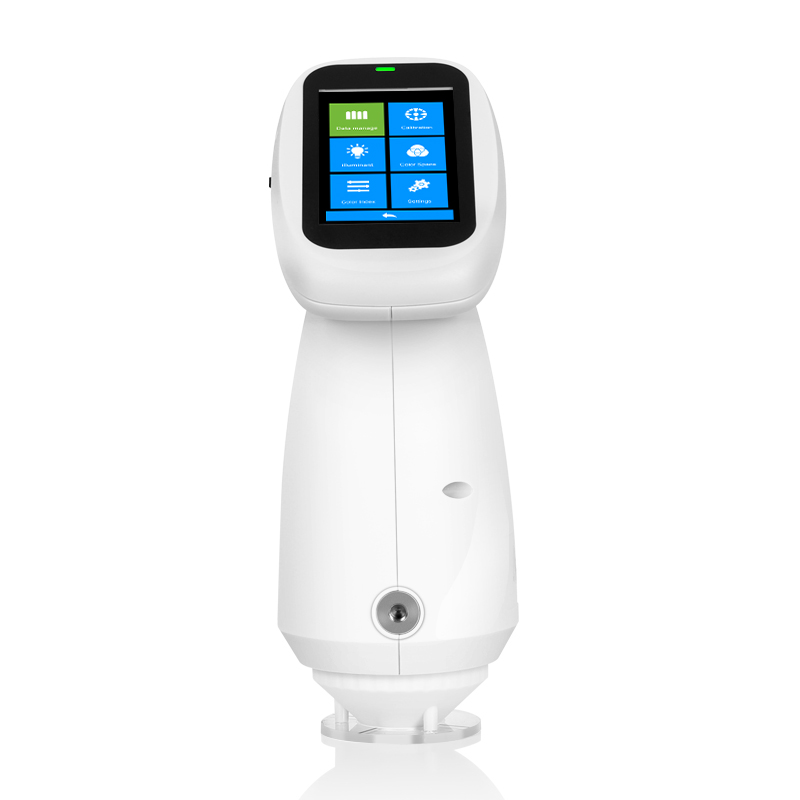
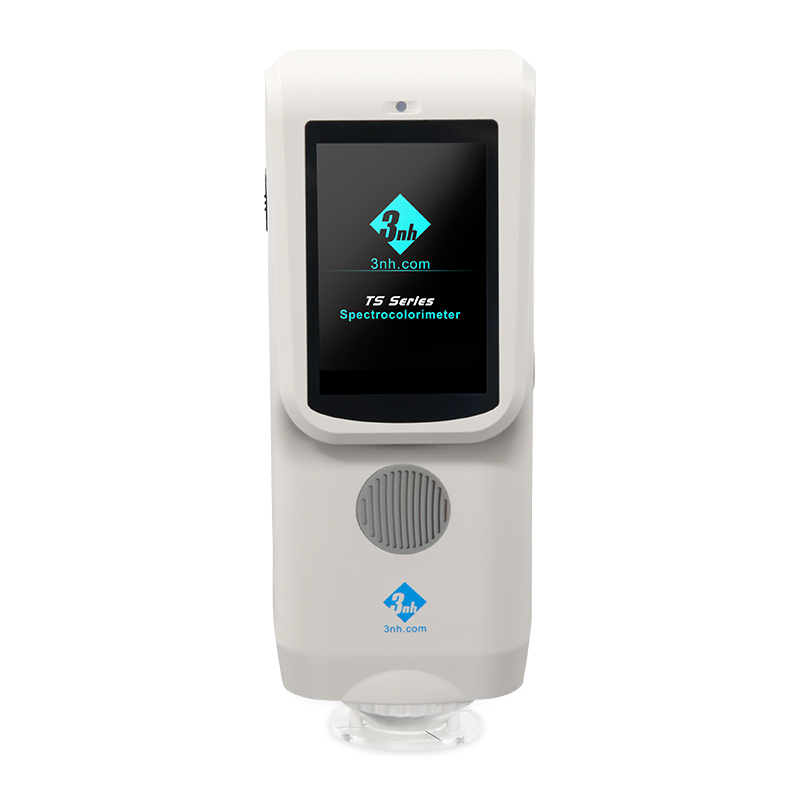
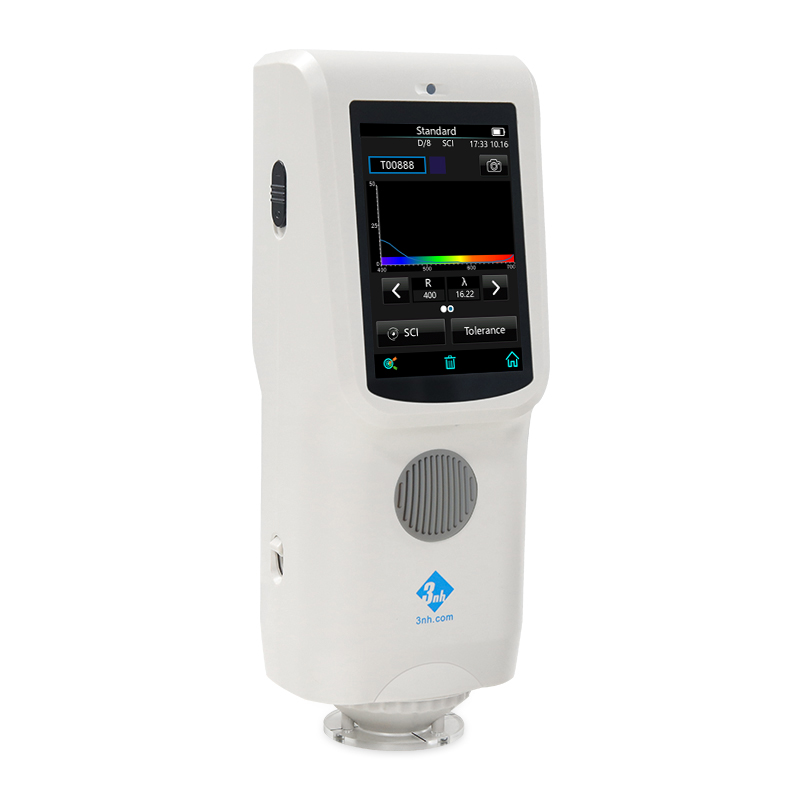
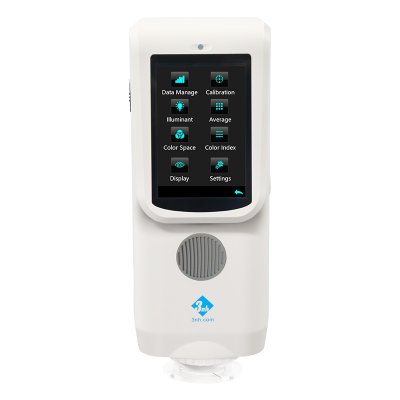
8. 3nh Colorimeter & Spectrophotometer for Professional Color Measurement in Textile Industry


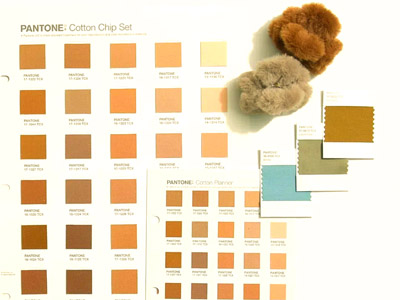
Many variables can shift the apparent color of finished textile goods. Fiber‑level variations, yarn characteristics, diverse fabric weave structures, and wet‑processing dyeing & finishing techniques all contribute to unwanted color deviation. For cotton textiles in particular, natural inconsistencies in fiber dimension, length uniformity, convolution and surface roughness frequently create subtle shade differences that visual inspection struggles to detect.

Visual assessment relies heavily on operator experience, viewing‑light conditions and human subjective judgement. It cannot deliver repeatable, objective results for modern textile manufacturing. 3nh industrial‑grade colorimeters and spectrophotometers serve as practical, reliable instruments for textile color specialists. They perform reflectance‑based color calculations fully compliant with AATCC Instrumental Color Measurement procedures, together with CIE, ISO and ASTM textile testing standards.

For brands aiming to build and sustain solid market reputation, consistent color performance across production lots is non‑negotiable. With 3nh color measurement devices, factories can define clear color tolerances — the acceptable ΔE color‑difference threshold between production sample and master standard. This enables stable, traceable accuracy through every stage of textile quality workflows.

9. Core Benefits of 3nh Colorimeter for Textile Operations

  • Establish objective color tolerances between master standard and production samples, reduce subjective visual judgement errors

  • Deliver stable repeatable readings for yarn, woven fabric, knits, printed textiles and finished garments

  • Support AATCC‑compliant reflectance measurement for dye houses, garment factories and home‑textile manufacturers

  • Minimize batch‑to‑batch shade variation caused by fiber inconsistency, weaving difference and wet‑processing fluctuation

  • Cut down waste of dyestuffs, fabrics and repeated trial‑dyeing cycles, lowering overall production cost

  • Centralize color data via PeColor software: share standard references across multiple production sites and global supply‑chain partners

  • Generate complete test reports for factory QC, third‑party audit and cross‑border textile trade documentation

  • Handle whiteness, tint and fluorescence measurement for bleached textiles with AATCC whiteness index calculation

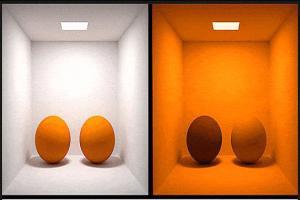
  • Detect metamerism issues; compare color performance under multiple standard light sources such as D65, CWF, A

10. Key Application Scenarios

 Dyeing & Printing Mills

Monitor color from lab dip confirmation through mass‑production dyeing. Control shade drift during wet‑processing, resolve head‑tail and side‑to‑side fabric color inconsistency.

  •  Chemical‑fiber fabric processing factories: require colorimeters for textile color difference inspection for post‑dyeing workshop patrol inspection 

  •  Weaving & dyeing mills: need colorimeters for color‑fastness‑to‑washing comparison, color comparison before and after fabric washing 

  •  Knitted fabric factories: need colorimeters for color difference control of knitted fabrics for sampling inspection of rolled fabrics 

  •  Denim dyeing & finishing plants: need colorimeters for denim fabric color‑difference detection, color comparison for washed‑out vintage effects 

  •  Polyester printed‑fabric mills: need colorimeters for printed‑fabric color‑difference detection for batch color control of printed textiles 

  •  Dyeing & finishing processors: need colorimeters for faded‑color comparison between original samples and aged samples, color comparison of aged textiles 

  •  Hot‑stamping textile factories: need colorimeters for hot‑stamp printed fabrics for color comparison of textiles with hot‑stamped surface 

  •  Embroidery fabric processors: need colorimeters for embroidered textiles for comparison of fabrics with embroidery patterns 

  •  Jacquard fabric processors: need colorimeters for large jacquard textiles for color measurement of patterned jacquard fabrics

 Garment Manufacturing

Inspect color matching for spliced fabric panels, collars, cuffs and accessory materials. Ensure uniform tone across finished apparel batches. Focus on production, dyeing‑finishing and finished‑product inspection of ready‑to‑wear garments, apparel fabrics and functional fabrics

  •  Silk fabric mills: require colorimeters for lightweight sheer silk fabrics for color measurement of thin silk textiles

  •  Sport textile manufacturers: need colorimeters for functional sport fabrics for color testing of moisture‑wicking textiles

  •  Lingerie fabric enterprises: require colorimeters for elastic knitted fabrics, color measurement before and after fabric stretching

  •  Luggage fabric processors: need colorimeters for polyester luggage fabrics for multi‑batch color comparison of bag materials

  •  Tent fabric manufacturers: require colorimeters for outdoor weather‑resistant fabrics for color testing of sun‑aged textiles

  •  School‑uniform fabric factories: need colorimeters for school uniform fabric color‑difference inspection for incoming bulk fabric verification

  •  Lace fabric mills: require colorimeters for thin lace fabrics for color measurement of hollow lightweight textiles

  •  Automotive textile interior manufacturers: need colorimeters for car seat fabrics for quality control of automotive interior textiles

  •  Swimsuit fabric factories: require colorimeters for high‑elastic swimwear fabrics for color control of chlorine‑resistant swim materials

  •  Waterproof fabric manufacturers: require colorimeters for coated waterproof textiles for color measurement after coating treatment


 Home Textile Production

Test bedding, curtains, sofa fabrics and carpet textiles. Guarantee matching shades for coordinated product sets. Production quality control for home textiles such as curtains, sofas, towels, carpets and bedding fabrics.

  •  Home textile manufacturers: require colorimeters for whiteness and yellowness testing for finished home‑textile fabric quality inspection

  •  Curtain & soft‑furnishing factories: need handheld colorimeters for fabric color comparison of finished curtains

  •  Towel home‑textile plants: need colorimeters for towel fabric whiteness for whiteness control of cotton textiles

  •  Sofa upholstery processors: need handheld colorimeters for sofa velvet fabrics for on‑site quality control of sofa materials

  •  Bedding fabric factories: require colorimeters for brushed home‑textile fabrics for finished‑product inspection of napped textiles

  •  Sofa‑cover fabric mills: need colorimeters for sofa upholstery for sampling inspection of large‑roll sofa fabrics

 Raw‑Material Incoming QC

Check yarn and fiber color quality before dyeing, avoid color deviation originating from incoming raw‑material lots. Incoming inspection and batch quality control for raw materials including yarns, grey fabrics and wool materials. 

  •  Webbing textile factories: need colorimeters for webbing yarn color‑difference detection and finished‑webbing inspection

  •  Yarn spinning mills: require colorimeters for chemical‑fiber yarn color measurement with large‑aperture testing for yarn samples

  •  Non‑woven fabric manufacturers: need colorimeters for non‑woven color‑difference detection for batch‑to‑batch control of non‑woven textiles

  •  Woolen fabric mills: need spectrophotometric colorimeters for woolen material color‑difference detection for incoming wool material QC

  •  Linen textile mills: require colorimeters for linen grey‑fabric color‑difference detection for incoming grey‑fabric inspection

  •  Viscose fiber textile mills: need colorimeters for viscose fabrics for color measurement of man‑made fiber textiles

  •  Carpet yarn factories: require colorimeters for tufted carpet yarns for incoming‑raw‑material inspection of carpet yarn

  •  Leather composite‑fabric plants: need colorimeters for composite textiles for color detection after fabric lamination

 Textile Laboratory R&D

Evaluate dye formula performance, test color fastness and ageing‑related color change, document full spectral data for new‑product development. R&D testing, color fastness & aging test, color standard unification for multi‑workshop textile groups, on‑site inspection by textile traders and special fluorescent fabric testing

  •  Large‑scale textile groups: deploy multiple color‑measuring instruments to unify color standards across multiple dyeing workshops

  •  Fluorescent fabric factories: require colorimeters with UV function for fluorescent brightened textile inspection

  •  Textile trading companies: use portable handheld colorimeters for on‑site inspection at external fabric suppliers


11. Critical Instrument Features for Textile Testing

  • D/8° integrating‑sphere optical geometry with SCI / SCE modes to separate true pigment color from fabric surface texture effectThreenh

  • Multiple standard light sources (D65, D50, A, CWF etc.) and 2°/10° observer options

  • Multiple‑size interchangeable measuring apertures, ideal for textured fabrics, small yarn bundles and large flat textile swatches

  • Excellent measurement repeatability: ΔE*ab ≤0.02 for stable textile readings

  • Output full‑set color parameters: CIE Lab, LCH, ΔE*ab, ΔE CMC, whiteness & yellowness indices, spectral reflectance curves

  • Pre‑loaded electronic color‑card library; store unlimited custom master‑color standards

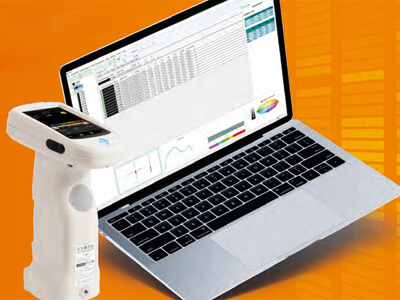
  • Seamless data export and professional report generation via PeColor PC software

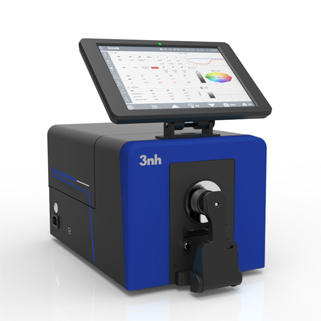
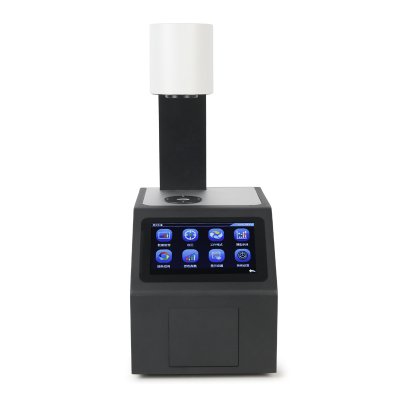
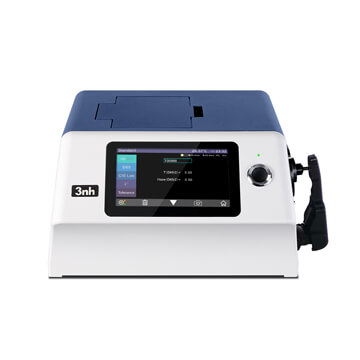
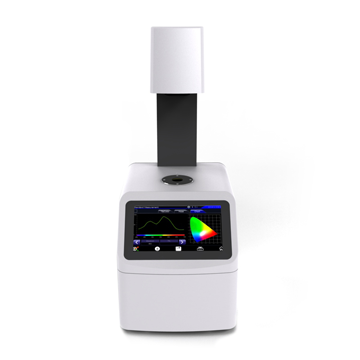
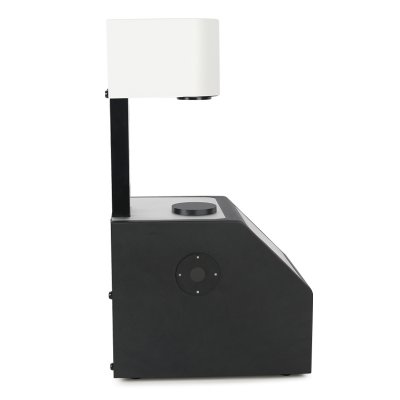
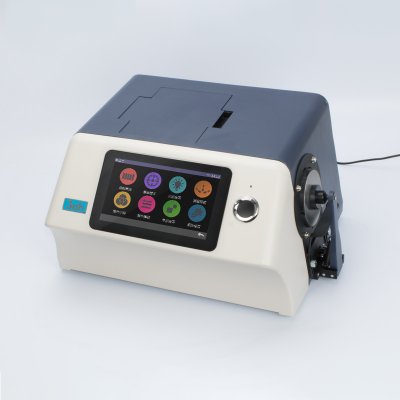
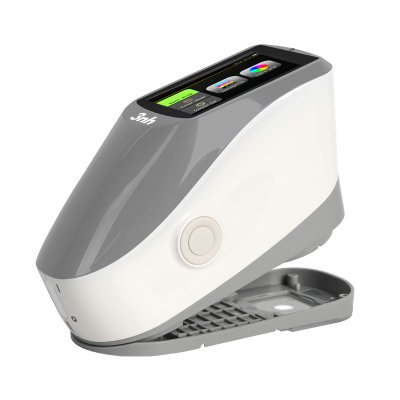
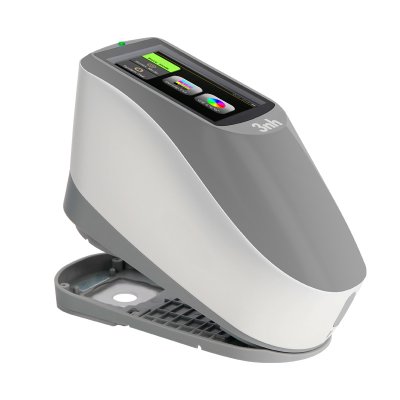
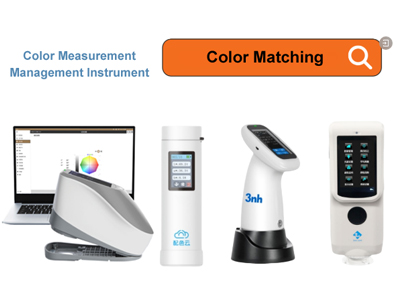
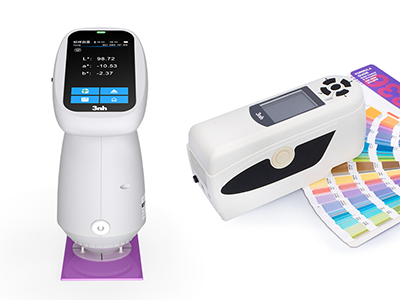
  • Portable handheld units for on‑line workshop spot‑checks; high‑precision benchtop spectrophotometers for lab‑grade analysis

12. How to Choose the Right 3nh Textile Color‑Measuring Instrument

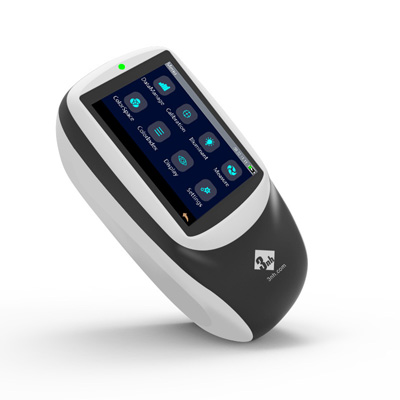
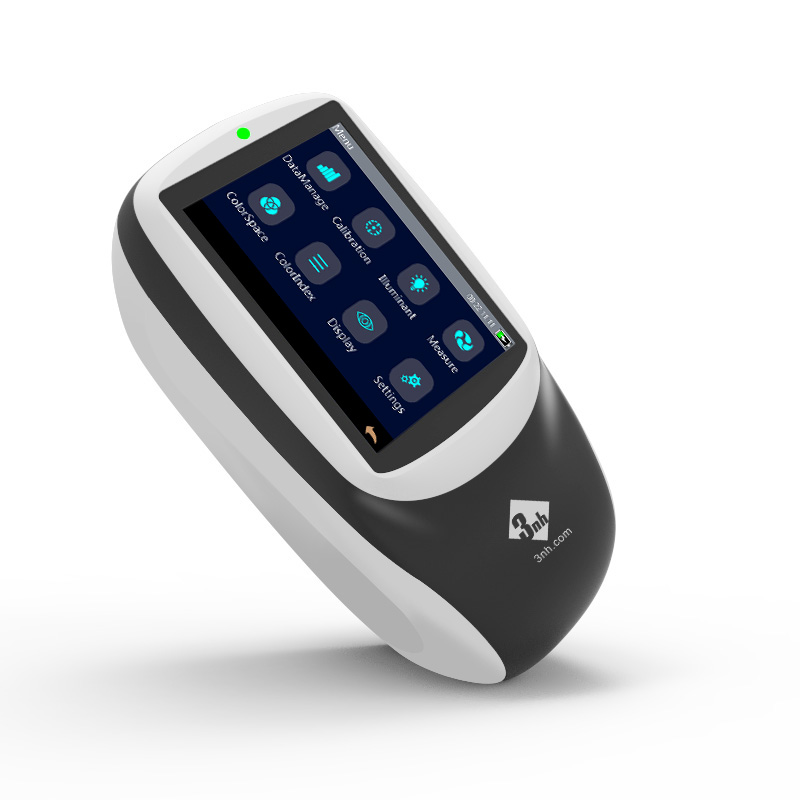
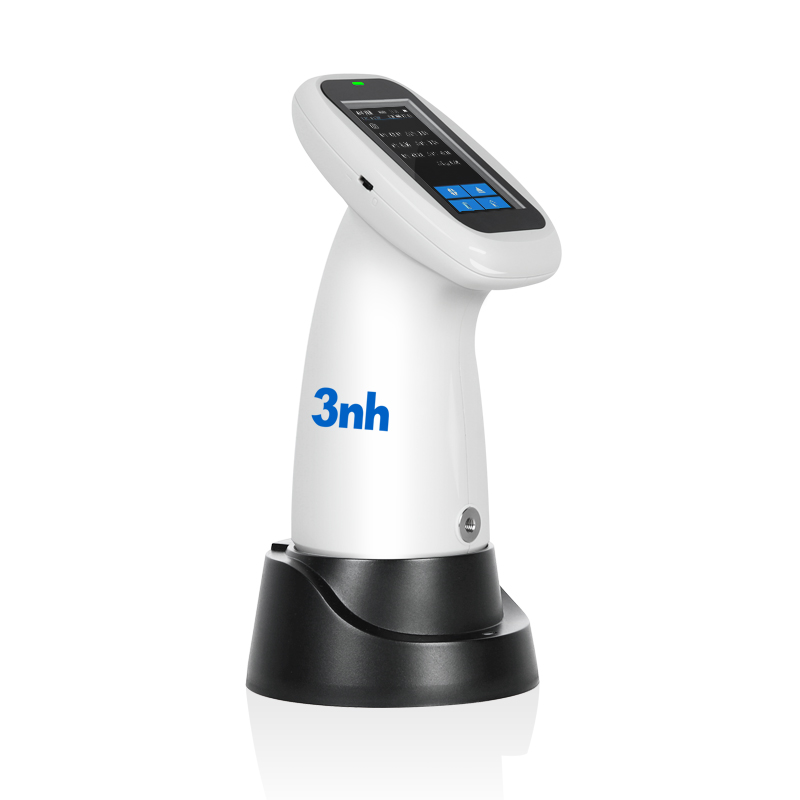
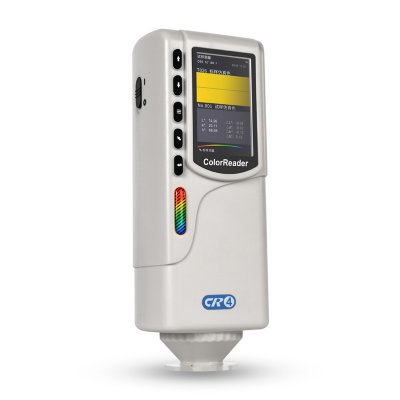
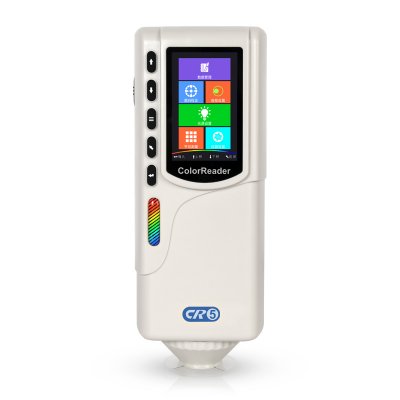
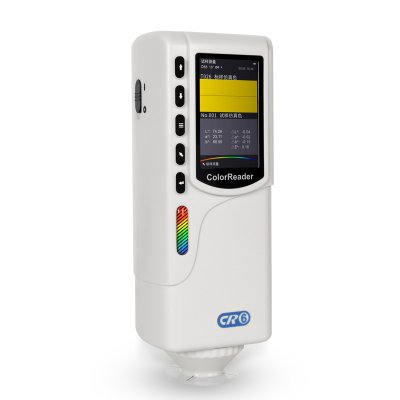
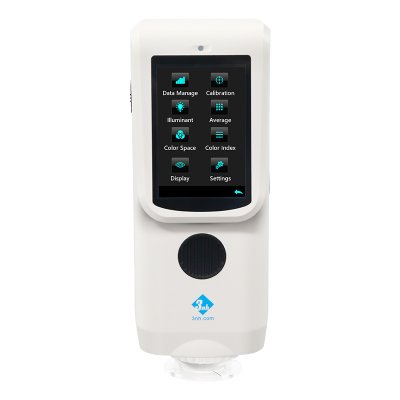
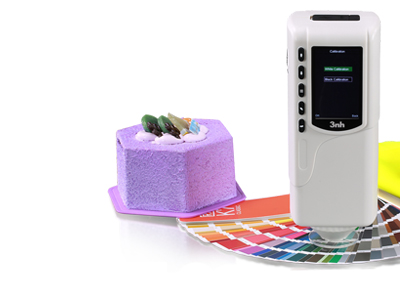
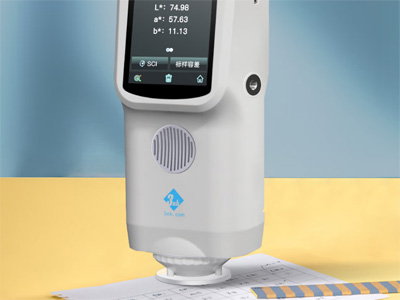
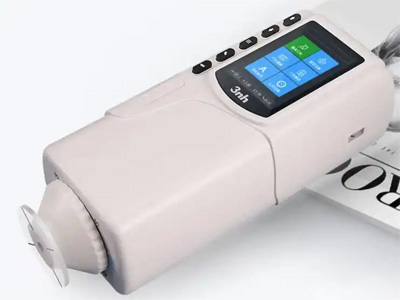
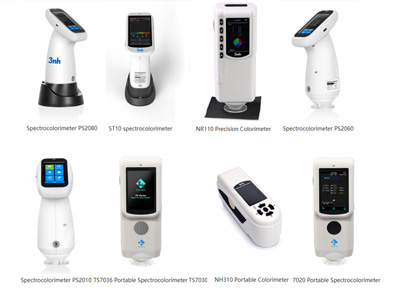
For routine production‑floor inspection in dye houses and garment workshops: choose portable handheld colorimeter models (NR / CR series). These cost‑effective units handle most conventional woven and knitted textile quality‑control tasks.

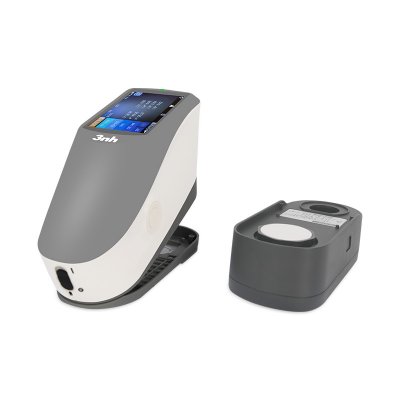
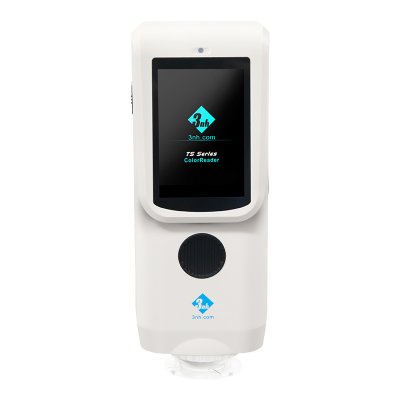
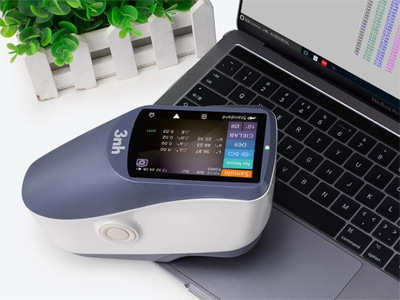
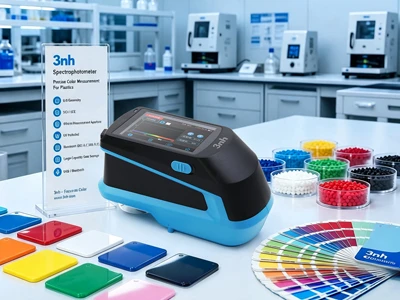
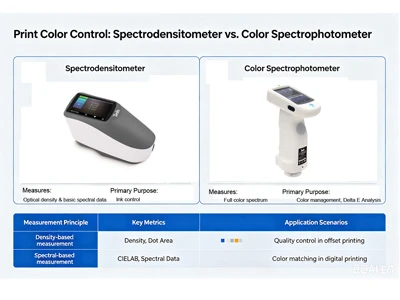
For high‑end export textiles, metallic‑effect fabrics, fluorescence‑containing bleached goods and lab R&D work: select 3nh grating spectrophotometers (YS / TS series). Full spectral data helps identify metamerism risks and supports advanced dye‑formula calculation within PeColor software.

Practical tip: Lay fabric flat and take multiple averaged measurements to reduce errors caused by textile folds and weave texture. Perform regular instrument calibration to keep long‑term measuring accuracy.


13. FAQ About Textile Colorimeter


Q1: Can textile colorimeters detect all types of fabrics?

Yes. Professional textile colorimeters are compatible with woven fabrics, knitted fabrics, yarns, denim, home textiles, printed fabrics, and leather textiles, covering almost all common textile materials in the industry.


Q2: Is the colorimeter data recognized for export textile orders?

Absolutely. Industrial-grade textile colorimeters comply with global unified color measurement standards. The generated color difference reports are widely recognized in international textile trade and can be used for factory inspection and customer quality verification.


Q3: How to avoid detection errors in textile color measurement?

Keep the fabric flat without folds during detection, select the standard light source mode, and calibrate the instrument regularly. Professional textile colorimeters effectively eliminate external interference and ensure repeatable and accurate data.


Q4: What is the acceptable ΔE standard for textile products?

Conventional textile products allow ΔE ≤ 1.5; high-end apparel and export customized textiles require ΔE ≤ 1.0; ultra-high-standard fabrics for luxury brands require ΔE ≤ 0.5.


14. Conclusion

Color consistency is the core competitiveness of modern textile enterprises in global market competition. Traditional manual color inspection can no longer meet standardized and refined production requirements. A professional textile colorimeter provides digital, objective, and standardized color management solutions for textile dyeing, printing, garment processing, and home textile production. It effectively controls batch color difference, reduces production costs, avoids trade disputes, and helps textile enterprises stabilize product quality and enhance international market competitiveness.

Color inconsistency caused by fiber variability, fabric construction and wet‑processing is a long‑standing pain point for textile manufacturers. Pure visual evaluation can no longer satisfy the strict quality requirements of global textile trade.

3nh colorimeters and spectrophotometers deliver AATCC‑compliant, traceable instrumental color‑control solutions for yarn, fabric, printed goods and finished textiles. By setting objective color tolerances, factories reduce rework and material waste, stabilize batch‑to‑batch color consistency and protect brand reputation for worldwide buyers.


Justin Lee

Senior Optical Engineer

15+ years in color measurement R&D, Holds 8 patents in spectrophotometry
This article is edited by Justin Lee, the website content writer of 3nh, who has 15 years working experience in the color management industry and often discusses with colleagues in R&D, marketing and production departments about the professional knowledge and application of color measurement devices, and has a deep understanding of the industry and products.
Please feel free to contact me to discuss more about your color measurement projects
service@3nh.com.

Justin Lee - Senior Optical Engineer

Featured Resources & Insights

Give us a call!

Discuss your project with one of our product specialists:

0086 755 26508999

Need pricing?

We respond to quote requests within 1 business day.

service@3nh.com

Already know what you need?

Submit a demo request for the product you're interested in.

Get a Demo
Leave Your Message
We use cookies to ensure that we give you the best experience on our website. If you continue to use this site we will assume that you are happy with it. Privacy policy