Home>Resources>TechnologyComplete Guide to Color Management for Printing & Packaging

Complete Guide to Color Management for Printing & Packaging

Table of Contents

  1. Preface

  2. Fundamental Color Theory

  3. End‑to‑End Color Solutions for Printing & Packaging Workflow

  4. Competitiveness Analysis: Offset‑to‑Flexo Conversion

  5. Brand Supply Chain Quality Control

  6. Innovative Tool: Pecolor Ink Formulation Software

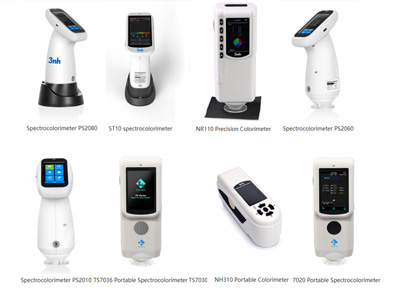
  7. Advanced Instrument Showcase: YD5050 plus Spectrodensitometer and TS7708 Spectrophotometer

  8. Practical Case Studies & Technical Demonstrations

  9. Summary and Outlook

  10. Appendix (Relevant Standards, Glossary of Terms, etc.)

1. Preface

In the printing and packaging industry, color is a critical element for product information delivery and consumer attraction, directly influencing market competitiveness and brand image. As industry requirements for color consistency and accuracy keep rising, scientific and systematic color management has become a core business requirement for enterprises. Centered on hot‑topic issues in printing‑packaging color management, this guide integrates theoretical knowledge, practical solutions, innovative tools and advanced instruments. It aims to deliver comprehensive color‑management guidance for enterprises, supporting digitalization, standardization and process optimization of color workflows, so as to improve production efficiency and product quality.

2. Fundamental Color Theory

2.1 Basic Color Concepts

  • Three attributes of color: Hue, Lightness, Saturation. Hue refers to the intrinsic identity of a color, e.g., red, yellow, blue. Lightness describes the brightness or darkness of a given hue, where one hue can render varied visual effects by adjusting lightness values. Saturation represents color purity; higher saturation yields more vivid colors.

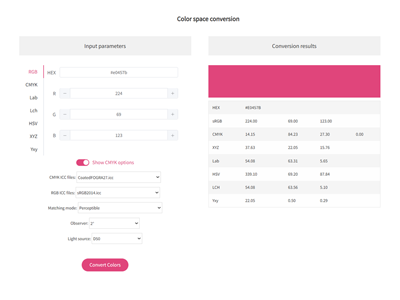
  • Color spaces: Widely‑used color spaces include RGB (Red‑Green‑Blue) and CMYK (Cyan‑Magenta‑Yellow‑Key/Black). RGB is mainly applied in electronic display systems based on additive light mixing. CMYK is adopted for printing and packaging, realizing color reproduction via subtractive ink overprintingISO.

2.2 Color Characteristics in Printing & Packaging

  • Ink‑related color properties: Ink hue, hiding power, drying performance and other characteristics directly determine printed color performance. Different ink types (solvent‑based inks, water‑based inks, etc.) deliver distinct color outputs. Suitable inks shall be selected according to printing processes and substrates.

  • Substrate influence on color: Surface gloss, whiteness and flatness of substrates including paper, plastic and metal modify final color presentation. For instance, high‑gloss substrates produce more brilliant printed colors, while low‑whiteness substrates may lead to darker color appearances.

2.3 Color Perception and Consistency Requirements

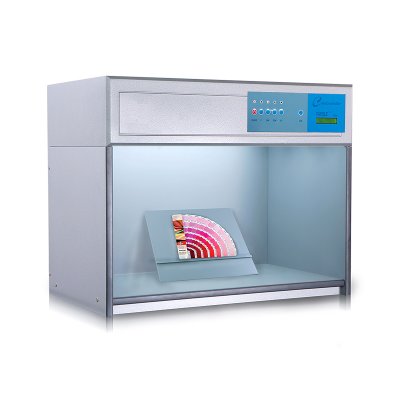
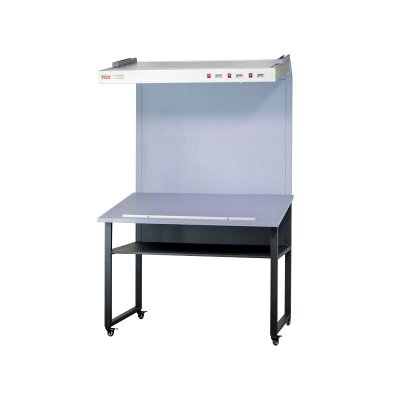
  • Human visual perception of color: Human color judgment is affected by lighting conditions, viewing angles and individual visual differences. To achieve objective color evaluation, color observation and measurement shall be performed under standard illuminant conditions (e.g., D65 standard illuminant).

  • Importance of color consistency: For branded products, printed packaging from different batches and multiple production sites must maintain consistent color performance to preserve unified brand identity. Color inconsistency may trigger consumer doubts over product authenticity and damage brand reputation.

3. End‑to‑End Color Solutions for Printing & Packaging Workflow

3.1 Color Management in Design Phase

  • Define color standards: At the early design stage, set color parameters of design files following brand color specifications, and specify target color spaces (e.g., CMYK). Configure design software profiles to align designed colors with final printed outputs.

  • Design file review: During file inspection, verify correct color mode, compliance of color values with standards, and detect out‑of‑gamut colors, so as to prevent color deviation caused by prepress defects.

3.2 Color Management in Printing Phase

  • Ink formulation control: Prepare inks precisely against color samples and reference standards. Adopt professional ink‑matching tools to guarantee hue and concentration, and minimize formulation errors.

  • Printing machine parameter setup: Adjust press pressure, speed, temperature and other parameters to optimize ink transfer. Offset, flexographic and gravure printing require differentiated parameter tuning tailored to process features.

  • In‑process real‑time color monitoring: Capture color data of printed samples with color‑measuring instruments during production, compare against reference standards, and adjust press parameters promptly to sustain stable printing color.

3.3 Color Management in Post‑press Processing

  • Color impacts of post‑press operations: Processes such as lamination, hot stamping and UV coating may alter printed visual effects. For example, lamination increases surface gloss and enhances color vividness; hot‑stamping foil colors shall coordinate with printed graphics.

  • Color protection during post‑press production: Avoid friction and scratching that may cause ink peeling or discoloration. Control workshop temperature and humidity to stabilize color performance.

4. Competitiveness Analysis: Offset‑to‑Flexo Conversion

4.1 Process Features of Offset Printing and Flexographic Printing

  • Offset printing: Delivers high printing resolution and fine color reproduction, suitable for large‑run paper packaging and publication printing. Limitations include narrow substrate adaptability, relatively low press speed and long ink‑drying cycles.

  • Flexographic printing: Supports broad‑range substrates (paper, plastic, metal foil, etc.), high‑speed production and fast ink drying. Water‑based flexo inks provide environmental advantages, widely used for flexible packaging and label printing. Traditional flexography falls slightly behind offset in graphic resolution.

4.2 Advantages of Offset‑to‑Flexo Conversion

  • Broader substrate adaptability: Offset‑to‑flexo transformation combines offset‑level color performance with flexo’s substrate versatility, enabling high‑quality printing on diverse materials and expanding business coverage.

  • Higher production efficiency: Fast press speeds and rapid ink drying of flexography shorten production cycles, lift throughput and cut manufacturing costs.

  • Improved environmental performance: Water‑based flexo inks reduce solvent‑based ink consumption, complying with stricter environmental regulations and industry green trends.

4.3 Application Scenarios and Development Outlook

  • Application scenarios: Offset‑to‑flexo conversion sees broad prospects in flexible packaging (food packaging, cosmetic packaging), label printing and paper‑based packaging. It fits products demanding multi‑substrate compatibility, high throughput and eco‑friendly production.

  • Development outlook: Driven by stricter environmental policies and growing multi‑substrate printing demands, offset‑to‑flexo technologies will keep advancing in resolution and color reproduction. It is expected to become one of the mainstream printing processes for more printing‑packaging segments.

5. Brand Supply Chain Quality Control

5.1 Importance of Supply‑Chain Color Quality Control

Brand supply chains cover raw‑material procurement, manufacturing, logistics and terminal sales. Quality defects in any link may degrade final product quality and brand image. As a key quality indicator, color accuracy and consistency must be guaranteed via cross‑supply‑chain quality governance to avoid color deviation from cross‑link discrepancies and safeguard brand credibility.

5.2 Key Control Points Across Supply‑Chain Segments

  • Raw‑material procurement: Strictly audit the quality of inks and substrates. Require suppliers to provide color‑test reports confirming compliance with brand color standards. Build supplier evaluation systems for periodic assessment of product quality and delivery performance.

  • Manufacturing: Roll out unified color‑management workflows across production sites, deploy identical color‑measuring instruments and standardized test procedures. Establish traceability systems for production‑batch color data to facilitate troubleshooting and root‑cause analysis.

  • Logistics & transportation: Control temperature and humidity in transit to prevent color shift of printed packaging. Apply proper outer packaging to avoid physical abrasion and color‑layer damage.

  • Terminal sales: Conduct periodic random color sampling on end‑market products, compare against brand color references, and identify latent supply‑chain quality risks timely.

5.3 Supply‑Chain Color‑Control Methodologies

  • Establish unified color standards: Develop brand‑specific color‑spec manuals, defining color parameters, test workflows and tolerance thresholds for all product lines, to unify evaluation criteria across the whole supply chain.

  • Strengthen supply‑chain collaboration: Organize color‑management training for supply‑chain stakeholders to raise quality awareness. Deploy information‑sharing platforms for real‑time color‑quality data exchange and collaborative governance.

  • Introduce third‑party testing: Commission independent laboratories for periodic color auditing to secure objective and impartial test results. Adjust control measures according to third‑party assessment reports.

6. Innovative Tool: Pecolor Ink Formulation Software

6.1 Software Functions

  • Intelligent color formulation: Built upon massive ink‑color databases, Pecolor rapidly calculates ink mixing ratios according to target color values, achieving precise color matching. It supports formulation calculation for multiple ink types and substrates, adapting to diverse printing‑process requirements.

  • Color simulation and prediction: Simulate visual outputs of different ink formulas on varied substrates, predict printing color deviation, and help operators adjust ink recipes in advance to reduce proofing cycles and production costs.

  • Data management: Store ink formulas, color‑measurement records and batch‑production data for query, statistics and analysis. Support data export and sharing for cross‑party supply‑chain data interaction.

6.2 Intelligent Waste‑Ink Recycling Management

  • Waste‑ink detection and analysis: Connect with professional measuring instruments to analyze hue, concentration and drying properties of recycled waste inks, generate waste‑ink characteristic reports as data support for reuse.

  • Optimized waste‑ink formulation: Based on waste‑ink reports and target‑color requirements, the software intelligently computes mixing ratios between waste inks and fresh inks, producing recyclable formulas that meet color‑tolerance specifications. It reduces ink waste and environmental footprint.

  • Full‑cycle waste‑ink workflow management: Track waste‑ink collection, testing, formula tuning and reuse. Record recycling volume, processing logs and consumption of each batch of waste ink for standardized, traceable recycling workflows.

7. Advanced Instrument Showcase: YD5050 plus Spectrodensitometer and TS7708 Spectrophotometer

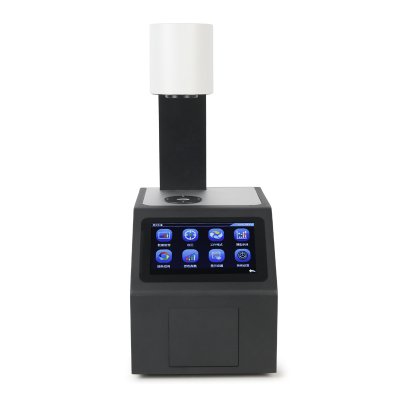
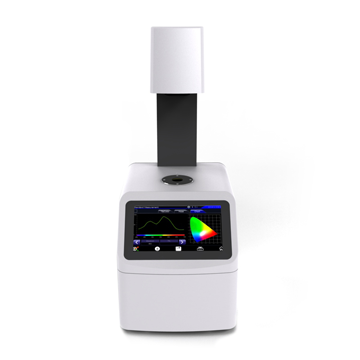
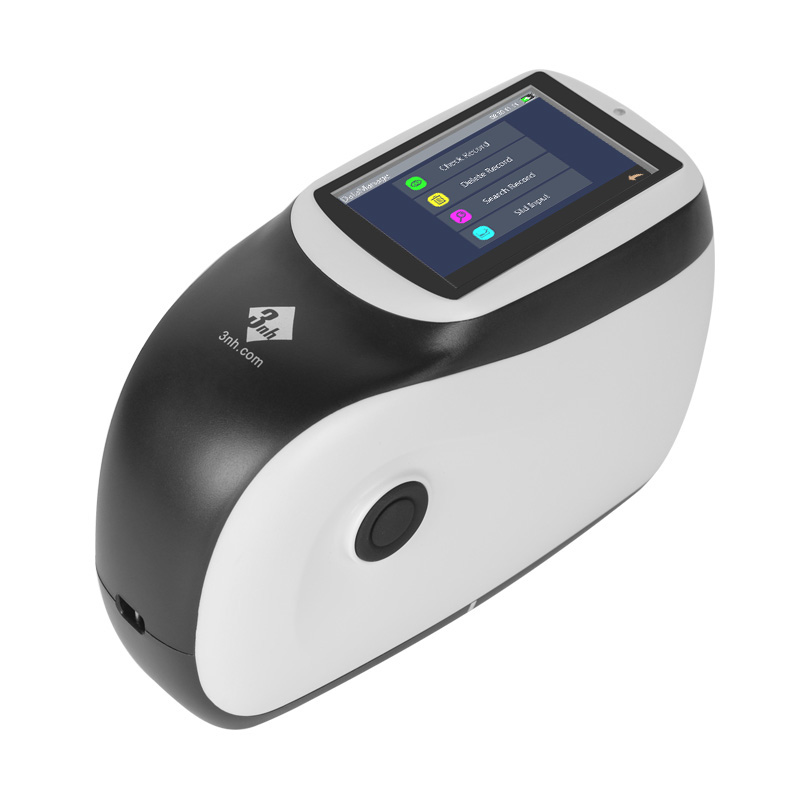
7.1 YD5050 plus Spectrodensitometer

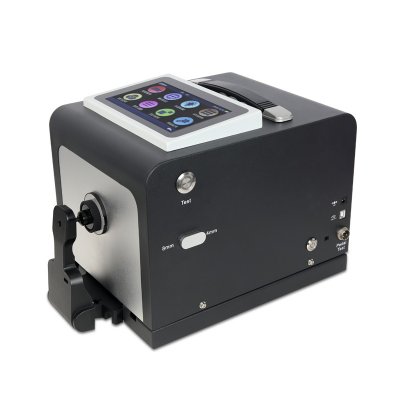
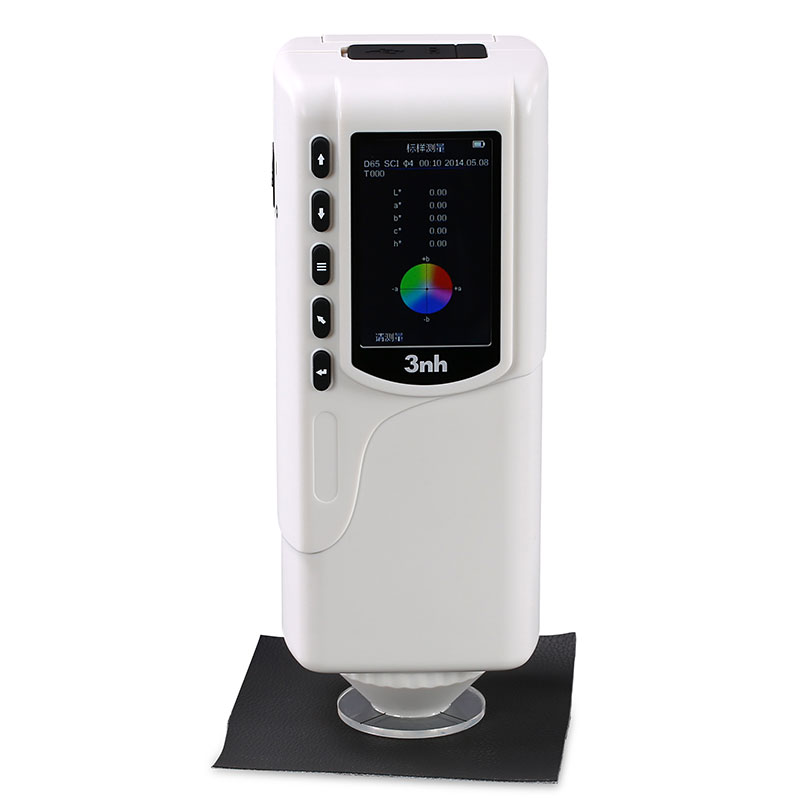
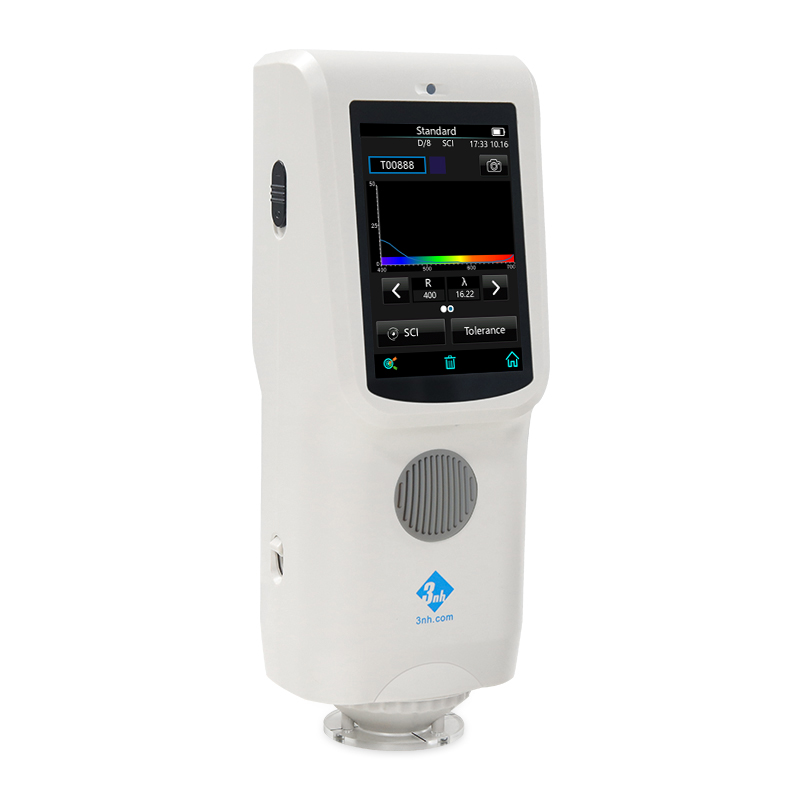
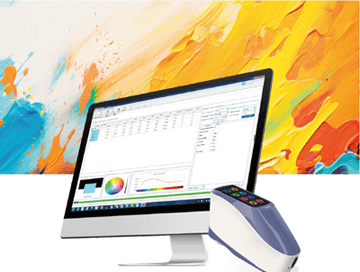
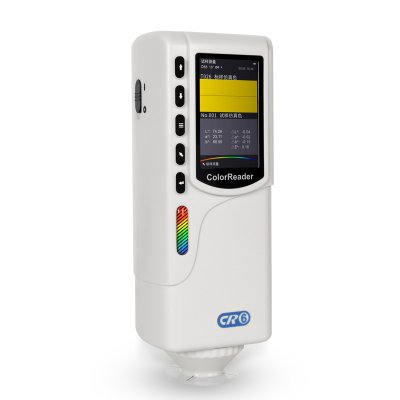
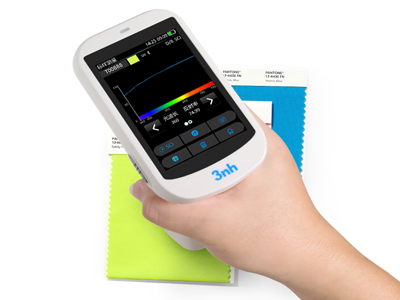
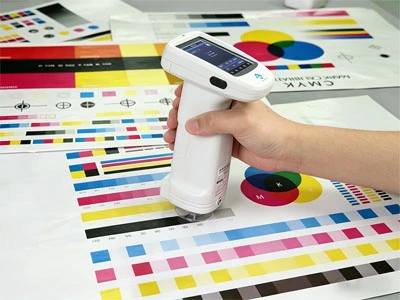
  • Functions: This spectrodensitometer accurately measures printing density, dot area percentage, overprint rate and gray‑scale values to evaluate ink transfer and print quality. It supports reflectance measurement modes and works with diverse printing substrates.

  • Features: High‑precision measurement with low error and excellent data stability. User‑friendly operation with clear display and physical buttons for shop‑floor operators. Compact and portable for on‑site real‑time production inspection.

  • Application scenarios: In‑line color‑quality monitoring during printing, tracking density fluctuation for press parameter adjustment, and finished‑goods inspection to verify compliance with color standards.

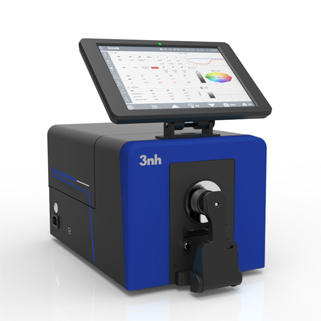
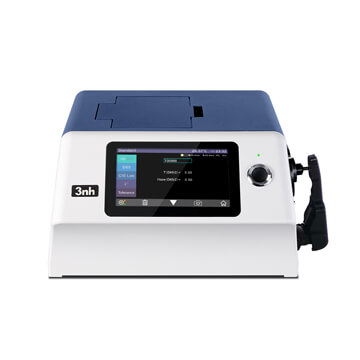
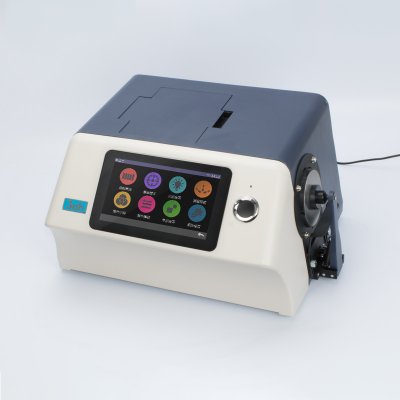
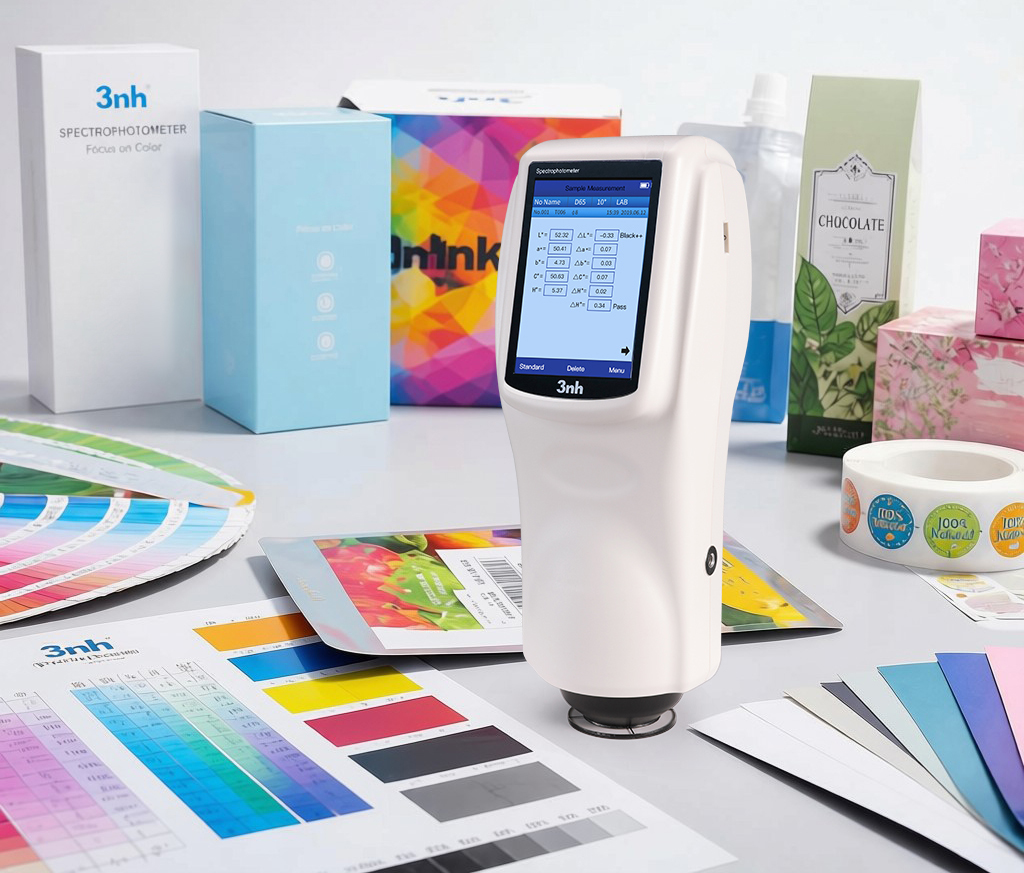
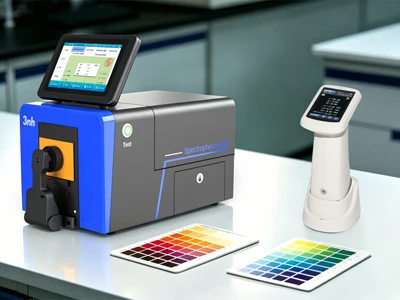
7.2 TS7708 Spectrophotometer

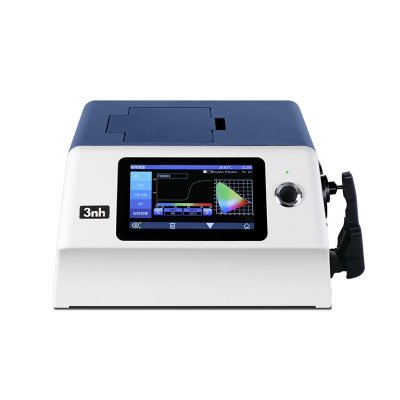
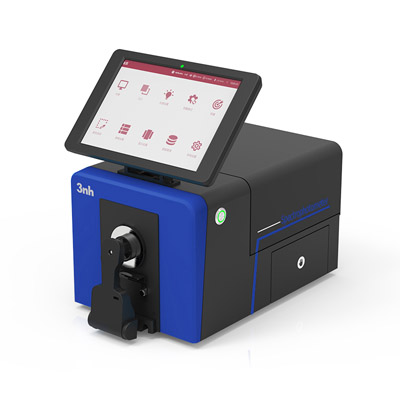
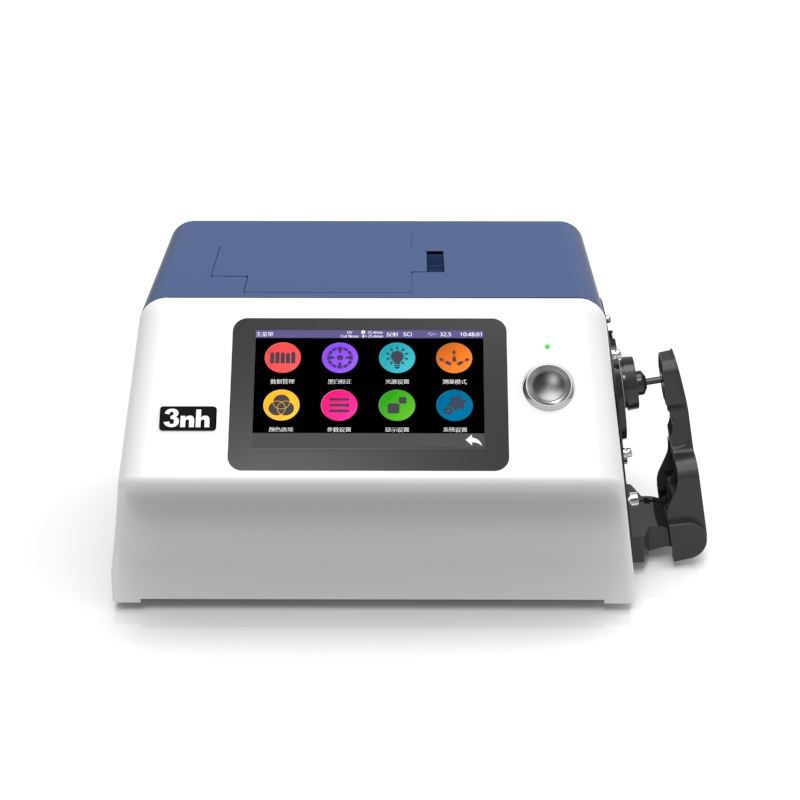
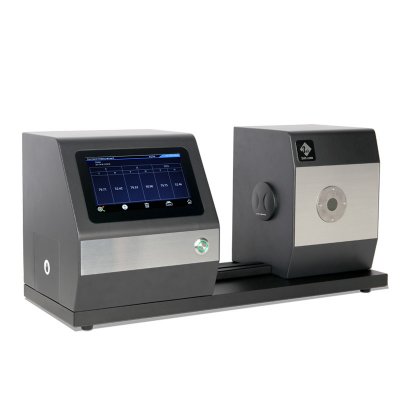
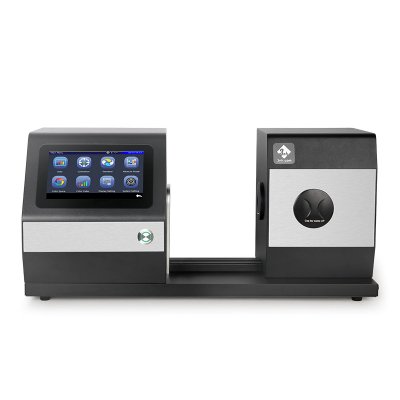
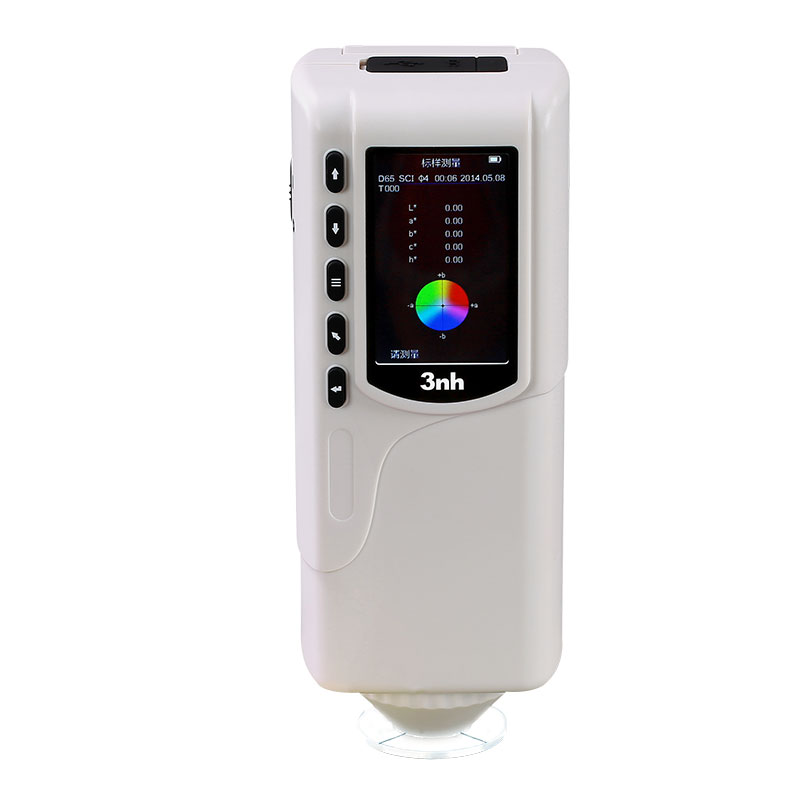
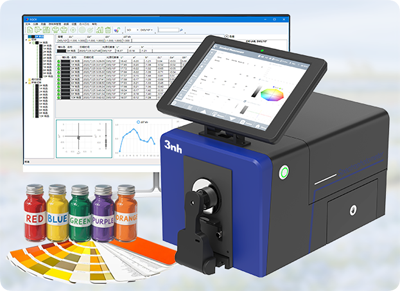
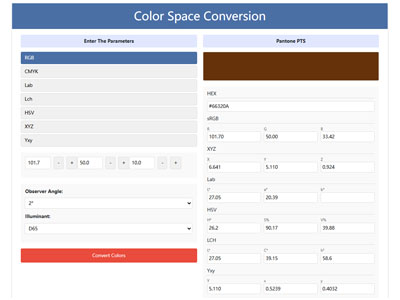
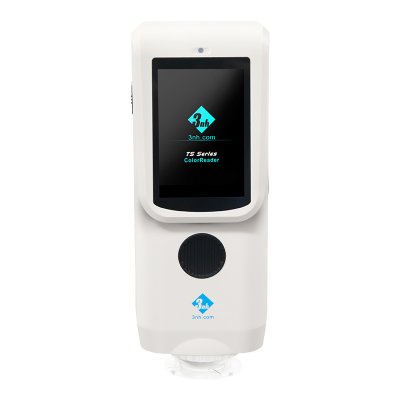
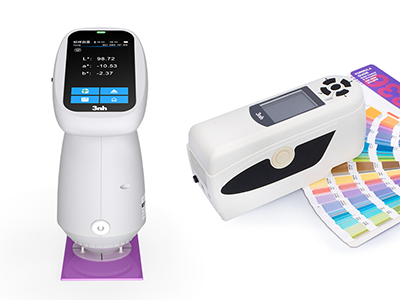
  • Functions: Precisely capture color coordinates, color difference ΔE, hue, lightness and saturation for comprehensive color evaluation of printing‑packaging products. Support multiple color spaces including CIE Lab* and CIE XYZ to satisfy diverse industrial‑standard requirements.

  • Features: Advanced grating‑spectroscopy technology delivers wide measurement range and high color resolution for detecting subtle color differences. Automatic calibration guarantees long‑term measuring accuracy. Bundled professional analysis software enables statistical analysis, report generation and quality traceability.

  • Application scenarios: R&D, in‑process production control and finished‑goods inspection for printing‑packaging. Validates ink‑matching outputs in R&D phase; monitors real‑time color deviation during manufacturing; performs batch color inspection for final‑product qualification.

8. Practical Case Studies & Technical Demonstrations

8.1 Case 1: Color‑Management Optimization for a Food‑Packaging Manufacturer

Business Pain Points: The enterprise adopted manual ink‑matching workflows. Complex mixed waste‑ink residues could hardly be re‑formulated manually, resulting in heavy ink waste. Lack of effective in‑process color monitoring led to high reject rates and elevated production costs.

Solutions: Deploy Pecolor ink‑formulation software and YS3060 spectrophotometer. Realize intelligent waste‑ink re‑formulation via Pecolor to eliminate manual‑matching errors. Adopt YS3060 for real‑time in‑line measurement and press‑parameter adjustment.

Implementation Results:

  • Waste‑ink re‑formulation achieves ΔE of 0.56, meeting tolerance requirements.

  • Ink‑matching cycle reduced by 50 %, production cost decreased by 30 %.

  • Brand‑product color consistency improved, enhancing consumer recognition.

8.2 Case 2: Brand Supply‑Chain Color‑Quality Control

Business Pain Points: Multiple geographically‑dispersed production bases operated divergent printing presses and measuring tools, generating visible color inconsistency across batches and damaging brand image. Unstable raw‑material quality further aggravated color deviation.

Solutions: Establish unified brand‑color specifications. Equip every production base with TS7708 spectrophotometers to standardize measurement methodologies. Deploy a supply‑chain information‑sharing platform for real‑time exchange of raw‑material and production‑color data. Strengthen supplier management with mandatory raw‑material color‑standard compliance.

Implementation Results: Color discrepancies across production bases are confined within industry‑accepted tolerances. Raw‑material quality stability improved, product reject rate cut by 20 %, and overall supply‑chain collaboration efficiency enhanced significantly.

8.3 Technical Demonstration: Joint Workflow of Pecolor Software and TS7708 Spectrophotometer

Demonstration Procedure:

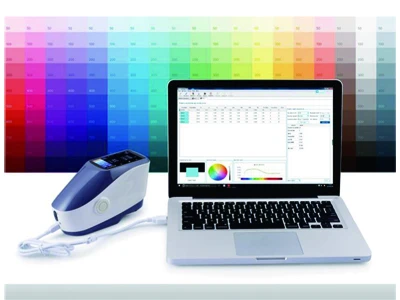
  1. Measure target‑color parameters with TS7708 spectrophotometer and import data into Pecolor ink‑formulation software.

  2. The software generates ink‑mixing formulas based on target color, ink properties and substrate characteristics.

  3. Prepare ink samples according to generated formulas and print test patches.

  4. Re‑measure printed patches with TS7708 and compare measured values against target‑color references.

  5. If color deviation exists, Pecolor auto‑adjusts ink formulas until samples satisfy color‑tolerance requirements.

Demonstration Outcomes: The joint workflow realizes fast precise color‑matching, reduces proofing iterations and boosts production efficiency. It guarantees color accuracy and consistency for printed products and delivers efficient technical support for enterprise‑level color management.

9. Summary and Outlook

9.1 Summary

This guide systematically elaborates fundamental color theory, end‑to‑end printing‑packaging color workflows, offset‑to‑flexo competitiveness and brand supply‑chain quality control. It details innovative tools including Pecolor ink‑formulation software, YD5050 plus spectrodensitometer and TS7708 spectrophotometer. Practical case studies and technical demonstrations validate that scientific color‑management methodologies and advanced instruments improve enterprise production efficiency, product quality and market competitiveness.

9.2 Outlook

Driven by intelligence, sustainability and digitalization trends in printing‑packaging industry, color management faces new opportunities and challenges. In the future, AI and big‑data technologies will be deeply integrated into color‑management workflows to realize automatic color prediction and fault diagnosis. Eco‑friendly inks and substrates will push color‑management solutions toward greener practices. Globalized and integrated supply‑chains demand cross‑enterprise and cross‑regional collaborative color governance to guarantee consistent product colors worldwide. Enterprises shall follow industry trends and deploy advanced color‑management technologies and instruments to accommodate evolving market demands and achieve sustainable development.

10. Appendix

10.1 Relevant Standards

  • GB/T 7974‑2013 Paper, board and pulps — Measurement of ISO brightness (diffuse blue reflectance factor)

  • GB/T 15608‑2021 The Chinese color system

  • ISO 12647‑2:2013 Graphic technology — Process control for the production of half‑tone colour separations, proofs and production prints — Part 2: Offset lithographic processesISO

  • ISO 12647‑6:2013 Graphic technology — Process control for the production of half‑tone colour separations, proofs and production prints — Part 6: Flexographic printingISO

10.2 Glossary of Terms

  • Color Gamut: The range of reproducible colors achievable by a device or color space.

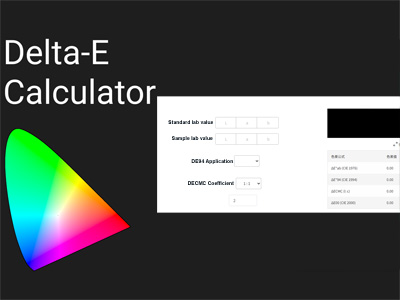
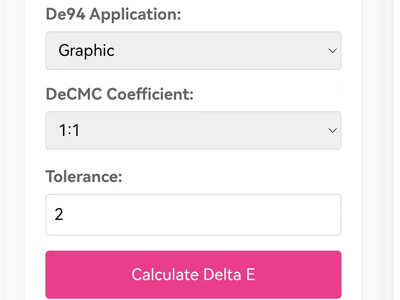
  • Color Difference: The degree of visual divergence between two colors, generally quantified by ΔEₐb values within CIE Labcolor space. Smaller ΔE values indicate slighter color divergenceISO.

  • Density: Measurement of light absorption. In printing, density evaluates ink‑layer thickness and uniformity.

  • Dot Area Percentage: The ratio of dot‑covered area to total area on printed substrates, a critical parameter for tone reproduction in halftone printing.

Dowload the Base Version Spectro Densitometer

Dowload the Proffesional Version Spectro Densitometer

Dowload the Advanced Version Spectro Densitometer

Justin Lee

Senior Optical Engineer

15+ years in color measurement R&D, Holds 8 patents in spectrophotometry
This article is edited by Justin Lee, the website content writer of 3nh, who has 15 years working experience in the color management industry and often discusses with colleagues in R&D, marketing and production departments about the professional knowledge and application of color measurement devices, and has a deep understanding of the industry and products.
Please feel free to contact me to discuss more about your color measurement projects
service@3nh.com.

Justin Lee - Senior Optical Engineer

Featured Resources & Insights

Give us a call!

Discuss your project with one of our product specialists:

0086 755 26508999

Need pricing?

We respond to quote requests within 1 business day.

service@3nh.com

Already know what you need?

Submit a demo request for the product you're interested in.

Get a Demo
Leave Your Message
We use cookies to ensure that we give you the best experience on our website. If you continue to use this site we will assume that you are happy with it. Privacy policy